

P0134 on 2005-2010 Chevrolet Cobalt 2.2L: Causes and Fixes for O2 Sensor Inactivity
On a 2005-2010 Cobalt with the 2.2L engine, code P0134 almost always means the upstream oxygen sensor (Bank 1, Sensor 1) has failed. Before replacing it, check the 'O2 SENS' fuse in the underhood fuse box and inspect the sensor's wiring for melting or damage. An aftermarket sensor costs around $40-$80, and it's a DIY-friendly repair.
- P0134 means the upstream O2 sensor (in the exhaust manifold) is not sending a signal.
- The most likely fix is to replace the upstream O2 sensor.
- Before replacing the sensor, always check the O2 sensor heater fuse and visually inspect the sensor's wiring for melting or damage.
- On this specific engine, also check the exhaust manifold for cracks, as a leak can cause this code.
- This is a DIY-friendly repair that can be done with basic tools and a special O2 sensor socket.
What's Unique About the 2005-2010 Chevrolet Cobalt
The L61 2.2L Ecotec engine in the Cobalt is a widely used GM powerplant, also found in the Cavalier, HHR, and Saturn Ion. While a failed sensor is the most common cause for P0134, this engine family is also prone to cracked exhaust manifolds. An exhaust leak from a crack can allow outside air to reach the sensor, disrupting its readings and potentially triggering this code. Therefore, a quick inspection of the manifold for cracks or black soot trails is a wise step before replacing parts. A user on cobaltss.net described this exact scenario, smelling exhaust fumes in the cabin 🎬 Watch: How to inspect and replace a cracked exhaust manifold when the heat was on, which led to the discovery of a cracked manifold.
Symptoms You May Notice
- Check Engine Light is on
- Reduced fuel economy
- Rough or unstable idle
- Engine hesitation or sluggish acceleration
- Failing an emissions test
- Smell of gasoline from the exhaust
- Replacing the downstream (Bank 1, Sensor 2) oxygen sensor. This code specifically points to the upstream sensor (Sensor 1), which performs a different function.
- Replacing the catalytic converter. While a bad sensor can harm the converter over time, the converter itself does not cause this code.
- Ignoring a small exhaust leak, assuming it's unrelated. A pre-sensor leak can directly cause the P0134 code by skewing sensor readings.
Most Likely Causes
- Failed Upstream Oxygen Sensor (Bank 1 Sensor 1) 🔴 High Probability Oxygen sensors are wear items with a finite lifespan of 60,000 to 90,000 miles. The internal heater circuit, which is essential for quick warm-up and proper function, is a common point of failure that directly causes the 'no activity' code.
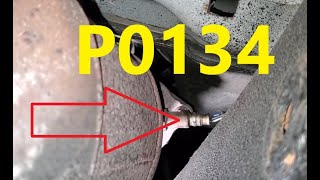
How to confirm: Using a scan tool with live data, observe the B1S1 voltage. It should fluctuate rapidly between approximately 0.1V (100mV) and 0.9V (900mV) on a warm engine. If the voltage is stuck (often around 0.45V) or shows a flat line, the sensor has failed. 🎬 See this guide on diagnosing P0134 and testing O2 sensors You can also test the resistance of the heater circuit with a multimeter; an open circuit indicates a failed heater.
Typical fix: Replace the upstream oxygen sensor. It is located in the front of the engine, screwed into the exhaust manifold.
Est. part cost: $40-$150 - Damaged O2 Sensor Wiring or Connector 🟡 Medium Probability The sensor wiring is routed close to the hot exhaust manifold. Over time, the plastic conduit can become brittle and break, exposing the wires to heat that can cause them to melt, chafe, or short against the engine block, leading to an open circuit and a P0134 code.
How to confirm: Visually inspect the entire wiring harness from the O2 sensor to the main engine harness. Look for melted plastic, frayed wires, or corrosion inside the connector. Use a multimeter to check for 12V power on the heater circuit wire (usually pink) and a good ground at the connector with the key on, engine off.
Typical fix: Repair the damaged section of the wiring harness with new wire and heat shrink tubing, or replace the connector pigtail.
Est. part cost: $5-$50 - Blown O2 Sensor Heater Fuse ⚪ Low Probability A short in the O2 sensor's internal heater or its wiring can cause the corresponding fuse to blow, cutting power to the sensor and preventing it from becoming active.
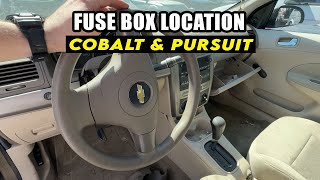
How to confirm: Locate the underhood fuse box. 🎬 Watch: How to find the fuse box on a Cobalt The fuse is typically labeled 'O2 SENS' or similar. On a 2007 Cobalt, for example, this is a 15A fuse at position #31. Pull the fuse and visually inspect if the internal wire is broken. Test for continuity with a multimeter.
Typical fix: Replace the blown fuse. If the new fuse blows immediately, it indicates a persistent short circuit in the wiring or the sensor itself that must be diagnosed and repaired.
Est. part cost: $1-$5 - Exhaust Leak Before the O2 Sensor ⚪ Low Probability The L61 Ecotec engine family can develop cracks in the cast iron exhaust manifold due to repeated heat cycles. A leak from a crack or a failed manifold gasket allows unmetered air into the exhaust stream, which can cause the O2 sensor to provide an unusual, flat-line reading that the PCM interprets as inactivity.
How to confirm: Listen for a 'ticking' or 'puffing' noise from the engine bay, especially when the engine is cold. Visually inspect the exhaust manifold for obvious cracks or black soot trails indicating a leak. A mechanic may use a smoke machine to pinpoint the leak's location.
Typical fix: Replace the cracked exhaust manifold and the manifold gasket. This is a more involved repair.
Est. part cost: $100-$300
Rare But Worth Checking
- Faulty Engine Ground Wire: A poor engine ground connection can cause a variety of strange electrical issues. On a related Saturn Ion with the same L61 engine, a user on SaturnForum.com traced a persistent P0134 to a corroded ground point under the intake manifold, which, once cleaned, resolved the issue. Check that the main engine-to-chassis ground straps are clean, tight, and free of corrosion.
- Faulty Powertrain Control Module (PCM): This is extremely rare. The PCM is the least likely component to fail. Before condemning the PCM, all other possibilities—including the sensor, wiring, fuse, grounds, and exhaust integrity—must be exhaustively ruled out through systematic testing.
Diagnosis Steps
- Scan for Codes: Use an OBD-II scanner to confirm P0134 is present. Note any other codes, but address P0134 first as it can cause others.
- Inspect the Fuse: Check the fuse for the O2 sensor heater circuit (e.g., 15A fuse #31 on a 2007 model) in the underhood fuse box. Replace if blown.
- Visual Inspection: Carefully inspect the upstream O2 sensor's wiring harness and connector for any signs of melting, chafing, fraying, or corrosion. Pay close attention to where the harness might contact the engine or exhaust.
- Check for Exhaust Leaks: Start the engine when it is cold. Listen for any 'ticking' or 'puffing' sounds from the exhaust manifold area that would indicate a leak. A visual check for soot trails around the manifold-to-head gasket is also recommended.
- Analyze Live Data: Use a scan tool to view live data for the 'O2S B1S1' voltage. When the engine is in closed loop (warmed up), it should switch rapidly between ~0.1V and ~0.9V. If it's a flat line or stuck near 0.45V, the circuit is inactive.
- Test the Circuit at the Connector: Disconnect the sensor. With the key on, engine off, use a multimeter to check for ~12V on the heater power wire and a good ground on the heater ground wire. You should also find a reference voltage (~0.45V) on one of the signal wires from the PCM.
- Replace the Sensor: If the fuse, wiring, and power/ground at the connector are all good, but the sensor shows no activity on the scan tool, the sensor itself has almost certainly failed and should be replaced.
Parts You'll Likely Need
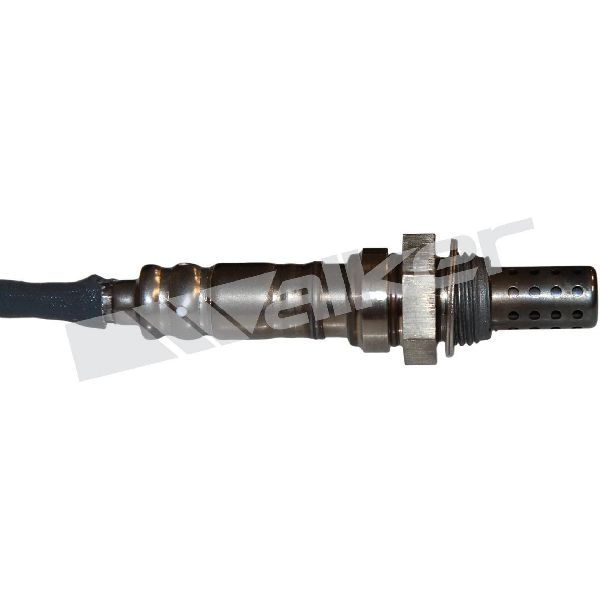
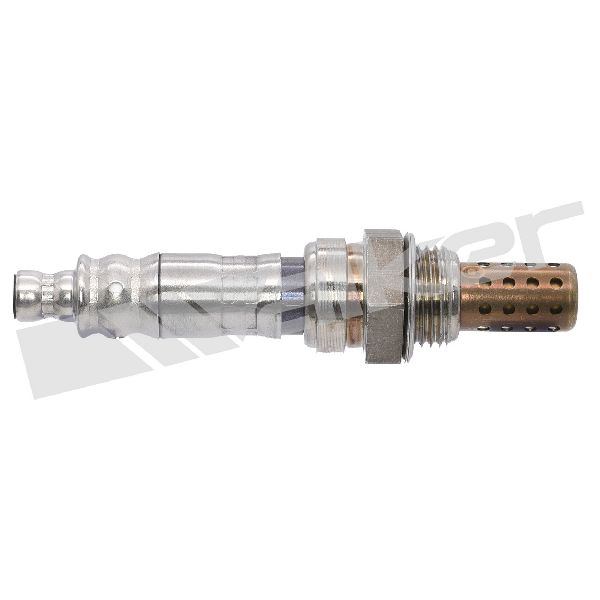
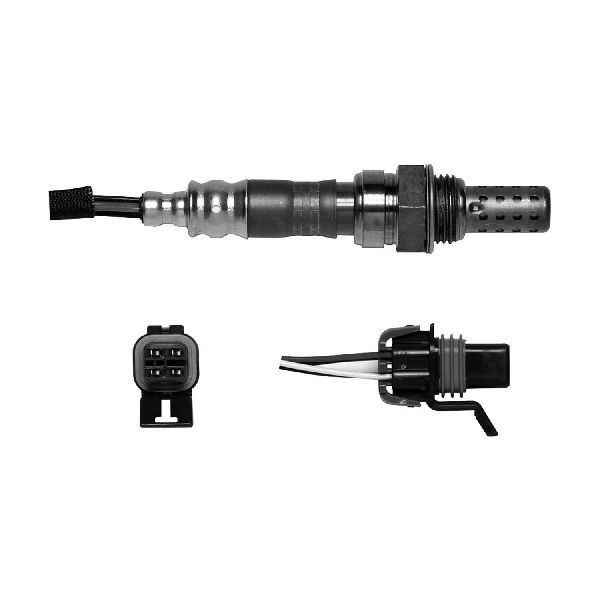
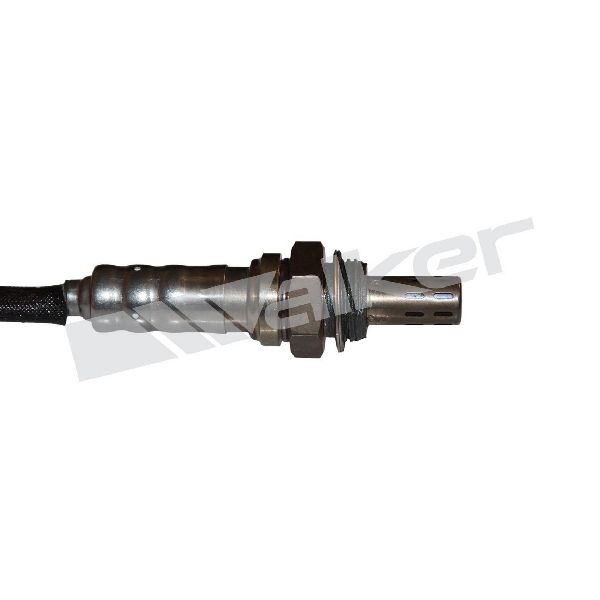
- Upstream Oxygen Sensor
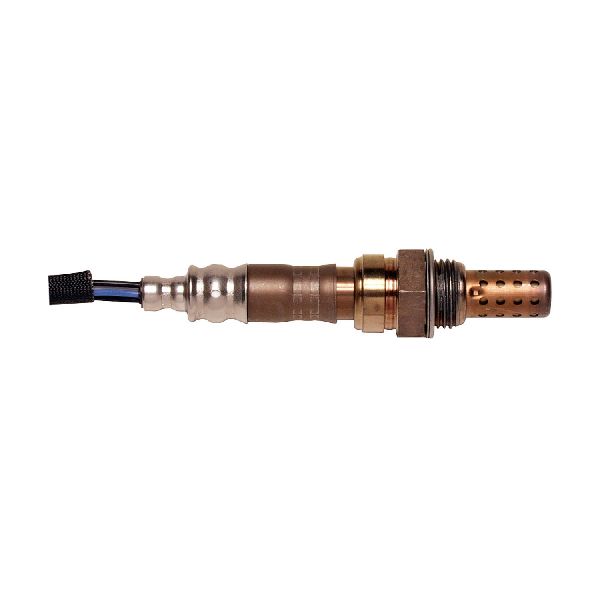
(OEM #GM 12639692 (superceded by ACDelco 213-4229))— This is the primary component identified by the code. Its internal heater or sensing element fails from age and heat cycles, causing the 'no activity' fault.
Trusted brands: ACDelco (GM Original Equipment), Denso, NGK/NTK, Bosch
OEM price range: $90-$150
Aftermarket price range: $40-$80
Platform-Specific Known Issues
- The L61 2.2L Ecotec engine family is known to sometimes develop cracks in the exhaust manifold, which can cause exhaust leaks that trigger this code.
- Poor engine ground connections have been noted on platform-mate vehicles like the Saturn Ion, causing persistent, hard-to-diagnose electrical issues including P0134.
Technical Service Bulletins (TSBs) & Recalls
- Bulletin #PIT5336: While issued for other GM models like the Traverse, this bulletin notes that a technician may find the Emission 1 Fuse is open in conjunction with P0134 and other O2 sensor codes, indicating a potential circuit short that affects the sensor's activity.
Mechanic-Grade Diagnostic Values
- O2 Sensor Heater Circuit Resistance — expected: Approximately 6 to 7.5 Ohms when cold.. Failure: An open circuit (infinite resistance) or a direct short (zero resistance) indicates a failed heater element.
- O2 Sensor Signal Circuit Bias Voltage — expected: ~450 mV (0.45V) with Key On, Engine Off (KOEO).. Failure: A reading of 0V or a full 12V could indicate a short or open in the signal wire or a faulty PCM driver.
- Mode $06 Heater Resistance Test — expected: A 'Pass' status or a value within the acceptable range specified by the scan tool.. Failure: A 'Fail' status for Test ID $16 / Component ID $11 points directly to a problem with the B1S1 heater circuit resistance.
Hidden / Shadow Codes Worth Checking
- Mode $06, TID $16, CID $11: This is not a DTC but a non-continuous monitor test result for the Bank 1 Sensor 1 Heater Resistance. It can confirm a heater circuit fault before the PCM sets a code, or validate the diagnosis. (see via A professional scan tool capable of reading Mode $06 data is required.)
Wiring & Ground Locations
- G105 — On the lower left front of the transmission case.. This is a primary ground point for the Powertrain Control Module (PCM/ECM) on the 2.2L engine. A corroded or loose G105 can cause erratic behavior or a complete loss of signal from sensors grounded through the PCM, including the O2 sensor.
- G103 — On the left front of the engine compartment, under the left headlamp assembly.. This is a major chassis ground point where other grounds, including a strap from G105, may terminate. Ensuring this point is clean and tight is crucial for overall electrical system health.
- O2 Sensor Pigtail — The 4-wire harness integrated into the oxygen sensor itself.. Per GM service information, this wiring must NOT be repaired. The sensor gets its clean air reference through the strands of the copper wires. Soldering or crimping can block this air path, causing incorrect sensor readings and a repeat P0134 code even with a new sensor. If the pigtail is damaged, the entire sensor must be replaced.
OEM Part Supersession History
ACDelco 213-1574→ACDelco 213-3837— Part number consolidation and potential design updates.
Heads up: The part number 213-4229, mentioned in Pass 2, is often listed for downstream use on larger GM engines and may not be correct for this application. Always verify fitment using the vehicle's VIN. The correct upstream sensor for a 2.2L Cobalt is typically 213-1574 or its successor.
Model Year Variations Within This Range
- 2007-2008: The 2.2L L61 engine was updated to a 'Gen 2' version with a stronger block and a new 32-bit computer, replacing the previous 16-bit unit. This may affect diagnostic parameters slightly, but the P0134 cause remains the same.
- 2009-2010: The 2.2L L61 engine was replaced by the 2.2L LAP engine. While functionally similar for this diagnosis, it's a different engine code with variable valve timing (VVT). When ordering parts, it is critical to specify the correct year to get components for the LAP, not the L61.
Diagnostic Flowchart
Other Known Issues on This Vehicle
Issues unrelated to this code that are worth knowing about as an owner of this generation:
- Faulty Ignition Switch 🔴 High — Extremely common across all 2005-2010 models. This was part of a massive, high-profile GM recall. (Ref: GM Recall #14299 (originally #14063). The switch can move out of the 'Run' position while driving, causing engine stall and disabling airbags.)
- Sudden Loss of Electric Power Steering 🔴 High — Very common on 2005-2010 models, leading to a major recall. (Ref: GM Recall #N100023 (NHTSA 10V073000). The electric power steering motor can fail suddenly, making the vehicle very difficult to steer at low speeds.)
- Cracked Fuel Pump Module / Fuel Leaks 🔴 High — Common enough to warrant a special coverage adjustment and regional recalls. Owners often report a strong fuel smell. (Ref: Special Coverage 12191B / Recall 09226C. The plastic supply or return port on the fuel pump module can crack, causing a fuel leak.)
- Failing Timing Chain Tensioner 🟠 Medium — A known weakness on the L61 engine. Onset is often indicated by a rattling noise from the engine on cold starts. (Ref: No specific recall, but a widely documented problem. Failure to address can lead to the timing chain skipping or breaking, causing severe engine damage.)
- Shifter Cable Failure 🟡 Low — Common issue where the cable fails, preventing the car from going into the selected gear or causing the key to get stuck in the ignition. (Ref: Some vehicles were covered by a recall to install a clamp on the cable.)
Used vs. New Parts: Buying Guide for This Vehicle
When a used part is the smart pick: For a cracked exhaust manifold. A used manifold from a reputable auto recycler is a cost-effective alternative to a new OEM or aftermarket part, provided it is thoroughly inspected.
Donor-vehicle mileage cap: roughly under 80000 miles for the part to have meaningful remaining life.
What to inspect on the donor part:
- For an exhaust manifold, check all surfaces with a straight edge to ensure it is not warped.
- Inspect carefully for hairline cracks, especially around the collector and flange welds. Look for any signs of previous repairs.
- Ensure all mounting studs are intact and not stripped or broken off.
OEM-only on this vehicle (don't cheap out):
- While not strictly 'OEM-only', using an OEM ACDelco or a high-quality OE-equivalent brand for the oxygen sensor is highly recommended to avoid compatibility and premature failure issues.
Aftermarket brands forum-validated for this vehicle:
- Oxygen Sensors: Denso, NGK/NTK, Bosch
- Exhaust Manifold: Dorman (often includes new gaskets and hardware)
Brands owners have reported issues with on this vehicle:
- Ultra-cheap, unbranded oxygen sensors from online marketplaces often have high failure rates and may not perform to OE specifications, leading to persistent codes.
Real Owner Stories
Aggregated from forums and TSBs cited above. Mileages and costs reflect what owners reported in those sources.
2007 Chevrolet Cobalt 2.2L L61
Symptoms: Loud exhaust noise and fumes in the cabin.
What fixed it: Replacement of a cracked exhaust manifold.
Source hint: cobaltss.net thread titled 'Need Help! Cracked Exhaust Manifold'
2009 Chevrolet Cobalt (Modified)
Symptoms: Persistent P0134 code even after replacing the O2 sensor with a new Bosch unit.
What fixed it: The problem was noted to potentially involve the wiring or the ECU tune on modified vehicles.
Source hint: cobaltss.net thread titled 'p0134 and i cant get rid of it'
Related OBD-II Codes
Frequently Asked Questions
Where is the upstream oxygen sensor located on my 2.2L Ecotec Cobalt?
My 2007 Cobalt has a P0134 code; which fuse should I check first?
Can a cracked exhaust manifold cause a P0134 code on the L61 engine?
I replaced the sensor on my Cobalt but the P0134 code won't go away. What else could it be?
Is there a specific electrical issue I should look for if I own a platform-mate like the Saturn Ion?
How long do the oxygen sensors typically last on the 2005-2010 Cobalt?
Helpful Videos
We Have This Part in Stock


The information in this article is provided for general reference and educational purposes only. Vehicle specifications, procedures, and part compatibility can vary by production date, trim level, and region. Always consult your vehicle's factory service manual and verify part numbers before purchasing or performing repairs. Safety-critical components such as airbags, seat belts, and braking systems should be installed by a qualified professional.
- Chevrolet Cobalt:
- 🎬 Helpful Videos
- 🛍️ Shop This Part
- What's Unique About the 2005-2010 Chevrolet Cobalt
- Symptoms You May Notice
- Most Likely Causes
- Rare But Worth Checking
- Diagnosis Steps
- Parts You'll Likely Need
- Platform-Specific Known Issues
- Technical Service Bulletins (TSBs) & Recalls
- Mechanic-Grade Diagnostic Values
- Hidden / Shadow Codes Worth Checking
- Wiring & Ground Locations
- OEM Part Supersession History
- Model Year Variations Within This Range
- Diagnostic Flowchart
- Other Known Issues on This Vehicle
- Used vs. New Parts: Buying Guide for This Vehicle
- Real Owner Stories
- 2007 Chevrolet Cobalt 2.2L L61
- 2009 Chevrolet Cobalt (Modified)
- Related OBD-II Codes
- Frequently Asked Questions
- 🎟️ Get 5% Off