

P0133 on 2014-2019 GMC Sierra 5.3L: Slow O2 Sensor Response Causes and Fixes
On a 2014-2019 GMC Sierra 5.3L, code P0133 is most often caused by a failing Bank 1 (driver's side) upstream oxygen sensor. However, exhaust manifold leaks from broken bolts are extremely common on these trucks and must be ruled out first. A ticking noise on a cold start is a tell-tale sign of a leak. Expect to pay $60-$150 for a new sensor, and the repair is a DIY 2/5 difficulty.
- P0133 points to a slow-reacting upstream oxygen sensor on the driver's side.
- Before replacing the sensor, you MUST check for exhaust leaks from broken manifold bolts, as this is an extremely common issue on the 5.3L V8 that mimics a bad sensor.
- A ticking noise on a cold start is the classic symptom of the manifold leak.
- The fix is either a new O2 sensor (ACDelco or Denso recommended) or repairing the exhaust leak, which is a more involved job but often the true cause.
- This is a DIY-friendly repair if it's just the sensor; an exhaust manifold bolt extraction is significantly more difficult.
What's Unique About the 2014-2019 GMC Sierra
For this generation of GMC Sierra (K2XX platform), the L83 V8 engine is generally reliable, but a common source of P0133 is not always the sensor itself. These trucks are notorious for developing exhaust leaks from cracked exhaust manifolds or, more commonly, from broken exhaust manifold bolts, particularly the rearmost and frontmost bolts on the cylinder head. This leak allows outside air into the exhaust stream, which fools the O2 sensor and makes its readings appear slow or lazy. Owners often report hearing a distinct 'ticking' sound from the engine bay on a cold start, which may disappear as the metal expands and seals the crack.
🎬 See how to identify that cold start ticking noise.Symptoms You May Notice
- Check Engine Light is on
- Reduced fuel economy, often a loss of 1-3 MPG
- Rough or unstable idle
- Slight hesitation during acceleration
- A ticking or puffing noise from the driver's side engine bay when cold (if caused by an exhaust leak)
- Black smoke from the exhaust in some cases
- Immediately replacing the oxygen sensor without first checking for exhaust leaks. An exhaust leak will cause the new sensor to report the same slow response, leading to the code returning. This is the most common mistake for this specific vehicle and code.
- Replacing the wrong sensor. Bank 1 is the driver's side on GM V8s. Sensor 1 is the upstream sensor, before the catalytic converter.
Most Likely Causes
- Failing Bank 1, Sensor 1 Oxygen Sensor 🔴 High Probability Oxygen sensors are wear-and-tear items that degrade over time from heat and contaminants like oil and carbon. After 80,000-100,000 miles, their chemical reactivity slows down, which is the direct cause of this code.
How to confirm: Using a scan tool with live data, graph the voltage of 'O2S B1S1'. It should switch rapidly between approximately 0.1V and 0.9V in less than a second. If the waveform is slow, lazy, or biased compared to the Bank 2 sensor (B2S1), and exhaust leaks are ruled out, the sensor has failed. A healthy sensor graph shows sharp peaks and valleys, while a slow one will have rounded, lazy waves.
Typical fix: Replace the Bank 1, Sensor 1 (Upstream, Driver's Side) oxygen sensor. Apply anti-seize compound to the threads of the new sensor before installation. An O2 sensor socket is highly recommended for removal. 🎬 Watch: Step-by-step guide to replacing the upstream O2 sensor.
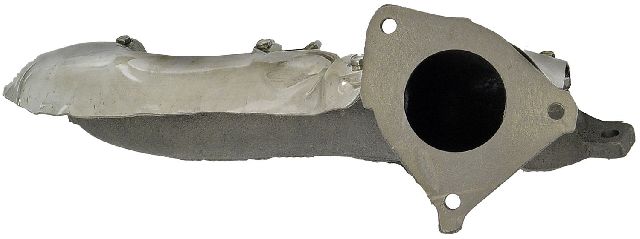
Est. part cost: $60-$150 - Exhaust Leak Before the O2 Sensor (Broken Manifold Bolts) 🔴 High Probability The cast iron exhaust manifolds on the L83 V8 expand and contract at a different rate than the steel bolts securing them to the aluminum cylinder heads. This thermal stress frequently causes the bolts, especially the rear-most one on the driver's side, to break. This creates a leak that pulls in outside air, causing the P0133 code.
How to confirm: Perform a cold start and listen for an audible ticking or puffing sound from the driver's side of the engine that may quiet down as the engine warms up. A visual inspection may reveal black soot trails near the manifold-to-head connection or the head of a broken bolt. A smoke test is the most definitive way to confirm a leak. Sometimes the broken bolt is not obvious and is flush with the cylinder head.
Typical fix: This is a common and well-documented repair. The broken bolt remnant must be extracted from the cylinder head, which can be difficult. The manifold is removed, the gasket surface is cleaned, and a new gasket and new bolts are installed. Some aftermarket companies, like Dorman, make clamp-style repair kits that avoid the need for bolt extraction. 🎬 Watch: Other common issues to watch for on this generation.
Est. part cost: $150-$400 for a new manifold and gaskets, or less if only gaskets and bolts are needed. - Damaged Wiring or Connector ⚪ Low Probability The wiring harness for the O2 sensor is located under the vehicle and can be susceptible to heat damage from the exhaust, road debris, or corrosion. High resistance in the wiring can slow down the signal, mimicking a bad sensor.
How to confirm: Visually inspect the wiring harness and connector leading to the Bank 1 Sensor 1 O2 sensor. Look for any melted, chafed, or broken wires, and check for corrosion inside the connector pins. Check for continuity and resistance with a multimeter; resistance should be very low (<1 ohm).
Typical fix: Repair the damaged section of the wiring harness or replace the connector pigtail.
Est. part cost: $15-$50
Rare But Worth Checking
- Intake Manifold or Vacuum Line Leak: A significant vacuum leak can cause a lean condition that affects the O2 sensor's ability to switch properly. This would typically be accompanied by other codes, like P0171 (System Too Lean Bank 1).
- Low or Incorrect Fuel Pressure: A failing fuel pump or clogged filter can affect the air/fuel ratio, which the O2 sensor reports. This is usually accompanied by other drivability issues and potentially other codes like P0172/P0175 (rich condition).
- Contaminated Sensor: An internal coolant leak (from a bad head gasket) or excessive oil consumption can contaminate the tip of the oxygen sensor with deposits, chemically 'poisoning' it and slowing its response. This would likely present with other symptoms like smoke from the exhaust or loss of coolant/oil.
Diagnosis Steps
- Connect an OBD-II scanner and confirm P0133 is the primary code. Note any other codes present, especially P0171 or P0153.
- Cold Start Audio/Visual Check: Start the engine when it is completely cold. Listen carefully for any 'ticking' or 'puffing' sounds from the driver's side exhaust manifold that last for a few seconds to a minute. Use a flashlight to look for soot trails around the manifold bolts.
- Exhaust Leak Confirmation: If a leak is suspected, a smoke test is the most reliable confirmation method. Introduce smoke into the exhaust system and look for it escaping from the manifold/head area.
- Wiring Inspection: Inspect the O2 sensor's wiring harness and connector for any signs of melting, chafing, or corrosion. Ensure the connector is securely plugged in. As noted in manufacturer service bulletin TSB Bulletin #PIP4699A, technicians should specifically check for the pre and post oxygen sensor connectors being swapped, as this will trigger a P0133.
- Live Data Analysis: Using the scanner's live data function, bring up the graphs for Bank 1 Sensor 1 (B1S1) and Bank 2 Sensor 1 (B2S1). The engine must be at operating temperature and in 'closed loop' status.
- Waveform Comparison: At idle and holding RPMs steady around 2,000, compare the two sensors' waveforms. If no exhaust leaks are present and the B1S1 waveform is visibly slower to switch from high (~0.9V) to low (~0.1V) than the B2S1 waveform, the sensor is faulty. A good sensor should complete a full cycle in about one second.
- Repair Verification: If an exhaust leak is found, repair it first. This is the most likely cause. If no leaks are found and the sensor waveform is slow, replace the Bank 1 Sensor 1 oxygen sensor.
- Clear the codes and perform a drive cycle to ensure the repair was successful.
Parts You'll Likely Need
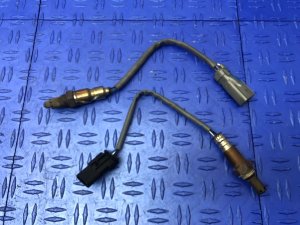
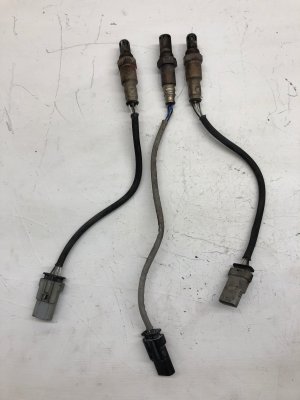
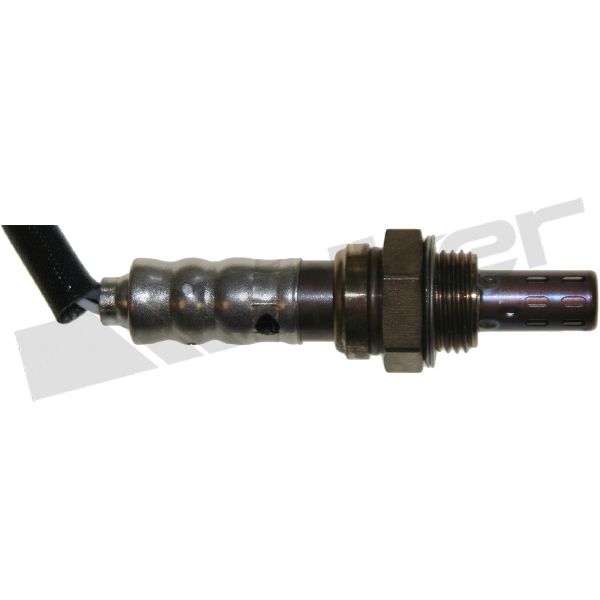
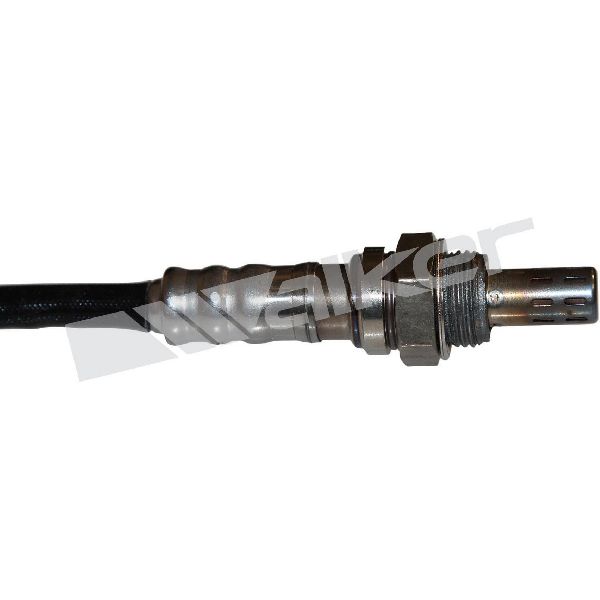
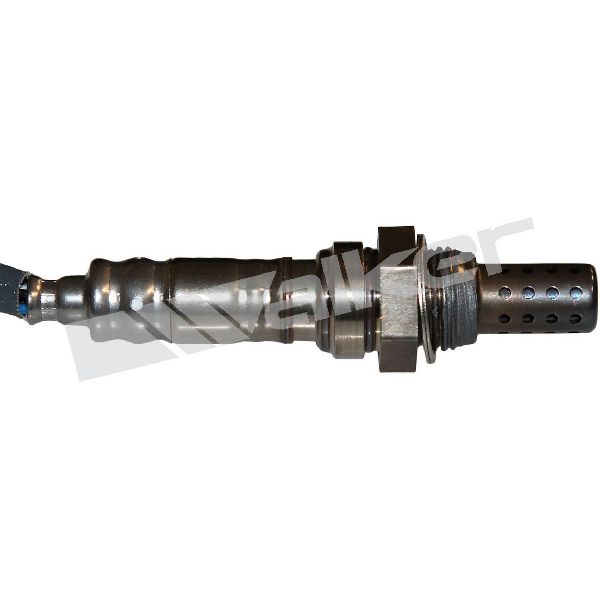
- Upstream Oxygen Sensor (Bank 1, Sensor 1)
(OEM #12678215)— This is the most common component to fail, causing a slow response code once other factors like exhaust leaks are ruled out.
Trusted brands: ACDelco (OEM), Denso, NTK/NGK
OEM price range: $100-$150
Aftermarket price range: $60-$100 - Exhaust Manifold Gasket
(OEM #12617944 (ACDelco))— If the cause is an exhaust leak at the cylinder head, this gasket must be replaced when the manifold is removed for repair or replacement. Aftermarket options are widely available.
Trusted brands: ACDelco (OEM), Fel-Pro (Part # MS96995)
OEM price range: $20-$40
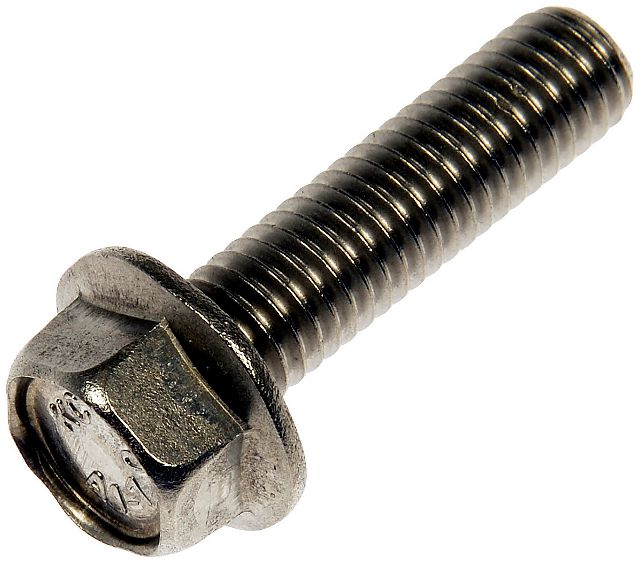
Aftermarket price range: $15-$30 - Exhaust Manifold Bolt
(OEM #11588724 (ACDelco))— Essential to replace when repairing a manifold leak, especially if any were broken or heavily corroded.
Trusted brands: ACDelco (OEM), Dorman
OEM price range: $5-$8 per bolt
Aftermarket price range: $3-$5 per bolt
Related Codes That Often Appear With This One
- P0153 — This is the same 'Slow Response' code but for Bank 2, Sensor 1 (passenger side). Seeing both may indicate a systemic issue like low fuel pressure, a contaminated MAF sensor affecting both banks, or simply that both sensors are old and failing at the same time.
- P0171 — This code for 'System Too Lean (Bank 1)' can be caused by an exhaust leak before the O2 sensor, which is also a primary cause for P0133. The unmetered air entering the exhaust makes the sensor see a lean condition.
- P0300 — A random/multiple cylinder misfire code. A failing O2 sensor can cause poor fuel control leading to misfires. Conversely, a persistent misfire can damage the O2 sensor over time.
Technical Service Bulletins (TSBs) & Recalls
- PIP4699A: This TSB highlights a potential issue where upstream and downstream O2 sensor connectors can be accidentally swapped during service, leading to a P0133 code. It provides steps for technicians to check if the pre-sensor is connected to the post-connector and vice versa.
- 20-NA-098: This bulletin addresses issues with incorrect fuel injectors being installed, which can lead to fuel trim and misfire codes (P0171, P0172, P0300). While not directly for P0133, it's relevant because a severe fuel trim imbalance could potentially affect O2 sensor readings.
Platform-Specific Known Issues
- Broken Exhaust Manifold Bolts: The most significant vehicle-specific issue for P0133 on the K2XX trucks. The rear-most bolt on the driver's side manifold is the most common failure point. Repair involves removing the wheel and inner fender liner for access, removing the manifold, extracting the broken bolt (often requiring drilling and
Mechanic-Grade Diagnostic Values
- HO2S Heater Circuit Resistance — expected: 4.5 - 7.2 Ohms when measured across the two heater wires (often same color) on a disconnected sensor.. Failure: A reading outside this range, especially an open circuit (infinite resistance), indicates a failed heater element. A failed heater will dramatically increase the time it takes for the sensor to become active, triggering a slow response code on cold starts.
- HO2S Rich-to-Lean Switch Time — expected: Less than 100 milliseconds (0.1 seconds).. Failure: While the absolute spec is under 100ms, scan tool data showing a full cycle (rich-to-lean-to-rich) taking more than 1-2 seconds at steady RPM indicates a lazy sensor that will set P0133.
- HO2S Key-On Engine-Off (KOEO) Bias Voltage — expected: Approximately 450 mV (0.45 V).. Failure: This voltage is supplied by the ECM as a baseline. A reading that is significantly different (e.g., 0V or 1V) with the key on but engine off points to a wiring issue (short to ground or power) or an internal ECM fault, not a slow sensor.
- Long Term Fuel Trim (Bank 1) — expected: Between -10% and +10% at idle and steady cruise.. Failure: A consistently high positive value (e.g., +15% or more) indicates the ECM is adding fuel to compensate for what it sees as a lean condition. This strongly suggests an air leak, either from the intake (vacuum leak) or exhaust (manifold leak), is the true root cause, not the sensor itself.
Scan Tool Commands That Help
- GDS2 / High-End OBD-II Scanner: O2 Monitor Test / Mode $06, TID $01 — This is not a bidirectional command, but a diagnostic test retrieval function. After a drive cycle, running this test allows you to see the results of the PCM's own internal test for O2 sensor switch time. It provides the raw data (in milliseconds) that the PCM used to determine the sensor was slow, confirming the failure without relying solely on visual graph interpretation.
Wiring & Ground Locations
- G104 — On the rear of the driver's side (Bank 1) cylinder head.. This is a primary engine ground point for the driver's side of the engine. A loose or corroded connection at G104 can cause erratic voltage and unstable sensor readings for all components on Bank 1, including the HO2S B1S1, potentially mimicking a sensor failure.
- Fuses F46 & F50 — In the main under-hood fuse block.. These 15A fuses supply power to the O2 sensor heater circuits (one for each bank). If the fuse for Bank 1 blows, the heater will not operate. This will prevent the sensor from reaching operating temperature quickly, guaranteeing a P0133 'Slow Response' code, especially on shorter trips. This is often accompanied by a heater circuit code like P0135.
Model Year Variations Within This Range
- 2019: The 2019 model year was a transition year. While many 2019 GMC Sierras were built with the L83 5.3L engine, the redesigned 'T1' platform introduced the L84 5.3L engine. The L84 uses Dynamic Fuel Management (DFM) instead of the L83's Active Fuel Management (AFM), and many components, including the ECM and wiring, are different. It is critical to verify which engine the truck has before ordering parts.
- 2018-2019: Starting in 2018, GM began using a different under-hood fuse box layout compared to the 2014-2017 models. While the functions are the same, the physical location and numbering of fuses like the O2 sensor heater fuses (F46, F50) may differ, requiring the correct diagram for diagnosis.
- 2017-2019: GM implemented wiring changes mid-cycle. For example, the fuel injector control pinouts on the ECM changed starting in 2017. While not directly for the O2 sensor, this illustrates that wiring diagrams must be specific to the vehicle's exact year, as assumptions based on the generation can be incorrect.
Diagnostic Flowchart
Real Owner Stories
Aggregated from forums and TSBs cited above. Mileages and costs reflect what owners reported in those sources.
2016 GMC Sierra 5.3L
Symptoms: Experienced both P0133 and P0153 codes simultaneously.
What fixed it: Diagnosed and fixed an exhaust manifold leak, which resolved the codes without needing to replace the oxygen sensors.
Source hint: gm-trucks.com thread titled 'P0133 and P0153 O2 Sensor Slow Response'
2016 Chevrolet Silverado
Symptoms: Noticed a classic cold-start ticking noise coming from the engine bay.
What fixed it: Found two broken passenger-side exhaust manifold bolts. Welded nuts to the broken studs to extract them and replaced the hardware.
Source hint: YouTube video 'Chevy Silverado Cold Start noise fixed' by Murphy Made
Chevrolet Silverado / GMC Sierra
Symptoms: Triggered P0133 and P0171 codes shortly after installing aftermarket headers and a tune.
What fixed it: Ensured there were no leaks at the new header flanges and corrected the tuning to account for the changed exhaust airflow characteristics.
Source hint: silveradosierra.com thread titled 'P0133 and P0171 after headers and tune'
Related OBD-II Codes
Frequently Asked Questions
Is the ticking noise on cold starts related to the P0133 code on my 5.3L Sierra?
Does TSB 20-NA-098 apply to my P0133 code?
I have a 2016 Sierra and got both P0133 and P0153. Should I replace both upstream sensors?
Can installing aftermarket headers cause a P0133 code on the K2XX trucks?
What is the most common cause of P0133 on the 2014-2019 GMC Sierra?
How do I fix the broken manifold bolts causing my P0133 code?
Helpful Videos


Used OEM Parts in Stock

New Aftermarket Parts Available


The information in this article is provided for general reference and educational purposes only. Vehicle specifications, procedures, and part compatibility can vary by production date, trim level, and region. Always consult your vehicle's factory service manual and verify part numbers before purchasing or performing repairs. Safety-critical components such as airbags, seat belts, and braking systems should be installed by a qualified professional.
- GMC Sierra:
- 🎬 Helpful Videos
- 🛍️ Shop This Part
- What's Unique About the 2014-2019 GMC Sierra
- Symptoms You May Notice
- Most Likely Causes
- Rare But Worth Checking
- Diagnosis Steps
- Parts You'll Likely Need
- Related Codes That Often Appear With This One
- Technical Service Bulletins (TSBs) & Recalls
- Platform-Specific Known Issues
- Mechanic-Grade Diagnostic Values
- Scan Tool Commands That Help
- Wiring & Ground Locations
- Model Year Variations Within This Range
- Diagnostic Flowchart
- Real Owner Stories
- 2016 GMC Sierra 5.3L
- 2016 Chevrolet Silverado
- Chevrolet Silverado / GMC Sierra
- Related OBD-II Codes
- Frequently Asked Questions
- 🎟️ Get 5% Off