

P0133 on 2019-2023 Genesis G70 2.0T: Causes and Fixes for Slow O2 Sensor Response
This code means the primary oxygen sensor (Bank 1, Sensor 1) is reacting too slowly. The most common fix is to replace this sensor, which can cost between $70 for an aftermarket part and $160 for an OEM version. Before replacing, check for exhaust leaks and damaged wiring, as these are also potential causes.
- P0133 on your G70 2.0T almost always points to a failing upstream oxygen sensor (Bank 1, Sensor 1).
- Before buying a new sensor, perform a quick visual check for obvious exhaust leaks near the engine and inspect the sensor's wiring for damage.
- This is a DIY-friendly repair for those with basic tools, but an oxygen sensor socket is highly recommended.
- The OEM part number is 39210-2CTA0 and is shared with the Kia Stinger 2.0T, which can be helpful if G70-specific parts are hard to find.
What's Unique About the 2019-2023 Genesis G70
For the Genesis G70 with the 2.0T engine, the P0133 code is a straightforward emissions issue, most often pointing directly to the upstream O2 sensor. Unlike some other codes on this platform (like P0088), P0133 is not typically associated with the known high-pressure fuel pump (HPFP) issues covered by recalls or warranty extensions. Owners should focus on the sensor itself and its immediate environment (exhaust manifold, wiring) as the primary trouble spots. It's worth noting that the G4KL engine in the G70 is a rear-wheel-drive variant of the Theta II family, sharing many components with the Kia Stinger 2.0T.
Symptoms You May Notice
- Check Engine Light is on
- Decreased fuel economy
- Rough or unstable idle
- Engine hesitation or sluggish acceleration
- Engine misfires in some cases
- Noticeable odor of unburnt fuel from the exhaust due to a rich condition
- Replacing the downstream (post-catalytic converter) O2 sensor. The code P0133 specifically refers to Sensor 1, which is the upstream sensor responsible for fuel control.
- Replacing the catalytic converter. A bad converter typically sets codes like P0420, not P0133. A P0133 issue left unresolved can eventually damage the converter, but the converter is not the cause.
Most Likely Causes
- Failing or Contaminated Upstream O2 Sensor (Bank 1, Sensor 1) 🔴 High Probability Over time, oxygen sensors become contaminated with carbon, oil, or fuel deposits, which insulates the sensing element and slows its reaction time. This is a common wear-and-tear item on most modern vehicles, including the G70's Theta II engine.
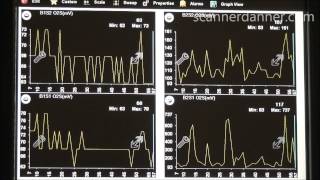
How to confirm: Use an OBD-II scan tool with live data capability. Graph the voltage for 'O2S11' (Bank 1, Sensor 1). A healthy sensor's voltage should fluctuate rapidly between approximately 0.1V and 0.9V multiple times per second. A sensor triggering P0133 will show slow, lazy, or flat-lined voltage readings.
Typical fix: Replace the upstream oxygen sensor. On the 2.0T inline-four engine, this is the sensor located on the exhaust manifold or in the turbo outlet pipe, before the catalytic converter. An oxygen sensor socket and penetrating oil are recommended for removal.
Est. part cost: $70-$160 - Exhaust Leak 🟡 Medium Probability Leaks from a cracked exhaust manifold or a failed gasket between the cylinder head and manifold can allow outside air to enter the exhaust stream. This extra oxygen disrupts the sensor's readings, causing it to respond slowly or inaccurately, which the ECU interprets as a P0133 fault.
How to confirm: Visually inspect the exhaust manifold for cracks or black soot trails indicating a leak. Listen for a distinct 'ticking' or 'hissing' sound from the engine bay, especially when the engine is cold. A smoke test performed by a shop is the most definitive way to pinpoint a leak's location.
Typical fix: Replace the leaking gasket or repair/replace the cracked exhaust component.
Est. part cost: $20-$300+ - Damaged O2 Sensor Wiring or Connector ⚪ Low Probability
How to confirm: Visually inspect the wiring harness leading to the upstream O2 sensor. Look for any signs of melting, chafing, corrosion, or loose pins in the connector. The harness can sometimes make contact with hot exhaust components, causing damage that affects the signal.
Typical fix: Repair the damaged section of the wiring harness or clean/replace the connector. Ensure the harness is properly secured away from heat sources.
Est. part cost: $10-$50
Rare But Worth Checking
- Dirty or Failing Mass Airflow (MAF) Sensor: A dirty MAF sensor can provide incorrect airflow data to the ECM, which can indirectly affect the air-fuel mixture and O2 sensor readings, though it's less common to be the sole cause of P0133.
- Low Fuel Pressure or Leaking Fuel Injectors: An incorrect fuel supply can alter the exhaust chemistry in a way that makes the O2 sensor appear slow. This is usually accompanied by other codes like P0171 (System Too Lean) or P0172 (System Too Rich). The 2.0T engine is known to have some issues with clogged injectors.
- ECU Software Logic: In some cases, vehicle manufacturers release software updates to adjust the sensitivity of the monitoring parameters for codes like P0133. While no specific TSB for P0133 on the G70 was found, dealers may have updated logic as part of broader engine management software flashes. TSB 23-EE-008G for the 2.0T engine shows that ECU updates are sometimes used to refine sensor-related logic (in this case, for the ISG system).
Diagnosis Steps
- Read the code with an OBD-II scanner to confirm P0133 is the primary code.
- Use the scanner's live data function to monitor the Bank 1 Sensor 1 (upstream) O2 sensor voltage. Confirm that it is switching slowly (less than once per second) between ~0.1V and ~0.9V.
- Perform a thorough visual inspection of the exhaust system from the cylinder head to the catalytic converter. Look and listen for any signs of an exhaust leak, especially around the manifold and turbo gaskets.
- Inspect the O2 sensor's wiring harness and connector for any damage, melting, or corrosion. Ensure the connector is securely plugged in.
- If no exhaust leaks or wiring issues are found, the O2 sensor itself is the most likely culprit.
- Before replacing, consider applying penetrating oil to the sensor threads and letting it soak, as they can be difficult to remove.
- After replacing the sensor, clear the code and perform a drive cycle, including idle periods and varied driving speeds, to ensure the fix was successful and the check engine light does not return.
Parts You'll Likely Need
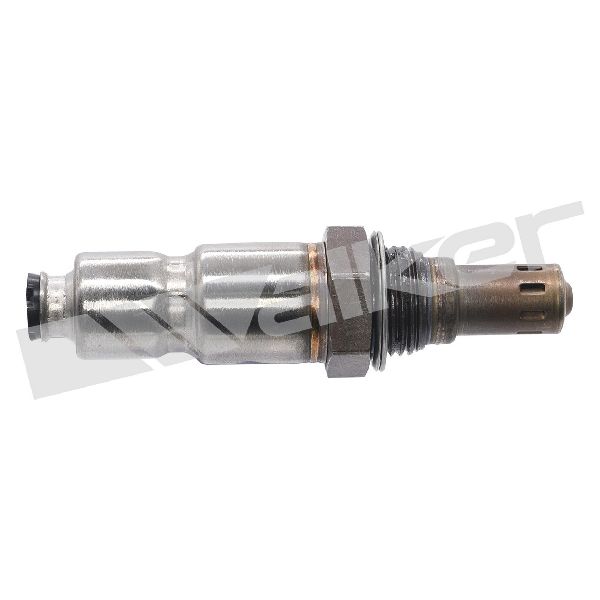
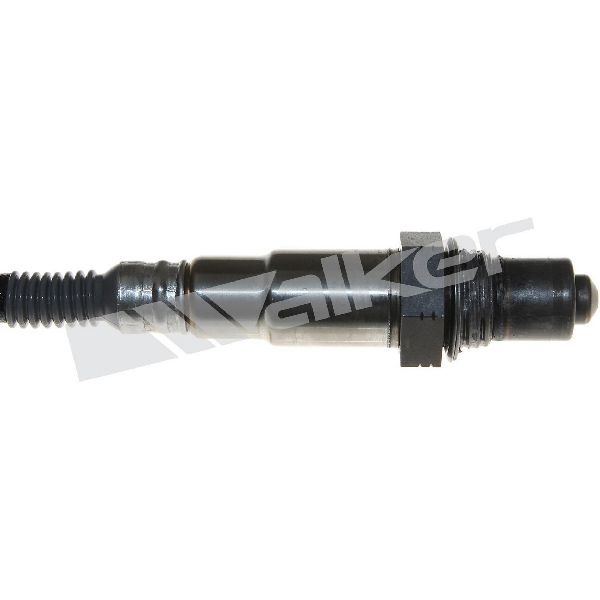
- Upstream Oxygen Sensor (Bank 1, Sensor 1)
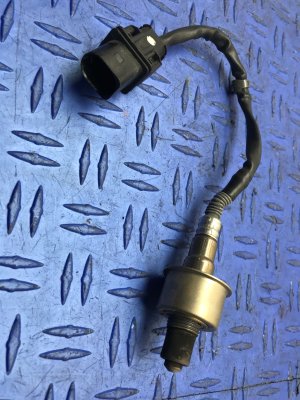
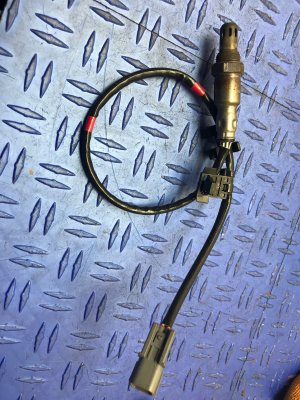
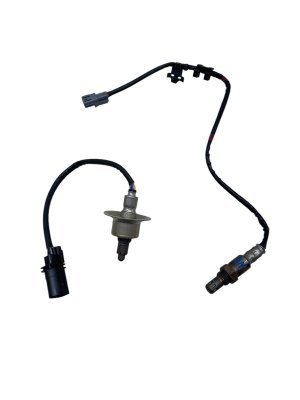
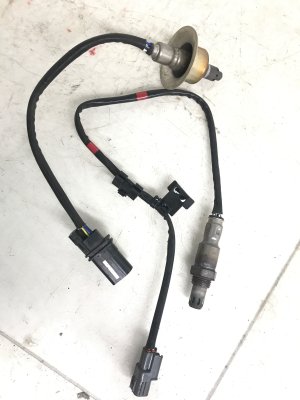
(OEM #39210-2CTA0)— This is the sensor that the code directly identifies as having a slow response time. It is a common wear item and the most frequent cause of P0133. This part number is confirmed to fit the 2019-2023 Genesis G70 2.0T and also the Kia Stinger 2.0T.
Trusted brands: Hyundai/Genesis OE, Bosch, Denso, NGK/NTK
OEM price range: $100-$160
Aftermarket price range: $70-$120
Technical Service Bulletins (TSBs) & Recalls
- TSB 25-FL-002G / Z05G: This TSB and related warranty extension for the High Pressure Fuel Pump (HPFP) is associated with code P0088, not P0133. It is cited here to explicitly rule it out as a direct cause.
- Recall 023G / NHTSA 24V528000: This is a safety recall for the HPFP on 2019-2023 G70 2.0T models, which can cause stalling. It involves an ECU update and potential pump replacement. While not directly for P0133, it highlights a known fuel system issue on the platform that could indirectly affect long-term emissions system health.
Platform-Specific Known Issues
- Some owners have reported difficulty sourcing OEM parts for the G70, leading them to cross-reference with the Kia Stinger, which shares the same engine and sensor.
Mechanic-Grade Diagnostic Values
- Upstream O2 Sensor (B1S1) Voltage Graph — expected: A healthy, warm sensor should show a rapid and consistent sine wave fluctuating between approximately 0.1V (lean) and 0.9V (rich).. Failure: A slow, lazy wave that takes more than a second to complete a cycle, or a voltage that is flat or stuck.
- O2 Sensor Heater Circuit Resistance — expected: While a specific value for the G4KL engine was not found, typical Hyundai/Kia O2 sensor heater circuits measure between 1.2-1.5 Ω. A similar value is expected here.. Failure: A reading of infinite resistance (open circuit) or zero resistance (short circuit) indicates a failed heater element within the sensor.
- O2 Sensor Heater Circuit Power — expected: Approximately 12V (battery voltage) should be present at the heater power wire in the sensor's connector with the key on, engine off.. Failure: No voltage suggests a blown fuse (often labeled 'SENSOR 1' in the engine bay fuse box) or a wiring issue.
Scan Tool Commands That Help
- Hyundai GDS (Global Diagnostic System) or equivalent advanced scanner: Reset Fuel Trim Adaptations / Clear KAM (Keep Alive Memory) — This is a critical step AFTER replacing the O2 sensor or fixing an exhaust/vacuum leak. The ECU 'learns' and compensates for a slow sensor. If these learned values are not cleared, the ECU may continue to operate on old, incorrect data, potentially causing the P0133 code to return even with a new, functioning part.
Wiring & Ground Locations
- O2 Sensor Heater Fuse ('SENSOR 1') — Typically located in the engine compartment junction block (fuse box).. The O2 sensor has an internal heater that must function for the sensor to respond quickly, especially when the engine is not fully hot. If this fuse blows, the heater will not operate, causing the sensor to warm up too slowly and trigger a P0133 'slow response' code.
Diagnostic Flowchart
Other Known Issues on This Vehicle
Issues unrelated to this code that are worth knowing about as an owner of this generation:
- High-Pressure Fuel Pump (HPFP) Failure 🔴 High — Common enough to trigger a safety recall (023G / NHTSA 24V528000) and a warranty extension (Z05G). Can occur at various mileages. (Ref: Recall 023G; Warranty Extension Z05G)
- Paint Peeling/Flaking 🟡 Low — Multiple owner reports on forums like Reddit, particularly around the rear bumper/fender seam and on OEM wheels. Seems to be a recurring cosmetic issue for Hyundai/Genesis.
- Carbon Buildup on Intake Valves 🟠 Medium — A common issue for all gasoline direct injection (GDI) engines, including the Theta II. Typically requires cleaning every 40,000-60,000 miles to prevent performance degradation.
- Premature Turbocharger Failure 🟠 Medium — Some owners have reported turbo failure, often attributed to oil starvation or carbon deposits in oil lines. More likely on vehicles with extended oil change intervals.
- Electrical Gremlins (Early Models) 🟡 Low — Early 2019 models in particular have reports of infotainment glitches, battery drain, and issues with the ABS module (covered by a recall). (Ref: NHTSA 21V161000 (ABS Module))
Used vs. New Parts: Buying Guide for This Vehicle
When a used part is the smart pick: For an oxygen sensor, a used part is almost never a smart choice. O2 sensors are wear-and-tear items with a finite lifespan, determined by heat cycles and contamination. Installing a used sensor often means you are installing a part with significant wear, and it may fail soon after, forcing you to do the job twice.
Donor-vehicle mileage cap: roughly under 20000 miles for the part to have meaningful remaining life.
What to inspect on the donor part:
- If forced to use a used sensor, source it from a very low-mileage vehicle (under 20k miles).
- Inspect the sensor tip for heavy, black, sooty deposits, which indicate it came from a poorly running engine.
- Avoid sensors with any physical damage to the wiring, connector, or metal body.
OEM-only on this vehicle (don't cheap out):
- While not strictly 'OEM-only', using a reputable OE supplier is highly recommended for oxygen sensors. Cheap, unbranded sensors are notorious for failing prematurely or having incorrect response characteristics, leading to the same code returning.
Aftermarket brands forum-validated for this vehicle:
- NTK (part of NGK) and Denso are the most highly-regarded OE suppliers for Japanese and Korean vehicles and are excellent choices for this repair.
- Bosch is also a reputable OE manufacturer of oxygen sensors.
Brands owners have reported issues with on this vehicle:
- Avoid generic, unbranded, or 'white-box' oxygen sensors from online marketplaces. While the initial cost is low, they have a high failure rate and often do not perform to OEM specifications.
Real Owner Stories
Aggregated from forums and TSBs cited above. Mileages and costs reflect what owners reported in those sources.
2019-2023 Genesis G70 2.0T
Symptoms: The owner experienced a rich running condition and difficulty sourcing original equipment manufacturer parts for the G70.
What fixed it: Replaced the oxygen sensor using a cross-referenced part from a Kia Stinger due to better availability.
Source hint: Reddit r/GenesisG70 - 'Lack of parts biggest pet peeve as owner'
Related OBD-II Codes
Frequently Asked Questions
Does the High Pressure Fuel Pump recall (023G) on my 2019-2023 G70 2.0T cause the P0133 code?
I'm having trouble finding an upstream O2 sensor for my G70 2.0T. Are there compatible parts from other vehicles?
Will carbon buildup, which is common on the Theta II GDI engine, cause a P0133 code?
Can an exhaust leak cause a P0133 code on the G70 2.0T?
What brands of oxygen sensors are recommended for the G70 if I don't buy from the dealership?
Is there a specific tool I need to replace the sensor on the 2.0T engine?
Helpful Videos


![How to Fix P0133 Engine Code in 3 Minutes [2 DIY Methods / Only $8.35]](https://img.youtube.com/vi/Qk7iEApm11M/mqdefault.jpg)
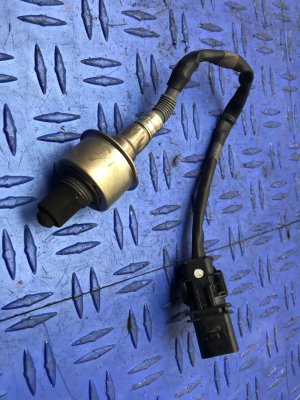
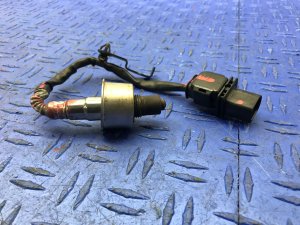
Used OEM Parts in Stock
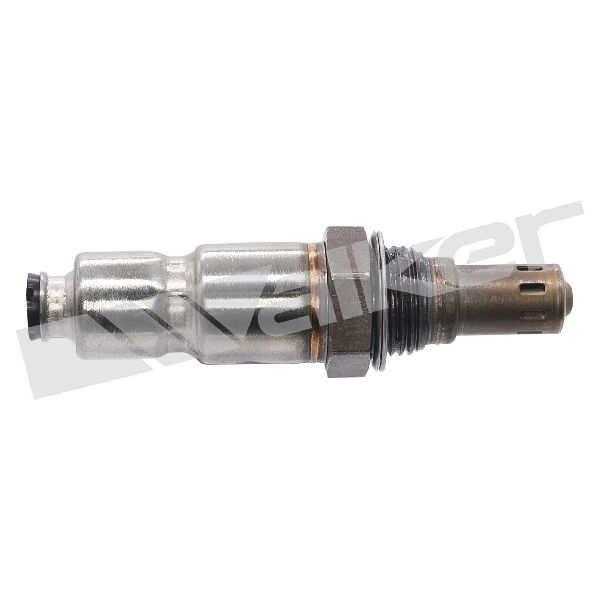
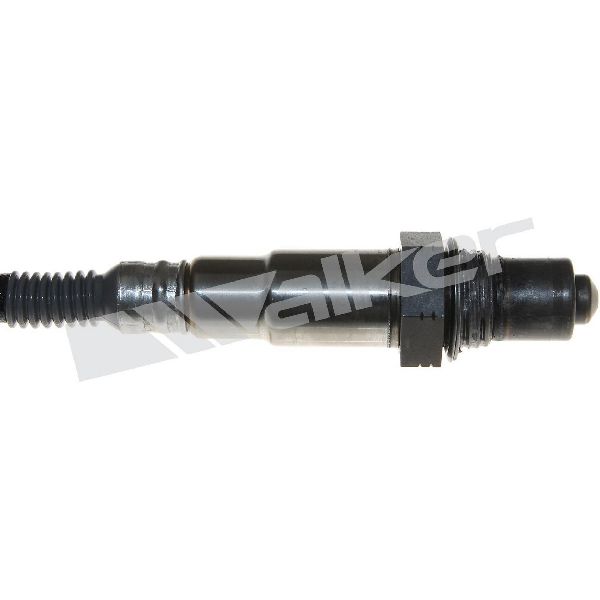
New Aftermarket Parts Available

The information in this article is provided for general reference and educational purposes only. Vehicle specifications, procedures, and part compatibility can vary by production date, trim level, and region. Always consult your vehicle's factory service manual and verify part numbers before purchasing or performing repairs. Safety-critical components such as airbags, seat belts, and braking systems should be installed by a qualified professional.
- Genesis G70:
- 🎬 Helpful Videos
- 🛍️ Shop This Part
- What's Unique About the 2019-2023 Genesis G70
- Symptoms You May Notice
- Most Likely Causes
- Rare But Worth Checking
- Diagnosis Steps
- Parts You'll Likely Need
- Technical Service Bulletins (TSBs) & Recalls
- Platform-Specific Known Issues
- Mechanic-Grade Diagnostic Values
- Scan Tool Commands That Help
- Wiring & Ground Locations
- Diagnostic Flowchart
- Other Known Issues on This Vehicle
- Used vs. New Parts: Buying Guide for This Vehicle
- Real Owner Stories
- 2019-2023 Genesis G70 2.0T
- Related OBD-II Codes
- Frequently Asked Questions
- 🎟️ Get 5% Off