

P0133 on 2016 Fiat 500X: O2 Sensor Slow Response Causes and Fixes
For a 2016 Fiat 500X with the 2.4L engine, code P0133 most often means the upstream oxygen (O2) sensor has failed and needs replacement. However, Fiat Chrysler Automobiles (FCA) has issued Technical Service Bulletins (TSBs) indicating a software update for the powertrain control module (PCM) can also resolve this issue, a problem common to its platform-mate, the Jeep Renegade. Always check for available software updates before replacing parts, especially if other unrelated codes are present.
- P0133 on a 2016 Fiat 500X points to a slow upstream O2 sensor (Bank 1, Sensor 1).
- Before replacing the O2 sensor, check with a dealer for required software updates, as multiple TSBs indicate this can be a software-related fault.
- If no software update is needed, the most common fix is to replace the upstream O2 sensor.
- Always inspect for exhaust leaks and wiring damage as part of your diagnosis.
- Ignoring this code can lead to poor fuel mileage and eventual damage to the catalytic converter.
What's Unique About the 2016-2016 Fiat 500X

While a failing O2 sensor is a common cause for P0133 on any vehicle, the 2016 Fiat 500X and its platform-mates (like the Jeep Renegade) are unique due to manufacturer-issued TSBs. [Bulletin #08-010-16 REV. D, Bulletin #18-030-15 REV C] These bulletins show that P0133 can appear alongside a variety of seemingly unrelated codes, such as those for the EVAP system or wheel speed sensors. This strongly suggests that the root cause can be a software glitch within the Powertrain Control Module (PCM), making a dealer-installed software update a critical diagnostic step before replacing parts. [Bulletin #08-010-16 REV. D, Bulletin #0801016, Bulletin #08-010-16 REV. B]
Diagnostic Flowchart
Tap your situation to follow the diagnostic path that matches what you're seeing on this vehicle.
Symptoms You May Notice
- Check Engine Light is on
- Reduced fuel economy
- Rough or uneven idle [Bulletin #18-030-15 REV C]
- Engine hesitation or slower acceleration
- Failure to pass an emissions test
- Bad or rotten egg smelling exhaust
- Replacing the O2 sensor when the actual fault is outdated PCM software, as indicated by Fiat's TSBs. This is a very common mistake on this platform.
- Replacing the catalytic converter, which is a very expensive part that is rarely the cause of a slow response code. A converter failure would typically set codes like P0420 or P0430.
- Assuming the aftermarket sensor is good. Some owners report that only the genuine Mopar sensor will resolve the code after a cheap aftermarket part fails to do so.
Most Likely Causes

- Failing or Contaminated Upstream O2 Sensor 🔴 High Probability O2 sensors are wear-and-tear items that degrade over time from heat and contaminants in the exhaust. Oil leaks from the valve cover gasket, a common issue on the 2.4L Tigershark engine, can also contaminate the sensor.
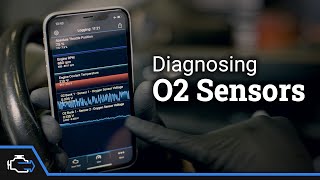
How to confirm: Use an OBD-II scanner with live data to graph the Bank 1 Sensor 1 voltage. 🎬 See how to diagnose O2 sensors using live scanner data. A healthy sensor's voltage will switch rapidly between approximately 0.1V and 0.9V. A slow sensor will show lazy, rounded-off transitions that take longer than 100ms to switch.
Typical fix: Replace the upstream oxygen sensor (Bank 1, Sensor 1). The Mopar OEM part is recommended, but quality aftermarket sensors from NTK are a viable alternative. 🎬 Check out this helpful guide on P0133 causes and repairs.
Est. part cost: $80-$150 - Outdated Powertrain Control Module (PCM) Software 🔴 High Probability Multiple TSBs from FCA (#08-010-16, #18-030-15 REV C) explicitly list P0133 as a code that can be resolved with a software update. This is especially likely if other seemingly unrelated codes are present. The issue is also documented for platform mates like the Jeep Renegade and Dodge Dart.
How to confirm: A Fiat dealer or a qualified independent shop with access to FCA's wiTECH software can check if your vehicle's VIN has an available PCM update by referencing the TSBs.
Typical fix: Reprogram the Powertrain Control Module with the latest software. This is often referred to as 'flashing' the PCM.
Est. part cost: $100-$250 (Labor for flashing at a dealer or independent shop) - Exhaust System Leak 🟡 Medium Probability Leaks can occur at the exhaust manifold gasket or the flex pipe. An exhaust leak before the O2 sensor allows outside air to enter the exhaust stream, which can alter sensor readings and cause the PCM to interpret the data as a slow response.
How to confirm: Visually inspect the exhaust manifold and pipes leading to the O2 sensor for cracks, rust, or black soot marks which indicate a leak. A ticking noise that is louder on a cold start and quiets down as the engine warms is a classic sign of a manifold leak. A smoke test can also be used to pinpoint leaks.
Typical fix: Repair or replace the leaking section of the exhaust, which may involve replacing the exhaust manifold gasket.
Est. part cost: $50-$500+ - Damaged Wiring or Connectors ⚪ Low Probability The O2 sensor harness is located in a high-heat area near the engine and exhaust, making it susceptible to melting or becoming brittle and frayed over time.
How to confirm: Visually inspect the O2 sensor's wiring harness and connector for any signs of melting, fraying, corrosion, or loose pins. Test for continuity and proper voltage at the connector with a multimeter.
Typical fix: Repair the damaged wiring or replace the connector pigtail.
Est. part cost: $15-$50
Rare But Worth Checking
- Engine Vacuum Leak: A significant vacuum leak can introduce unmetered air, altering the air-fuel ratio and potentially causing the O2 sensor to respond in a way the PCM interprets as slow.
- Low or Incorrect Fuel Pressure: Incorrect fuel pressure can affect the air-fuel mixture, leading to sensor readings that may trigger a P0133 code.
Diagnosis Steps

- Connect an OBD-II scanner to read the code and check for any other stored codes. Note all codes present.
- CRITICAL STEP: Check with a Fiat dealer if your vehicle's VIN is covered by TSBs #08-010-16 or #18-030-15 REV C. If other codes (especially EVAP or wheel speed sensor codes) are present with P0133, a PCM software update is the most likely fix. [Bulletin #08-010-16 REV. D, Bulletin #18-030-15 REV C]
- If no software updates are available or applicable, use the scanner's live data feature to monitor the Bank 1 Sensor 1 voltage. Graph the sensor's output. Look for slow, lazy switching instead of rapid fluctuations between ~0.1V and ~0.9V.
- Inspect the exhaust manifold and downpipe for any signs of leaks (soot trails, audible ticking noise when cold).
- Inspect the O2 sensor's wiring harness and connector for any physical damage, melting, or corrosion.
- If no software updates are needed and no leaks or wiring faults are found, the upstream O2 sensor is the most likely culprit and should be replaced. Using a genuine Mopar part is highly recommended.
Parts You'll Likely Need

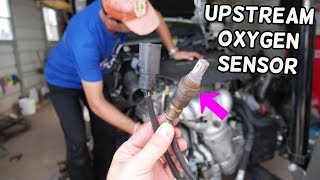
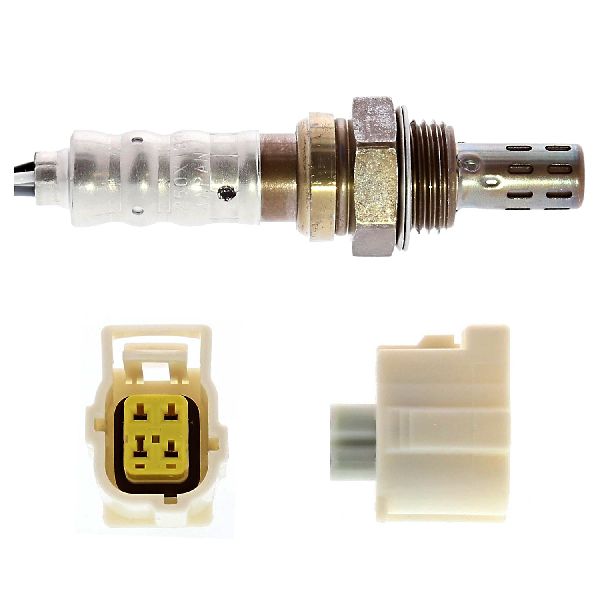
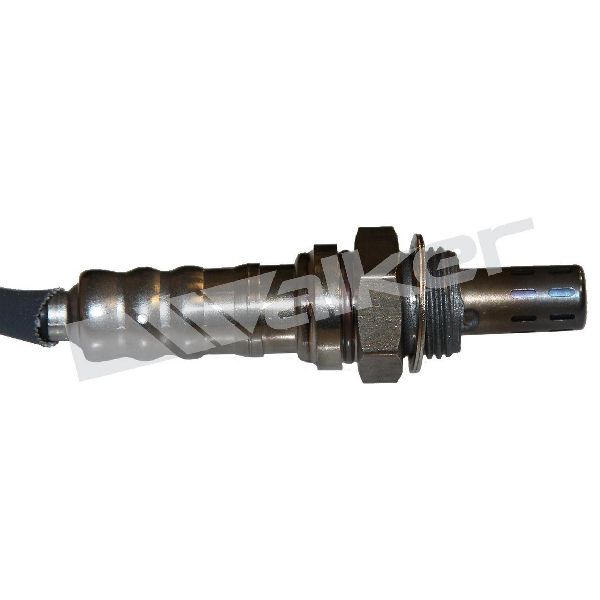
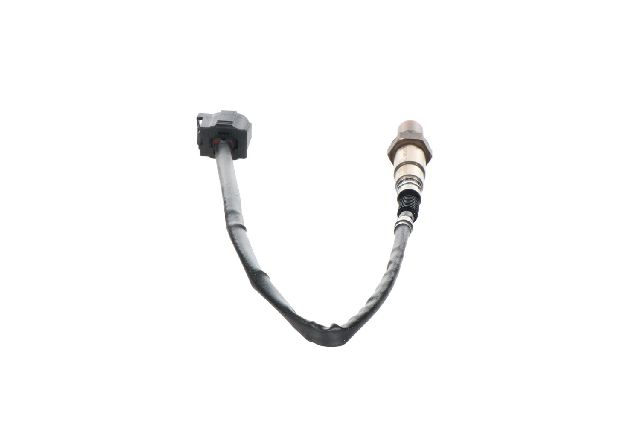
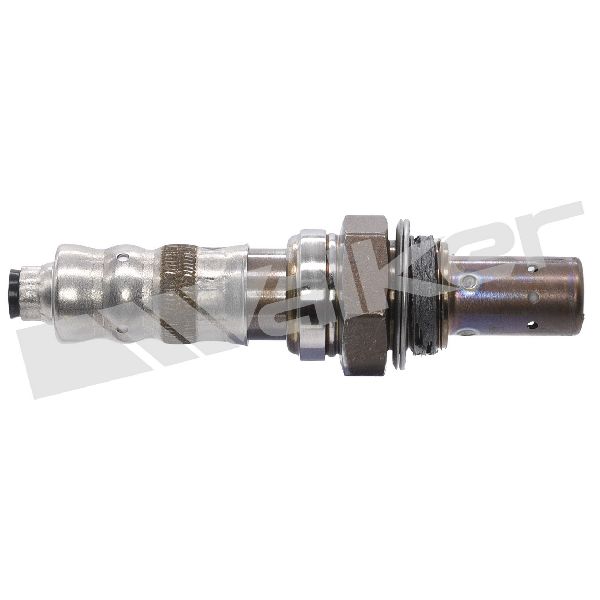
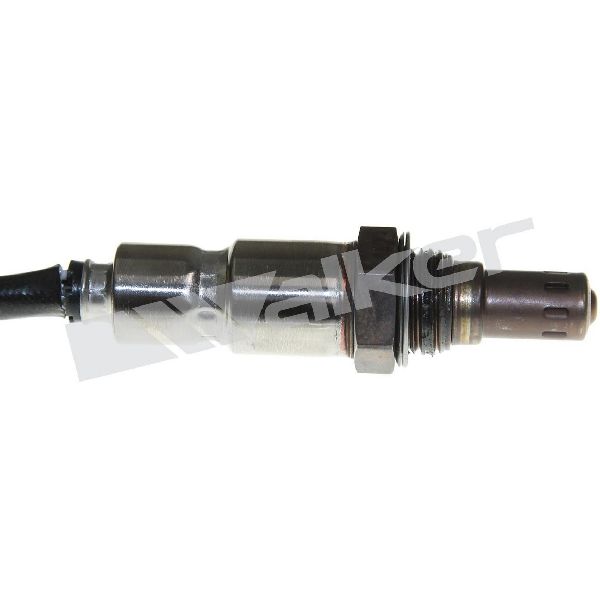
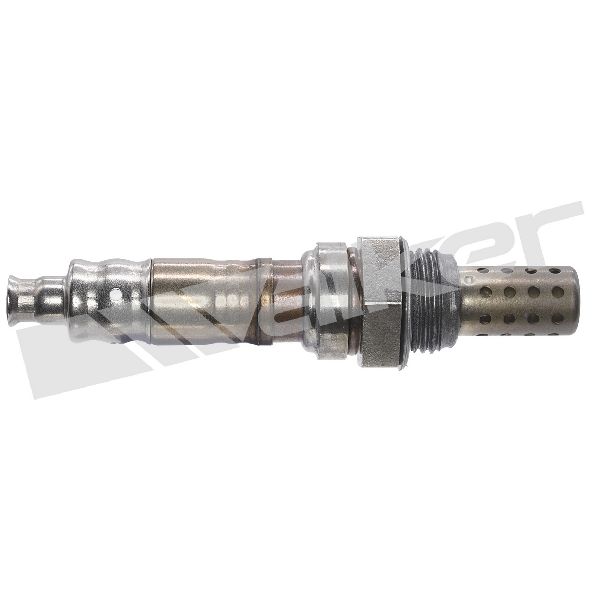
- Upstream Oxygen Sensor (Bank 1 Sensor 1)
(OEM #68271138AA)— This is the sensor being monitored and is the most common part to fail and cause code P0133. Part number 68271138AA is the specified Mopar part for this application.
Trusted brands: Mopar (OEM), NTK (P/N: 23558)
OEM price range: $130-$180
Aftermarket price range: $80-$130
Related Codes That Often Appear With This One
- P0171 — Often seen together in TSB #18-030-15 REV C. A slow O2 sensor can fail to correct a lean condition, or a lean condition (from a vacuum leak) can cause strange O2 sensor readings.
- P050D — Listed in TSB #18-030-15 REV C. A poor air-fuel mixture from a slow O2 sensor can cause a rough idle, especially during a cold start.
- U0402 — Mentioned in TSB #18-030-15 REV C, indicating a potential communication issue between control modules that may be resolved by a software update.
- P0441, P0452, P0455, P0456 — Grouped with P0133 in TSBs #08-010-16 and its revisions. Their appearance together strongly suggests a PCM software glitch that causes multiple false codes across different systems. [Bulletin #08-010-16 REV. D]
Technical Service Bulletins (TSBs) & Recalls
- Bulletin #18-030-15 REV C: Mentions P0133 along with P0171, P050D, and U0402, suggesting a software update may be needed for rough idle and other issues.
- Bulletin #08-010-16 REV. D: Lists P0133 with a group of EVAP and wheel speed sensor codes, pointing to a potential software glitch requiring a PCM reflash.
- Bulletin #0801016: An earlier version of the above TSB, also linking P0133 to various other system codes.
- Bulletin #08-010-16 REV. B: Another revision of the TSB linking P0133 to unrelated system codes.
Platform-Specific Known Issues
- Software Updates vs. Sensor Replacement: TSB #18-030-15 REV C notes that P0133 may be found with codes P0171 (Fuel System Lean), P050D (Cold Start Rough Idle), and U0402 (Implausible Data From TCM). The fix is often a PCM software update, not a new sensor.
- Phantom Unrelated Codes: TSBs #08-010-16 and its revisions indicate P0133 may be set along with various EVAP and wheel speed sensor codes. This points to a broader software issue that requires a PCM reflash to correct, a known issue across the 2.4L Tigershark engine family. [Bulletin #08-010-16 REV. D, Bulletin #0801016, Bulletin #08-010-16 REV. B]
- Owner Experience: The PCM Flash Fix: On the 500xforums.com, a user described a scenario where the P0133 code appeared. The dealer, referencing the TSBs, performed a PCM software update which successfully resolved the issue without replacing any parts. This highlights the importance of checking for software updates before spending money on a new sensor.
Mechanic-Grade Diagnostic Values
- Upstream O2 Sensor (B1S1) Signal Voltage — expected: Fluctuating rapidly between 0.1V (100mV) and 0.9V (900mV) when the engine is in closed loop.. Failure: Voltage is stuck near 0.45V, stays consistently low (<0.35V), or stays consistently high (>0.55V). Also fails if voltage does not increase instantly when the throttle is snapped open.
- Upstream O2 Sensor Heater Circuit Resistance — expected: Within manufacturer specification, typically between 2 and 16 ohms depending on the specific sensor design.. Failure: An infinite resistance reading (open circuit) indicates a failed heater element and requires sensor replacement.
- Upstream O2 Sensor Cross Counts — expected: At least 8 to 10 switches from rich (>0.5V) to lean (<0.5V) within a 10-second window when viewing live data at a steady RPM.. Failure: Low or inconsistent cross counts indicate a lazy or failing sensor.
Scan Tool Commands That Help
- FCA wiTECH or equivalent J2534 device: Powertrain Control Module (PCM) Reprogramming / Flash — This is a critical step when P0133 is accompanied by other seemingly unrelated codes (e.g., EVAP, wheel speed), as specified in TSBs #08-010-16 and #18-030-15 REV C. It updates the PCM software to correct logic errors that can falsely trigger this code.
- Any OBD-II scanner with live data graphing: Live Data Graphing for B1S1 O2 Sensor Voltage — This is the primary method to visually confirm a slow-responding sensor. A healthy sensor shows a sharp, rapid sine wave pattern, while a failing sensor shows a slow, lazy, or flat-lined graph.
Wiring & Ground Locations

- Upstream O2 Sensor (B1S1) Connector — The sensor is located on the front of the engine in the exhaust manifold, visible when opening the hood. The electrical connector is typically attached to a bracket nearby.. The connector and its wiring are in a high-heat area and are prone to damage, which can cause a slow response code. A visual inspection for melted plastic, corrosion, or frayed wires is essential.
- O2 Sensor Pinout (Typical 4-wire) — At the sensor connector.. Knowing the wire functions is needed for multimeter testing. Typically includes two wires for the heater circuit (often the same color), one signal wire (for voltage measurement), and one ground wire. Verifying power and ground at the harness side of the connector is a key diagnostic step.
When the Usual Fixes Don't Work
- While a failed sensor is the most common cause for P0133 on most vehicles, on the 2016 Fiat 500X the high probability of a software issue makes immediate sensor replacement a potential waste of money. The presence of multiple FCA Technical Service Bulletins (TSBs) that group P0133 with other unrelated system codes is strong evidence that a PCM software update should be the first diagnostic step, especially if codes like P0441, P0456, or C0501 are also present. [Bulletin #08-010-16 REV. D] Forum discussions confirm that owners have replaced the sensor only to have the light return, with the final fix being a dealer-performed PCM flash.
Helpful Videos
We Have This Part in Stock

The information in this article is provided for general reference and educational purposes only. Vehicle specifications, procedures, and part compatibility can vary by production date, trim level, and region. Always consult your vehicle's factory service manual and verify part numbers before purchasing or performing repairs. Safety-critical components such as airbags, seat belts, and braking systems should be installed by a qualified professional.
- Fiat 500X:
- 🎬 Helpful Videos
- 🛍️ Shop This Part
- What's Unique About the 2016-2016 Fiat 500X
- Diagnostic Flowchart
- Symptoms You May Notice
- Most Likely Causes
- Rare But Worth Checking
- Diagnosis Steps
- Parts You'll Likely Need
- Related Codes That Often Appear With This One
- Technical Service Bulletins (TSBs) & Recalls
- Platform-Specific Known Issues
- Mechanic-Grade Diagnostic Values
- Scan Tool Commands That Help
- Wiring & Ground Locations
- When the Usual Fixes Don't Work
- 🎟️ Get 5% Off