

P0133 on 2012-2016 Chrysler 200: Slow O2 Sensor Causes and Fixes
This code means the upstream O2 sensor (Bank 1, Sensor 1) is responding too slowly to changes in the air-fuel mixture. The most common fix is replacing the sensor itself. However, on this vehicle, it's critical to first check if a PCM software update is needed, as multiple Technical Service Bulletins (TSBs) address this code as part of a larger electronic issue, especially on 2.4L models.
- Before buying any parts for a P0133 code, check if your vehicle needs a PCM software update, as this is a very common fix according to Chrysler's own service bulletins.
- The most likely physical part to fail is the Bank 1, Sensor 1 (upstream) oxygen sensor.
- Always inspect for exhaust leaks between the engine and the O2 sensor before replacing the sensor itself.
- A scan tool that can display live data is the best way to confirm if the oxygen sensor is truly slow.
- This is a DIY-friendly repair for those comfortable working on exhaust components, but the PCM update must be done by a professional.
What's Unique About the 2012-2016 Chrysler 200

The 2012-2016 Chrysler 200 spans two distinct generations (JS and UF), both of which can exhibit this code. What's notable is that Chrysler issued multiple Technical Service Bulletins (TSBs) that bundle P0133 with a host of other seemingly unrelated engine and system codes. This strongly suggests that on many 200s, especially the second-generation models with the 2.4L engine, the root cause is not a bad sensor but rather overly sensitive PCM software. A simple sensor replacement may not fix the issue; a dealer-installed software update is often the correct, and necessary, first step to rule out software calibration issues before replacing hardware.
Diagnostic Flowchart
Tap your situation to follow the diagnostic path that matches what you're seeing on this vehicle.
Generation note: The 2012-2016 range covers two generations of the Chrysler 200: the first (JS platform) from 2012-2014 and the second (UF platform) from 2015-2016. While the code applies to both, the TSBs suggest that PCM software updates are particularly relevant for the second-generation models with the 2.4L engine, which featured more complex electronics. For models with the 3.6L Pentastar V6, Bank 1 is the cylinder bank closer to the firewall (rear of the engine bay). Additionally, certain 2015-2017 models with the 2.4L engine were subject to emissions recall U90 (NHTSA 18V-524), which included free replacement of both oxygen sensors.
Symptoms You May Notice
- Check Engine Light is on
- Reduced fuel economy
- Rough or uneven idling
- Engine hesitation or sluggish acceleration
- Failing an emissions test
- Noticeable exhaust or fuel smell from the engine bay
- Replacing the oxygen sensor without checking for exhaust leaks first. A ticking noise on a cold start is a strong indicator of an exhaust leak.
- Replacing the oxygen sensor when the true cause is outdated PCM software that needs to be updated per a TSB, especially if other seemingly unrelated codes are present.
- Using a cheaper, non-OEM equivalent oxygen sensor (like Bosch) which can cause compatibility issues and lead to the code returning.
Most Likely Causes

- Outdated Powertrain Control Module (PCM) Software 🔴 High Probability Multiple manufacturer TSBs (1805116, 18-022-17 REV. A, 1810216, 18-051-16 REV. A) list P0133 among a group of codes fixed by a PCM reflash. TSB 18-022-17 REV. A specifically applies to 2015 models with the 2.4L engine and is designed to fix a range of diagnostic and system issues, indicating the original software logic may be too sensitive.
How to confirm: Check with a Chrysler dealership or a qualified shop with access to OEM service information (like TechCONNECT) to see if your vehicle's VIN has an open TSB or requires a software update.
Typical fix: Reprogramming the PCM with the latest manufacturer software, often called a 'flash'.
Est. part cost: $0 - Failing Upstream Oxygen Sensor (Bank 1, Sensor 1) 🔴 High Probability Oxygen sensors are wear items. They degrade over time due to heat, contaminants (like oil or coolant), and age, causing them to respond more slowly. Chrysler electronics can be particularly sensitive to the brand of O2 sensor used.
How to confirm: Use a scan tool to graph the sensor's voltage. A healthy sensor will show rapid switching between approximately 0.1 and 0.9 volts at a steady RPM. A slow, lazy waveform confirms a bad sensor. If you have a V6, compare the Bank 1 Sensor 1 waveform to the Bank 2 Sensor 1 waveform; the bad sensor will be noticeably slower.
Typical fix: Replace the Bank 1, Sensor 1 oxygen sensor. It is highly recommended to use an OEM (Mopar) or OEM-supplier (NTK, Denso) sensor to avoid compatibility issues.
Est. part cost: $40-$120 - Exhaust Leak 🟡 Medium Probability Leaks from a cracked exhaust manifold or a failed gasket before the O2 sensor can allow outside air into the exhaust stream. This extra oxygen disrupts the sensor's readings, making it appear slow or biased lean.
How to confirm: Visually inspect the exhaust manifold and downpipe for cracks or black soot marks indicating a leak. Listen for a ticking or hissing sound from the engine bay, which is often more pronounced on a cold start and may quiet down as the engine warms up and the metal expands.
Typical fix: Repair the leak by replacing the cracked manifold or the failed gasket.
Est. part cost: $20-$300 - Damaged Wiring or Connectors ⚪ Low Probability The wiring harness to the O2 sensor is exposed to high heat and road debris, which can cause wires to become brittle, frayed, or melted over time. The connector pins can also corrode.
How to confirm: Visually inspect the wiring and connector leading to the Bank 1 Sensor 1 for any signs of melting, corrosion, or physical damage. Check for a blown fuse related to the O2 sensor heater circuit. Use a multimeter to check for continuity and proper voltage at the connector.
Typical fix: Repair the damaged section of the harness or replace the connector pigtail.
Est. part cost: $15-$50
Rare But Worth Checking
- Intake or Vacuum Leaks: A significant vacuum leak after the MAF sensor can lean out the air-fuel mixture to a point where it affects O2 sensor readings, potentially causing a slow response code as the PCM tries to compensate.
- Low Fuel Pressure: Incorrect fuel pressure from a weak fuel pump or clogged filter can also affect the air-fuel ratio and cause the O2 sensor to read outside of its normal switching range, which the PCM might interpret as a slow response.
Diagnosis Steps

- Connect an OBD-II scanner and check for any other stored codes. Pay close attention to codes mentioned in the TSBs (e.g., P0456, P0335, U0402).
- If other TSB-related codes are present, or if your vehicle is a 2015+ with the 2.4L engine, contact a dealer to check for required PCM software updates for your VIN before proceeding.
- Perform a cold start and listen for any ticking or tapping noises from the engine bay that might indicate an exhaust leak. Visually inspect the exhaust manifold for cracks or soot.
- Inspect the Bank 1 Sensor 1 oxygen sensor's wiring harness and connector for any signs of melting, corrosion, or damage. Ensure the connector is securely fastened.
- Use a scan tool with live data capabilities to graph the Bank 1 Sensor 1 voltage. At operating temperature and a steady 2000 RPM, the voltage should switch rapidly and consistently between below 0.2V and above 0.8V, at least once per second.
- If the voltage is slow to switch, biased high or low, or flat, and you have ruled out exhaust leaks and wiring issues, the sensor is likely faulty.
- If replacing the sensor, use a dedicated O2 sensor socket to avoid damaging the new part. For best results, use an NTK or Denso branded sensor.
- If all other checks are normal, the issue may be a rare problem like a vacuum leak or fuel pressure issue, which requires more in-depth diagnosis like smoke testing the intake.
- After any repair, clear the codes with the scanner and perform a drive cycle to confirm the fix.
Parts You'll Likely Need

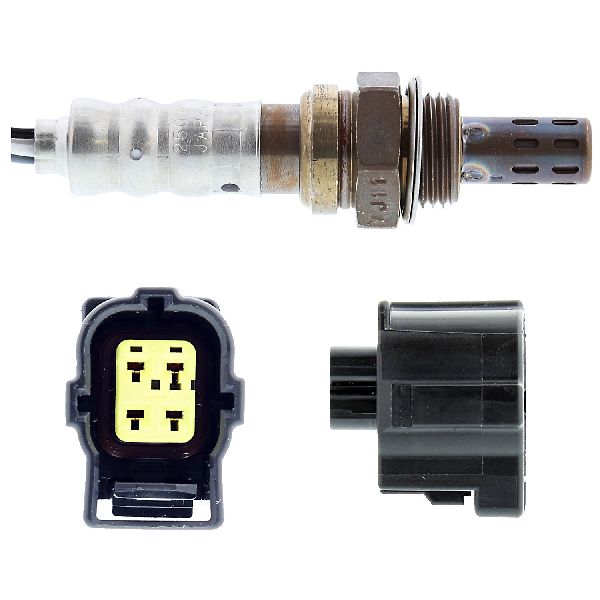
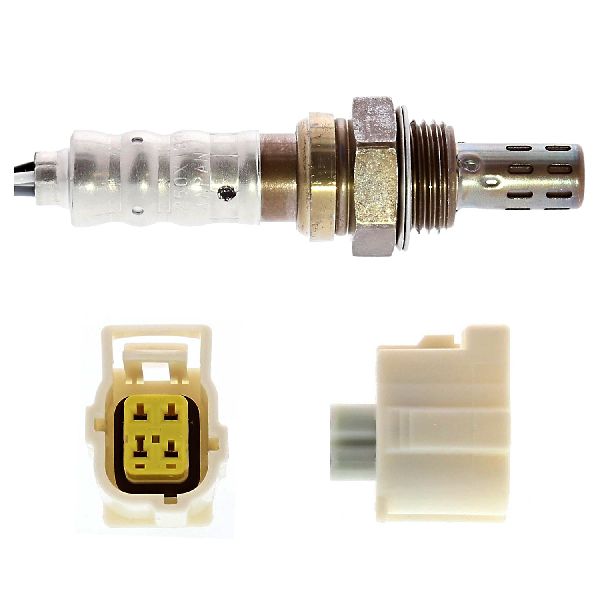
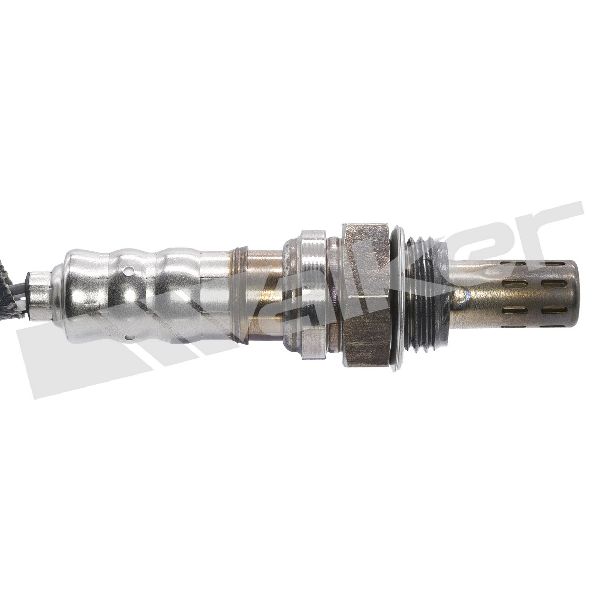
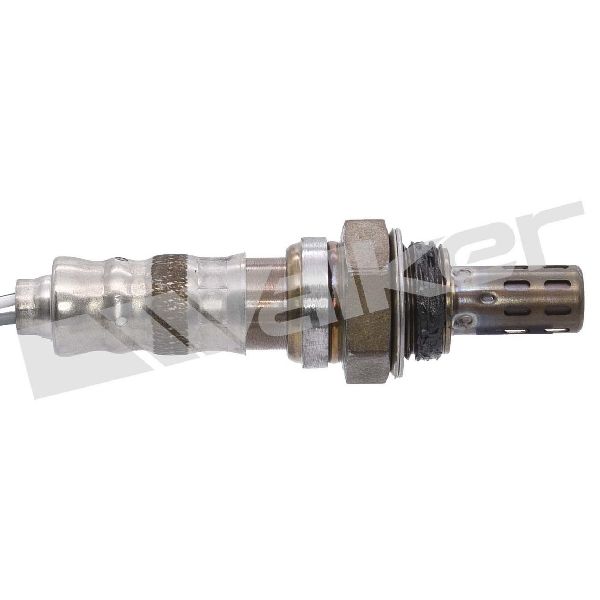
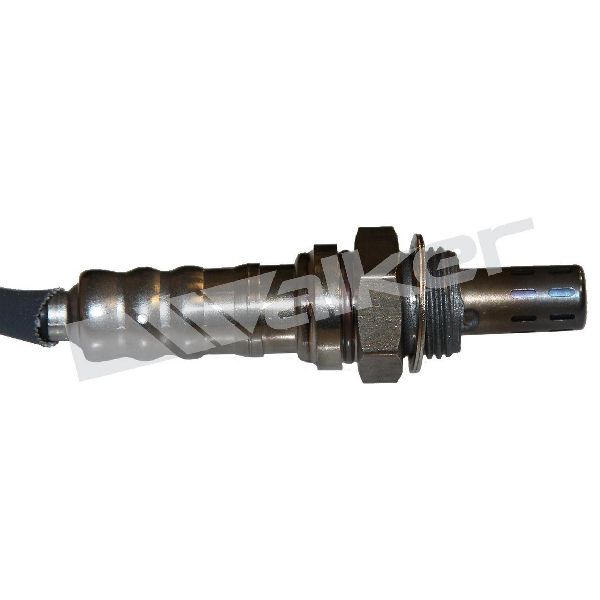
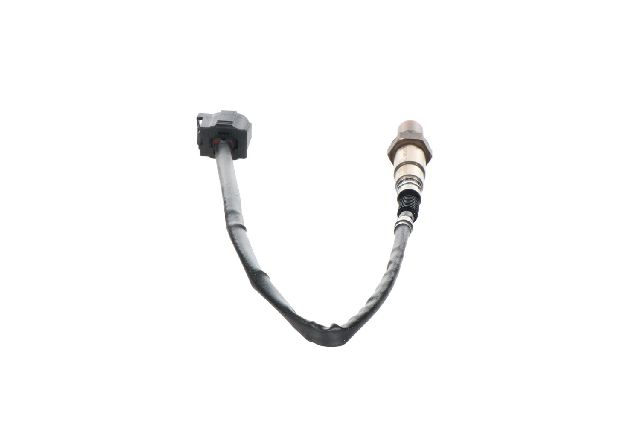
- Upstream Oxygen Sensor (Bank 1, Sensor 1)
(OEM #5149180AB)— This is the primary component that the code identifies as slow. It is a common wear-and-tear item that fails with age and mileage. The original part number 5149180AA has been superseded by 5149180AB.
Trusted brands: Mopar (OEM), NTK (Often the OEM supplier), Denso
OEM price range: $90-$140
Aftermarket price range: $40-$90
Related Codes That Often Appear With This One
- P0420 — A slow upstream O2 sensor can lead to an inefficient fuel mixture, which can, in turn, reduce the efficiency of the catalytic converter, triggering a P0420 code.
- P0300-P0306 — An incorrect air-fuel ratio caused by a faulty O2 sensor can lead to engine misfires in one or more cylinders.
- P0456, P0335, U0402 — The presence of these codes alongside P0133 strongly points to the need for a PCM software update, as they are often listed together in Chrysler TSBs for this vehicle.
- P0153 — This is the equivalent slow response code for Bank 2, Sensor 1 on V6 models. Seeing both P0133 and P0153 together could point to a systemic issue like a software problem, exhaust leaks affecting both banks, or a fuel delivery problem.
Technical Service Bulletins (TSBs) & Recalls

- 1805116 - Lists P0133 with other codes like P0335, P0456, and U0402, recommending a software flash.
- 18-022-17 REV. A - Specifically for 2015 models with the 2.4L engine, this TSB involves reprogramming the PCM to fix a long list of diagnostic and system improvements, including P0133.
- 1810216 - Includes P0133 in a list with misfire and catalyst efficiency codes, pointing to a software fix.
- 18-051-16 REV. A - Another bulletin bundling P0133 with various powertrain and communication codes for a software update.
Platform-Specific Known Issues
- Critical PCM Software Updates: A series of Technical Service Bulletins (#1805116, #18-022-17 REV. A, #1810216, #18-051-16 REV. A) indicate that P0133 is often triggered as part of a larger set of issues that can be resolved by a PCM software update. It is crucial to investigate this possibility before replacing parts, especially on 2015-2016 models with the 2.4L engine.
- Sensitivity to Aftermarket Sensors: Owners and mechanics frequently report that Chrysler vehicles, including the 200, can be sensitive to the brand of oxygen sensor used. To avoid compatibility problems and the code returning, it is highly recommended to use OEM (Mopar) or OEM-equivalent brands like NTK or Denso.
- Emissions Recall U90 (NHTSA 18V-524): For certain 2015-2017 Chrysler 200 models equipped with the 2.4L engine, a recall was issued to replace the catalytic converter. The service procedure also included the free replacement of both the upstream and downstream oxygen sensors. Owners should check with a dealer to see if their VIN is covered before paying for repairs.
Mechanic-Grade Diagnostic Values
- Upstream O2 Sensor Signal Voltage (Warm Engine, Steady RPM) — expected: Fluctuating rapidly and consistently between ~0.1V (lean) and ~0.9V (rich).. Failure: Voltage is slow to change, stuck high, stuck low, or has a lazy, flattened waveform on a graph.
- Upstream O2 Sensor Response Time (Rich-to-Lean or Lean-to-Rich) — expected: Less than 100 milliseconds (0.1 seconds).. Failure: Response time exceeds the PCM's calibrated threshold, triggering the code.
- O2 Sensor Heater Element Resistance (Cold Sensor) — expected: Typically between 3 and 15 Ohms.. Failure: A reading of infinity (open circuit) or zero (short circuit) indicates a failed heater element. A reading outside the specified range can also be a fault.
- Scan Tool Mode $06, Test ID for O2 Sensor Switching — expected: The test value should be below the maximum threshold set by the manufacturer.. Failure: The test value exceeds the maximum limit, indicating the sensor's switching speed is too slow. This confirms the P0133 fault without needing to interpret live graphs.
Scan Tool Commands That Help
- wiTECH (Chrysler OEM) or advanced aftermarket scanner: View Live Data (O2 Sensor Voltage Graph) — This is the primary method to visually confirm if the sensor's voltage waveform is switching quickly and within the correct range, or if it is 'lazy'.
- wiTECH (Chrysler OEM): Reprogram PCM / Flash Module — Used by a dealer or qualified shop to apply TSB fixes. This is a critical step for this vehicle if P0133 is present with other codes like P0456, P0335, or U0402.
- Advanced aftermarket scanner: Reset Fuel Trims / Clear Adaptive Memory — After replacing a faulty O2 sensor or fixing an exhaust/vacuum leak, resetting the long-term fuel trim adaptations forces the PCM to relearn the fuel strategy with the new, correct sensor data.
Wiring & Ground Locations
- G909A — On the left side of the engine compartment (for 2015 2.4L models).. This is a primary engine ground. A poor connection here can cause erratic behavior in various sensors, including the oxygen sensor, leading to incorrect readings or fault codes.
- G302 / G303 — G302 is in the left kick panel; G303 is in the left 'B' pillar (for 2012 models).. These are chassis grounds. While not directly for the engine sensors, poor body grounds on Chrysler vehicles are known to cause widespread, difficult-to-diagnose electrical issues that can manifest as sensor codes.
- O2 Sensor 1/1 Connector Pins (2.4L) — At the sensor connector for the upstream O2 sensor.. Knowing the pin functions (e.g., 'O2 1/1 HEATER CONTROL', '02 1/1 SIGNAL') from a wiring diagram allows for targeted testing of the heater circuit and signal wire for voltage, resistance, and continuity back to the PCM.
Real Owner Repair Stories
- Chrysler Technical Service Bulletins (TSBs) (2015-2016 Chrysler 200, especially with 2.4L engine.) — Check Engine Light with P0133 stored, often accompanied by other codes like P0456 (EVAP Leak), P0335 (Crank Sensor), P1607 (PCM Timer), and U0402 (TCM Data).
❌ Tried (didn't work) Replacing the Bank 1 Sensor 1 oxygen sensor alone often does not resolve the issue when these other codes are present.
✅ What actually fixed it Reprogramming (flashing) the Powertrain Control Module (PCM) with updated software released by the manufacturer. The TSBs (e.g., 18-022-17 REV. A, 18-051-16) were specifically created to resolve these grouped codes by updating the PCM's diagnostic logic.
"I Checked Everything" — The Actual Cause
- A technician may perform an exhaust smoke test and find no leaks, leading them to replace the O2 sensor. However, the code can return if the actual cause was an intake manifold or vacuum hose leak. This unmetered air leans out the mixture, affecting O2 readings, but would only be found with a smoke test of the intake system, not the exhaust.
When the Usual Fixes Don't Work
- While replacing the O2 sensor is the most common fix for a standalone P0133 code, on the 2012-2016 Chrysler 200, this can be a misdiagnosis. The provided NHTSA TSBs repeatedly show that when P0133 appears with a cluster of other codes (P0456, P0335, U0402, etc.), the root cause is almost always the PCM software calibration. In these cases, replacing the sensor is a waste of money, as the code will likely return until the PCM is updated by a dealer.
OEM Part Supersession History
5149180AA→5149180AB— Standard part revision by the manufacturer for improvements or supplier change.
Heads up: The new part number (5149180AB) is the correct replacement. Using non-OEM equivalent sensors, even from reputable brands like Bosch, has been reported by owners to cause compatibility issues on this platform. Sticking to Mopar, NTK (23162), or Denso (234-4545) is recommended.
Model Year Variations Within This Range
- 2015-2016 (UF Platform): These models, particularly with the 2.4L engine, are more prone to the P0133 code being caused by a PCM software issue, as documented in multiple TSBs. The electronics are more complex than the earlier generation.
- 2015-2017 (2.4L Engine): These specific models may be covered under FCA emissions recall U90 (NHTSA 18V-524), which provides a free replacement of the catalytic converter and both upstream and downstream oxygen sensors.
Helpful Videos

We Have This Part in Stock

The information in this article is provided for general reference and educational purposes only. Vehicle specifications, procedures, and part compatibility can vary by production date, trim level, and region. Always consult your vehicle's factory service manual and verify part numbers before purchasing or performing repairs. Safety-critical components such as airbags, seat belts, and braking systems should be installed by a qualified professional.
- Chrysler 200:
- 🎬 Helpful Videos
- 🛍️ Shop This Part
- What's Unique About the 2012-2016 Chrysler 200
- Diagnostic Flowchart
- Symptoms You May Notice
- Most Likely Causes
- Rare But Worth Checking
- Diagnosis Steps
- Parts You'll Likely Need
- Related Codes That Often Appear With This One
- Technical Service Bulletins (TSBs) & Recalls
- Platform-Specific Known Issues
- Mechanic-Grade Diagnostic Values
- Scan Tool Commands That Help
- Wiring & Ground Locations
- Real Owner Repair Stories
- "I Checked Everything" — The Actual Cause
- When the Usual Fixes Don't Work
- OEM Part Supersession History
- Model Year Variations Within This Range
- 🎟️ Get 5% Off