

P0133 on 2012-2020 Chevrolet Sonic 1.8L: Slow O2 Sensor Response Causes and Fixes
On a 2012-2020 Chevrolet Sonic with the 1.8L engine, code P0133 is almost always caused by a failing upstream oxygen sensor (Bank 1, Sensor 1). Before replacing the sensor, check for exhaust leaks at the manifold (listen for a cold-start tick) and vacuum leaks from the PCV system in the valve cover. Replacing the sensor with an OEM ACDelco part (213-4764) is a common DIY fix.
- P0133 on a Sonic 1.8L almost always means you need a new upstream (pre-catalytic converter) oxygen sensor.
- Before buying parts, use a scanner to watch the sensor's live data; a slow, lazy voltage swing confirms the problem.
- Always check for exhaust leaks at the manifold (listen for a cold-start tick) and vacuum leaks from the valve cover (listen for a hiss) before replacing the sensor.
- Use a quality OEM (ACDelco 213-4764) or equivalent (Denso, NTK) sensor for best results. The GM part number is typically 55574136.
- If your Sonic has very low miles, the code might be a temporary fluke related to catalyst break-in; clear it and see if it returns.
- If you also have a P0171 code, the root cause is very likely a vacuum leak, probably from the PCV system in the valve cover.
What's Unique About the 2012-2020 Chevrolet Sonic
For the 1.8L engine in the Sonic and its sibling, the Cruze, the P0133 code is a straightforward and common issue, typically pointing directly to the upstream O2 sensor's age. A unique point for this platform is a GM Technical Service Bulletin which notes that on very low-mileage vehicles, this code can appear temporarily as the new catalytic converter goes through its initial break-in period. In such cases, the recommended procedure is to simply clear the code and test drive before replacing any parts. It's also important not to confuse this with the 1.4L Turbo engine's issues, where P0133 is often a secondary code caused by a primary PCV system failure that also sets P0171.
Symptoms You May Notice
- Check Engine Light is on
- Decreased fuel economy
- Rough or unstable idle
- Slight hesitation during acceleration
- Hissing noise from the engine bay (if caused by a PCV/vacuum leak)
- Replacing the downstream (Bank 1, Sensor 2) oxygen sensor. This code specifically refers to Sensor 1, the upstream sensor.
- Replacing the catalytic converter. A P0133 code should be resolved first, as a faulty sensor can lead to an incorrect air-fuel mixture that may falsely trigger a P0420 catalyst code.
- Ignoring a P0171 code. On this platform, a P0171 (System Too Lean) code appearing with P0133 strongly points to a vacuum leak, often from the PCV system in the valve cover, as the root cause.
Most Likely Causes
- Failing Upstream Oxygen Sensor (Bank 1, Sensor 1) 🔴 High Probability Oxygen sensors are consumable parts that degrade over time due to heat and contaminants. After 80,000-100,000 miles, their chemical reactivity slows down, which is the direct cause of this code. Some owners report aftermarket sensors failing much more quickly.
How to confirm: Use an OBD-II scanner with live data to graph the B1S1 voltage. A healthy sensor's voltage will switch rapidly and frequently between approximately 0.1V and 0.9V. A slow, lazy waveform that takes a second or more to switch, or gets stuck, confirms a failing sensor. 🎬 See this video for a guide on testing O2 sensors.
Typical fix: Replace the upstream oxygen sensor. It is located in the exhaust manifold, easily accessible from the front of the engine bay. 🎬 Watch: How to replace the upstream O2 sensor yourself. An O2 sensor socket (a 22mm slotted socket) is required.
Est. part cost: $45-$85 - Exhaust Leak 🟡 Medium Probability Gaskets on the exhaust manifold can degrade over time, or the manifold itself can develop small cracks. This allows outside air to enter the exhaust stream, which slows the sensor's perceived response.
How to confirm: Listen for a distinct ticking or puffing noise from the engine bay on a cold start, which may disappear as the engine warms up and the metal expands. Visually inspect the exhaust manifold and the gasket between it and the cylinder head for black soot trails, which are definitive proof of a leak. A smoke test can also be used.
Typical fix: Replace the leaking exhaust manifold gasket or repair/replace the cracked manifold.
Est. part cost: $15-$50 for a gasket, $100+ for a manifold - Damaged Sensor Wiring or Connector ⚪ Low Probability The wiring harness for the O2 sensor is close to hot exhaust components. Over time, the plastic loom and wire insulation can become brittle and break, or the connector can be damaged during other engine service.
How to confirm: Visually inspect the entire length of the O2 sensor's wiring harness from the sensor to the main engine harness. Look for any signs of melting, chafing, or broken wires. Check that the connector is clean and securely latched.
Typical fix: Repair the damaged section of wire or replace the connector pigtail.
Est. part cost: $10-$30 - PCV System Vacuum Leak ⚪ Low Probability While more common on the 1.4T engine, the 1.8L can also suffer from a ruptured PCV diaphragm inside the valve cover. This creates a significant unmetered air (vacuum) leak, which can trigger a P0171 (lean) code and sometimes confuse the ECM into also setting a P0133.
How to confirm: With the engine running, listen for a distinct hissing sound from the top of the valve cover. Removing the oil cap may cause the engine to stumble or stall, and you may feel strong suction at the oil fill hole, confirming a bad PCV diaphragm.
Typical fix: Replace the entire valve cover assembly, as the PCV diaphragm is integrated into it. 🎬 Watch: Step-by-step guide to replacing the valve cover assembly.
Est. part cost: $40-$80 for an aftermarket cover, $100+ for OEM
Rare But Worth Checking
- New Vehicle Catalytic Converter Break-In: Per GM Preliminary Information bulletin #PI0850, on very low mileage 2013 Sonics (and likely other years), P0133 can set as the catalyst completes its 'de-greening' process. If no other issues are found, the fix is to clear the code and drive the vehicle.
- Engine Oil or Coolant Contamination: A significant valve cover gasket leak or internal engine issue (like a leaking oil cooler) could theoretically contaminate the sensor with oil or coolant, causing it to fail. This would typically be accompanied by other symptoms like visible leaks, smoke, or other engine codes.
Diagnosis Steps
- Connect an OBD-II scanner and confirm that P0133 is the primary code stored. Check for other codes like P0171 or P0131.
- With the engine running, listen for a hissing sound from the valve cover, which would indicate a PCV system failure.
- On a cold engine, start the car and listen for a ticking/puffing noise near the exhaust manifold that may go away as it warms up. This indicates an exhaust leak.
- Using the scanner's live data feature, monitor the voltage of the 'O2S B1S1' (Bank 1, Sensor 1). At operating temperature and a steady 2000 RPM, the voltage should fluctuate rapidly between below 0.2V and above 0.8V.
- If the voltage is slow to respond, stuck, or the waveform is jagged and not smooth, the sensor is likely faulty.
- Before replacing the sensor, perform a thorough visual inspection. Check the exhaust manifold for any signs of black soot, indicating a gasket leak.
- Inspect the O2 sensor's wiring harness and connector for any signs of melting, corrosion, or physical damage.
- If the vehicle has very low mileage, consider the possibility of the TSB regarding catalyst break-in. Clear the code and perform an extended test drive to see if it returns.
- If no leaks or wiring issues are found, and the sensor's waveform is slow, replace the upstream (Bank 1, Sensor 1) oxygen sensor.
Parts You'll Likely Need
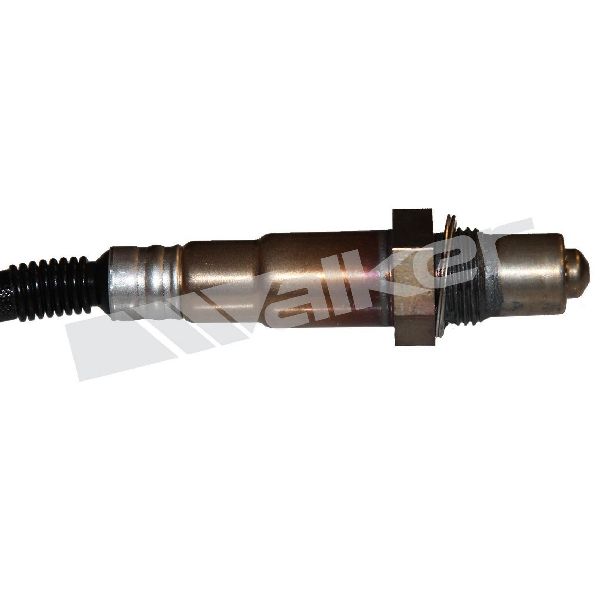
- Upstream Oxygen Sensor (Bank 1, Sensor 1)
(OEM #55574136)— This is the most common failure point for code P0133. The sensor's ability to react quickly to oxygen changes degrades with age and mileage.
Trusted brands: ACDelco (OEM), Denso (Often the OE manufacturer for GM), NGK/NTK, Bosch
OEM price range: $60-$85
Aftermarket price range: $45-$70
Related Codes That Often Appear With This One
- P0171 — If an exhaust or vacuum leak (especially from the PCV system) is the root cause, the engine will run lean, triggering a P0171 (System Too Lean) code. This combination often points away from the O2 sensor itself and towards a leak.
- P0131 — A P0131 (O2 Sensor Circuit Low Voltage) can appear alongside P0133, especially if the root cause is a vacuum leak from a failed PCV valve in the valve cover, as reported by some owners.
Technical Service Bulletins (TSBs) & Recalls
- PI0850: Malfunction Indicator Lamp (MIL) On, DTC P0133 Set (Low-Mileage Vehicles) - Advises against replacing parts on low-mileage vehicles where P0133 may be caused by catalyst break-in. Note: This TSB number has been updated and is also associated with PCV issues on other engines.
- PIP5237: This TSB for the Cruze Diesel notes that P0133 can be caused by soot buildup from air intake leaks, highlighting the sensitivity of these sensors to upstream conditions.
Platform-Specific Known Issues
- A GM bulletin (#PI0850) exists for the 2013 model year indicating that P0133 can set on very low mileage vehicles during the initial break-in period of the catalytic converter. The fix is to clear the code and re-evaluate.
- This code is often confused with issues on the 1.4L Turbo engine, where P0133 is frequently a symptom of a failed PCV system, not a bad sensor. While less common on the 1.8L, a failed PCV valve cover can still be the root cause.
Mechanic-Grade Diagnostic Values
- Upstream O2 Sensor (B1S1) Heater Circuit Resistance — expected: 10.5 - 12.5 Ω for OEM sensor; general range is 2 - 30 Ω.. Failure: A reading of infinity or 'OL' (Open Loop) on a multimeter indicates a broken heater element. A reading outside the expected range also indicates a fault.
- Upstream O2 Sensor (B1S1) Response Time — expected: ≤ 100 milliseconds (ms).. Failure: A scan tool showing response times significantly higher than 100ms, or a lazy voltage waveform, confirms a slow sensor.
- Upstream O2 Sensor (B1S1) Installation Torque — expected: 35–40 ft-lbs (47–54 Nm).. Failure: Over-tightening can crack the sensor's internal ceramic element; under-tightening can cause an exhaust leak.
- Upstream O2 Sensor (B1S1) Live Data Voltage at Idle (Warmed Up) — expected: Should fluctuate rapidly and consistently between ~0.1V and ~0.9V.. Failure: A slow, lazy waveform that takes more than a second to switch, or a voltage that is stuck high or low, indicates a failing sensor.
Scan Tool Commands That Help
- GDS2 (GM Techline Connect): HO2S Heater ON/OFF Command — This bidirectional control allows a technician to manually command the sensor's heater circuit on and off to verify the integrity of the circuit (wiring, fuse, and the heater element itself) independently of the ECM's automatic control.
- GDS2 (GM Techline Connect): O2 Sensor Heater Circuit Test — This is an automated test function within the scan tool that checks the integrity of the sensor's internal heater. It is particularly useful when a heater circuit code (like P0030) is also present.
Wiring & Ground Locations
- B1S1 Signal Wire — In the main harness connector for the upstream oxygen sensor.. For advanced diagnostics, such as connecting an external meter or oscilloscope, the signal wire is Yellow/Brown. This allows a technician to bypass the vehicle's data bus and measure the sensor's raw output directly.
- G103 / G104 / G107 — Various locations in the engine compartment, typically bolted to the frame rails or engine block. G103 is often cited as being on the left front corner of the engine compartment.. The ECM and its sensors rely on clean ground connections. GM issued a preliminary bulletin (PIC5879) advising technicians to inspect grounds G100-G107 for looseness or contamination when diagnosing various electrical faults. A poor ground can cause erratic sensor readings that mimic a sensor failure.
- ECM Ground — Part of the main negative battery cable harness, connected to the left front of the engine block.. This is the primary ground for the Engine Control Module. Corrosion or a loose connection here can cause a host of engine management issues, including incorrect sensor readings that could potentially trigger a P0133.
OEM Part Supersession History
55563348, 55569903, 55572993→ACDelco 213-4764 (Service Part Number)— Part consolidation and design updates.
Heads up: ACDelco 213-4764 is the correct service part for the 1.8L engine, but is also listed for the 1.4L Turbo engine in some catalogs, which can cause confusion. The primary GM part number for the 1.8L is 55574136. Verify fitment by VIN if unsure.
Model Year Variations Within This Range
- 2019-2020: The 1.8L LUW/LWE engine was discontinued for the 2019 model year. All 2019 and 2020 Sonics came standard with the 1.4L Turbo engine. Therefore, this article's guidance for the 1.8L engine only applies to model years 2012 through 2018.
Diagnostic Flowchart
Other Known Issues on This Vehicle
Issues unrelated to this code that are worth knowing about as an owner of this generation:
- Cracked Plastic Thermostat Housing 🔴 High — Extremely common. The plastic becomes brittle from heat cycles and cracks, causing coolant leaks. Often occurs between 60,000-120,000 miles.
- Engine Oil Cooler Leak (Internal) 🔴 High — Very common. The seals in the oil cooler assembly (part of the oil filter housing) fail, causing oil and coolant to mix. This presents as a 'milkshake' substance in the coolant reservoir. (Ref: Multiple TSBs exist regarding oil leaks, such as #PI1411, but no specific recall for this failure.)
- Failed PCV System (Valve Cover) 🟠 Medium — Common. The PCV diaphragm integrated into the valve cover ruptures, creating a vacuum leak. This causes a hissing noise, rough idle, and often triggers lean codes like P0171. (Ref: TSB PI0850A addresses a similar issue on the 1.4L engine, but the failure is also common on the 1.8L.)
- Timing Belt Replacement 🟠 Medium — This is a required maintenance item, not a failure. The 1.8L is an interference engine, so a snapped belt will cause catastrophic damage. The replacement interval is approximately every 97,500 miles or 10 years.
- Worn Front Sway Bar Links 🟡 Low — Very common source of clunking or knocking noises from the front suspension when going over bumps. Often misdiagnosed as bad struts.
- Transmission Turbine Shaft Fracture (2012 Models) 🔴 High — Specific to early 2012 models with the 1.8L engine and automatic transmission. Can cause a sudden loss of power. (Ref: Recall 14V315 / GM Recall #14315.)
Used vs. New Parts: Buying Guide for This Vehicle
When a used part is the smart pick: For secondary components like the exhaust manifold (if cracked) or the valve cover assembly (if the PCV failed). A used part can be a cost-effective solution if it passes a thorough inspection.
Donor-vehicle mileage cap: roughly under 80000 miles for the part to have meaningful remaining life.
What to inspect on the donor part:
- For a used valve cover: Inspect carefully for any hairline cracks, especially around bolt holes. Check that the PCV orifice is not clogged with sludge.
- For a used exhaust manifold: Must be guaranteed crack-free. Inspect all gasket surfaces for excessive pitting or warping. Check for broken-off studs.
- Verify the donor vehicle was not in a front-end collision that could have stressed these components.
OEM-only on this vehicle (don't cheap out):
- Oxygen Sensor: This is a critical emissions and engine management sensor that is also a wear item. Due to the sensitivity of the ECM and reports of premature failure with some budget brands, an OEM (ACDelco) or OE-equivalent (Denso, NTK) sensor is strongly recommended for a lasting repair.
Aftermarket brands forum-validated for this vehicle:
- Denso (for O2 Sensor)
- NGK/NTK (for O2 Sensor)
- Bosch (for O2 Sensor)
Brands owners have reported issues with on this vehicle:
- Unbranded, 'white-box' oxygen sensors from online marketplaces are frequently reported by mechanics to fail quickly or not meet the required response time, causing the code to return.
Real Owner Stories
Aggregated from forums and TSBs cited above. Mileages and costs reflect what owners reported in those sources.
2012-2020 Chevrolet Sonic 1.8L — ~90000 miles
Symptoms: Check Engine Light is on, decreased fuel economy, and a slow, lazy waveform on the OBD-II scanner where the voltage takes a second or more to switch.
What fixed it: Replacement of the upstream oxygen sensor (Bank 1, Sensor 1) located in the exhaust manifold.
Source hint: Article context regarding common causes and diagnosis steps for failing Upstream Oxygen Sensor
2013 Chevrolet Sonic 1.8L
Symptoms: Malfunction Indicator Lamp (MIL) On with DTC P0133 set on a vehicle with very low mileage.
What fixed it: Cleared the code and performed an extended test drive to allow for catalytic converter break-in as per GM bulletin #PI0850.
Source hint: GM bulletin #PI0850 cited in vehicle_specific_issues
2012-2020 Chevrolet Sonic 1.8L
Symptoms: Rough or unstable idle, hissing noise from the engine bay, and a P0171 lean code appearing alongside P0133.
What fixed it: Replaced the entire valve cover assembly because the PCV diaphragm, which is integrated into the cover, had ruptured.
Source hint: Sonic Owners Forum - 'P0171 / Valve Cover troubleshooting'
Related OBD-II Codes
Frequently Asked Questions
I have a brand new 2013 Sonic with very low mileage and a P0133 code. Should I replace the oxygen sensor?
Can a bad valve cover cause a P0133 code on my 1.8L Sonic?
How can I tell if my P0133 is caused by an exhaust leak instead of a bad sensor?
Is the P0133 code on my Sonic related to the common 'milkshake' oil cooler issue?
What tool do I need to replace the Bank 1 Sensor 1 oxygen sensor myself?
Helpful Videos

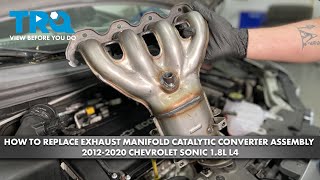
We Have This Part in Stock
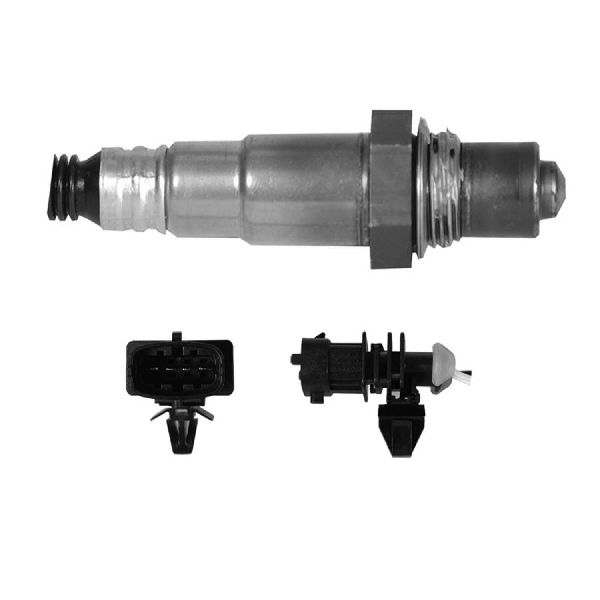

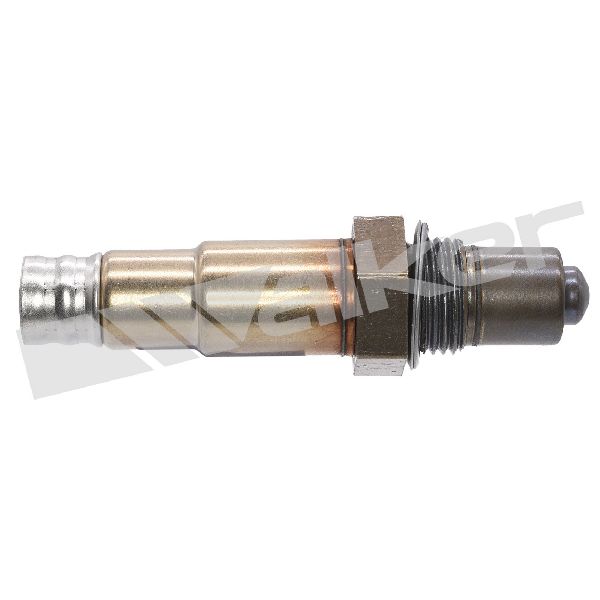
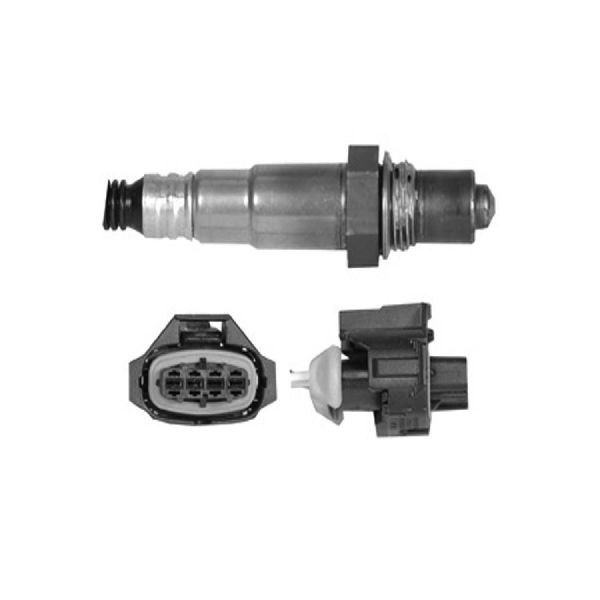


The information in this article is provided for general reference and educational purposes only. Vehicle specifications, procedures, and part compatibility can vary by production date, trim level, and region. Always consult your vehicle's factory service manual and verify part numbers before purchasing or performing repairs. Safety-critical components such as airbags, seat belts, and braking systems should be installed by a qualified professional.
- Chevrolet Sonic:
- 🎬 Helpful Videos
- 🛍️ Shop This Part
- What's Unique About the 2012-2020 Chevrolet Sonic
- Symptoms You May Notice
- Most Likely Causes
- Rare But Worth Checking
- Diagnosis Steps
- Parts You'll Likely Need
- Related Codes That Often Appear With This One
- Technical Service Bulletins (TSBs) & Recalls
- Platform-Specific Known Issues
- Mechanic-Grade Diagnostic Values
- Scan Tool Commands That Help
- Wiring & Ground Locations
- OEM Part Supersession History
- Model Year Variations Within This Range
- Diagnostic Flowchart
- Other Known Issues on This Vehicle
- Used vs. New Parts: Buying Guide for This Vehicle
- Real Owner Stories
- 2012-2020 Chevrolet Sonic 1.8L — ~90000 miles
- 2013 Chevrolet Sonic 1.8L
- 2012-2020 Chevrolet Sonic 1.8L
- Related OBD-II Codes
- Frequently Asked Questions
- 🎟️ Get 5% Off