

P0132 on 1999-2024 Chevrolet Silverado: O2 Sensor High Voltage Causes and Fixes
Code P0132 on a Chevrolet Silverado almost always points to a faulty Bank 1, Sensor 1 (driver's side, upstream) oxygen sensor. Expect to pay $50-$150 for a quality replacement part and spend about an hour on this common DIY repair.
- P0132 on a Silverado means the driver's side upstream O2 sensor is sending a high voltage signal.
- The most likely cause, in over 70% of cases, is a failed O2 sensor.
- Always check the wiring for damage (melting, corrosion) before replacing the sensor, as this is the second most common cause.
- This is a DIY-friendly repair with the right tool (an O2 sensor socket). Soaking the old sensor in penetrating oil can make removal easier.
- Do not ignore this code; it causes poor fuel economy and can eventually damage your expensive catalytic converters.
What's Unique About the 1999-2024 Chevrolet Silverado
Across the long 1999-2024 production run, the Chevrolet Silverado has used various V8 and V6 engines, but the function and location of the Bank 1 Sensor 1 O2 sensor remain consistent. On V8 and V6 models, 'Bank 1' is always the driver's side, and 'Sensor 1' is always the upstream sensor located in the exhaust manifold or downpipe before the catalytic converter. While the specific part number for the sensor changes between generations (GMT800, GMT900, K2XX, T1XX), the diagnostic process for P0132 is fundamentally the same. The most common failure is simply the sensor wearing out after years of exposure to extreme exhaust heat.
Generation note: This guide covers all Chevrolet Silverado 1500/2500/3500 models from 1999 to 2024, including the GMT800 (1999-2007), GMT900 (2007-2013), K2XX (2014-2019), and T1XX (2019-2024) generations. While the fundamental meaning of P0132 is the same, the exact O2 sensor part number, connector style, and harness routing will vary by year and engine. Always verify the correct part for your specific vehicle.
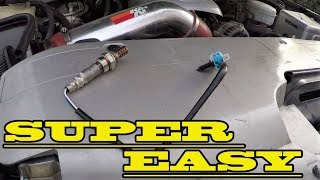
🎬 Watch: Step-by-step O2 sensor replacement for 1999-2007 Silverado models.Symptoms You May Notice
- Check Engine Light is on
- Decreased fuel economy
- Rough or uneven idling
- Engine hesitation or stumbling on acceleration
- Black smoke from the exhaust (in cases of an extremely rich condition)
- Strong smell of fuel from the exhaust
- Replacing the catalytic converter. A P0132 code points to an issue with the upstream sensor, not the converter itself. A faulty sensor left unchecked can damage the converter, but the converter is not the cause of the code.
- Replacing the wrong O2 sensor. The code is specific to Bank 1 (driver's side) and Sensor 1 (upstream). Replacing any of the other three sensors will not fix the issue.
- Immediately replacing the sensor without checking wiring. A melted harness or corroded connector can mimic a failed sensor, leading to a repeat code after replacement.
Most Likely Causes
- Faulty Bank 1, Sensor 1 Oxygen Sensor 🔴 High Probability Oxygen sensors are wear items that degrade over time due to constant exposure to high temperatures and exhaust gases. Internal failures, such as a short in the heater circuit or contamination, can cause the sensor to short and send a constant high voltage signal.
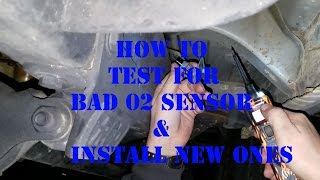
How to confirm: Use a scan tool to observe the live data for the B1S1 O2 sensor. If the voltage is stuck at or near 0.9-1.0V and does not fluctuate, the sensor is likely faulty. 🎬 Watch: How to test for bad sensors and install replacements. Unplugging the sensor should cause the voltage to drop on the scan tool; if it does, the sensor is confirmed bad.
Typical fix: Replace the Bank 1, Sensor 1 oxygen sensor. On GM V8/V6 trucks, this is the upstream sensor on the driver's side. Using a quality OEM-style replacement like ACDelco or Denso is highly recommended.
Est. part cost: $50-$150 - Wiring or Connector Issue 🟡 Medium Probability The wiring harness for the O2 sensor is located under the truck and is exposed to heat, moisture, and potential physical damage. Wires can melt on the exhaust manifold, chafe against the frame, or the connector pins can corrode. Water intrusion into the connector is also a known issue that can cause a short to voltage. A manufacturer service bulletin, TSB Bulletin #PIT5336, notes that technicians may find an open Emission 1 Fuse in conjunction with P0132 and various other O2 sensor codes.
How to confirm: Visually inspect the wiring harness from the sensor to the main connector. Look for melted insulation, frayed wires, or corrosion in the connector. Unplug the sensor; if the voltage on the scan tool stays high, you have a short to voltage in the harness, which means the signal wire is getting voltage from another source.
Typical fix: Repair the damaged section of wiring or clean/replace the connector. Ensure the harness is properly routed away from hot exhaust components.
Est. part cost: $5-$50 - Engine Running Rich ⚪ Low Probability While less common, a separate issue can cause a true rich condition that the O2 sensor is accurately reporting. This could be from a leaking fuel injector, a faulty fuel pressure regulator, a malfunctioning mass airflow (MAF) sensor, or a bad engine coolant temperature (ECT) sensor telling the PCM the engine is cold.
How to confirm: Check fuel trim data on a scan tool. If short-term and long-term fuel trims are significantly negative (e.g., -15% or more), the PCM is trying to remove fuel. Check fuel pressure to see if it's within the manufacturer's specification. A fuel injector balance test can identify leaking injectors.
Typical fix: Diagnose and repair the root cause of the rich condition, such as replacing a leaking fuel injector or faulty fuel pressure regulator.
Est. part cost: $100-$400
Rare But Worth Checking
- Exhaust Leak: An exhaust leak upstream of the O2 sensor can sometimes, though rarely, affect sensor readings in an unusual way that might trigger a high voltage code, although it more commonly causes a low voltage (lean) code.
- Faulty Powertrain Control Module (PCM): This is extremely rare. Before condemning the PCM, all other possibilities, especially the sensor and its wiring, must be exhaustively ruled out. TSB Bulletin #16NA266 notes that a voltage spike in the ECM above the threshold value can set code P0132 and may prevent the remote start from functioning.
- Contamination from Fluid Leaks: On some GM vehicles, a power steering fluid leak from a hose positioned above the O2 sensor harness can contaminate the wiring and connector, leading to skewed sensor readings and triggering various O2 codes, including P0132. This was noted in TSB 18-NA-009 for other GM models but is a plausible scenario.
Diagnosis Steps
- Connect an OBD-II scanner and confirm that P0132 is the active code. Note any other codes present, especially P0172 or misfire codes.
- View the live data stream for the Bank 1, Sensor 1 O2 sensor. The voltage should fluctuate rapidly between approximately 0.1V and 0.9V. If it is stuck high (e.g., 0.9V or higher), this confirms the fault condition.
- Perform a thorough visual inspection of the O2 sensor, its connector, and the wiring harness. Look for any signs of melting, chafing, corrosion, or loose connections. Pay close attention to where the harness might contact the exhaust manifold.
- If the wiring looks good, unplug the O2 sensor. Check the live data on the scanner again. The voltage for the B1S1 sensor should drop to a low reference value (around 450mV). If it does, the sensor itself is faulty and should be replaced.
- If the voltage remains high even with the sensor unplugged, there is a short to voltage in the wiring harness between the connector and the PCM. This will require further circuit testing with a multimeter to locate the short.
- If the sensor voltage appears to be reporting correctly (fluctuating) but the code is present, investigate potential causes of a true rich condition, such as checking fuel pressure, testing for leaking fuel injectors, and verifying the MAF and ECT sensor readings.
- Check for relevant TSBs. For example, TSB 21-NA-010 notes a software anomaly on 2014-2018 models that can cause P0132 and other O2 codes to set simultaneously, which may just require clearing codes. Additionally, TSB Bulletin #PIP5644 indicates this software anomaly typically occurs within the first 5 minutes after the vehicle is started.
Parts You'll Likely Need
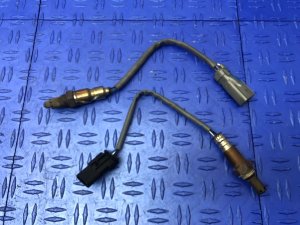
- Oxygen Sensor (Bank 1, Sensor 1)
(OEM #Varies by year/engine. Examples: ACDelco 213-4764 (for some newer models), Denso 234-4668 (common for GMT900/K2XX V8s). Always verify with VIN.)— This is the most common cause of P0132. The sensor is a wear item and fails over time, causing an incorrect high voltage signal.
Trusted brands: ACDelco, Denso, Bosch, NGK/NTK
OEM price range: $80-$150
Aftermarket price range: $50-$100
Related Codes That Often Appear With This One
- P0172 — System Too Rich (Bank 1). This code may appear alongside P0132 because the underlying cause (like a leaking injector) is creating a rich condition that both the O2 sensor reading and the PCM's fuel trim calculations are detecting.
- P0133 — O2 Sensor Circuit Slow Response (Bank 1 Sensor 1). This can be triggered if the sensor is old and failing, becoming slow to respond before it fails completely with a high voltage reading.
- P0300 — Random/Multiple Cylinder Misfire. A severe rich condition caused by a bad sensor or fuel system issue can lead to fouled spark plugs and misfires, particularly on the affected bank (Bank 1).
- P0138 — O2 Sensor Circuit High Voltage (Bank 1, Sensor 2). TSB Bulletin #19NA077 notes that P0132 and/or P0138 may set in conjunction with customer concerns of hesitation from a stop or start/stop performance issues.
Technical Service Bulletins (TSBs) & Recalls
- TSB 21-NA-010: Addresses 2014-2018 models where P0132, P0137, P0152, and P0157 may set simultaneously due to a software anomaly. The fix is to clear codes, and if they return, replace the ECM.
- TSB 18-NA-009: While for other GM models, it notes power steering fluid leaks contaminating O2 sensor wiring, a plausible scenario for Silverado.
- TSB 21-NA-123: Addresses O2 sensor connector corrosion from road salt/debris on 2020-2023 models, relevant for heater circuit codes but indicates a known vulnerability.
- TSB Bulletin #PIP5644: Clarifies that the software anomaly causing all four DTCs (P0132, P0137, P0152, P0157) to set will occur within the first 5 minutes after the vehicle is started.
- TSB Bulletin #16NA266: Notes that P0132 can be set by a voltage spike in the ECM above the threshold value, which may also disable the remote start system.
- TSB Bulletin #PIT5336: Highlights that P0132 may be found alongside an open Emission 1 Fuse and multiple other O2 sensor circuit codes.
Platform-Specific Known Issues
- TSB for 2014-2018 Models (K2XX): Technical Service Bulletin 21-NA-010 addresses an issue where 2014-2018 Silverado/Sierra models may set P0132, P0137, P0152, and P0157 simultaneously due to a software anomaly. The initial fix is to clear the codes. If the issue returns, the Engine Control Module (ECM) may need to be replaced.
- Real World Repair Story (2018 GMC 5.3L): A technician on YouTube documented a 2018 GMC with a 5.3L engine that was running rough and had codes P0172 (Rich), P0300 (Misfire), P0132 (B1S1 High), and P0137 (B1S2 Low). Live data showed the B1S1 sensor was stuck high, causing the PCM to pull fuel (negative fuel trims) to the point of misfire. The cause was a faulty B1S1 O2 sensor, even though it was a relatively new part, highlighting that new parts can be defective.
Mechanic-Grade Diagnostic Values
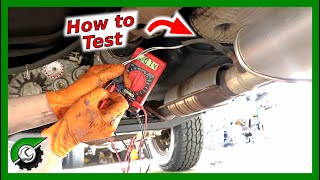
- O2 Sensor Heater Circuit Resistance — expected: 3 to 15 Ohms at ambient temperature. Some sources cite ranges of 4-7 Ohms for specific Denso sensors used in GM trucks.. Failure: A reading of 0 Ohms indicates a short circuit, while an infinite reading (OL) indicates an open circuit. A reading significantly outside the expected range suggests a failing heater element.
- O2 Sensor Signal Voltage (Live Data) — expected: Rapidly fluctuating between 0.1V (lean) and 0.9V (rich) on a warm, running engine in closed loop.. Failure: Voltage is stuck high, at or near 1.0V, and does not fluctuate.
- O2 Sensor Signal Circuit Voltage (Sensor Unplugged, KOEO) — expected: Approximately 450mV (0.45V). This is the reference voltage supplied by the PCM.. Failure: If the voltage remains high (near 1.0V or higher) with the sensor unplugged, it indicates a short-to-voltage in the wiring harness between the PCM and the sensor connector.
- Ground Circuit Resistance — expected: Less than 5 Ohms between the sensor connector ground pin and a known good chassis ground.. Failure: High resistance indicates a poor ground connection, which can cause incorrect sensor readings.
Scan Tool Commands That Help
- GDS2 / Tech2: O2 Sensor Heater Test — To command the O2 sensor heater on and off to verify the functionality of the heater circuit and the PCM's control over it. This is more relevant for heater circuit codes (like P0135) but can help verify circuit integrity.
- GDS2 / Tech2: Fuel Trim Reset — After replacing a faulty O2 sensor or fixing a rich condition, resetting the long-term fuel trims will force the PCM to relearn the fuel strategy immediately, which can help confirm the fix and restore proper performance faster.
- Professional Scan Tool (GDS2, etc.): Module Communication Check / Self-Test — This is a final step if all wiring and the sensor have been proven good. It commands the PCM to check its own internal circuits. A failure here can point towards a rare internal PCM fault.
Wiring & Ground Locations
- G103 — On GMT800 (1999-2007) models, typically located on the right rear of the engine block. On GMT900 (2007-2014) models, it's on the front of the passenger side (right) cylinder head.. This is a primary engine block ground. A corroded or loose G103 can cause erratic sensor readings and various electrical issues, as it serves as a ground point for multiple engine components and sensors referenced by the PCM.
- G104 — On GMT900 (2007-2014) models, located on the left rear corner of the driver's side cylinder head.. Another critical engine ground. Problems here can affect the driver's side bank (Bank 1) components specifically, including the B1S1 O2 sensor circuit.
- PCM Ground — On GMT800 trucks, a critical ground wire runs from the main harness to a stud on the top rear of the engine block, often near the passenger side.. This is the main ground for the Powertrain Control Module. If this wire is broken or has high resistance, it can cause a multitude of bizarre sensor codes, including P0132, as the PCM's reference voltage and ground points become unstable.
- O2 Sensor Connector (B1S1) — Follow the wire from the oxygen sensor located in the driver's side exhaust manifold. The connector is typically clipped to the firewall or the back of the engine/transmission bellhousing area.. This is the primary point for testing. The connector pins for the signal wire, heater power, heater ground, and sensor ground must be clean and secure. Corrosion or damage here is a common cause of failure.
Real Owner Repair Stories
- GM-Trucks.com forum user (2005 Silverado 5.3L) — Repeatedly setting a heater circuit code (P0053), but the diagnostic principle applies.
❌ Tried (didn't work) Replacing the O2 sensor with a new Bosch unit.
✅ What actually fixed it The user discovered the new Bosch sensor had a heater resistance of 12.7 ohms, while the opposite bank's sensor was 4 ohms. The high resistance of the new aftermarket part was out of the PCM's expected range, causing the code. This highlights that even new, non-OEM parts can be out of spec and cause issues.
OEM Part Supersession History
Varies greatly by year→Varies greatly by year— Standard part revisions for improved durability, response time, or manufacturing efficiency.
Heads up: GM has used Denso and NTK as the Original Equipment Manufacturer (OEM) for their AC Delco branded sensors for many years. It is common to receive a sensor with 'Denso' or 'NTK' stamped on it in an AC Delco box; this is normal and indicates an OEM part. Be cautious with universal-fit sensors or some budget aftermarket brands, as their heater resistance or voltage response may not match the PCM's expectations, leading to persistent codes even with a 'new' part.
Model Year Variations Within This Range
- 1999-2007 (GMT800): Grounding locations are specific to this generation. Key grounds like the PCM ground on the back of the engine block are notorious failure points due to age and heat exposure.
- 2007-2013 (GMT900): Ground locations were revised. G103 moved to the front of the passenger cylinder head and G104 is on the driver's side head. Sensor part numbers differ from the previous generation.
- 2014-2018 (K2XX): This generation is subject to TSB 21-NA-010, where a software anomaly can cause all four O2 sensor codes (P0132, P0137, P0152, P0157) to set simultaneously. The fix may be a simple code clear or an ECM replacement, not a sensor issue.
Diagnostic Flowchart
Used vs. New Parts: Buying Guide for This Vehicle
When a used part is the smart pick: For this repair, using a used part is almost never a smart choice. Oxygen sensors are wear-and-tear items with a finite lifespan, similar to spark plugs or brake pads. A used sensor from a junkyard carries unknown history and is likely well into its service life, risking a repeat failure in a short time.
Donor-vehicle mileage cap: roughly under 20000 miles for the part to have meaningful remaining life.
What to inspect on the donor part:
- If considering a used sensor is unavoidable, source it from a very low-mileage wreck (<20,000 miles).
- Inspect the sensor tip for heavy carbon fouling, white contamination (from coolant/oil burn), or physical damage.
- Ensure the wiring pigtail and connector are completely intact with no signs of melting, brittleness, or corrosion.
OEM-only on this vehicle (don't cheap out):
- While not strictly 'OEM-only', using a reputable OEM manufacturer is highly recommended for oxygen sensors.
Aftermarket brands forum-validated for this vehicle:
- ACDelco (GM's official brand, often made by Denso or NTK)
- Denso (A common OEM supplier for GM)
- NTK / NGK (A common OEM supplier for GM)
Brands owners have reported issues with on this vehicle:
- No-name or unbranded sensors from online marketplaces.
- While Bosch is a major manufacturer, some forum users have reported issues with their replacement narrowband sensors on GM trucks, sometimes having heater resistance values that are out of the PCM's expected range.
Real Owner Stories
Aggregated from forums and TSBs cited above. Mileages and costs reflect what owners reported in those sources.
2018 GMC Sierra 5.3L
Symptoms: The truck was running rough and had multiple codes: P0172 (Rich), P0300 (Misfire), P0132 (B1S1 High), and P0137 (B1S2 Low). Live data showed the Bank 1 Sensor 1 was stuck high.
What fixed it: Replacing the faulty Bank 1, Sensor 1 oxygen sensor resolved the issue, even though the part that failed was relatively new.
Source hint: YouTube - Pine Hollow Auto Diagnostics
Related OBD-II Codes
Frequently Asked Questions
Where is the Bank 1, Sensor 1 oxygen sensor located on my Chevrolet Silverado?
What is the best replacement O2 sensor brand for a P0132 code on my Silverado?
My 2017 Silverado has P0132 along with P0137, P0152, and P0157. What should I do?
My scan tool shows the O2 sensor voltage is stuck at 0.9V. Is the sensor bad?
I replaced the O2 sensor, but the P0132 code came back. What are other possible causes?
Can a bad O2 sensor cause my Silverado to run rough and get poor gas mileage?
Helpful Videos

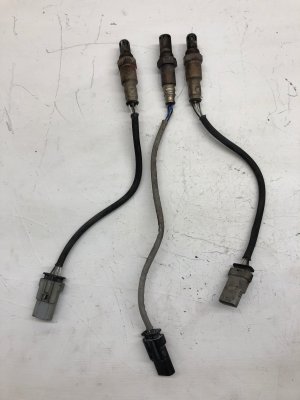
We Have This Part in Stock


The information in this article is provided for general reference and educational purposes only. Vehicle specifications, procedures, and part compatibility can vary by production date, trim level, and region. Always consult your vehicle's factory service manual and verify part numbers before purchasing or performing repairs. Safety-critical components such as airbags, seat belts, and braking systems should be installed by a qualified professional.
- Chevrolet Silverado:
- 🎬 Helpful Videos
- 🛍️ Shop This Part
- What's Unique About the 1999-2024 Chevrolet Silverado
- Symptoms You May Notice
- Most Likely Causes
- Rare But Worth Checking
- Diagnosis Steps
- Parts You'll Likely Need
- Related Codes That Often Appear With This One
- Technical Service Bulletins (TSBs) & Recalls
- Platform-Specific Known Issues
- Mechanic-Grade Diagnostic Values
- Scan Tool Commands That Help
- Wiring & Ground Locations
- Real Owner Repair Stories
- OEM Part Supersession History
- Model Year Variations Within This Range
- Diagnostic Flowchart
- Used vs. New Parts: Buying Guide for This Vehicle
- Real Owner Stories
- 2018 GMC Sierra 5.3L
- Related OBD-II Codes
- Frequently Asked Questions
- 🎟️ Get 5% Off