

P0132 on 2011-2015 Chevrolet Cruze 1.4L: O2 Sensor High Voltage Causes and Fixes
On a 2011-2015 Cruze 1.4L, code P0132 almost always means the upstream oxygen sensor (Bank 1, Sensor 1) has failed. Before replacing it, check the O2 sensor fuse (F47 in the engine bay fuse box). A new OEM sensor costs around $50-$100, and it's a very accessible DIY job. Swapping the O2 and boost sensor connectors by mistake is a common cause after other repairs.
- P0132 on your Cruze most likely means you need a new upstream oxygen sensor (Bank 1, Sensor 1).
- Before buying any parts, always check fuse #F47 in the engine bay fuse box first. A blown fuse is a simple fix and a common issue.
- If you recently had other work done, double-check that the O2 sensor and boost pressure sensor connectors aren't swapped; it's a very common mistake.
- The upstream O2 sensor is located right at the front of the engine on the exhaust manifold, making this a very easy and quick DIY repair with the correct 22mm O2 sensor socket.
- Do not ignore this code. Driving for too long with a bad sensor will hurt your gas mileage and can eventually destroy your much more expensive catalytic converter.
What's Unique About the 2011-2015 Chevrolet Cruze

For the first-generation Chevy Cruze with the 1.4L turbo engine (RPO codes LUJ/LUV), the P0132 code is a very common and straightforward issue. The primary upstream O2 sensor is known to fail with age. Unlike some other platforms, its location right on the front of the exhaust manifold makes it one of the easiest O2 sensors to access and replace. While these engines are notorious for PCV system failures that cause other codes (like P0171, P1101), P0132 is most often an isolated sensor or circuit fault. However, it's crucial to be aware that swapping the O2 sensor and boost pressure sensor connectors is a common mistake after valve cover or intake manifold work, which can also cause this code.
Symptoms You May Notice
- Check Engine Light is on
- Reduced fuel economy
- Rough or unstable idle
- Hesitation or stumbling during acceleration
- Possible smell of raw fuel from the exhaust
- Engine may run rough
- Replacing the downstream (Bank 1, Sensor 2) oxygen sensor. The code P0132 is specific to the upstream (Sensor 1) sensor.
- Replacing the catalytic converter. The converter can be damaged by a long-term rich condition, but it is not the cause of this code.
- Replacing the Mass Airflow (MAF) sensor without diagnosing the root cause.
Most Likely Causes

- Failed Upstream Oxygen Sensor (Bank 1, Sensor 1) 🔴 High Probability The sensor is a common wear-and-tear item that fails internally after years of exposure to high exhaust temperatures. It is the most frequent cause for this code.
How to confirm: Using a scan tool, observe the live data for 'O2 Sensor B1S1'. If the voltage is stuck high (e.g., 0.9V or higher) and does not fluctuate rapidly between ~0.1V and ~0.9V after the engine warms up, the sensor has failed.
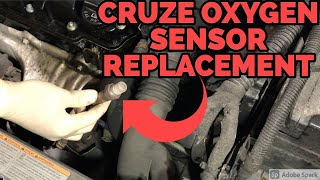
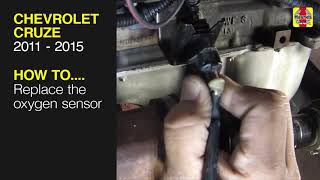
Typical fix: Replace the upstream oxygen sensor. It is located on the exhaust manifold at the front of the engine and requires a 22mm O2 sensor socket for removal. 🎬 Watch this step-by-step guide to replacing your upstream O2 sensor.
Est. part cost: $40-$100 - Blown Oxygen Sensor Fuse 🟡 Medium Probability An internal short in the old O2 sensor's heater element can cause its dedicated fuse to blow, leading to erratic sensor readings. A manufacturer service bulletin for other Chevrolet models, Bulletin #PIT5336, notes that technicians may find the Emission 1 Fuse open in conjunction with code P0132.
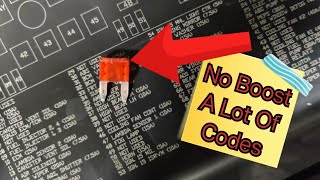
How to confirm: Check fuse #F47 (typically a 10A or 15A fuse) in the under-hood fuse box. If it is blown, the sensor's heater circuit has no power. A video guide confirms this location.
Typical fix: Replace the fuse. If the new fuse blows immediately, it confirms a short circuit in the O2 sensor or its wiring, and the sensor should be replaced.
Est. part cost: $1-$5 - Swapped O2 Sensor and Boost Pressure Sensor Connectors 🟡 Medium Probability This is a very common mistake made during reassembly after repairs like replacing the valve cover. The connectors for the upstream O2 sensor and the turbocharger boost pressure (MAP) sensor are similar and located near each other. Swapping them will immediately trigger codes, including P0132.
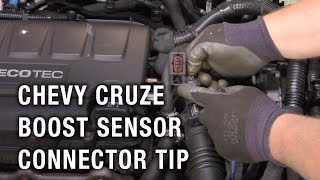
How to confirm: Visually inspect the wiring harness. The O2 sensor connector is typically gray, while the boost pressure sensor connector is black. Ensure they are plugged into the correct components. 🎬 See how to identify and correctly plug in these similar connectors. This issue often appears immediately after other engine work has been performed.
Typical fix: Unplug the connectors and plug them into their correct components. Clear the codes and re-scan.
Est. part cost: $0 - Damaged Wiring or Connector ⚪ Low Probability The proximity of the wiring to hot exhaust components can cause it to melt or become brittle and break. A short-to-voltage in the signal wire will cause a P0132.
How to confirm: Visually inspect the wiring harness leading to the upstream O2 sensor for any signs of melting, chafing, corrosion, or loose pins. Check for voltage on the signal wire with the sensor disconnected; there should be none.
Typical fix: Repair the damaged section of the wiring harness or clean the connector.
Est. part cost: $10-$50
Rare But Worth Checking
- Engine Running Rich: While P0132 indicates a rich condition, it can also be caused by another component forcing the engine to run rich, such as a leaking fuel injector. This is less likely and would typically be accompanied by other trouble codes, such as rich fuel trim codes. Manufacturer Bulletin #19NA077 notes that P0132 can be associated with hesitation from a stop and start/stop performance concerns.
- Faulty Powertrain Control Module (PCM): In very rare cases, the engine computer itself can fail, causing it to misinterpret the sensor's signal. Bulletin #16NA266 describes a scenario where a voltage spike in the ECM above a threshold value can set code P0132. Additionally, Bulletin #PIP5644 mentions that a software anomaly can cause P0132 to set within the first 5 minutes after the vehicle is started.
- Exhaust Leak Upstream of Sensor: A crack or leak in the exhaust manifold or flex pipe before the O2 sensor can introduce extra oxygen into the exhaust stream. This can paradoxically cause the sensor to generate a high voltage signal as the PCM attempts to compensate for what it perceives as a lean condition, eventually triggering P0132.
Diagnosis Steps

- Read all stored trouble codes with an OBD-II scanner.
- Check fuse #F47 in the fuse box located in the engine bay. Replace it if it's blown.
- If any recent repairs were made (e.g., valve cover replacement), confirm the O2 sensor connector is not accidentally swapped with the nearby boost pressure (MAP) sensor connector.
- Perform a thorough visual inspection of the upstream O2 sensor's wiring harness and connector. Look for any signs of melting, corrosion, or physical damage.
- Connect a scan tool and monitor the live data for the 'Bank 1 Sensor 1 Voltage' with the engine running and warmed up.
- A healthy sensor's voltage should fluctuate rapidly between approximately 0.1V and 0.9V. If the voltage is stuck high (above 0.8V or 0.9V), it confirms the fault.
- If the wiring, fuse, and connector orientation are confirmed to be good, and the voltage is stuck high, replace the upstream oxygen sensor.
Parts You'll Likely Need
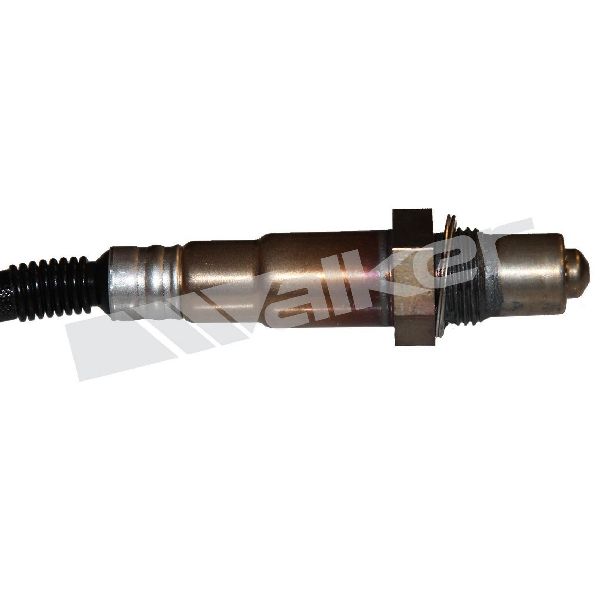
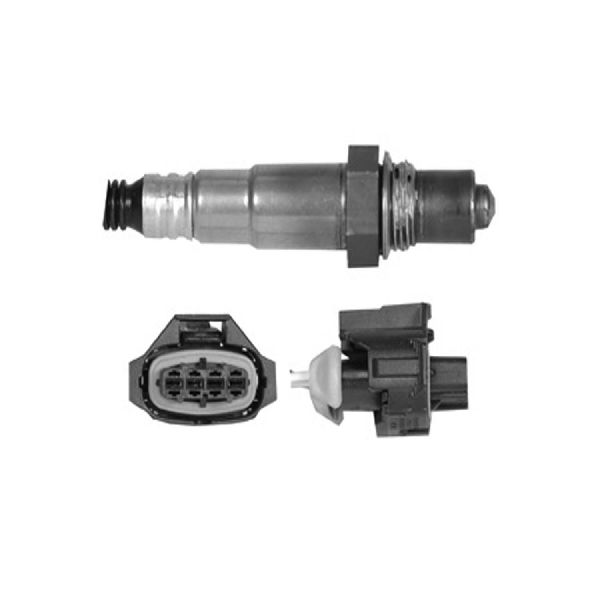
- Upstream Oxygen Sensor
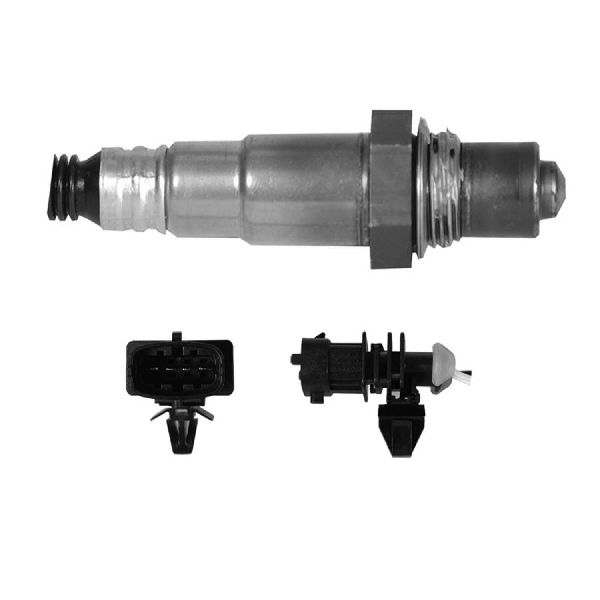
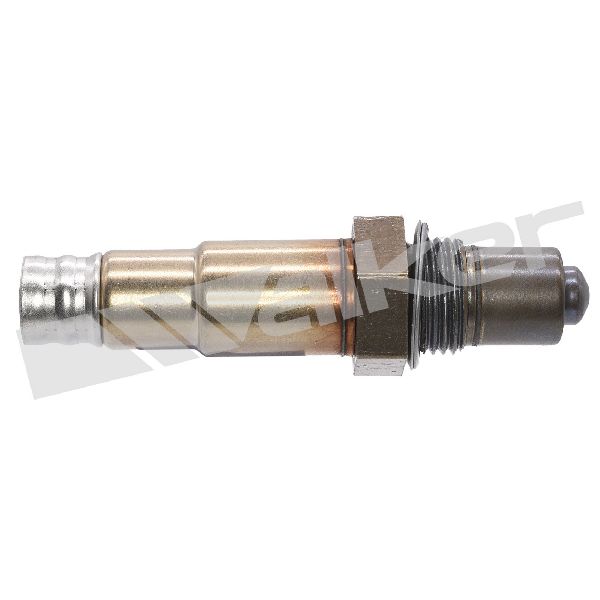
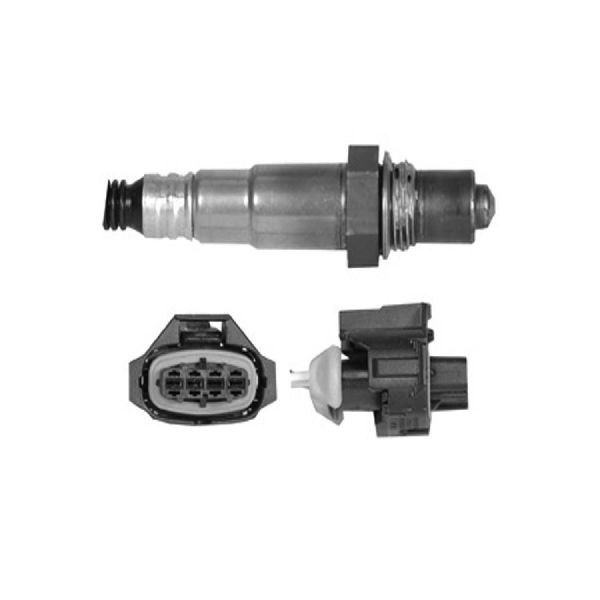
(OEM #ACDelco 213-4764 (GM 55566649))— This is the most common cause of code P0132 on the 1.4L Cruze. The sensor fails internally from age and heat exposure.
Trusted brands: ACDelco (OEM), Denso, Bosch, NGK
OEM price range: $50-$100
Aftermarket price range: $40-$80
Related Codes That Often Appear With This One
- P0135 — This code indicates a fault in the O2 sensor's heater circuit. A short in the heater can cause both a P0135 and blow the fuse, which can also contribute to a P0132 reading.
- P0172 — This code for 'System Too Rich (Bank 1)' can occur if another component, like a leaking fuel injector, is causing a genuine rich condition that the O2 sensor is correctly reporting.
Technical Service Bulletins (TSBs) & Recalls
- GM Special Coverage 14371B: Extends warranty coverage for leaking water pumps on some 2011-2014 Cruze and 2012-2014 Sonic vehicles with the 1.4L engine to 10 years or 150,000 miles.
- TSB PIP5197G: Details the diagnosis of the common PCV system failure, involving a missing intake manifold check valve and ruptured valve cover diaphragm, 🎬 Watch a diagnostic walkthrough of these common PCV and engine codes. which causes various codes.
- Bulletin #PIT5336: Notes that code P0132 may be found in conjunction with an open Emission 1 Fuse.
- Bulletin #16NA266: Identifies that a voltage spike in the ECM above a threshold value can trigger P0132.
- Bulletin #PIP5644: Describes a software anomaly that can cause P0132 to set within five minutes of starting the vehicle.
- Bulletin #19NA077: Mentions P0132 in relation to customer concerns regarding hesitation from a stop and start/stop performance.
Platform-Specific Known Issues
- A known issue on the 1.4L Turbo engine is the failure of the PCV system, which involves a check valve in the intake manifold and a diaphragm in the valve cover. While this typically sets lean codes like P0171, it's a critical system to be aware of for any owner of this vehicle.
- The water pump on the 1.4L engine is a common failure point, often leading to coolant leaks. GM issued a special coverage adjustment (14371B) extending the warranty for this issue to 10 years/150,000 miles on some vehicles.
Mechanic-Grade Diagnostic Values
- Upstream O2 Sensor (B1S1) Heater Element Resistance — expected: 4.5-6.2 Ohms (Ω) between the two heater circuit pins on the sensor connector.. Failure: A reading of infinite resistance (OL) or a value significantly outside the specified range indicates a failed heater element.
- Upstream O2 Sensor (B1S1) Signal Voltage (Warm Engine, Closed Loop) — expected: Rapidly fluctuating between approximately 0.1V and 0.9V.. Failure: Voltage is stuck high (above 0.9V) for an extended period.
Scan Tool Commands That Help
- GDS2 (GM Dealer Tool): Fuel Injector Balance Test (AFIT - Automated Fuel Injector Test) — This is a critical step if a true rich condition is suspected (indicated by negative fuel trims) and you need to rule out a leaking or faulty fuel injector as the root cause of the high voltage O2 reading.
Wiring & Ground Locations

- Upstream O2 Sensor Connector (Harness Side) — Connected to the upstream O2 sensor on the front of the engine, in the exhaust manifold.. This is the primary connector for testing power, ground, and signal from the sensor. A short or corrosion here can directly cause P0132. The pinout is: Pin 1: Heater Control (Ground from ECM), Pin 2: Heater Power (12V from fuse), Pin 3: Signal Low, Pin 4: Signal High.
- G103 — On the left front shock tower in the engine compartment.. This is a major ground point for the engine compartment. While not the direct ground for the O2 sensor signal (which is provided by the ECM), a poor connection here can introduce electrical noise and voltage offsets into various systems, potentially affecting sensor readings.
- Negative Battery Cable Ground Point — The main negative battery cable grounds to a stud on the chassis frame rail, below and to the side of the battery tray.. A known issue on the Cruze is a poor connection at this primary ground point, which can cause a host of seemingly unrelated electrical issues and codes. Verifying this connection is tight and corrosion-free is a crucial basic step.
Real Owner Repair Stories
- CruzeTalk Forum Member (2012 Chevrolet Cruze 1.4L) — Check Engine Light with code P0132. The car also had a noticeable exhaust leak sound.
❌ Tried (didn't work) Initially suspected the O2 sensor itself.
✅ What actually fixed it The root cause was a cracked exhaust flex pipe located before the upstream O2 sensor. The leak introduced unmetered air, causing the sensor to read incorrectly and trigger the high voltage code. Replacing the front exhaust pipe assembly (which includes the flex pipe) resolved the code.
Model Year Variations Within This Range
- 2011-2016: The 1.4L engine came in two main variants, LUJ and LUV, with the LUV becoming more common in later years. While they are very similar, there can be minor differences in component suppliers or positioning. However, for the upstream O2 sensor, the part number ACDelco 213-4764 (GM 55566649) is consistent across the 2011-2015 range and the 2016 'Cruze Limited'.
Diagnostic Flowchart
Other Known Issues on This Vehicle
Issues unrelated to this code that are worth knowing about as an owner of this generation:
- PCV System Failure (Valve Cover & Intake Manifold) 🔴 High — Extremely common. A failed check valve in the intake manifold pressurizes the crankcase, rupturing a diaphragm in the valve cover. Often occurs between 60,000-120,000 miles. (Ref: GM TSB PIP5197G, Special Coverage N202299080)
- Leaking Water Pump 🔴 High — Very common. The pump leaks coolant, leading to overheating risk. Can occur at any mileage, but frequently reported under 100,000 miles. (Ref: GM Special Coverage 14371B)
- Chronic Oil and Coolant Leaks 🟠 Medium — Common. Leaks are frequent from the oil pan gasket, valve cover gasket (often due to PCV issues), thermostat housing, and coolant outlet housing.
- Faulty Negative Battery Cable 🟠 Medium — A well-documented issue on 2011-2015 models causing a variety of random electrical problems, including no-start conditions and flickering lights, due to a poor connection at the terminal.
- Turbocharger Failure (Wastegate/Bypass Valve) 🟠 Medium — The turbo's internal wastegate or bypass valve can fail, leading to a P0299 (Underboost) code and loss of power. The entire turbo assembly often requires replacement.
Used vs. New Parts: Buying Guide for This Vehicle
When a used part is the smart pick: For this repair, buying a used oxygen sensor is strongly discouraged. O2 sensors are wear-and-tear items with a finite lifespan, typically failing between 55,000 and 90,000 miles. A used sensor has unknown remaining life and may fail shortly after installation. Used parts are only viable for related components like a wiring harness pigtail if the original is damaged.
Donor-vehicle mileage cap: roughly under 20000 miles for the part to have meaningful remaining life.
What to inspect on the donor part:
- For a wiring pigtail, ensure the connector is not cracked, the locking tab is intact, and there are no signs of melted plastic or corrosion on the pins.
OEM-only on this vehicle (don't cheap out):
- While not strictly OEM-only, it is critical to use a high-quality sensor. Cheap, unbranded sensors are known to fail quickly or provide inaccurate readings, causing the code to return.
Aftermarket brands forum-validated for this vehicle:
- ACDelco (OEM supplier)
- Denso
- Bosch
- NGK/NTK
Brands owners have reported issues with on this vehicle:
- Generic, unbranded, or 'white-box' sensors sold on marketplaces at a very low price point. Forum discussions frequently warn against these due to high failure rates.
Real Owner Stories
Aggregated from forums and TSBs cited above. Mileages and costs reflect what owners reported in those sources.
2011-2015 Chevrolet Cruze 1.4L Turbo
Symptoms: The Check Engine Light came on immediately after engine work was performed.
What fixed it: Unplugged the O2 sensor and boost pressure sensor connectors and swapped them back to their correct positions.
Source hint: go-parts.com/blog article on common repair mistakes
2011-2014 Chevrolet Cruze 1.4L Turbo — ~90000 miles
Symptoms: A chirping noise was heard from the engine bay, which a shop misdiagnosed as a water pump failure.
What fixed it: The community suggested the issue was actually a crank seal issue related to the common PCV system problems.
Source hint: reddit.com/r/cruze user experience post
Related OBD-II Codes
Frequently Asked Questions
I just replaced my valve cover and now I have a P0132 code. Did I break the new sensor?
Is there a specific fuse I should check for the O2 sensor on my 2011-2015 Cruze?
Does GM Special Coverage 14371B cover my P0132 oxygen sensor issue?
Can the common PCV system failure on the 1.4L Turbo engine cause this code?
What tool do I need to replace the Bank 1 Sensor 1 O2 sensor on my Cruze?
Helpful Videos
We Have This Part in Stock


The information in this article is provided for general reference and educational purposes only. Vehicle specifications, procedures, and part compatibility can vary by production date, trim level, and region. Always consult your vehicle's factory service manual and verify part numbers before purchasing or performing repairs. Safety-critical components such as airbags, seat belts, and braking systems should be installed by a qualified professional.
- Chevrolet Cruze:
- 🎬 Helpful Videos
- 🛍️ Shop This Part
- What's Unique About the 2011-2015 Chevrolet Cruze
- Symptoms You May Notice
- Most Likely Causes
- Rare But Worth Checking
- Diagnosis Steps
- Parts You'll Likely Need
- Related Codes That Often Appear With This One
- Technical Service Bulletins (TSBs) & Recalls
- Platform-Specific Known Issues
- Mechanic-Grade Diagnostic Values
- Scan Tool Commands That Help
- Wiring & Ground Locations
- Real Owner Repair Stories
- Model Year Variations Within This Range
- Diagnostic Flowchart
- Other Known Issues on This Vehicle
- Used vs. New Parts: Buying Guide for This Vehicle
- Real Owner Stories
- 2011-2015 Chevrolet Cruze 1.4L Turbo
- 2011-2014 Chevrolet Cruze 1.4L Turbo — ~90000 miles
- Related OBD-II Codes
- Frequently Asked Questions
- 🎟️ Get 5% Off