

P0131 on 2015-2017 GMC Canyon: O2 Sensor Low Voltage Causes and Fixes
P0131 on a 2015-2017 GMC Canyon indicates a low voltage signal from the upstream oxygen sensor (Bank 1, Sensor 1). This is most often caused by a failing O2 sensor itself. Replacing the sensor is a common DIY fix, with parts costing between $25 and $75. In some cases, especially if other codes are present, it can be caused by loose intake manifold bolts, a known issue covered by a TSB.
- P0131 means the upstream O2 sensor on Bank 1 is sending a persistent low voltage signal.
- The most common fix is to replace the Bank 1, Sensor 1 oxygen sensor.
- Before replacing the sensor, always inspect its wiring and connector for damage and check for exhaust leaks.
- This is a DIY-friendly repair with a difficulty of 2 out of 5.
- Ignoring this code can lead to poor fuel mileage and potential damage to other expensive emission components like the catalytic converter.
What's Unique About the 2015-2017 Gmc CANYON

For the 2015-2017 GMC Canyon and its platform-mate, the Chevrolet Colorado, P0131 is a straightforward emissions code often pointing directly to the upstream O2 sensor. While the code itself is generic, GM has issued Technical Service Bulletin #PIP5529B that includes P0131 in a list of codes that can appear together. This TSB suggests that if other codes like P0171 or P0106 are present, technicians should inspect for loose intake manifold bolts, which can create a vacuum leak and cause a false lean condition, before replacing any sensors. However, when P0131 appears in isolation, the issue is almost always the sensor or its immediate wiring.
Diagnostic Flowchart

Tap your situation to follow the diagnostic path that matches what you're seeing on this vehicle.
Symptoms You May Notice
- Check Engine Light is on
- Reduced fuel economy
- Rough or unstable idle
- Slight hesitation during acceleration
- Failure to pass an emissions test
- Engine may run rough or stall in rare cases
- Replacing the catalytic converter. A P0131 code is for the upstream sensor; catalytic converter issues are typically indicated by downstream sensor codes like P0420.
- Replacing other sensors like the Mass Airflow (MAF) or coolant temperature sensor without proper diagnosis. While these can affect the air-fuel ratio, they usually set their own specific trouble codes.
Most Likely Causes

- Failing Upstream Oxygen Sensor (Bank 1, Sensor 1) 🔴 High Probability Oxygen sensors are wear-and-tear items that degrade over time due to constant exposure to high-temperature exhaust gases. Contamination from engine fluids or carbon buildup can also cause premature failure, preventing them from producing the correct voltage signal.
How to confirm: Use an OBD-II scanner to monitor the live data stream for the Bank 1 Sensor 1 O2 sensor. A healthy sensor's voltage should fluctuate rapidly between approximately 0.1 and 0.9 volts. If the voltage is stuck low (typically below 0.2V), the sensor is likely faulty.
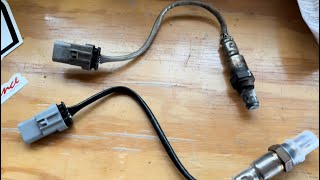
Typical fix: Replace the Bank 1, Sensor 1 oxygen sensor. On the 2.5L 4-cylinder, this is the only upstream sensor. On the 3.6L V6, Bank 1 is the passenger side of the engine. 🎬 See this walkthrough for replacing upstream and downstream sensors An O2 sensor socket is highly recommended for removal.
Est. part cost: $25-$75 - Damaged Wiring or Connectors 🟡 Medium Probability The wiring harness for the O2 sensor is close to hot exhaust components and can become brittle, melted, or corroded over time, leading to a poor connection or short circuit.
How to confirm: Visually inspect the wiring and connector leading to the O2 sensor for any signs of damage, melting, or corrosion. Use a multimeter to check for continuity 🎬 Watch: How to test the O2 sensor heater circuit and proper voltage at the connector. Check for related heater circuit codes (e.g., P0030, P0135) which can point to wiring issues.
Typical fix: Repair the damaged section of the wiring harness or replace the connector pigtail.
Est. part cost: $10-$30 - Exhaust Leak ⚪ Low Probability A leak in the exhaust manifold or the pipe before the O2 sensor can allow outside air to be drawn into the exhaust stream.
How to confirm: This extra oxygen causes the sensor to send a false lean (low voltage) signal to the ECM. Listen for ticking or hissing noises from the engine bay, especially when the engine is cold. A visual inspection may reveal soot trails near the leak.
Typical fix: Replace the leaking exhaust manifold gasket or repair the crack in the exhaust pipe.
Est. part cost: $20-$150 - Loose Intake Manifold Bolts ⚪ Low Probability As identified in GM TSB #PIP5529B, the intake manifold bolts on some GM engines, including the 2.5L LCV in the Canyon/Colorado, can become loose. This creates a vacuum leak, causing multiple codes including P0131 and P0171 (System Too Lean).
How to confirm: If multiple codes are present along with P0131 (especially P0171, P0106, P0068), follow the TSB procedure. Check the intake manifold bolts for proper torque. A smoke test can also identify the unmetered air leak.
Typical fix: Following the TSB, remove one bolt at a time, apply medium-strength threadlocker, and torque to the proper specification in sequence. 🎬 Watch: How to remove the intake manifold for inspection
Est. part cost: $5-$10 for threadlocker
Rare But Worth Checking
- Low Fuel Pressure: If the engine is genuinely running lean due to a weak fuel pump or clogged filter, the O2 sensor will correctly report a low voltage. This would typically be accompanied by other codes like P0171 (System Too Lean).
- Faulty Powertrain Control Module (PCM): In very rare cases, the PCM itself can fail, causing it to misinterpret the sensor's signal. This should only be considered after all other possibilities have been exhausted.
Diagnosis Steps
- Connect an OBD-II scanner and confirm the P0131 code is present. Check for any other codes and review freeze frame data. Note if codes like P0171, P0106, etc. are present, which would point towards the TSB for loose intake bolts.
- Using the scanner's live data function, monitor the voltage of the Bank 1 Sensor 1 O2 sensor. It should fluctuate rapidly. If it's stuck low, the sensor is a prime suspect.
- Perform a thorough visual inspection of the O2 sensor's wiring harness and connector for any signs of melting, chafing, or corrosion.
- Inspect the exhaust manifold and downpipe for any signs of leaks (soot trails or audible ticking).
- If multiple codes from TSB PIP5529B are present, inspect the intake manifold bolts for looseness before replacing parts.
- If wiring and the exhaust system appear intact, and the code is isolated, the most likely cause is a failed O2 sensor.
- To be certain, you can test the sensor's heater circuit for proper resistance and check for voltage and ground at the sensor connector with a multimeter.
- If the sensor and wiring test good, investigate other potential causes like low fuel pressure or vacuum leaks.
Parts You'll Likely Need

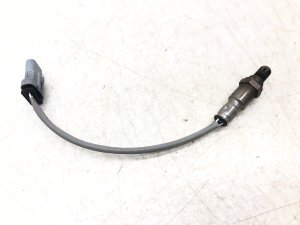
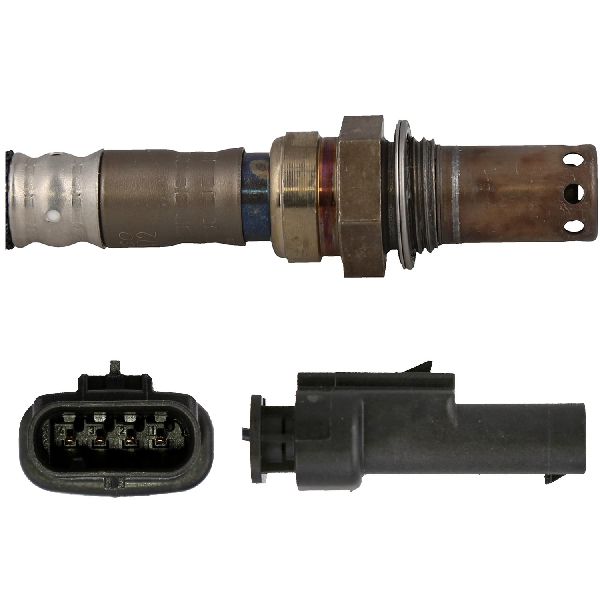
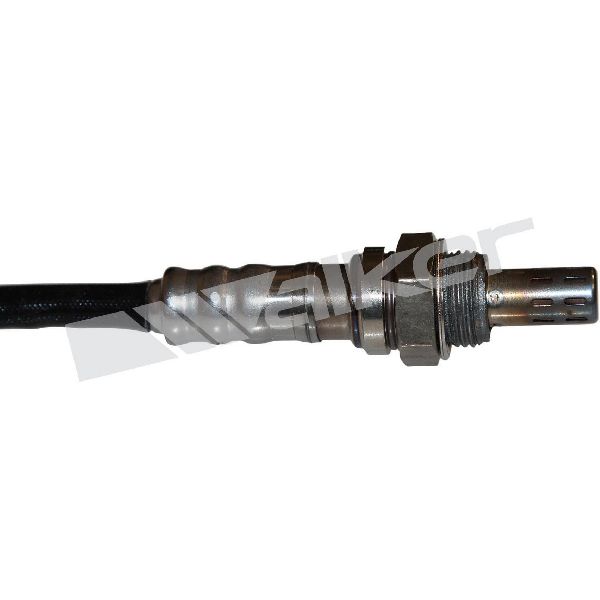
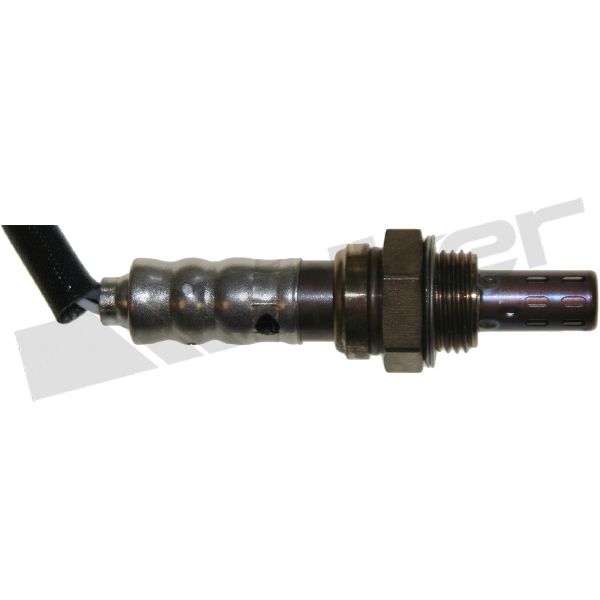
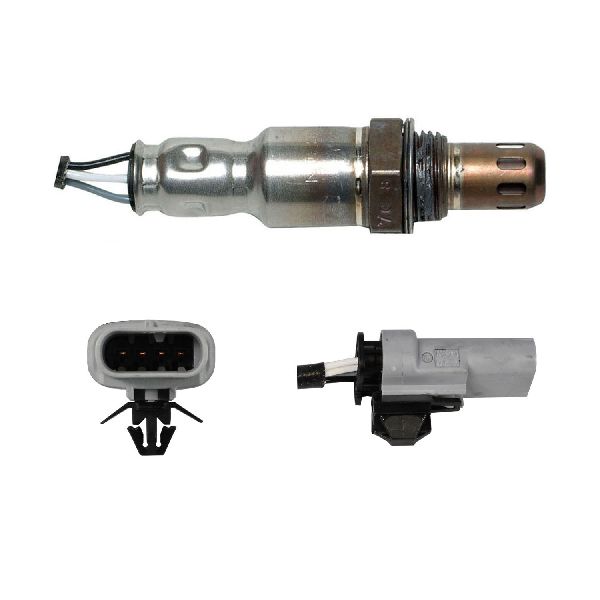
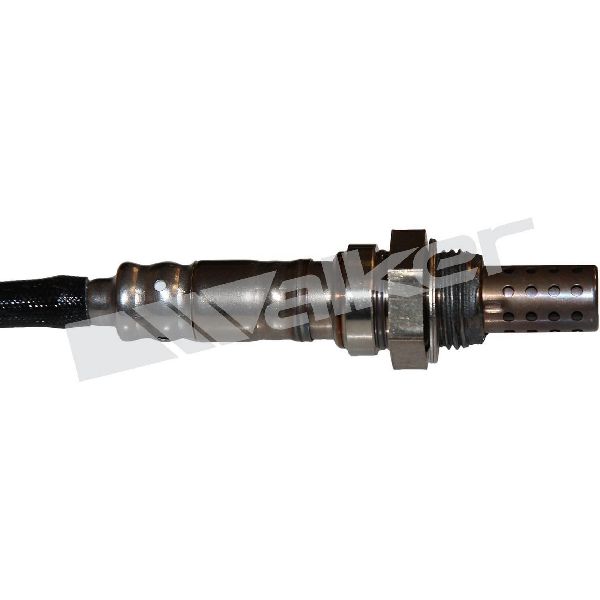
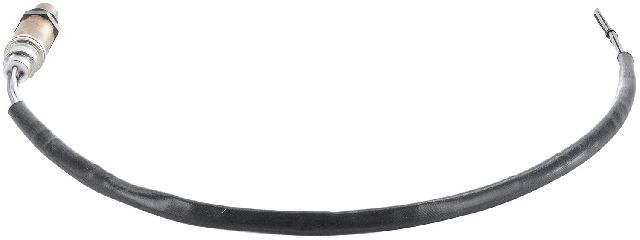
- Upstream Oxygen Sensor (Bank 1, Sensor 1)
(OEM #12640453 (For 3.6L V6), 12662789 (For 2.5L I4))— This is the most common failure point for a P0131 code. The sensor degrades over time and stops sending an accurate voltage signal.
Trusted brands: ACDelco (OE), Denso, Bosch, NTK
OEM price range: $50-$90
Aftermarket price range: $25-$60
Related Codes That Often Appear With This One
- P0171 — P0171 (System Too Lean Bank 1) often appears with P0131 because a low voltage signal from the O2 sensor is interpreted by the ECM as a lean condition. This combination strongly points to a vacuum leak (like loose intake bolts) or an exhaust leak.
- P0137 — P0137 is a low voltage code for the downstream O2 sensor (Bank 1, Sensor 2). Seeing both may indicate a more systemic issue like a large exhaust leak affecting both sensors, or a wiring problem common to both.
- P0030 / P0031 / P0135 — These codes relate to the heater circuit within the oxygen sensor. A failure in the heater can prevent the sensor from reaching operating temperature, causing it to send an incorrect low voltage signal.
Technical Service Bulletins (TSBs) & Recalls
- PIP5529B: A technical service bulletin that groups P0131 with several other electrical and sensor-related codes. It advises that if multiple of these codes are present, technicians should inspect for loose intake manifold bolts before replacing components. The fix involves re-torquing the bolts with threadlocker.
- PIP5529A: An earlier version of the same bulletin, also mentioning P0131 in a list of potential trouble codes related to hesitation or stalling.
Platform-Specific Known Issues
- GM Technical Service Bulletin #PIP5529B lists P0131 among a group of other DTCs that may illuminate the malfunction indicator lamp. The cause may be loose intake manifold bolts, which should be inspected, cleaned, and torqued with threadlocker if found loose, especially on the 2.5L (LCV) engine.
- The platform-mate Chevrolet Colorado shares identical engines and systems, and thus experiences the same P0131 causes and fixes. Forum discussions on 'ColoradoFans.com' are a valuable resource for Canyon owners.
Mechanic-Grade Diagnostic Values
- O2 Sensor Heater Circuit Resistance (at the sensor connector) — expected: Approximately 3 to 10 ohms. A new ACDelco sensor measured 6 ohms.. Failure: A very high resistance reading (e.g., over 200 ohms) or an open circuit (infinite resistance) indicates a failed heater element.
- O2 Sensor Heater Circuit Voltage (at the harness connector, Key On) — expected: Approximately 12 Volts (battery voltage).. Failure: Zero volts indicates a blown fuse (Fuse 47 in the underhood fuse block for Bank 1 Sensor 1 on the 2.5L) or a wiring issue between the fuse box and the sensor.
- O2 Sensor Signal Voltage (Live Data on Scan Tool) — expected: Rapidly fluctuating between approximately 0.1V and 0.9V on a warm, running engine in closed loop.. Failure: Voltage is stuck low, consistently below 0.2V, which triggers the P0131 code.
Scan Tool Commands That Help
- GDS2 / GM Dealer Scan Tool: Programming / Special Setup Procedure — After replacing certain GM Genuine oxygen sensors, such as part number 12640453. The service information notes that programming may be required to ensure proper operation in the vehicle.
Wiring & Ground Locations

- B1S1 O2 Sensor Connector (2.5L I4) — On the passenger side of the engine, below the exhaust manifold heat shield. The connector is often clipped to an adjacent wiring harness.. This is the primary connection point for testing voltage from the harness and resistance of the sensor itself. It has a white locking tab that must be slid out before the connector can be separated.
- Engine Ground Points (G103/G104/G106) — Key engine grounds are typically located on the cylinder heads and engine block, bolted directly to the chassis or firewall. On GM trucks, a common location is on the passenger side behind the airbox and on the driver's side near the fuse box or brake booster.. The ECM and its sensors rely on clean, solid ground connections. A corroded or loose engine ground can create floating voltages and erratic sensor readings, potentially mimicking a sensor failure and causing codes like P0131.
- Underhood Fuse Block — Located in the engine compartment on the driver's side.. This block contains the fuse for the O2 sensor's heater circuit (e.g., Fuse F47 on a 2018 2.5L). A blown fuse will cause heater circuit codes and can lead to an incorrect P0131 reading as the sensor fails to reach operating temperature.
Real Owner Repair Stories
- YouTube video 'Testing Heater Circuit in O2 Sensor 2015-2022 GMC Canyon Chevy Colorado' (2018 GMC Canyon 2.5L) — Engine running very poorly, nearly stranding the driver. Multiple codes stored: P0030, P0031, P0132, and P0135, all related to the Bank 1 Sensor 1 O2 sensor and its heater circuit.
❌ Tried (didn't work) The diagnostic process ruled out other causes. The fuse for the heater circuit was checked and found to be good. A multimeter test confirmed that 12.3V was being supplied to the sensor connector, indicating the vehicle's wiring was intact.
✅ What actually fixed it The problem was isolated to the O2 sensor itself. A resistance test on the old sensor's heater circuit showed a reading of 227 ohms, far outside the expected range. A new ACDelco sensor read 6 ohms. Replacing the faulty oxygen sensor resolved the issue.
OEM Part Supersession History
12662789→N/A - Incorrect Part— Correction
Heads up: Part number 12662789, previously associated with the 2.5L engine, is an engine vacuum pump, not an oxygen sensor. The correct upstream O2 sensor for the 2.5L I4 (LCV) is ACDelco 12643707.
Model Year Variations Within This Range
- 2017: For the 2017 model year, GMC replaced the 3.6L LFX V6 engine with the updated 3.6L LGZ V6. This engine change means that many engine components, including the oxygen sensors, use different part numbers for 2017 V6 models compared to 2015-2016 V6 models. Always verify parts by VIN, especially for the 2017 model year.
Helpful Videos
Used OEM Parts in Stock
New Aftermarket Parts Available

The information in this article is provided for general reference and educational purposes only. Vehicle specifications, procedures, and part compatibility can vary by production date, trim level, and region. Always consult your vehicle's factory service manual and verify part numbers before purchasing or performing repairs. Safety-critical components such as airbags, seat belts, and braking systems should be installed by a qualified professional.
- Gmc CANYON:
- 🎬 Helpful Videos
- 🛍️ Shop This Part
- What's Unique About the 2015-2017 Gmc CANYON
- Diagnostic Flowchart
- Symptoms You May Notice
- Most Likely Causes
- Rare But Worth Checking
- Diagnosis Steps
- Parts You'll Likely Need
- Related Codes That Often Appear With This One
- Technical Service Bulletins (TSBs) & Recalls
- Platform-Specific Known Issues
- Mechanic-Grade Diagnostic Values
- Scan Tool Commands That Help
- Wiring & Ground Locations
- Real Owner Repair Stories
- OEM Part Supersession History
- Model Year Variations Within This Range
- 🎟️ Get 5% Off