

P0131 on 2015-2020 Ford F-150 2.7L EcoBoost: O2 Sensor Low Voltage Causes and Fixes
This code indicates a low voltage signal from the upstream oxygen sensor on Bank 1 (passenger side). The most common cause is a failing O2 sensor itself, which is a straightforward DIY replacement. Other potential causes include wiring damage, exhaust leaks, or vacuum leaks.
- P0131 on your F-150 means the passenger side, pre-catalytic converter O2 sensor is reading low voltage.
- The most likely fix is replacing the sensor itself, a manageable DIY job with the right O2 sensor socket.
- Before buying a new sensor, always inspect the wiring harness for visible damage, as heat and debris can cause shorts or breaks.
- If you also have lean codes (P0171), check for vacuum or exhaust leaks before replacing any parts.
- If you have multiple unrelated codes appearing with P0131, suspect a larger wiring harness issue.
What's Unique About the 2015-2020 Ford F-150

On the 2.7L EcoBoost engine, the oxygen sensors play a critical role in managing the complex air-fuel mixture required for turbocharged performance. While the P0131 code itself is common across many vehicles, F-150 owners should be aware of potential contributing factors like wiring harness issues, as noted by owners on forums. The harness runs along the passenger side of the transmission, where it is susceptible to heat and rodent damage, potentially causing multiple O2 and EVAP system codes at once. Additionally, Ford has issued Technical Service Bulletins (TSBs) for other truck models like the Transit, warning that water intrusion in the engine bay can cause shorts and trigger a host of electrical codes, including P0131.
Symptoms You May Notice
- Check Engine Light is on
- Reduced fuel economy
- Rough or unstable idle
- Engine stalling at low speeds or idle.
- Black smoke from the exhaust
- Rotten egg smell from the exhaust
- Hesitation on acceleration.
- Replacing the catalytic converter when the O2 sensor is the actual problem.
- Replacing the O2 sensor without first checking for wiring damage or exhaust leaks, leading to the code returning.
- Assuming multiple codes (O2 and EVAP) mean multiple failed parts, when a single wiring harness issue is the root cause.
Most Likely Causes

- Faulty Upstream Oxygen Sensor (Bank 1, Sensor 1) 🔴 High Probability Oxygen sensors are wear-and-tear items with a finite lifespan, typically 70,000 to 100,000 miles. Contamination from oil or coolant, often from other known platform issues like turbo oil feed tube leaks (TSB 19-2188), can also cause premature failure.
How to confirm: Use an OBD-II scanner to monitor the live voltage data for the B1S1 O2 sensor. If the voltage is stuck below 0.2V and doesn't fluctuate, the sensor is likely bad. The sensor itself will appear sooty or covered in carbon buildup upon removal.
Typical fix: Replace the Bank 1, Sensor 1 oxygen sensor. It is located on the passenger side exhaust downpipe, before the catalytic converter. Access is from underneath the truck, and may require removing a small heat shield held by four 8mm bolts. An O2 sensor socket or a 7/8" (22mm) flare nut wrench is required.
Est. part cost: $50-$150 - Damaged Wiring or Connector 🟡 Medium Probability The sensor wiring runs along the passenger side of the transmission and can be susceptible to heat damage, corrosion, or rodent damage. Forum users report that multiple codes appearing at once (e.g., P0131, P0151, P1450) often point to a single damaged wiring harness rather than multiple failed components.
How to confirm: Visually inspect the entire wiring harness from the O2 sensor to the main connector, which is located above the transmission. Look for any signs of melting, chafing, corrosion in the connector pins, or breaks in the wire. Check for shorts to ground on the signal, reference, and heater circuits.
Typical fix: Repair the damaged section of the wiring harness or replace the connector pigtail. In severe cases, a new harness section may be needed. Ensure repaired wires are protected with heat-resistant loom.
Est. part cost: $15-$100 - Exhaust Leak ⚪ Low Probability Leaks can develop at the exhaust manifold gasket or the downpipe flange connections over time due to heat cycles and corrosion. An exhaust leak allows outside air into the exhaust stream, which the O2 sensor interprets as a lean condition (low voltage).
How to confirm: Listen for a ticking or puffing sound from the engine bay, especially when the engine is cold. A mechanic can use a smoke machine to introduce smoke into the exhaust system and visually identify the source of the leak.
Typical fix: Replace the leaking gasket or tighten the loose connection. In some cases, a cracked exhaust manifold may need to be replaced.
Est. part cost: $20-$300 - Engine Vacuum Leak ⚪ Low Probability Plastic and rubber vacuum hoses, like the PCV hose or intake components, can become brittle and crack over time, allowing unmetered air to enter the engine. This creates a lean air-fuel mixture, which the O2 sensor reports as low voltage.
How to confirm: This often triggers lean codes like P0171 alongside P0131. A smoke test is the most effective way to find the source of a vacuum leak. A failing EVAP purge valve can also cause similar symptoms and codes.
Typical fix: Replace the cracked or broken vacuum hose or intake gasket. If the purge valve is faulty, it will need to be replaced.
Est. part cost: $10-$150
Rare But Worth Checking
- Low Fuel Pressure: A failing high-pressure fuel pump (HPFP) or clogged injector can create a lean condition, which the O2 sensor will report as low voltage. This would typically be accompanied by other drivability issues and possibly other codes like P00C6 (Fuel Rail Pressure Too Low).
- Faulty Powertrain Control Module (PCM): This is extremely rare. The PCM should only be considered after all other possibilities, including wiring, have been exhaustively ruled out by a professional.
Diagnosis Steps

- Read all stored, pending, and permanent DTCs with an OBD-II scanner. Note if other codes like P0151, P0171, or P1450 are present, as this can point towards a wiring or systemic issue.
- Using the scanner's live data function, monitor the voltage of the 'O2S11' (Oxygen Sensor Bank 1 Sensor 1). It should fluctuate rapidly between approximately 0.2V and 0.8V. If it stays consistently low (e.g., <0.2V), it confirms the fault condition.
- Perform a thorough visual inspection of the Bank 1 (passenger side) upstream O2 sensor's wiring harness and connector. The harness runs along the transmission. Look for any signs of melting, chafing, corrosion, or loose connections.
- Inspect the exhaust manifold and downpipe for any signs of leaks (soot trails) or listen for audible ticking sounds, especially on a cold start.
- If wiring and exhaust appear fine, the most likely cause is the sensor itself. Proceed with replacement. Many owners find this is the ultimate fix.
- If the code persists after sensor replacement, perform a smoke test to check for vacuum leaks (including the EVAP purge valve) and test fuel pressure to rule out a fuel delivery issue.
Parts You'll Likely Need
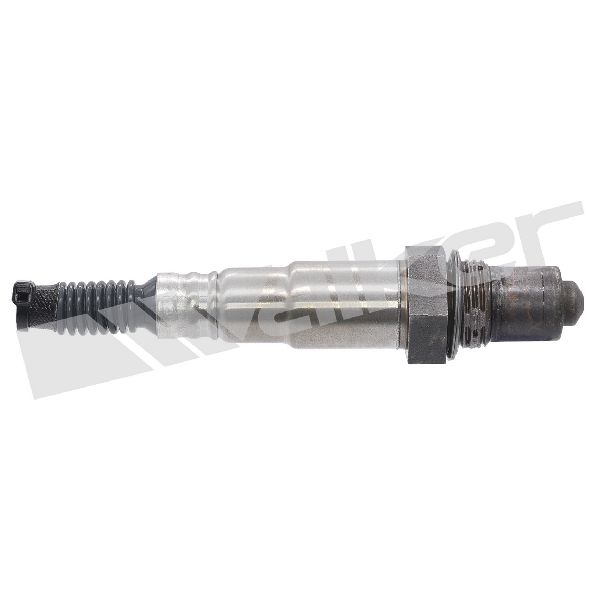
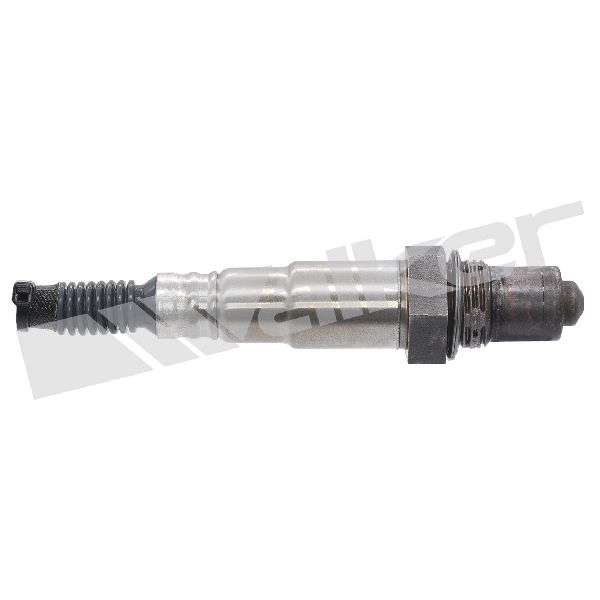
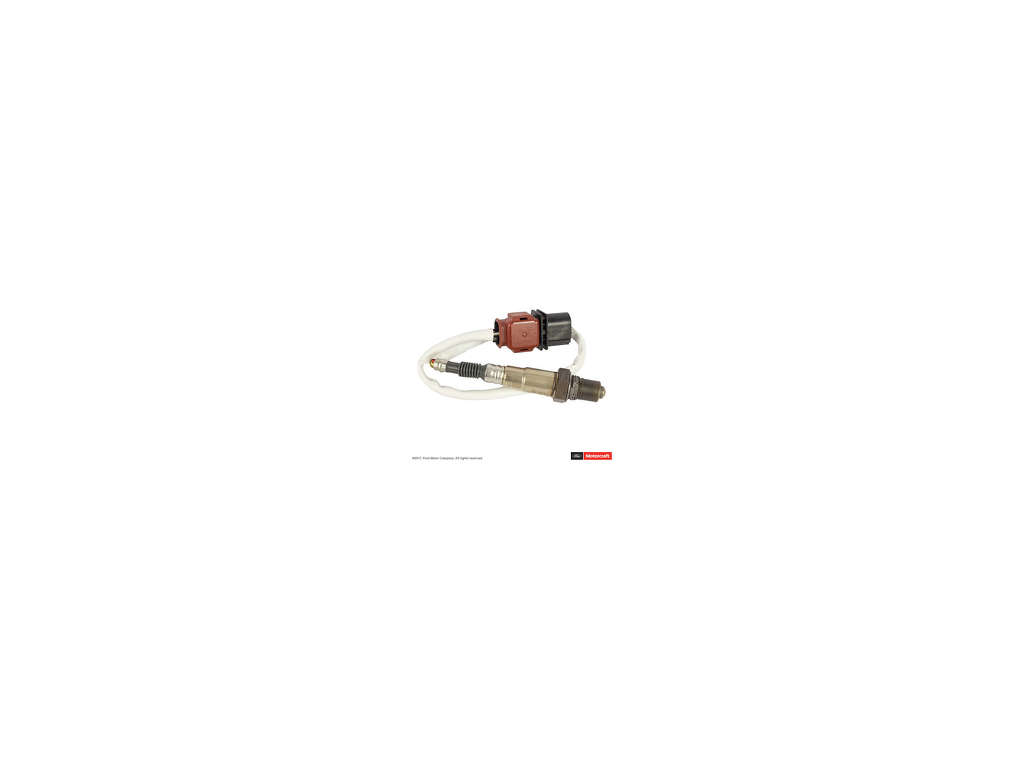
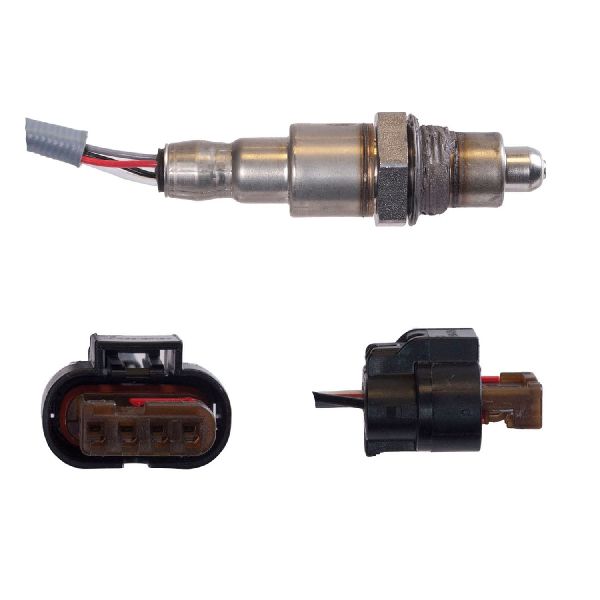
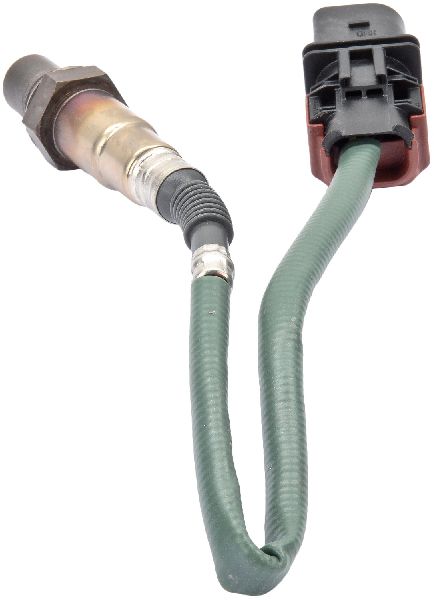
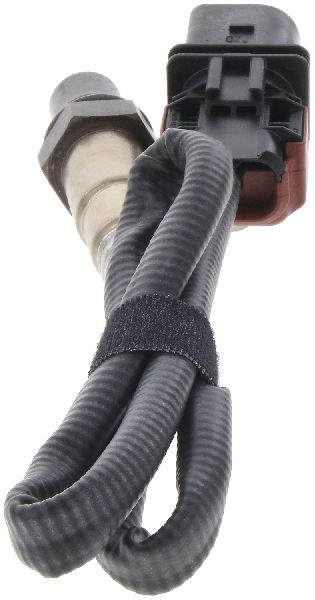
- Upstream Oxygen Sensor (Bank 1, Sensor 1)
(OEM #Motorcraft DY1323 (cross-references include DY1303, DY1443; always verify with VIN))— This is the most common failure point for a P0131 code. It is a standard wear item that degrades over time.
Trusted brands: Motorcraft, Bosch, NGK/NTK, Denso
OEM price range: $90-$180
Aftermarket price range: $50-$120
Related Codes That Often Appear With This One
- P0171 — System Too Lean (Bank 1). A vacuum leak, exhaust leak, or failing O2 sensor can cause both codes to appear together as the PCM struggles to correct a lean condition detected by the sensor.
- P2196 — O2 Sensor Signal Stuck Rich (Bank 1, Sensor 1). While seemingly contradictory, a wiring short or a faulty EVAP purge valve can cause the signal to swing erratically or create a rich condition, triggering various O2 and EVAP codes together.
- P1450 — Unable to Bleed Up Fuel Tank Vacuum. This EVAP system code has appeared with P0131 in multiple owner reports. Its presence strongly suggests a shared wiring harness issue affecting both systems, or a faulty EVAP purge valve causing a vacuum leak that affects the air/fuel mixture.
Technical Service Bulletins (TSBs) & Recalls
- TSB 19-2091 / TSB 17-0014: While for the Ford Transit, these bulletins are notable as they show a precedent for water entry in the engine bay causing electrical issues that trigger code P0131, among others.
- TSB 19-2188: For 2015-2017 F-150 2.7L, addresses a turbo oil feed tube leak that can cause smoke and eventually foul O2 sensors.
Platform-Specific Known Issues
- A TSB for 2015-2017 F-150s with the 2.7L EcoBoost (TSB 19-2188) addresses excessive blue or white smoke on startup due to a faulty left-hand turbo oil supply tube allowing oil into the exhaust. While not directly causing P0131, this oil contamination can foul the O2 sensor over time, leading to its failure.
- Owner complaints on forums like F150Forum.com repeatedly show that multiple, seemingly unrelated codes (including P0131, P0151, and EVAP code P1450) appearing at once can often be traced back to a single damaged wiring harness under the truck, near the transmission.
Mechanic-Grade Diagnostic Values
- O2 Sensor Heater Circuit Resistance — expected: 3.8 - 10.5 Ohms (when cold). Failure: A resistance reading outside of this range indicates a faulty heater element within the sensor.
- HO2S11 Live Data Voltage (Idle) — expected: Rapidly fluctuating between ~0.2V and ~0.8V. Failure: Voltage is stuck low, below 0.2V, and is not responsive.
Wiring & Ground Locations

- PCM Grounds — Located on the firewall in the engine compartment.. A poor ground connection for the Powertrain Control Module (PCM) can cause erratic sensor readings, including the low voltage seen with P0131. There may be one or two ground points depending on the model year and engine.
- Main Battery Ground — In the engine bay, just in front of the washer fluid reservoir.. This is the primary ground for the vehicle's electrical system. Corrosion or a loose connection here can cause widespread, intermittent electrical issues that could manifest as sensor fault codes.
- BCM Ground — In the passenger footwell, to the right of the Body Control Module (BCM) / fuse box.. While less likely to directly cause a P0131, a poor BCM ground can contribute to network communication errors and other electrical gremlins. Ensuring all major grounds are clean and tight is a key diagnostic step.
- Connector C134 — Main engine harness to body harness connector, located on the LH (driver's side) fender apron area.. This is a critical pass-through connector for many engine sensors, including the O2 sensors, on their way to the PCM. Corrosion or pin damage in this connector can cause a P0131 code.
Real Owner Repair Stories
- Ford F150 Forum (2013 F-150 EcoBoost (similar 3.5L platform, but same code and sensor function)) — Check Engine Light with code P0151 (Bank 2 Sensor 1 Low Voltage). Driver's side sensor was covered in soot.
❌ Tried (didn't work) Initially just replacing the one faulty sensor.
✅ What actually fixed it Replaced both upstream (pre-cat) oxygen sensors (Bank 1 and Bank 2) at the same time. The truck ran much better and the check engine light turned off. The user noted that even though only one bank threw a code, the other sensor was likely degraded as well, and replacing them in pairs is good practice.
Model Year Variations Within This Range
- 2018-2020: The 2.7L EcoBoost was updated for the 2018 model year (Gen 2). Changes included the addition of port fuel injection (now dual injection), a revised twin-turbo design with an electronic wastegate, and a new high-pressure EGR system. While the fundamental cause of P0131 (low voltage from B1S1) remains the same, the associated components and software logic may differ slightly from the 2015-2017 models. The transmission was also updated from a 6-speed to a 10-speed automatic.
- 2015-2017: These models feature the first-generation 2.7L EcoBoost with direct injection only and a 6-speed automatic transmission. They are known to be prone to oil pan leaks, which, while not a direct cause, could potentially contaminate wiring over time.
Diagnostic Flowchart
Other Known Issues on This Vehicle
Issues unrelated to this code that are worth knowing about as an owner of this generation:
- Leaking Plastic/Composite Oil Pan 🟠 Medium — Very common on 2015-2017 models. Less common on 2018+ after a design update. The RTV sealant fails due to heat cycles, causing leaks. (Ref: TSB 23-2083 (supersedes 19-2205) for 2015-2017 models; TSB 19-2189 for 2018-2019 models.)
- Intake Valve Carbon Buildup 🟠 Medium — More prevalent on first-generation 2015-2017 engines with direct injection only. Symptoms like rough idle and power loss appear after 50,000-70,000 miles. Mitigated in 2018+ models with the addition of port injection.
- Turbocharger Oil Feed Tube Leak 🟠 Medium — Affects 2015-2017 models, causing blue/white smoke on cold starts as oil seeps into the left-hand turbo housing. (Ref: TSB 19-2188)
- Faulty Intake Valves (2021-2022) 🔴 High — A specific batch of valves made from a brittle material could fracture, leading to catastrophic engine failure. (Ref: Recall 24V635000)
Used vs. New Parts: Buying Guide for This Vehicle
When a used part is the smart pick: Used parts are generally not recommended for fixing a P0131 code. The primary fix is a new oxygen sensor, which is a wear item with a finite lifespan. A used sensor will have unknown remaining life and may fail soon after installation. A used wiring harness pigtail could be a viable option if the connector is damaged, provided it is in excellent condition with no corrosion or brittleness.
Donor-vehicle mileage cap: roughly under 70000 miles for the part to have meaningful remaining life.
What to inspect on the donor part:
- For a wiring pigtail, ensure the locking tab is intact.
- Check for any signs of melting or heat damage on the connector body.
- Inspect the pins to ensure they are straight and free of green or white corrosion.
- Ensure the wires are flexible and the insulation is not cracked or brittle.
OEM-only on this vehicle (don't cheap out):
- While not a direct cause, if the Powertrain Control Module (PCM) is ever suspected, it should be replaced with an OEM unit or sent to a specialized repair service. Aftermarket or improperly programmed PCMs can cause significant issues.
Aftermarket brands forum-validated for this vehicle:
- NTK/NGK (Often the Original Equipment manufacturer)
- Denso
- Motorcraft (OEM)
Brands owners have reported issues with on this vehicle:
- Some forum users have reported issues or 'lazy' performance with Bosch sensors on Ford applications, preferring to stick with NTK or Motorcraft. Unbranded, generic sensors from online marketplaces should also be avoided as their quality and accuracy are highly questionable.
Real Owner Stories
Aggregated from forums and TSBs cited above. Mileages and costs reflect what owners reported in those sources.
2016 Ford F-150 2.7L EcoBoost
Symptoms: Engine stalling and multiple error codes including P0131, P0151, P1450, and P2196.
What fixed it: Inspection of the wiring harness along the passenger side of the transmission for heat or rodent damage, as this is a known single point of failure for these specific combined codes.
Source hint: f150forum.com - Thread 'P1450 p0131 p0151 2016 f150 2.7l'
Related OBD-II Codes
Frequently Asked Questions
Could the blue or white smoke on startup from my 2015-2017 2.7L EcoBoost be related to my P0131 code?
I have P0131, P0151, and P1450 appearing at the same time on my F-150. Is it likely that both O2 sensors failed simultaneously?
Where is the Bank 1 Sensor 1 O2 sensor located on the 2.7L EcoBoost F-150?
What tools do I need to replace the upstream O2 sensor on my 2015-2020 F-150?
Can a failing EVAP purge valve cause a P0131 code on this truck?
Helpful Videos
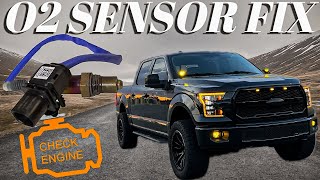

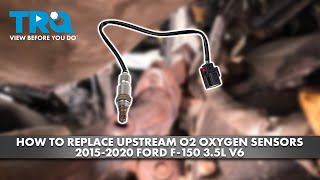
Used OEM Parts in Stock
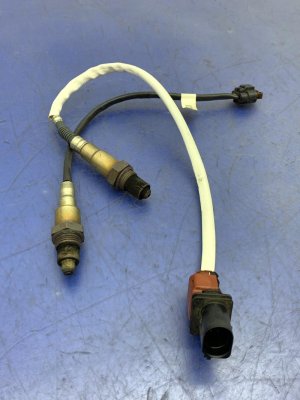
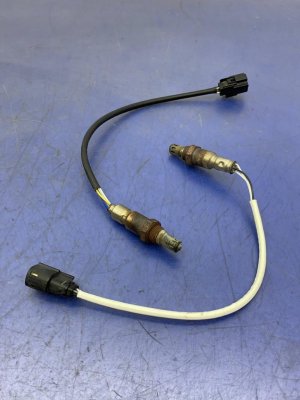
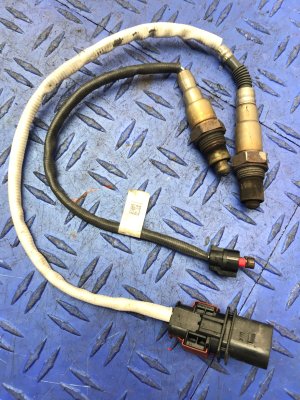
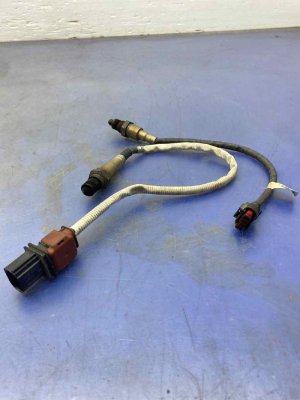
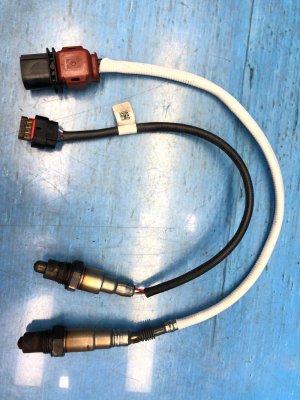
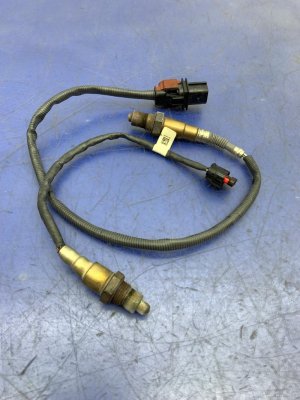
New Aftermarket Parts Available

The information in this article is provided for general reference and educational purposes only. Vehicle specifications, procedures, and part compatibility can vary by production date, trim level, and region. Always consult your vehicle's factory service manual and verify part numbers before purchasing or performing repairs. Safety-critical components such as airbags, seat belts, and braking systems should be installed by a qualified professional.
- Ford F-150:
- 🎬 Helpful Videos
- 🛍️ Shop This Part
- What's Unique About the 2015-2020 Ford F-150
- Symptoms You May Notice
- Most Likely Causes
- Rare But Worth Checking
- Diagnosis Steps
- Parts You'll Likely Need
- Related Codes That Often Appear With This One
- Technical Service Bulletins (TSBs) & Recalls
- Platform-Specific Known Issues
- Mechanic-Grade Diagnostic Values
- Wiring & Ground Locations
- Real Owner Repair Stories
- Model Year Variations Within This Range
- Diagnostic Flowchart
- Other Known Issues on This Vehicle
- Used vs. New Parts: Buying Guide for This Vehicle
- Real Owner Stories
- 2016 Ford F-150 2.7L EcoBoost
- Related OBD-II Codes
- Frequently Asked Questions
- 🎟️ Get 5% Off