

P0131 on 2015-2018 Ford Edge 2.7L EcoBoost: Causes and Fixes for O2 Sensor Low Voltage
On a 2015-2018 Ford Edge with the 2.7L EcoBoost, code P0131 is most often a failed upstream oxygen sensor on Bank 1 (the firewall side). Expect to pay $50-$130 for an aftermarket sensor or $90-$180 for an OEM Motorcraft part. It's a common DIY fix with the right O2 sensor socket, but access is tight.
- P0131 on your Edge almost always points to the upstream O2 sensor on the firewall side of the engine.
- Before buying parts, check the sensor's wiring and connector for any obvious damage, as this is a common and cheaper fix.
- A special slotted 22mm O2 sensor socket (often a crow's foot style) is essential for this job due to tight access.
- If replacing the sensor doesn't fix the issue, your next steps should be checking for exhaust leaks, vacuum leaks, or fuel delivery problems.
- Do not ignore this code. It will hurt your fuel economy and can lead to costly catalytic converter damage over time.
What's Unique About the 2015-2018 Ford Edge
For the 2.7L EcoBoost V6 in the Ford Edge, 'Bank 1' is the cylinder bank located closer to the firewall, which makes accessing the sensor significantly more challenging than Bank 2 at the front. While the code is often just a bad sensor, the direct-injection nature of the 2.7L EcoBoost means you shouldn't ignore the possibility of underlying fuel pressure or vacuum leak issues that can also trigger this code. A persistent P0131 after a sensor replacement could even point to a cracked exhaust manifold, a known issue on some 2.7L EcoBoost engines.
Symptoms You May Notice
- Check Engine Light illuminated
- Decreased fuel economy
- Rough engine idle or hesitation
- Reduced engine power and sluggish acceleration
- A 'rotten egg' or sulfur smell from the exhaust, indicating a rich condition or catalytic converter issue.
- Engine misfires
- Replacing the catalytic converter. The P0131 code is for the sensor *before* the converter; a bad converter would typically set a P0420 or P0430 code.
- Replacing the wrong O2 sensor. Ensure you are replacing Bank 1 (firewall side), Sensor 1 (upstream/pre-cat), not Bank 2 (radiator side) or Sensor 2 (downstream/post-cat).
- Replacing the O2 sensor without checking for wiring damage or exhaust leaks first.
Most Likely Causes
- Faulty Bank 1, Sensor 1 Oxygen Sensor 🔴 High Probability Oxygen sensors are wear-and-tear items that degrade over time, typically lasting 60,000-90,000 miles. Contamination from oil or coolant can also cause premature failure.
How to confirm: Use an OBD-II scanner to monitor live data for the 'O2S11' voltage. A healthy sensor's voltage fluctuates rapidly between approximately 0.1V and 0.9V. If it's stuck below 0.2V, the sensor is likely bad.
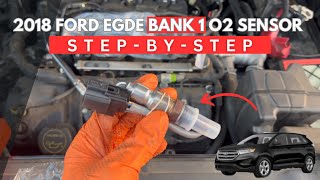
Typical fix: Replace the Bank 1, Sensor 1 (upstream, firewall side) oxygen sensor. Access is tight, so a combination of extensions and a crow's foot O2 sensor socket may be needed.
Est. part cost: $50-$180 - Damaged Wiring or Connector 🟡 Medium Probability The sensor wiring is exposed to high heat and road debris, which can cause it to melt, fray, or corrode over time, leading to a short to ground and a low voltage signal. Manufacturer service bulletin TSB 16-0163 notes that various drivability issues and codes including P0131 can be caused by wiring concerns affecting multiple engine sensors.
How to confirm: Visually inspect the wiring harness and connector for the Bank 1 upstream O2 sensor. Look for any signs of melting, chafing, corrosion in the pins, or breaks in the wire. Check for continuity with a multimeter.
Typical fix: Repair the damaged section of the wiring harness or replace the connector pigtail.
Est. part cost: $15-$40 - Exhaust Leak ⚪ Low Probability Leaks from a cracked exhaust manifold or a bad gasket before the O2 sensor can allow outside air into the exhaust stream, fooling the sensor into reading a false lean condition (low voltage).
How to confirm: Listen for a ticking or tapping noise from the engine bay, especially when cold. A smoke test on the exhaust system is the most effective way to pinpoint a leak. You can also visually inspect for black soot around manifold flanges.
Typical fix: Replace the leaking gasket or repair/replace the cracked exhaust component.
Est. part cost: $20-$500+
Rare But Worth Checking
- Low Fuel Pressure: A failing fuel pump or clogged injector can cause a true lean condition. In this case, the O2 sensor is working correctly by reporting the lean mixture. This is often accompanied by other codes, like P00C6 (Fuel Rail Pressure Too Low) or cylinder misfire codes.
- Engine Vacuum Leak: A leak in the intake manifold, vacuum hoses, or PCV system can let unmetered air into the engine, causing a lean condition across all cylinders, which Bank 1 Sensor 1 will detect. A smoke test of the intake system is the best diagnostic method.
- Faulty Powertrain Control Module (PCM): In very rare cases, the PCM itself can be faulty and unable to correctly read the O2 sensor's voltage. This should be the last item to consider after all other possibilities have been exhausted.
Diagnosis Steps
- Connect an OBD-II scanner and confirm P0131 is the active code. Check for any other pending or stored codes and review freeze frame data.
- View freeze frame data to see the engine conditions when the code was set.
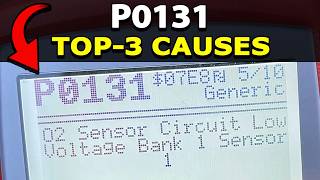
- Monitor live data for the Bank 1 Sensor 1 (O2S11) voltage. It should fluctuate rapidly between ~0.1V and ~0.9V. If it is stuck low (e.g., under 0.2V), this confirms the fault condition. 🎬 See how to diagnose and fix a P0131 low voltage code.
- Create an artificial rich condition by introducing propane into the intake or using a scan tool function. The O2 sensor voltage should spike to >0.8V. If it doesn't respond, the sensor or wiring is faulty.
- Perform a thorough visual inspection of the Bank 1 Sensor 1 wiring harness and connector. Look for melting, chafing, or corrosion.
- Inspect the exhaust manifold and connections before the sensor for any signs of black soot, indicating an exhaust leak. Listen for leaks, especially on a cold start.
- If wiring and exhaust look good and the sensor does not respond to stimulus, the O2 sensor itself is the most likely culprit and should be replaced.
- If a new sensor does not fix the code, a more in-depth diagnosis is needed. Investigate potential vacuum leaks (using a smoke machine) or test fuel pressure to rule out a true lean running condition.
Parts You'll Likely Need
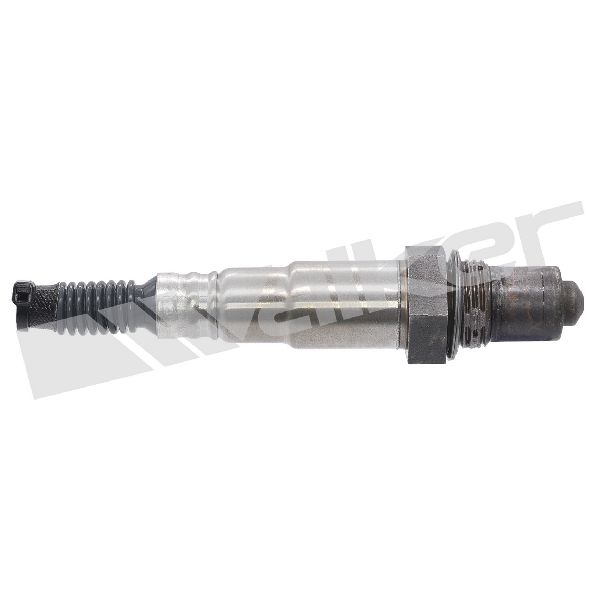
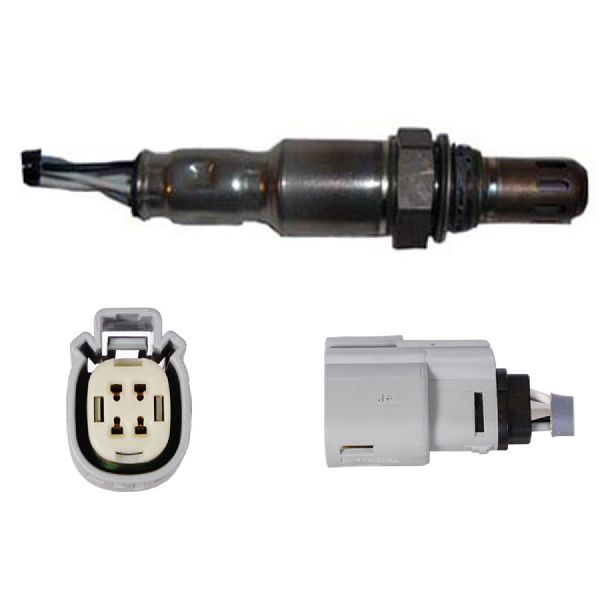
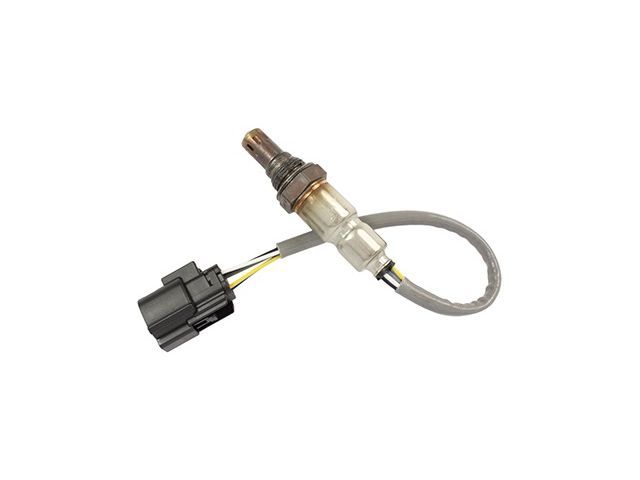
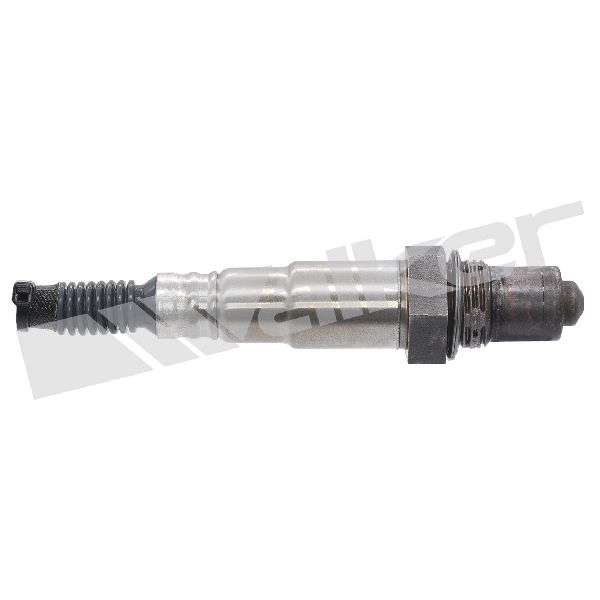
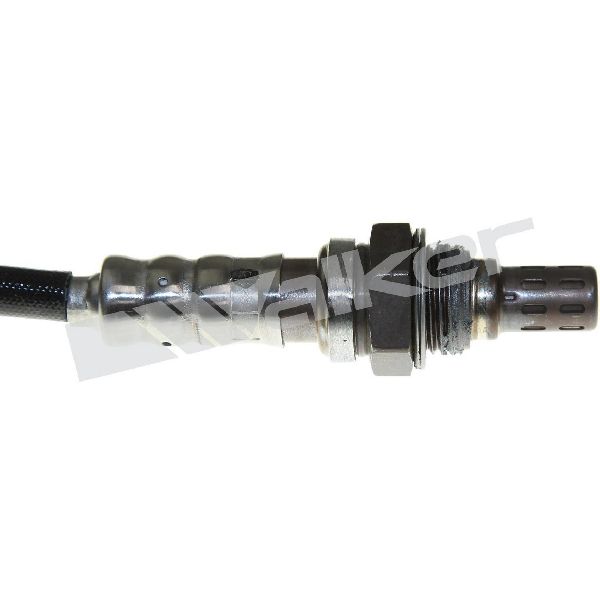
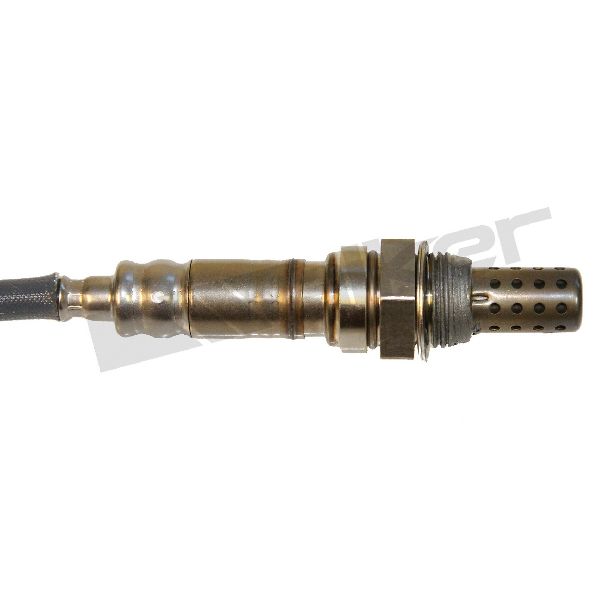
- Upstream Oxygen Sensor (Bank 1, Sensor 1)
(OEM #FR3Z-9F472-A)— This is the sensor that directly reports the value indicated by code P0131. It is a common failure point due to age and heat cycles.
Trusted brands: Motorcraft (OEM), Bosch, NTK, Denso
OEM price range: $90-$180
Aftermarket price range: $48-$128
Related Codes That Often Appear With This One
- P0151 — This is the same 'low voltage' code but for Bank 2, Sensor 1. Seeing both together (P0131 and P0151) strongly points to a systemic issue like a large vacuum leak or low fuel pressure affecting the whole engine, rather than two failed sensors at once.
- P0300, P0301, P0302, P0303 — Misfire codes for Bank 1 cylinders (1, 2, 3). A severe lean condition on one bank, which triggers P0131, can lead to misfires on that same bank.
- P00C6 — Indicates 'Fuel Rail Pressure Too Low'. This suggests the lean condition reported by the O2 sensor (P0131) is real and caused by a fuel delivery problem.
- P0420 — Catalyst System Efficiency Below Threshold (Bank 1). While P0131 points to the upstream sensor, a long-term lean or rich condition caused by the faulty sensor can eventually damage the catalytic converter, leading to a P0420 code.
Technical Service Bulletins (TSBs) & Recalls
- SSM 47446: Oil Pan RTV Seal Leak: Notes that some 2015-2018 Edge models with the 2.7L EcoBoost may exhibit an oil leak from the engine oil pan RTV seal. While not directly related to P0131, a significant oil leak could potentially contaminate the O2 sensor over time.
- TSB 19-2188: Exhaust Smoke from Turbocharger Oil Siphoning: Addresses excessive white or blue smoke from the exhaust on some 2.7L EcoBoost engines due to oil siphoning into the turbocharger. This oil can contaminate and damage downstream components, including O2 sensors and catalytic converters.
- TSB 19-2091: This bulletin notes that P0131 and other codes may be stored in the PCM due to undesired water entry into the engine compartment directly over the powertrain.
- TSB 17-0014: Similar to other bulletins, this record indicates that water entry into the engine compartment can lead to an illuminated MIL with DTC P0131 stored in the PCM memory.
Real Owner Repair Stories
- An owner reported in NHTSA ODI #11443669 that their vehicle displayed P0131 alongside EVAP codes P144A and P1450, resulting in stalling after refueling and hesitation at low speeds.
- According to NHTSA ODI #10219019, a driver experienced a Check Engine Light with P0131, P0171, and P0174 codes; the repair involved replacing isolator bolts, port seals, and other intake-related seals to resolve the issue.
Platform-Specific Known Issues
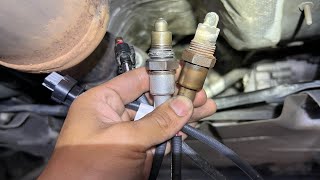
- Tight Access to Bank 1 Sensor: Owners and technicians report that accessing the Bank 1, Sensor 1 O2 sensor on the firewall side of the 2.7L EcoBoost is difficult without the proper tools. A combination of 🎬 Watch: This walkthrough shows how to reach that tight Bank 1 sensor. a 22mm crow's foot O2 sensor socket, extensions, and a universal joint is often required to reach and get leverage on the sensor.
- Owner Experience: Misfire and Multiple Codes: A user on fordf150forum.com with a 2.7L EcoBoost reported P0131 alongside misfire codes and fuel pressure codes, illustrating that the O2 sensor code can be a symptom of a larger fuel delivery problem rather than the root cause.
Hidden / Shadow Codes Worth Checking
- Mode 6, TID $81, CID $11: This specific Mode 6 test monitors the Bank 1 Sensor 1 O2 sensor's amplitude and switching frequency. A failure in this monitor can indicate a lazy or failing sensor even before the P0131 code becomes persistent. It checks if the sensor's voltage swing is large and fast enough to be considered healthy. (see via A professional scan tool or an advanced consumer OBD-II scanner with Mode 6 data capability.)
Wiring & Ground Locations
- G103 / G104 — Typically located on the inner fender in the engine compartment, near the battery or air intake assembly, or on the left front corner of the engine compartment. On some models, they are on the front of the vehicle near the core support.. These are primary engine and chassis ground points. A loose or corroded connection at these locations can create an unstable ground reference for the PCM and its sensors, including the Bank 1 O2 sensor. This can lead to erratic or biased low voltage readings, causing a false P0131 code.
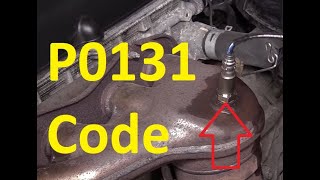
- B1S1 O2 Sensor Connector — On the firewall side of the engine, connected to the upstream oxygen sensor which is threaded into the exhaust manifold.. The connector and its wiring are in a high-heat area. The plastic can become brittle and the locking tab can break, leading to a poor connection. The wires themselves can melt or chafe against the engine or firewall, causing a short to ground that will result in a constant low voltage signal and trigger P0131.
"I Checked Everything" — The Actual Cause
- A faulty Positive Crankcase Ventilation (PCV) valve can get stuck open, creating a vacuum leak that the PCM cannot account for. This introduces unmetered air into the intake manifold, causing a lean condition that can trigger P0131. Technicians may miss this because a smoke test is often performed with the engine off, and the PCV valve's state may differ, or the leak may be internal to the crankcase system. Symptoms can include a rough idle, oil consumption, and sometimes a whistling noise.
OEM Part Supersession History
FR3Z-9F472-A→DY1306— DY1306 is the Motorcraft service part number for the original equipment part FR3Z-9F472-A. They are functionally identical.
Heads up: While physically compatible, some owners on F-150 forums with the same engine have reported issues with aftermarket sensors that claim to be direct replacements but have slightly different connector keying, preventing them from plugging in. Always verify the connector matches before installation.
Model Year Variations Within This Range
- 2015-2018: For the Ford Edge, the 2.7L EcoBoost engine did not undergo the significant 'Gen 2' update that the F-150 received in 2018. Therefore, the engine, sensors, and related components for this code are consistent across the 2015-2018 model years for the Edge.
Helpful Videos

We Have This Part in Stock

The information in this article is provided for general reference and educational purposes only. Vehicle specifications, procedures, and part compatibility can vary by production date, trim level, and region. Always consult your vehicle's factory service manual and verify part numbers before purchasing or performing repairs. Safety-critical components such as airbags, seat belts, and braking systems should be installed by a qualified professional.
- Ford Edge:
- 🎬 Helpful Videos
- 🛍️ Shop This Part
- What's Unique About the 2015-2018 Ford Edge
- Symptoms You May Notice
- Most Likely Causes
- Rare But Worth Checking
- Diagnosis Steps
- Parts You'll Likely Need
- Related Codes That Often Appear With This One
- Technical Service Bulletins (TSBs) & Recalls
- Real Owner Repair Stories
- Platform-Specific Known Issues
- Hidden / Shadow Codes Worth Checking
- Wiring & Ground Locations
- "I Checked Everything" — The Actual Cause
- OEM Part Supersession History
- Model Year Variations Within This Range
- 🎟️ Get 5% Off