

P0131 on 2014-2017 Chevrolet Impala: O2 Sensor Low Voltage Causes and Fixes
P0131 on a 2014-2017 Impala most often means the upstream oxygen sensor (Bank 1, Sensor 1) has failed. It's a common wear item. The code is triggered when the sensor's voltage signal to the computer remains below 400mV for an extended period. Expect to pay $40-$120 for an aftermarket sensor and around $150-$300 for a shop to replace it.
- P0131 means the upstream O2 sensor on Bank 1 is reporting a low voltage (lean) condition.
- The most common fix is to replace the Bank 1, Sensor 1 oxygen sensor.
- Before replacing the sensor, always check for exhaust leaks upstream of the sensor and inspect the sensor's wiring for damage.
- On the 3.6L V6 engine, Bank 1 is the rear bank (firewall side), which is harder to access.
- If multiple other engine codes are present, investigate shared causes like vacuum leaks as suggested by GM TSBs.
What's Unique About the 2014-2017 Chevrolet IMPALA
For the 10th generation Impala (2014-2020), this code is a straightforward diagnostic issue. The vehicle came with either a 2.5L 4-cylinder or a 3.6L V6 engine. On the 2.5L engine, 'Bank 1' is the only bank. On the 3.6L V6, 'Bank 1' is the cylinder bank closer to the firewall, making Sensor 1 significantly more difficult to access than on the 4-cylinder. While the most common cause is a failed sensor, GM has issued Technical Service Bulletin (TSB) #PIP5529B, which notes that P0131 can appear with a host of other codes. This TSB specifically points to loose intake manifold bolts as a potential cause for a group of codes including P0131, leading to a vacuum leak. The fix is to add threadlocker and re-torque the bolts, not necessarily replace the gasket.
Diagnostic Flowchart
Tap your situation to follow the diagnostic path that matches what you're seeing on this vehicle.
Symptoms You May Notice
- Check Engine Light is on 🎬 Watch: P0131 code explained and what it means for your Impala
- Reduced fuel economy
- Rough or unstable idle
- Hesitation or stumbling during acceleration
- Engine may run poorly or misfire
- Black smoke from the tailpipe in some cases
- Rotten egg smell from the exhaust
- Replacing the catalytic converter. P0131 points to an issue with the upstream sensor that *measures* the air-fuel ratio, not the downstream sensor that monitors the converter's efficiency.
- Replacing the wrong oxygen sensor. On the V6 engine, ensure you are replacing Bank 1, Sensor 1 (upstream, firewall side), not Bank 2 (radiator side) or a downstream sensor (Sensor 2).
- Replacing the O2 sensor when a vacuum or exhaust leak is the true cause. Always check for leaks before replacing parts.
Most Likely Causes
- Failed Upstream Oxygen Sensor (Bank 1, Sensor 1) 🔴 High Probability Oxygen sensors are wear-and-tear items with a finite lifespan, typically failing after 70,000-100,000 miles due to age, contamination, and constant exposure to hot exhaust gases.
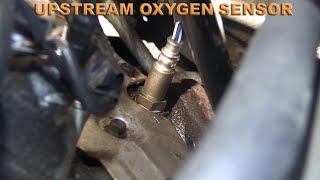
How to confirm: Use an OBD-II scanner to monitor live data for the 'O2S11' voltage. It should fluctuate rapidly between approximately 0.1 and 0.9 volts on a warm engine. If the voltage is stuck low (e.g., below 0.2V) and does not respond to changes in engine RPM, the sensor is likely bad. 🎬 See how to test and replace a low voltage oxygen sensor Also observe Short-Term Fuel Trim (STFT) and Long-Term Fuel Trim (LTFT). If fuel trims are high (e.g., >10%) while O2 voltage is low, the computer is trying to correct a perceived lean condition.
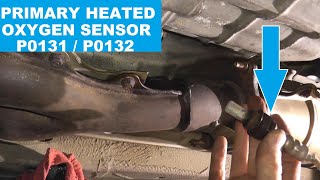
Typical fix: Replace the Bank 1, Sensor 1 oxygen sensor. You will need a special 22mm (or 7/8 inch) oxygen sensor socket for removal and installation. 🎬 Watch this walkthrough for replacing the sensor on a 2014 Impala On the 3.6L V6, access to the rear (Bank 1) sensor is difficult and may require removal of other components for clearance.
Est. part cost: $40 - $120 - Exhaust Leak 🟡 Medium Probability Leaks can develop in the exhaust manifold or connecting pipes due to corrosion or failed gaskets. An exhaust leak before the O2 sensor allows outside air to be pulled into the exhaust stream, fooling the sensor into thinking the engine is running lean.
How to confirm: Visually inspect the exhaust manifold and pipes leading to the sensor for cracks or black soot trails. Listen for a hissing or ticking sound from the engine bay that gets louder with acceleration. A smoke machine can be used to pressurize the exhaust system (when cold) and watch for smoke escaping.
Typical fix: Repair the leak. This may involve replacing a gasket, tightening bolts, or using exhaust putty/wrap for small leaks. In some cases, the entire exhaust manifold may need replacement.
Est. part cost: $10 - $500 - Damaged Wiring or Connector ⚪ Low Probability
How to confirm: Visually inspect the wiring harness and connector for the Bank 1 Sensor 1 O2 sensor. Look for any signs of melting, chafing, corrosion, or loose pins in the connector. On some GM V6 models, power steering fluid leaks from hoses above the sensor can drip down and contaminate the wiring, causing this code.
Typical fix: Repair the damaged section of the wiring harness or replace the connector pigtail. Ensure the connection is secure and protected from heat and fluids.
Est. part cost: $15 - $50 - Engine Vacuum Leak ⚪ Low Probability As indicated by TSB #PIP5529B, P0131 can be triggered by loose intake manifold bolts on the 2.5L LKW engine, which introduces unmetered air into the engine, causing a genuinely lean condition. Other sources like cracked hoses or a bad PCV valve can also be culprits.
How to confirm: With the engine running, listen for a hissing sound. Use a smoke machine to introduce smoke into the intake system and look for leaks from hoses, gaskets, or the intake manifold itself. Alternatively, carefully spray carburetor cleaner around suspected areas and listen for a change in engine RPM. Check fuel trims; a vacuum leak will cause high positive fuel trims (LTFT >10%) at idle that improve at higher RPMs.
Typical fix: Per TSB #PIP5529B, remove, apply threadlocker, and re-torque the intake manifold bolts to specification. If another source is found, replace the leaking vacuum hose, intake manifold gasket, or other failed component.
Est. part cost: $5 - $200
Rare But Worth Checking
- Low Fuel Pressure: If the engine isn't getting enough fuel from a weak pump or clogged filter, it will run lean, causing the O2 sensor to report low voltage. This would typically be accompanied by other drivability issues, possibly a P0171 code, and can be confirmed with a fuel pressure gauge.
- Faulty Powertrain Control Module (PCM): This is very rare and should be the last consideration. The PCM itself can fail, but all other possibilities, including wiring and other sensors, must be exhaustively ruled out before condemning the PCM.
- Dirty or Faulty Mass Airflow (MAF) Sensor: A MAF sensor that is under-reporting the amount of air entering the engine will cause the PCM to inject too little fuel. This creates a true lean condition that the O2 sensor correctly reports as low voltage. This would likely be accompanied by a P0171 code.
Diagnosis Steps
- Connect an OBD-II scanner to confirm the P0131 code and check for any other stored codes.
- View the live data stream for the Bank 1, Sensor 1 O2 sensor (O2S11). The voltage should fluctuate rapidly between 0.1V and 0.9V on a warm engine at idle. If it's stuck below 0.3V, there's a problem.
- Analyze Short-Term (STFT) and Long-Term (LTFT) fuel trims for Bank 1. If they are consistently high (e.g., adding more than 10% fuel), it confirms the PCM is trying to compensate for a lean condition.
- Perform a thorough visual inspection of the O2 sensor's wiring harness and connector for any signs of damage, melting, or corrosion. Pay special attention to fluid contamination from above on the V6 model.
- Inspect the exhaust system for leaks between the cylinder head and the O2 sensor. Listen for ticking noises and look for black soot. A smoke test is the most effective method.
- Check for engine vacuum leaks, especially around the intake manifold on the 2.5L engine per TSB #PIP5529B. Use a smoke machine or carefully spray carburetor cleaner around intake gaskets and vacuum lines while monitoring engine RPM for changes.
- If no external issues are found and fuel trims indicate a rich command with a low voltage response, the oxygen sensor itself is the most likely culprit and should be replaced.
Parts You'll Likely Need
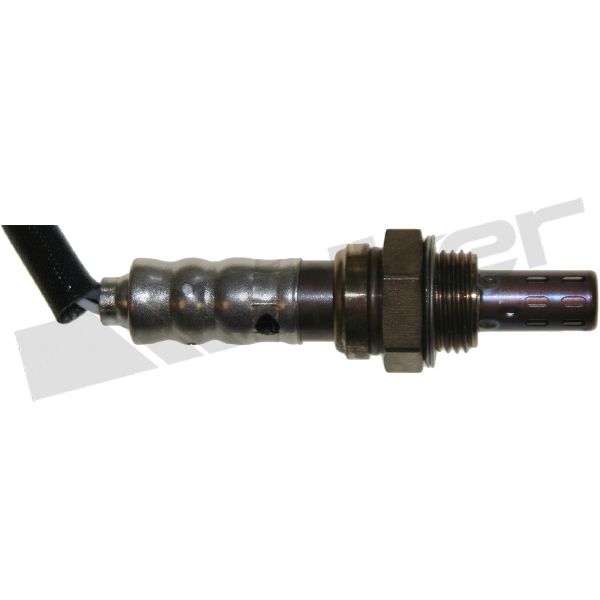
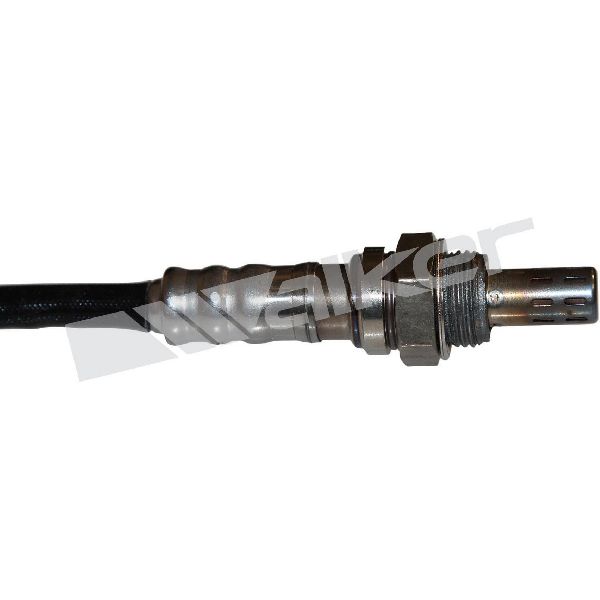
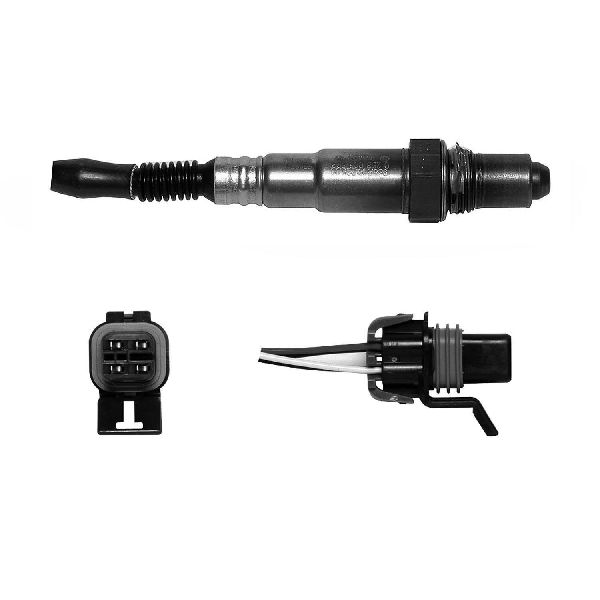
- Oxygen Sensor (Bank 1, Sensor 1)
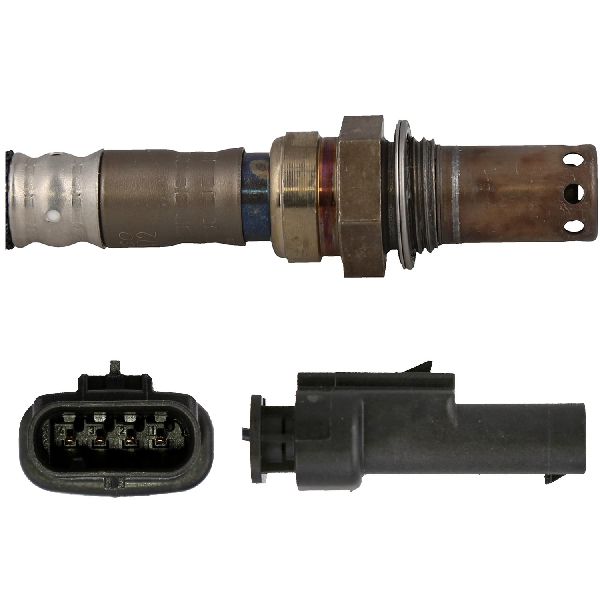
(OEM #12640453)— This is the primary sensor responsible for the reading that triggers the P0131 code. It is a common failure point due to age and harsh operating conditions. This GM part number serves as the upstream sensor for both the 2.5L and 3.6L engines.
Trusted brands: ACDelco (OE), Denso, Bosch, NTK
OEM price range: $85-$165
Aftermarket price range: $40-$120
Related Codes That Often Appear With This One
- P0171 — System Too Lean (Bank 1). This code is a very common partner for P0131. It indicates the computer has reached its maximum limit trying to add fuel to correct the lean condition. A vacuum leak, low fuel pressure, or a faulty MAF sensor can cause both codes by creating a true lean condition that the O2 sensor correctly detects.
- P0137 — O2 Sensor Circuit Low Voltage (Bank 1, Sensor 2). If both the upstream and downstream sensors on the same bank show low voltage, it could point to a significant exhaust leak, a shared wiring issue, or a severe fuel delivery problem.
- P0068, P0101, P0106, P0324, P0326, P0331, P0506 — As cited in GM TSB #PIP5529B for the 2.5L LKW engine, P0131 can appear in combination with these codes. This combination strongly points to a vacuum leak caused by loose intake manifold bolts, which affects MAP sensor readings, idle speed, and knock sensor data.
Technical Service Bulletins (TSBs) & Recalls
- PIP5529B: Addresses a potential stall or hesitation with a group of DTCs, including P0131, on the 2.5L LKW engine. The cause is identified as potentially loose intake manifold bolts. The correction involves removing bolts one at a time, applying medium strength threadlocker, and torquing to specification.
Platform-Specific Known Issues
- Access Difficulty on 3.6L V6: On the 3.6L V6 engine, Bank 1 (the bank closer to the firewall) Sensor 1 is notoriously difficult to access. Replacement often requires removing the engine cover and potentially other components to gain enough clearance to use an O2 sensor socket and wrench. This can significantly increase labor time compared to the easily accessible sensor on the 2.5L I4 engine.
- Intake Manifold Bolt Loosening (2.5L LKW): As noted in TSB #PIP5529B, the 2.5L LKW I4 engine can suffer from loose intake manifold bolts. This creates a vacuum leak, causing a lean condition that the O2 sensor correctly reports as low voltage (P0131). The official fix is to remove the bolts, apply threadlocker, and re-torque them to the correct specification, which often resolves the code without needing to replace the sensor.
Mechanic-Grade Diagnostic Values
- HO2S Heater Circuit Resistance — expected: Varies by sensor design, but a common range is 2 to 30 Ohms.. Failure: An open circuit (infinite resistance) or a dead short (zero resistance) indicates a failed heater element inside the sensor.
- Intake Manifold Bolt Torque (for TSB #PIP5529B fix) — expected: For many GM engines of this era, this is a two-step process. First pass to 62 lb-in (7 Nm), second pass to 115 lb-in (13 Nm). Always follow the correct sequence, starting from the middle and working outwards.. Failure: Incorrect or uneven torque can fail to seal the intake gasket, perpetuating the vacuum leak.
- Live Data O2 Sensor (O2S11) Voltage — expected: Rapidly fluctuating between 0.1V and 0.9V on a warm, closed-loop engine.. Failure: Stuck below 0.4V or 0.5V for an extended period (e.g., >20 seconds).
Scan Tool Commands That Help
- GDS2 (GM Techline Connect): Oxygen Sensor Heater Diagnostics — To command the O2 sensor heater on and off to verify the integrity of the heater circuit, checking for response from the sensor and proper current draw. This helps isolate a faulty heater element from a wiring or PCM driver issue.
- GDS2 (GM Techline Connect): Fuel Trim Reset — After replacing a faulty O2 sensor or fixing a major vacuum/exhaust leak, resetting the long-term fuel trims will force the PCM to relearn the fuel strategy immediately with data from the new/repaired components, rather than slowly adapting over time.
Wiring & Ground Locations
- Engine Block to Chassis Ground — A primary ground strap typically runs from the engine block to the vehicle's frame or firewall.. The O2 sensor, like many engine components, relies on a solid engine ground to provide a stable reference for its low-voltage signal. A corroded or loose engine ground can introduce electrical noise or a voltage offset, causing incorrect readings and potentially triggering a P0131 code.
- HO2S B1S1 Connector Pins — At the O2 sensor electrical connector.. For a typical 4-wire sensor, you will test the two heater wires for resistance and the other two (signal and low reference/ground) for voltage and continuity back to the ECM. A generic GM pinout might show a Tan wire for the high signal and a Purple wire for the low signal, but this must be verified with a vehicle-specific diagram.
OEM Part Supersession History
ACDelco 213-4768→GM 12640453— Part number consolidation and updates by the manufacturer.
Heads up: Some GM parts, including this sensor, may require programming or a special setup procedure after installation to ensure proper function, as noted by GM service information.
Helpful Videos


We Have This Part in Stock



The information in this article is provided for general reference and educational purposes only. Vehicle specifications, procedures, and part compatibility can vary by production date, trim level, and region. Always consult your vehicle's factory service manual and verify part numbers before purchasing or performing repairs. Safety-critical components such as airbags, seat belts, and braking systems should be installed by a qualified professional.
- Chevrolet IMPALA:
- 🎬 Helpful Videos
- 🛍️ Shop This Part
- What's Unique About the 2014-2017 Chevrolet IMPALA
- Diagnostic Flowchart
- Symptoms You May Notice
- Most Likely Causes
- Rare But Worth Checking
- Diagnosis Steps
- Parts You'll Likely Need
- Related Codes That Often Appear With This One
- Technical Service Bulletins (TSBs) & Recalls
- Platform-Specific Known Issues
- Mechanic-Grade Diagnostic Values
- Scan Tool Commands That Help
- Wiring & Ground Locations
- OEM Part Supersession History
- 🎟️ Get 5% Off