

P0131 on 2016-2017 Chevrolet Camaro: O2 Sensor Low Voltage Causes and Fixes
P0131 on a 2016-2017 Camaro most often means the upstream oxygen sensor on Bank 1 has failed. This is a straightforward DIY replacement with the part costing between $45 and $90. Other causes include exhaust leaks, wiring issues, or, on 2.0L LTG models, loose intake manifold bolts as per GM TSB PIP5529B.
- P0131 on your Camaro points to the upstream O2 sensor on the driver's side (for V6/V8) or the single upstream sensor (for 2.0T).
- The most likely fix is replacing the sensor itself, which is an accessible DIY job for many owners.
- Before buying parts, check for obvious exhaust leaks or damaged wiring, as these can also cause the code.
- If you have codes for *both* banks (P0131 and P0151), investigate the Mass Airflow (MAF) sensor before replacing both O2 sensors.
- Pay attention to the TSBs; if many other codes are present, the problem may be more complex than just one sensor.
What's Unique About the 2016-2017 Chevrolet CAMARO
The sixth-generation Camaro (2016-2017) uses sophisticated engine management across its three engine options (2.0L Turbo, 3.6L V6, 6.2L V8). While a P0131 code is often just a failed sensor, official Technical Service Bulletin (TSB) #PIP5529B from GM is particularly relevant for the 2.0L LTG engine. This TSB notes that P0131, often with other codes like P0171 (System Too Lean), can be caused by loose intake manifold bolts creating a vacuum leak. Before replacing sensors on the 2.0L model, checking the torque of these bolts is a critical, platform-specific first step.
Diagnostic Flowchart
Tap your situation to follow the diagnostic path that matches what you're seeing on this vehicle.
Symptoms You May Notice
- Check Engine Light is on
- Poor fuel economy
- Rough or hesitant idle
- Engine misfires
- Loss of power during acceleration
- Strong exhaust smell or 'rotten egg' odor
- Replacing the catalytic converter. A P0131 code relates to the sensor *before* the converter. A bad converter is typically indicated by a Sensor 2 code, like P0420.
- Replacing the wrong oxygen sensor. P0131 is specifically for Bank 1, Sensor 1 (Upstream). Make sure to identify the correct sensor before replacement. Bank 1 is the driver's side on V6/V8 models.
- Ignoring a MAF sensor issue when both P0131 and P0151 are present. If both upstream sensors show low voltage simultaneously, the problem is more likely a central one like the MAF sensor or a major vacuum leak, not two failed O2 sensors at the same time.
Most Likely Causes
- Failed Bank 1, Sensor 1 Oxygen Sensor 🔴 High Probability Oxygen sensors are wear-and-tear items with a finite lifespan, typically 60,000 to 100,000 miles. They fail from constant exposure to extreme heat and exhaust gases. This is the most common reason for an isolated P0131 code.
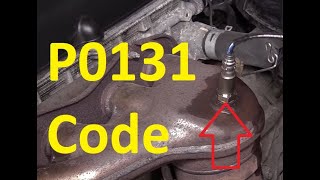
How to confirm: Use a scan tool to monitor the live data for the B1S1 O2 sensor. A healthy sensor's voltage will fluctuate rapidly between approximately 0.1V and 0.9V. If the voltage is stuck low (e.g., < 0.2V), the sensor is likely faulty. 🎬 Watch: A deep dive into P0131 causes and diagnostic fixes. A user on the camaro6.com forum confirmed this exact diagnostic method on their car, noting the faulty sensor read 0-0.005 volts while the others fluctuated correctly.
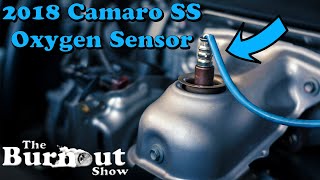
Typical fix: Replace the Bank 1, Sensor 1 oxygen sensor. This sensor is located on the driver's side exhaust manifold for V6 and V8 engines 🎬 See this walkthrough for replacing the sensor on a V8 model., and on the single exhaust manifold for the 2.0L turbo engine.
Est. part cost: $45-$90 - Exhaust Leak 🟡 Medium Probability Leaks can develop at exhaust manifold gaskets or flange connections, especially on vehicles with aftermarket headers or exhaust systems. The leak allows outside air into the exhaust stream, which the O2 sensor reads as a lean condition (low voltage).
How to confirm: Visually inspect the exhaust system from the engine to the catalytic converter for black soot trails, which indicate a leak. A ticking or hissing sound from the engine bay that is loudest on a cold start and gets louder with RPM is also a key sign. A smoke test is the most definitive way to find the leak's exact location.
Typical fix: Repair the leak by replacing the faulty gasket or tightening the loose connection. In some cases, a cracked exhaust manifold may need to be replaced.
Est. part cost: $10-$300 - Damaged Wiring or Connector 🟡 Medium Probability The O2 sensor wiring harness is routed close to hot exhaust components and can become brittle, melted, or frayed over time. Water intrusion into the connector after driving through deep puddles has also been reported by owners as a cause.
How to confirm: Visually inspect the wiring harness and connector for the Bank 1, Sensor 1 O2 sensor. Check for any signs of melting, chafing, or corrosion on the pins. Use a multimeter to check for continuity on the signal and ground wires and for proper voltage on the heater circuit.
Typical fix: Repair the damaged section of the wiring harness or replace the connector pigtail.
Est. part cost: $15-$50 - Engine Vacuum Leak (Especially 2.0L LTG) ⚪ Low Probability On the 2.0L LTG engine, GM TSB #PIP5529B specifically calls out loose intake manifold bolts as a cause for P0131 and other lean-related codes. The bolts can back out, allowing unmetered air to enter the engine, creating a true lean condition.
How to confirm: This will typically set a P0171 (System Too Lean) code along with P0131. For the 2.0L LTG, physically check the intake manifold for movement. With the engine cool, try to wiggle the manifold; if it moves, the bolts are loose. The official fix is to torque them to 108 in-lbs (12 Nm).
Typical fix: For the 2.0L LTG, remove one intake manifold bolt at a time, apply medium strength threadlocker, and torque in sequence to 108 in-lbs. For other vacuum leaks, replace the cracked hose or failed gasket.
Est. part cost: $5-$150
Rare But Worth Checking
- Low Fuel Pressure: A failing fuel pump or clogged filter can starve the engine of fuel, causing a true lean condition that triggers P0131. This would likely affect performance noticeably and may set other fuel system codes.
- Faulty Mass Airflow (MAF) Sensor: A dirty or failing MAF sensor can under-report the amount of air entering the engine, causing the ECM to inject too little fuel. This is a strong possibility if you also have a P0151 code (Bank 2 low voltage). A user on an LS1Tech forum fixed both P0131 and P0151 by replacing the MAF sensor after other attempts failed.
- Failing Powertrain Control Module (PCM): This is extremely rare. The PCM itself can fail, but all other possibilities, including wiring and other sensors, should be exhausted before considering PCM replacement.
Diagnosis Steps
- Read the codes with an OBD-II scanner to confirm P0131 is present and note any other codes (e.g., P0171, P0151).
- Use the scanner's live data feature to monitor the Bank 1 Sensor 1 voltage. It should fluctuate rapidly from ~0.1V to ~0.9V. If it's stuck low (e.g., < 0.2V), the sensor or its circuit is the primary suspect.
- (2.0L LTG Engine First Step): If P0171 is also present, inspect the intake manifold bolts for looseness per TSB PIP5529B before proceeding.
- Visually inspect the O2 sensor's wiring harness and connector for any visible damage, melting, or corrosion. Check that the connector is securely plugged in.
- Test the sensor's heater circuit. With the key off, unplug the sensor and measure the resistance between the two heater wires (often the same color) on the sensor side. A healthy sensor should have a resistance typically between 2 and 16 ohms, depending on the specific part. No reading (open circuit) means the heater is bad and the sensor needs replacement.
- Check for exhaust leaks. Listen for a ticking noise from the exhaust manifold area, especially on a cold start. A smoke test is the most effective way to find a leak.
- Check for vacuum leaks. Listen for hissing noises around the intake manifold and vacuum lines. A smoke test is the most effective way to find a leak.
- If the sensor signal is stuck low and no other issues are found, replace the Bank 1 Sensor 1 oxygen sensor.
Parts You'll Likely Need
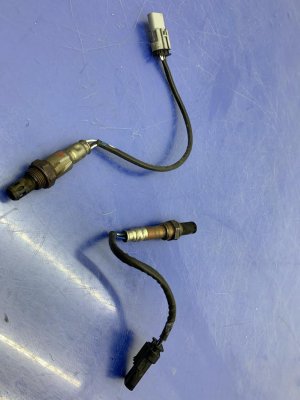
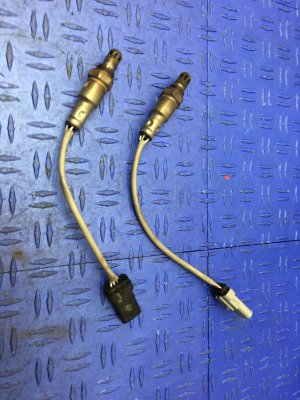
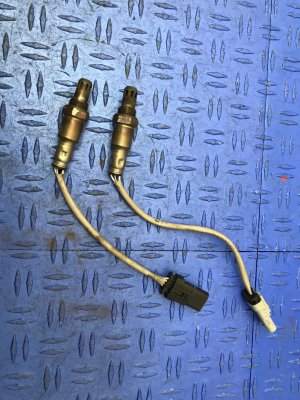
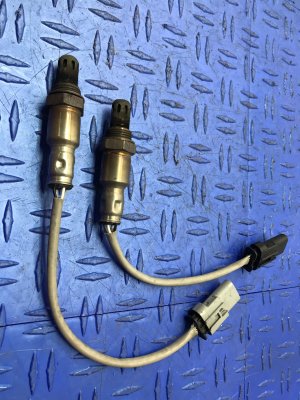
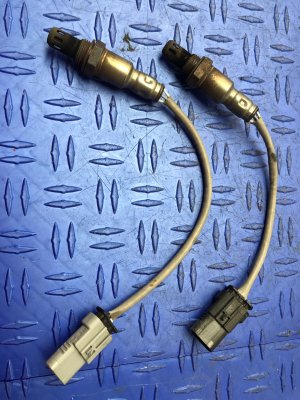
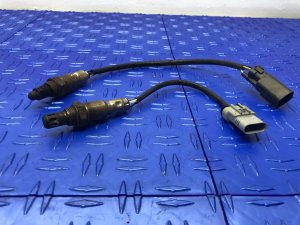
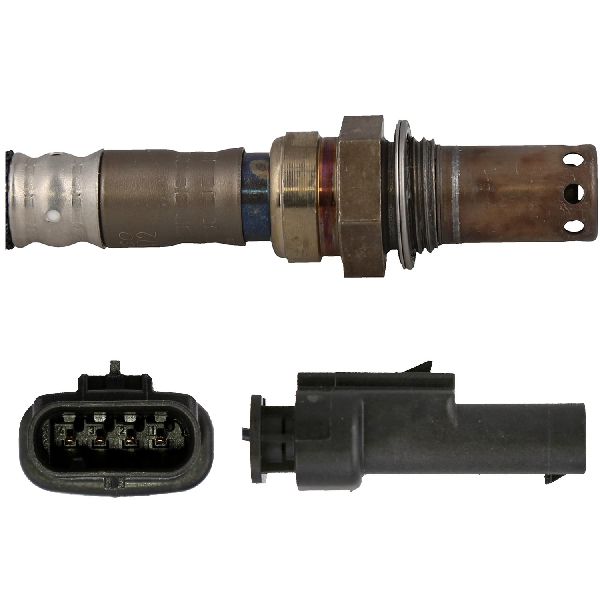
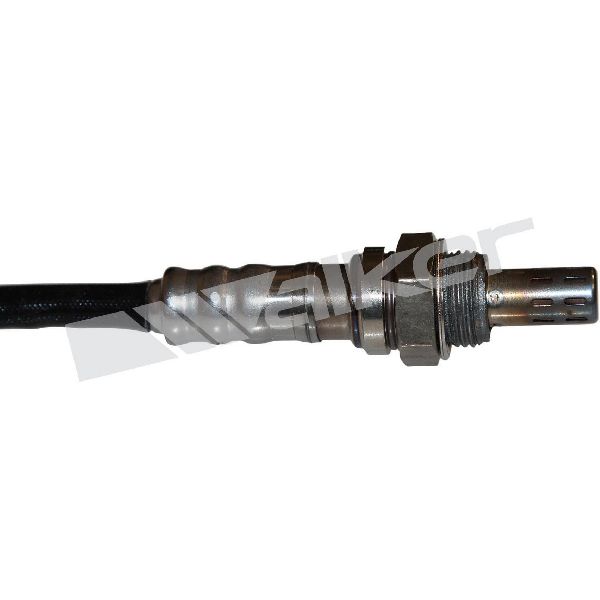
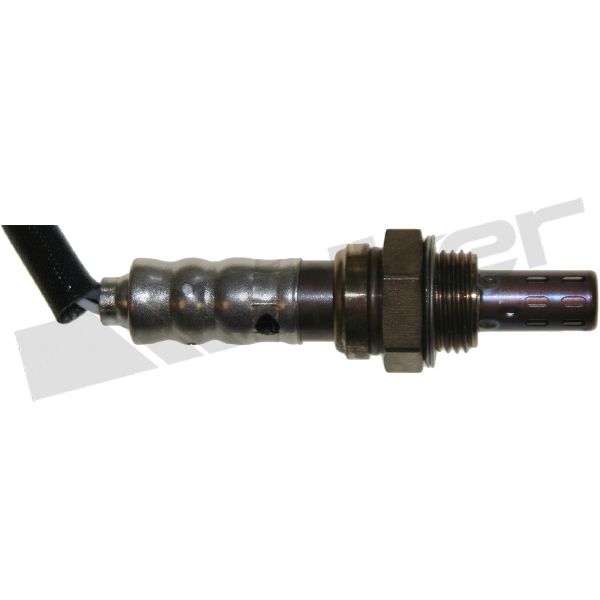
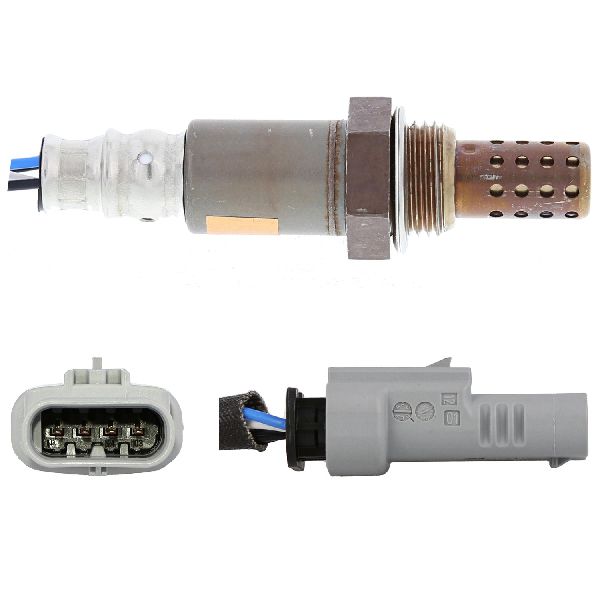
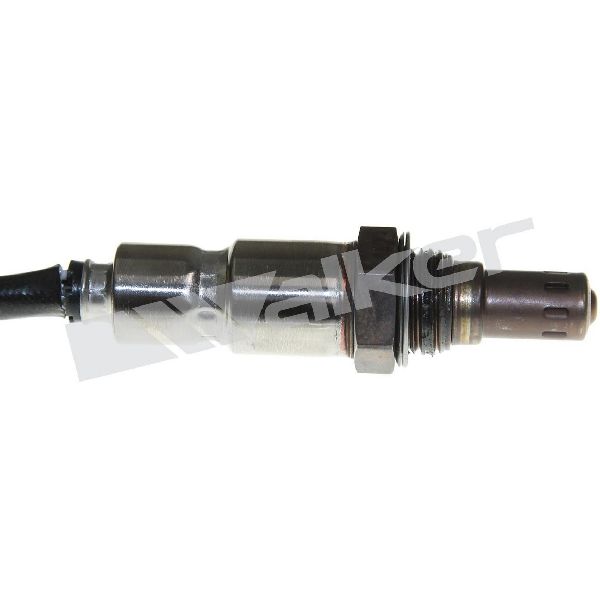
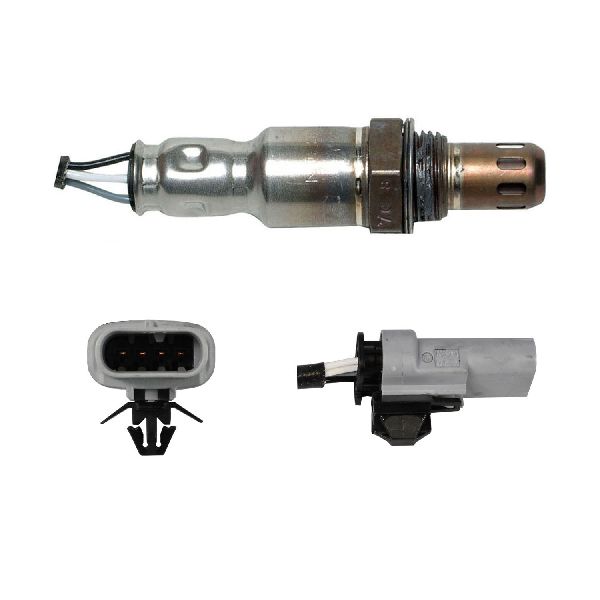
- Upstream Oxygen Sensor (Bank 1, Sensor 1)
(OEM #12655677 (for 6.2L LT1), 12675980 (supersedes 12666671 for 3.6L LGX), 12652845 (for 2.0L LTG))— This is the sensor that directly reports the value causing the P0131 code. It is a common wear item and the most frequent cause of the fault.
Trusted brands: ACDelco (OEM), Denso, NGK/NTK, Bosch
OEM price range: $60-$90
Aftermarket price range: $45-$75
Related Codes That Often Appear With This One
- P0171 — System Too Lean (Bank 1). This code often appears with P0131 because a low voltage signal from the O2 sensor is the primary indicator of a lean condition. If both codes are present, suspect a true lean condition from a vacuum or exhaust leak.
- P0300 — Random/Multiple Cylinder Misfire Detected. A severe lean condition can cause misfires. A user on the Camaro6 forum reported P0131 and a misfire code together, which was resolved by replacing the O2 sensor.
- P0151 — O2 Sensor Circuit Low Voltage (Bank 2, Sensor 1). If both P0131 and P0151 appear together, it is highly unlikely that both sensors failed simultaneously. Suspect a common cause affecting both banks, such as a faulty MAF sensor, low fuel pressure, or a large vacuum leak.
Technical Service Bulletins (TSBs) & Recalls
- PIP5529B: Mentions P0131 in a list of potential DTCs related to various engine performance issues, including possible vacuum leaks from loose intake manifold bolts on the 2.0L LTG engine.
Platform-Specific Known Issues
- GM Technical Service Bulletin #PIP5529B is highly relevant, especially for the 2.0L LTG engine. It lists P0131 as one of many potential codes (including P0171, P0106, P0068) that can be set due to loose intake manifold bolts causing a vacuum leak. The prescribed fix is to apply threadlocker and re-torque the bolts to 108 in-lbs (12 Nm), which takes approximately 0.4 labor hours.
Mechanic-Grade Diagnostic Values
- Bank 1 Sensor 1 O2 Sensor Voltage (Live Data) — expected: Rapidly fluctuating between ~100mV and 900mV (0.1V - 0.9V) in closed loop.. Failure: Voltage is stuck consistently below 200mV (0.2V).
- O2 Sensor Heater Circuit Resistance — expected: Typically 2 - 16 Ohms when measured across the two heater wires on the sensor connector.. Failure: Infinite resistance (Open Line) or zero resistance (short).
- Bank 1 Long Term Fuel Trim (LTFT) — expected: Within +/- 10% at idle and steady cruise.. Failure: Stuck at a high positive value, such as +20% or higher, as the ECM commands more fuel to compensate for the false lean signal.
- Mode $06, Monitor $01, TID $08 (Max Sensor Voltage) — expected: Value should be well above the minimum threshold during a test cycle.. Failure: The reported maximum voltage value is very low (e.g., equivalent to < 0.2V), confirming the sensor is not producing a high voltage signal.
Hidden / Shadow Codes Worth Checking
- Mode $06, Monitor ID $01: This is not a 'code' but a diagnostic monitor for the Oxygen Sensor system. It provides raw test data from the last time the monitor ran. For P0131, a technician would analyze the results for Test IDs (TID) related to Bank 1 Sensor 1, such as minimum and maximum voltage achieved (TID $07, $08) and sensor switch times. (see via An advanced OBD-II scan tool with Mode $06 capability is required.)
Scan Tool Commands That Help
- GDS2 (GM) or equivalent professional scan tool: Live Data Graphing - HO2S Bank 1 Sensor 1 — This is the primary diagnostic step. Graphing the voltage allows you to see if the sensor is switching properly or if it is flat-lined low, confirming the P0131 condition visually.
- GDS2 (GM) or equivalent professional scan tool: Fuel Trim Reset — After replacing the oxygen sensor or fixing a vacuum/exhaust leak, this function should be used to clear the long-term learned fuel correction values. This forces the ECM to relearn fuel strategy with the new, correct sensor data, leading to a faster return to normal operation.
- GDS2 (GM) or equivalent professional scan tool: Injector Balance Test — If a new O2 sensor does not resolve the P0131 code and no leaks are found, this bidirectional test can help rule out a faulty fuel injector. By disabling injectors on Bank 1 one by one, you can observe the O2 sensor's reaction to diagnose a specific cylinder's fueling.
Wiring & Ground Locations
- Engine Block to Chassis Ground (Passenger Side) — A ground cable runs from the engine block, attaching underneath the passenger side exhaust manifold near the starter, to the underhood fuse block area.. This is a primary engine ground. Several owners have reported this bolt being loose from the factory on 6th Gen Camaros. A poor ground here can introduce electrical noise and voltage drops, potentially causing erratic readings on various sensors, including the O2 sensors.
- G103 / G104 — On V8 models, these are important ground points located on the back of the cylinder heads.. The engine sensor harness often uses these locations as a ground reference. While P0131 is for Bank 1 (driver's side), ensuring all major engine grounds are clean and tight is a critical step in diagnosing any persistent electrical or sensor-related fault code.
Real Owner Repair Stories
- Camaro6 forum user 'Red1Le' (2017 Chevrolet Camaro with 7,200 miles) — P0131 Check Engine Light.
❌ Tried (didn't work) Clearing the code initially.
✅ What actually fixed it Used an HP Tuners scanner to view live data and confirmed Bank 1 Sensor 1 was reading a flat 0-0.005 volts while other sensors fluctuated normally to 0.9V. Replaced the Bank 1 Sensor 1 oxygen sensor, which resolved the issue. - Camaro6 forum user 'Nick801' (2018 Chevrolet Camaro 2SS (modified)) — Rough idle, very rich Air-Fuel Ratio (~10:1), P0131, and a misfire code.
❌ Tried (didn't work) The user was in the process of diagnosis.
✅ What actually fixed it Data logging revealed Bank 1 fuel trims were maxed out at +30%, indicating the ECM was trying to correct a severe lean signal from the O2 sensor. The combination of a stuck-low O2 signal (P0131) and the resulting over-fueling (rough idle, rich AFR, misfire) was fixed by replacing the faulty Bank 1 O2 sensor. - LS1Tech forum discussion (Chevrolet Camaro (F-Body)) — P0131 code appeared immediately after driving through a severe rainstorm and deep puddles.
❌ Tried (didn't work) Cleaning MAF sensor., Disconnecting battery to clear code.
✅ What actually fixed it The community determined the most likely cause was water intrusion into the O2 sensor's electrical connector, causing a short to ground. The fix was to disconnect the harness, inspect for corrosion, clean and dry the connector thoroughly, and apply dielectric grease before reconnecting.
"I Checked Everything" — The Actual Cause
- In cases where P0131 persists after a new sensor is installed and smoke tests for vacuum and exhaust leaks are negative, the root cause can be a faulty fuel injector on Bank 1. A partially clogged injector can cause a true lean condition, while a leaking injector can foul the sensor tip, causing it to read incorrectly.
- If both P0131 (Bank 1) and P0151 (Bank 2) are present and no leaks are found, the issue is likely a central problem affecting both banks, such as a faulty Mass Airflow (MAF) sensor under-reporting airflow or system-wide low fuel pressure.
OEM Part Supersession History
12666671→12675980— Standard part revision for the 3.6L LGX engine. GM often updates parts for improved durability, performance, or to switch suppliers.
Heads up: No known incompatibilities; the newest part number should always be used for replacement. Using a sensor not specified for the LGX engine, even if it fits, can cause incorrect readings.N/A→N/A— Denso (part #234-8080) is a known Original Equipment Manufacturer for GM's 6.2L LT1 engine.
Heads up: While many aftermarket brands exist, using the OEM (ACDelco) or a known OEM supplier (like Denso or NGK/NTK) is recommended to ensure correct voltage calibration and heater performance.
Model Year Variations Within This Range
- 2016-2017: While the core engine hardware and O2 sensor function remained the same, minor software and module programming changes existed between model years. These changes do not alter the fundamental diagnostic approach for a P0131 fault but mean that a dealer could potentially have a vehicle-specific software update available, though this is rarely the fix for a hard sensor fault.
Helpful Videos
Used OEM Parts in Stock
New Aftermarket Parts Available

The information in this article is provided for general reference and educational purposes only. Vehicle specifications, procedures, and part compatibility can vary by production date, trim level, and region. Always consult your vehicle's factory service manual and verify part numbers before purchasing or performing repairs. Safety-critical components such as airbags, seat belts, and braking systems should be installed by a qualified professional.
- Chevrolet CAMARO:
- 🎬 Helpful Videos
- 🛍️ Shop This Part
- What's Unique About the 2016-2017 Chevrolet CAMARO
- Diagnostic Flowchart
- Symptoms You May Notice
- Most Likely Causes
- Rare But Worth Checking
- Diagnosis Steps
- Parts You'll Likely Need
- Related Codes That Often Appear With This One
- Technical Service Bulletins (TSBs) & Recalls
- Platform-Specific Known Issues
- Mechanic-Grade Diagnostic Values
- Hidden / Shadow Codes Worth Checking
- Scan Tool Commands That Help
- Wiring & Ground Locations
- Real Owner Repair Stories
- "I Checked Everything" — The Actual Cause
- OEM Part Supersession History
- Model Year Variations Within This Range
- 🎟️ Get 5% Off