

P0131 on 2010-2015 Chevrolet Camaro 3.6L V6: Low O2 Sensor Voltage Causes and Fixes
P0131 on a 3.6L V6 Camaro almost always means the Bank 1, Sensor 1 oxygen sensor has failed. This is the upstream sensor on the passenger side. Expect to pay $40-$120 for a quality aftermarket part, and it's a moderately easy DIY fix.
- P0131 on your 3.6L Camaro points directly to the upstream oxygen sensor on the passenger's side (Bank 1, Sensor 1).
- The most likely fix is replacing the sensor itself. This is a manageable DIY job for most home mechanics with an O2 sensor socket.
- Before buying a new sensor, always perform a quick visual check of the wiring harness for any obvious melting or damage, as it is located near the hot exhaust.
- If you see P0131 (Bank 1) and P0151 (Bank 2) together, investigate shared causes like the MAF sensor before replacing both O2 sensors.
What's Unique About the 2010-2015 Chevrolet Camaro
For the 5th generation Camaro's 3.6L V6, the P0131 code is a very common and straightforward issue, almost always pointing to the sensor itself. Unlike some other GM engines, there are no widespread, tricky platform-specific issues like intake manifold leaks that commonly cause this single code. The primary challenge is physical access; Bank 1 (passenger side) Sensor 1 is located on the exhaust manifold, and while accessible, it can be tight. The engine changed from the LLT (2010-2011) to the LFX (2012-2015), but the cause and fix for P0131 remain consistent between them.
Generation note: The 2010-2015 model years all fall within the 5th generation of the Chevrolet Camaro. However, the 3.6L V6 engine was updated mid-cycle. Models from 2010-2011 use the LLT engine, while 2012-2015 models use the updated LFX engine. For the P0131 code, the diagnosis and common causes are identical for both engine versions, though specific part numbers for the sensor may differ.
Symptoms You May Notice
- Check Engine Light is on
- Reduced fuel economy
- Rough or unstable idle
- Slight hesitation during acceleration
- Strong smell from the exhaust
- Replacing the catalytic converter. A P0131 code is for an upstream sensor and does not indicate a bad converter. A bad converter is typically indicated by a downstream sensor code like P0420.
- Replacing the Mass Airflow (MAF) sensor. While a faulty MAF can cause lean conditions, it usually affects both engine banks and would likely trigger a P0151 (Bank 2) code simultaneously.
Most Likely Causes
- Failed Bank 1, Sensor 1 Oxygen Sensor 🔴 High Probability Oxygen sensors are wear-and-tear items with a finite lifespan, typically 70,000-100,000 miles. Age and exposure to exhaust gases cause them to degrade and fail.
How to confirm: Use an OBD-II scanner to monitor live data for 'O2S B1S1'. If the voltage is stuck below 0.2V and does not fluctuate during engine operation, the sensor is likely bad. You can also test the sensor's internal heater circuit resistance; a healthy sensor should read between 3 and 20 ohms.
Typical fix: Replace the Bank 1, Sensor 1 (upstream, passenger side) oxygen sensor. An O2 sensor socket is highly recommended for removal.
Est. part cost: $40-$120 - Damaged Wiring or Connector 🟡 Medium Probability The sensor's wiring harness is close to the hot exhaust manifold, making it susceptible to melting, chafing, or brittleness over time.
How to confirm: Visually inspect the wiring harness leading to the Bank 1 Sensor 1 O2 sensor. Look for any signs of melting, frayed wires, or damage. Check the connector for corrosion or loose pins. With the sensor unplugged and ignition on, probe the harness connector; you should see a bias voltage of approximately 450mV from the ECM.
Typical fix: Repair the damaged section of the harness or replace the connector pigtail.
Est. part cost: $15-$40 - Exhaust Leak Upstream of the Sensor ⚪ Low Probability
How to confirm: Listen for a ticking or hissing sound from the passenger side exhaust manifold, especially when the engine is cold. A smoke test is the most definitive way to find a small leak. Loose manifold bolts can also be a cause.
Typical fix: Replace the exhaust manifold gasket or tighten the manifold bolts to the correct torque specification.
Est. part cost: $20-$50
Rare But Worth Checking
- Low Fuel Pressure: This would create a true lean condition, causing the O2 sensor to report low voltage correctly. This issue will almost always be accompanied by other codes like P0171 (System Too Lean) and drivability problems affecting both engine banks. The 3.6L GDI engine has both a low-pressure in-tank pump and a high-pressure mechanical pump on the engine; failure of either can cause issues.
- Faulty Powertrain Control Module (PCM): This is extremely rare. The PCM's internal circuit for reading the O2 sensor can fail. All other possibilities, especially the sensor and wiring, must be exhaustively ruled out before considering PCM replacement.
Diagnosis Steps
- Connect an OBD-II scanner and confirm that P0131 is the primary code. Note any other codes present.
- View the live data stream for the Bank 1, Sensor 1 O2 sensor (O2S B1S1). At operating temperature, the voltage should fluctuate rapidly between ~0.1V and ~0.9V.
- If the voltage is stuck low (e.g., <0.2V), this confirms the fault condition.
- Perform a thorough visual inspection of the Bank 1 Sensor 1 wiring harness and connector. Look for any signs of melting, chafing, or corrosion. Ensure the connector is securely plugged in.
- Inspect the exhaust manifold and the area around the O2 sensor for signs of black soot, which indicates an exhaust leak. Listen for ticking noises when the engine is cold.
- If an exhaust leak is suspected, perform a smoke test to confirm its location.
- If the wiring and exhaust system are confirmed to be in good condition, the oxygen sensor itself is the most probable cause of failure.
- Replace the Bank 1, Sensor 1 oxygen sensor.
- Clear the codes with the scanner and perform a drive cycle to ensure the code does not return.
Parts You'll Likely Need
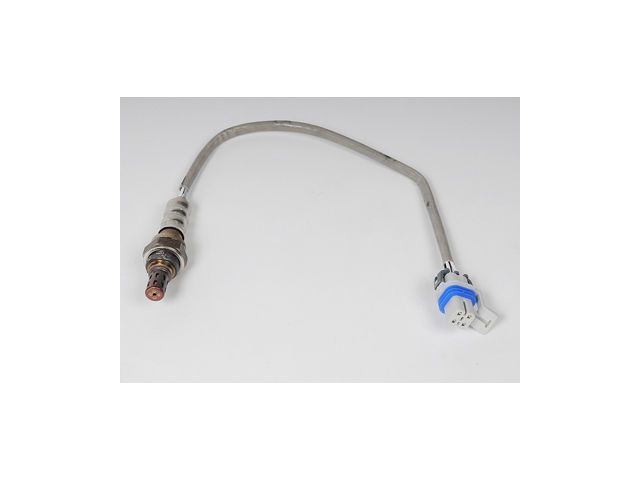
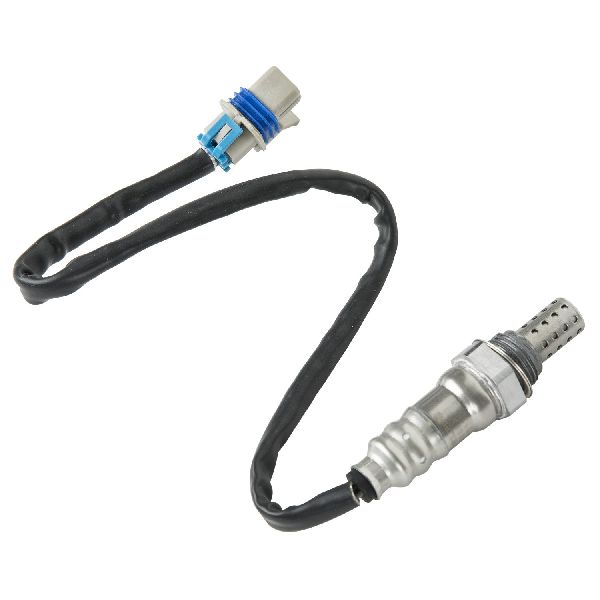
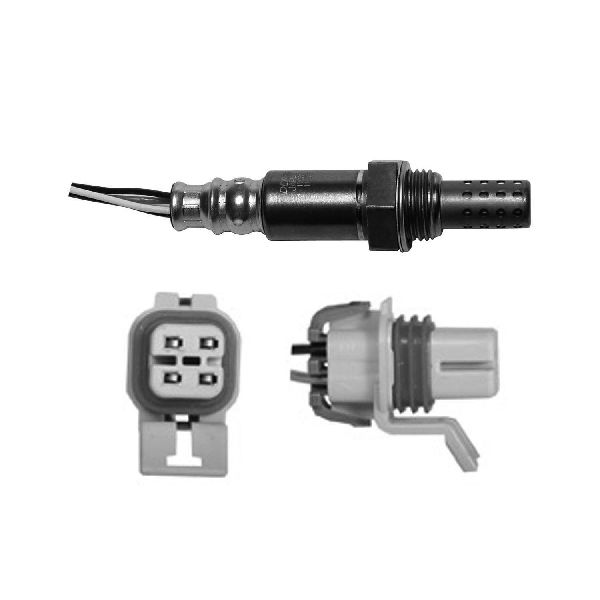
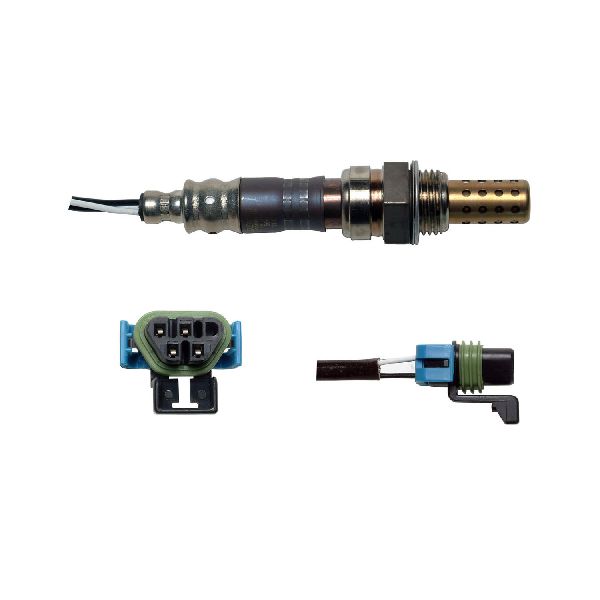
- Upstream Oxygen Sensor (Bank 1, Sensor 1)
(OEM #ACDelco 213-4574 (for 2010-2011 LLT), ACDelco 12634062 (for 2012-2015 LFX))— This is the most common failure item for a P0131 code. It is a standard wear-and-tear component that degrades over time. Part numbers differ between the LLT and LFX engines.
Trusted brands: ACDelco (OEM), Denso (e.g., 234-4441), Bosch (e.g., 16552), NTK
OEM price range: $70-$150
Aftermarket price range: $40-$120
Related Codes That Often Appear With This One
- P0171 — P0171 (System Too Lean Bank 1) is a common partner code. P0131 indicates the sensor is reading low (lean), and if the PCM can't correct it by adding fuel, it will set P0171. If you have both, suspect a true lean condition like a vacuum or exhaust leak. GM TSB PIP5529B notes that loose intake manifold bolts can cause both codes, though this is less common on the Camaro than other platforms.
- P0300 — A Random/Multiple Cylinder Misfire code can occur if the lean condition indicated by P0131 becomes severe enough to cause incomplete combustion.
Technical Service Bulletins (TSBs) & Recalls
- TSB 12-06-01-009F: While not directly for P0131, this is a critical TSB for the 3.6L V6 engine family regarding premature timing chain wear, which is the platform's most notorious issue. It provides updated part numbers for timing chain kits.
- TSB PIP5529B: This informational bulletin notes that on some GM vehicles, a collection of codes including P0131 and P0171 can be caused by loose intake manifold bolts creating a vacuum leak. While less common on the Camaro, it's a possibility if both codes are present. 🎬 Watch: How to diagnose and fix a P0171 lean code Manufacturer TSB Bulletin #PIP5529A also provides diagnostic assistance for resolving MIL illumination when P0131 appears in combination with codes like P0101, P0106, or P0171.
Platform-Specific Known Issues
- LLT Engine PCV Orifice Design: The 2010-2011 LLT engine uses a small, fixed orifice for crankcase ventilation that is prone to clogging or causing high air velocity, pulling oil into the intake. While this typically leads to carbon buildup rather than a P0131 code, any issue affecting the air/fuel mixture's composition can be relevant. Some owners on forums report drilling the orifice to a larger size, similar to the updated LFX design, to mitigate oil consumption.
Mechanic-Grade Diagnostic Values
- O2 Sensor Heater Circuit Resistance — expected: 3 to 10 Ohms, measured across the two same-colored wires on the sensor connector.. Failure: An open circuit (infinite resistance) or a reading significantly outside the expected range indicates a failed internal heater.
- ECM Bias Voltage (Harness Integrity Test) — expected: ~450 mV (0.45V). Failure: With the sensor unplugged and ignition on, the scan tool PID for B1S1 or a multimeter probing the signal wire should show a steady ~450mV. If this voltage is missing, stuck at 0V, or at battery voltage, there is a wiring issue (short to ground, open, or short to power) between the ECM and the sensor connector.
- High-Pressure Fuel System (LFX/LLT) — expected: Over 2,000 PSI under load.. Failure: Significantly lower pressure, especially under acceleration, would trigger fuel pressure codes (like P0087) alongside P0131/P0171, indicating a fuel delivery problem, not a primary sensor failure.
- GM DTC P0131 Set Condition — expected: The ECM triggers the code when the B1S1 voltage signal remains below 400 millivolts (0.4V) for more than 20 seconds during closed-loop operation.. Failure: Live data on a scan tool showing voltage consistently below 0.4V for an extended period confirms the fault condition the ECM is seeing.
Scan Tool Commands That Help
- GDS2 (GM Global Diagnostic System): Fuel Trim Reset — After replacing a faulty O2 sensor or repairing a vacuum/exhaust leak that caused the P0131 code, this function should be used. It erases the ECM's long-term fuel correction data, forcing it to re-learn based on the new, correct sensor readings, which can improve performance and prevent the code from returning incorrectly.
- GDS2 (GM Global Diagnostic System): Oxygen Sensor Heater Test — This bidirectional command allows a technician to manually activate the O2 sensor's heater. It's used to definitively test the integrity of the heater element, its fuse, and the wiring circuit, helping to isolate a heater failure (which can cause slow sensor response) from a signal circuit failure (which causes P0131).
Wiring & Ground Locations
- G104 (LFX Engine) — On the front of the right (passenger side) cylinder head.. This is a critical engine-to-chassis ground. A corroded or loose connection at G104 can create voltage offsets and electrical noise in sensor circuits, including the Bank 1 O2 sensor, potentially causing false low voltage readings and triggering P0131.
- G106 / G107 (LLT Engine) — Located on the rear of the engine block, typically on the driver's side.. These are primary engine grounds on the earlier LLT V6. A poor connection here can affect the ECM's ground reference, leading to inaccurate sensor readings across the board, including the O2 sensors.
- Bank 1 Sensor 1 Connector — Attached to the upstream oxygen sensor on the passenger side exhaust manifold. The harness runs up towards the top/rear of the engine.. This is the primary connection point to inspect for damage. The four wires typically include two for the heater circuit, one for the sensor signal, and one for the low reference/ground. A pigtail connector (e.g., Carquest PTA1517) can be used to repair a damaged connector.
- O2 Sensor Heater Fuse — In the under-hood fuse block, often labeled 'O2 HTR' or similar (e.g., 'EMISSION 1').. While a blown heater fuse typically sets a heater-specific code (like P0031), it will prevent the sensor from reaching operating temperature quickly. A cold sensor will not produce the correct voltage, which could contribute to a P0131 fault, especially on short trips.
Real Owner Repair Stories
- Camaro5 Forum user 'CamaroDreams76' (2013 2SS (Though the user was helping another with a V6)) — Check Engine Light on, needed to pass smog.
❌ Tried (didn't work) Initial diagnosis pointed to a bad O2 sensor.
✅ What actually fixed it The owner replaced both upstream O2 sensors as a pair using Bosch sensors from a local auto parts store. This cleared the Check Engine Light after a short drive and allowed the vehicle to pass its smog inspection.
Model Year Variations Within This Range
- 2010-2011 (LLT Engine): Uses the LLT engine with a Bosch ECM and traditional, separate exhaust manifolds. The upstream O2 sensor is ACDelco P/N 213-4574. These engines are more noted for timing chain issues and a PCV orifice design that can increase oil consumption.
- 2012-2015 (LFX Engine): Uses the updated LFX engine with a Delphi ECM and cylinder heads that have integrated exhaust manifolds. This design eliminates the exhaust manifold-to-head gasket as a potential leak point. The upstream O2 sensor is ACDelco P/N 12634062.
Diagnostic Flowchart
Other Known Issues on This Vehicle
Issues unrelated to this code that are worth knowing about as an owner of this generation:
- Premature Timing Chain Stretch (LLT Engine) 🔴 High — Very common on 2010-2011 LLT engines, typically between 70,000-120,000 miles. Often caused by the original chain design combined with long oil change intervals. The LFX (2012+) has an improved design but is not entirely immune. (Ref: TSB 12-06-01-009F details updated timing chain kits and procedures for codes P0008, P0017, etc.)
- Inadequate PCV System Design (LLT Engine) 🟠 Medium — A design characteristic of the 2010-2011 LLT engine. The crankcase ventilation orifice is too small, causing high air velocity that pulls excessive oil vapor into the intake manifold, leading to carbon buildup on valves and increased oil consumption.
- Ignition Key / Switch Recall 🟠 Medium — Widespread recall for 2010-2014 models where the driver's knee could bump the key fob and turn off the engine while driving. Another common issue is a faulty shift interlock on automatic models, preventing key removal. (Ref: Recall #14299)
- Poor Paint Quality 🟡 Low — Common complaint across the 5th generation; paint is prone to chipping easily, especially on the front fascia and hood.
Used vs. New Parts: Buying Guide for This Vehicle
When a used part is the smart pick: For this repair, a used part is almost never a smart choice for the oxygen sensor itself. However, if the cause is a damaged wiring harness, a used harness pigtail from a junkyard is a perfectly acceptable and cost-effective repair.
Donor-vehicle mileage cap: roughly under 100000 miles for the part to have meaningful remaining life.
What to inspect on the donor part:
- For a wiring pigtail, inspect for any signs of melting, brittleness, or previous repairs.
- Ensure the locking tab on the connector is intact and clicks securely.
- Check for corrosion or pushed-out pins inside the connector.
OEM-only on this vehicle (don't cheap out):
- High-Pressure Fuel Pump (if required). While not a common cause for P0131 alone, if fuel pressure is the root issue, using a genuine GM/Bosch pump is critical for reliability.
Aftermarket brands forum-validated for this vehicle:
- ACDelco (OEM)
- Denso
- NTK/NGK
- Bosch (While some forums have mixed opinions, many users report success with Bosch sensors on this platform).
Brands owners have reported issues with on this vehicle:
- Unbranded, 'white-box' sensors from online marketplaces. These often have a high failure rate and may not have the correct heater resistance or response time, causing the code to return.
Real Owner Stories
Aggregated from forums and TSBs cited above. Mileages and costs reflect what owners reported in those sources.
2010 Chevrolet Camaro 3.6L V6 (LLT)
Symptoms: P0131 code appearing, often accompanied by P0171. Owner noted the engine's PCV orifice design was pulling oil into the intake.
What fixed it: Replacing the upstream O2 sensor on the corresponding bank. Some owners also modified the PCV orifice to a larger size to mitigate the underlying oil issue.
Source hint: camaro5.com: Multiple threads corroborate that P0131 is a common code, often appearing with P0171
2011 Chevrolet Camaro 3.6L V6 (LLT) — ~95000 miles
Symptoms: Check engine light with P0131 and P0151 appearing simultaneously.
What fixed it: Investigating the Mass Airflow (MAF) sensor rather than replacing both O2 sensors.
Source hint: ls1tech.com: Forum discussions highlight that if both P0131 (Bank 1) and P0151 (Bank 2) appear together, the Mass Airflow (MAF) sensor should be investigated
2013 GMC Acadia 3.6L V6 (LFX)
Symptoms: P0131 code triggered by contamination of the sensor harness.
What fixed it: Repairing the O2 sensor harness which was contaminated by a power steering fluid leak.
Source hint: TSB 18-NA-009
Related OBD-II Codes
Frequently Asked Questions
Does TSB 12-06-01-009F mean my P0131 code is caused by a timing chain failure?
I have both P0131 and P0171 on my 2012 Camaro; could this be the intake manifold?
Is the P0131 sensor easier to reach on a Camaro than on a Chevrolet Traverse?
Could my LLT engine's PCV design be related to my oxygen sensor issues?
If I have P0131 and P0151 at the same time, should I replace both sensors?
Is there a recall for the ignition issues on my 2012 Camaro?
Helpful Videos
Used OEM Parts in Stock
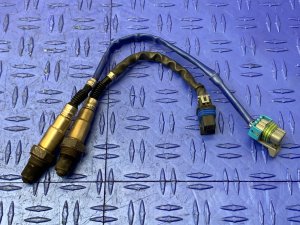
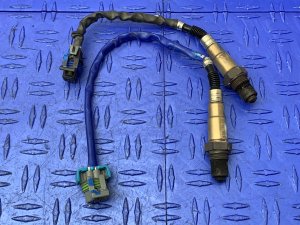
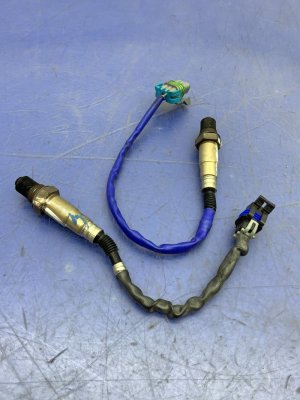
New Aftermarket Parts Available
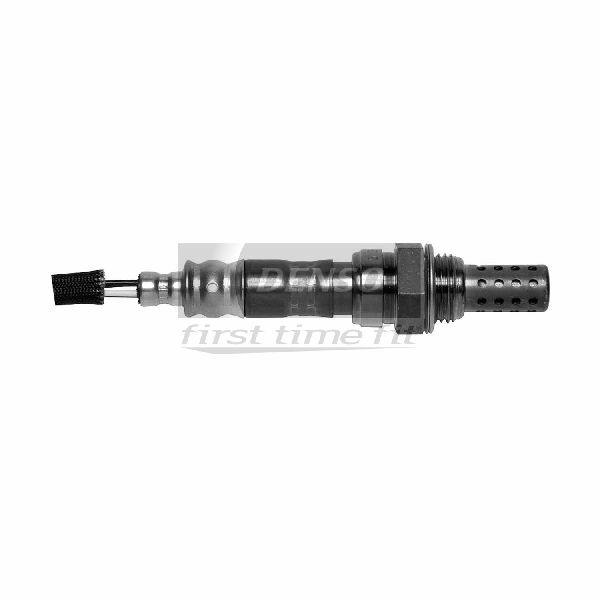


The information in this article is provided for general reference and educational purposes only. Vehicle specifications, procedures, and part compatibility can vary by production date, trim level, and region. Always consult your vehicle's factory service manual and verify part numbers before purchasing or performing repairs. Safety-critical components such as airbags, seat belts, and braking systems should be installed by a qualified professional.
- Chevrolet Camaro:
- 🎬 Helpful Videos
- 🛍️ Shop This Part
- What's Unique About the 2010-2015 Chevrolet Camaro
- Symptoms You May Notice
- Most Likely Causes
- Rare But Worth Checking
- Diagnosis Steps
- Parts You'll Likely Need
- Related Codes That Often Appear With This One
- Technical Service Bulletins (TSBs) & Recalls
- Platform-Specific Known Issues
- Mechanic-Grade Diagnostic Values
- Scan Tool Commands That Help
- Wiring & Ground Locations
- Real Owner Repair Stories
- Model Year Variations Within This Range
- Diagnostic Flowchart
- Other Known Issues on This Vehicle
- Used vs. New Parts: Buying Guide for This Vehicle
- Real Owner Stories
- 2010 Chevrolet Camaro 3.6L V6 (LLT)
- 2011 Chevrolet Camaro 3.6L V6 (LLT) — ~95000 miles
- 2013 GMC Acadia 3.6L V6 (LFX)
- Related OBD-II Codes
- Frequently Asked Questions
- 🎟️ Get 5% Off