

P0131 on 2016-2017 Buick Envision: O2 Sensor Low Voltage Causes & Fixes
On a 2016-2017 Envision, code P0131 is often caused by a failed upstream oxygen (O2) sensor or a vacuum leak from loose intake manifold bolts. Before replacing the sensor, check for intake leaks, a known issue covered by GM Technical Service Bulletin #PIP5529B. The bolts should be torqued to 108 in-lbs (12 Nm) with threadlocker.
- Before buying any parts for a P0131 code on a 2016-2017 Envision, first check for vacuum leaks.
- A known GM issue for this vehicle is loose intake manifold bolts, which can cause P0131. Check these bolts first. This is especially true if you also have a P0171 code.
- If no leaks are found, the most likely cause is a failed upstream oxygen sensor (Bank 1, Sensor 1).
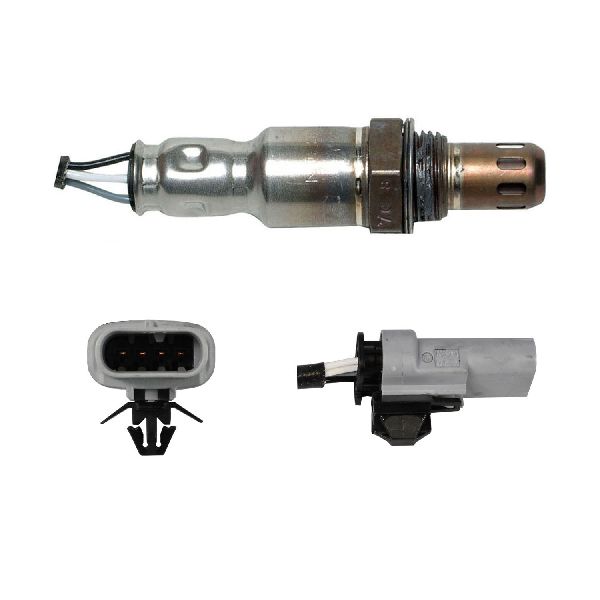
- The upstream O2 sensor for the 2.0L Turbo is GM part #12675980; for the 2.5L, a common ACDelco part is #12666671.
What's Unique About the 2016-2017 Buick ENVISION
While a faulty oxygen sensor is a common cause for P0131 on any vehicle, the 2016-2017 Envision and its platform-mates have a specific, widely documented issue that can mimic sensor failure. General Motors issued Technical Service Bulletin #PIP5529B, which covers both the 2.5L LCV and 2.0L LTG engines, indicating that loose intake manifold bolts can create a vacuum leak. This unmetered air causes a genuine lean condition, which the O2 sensor correctly reports as low voltage, triggering P0131. Technicians or owners may mistakenly replace the sensor when the actual problem is the intake leak that requires re-torquing the bolts.
Diagnostic Flowchart
Tap your situation to follow the diagnostic path that matches what you're seeing on this vehicle.
Symptoms You May Notice
- Check Engine Light is on
- Reduced fuel economy
- Rough or unstable idle, sometimes hunting up and down.
- Engine hesitation or stumbling on acceleration
- Possible engine stall, especially at idle.
- Possible smell of exhaust fumes or a hissing sound from the engine bay.
- Replacing the oxygen sensor without first thoroughly checking for vacuum leaks. On this specific vehicle, TSB #PIP5529B for loose intake manifold bolts makes a vacuum leak a primary suspect that must be ruled out first to avoid a costly misdiagnosis.
Most Likely Causes
- Loose Intake Manifold Bolts Causing a Vacuum Leak 🔴 High Probability This is a documented issue for 2016-2017 Envisions with both the 2.5L and 2.0L engines, as detailed in GM TSB #PIP5529B. This is especially likely if P0131 is accompanied by codes P0171 (System Too Lean), P0106, or P0068.
How to confirm: Perform a smoke test to check for vacuum leaks around the intake manifold. Alternatively, with the engine running, carefully spray short bursts of brake cleaner or starting fluid around the intake manifold gasket area; a change in engine idle indicates a leak. You can also physically check if the manifold bolts are loose with a torque wrench; they are often found to be only finger-tight.
Typical fix: Per TSB #PIP5529B, remove one intake manifold bolt at a time, apply medium-strength threadlocker, and reinstall. Torque all bolts in the correct sequence to 108 in-lbs (12 Nm). The intake gasket should only be replaced if it's confirmed to be leaking after the bolts are properly torqued. GM allocates 0.4 hours of labor for this repair under warranty.
Est. part cost: $5-$15 (for threadlocker) - Faulty Upstream Oxygen Sensor (Bank 1, Sensor 1) 🔴 High Probability Oxygen sensors are wear-and-tear items with a finite lifespan. Contamination from oil or coolant, or simple aging, can cause them to fail and send incorrect low-voltage signals. This should be suspected after all potential vacuum and exhaust leaks are ruled out.
How to confirm: After ruling out vacuum/exhaust leaks and wiring issues, use an OBD-II scanner to monitor the live data stream for the Bank 1 Sensor 1 voltage. If the voltage is stuck low (e.g., under 0.1V) and does not fluctuate rapidly between ~0.1V and ~0.9V as you rev the engine, the sensor is likely bad.
Typical fix: Replace the upstream oxygen sensor. 🎬 Watch: This video shows you how to replace an upstream oxygen sensor. This requires a special O2 sensor socket. Apply anti-seize compound to the threads of the new sensor if it's not pre-applied.
Est. part cost: $45-$120 - Exhaust Leak Before the Oxygen Sensor 🟡 Medium Probability
How to confirm: Visually inspect the exhaust manifold and the exhaust pipe leading to the sensor for cracks or gasket leaks. A leak may be audible as a ticking or puffing sound, especially when the engine is cold. A smoke test can also pinpoint exhaust leaks. Spraying soapy water on a cool exhaust and starting the engine can reveal bubbles at the leak source.
Typical fix: Replace the leaking gasket or repair the cracked component. This may involve replacing the exhaust manifold gasket or the entire manifold.
Est. part cost: $20-$200+ - Damaged Wiring or Connector ⚪ Low Probability The O2 sensor harness is located in a high-heat area and can be susceptible to melting or chafing against engine components.
How to confirm: Visually inspect the oxygen sensor's wiring harness and connector for any signs of damage, melting, corrosion, or loose pins. One owner of a similar vehicle found mangled wires on top of the sensor were the cause of P0131 and P0171. Use a multimeter to check for continuity and proper voltage at the connector.
Typical fix: Repair the damaged section of the wiring harness or replace the connector pigtail.
Est. part cost: $15-$50
Rare But Worth Checking
- Low Fuel Pressure: If the engine is truly running lean due to a weak fuel pump or clogged filter, the O2 sensor will correctly report a low voltage. This would typically be accompanied by other symptoms like hesitation under load and possibly fuel pressure-related codes.
- Dirty or Faulty Mass Air Flow (MAF) Sensor: A MAF sensor that under-reports the amount of air entering the engine will cause the ECM to inject too little fuel, creating a lean condition that triggers P0131. This is another potential cause listed in TSB #PIP5529B via code P0101.
- Leaking Brake Booster: A faulty brake booster can create a significant vacuum leak, leading to a lean condition and a P0131 code. In one documented case on a GM vehicle, a bad brake booster was the root cause of a persistent P0131 and rough idle.
Diagnosis Steps
- Connect an OBD-II scanner and confirm P0131 is present. Check for any other codes, especially P0171 or others listed in TSB #PIP5529B (P0068, P0101, P0106, etc.). The presence of these codes strongly points towards the intake manifold leak.
- Inspect for Vacuum Leaks: This is the critical first step. Physically check the intake manifold for looseness. Use a torque wrench to check the bolts. If loose, perform the TSB fix: remove one bolt at a time, apply threadlocker, and torque in sequence to 108 in-lbs (12 Nm). A smoke test is the most effective way to confirm the leak source.
- Inspect for Exhaust Leaks: Check the exhaust manifold and downpipe for any cracks, loose bolts, or failed gaskets that are located before the upstream O2 sensor. A ticking sound when cold is a common sign.
- Inspect Wiring: Carefully examine the O2 sensor's wiring harness and connector for any signs of melting, chafing, or corrosion. Ensure the connector is securely plugged in.
- Analyze Live Data: Use a scanner to watch the voltage from Bank 1 Sensor 1. A healthy sensor's voltage should fluctuate rapidly between approximately 0.1V and 0.9V. If it is stuck below 0.2V, and you have confirmed there are no leaks, the sensor is likely faulty.
- Test the Sensor: If steps 2-4 check out, the most likely cause is the sensor itself. Replace the Bank 1, Sensor 1 (upstream) oxygen sensor.
- Clear Codes and Test Drive: After any repair, clear the diagnostic trouble codes and perform a test drive to ensure the fix was successful.
Parts You'll Likely Need
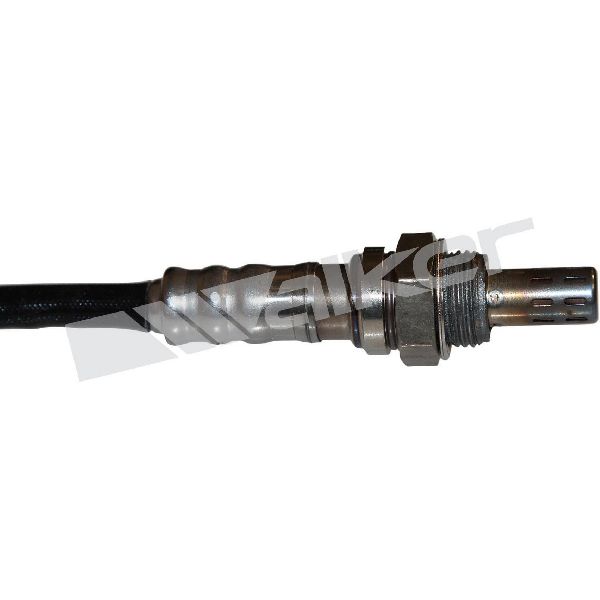
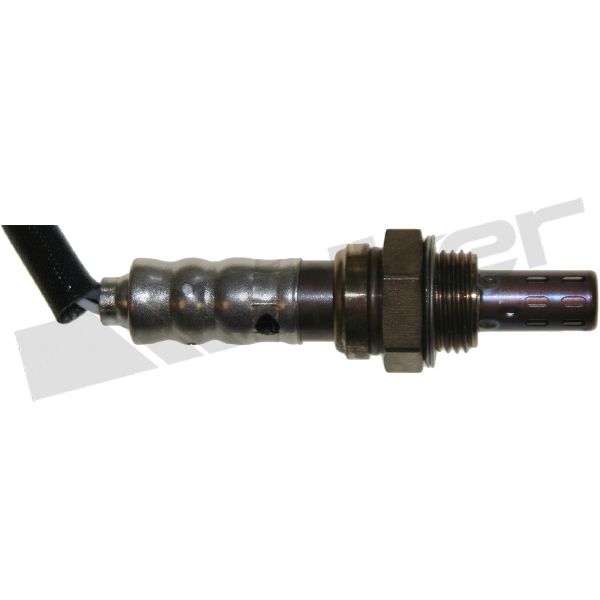
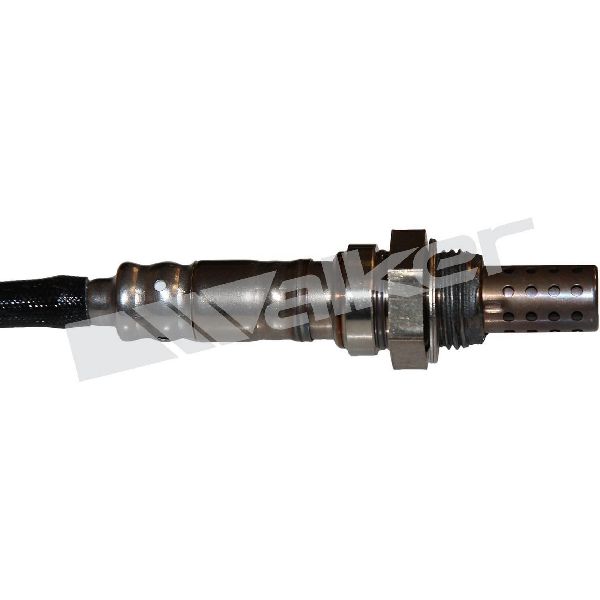
- Upstream Oxygen Sensor (Bank 1 Sensor 1)
(OEM #12675980 (for 2.0L LTG Turbo), 12666671 (for 2.5L LCV))— This sensor is a primary cause of failure due to age and wear. If vacuum/exhaust leaks and wiring issues are ruled out, this part is the most likely culprit.
Trusted brands: ACDelco (OEM), Denso, Bosch, NGK/NTK
OEM price range: $70-$120
Aftermarket price range: $45-$85 - Medium-Strength Threadlocker
(OEM #N/A)— Required to perform the fix outlined in TSB #PIP5529B for loose intake manifold bolts.
Trusted brands: Loctite Blue 242, Permatex Medium Strength Threadlocker BLUE
OEM price range: $5-$15
Aftermarket price range: $5-$15
Related Codes That Often Appear With This One
- P0171 — System Too Lean (Bank 1). This code is very common with P0131 because both indicate a lean condition. If a vacuum leak is present, the system will run lean, causing P0171, and the O2 sensor will report the resulting low voltage, causing P0131. The TSB for loose intake bolts lists both codes together.
- P0068, P0101, P0106 — These are MAP/MAF sensor and correlation codes. TSB #PIP5529B lists these codes as appearing together with P0131 when loose intake manifold bolts are the cause, as the unmetered air creates conflicting readings between the throttle position, MAP, and MAF sensors.
- P0137, P0324, P0326, P0331, P0506 — These codes, related to the downstream O2 sensor, knock sensors, and idle speed, are also listed in TSB #PIP5529B as part of the group of DTCs that can be triggered by the loose intake manifold issue.
Technical Service Bulletins (TSBs) & Recalls
- PIP5529B: Addresses a potential stall, hesitation, and multiple DTCs including P0131, caused by loose intake manifold bolts on 2.0L LTG and 2.5L LCV engines. Recommends applying threadlocker and torquing bolts to spec.
- PIP5529A: An earlier version of the same bulletin concerning loose intake manifold bolts, later superseded by PIP5529B to include the use of threadlocker.
Platform-Specific Known Issues
- A known issue documented in GM Technical Service Bulletin #PIP5529B involves the intake manifold bolts becoming loose. This creates a significant vacuum leak, causing the engine to run lean and triggering code P0131 along with a host of other related codes. The official fix is to remove, apply threadlocker to, and re-torque the bolts to 108 in-lbs (12 Nm).
Mechanic-Grade Diagnostic Values
- Upstream O2 Sensor (Bank 1, Sensor 1) Voltage — expected: A healthy sensor's voltage should fluctuate rapidly and consistently between approximately 0.1V (lean) and 0.9V (rich). The ideal stoichiometric midpoint is 0.45V.. Failure: For code P0131, the voltage will be persistently low, often stuck below 0.2V or 0.3V, indicating a constant lean reading.
- Short-Term Fuel Trim (STFT) and Long-Term Fuel Trim (LTFT) for Bank 1 — expected: Normal operating range is typically within +/- 10%.. Failure: With a P0131 and a lean condition, both STFT and LTFT will be highly positive (e.g., +15% to +25% or higher) as the ECM tries to compensate by adding more fuel.
Scan Tool Commands That Help
- GDS2 (GM Global Diagnostic System 2): Oxygen Sensor Setup/Reset Procedure — After replacing a genuine GM oxygen sensor. Multiple GM parts sources state that the part requires 'programming and/or special setup procedures' to ensure proper operation, which may involve resetting fuel trim adaptations or other learned values in the ECM.
Wiring & Ground Locations
- G101 — Located at the front of the engine, lower block.. This is a primary ground for the Engine Control Module (ECM). A poor connection here can cause erratic behavior from the ECM and incorrect readings from all engine sensors, including the O2 sensor, leading to false codes.
- G103 — Located at the left rear of the engine compartment on the cowl, above the brake booster.. This is a major body and module ground. A GM service bulletin regarding electrical issues emphasizes ensuring a clean and tight connection at G103 for proper module communication.
- O2 Sensor Connector — On the sensor pigtail, connecting to the main engine harness near the exhaust manifold (upstream sensor).. The upstream sensor is typically a 4-wire heated sensor. Two wires are for the heater circuit (power and ground), one is the signal wire (which carries the low voltage reading), and one is the sensor ground. Damage or corrosion on any of these, especially the signal or sensor ground wire, can cause the P0131 code.
"I Checked Everything" — The Actual Cause
- In some cases with lean codes like P0131/P0171, a smoke test or spraying starter fluid may not reveal a vacuum leak if it is internal or in a hard-to-reach area. In one documented instance on another vehicle, the root cause was a failed lower intake manifold gasket that was not detectable with external spray tests, requiring removal of the manifold to discover and fix.
OEM Part Supersession History
12646902→12666671— Part update or consolidation by the manufacturer.
Heads up: 12666671 is the correct replacement for the upstream sensor on the 2.5L LCV engine if the original part was 12646902.12675980→N/A— N/A
Heads up: This appears to be the current part number for the upstream sensor on the 2.0L LTG engine. A critical note is that genuine GM sensors may require a 'special setup procedure' with a scan tool after installation.
Model Year Variations Within This Range
- 2016: The 2016 model year Envision was only offered in North America in two high-level trims (Premium I and Premium II), both of which came standard with the 2.0L LTG Turbo engine.
- 2017: For the 2017 model year, the trim levels were expanded to five, which introduced the 2.5L LCV as the standard base engine on lower trims. Therefore, a 2017 Envision is more likely to have the 2.5L engine than a 2016 model.
Helpful Videos

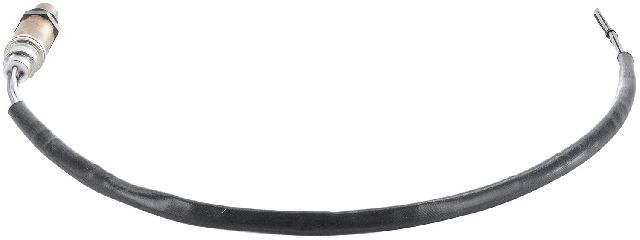
We Have This Part in Stock


The information in this article is provided for general reference and educational purposes only. Vehicle specifications, procedures, and part compatibility can vary by production date, trim level, and region. Always consult your vehicle's factory service manual and verify part numbers before purchasing or performing repairs. Safety-critical components such as airbags, seat belts, and braking systems should be installed by a qualified professional.
- Buick ENVISION:
- 🎬 Helpful Videos
- 🛍️ Shop This Part
- What's Unique About the 2016-2017 Buick ENVISION
- Diagnostic Flowchart
- Symptoms You May Notice
- Most Likely Causes
- Rare But Worth Checking
- Diagnosis Steps
- Parts You'll Likely Need
- Related Codes That Often Appear With This One
- Technical Service Bulletins (TSBs) & Recalls
- Platform-Specific Known Issues
- Mechanic-Grade Diagnostic Values
- Scan Tool Commands That Help
- Wiring & Ground Locations
- "I Checked Everything" — The Actual Cause
- OEM Part Supersession History
- Model Year Variations Within This Range
- 🎟️ Get 5% Off