

P0121 on 2007-2014 Cadillac Escalade: Causes, Fixes, and 'Reduced Power' Explained
On a 2007-2014 Cadillac Escalade, code P0121 is almost always caused by a dirty, a carbon-caked throttle body. Cleaning it thoroughly is the first and most common fix. If that fails, or provides only a temporary solution, the entire throttle body assembly, which includes the non-serviceable sensor, likely needs replacement. A throttle relearn procedure is critical after either service.
- P0121 on a 2007-2014 Escalade almost always points to the throttle body, not the gas pedal.
- The most likely and cheapest first step is to thoroughly clean the throttle body of carbon buildup.
- If cleaning doesn't work, the entire throttle body assembly needs to be replaced, as the sensor is built-in.
- Do not drive the vehicle extensively with this code, as it can enter a 'Reduced Engine Power' mode at any time, creating a safety risk.
What's Unique About the 2007-2014 Cadillac ESCALADE
The V8 engines in this generation of Escalade and its GM platform-mates are well-known for accumulating significant carbon buildup (coking) inside the throttle body. This buildup physically restricts the throttle plate, causing it to stick or move erratically. The PCM detects this mechanical issue as a performance problem with the throttle position sensor, leading directly to code P0121 and the dreaded 'Reduced Engine Power' mode. This is a very common issue on high-mileage vehicles, as noted in GM Technical Service Bulletin #PIP4578B, which was issued to address this specific problem across a wide range of GM trucks and SUVs.
Diagnostic Flowchart
Tap your situation to follow the diagnostic path that matches what you're seeing on this vehicle.
Symptoms You May Notice
- "Reduced Engine Power" message on the dashboard
- Check Engine Light is on
- Unstable, surging, or rough idle
- Hesitation or stumbling during acceleration
- Vehicle has very limited power ('limp mode')
- Engine may stall at low speeds or when coming to a stop.
- High idle RPM after cleaning or replacing the throttle body (before a relearn).
- Replacing the Accelerator Pedal Position (APP) sensor. While the code definition mentions 'Pedal Position Sensor', on the Escalade and related GM trucks, P0121 almost always points to the throttle body at the engine, not the pedal assembly. The APP sensor has its own distinct set of trouble codes (e.g., P2138).
Most Likely Causes
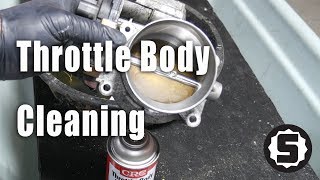
- Dirty or Carbon-Clogged Throttle Body 🔴 High Probability The PCV (Positive Crankcase Ventilation) system routes oil vapors into the intake, which bake onto the hot throttle body over time, causing a thick layer of carbon (coking). 🎬 Watch: How to clean the throttle body and fix code P0121 As carbon builds, the PCM must open the throttle plate more to maintain idle speed, and if the buildup becomes too great, it triggers P0121. This is the most common cause cited in TSBs and owner forums.
How to confirm: Visually inspect the throttle body bore and plate for a thick, black layer of carbon. The plate may feel sticky or difficult to move by hand (with the engine off). A scan tool may show a high throttle position percentage at idle (e.g., >20%) when it should be much lower (~4-10%).
Typical fix: Remove the throttle body (typically four 10mm bolts) and clean it thoroughly with dedicated throttle body cleaner and a soft brush or rag. Do not use harsh carburetor cleaner. A throttle relearn procedure is required after reinstallation to prevent high idle.
Est. part cost: $10-$20 for cleaner - Failing Throttle Body Assembly 🟡 Medium Probability The throttle position sensor (TPS) is integrated into the throttle body and cannot be replaced separately. Wear and tear on the internal electronic components can cause erratic signals. Often, cleaning the throttle body provides only a temporary fix, and the code returns, indicating the sensor itself has failed.
How to confirm: If a thorough cleaning and relearn procedure does not resolve the code, the sensor/assembly is the likely culprit. A scan tool can monitor the TPS voltage; it should sweep smoothly from ~0.5V to ~4.5V. Jumps, dropouts, or a failure to return to the correct baseline voltage indicate a bad sensor.
Typical fix: Replace the entire throttle body assembly. This is a bolt-on part that comes with the new sensor integrated. A throttle relearn procedure is mandatory after replacement.
Est. part cost: $150-$350 - Wiring or Connector Issues ⚪ Low Probability The wiring harness to the throttle body is subject to engine bay heat and vibration. Over time, wires can fray or break internally, often right at the connector. The connector pins can also develop 'fretting corrosion,' an almost invisible oxidation that causes intermittent signal loss.
How to confirm: With the engine off, inspect the wiring harness and connector at the throttle body for any signs of damage, corrosion, or loose pins. Wiggle the harness while monitoring TPS voltage on a scan tool to see if the signal drops out. Unplugging and replugging the connector can sometimes temporarily restore connection.
Typical fix: Repair the damaged section of wire or replace the connector pigtail. Applying a small amount of dielectric grease to the connector pins can help prevent future fretting corrosion.
Est. part cost: $15-$50 for a pigtail
Rare But Worth Checking
- Faulty Powertrain Control Module (PCM): This is extremely rare. The PCM should only be considered after the throttle body and all related wiring have been definitively ruled out and replaced.
Diagnosis Steps
- Scan the PCM for any other stored trouble codes. Note any codes that appear alongside P0121, such as P2101, P1516, or P0068, as they reinforce a throttle body issue.
- Turn the ignition off and disconnect the negative battery terminal. Remove the air intake tube from the throttle body.
- Visually inspect the throttle body bore and the edges of the throttle plate for black carbon buildup.
- If significant buildup is present, remove the four 10mm bolts holding the throttle body, disconnect the electrical connector, and clean it thoroughly off the vehicle using specialized throttle body cleaner and a soft brush or cloth.
- Reinstall the clean throttle body with a new gasket, reconnect the electrical connector, and reattach the intake tube and negative battery terminal.
- Perform a throttle relearn procedure. This is critical. Manual Method: Start the engine and let it idle in Park for 3 minutes. Turn the engine off and wait 60 seconds. Start the engine again and let it idle for another 3 minutes. The idle should settle. Scan Tool Method: If the manual method fails or idle remains high, use a compatible scan tool to perform the 'Idle Learn Reset' or 'Throttle/Idle Learn' function. This is the most reliable method. 🎬 See this video for the GM electronic throttle body relearn procedure
- If the code returns, use a scan tool with live data to monitor the 'TP Sensor 1' and 'TP Sensor 2' PIDs. As you slowly press the accelerator pedal (with the engine off, key on), the voltage should change smoothly without any spikes or dropouts.
- If the voltage readings are erratic, and the wiring has been confirmed as good, replace the throttle body assembly.
- Inspect the electrical connector and wiring harness for any signs of damage, corrosion, or loose pins. Pay close attention to the wires right at the connector.
Parts You'll Likely Need
- Throttle Body Assembly
(OEM #12670834 (current), 12629992, 12601387 (older/alternative))— This is the most common fix if cleaning the original unit fails. The faulty sensor is integrated into this assembly and is not sold separately.
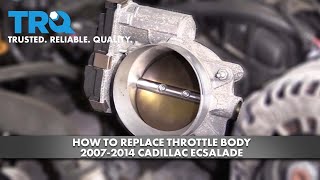
Trusted brands: ACDelco (GM Genuine), Hitachi, Standard Motor Products (S20019) 🎬 Watch: Step-by-step walkthrough for replacing the Escalade throttle body
OEM price range: $200-$300
Aftermarket price range: $90-$250 - Throttle Body Cleaner — This is required for the most probable first step in fixing the issue: cleaning the carbon buildup from the throttle plate and bore.
Trusted brands: CRC, Berryman
OEM price range: $10-$20
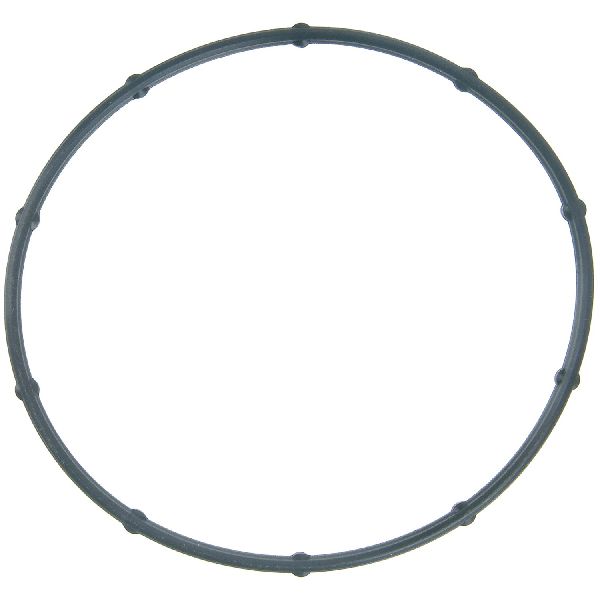
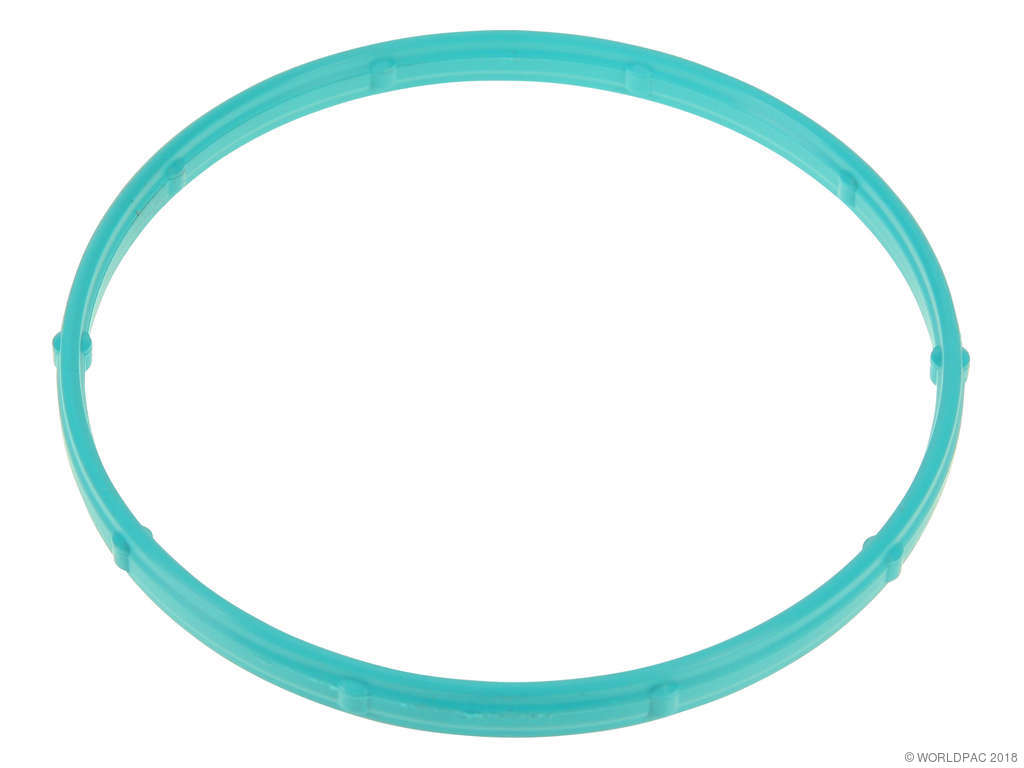
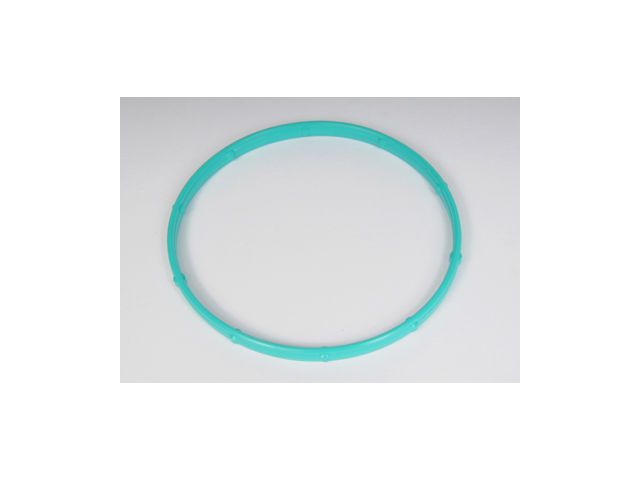
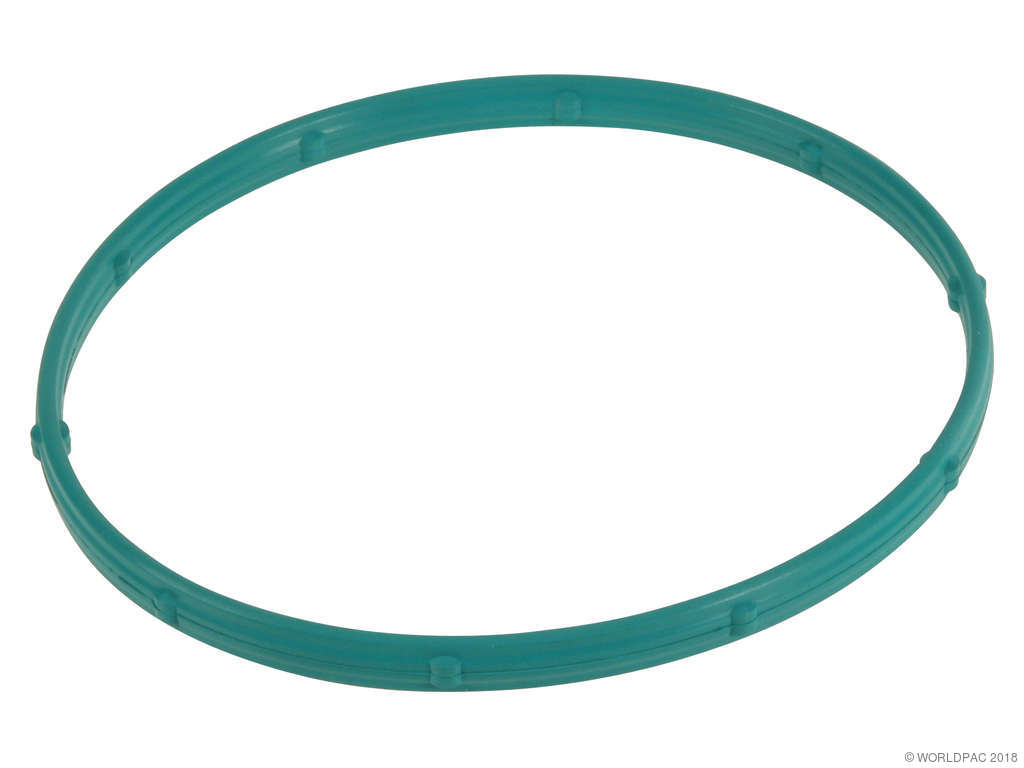
Aftermarket price range: $10-$20 - Throttle Body Gasket — It is best practice to replace the gasket anytime the throttle body is removed to ensure there are no vacuum leaks.
Trusted brands: ACDelco, Fel-Pro
OEM price range: $5-$15
Aftermarket price range: $3-$10
Related Codes That Often Appear With This One
- P2101 — This code relates to 'Throttle Actuator Control Motor Circuit Range/Performance' and often appears with P0121 because a sticking throttle plate (from carbon) or a faulty sensor can cause the motor to work outside its expected parameters. It is listed in TSB PIP4578B as a related code.
- P1516 — A GM-specific code that means 'Throttle Actuator Control (TAC) Module Throttle Actuator Position Performance'. It indicates a disagreement between the commanded throttle position and the actual position, which is a direct consequence of the issues causing P0121. It is also listed in TSB PIP4578B.
- P0068 — This code indicates a 'MAP/MAF - Throttle Position Correlation' problem. The PCM sees a mismatch between the amount of air the MAF sensor says is entering the engine and what the throttle position sensor reports, which is a common scenario when the TPS is failing or the throttle plate is stuck. It is also listed in TSB PIP4578B.
- P2176 — This code for 'Throttle Actuator Control System - Idle Position Not Learned' often appears after cleaning or replacing a throttle body if the relearn procedure is not performed correctly, as noted in TSB PIP4578B.
Technical Service Bulletins (TSBs) & Recalls
- PIP4578B: This is the key document from GM. It confirms that on high-mileage V8s, carbon buildup causes a host of issues including idle surge, reduced power, and DTCs P0121, P0068, P1516, and P2101. It explicitly recommends cleaning the throttle body and performing an idle learn reset as the primary fix.
Platform-Specific Known Issues
- Real-World Repair Story: A user on GMTNation with a related vehicle experienced the P0121 code and 'Reduced Engine Power' mode, making the truck barely drivable. Cleaning the throttle body only provided a temporary fix for a few hours before the problem returned. This highlights that while cleaning is the correct first step, a recurring code often means the internal sensor is failing and the entire assembly needs replacement.
- The Importance of the Relearn Procedure: As documented in GM TSB #PIP4578B and confirmed by countless owners, failing to perform an idle learn reset after cleaning or replacing the throttle body can cause a high idle and new trouble codes like P0507 or P2176. Some owners report the idle will correct itself after about 50 miles of driving, but a manual or scan-tool relearn is the proper procedure.
Mechanic-Grade Diagnostic Values
- TP Sensor 1 Voltage — expected: Approx. 0.4V - 0.8V at closed throttle, increasing smoothly to ~4.5V at wide-open throttle (WOT).. Failure: Voltage is outside of range, jumps, or has dropouts when the throttle is slowly opened.
- TP Sensor 2 Voltage — expected: Approx. 4.5V at closed throttle, decreasing smoothly to ~0.5V at WOT. It operates in opposition to Sensor 1.. Failure: Voltage does not sweep inversely to TP Sensor 1; signal is erratic or drops out.
- Sum of TP Sensor 1 and TP Sensor 2 Voltages — expected: Should remain relatively constant at approximately 5.0V throughout the entire throttle range.. Failure: The sum deviates significantly from 5.0V, indicating a fault in one or both sensors.
- 5-Volt Reference at Throttle Body Connector — expected: 4.8V to 5.2V with key-on, engine-off.. Failure: Voltage is significantly lower or higher, indicating a problem with the PCM or wiring.
- Low Reference (Ground) at Throttle Body Connector — expected: Less than 0.1V or less than 100 ohms of resistance to a known good ground.. Failure: Higher voltage or resistance reading indicates a poor ground connection, which can cause erratic sensor behavior.
- Throttle Body Bolt Torque — expected: 89 lb-in (approximately 7.4 lb-ft).. Failure: N/A. This is an installation specification to prevent vacuum leaks or damage.
Scan Tool Commands That Help
- GM Tech2 / GDS2 or equivalent professional scan tool: Idle Learn Reset / Throttle/Idle Learn — This function is mandatory after cleaning or replacing the throttle body. It forces the PCM to relearn the new closed-throttle position and idle airflow values. Failure to perform this reset is a common cause of high idle and code P2176 after the repair.
Wiring & Ground Locations
- G103 — On the front of the right (passenger side) cylinder head.. This is a primary engine ground. A loose or corroded connection here can affect the stability of sensor readings, including the 5V reference and ground circuits for the throttle body, leading to intermittent and hard-to-diagnose P0121 codes.
- G104 — On the front of the left (driver side) cylinder head.. Similar to G103, this is another critical engine ground. Ensuring both G103 and G104 are clean and tight is a key step when troubleshooting any electronic sensor code that doesn't resolve with part replacement.
- Throttle Body Connector — 6-pin connector directly on the throttle body assembly.. This is the single point of connection for both throttle position sensors and the throttle actuator motor. The pins are susceptible to fretting corrosion and the wires in the harness immediately behind the connector can fray from heat and vibration, causing intermittent signal loss.
Real Owner Repair Stories
- CorvetteForum user (2006 Corvette Z-51 (Similar GM electronic throttle system)) — P0121 code, slight pause on acceleration from idle. Scan tool showed a momentary dip in TPS voltage right off idle.
❌ Tried (didn't work) Cleaning the throttle body. After cleaning, the engine developed a high idle problem (up to 1700 RPM) that would only settle after being stopped for a few moments.
✅ What actually fixed it The user ultimately had to replace the entire throttle body assembly. The initial cleaning temporarily changed the symptoms but did not resolve the underlying electronic fault in the sensor, which was causing the voltage dip. - Car Talk Community user with a 2007 Yukon Denali (GMT900 platform-mate) (2007 GMC Yukon Denali w/ 6.2L V8) — Intermittent P0121 Check Engine Light that would not return for weeks after being cleared. No noticeable drivability issues.
❌ Tried (didn't work) Replacing air filter and cleaning the MAF sensor.
✅ What actually fixed it The user suspected and addressed 'fretting corrosion' on an electrical connector. While the story pivots to the Accelerator Pedal Position (APP) sensor connector, the principle is highly relevant. The final fix was unplugging the connector, applying dielectric grease to the pins to prevent the nearly invisible corrosion, and reconnecting it. The problem did not return. This highlights that intermittent P0121 can be a connection issue, not a hard part failure.
OEM Part Supersession History
12601387→12629992— Standard part evolution, likely for improved reliability or manufacturing process changes.12629992→12670834 (current primary replacement)— Further part consolidation and updates by GM. 12670834 is now the most common service replacement part number for this application.
Heads up: While 12670834 is listed for many GM vehicles, it's crucial to verify fitment for the specific Escalade year. Some parts catalogs show 12670834 for later/different engine applications, while 12629992 is specific to the 2009-2014 truck/SUV V8s. Always confirm with VIN.
Model Year Variations Within This Range
- 2007-2008 vs 2009-2014: There may be a slight change in the throttle body part number and connector pinout around 2009. While functionally similar, using a throttle body from a 2009+ vehicle on a 2007-2008 model (or vice-versa) could potentially cause issues without PCM reprogramming or a wiring modification. It is critical to order the part based on the vehicle's VIN.
Helpful Videos
Used OEM Parts in Stock


New Aftermarket Parts Available


The information in this article is provided for general reference and educational purposes only. Vehicle specifications, procedures, and part compatibility can vary by production date, trim level, and region. Always consult your vehicle's factory service manual and verify part numbers before purchasing or performing repairs. Safety-critical components such as airbags, seat belts, and braking systems should be installed by a qualified professional.
- Cadillac ESCALADE:
- 🎬 Helpful Videos
- 🛍️ Shop This Part
- What's Unique About the 2007-2014 Cadillac ESCALADE
- Diagnostic Flowchart
- Symptoms You May Notice
- Most Likely Causes
- Rare But Worth Checking
- Diagnosis Steps
- Parts You'll Likely Need
- Related Codes That Often Appear With This One
- Technical Service Bulletins (TSBs) & Recalls
- Platform-Specific Known Issues
- Mechanic-Grade Diagnostic Values
- Scan Tool Commands That Help
- Wiring & Ground Locations
- Real Owner Repair Stories
- OEM Part Supersession History
- Model Year Variations Within This Range
- 🎟️ Get 5% Off