

P0113 on 2017-2018 Jaguar XE: IAT Sensor Circuit High Causes and Fixes
Code P0113 on a 2017-2018 Jaguar XE most often means the Intake Air Temperature (IAT) sensor has an open circuit or has failed, which the computer sees as an impossibly cold -40° temperature. On 2.0L Ingenium petrol models, this code is frequently caused by an air leak at the intake elbow per TSB SSM73671. On the 3.0L V6, the IAT is a standalone sensor (Part No. AJ811668) on the intake manifold, while on Ingenium engines it's often integrated with the MAF sensor. A replacement sensor costs betwe
- P0113 on your Jaguar XE points to an electrical fault in the Intake Air Temperature sensor circuit, not an actual overheating problem.
- Before replacing any parts, check the sensor's wiring and connector for damage.
- If you have the 2.0L petrol engine, the most important first step is to check for an air leak at the intake elbow near the throttle body, as per TSB SSM73671.
- The IAT sensor may be a small, separate part or built into the larger, more expensive Mass Airflow (MAF) sensor; you must identify which type your engine has.
- A scan tool showing a live data reading of -40° is the classic sign of this fault.
What's Unique About the 2017-2018 Jaguar XE
For the 2017-2018 Jaguar XE, diagnosing P0113 is complex due to variations in sensor location across its multiple engine options. On the 3.0L V6 Supercharged engine, the IAT is a standalone sensor (often a combined Temperature/Pressure sensor) located on the intake manifold, post-supercharger. On the 2.0L Ingenium engines (both petrol and diesel), the IAT sensor is typically integrated into the Mass Airflow (MAF) sensor assembly located on the intake tube right after the air filter box. The 2017 model year is particularly confusing as it offered both the Ford-sourced 2.0L GTDI 'EcoBoost' engine, which uses the standalone IAT/MAP sensor (AJ811668), and the JLR Ingenium 2.0L petrol engine. Furthermore, for the 2.0L Ingenium petrol engine, Jaguar issued Technical Service Bulletin SSM73671, indicating that P0113 can be caused by an unmetered air leak from an improperly fitted air intake elbow, which can be misdiagnosed as a sensor failure.
Diagnostic Flowchart
Tap your situation to follow the diagnostic path that matches what you're seeing on this vehicle.
Symptoms You May Notice
- Check Engine Light is on
- Reduced fuel economy
- Rough or unstable idle
- Engine hesitation or lack of power
- Difficulty starting the engine, especially when cold
- Increased emissions / failed emissions test
- Black smoke from exhaust (less common, due to rich mixture)
- Engine misfires
- Replacing the IAT sensor when the actual cause is a wiring fault or a loose connector pin.
- On 2.0L petrol engines, replacing the MAF/IAT sensor when the root cause is an air leak at the intake elbow as described in TSB SSM73671.
- Replacing the wrong sensor due to confusion between the standalone IAT on the 3.0L V6 and 2017 2.0L Ford EcoBoost vs. the integrated MAF/IAT on the 2.0L Ingenium engines.
Most Likely Causes
- Failed Intake Air Temperature (IAT) Sensor 🔴 High Probability The sensor, whether standalone (3.0L V6, 2.0L Ford EcoBoost) or part of the MAF assembly (2.0L Ingenium), is a common failure point due to heat cycles and vibration in the engine bay.
How to confirm: Using a scan tool, check the live data for IAT Sensor 1. If it reads a static, extremely low temperature (like -40°F/-40°C) regardless of actual engine temperature, the sensor or its circuit is faulty. You can also test the sensor's internal resistance with a multimeter; an open circuit (infinite resistance) indicates failure. Resistance should change predictably when heated with a hairdryer.
Typical fix: Replace the faulty sensor. On the 3.0L V6 and 2017 2.0L Ford EcoBoost, this is the standalone sensor (AJ811668). On 2.0L Ingenium models, the entire MAF assembly must be replaced if the IAT is integrated.
Est. part cost: $40-$250 - Damaged Wiring or Connector 🔴 High Probability Wiring in the engine bay is exposed to heat, vibration, and potential rodent damage. The IAT/MAF sensor connector is also frequently disturbed during air filter changes, which can lead to loose pins or breaks in the wiring.
How to confirm: Visually inspect the wiring harness and connector going to the IAT/MAF sensor for any signs of fraying, breaks, melting, or corrosion on the pins. With the key on and sensor unplugged, use a multimeter to confirm a reference voltage (typically ~5 volts) is present at one pin of the connector and a good ground is on another.
Typical fix: Repair the damaged section of wiring or replace the connector pigtail. Ensure the connector is fully seated with the locking tab engaged.
Est. part cost: $10-$50 - Air Leak at Intake Elbow (2.0L Ingenium Petrol) 🟡 Medium Probability TSB SSM73671 specifically calls out that the air intake elbow below the throttle body may have been incorrectly fitted from the factory or during previous service, causing an unmetered air leak.
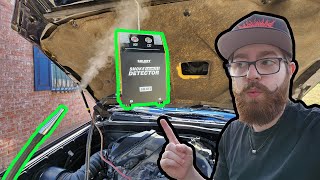
How to confirm: Perform a smoke test on the intake system with a diagnostic smoke machine. 🎬 Watch: How to perform a smoke test for intake leaks Smoke will be visible leaking from the connection between the intake elbow and the throttle body if it is not fitted correctly.
Typical fix: Loosen the clamp, ensure the intake elbow is fully and correctly seated onto the throttle body, and retighten the clamp. Clear codes and re-run the smoke test to confirm the leak is sealed.
Est. part cost: $0
Rare But Worth Checking
- Faulty Powertrain Control Module (PCM): This is extremely rare. All other possibilities, especially wiring and sensor issues, should be exhaustively ruled out before considering a PCM failure.
- Failed Supercharger Coolant Pump (3.0L V6): A failing intercooler or supercharger coolant pump can cause the air charge to become excessively hot. The PCM may log a P0113 if the IAT reading is unexpectedly high for the conditions, sometimes in conjunction with other codes like P00AD. One forum user reported a P0113 code was ultimately traced to a failed supercharger coolant pump causing very high intake temperatures.
Diagnosis Steps
- Connect an OBD-II scanner and verify P0113 is the active code. Check for any other codes like P0111, P2178, or P0101.
- View the live data stream for 'Intake Air Temp Sensor 1'. A reading of -40°F or -40°C strongly indicates an open circuit fault.
- Identify your engine (3.0L V6, 2.0L Ford EcoBoost, or 2.0L Ingenium) to determine sensor location. For the 3.0L V6 and 2017 2.0L Ford engine, locate the standalone sensor (AJ811668) on the intake manifold. 🎬 See this walkthrough for replacing the standalone sensor For 2.0L Ingenium engines, locate the MAF sensor on the intake tube after the air filter box.
- Carefully inspect the sensor's electrical connector and wiring harness for any visible damage, corrosion, loose pins, or signs of melting.
- If you have a 2.0L Ingenium petrol engine, perform a smoke test on the intake system to check for leaks, paying close attention to the intake elbow below the throttle body, as specified in TSB SSM73671.
- If no leaks are found, disconnect the sensor. With the ignition on (engine off), use a multimeter to test for a 5-volt reference signal on one pin of the connector and a good ground on another.
- If voltage and ground are correct, test the sensor itself. Using a multimeter set to Ohms (resistance), measure across the sensor's terminals. An open circuit (infinite resistance) means it's bad. You can also heat the sensor with a hairdryer and watch for a smooth change in resistance.
- After the repair, clear the codes with the scanner and take the vehicle for a test drive to ensure the code does not return.
Parts You'll Likely Need
- Intake Air/Manifold Pressure Sensor (Standalone)
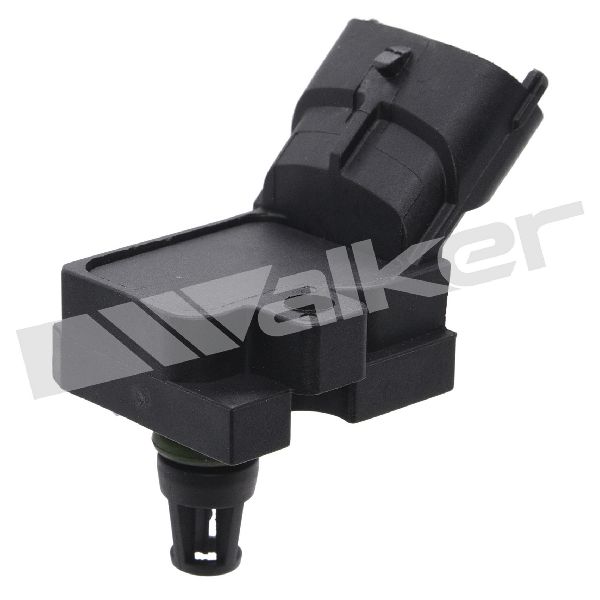
(OEM #AJ811668)— This is the combined intake air temperature and pressure sensor used on the 3.0L V6 Supercharged and the 2017 2.0L Ford EcoBoost (GTDI) petrol engine. It is the most common component to fail, causing the P0113 code on these variants.
Trusted brands: Jaguar (OEM), Bosch, Autotec
OEM price range: $70-$100
Aftermarket price range: $40-$80 - Mass Airflow (MAF) Sensor Assembly
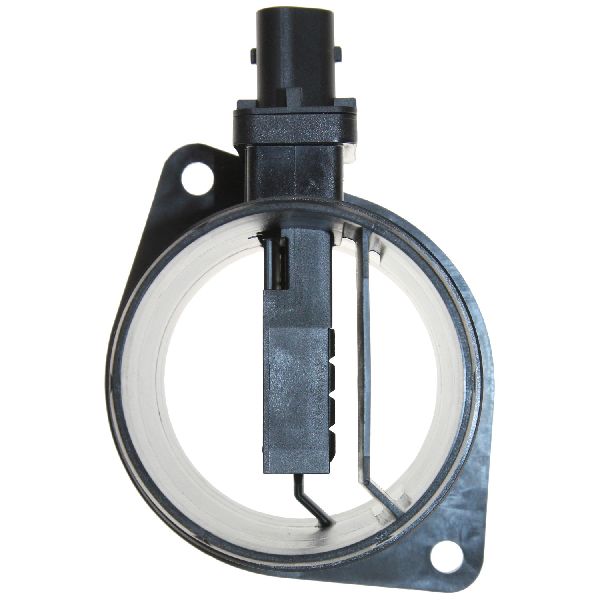
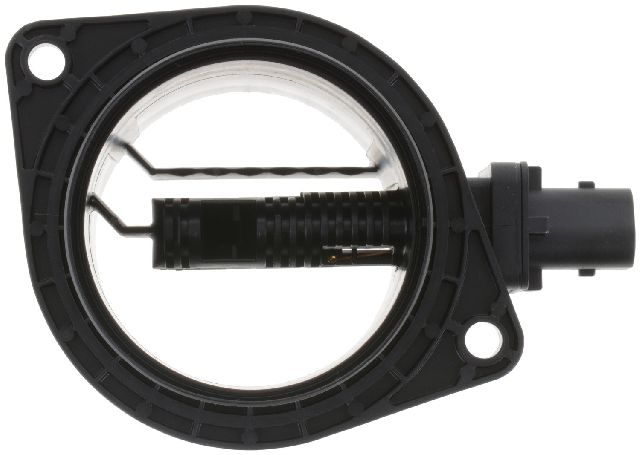
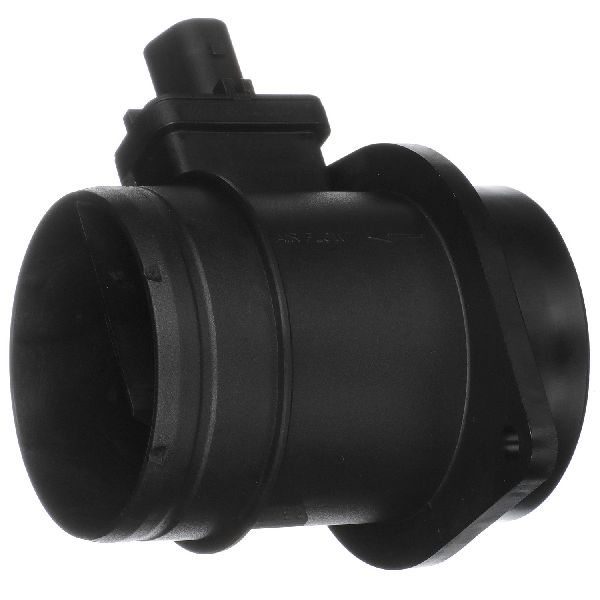
(OEM #T4N5429 (Example, verify by VIN))— Required if the IAT sensor is integrated into the MAF unit (common on 2.0L Ingenium Diesel and Petrol) and cannot be replaced separately.
Trusted brands: Bosch, Denso, Jaguar (OEM)
OEM price range: $200-$350
Aftermarket price range: $100-$250
Related Codes That Often Appear With This One
- P0111 — This code for 'IAT Sensor 1 Circuit Range/Performance' often appears with P0113, as both point to a malfunctioning sensor or circuit. The TSB SSM73671 lists them together.
- P2178 — This code for 'System Too Rich Off Idle' can be a direct result of P0113. The PCM sees a -40° reading, thinks the air is extremely dense, and injects too much fuel, causing a rich condition. This is also mentioned in TSB SSM73671.
- P0101 — If the IAT is integrated with the Mass Airflow (MAF) sensor (common on 2.0L engines), a fault in the unit can sometimes trigger MAF-related codes as well.
- P0172 — Indicates 'System Too Rich (Bank 1)'. This is a direct consequence of the PCM over-fueling based on the false, extremely cold temperature reading from the faulty IAT sensor circuit.
Technical Service Bulletins (TSBs) & Recalls
- SSM73671: Addresses an air leak at the intake elbow on 2.0L Ingenium petrol engines that can cause codes P0111, P0113, P0299, and P2178, leading to a Malfunction Indicator Lamp (MIL) and lack of power. The fix involves a smoke test and correctly seating the elbow.
Platform-Specific Known Issues
- Per TSB SSM73671, 2017-2018 models with the 2.0L Ingenium petrol engine are susceptible to an improperly fitted air intake elbow below the throttle body, which creates an unmetered air leak and can trigger a P0113 code along with performance issues.
- There is significant owner confusion regarding the IAT sensor's location across the different engine options. Owners of 3.0L V6 models may mistakenly look for an integrated MAF/IAT sensor, while 2.0L Ingenium owners may search for a standalone sensor that doesn't exist on their variant. The 2017 model year is especially prone to this confusion due to the use of both Ford and JLR 2.0L petrol engines with different sensor configurations.
Mechanic-Grade Diagnostic Values
- IAT Sensor Signal Voltage (Key On, Engine Off) — expected: Signal voltage should vary with temperature, typically below 4.6V.. Failure: A static voltage reading above 4.6V indicates an open circuit and will trigger P0113.
- IAT Sensor Resistance (General) — expected: Resistance changes with temperature (thermistor). One source suggests approx. 3.75 kOhms at 20°C (68°F) and 2.4 kOhms at 30°C (86°F). Another suggests 2-3 kOhms at room temp. Values are not standardized across manufacturers.. Failure: Infinite resistance (Open Loop) or no change in resistance when temperature changes. Comparing to a new sensor is the most reliable test.
Hidden / Shadow Codes Worth Checking
- P0113-00: The '-00' suffix on Jaguar Land Rover (JLR) trouble codes typically means 'No sub type information'. It indicates a general fault with the specified circuit, rather than a more specific issue like 'signal intermittent' or 'signal low'. For P0113, it confirms a general circuit high fault. (see via JLR-specific diagnostic tools like SDD or Pathfinder, though some advanced generic scanners may show it.)
Wiring & Ground Locations
- Engine Compartment Fuse F13 — Located in the engine compartment front fuse box.. On some 2.0L petrol models, this 10A fuse protects the circuit for the Mass Air Flow / Intake Air Temperature (MAF/IAT) sensor. A blown fuse would cause a loss of signal.
Real Owner Repair Stories
- JaguarForums.com user with a 2012 XJL Supercharged (2012 Jaguar XJL Supercharged (Note: Different model, but shares the supercharged engine architecture and sensor confusion)) — Check Engine Light with code P0113. Scan tool showed a fixed high air temp reading of 168 degrees.
❌ Tried (didn't work) The owner was about to purchase parts but was confused whether the fault was with one of the two expensive MAF sensors or the single, cheaper standalone IAT sensor (AJ811668).
✅ What actually fixed it The thread serves as a documented example of the common misdiagnosis path. The user correctly identified the need to distinguish between an integrated MAF/IAT and a standalone IAT sensor before replacing parts, which is the key takeaway for XE owners facing the same dilemma. The final fix was not posted, but the diagnostic confusion is the valuable data point.
OEM Part Supersession History
AJ811668 (Jaguar)→0 261 230 295 (Bosch)— Bosch is the Original Equipment Manufacturer (OEM) for this part. This is the Bosch part number for the same sensor.
Heads up: This is a combined Manifold Absolute Pressure (MAP) and Temperature sensor. Ensure you are replacing the correct sensor; this is NOT for Ingenium engines that have the IAT integrated into the MAF sensor.
Model Year Variations Within This Range
- 2017: The 2017 XE with a 2.0L petrol engine could have either the Ford-sourced 'EcoBoost' (badged 25t) or the JLR 'Ingenium' engine. The Ford engine uses the standalone IAT/MAP sensor (AJ811668), while the Ingenium engine integrates the IAT into the MAF sensor. For 2018, the 2.0L petrol is the Ingenium engine.
Helpful Videos


Used OEM Parts in Stock


New Aftermarket Parts Available


The information in this article is provided for general reference and educational purposes only. Vehicle specifications, procedures, and part compatibility can vary by production date, trim level, and region. Always consult your vehicle's factory service manual and verify part numbers before purchasing or performing repairs. Safety-critical components such as airbags, seat belts, and braking systems should be installed by a qualified professional.
- Jaguar XE:
- 🎬 Helpful Videos
- 🛍️ Shop This Part
- What's Unique About the 2017-2018 Jaguar XE
- Diagnostic Flowchart
- Symptoms You May Notice
- Most Likely Causes
- Rare But Worth Checking
- Diagnosis Steps
- Parts You'll Likely Need
- Related Codes That Often Appear With This One
- Technical Service Bulletins (TSBs) & Recalls
- Platform-Specific Known Issues
- Mechanic-Grade Diagnostic Values
- Hidden / Shadow Codes Worth Checking
- Wiring & Ground Locations
- Real Owner Repair Stories
- OEM Part Supersession History
- Model Year Variations Within This Range
- 🎟️ Get 5% Off