

P0113 on 2005-2010 Chevrolet Cobalt 2.4L: IAT Sensor Circuit High Causes and Fixes
This code almost always points to a problem with the Intake Air Temperature (IAT) sensor or its wiring. On the 2.4L Cobalt, the IAT is part of the Mass Airflow (MAF) sensor. The most common fix is replacing the entire MAF sensor assembly, which costs about $70-$150 for a quality aftermarket part. Before replacing, always check the connector and wiring for damage, as an open circuit is a frequent cause.
- P0113 on a 2.4L Cobalt means there's an open circuit related to the Intake Air Temperature (IAT) sensor.
- The IAT sensor is part of the Mass Airflow (MAF) sensor, so you must replace the whole MAF assembly if the sensor is bad.
- Before replacing the sensor, always check the connector and wiring for 5 volts and a good ground to avoid misdiagnosis.
- Driving with this code will cause poor fuel mileage and hard starts, so it's best to fix it promptly.
What's Unique About the 2005-2010 Chevrolet Cobalt
On the 2.4L Ecotec engine (LE5) in the Cobalt, the IAT sensor is not a standalone part but is integrated into the Mass Airflow (MAF) sensor assembly located in the intake tube right after the air filter box. This means you cannot replace just the IAT sensor; the entire MAF sensor must be replaced. While the sensor itself can fail, wiring issues are also a consideration, as noted in a GM service manual for a similar 2.4L engine which states an open in the MAF ground circuit can trigger a P0113. A user on the Cobalt SS Network reported a P0113 after clutch work, suspecting a wire was pinched or damaged during the repair, highlighting the sensitivity of the wiring harness.
Symptoms You May Notice
- Check Engine Light is on
- Reduced fuel economy
- Difficulty starting the engine, especially when cold
- Rough idling or engine stalling
- Poor acceleration or hesitation
- Black, sooty deposits on spark plugs from a rich fuel mixture
- Engine runs exactly the same with the MAF sensor unplugged, indicating the computer is already ignoring its signal.
- Replacing the MAF/IAT sensor without first checking the wiring. A P0113 code specifically indicates a 'Circuit High' fault, which very often means an open circuit (broken wire or bad connection) is preventing the signal from completing its path. Always test for 5V reference and ground at the connector before buying a new sensor. A user on the Cobalt SS forums replaced their MAF sensor for a P0113 only to find the code remained, pointing to a wiring issue that was the actual problem.
Most Likely Causes
- Faulty IAT Sensor (Integrated into MAF Sensor) 🔴 High Probability The sensor is a common failure point due to age and heat cycles. Since it's integrated with the MAF, the entire unit must be replaced.
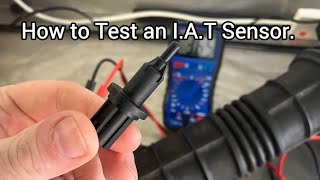
How to confirm: With a scan tool, check the IAT live data. If it reads a static -40°F or -40°C, the sensor has likely failed or the circuit is open. You can also test the sensor's internal resistance with a multimeter; an open circuit (infinite resistance) confirms failure.
Typical fix: Replace the entire Mass Airflow (MAF) sensor assembly.
Est. part cost: $70-$150 - Damaged Wiring or Connector 🟡 Medium Probability Wires in the engine bay are exposed to heat, vibration, and potential damage during other maintenance, which can cause them to break, corrode, or get pinched. The MAF sensor harness is relatively short and connects back to the main engine harness, so any work in the area (like a clutch or transmission job) can potentially damage it.
How to confirm: Visually inspect the wiring harness leading to the MAF sensor for any breaks, chafing, or corrosion, paying close attention to where the wires enter the connector. With the key on and sensor unplugged, use a multimeter to check for a 5-volt reference on one pin and a good ground on another at the connector. Lack of either points to a wiring issue upstream towards the ECM.
Typical fix: Repair the broken or corroded section of the wire or replace the pigtail connector.
Est. part cost: $10-$30 - Dirty MAF/IAT Sensor ⚪ Low Probability A dirty or over-oiled aftermarket air filter can allow debris or oil to coat the sensor elements, potentially causing incorrect readings. However, a dirty sensor more commonly causes performance issues or lean/rich codes rather than a P0113 circuit-high fault.
How to confirm: Visually inspect the sensor elements inside the MAF housing. If they are covered in dirt or oil, they need cleaning.
Typical fix: Carefully clean the sensor elements using a dedicated Mass Airflow Sensor cleaner spray. Do not touch the elements. Let it dry completely before reinstalling.
Est. part cost: $10-$15
Rare But Worth Checking
- Faulty Engine Control Module (ECM): This is very rare. Before suspecting the ECM, all other possibilities (sensor, wiring, connectors) must be exhaustively ruled out. An ECM failure will typically present with multiple, often unrelated, trouble codes. A forum user mentioned a case where multiple codes pointed to the MAF, but the ultimate culprit was a bad Body Control Module (BCM), illustrating that complex electrical issues can sometimes have surprising sources.
Diagnosis Steps
- Connect an OBD-II scanner and confirm P0113 is the primary code. Check for any other codes.
- View live data on the scanner. Look at the Intake Air Temperature (IAT) reading. If it is stuck at -40°F or -40°C, this confirms the fault condition.
- Turn the engine off. Locate the MAF sensor on the intake tube between the air filter housing and the throttle body.
- Inspect the MAF sensor's electrical connector and the nearby wiring for any visible damage, corrosion, or loose pins. Check for wires that may have been pinched or stretched during previous repairs.
- Disconnect the sensor. Turn the ignition to the 'ON' position (engine off).
- Using a multimeter, probe the terminals on the harness-side connector. You should find one pin with a 5-volt reference signal from the ECM and another with a good ground (near 0 volts). On many GM vehicles, the IAT signal wire is Tan and the ground is Tan/Black.
- If the 5V reference or ground is missing, the problem is in the wiring harness or the ECM. Trace the wiring back to check for breaks.
- If both voltage and ground are present, you can perform a jumper test. Connect a jumper wire between the signal and ground terminals on the harness connector. The IAT reading on the scan tool should drop to a very low temperature (high voltage reading should go to near zero). If it does, the wiring and ECM are confirmed to be good, and the MAF/IAT sensor assembly has failed internally.
- As an optional step, you can try cleaning the MAF sensor with dedicated cleaner before replacing it. Let it dry completely before reinstalling.
- If the problem persists after cleaning (or if you confirmed the sensor failed via testing), replace the MAF sensor assembly. Clear the codes and test drive to ensure the fix is complete.
Parts You'll Likely Need
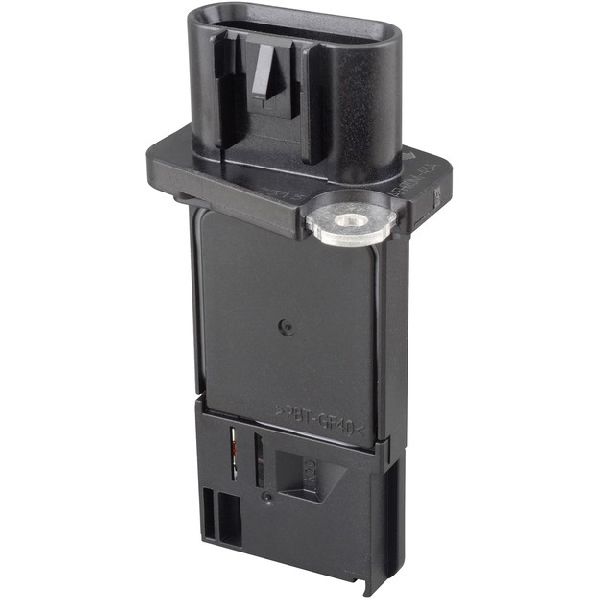
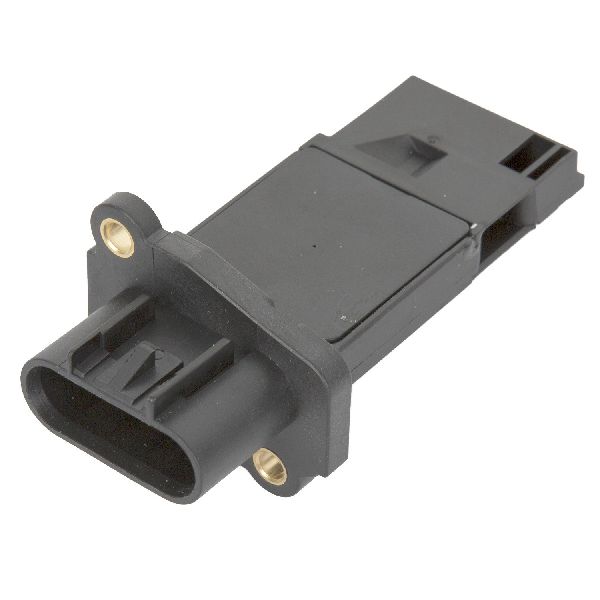
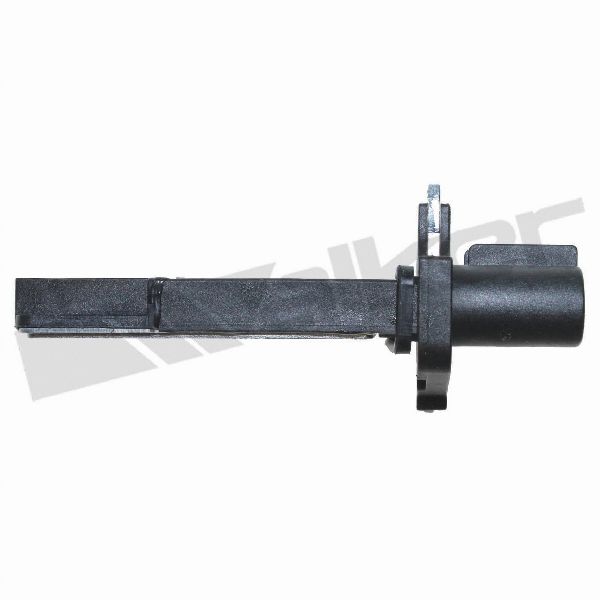
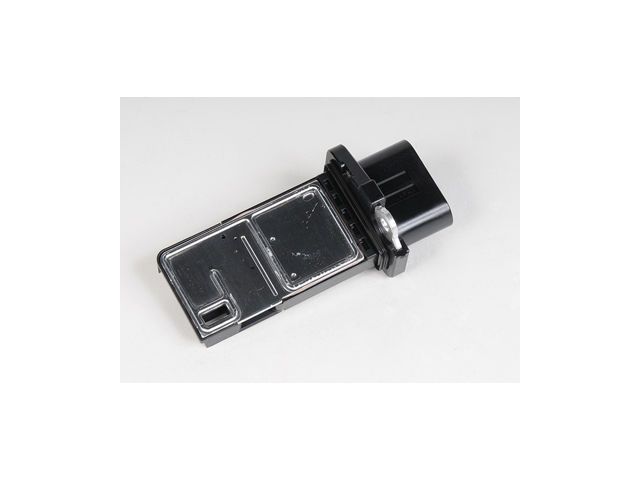
- Mass Airflow (MAF) Sensor with Integrated Intake Air Temperature (IAT) Sensor
(OEM #15865791)— This assembly contains the IAT sensor. On the 2.4L Cobalt, an internal failure of the IAT sensor is the most common cause of P0113, requiring the replacement of the entire unit. The GM part number 15865791 has been superseded by newer revisions but is often cross-referenced by the ACDelco part number 213-4222.
Trusted brands: ACDelco (GM Genuine), Delphi, Bosch, Denso
OEM price range: $100-$180
Aftermarket price range: $70-$150
Related Codes That Often Appear With This One
- P0102 — This code for MAF Circuit Low Input can appear with P0113 if there are general wiring or connection issues affecting the entire MAF sensor assembly, which contains the IAT sensor.
- P0300 — A random misfire code can be triggered because the incorrect IAT reading from P0113 causes the ECM to create an overly rich air-fuel mixture, which can foul spark plugs and lead to misfires.
Technical Service Bulletins (TSBs) & Recalls
- Bulletin #PI1009: While for a different GM model (Captiva), this TSB mentions providing diagnostic tips for P0113, indicating it's a known issue in the GM family.
Platform-Specific Known Issues
- Wiring damage during unrelated repairs: Forum users have reported the P0113 code appearing immediately after major work like a clutch replacement, suggesting the MAF sensor wiring harness was inadvertently damaged or pinched when the subframe or transmission was moved.
Mechanic-Grade Diagnostic Values
- IAT Sensor Resistance vs. Temperature — expected: Approx. 100,000 Ω at -40°F (-40°C), 7,500 Ω at 32°F (0°C), 2,500 Ω at 68°F (20°C), 450 Ω at 158°F (70°C).. Failure: Infinite resistance (OL) indicates an open circuit within the sensor. A reading that doesn't change with temperature indicates a failed thermistor.
- Voltage at MAF Connector (Key On, Engine Off, Sensor Unplugged) — expected: Pin E (Tan wire): ~5.0 volts (5V Reference from ECM). Pin D (Tan/Black wire): ~0 volts (Low Reference/Ground).. Failure: No voltage on Pin E indicates a problem with the ECM or the wire from the ECM. Voltage significantly higher than 0V on Pin D indicates a bad ground connection.
Wiring & Ground Locations
- MAF/IAT Connector (5-pin) — On the Mass Airflow sensor, located in the intake tube between the air filter box and the throttle body.. This is the primary connection point to test. P0113 is a circuit code, so testing here is the first step. For the LE5 engine, the relevant pins are: Pin E (Tan wire) is the IAT Sensor Signal, and Pin D (Tan/Black wire) is the Low Reference (ground) for the IAT sensor.
- G105 — On the transmission housing, near the front of the engine bay on the driver's side. It's a common grounding stud for multiple components.. The MAF/IAT sensor circuit grounds at G105. A loose or corroded connection at this stud is a known cause for an open in the ground circuit, which will set a P0113. A forum user confirmed fixing their MAF-related code by finding a broken ground wire leading to this point.
- ECM Connector C2 — At the Engine Control Module (ECM), which is located near the underhood fuse block.. The Tan IAT signal wire from the MAF sensor terminates at the ECM. This is the final point to check for continuity if a broken wire is suspected between the sensor and the ECM.
Real Owner Repair Stories
- Chevy Cobalt Forum user 'jcy110' (2009 Chevrolet Cobalt LT) — P0102 code (MAF Circuit Low), engine rough and shaking, reduced power, traction control light on. Live data showed 0.00 lb/min for MAF.
❌ Tried (didn't work) Initial diagnosis pointed to a faulty MAF sensor.
✅ What actually fixed it The user performed back-pin testing and found the ground wire (Black/White) for the MAF sensor had a poor connection. Running a temporary wire from the connector's ground pin to a chassis ground fixed the issue, confirming a broken ground wire. The root cause was a bad connection at the G105 ground point. - Cobalt SS Network user '07SSYellow' (Chevrolet Cobalt SS) — P0113 code (IAT Sensor High Voltage) appeared immediately after a clutch installation. Scan tool read -40 degrees.
❌ Tried (didn't work) Replacing the MAF sensor assembly did not fix the code.
✅ What actually fixed it The final fix was not posted by the original user, but the overwhelming consensus from other experienced users in the thread was that the wiring harness was pinched or crushed between the engine and transmission bell housing during the clutch job, causing an open circuit. This highlights the importance of checking wiring after major repairs in that area.
OEM Part Supersession History
12576410→15865791— Standard part revision and consolidation by GM.15865791 (GM Part)→213-4222 (ACDelco Part Number)— This is the corresponding ACDelco service part number for the GM Genuine part. They are functionally identical.
Heads up: Some GM Genuine Parts may have formerly appeared as ACDelco GM Original Equipment (OE). For this part, they are considered interchangeable.
Diagnostic Flowchart
Other Known Issues on This Vehicle
Issues unrelated to this code that are worth knowing about as an owner of this generation:
- Electric Power Steering (EPS) Failure 🔴 High — Very common across all model years, leading to a major recall. (Ref: NHTSA Recall #10V073000, GM Recall #10023. Affects 2005-2010 Cobalt. Dealers replace the EPS motor.)
- Ignition Switch Failure 🔴 High — Extremely widespread and dangerous, part of a massive GM recall campaign. The switch can move out of the 'Run' position, disabling the engine, power steering, and airbags. (Ref: NHTSA Recall #14V047000. Affects 2005-2010 Cobalt.)
- Fuel Leak from Fuel Pump Module 🔴 High — Common enough to trigger recalls, especially in warmer climates. The plastic supply/return port on the fuel pump module can crack. (Ref: NHTSA Recall #09V419000, GM Special Coverage #12191. Affects 2006-2009 models.)
- Timing Chain Tensioner Wear / Chain Rattle 🟠 Medium — A known issue on Ecotec engines, including the 2.4L LE5. A rattling noise on cold starts is the primary symptom. If ignored, it can lead to the chain skipping a tooth or breaking, causing severe engine damage.
- Shifter Cable / Key Stuck in Ignition 🟡 Low — A common annoyance where the shifter cable linkage fails, preventing the car from recognizing it's in Park, which in turn prevents the key from being removed. (Ref: Some vehicles were covered by a recall for the shifter cable.)
Used vs. New Parts: Buying Guide for This Vehicle
When a used part is the smart pick: A used MAF sensor from a junkyard is a reasonable choice for a quick, low-cost diagnostic swap to confirm if the sensor is the issue. If the code disappears with the used sensor, you've found the problem. However, due to the electronic nature and sensitivity of the part, installing a new part for the permanent repair is recommended for long-term reliability.
Donor-vehicle mileage cap: roughly under 80000 miles for the part to have meaningful remaining life.
What to inspect on the donor part:
- Check the donor vehicle's mileage; lower is always better.
- Inspect the sensor housing for any cracks or physical damage.
- Look inside the sensor bore; avoid any units with visible oil contamination, dirt, or damaged sensor wires/elements.
- Ensure the electrical connector pins are clean, straight, and free of corrosion.
Aftermarket brands forum-validated for this vehicle:
- ACDelco (GM Original Equipment)
- Delphi (A former GM parts division, often considered OEM-equivalent)
- Bosch
- Denso
Brands owners have reported issues with on this vehicle:
- Unbranded, 'white-box' sensors from online marketplaces. While cheap, they have a high failure rate and can cause performance issues that are difficult to diagnose.
Real Owner Stories
Aggregated from forums and TSBs cited above. Mileages and costs reflect what owners reported in those sources.
Chevrolet Cobalt SS 2.0L LNF
Symptoms: A P0113 code appeared immediately after a clutch installation. The owner replaced the MAF sensor, but the code persisted.
What fixed it: The issue was identified as wiring damage (crushed or shorted wire) caused during the transmission work rather than a sensor failure.
Source hint: Cobalt SS Network thread titled 'P0113 Code - Cobalt SS Network'
Chevrolet Cobalt SS
Symptoms: The car was down on power and the engine ran exactly the same whether the MAF sensor was connected or disconnected.
What fixed it: The discussion pointed toward checking the shared EXH fuse in the under-hood fuse box which powers the MAF, O2 sensors, and EVAP system.
Source hint: Cobalt SS Network thread titled 'MAF Sensor help! - Cobalt SS Network'
Related OBD-II Codes
Frequently Asked Questions
Does GM Bulletin #PI1009 apply to my Chevrolet Cobalt?
Can I just replace the IAT sensor on my 2.4L LE5 engine?
Is there a specific fuse I should check for MAF/IAT issues on the Cobalt?
Why did my P0113 code appear right after I had my clutch replaced?
Will cleaning the sensor fix a P0113 'Circuit High' fault?
Are there any major recalls for the 2005-2010 Cobalt I should be aware of while fixing this?
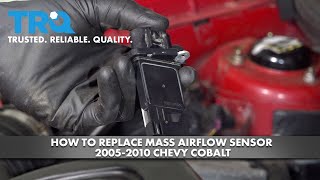
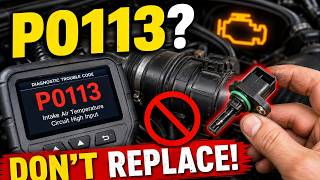
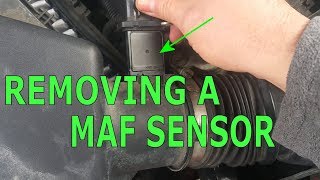
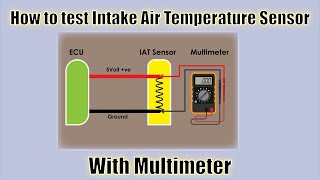
Helpful Videos
Used OEM Parts in Stock

New Aftermarket Parts Available


The information in this article is provided for general reference and educational purposes only. Vehicle specifications, procedures, and part compatibility can vary by production date, trim level, and region. Always consult your vehicle's factory service manual and verify part numbers before purchasing or performing repairs. Safety-critical components such as airbags, seat belts, and braking systems should be installed by a qualified professional.
- Chevrolet Cobalt:
- 🎬 Helpful Videos
- 🛍️ Shop This Part
- What's Unique About the 2005-2010 Chevrolet Cobalt
- Symptoms You May Notice
- Most Likely Causes
- Rare But Worth Checking
- Diagnosis Steps
- Parts You'll Likely Need
- Related Codes That Often Appear With This One
- Technical Service Bulletins (TSBs) & Recalls
- Platform-Specific Known Issues
- Mechanic-Grade Diagnostic Values
- Wiring & Ground Locations
- Real Owner Repair Stories
- OEM Part Supersession History
- Diagnostic Flowchart
- Other Known Issues on This Vehicle
- Used vs. New Parts: Buying Guide for This Vehicle
- Real Owner Stories
- Chevrolet Cobalt SS 2.0L LNF
- Chevrolet Cobalt SS
- Related OBD-II Codes
- Frequently Asked Questions
- 🎟️ Get 5% Off