

P0111 on 2013-2014 Volkswagen Beetle: IAT Sensor Causes and Fixes
On the 2013-2014 VW Beetle, code P0111 is most often caused by a faulty Intake Air Temperature (IAT) sensor. On turbo engines (1.8T, 2.0T, TDI), this function is integrated into one of two TMAP sensors. The code can be triggered by a faulty sensor, a known 'heat soak' issue on hot days (fixed with a hood insulator), or swapped sensor connectors after a repair. Cleaning or replacing the correct sensor is the typical fix. Expect to pay $40-$120 for a new sensor.
- P0111 on a 2013-2014 Beetle points to a problem with an Intake Air Temperature sensor's reading being illogical.
- For turbo engines (1.8T, 2.0T, TDI), check the two combined temperature/pressure sensors; one is likely faulty, dirty, or affected by engine heat.
- Use a scan tool's live data to determine which sensor is reading incorrectly before replacing parts.
- A common fix is cleaning the sensor in the intake manifold with MAF cleaner or replacing the faulty sensor.
- Check for a severely clogged air filter, as it's a simple and inexpensive potential contributor.
What's Unique About the 2013-2014 Volkswagen BEETLE

On the turbocharged 1.8T, 2.0T, and TDI engines in the Beetle, there isn't a simple, standalone IAT sensor. Instead, the function is integrated into two separate Manifold Absolute Pressure (MAP) sensors, also called TMAP sensors (Temperature/Manifold Absolute Pressure). One sensor, often designated -GX26-, is located on the charge pipe before the throttle body. The second, -GX9-, is on the intake manifold itself. The P0111 code is often triggered because the ECM sees a significant, illogical difference between these two sensor readings. A common cause is a 'heat soak' condition, detailed in VW TSB 01-20-05, where the sensor near the hood gets too hot after the engine is shut off, causing an implausible reading on the next startup. The non-turbo 2.5L engine, which was phased out during the 2014 model year, typically has a simpler, single IAT sensor located in the intake manifold.
Diagnostic Flowchart

Tap your situation to follow the diagnostic path that matches what you're seeing on this vehicle.
Symptoms You May Notice
- Check Engine Light is on
- Reduced fuel economy
- Engine hesitation or stumbling on acceleration
- Rough or unstable idle
- Difficulty starting the engine, especially when cold
- For turbocharged models, potential issues with boost pressure
- Start/Stop system may be disabled
- Replacing the wrong temperature sensor on turbocharged models. It's essential to use a scan tool to identify which of the two sensors (-GX26- pre-throttle or -GX9- on manifold) is providing the faulty reading before buying parts.
- Replacing a sensor for the 'heat soak' issue when the actual fix prescribed by VW's TSB is to install a hood insulation blanket.
- Assuming the sensor is bad when the connectors were simply swapped during a previous repair.
Most Likely Causes

- Faulty Intake Air Temperature (IAT) / MAP Sensor 🔴 High Probability On turbo engines (1.8T, 2.0T, TDI), there are two combined pressure/temperature sensors. One can fail or provide irrational readings compared to the other, triggering the code. Heat soak from the engine can also degrade the sensor over time, a known issue particularly for the sensor located on the charge pipe before the throttle body.
How to confirm: Use a scan tool to monitor live data from both IAT sensors (may be labeled IAT Sensor 1/2, Charge Air Temp/Intake Manifold Temp, or G42/G72). On a cold engine, they should read very close to each other and to the ambient/coolant temperature. If one is significantly different (e.g., reading 100°F while the other is 60°F), it is likely the faulty one. A stuck reading like -40°F also indicates failure. A VW-specific trigger is a difference greater than 45°F (25K) between IAT and ECT at startup.
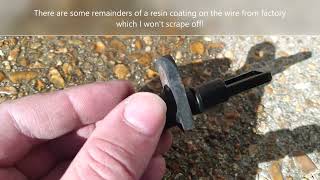
Typical fix: Replace the faulty sensor. 🎬 Watch: Two simple DIY methods to fix the P0111 code It's crucial to identify which of the two sensors is failing before replacing. On TDI models, a user fixed P0111 by replacing the MAP sensor.
Est. part cost: $40-$120 - Contaminated or Dirty Sensor 🟡 Medium Probability On TDI and direct-injection gasoline engines, oil vapor from the crankcase ventilation (CCV) system and soot from the EGR system can coat the sensor element in the intake manifold, insulating it and causing it to read temperature incorrectly.
How to confirm: Remove the sensor (usually the one in the intake manifold, -GX9-) and visually inspect it for a coating of oil, grime, or carbon buildup.
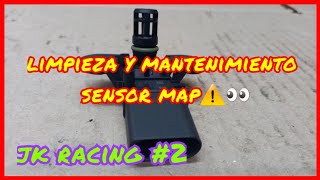
Typical fix: Clean the sensor carefully with MAF or electronics sensor cleaner and a soft brush or Q-tip. Do not use harsh chemicals like brake cleaner. 🎬 See how to properly clean and maintain your VW MAP sensor
Est. part cost: $5-$15 for cleaner - Wiring or Connector Issue ⚪ Low Probability Engine vibration and heat can cause wires to fray or connector pins to become loose or corroded over time, especially at the sensor connector.
How to confirm: Visually inspect the wiring harness and connector for each IAT/MAP sensor. Check for frayed wires, loose pins, or corrosion. Wiggle the connector while monitoring live data to see if the reading fluctuates. Use a multimeter to check for a 5V reference signal and a good ground at the connector.
Typical fix: Repair the damaged wiring or clean/replace the connector.
Est. part cost: $10-$50 - Severely Clogged Engine Air Filter ⚪ Low Probability Not specific to this vehicle, but a universal possibility.
How to confirm: Inspect the engine air filter. If it is visibly black and clogged with debris, it can restrict airflow and potentially alter temperature readings enough to contribute to the code.
Typical fix: Replace the engine air filter.
Est. part cost: $20-$50
Rare But Worth Checking
- Heat Soak Causing Implausible Readings (TSB Fix): A Volkswagen TSB (01-20-05 / 2061109) notes that P0111 can be set on hot days after the engine is shut off and restarted. The charge air temperature sensor (-GX26-) gets excessively hot from the hood, creating a large temperature difference compared to the intake manifold sensor (-GX9-). The official TSB fix is to install an under-hood sound/heat absorber blanket (P/N 5GM 863 831). 🎬 Watch this walkthrough on installing a hood insulation blanket
- Swapped Sensors or Connectors After Maintenance: On turbocharged VW engines, the two TMAP sensors look very similar but may have different part numbers and calibrations. If they or their electrical connectors are accidentally swapped during a repair, it will trigger a P0111 code. A VW TSB (V0120052061109_5) for a similar engine confirms this issue. Always verify the correct part number is in the correct location before and after service.
- Faulty Engine Control Module (ECM): This is extremely rare. The ECM should only be considered as the cause after all other possibilities, including sensors, wiring, and the specific TSBs, have been exhaustively checked and ruled out. In some cases, the issue may be resolved with a dealer-installed software update rather than a hardware replacement.
Diagnosis Steps

- Connect an OBD-II scanner and check for P0111 and any other stored codes. Note if P0101, P0106, P0112, or P0113 are also present.
- Use the scanner's live data feature to view the readings for IAT Sensor 1 and IAT Sensor 2. On VW-specific tools (VCDS, OBDeleven), these may be labeled G42 and G72, or by their location names like 'Charge Air Temperature' (-GX26-) and 'Intake Manifold Temperature' (-GX9-).
- With the engine cold (off for several hours), compare the two IAT readings to each other and to the Engine Coolant Temperature (ECT). They should all be within a few degrees of each other. A difference greater than 45°F (25K) is a specific VW trigger condition.
- If the code only appears on hot days after a short stop, suspect the 'heat soak' issue. Check if the under-hood insulation blanket is present. If not, installing one (P/N 5GM 863 831) is the recommended fix per TSB 01-20-05.
- Visually inspect both TMAP sensors, their connectors, and wiring for signs of damage, corrosion, or contamination (oil/gunk). Check that the connectors are fully seated and that they haven't been swapped.
- If the intake manifold sensor (-GX9-) appears dirty, try cleaning it carefully with MAF sensor cleaner.
- If readings are still illogical, test the suspect sensor's circuit. Check for a ~5V reference and a good ground (<0.1V) at the connector with the key on, engine off.
- If the circuit is good and the sensors are in the correct locations, the sensor identified in step 3 is the most likely culprit. Replace it.
- Inspect the engine air filter and replace if it is dirty.
- After repair, clear the codes and perform a test drive to ensure the issue is resolved.
Parts You'll Likely Need
- Intake Air Temp / Pressure Sensor (TMAP)
(OEM #Varies by location/engine (e.g., 03G906051E, 06B905379G, 04E906051C). Verify by VIN.)— This is the most common cause. On turbo engines, one of the two combined temperature/pressure sensors fails or provides an inaccurate reading. On the 2.5L, the single sensor can fail.
Trusted brands: Bosch, Genuine Volkswagen/Audi, Delphi
OEM price range: $70-$120
Aftermarket price range: $40-$80 - Hood Sound Absorber / Insulation Blanket
(OEM #5GM863831)— This is the official VW fix for the 'heat soak' issue that commonly causes P0111 on hot days, as detailed in TSB 01-20-05.
Trusted brands: Genuine Volkswagen/Audi
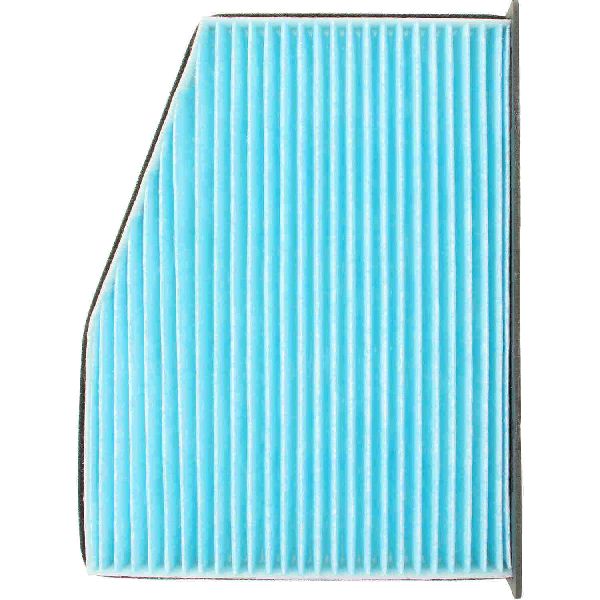
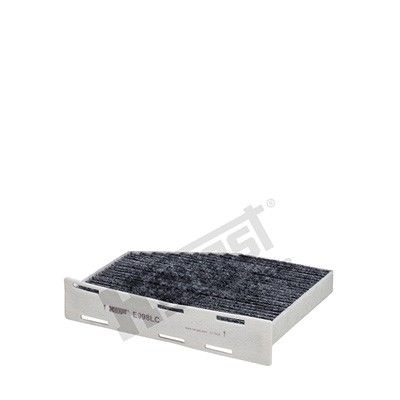
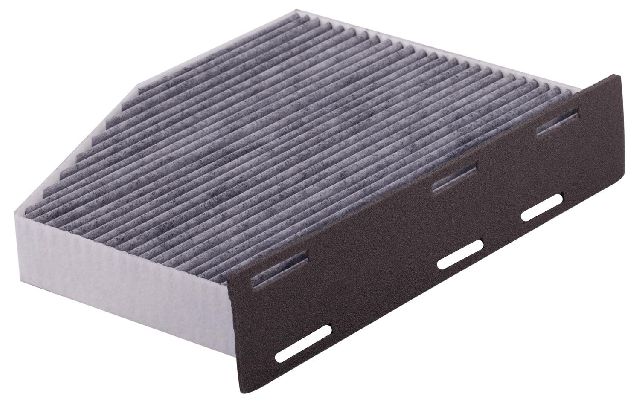
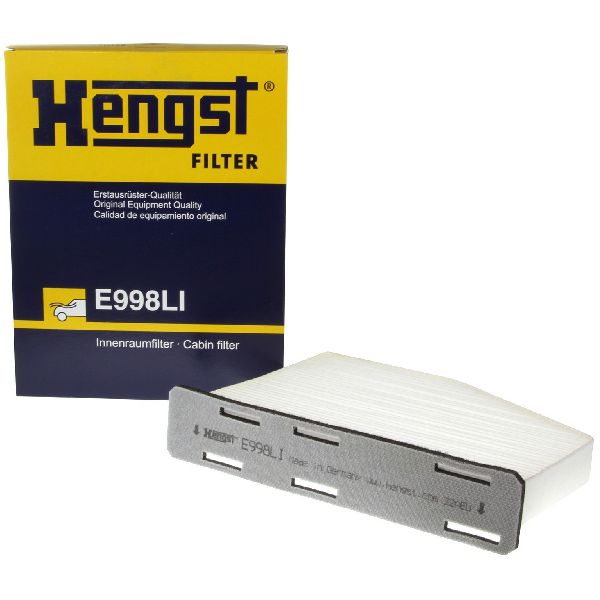
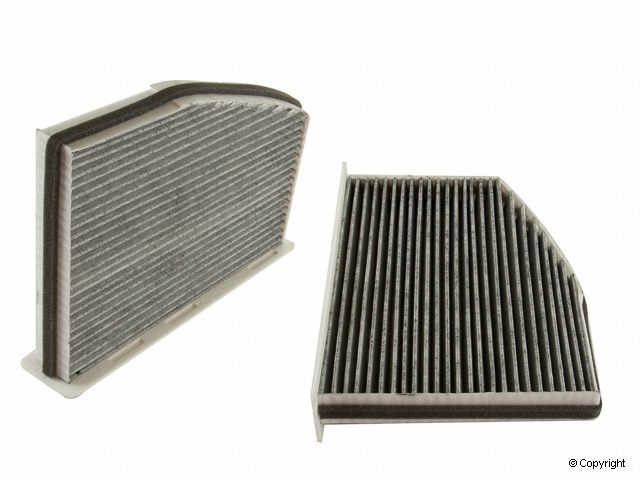
OEM price range: $50-$100 - Engine Air Filter — A severely clogged air filter can be a contributing factor
Related Codes That Often Appear With This One
- P026A — This code for 'Charge Air Cooler Efficiency Below Threshold' can appear with P0111, especially on TDI models, as both relate to the temperature of the air entering the engine. A problem with the IAT reading can affect the calculation for cooler efficiency. A forum user reported both codes appeared together and were resolved by replacing the MAP/IAT sensor.
Technical Service Bulletins (TSBs) & Recalls
- TSB 01-20-05 (also 2061109/5): Addresses MIL on with DTC P0111. Explains that the ECM compares the temperature between the Charge Air Pressure Sensor (-GX26-) and the Intake Manifold Sensor (-GX9-) at startup. On hot days, the -GX26- sensor near the hood gets 'heat-soaked' and reads too high, causing the code. The service solution is to check for swapped sensors and, if correct, install an engine hood insulation blanket (P/N 5GM 863 831).
Platform-Specific Known Issues
- Heat Soak on Turbo Models: The most prevalent vehicle-specific issue is the 'heat soak' condition on 1.8T and 2.0T engines, officially recognized by VW in TSB 01-20-05. The charge air temperature sensor, located before the throttle body, absorbs radiant heat from the hood on hot days, causing it to report a falsely high temperature on startup compared to the second sensor. The fix is often not a new sensor, but the installation of a hood insulation blanket (P/N 5GM 863 831).
- Swapped TMAP Sensor Connectors: Because the two TMAP sensors on turbo engines are often similar in appearance and located near each other, their electrical connectors can be accidentally swapped during maintenance. This will cause an immediate P0111 code due to the mismatched readings. Diagnosis should include verifying the correct sensor is plugged into the correct harness connector.
- Sensor Location Varies by Engine: It is critical to know which engine the Beetle has. The 2.5L uses a single, often standalone IAT sensor. The 1.8T, 2.0T, and TDI engines use a more complex dual-sensor system where the IAT is integrated into two separate TMAP sensors. Diagnostic and repair procedures are different for each setup.
Mechanic-Grade Diagnostic Values
- IAT Sensor Resistance (Thermistor) — expected: Resistance should be around 2,250-3,000 Ohms at 20°C (68°F) and decrease as temperature rises (e.g., 900-1,400 Ohms at 40°C/104°F).. Failure: An open circuit (infinite resistance), a short circuit (near-zero resistance), or a value that does not change when the sensor is heated or cooled.
- IAT/TMAP Sensor Connector Voltage (Key On, Engine Off) — expected: One pin should have a reference voltage of approximately 5V (sometimes measured as 4.6V) from the ECM. Another pin should be the ground, reading less than 0.1V.. Failure: No reference voltage or a voltage reading that is significantly lower than 5V may indicate a wiring issue or an ECM problem.
- Live Data Temperature Comparison (Cold Start) — expected: The Intake Air Temperature (IAT) and Engine Coolant Temperature (ECT) should be within a few degrees of each other after the vehicle has been off for several hours.. Failure: A difference greater than 25 Kelvin (45°F) between the IAT and ECT sensor readings will trigger the P0111 code on many VW models.
Scan Tool Commands That Help
- Advanced OBD-II Scanners (e.g., VCDS, OBDeleven, iCarsoft): IAT Calibration / Adaptation — After replacing an IAT or TMAP sensor, some tools may offer a function to recalibrate or adapt the new sensor to the ECM. This can help prevent the code from returning if the ECM does not automatically recognize the new sensor's baseline values.
Wiring & Ground Locations
- GND 1 (Main Body Ground) — In the engine compartment on the left side, located below the battery tray. This is the primary battery-to-body ground connection.. A poor main ground can cause erratic voltage and unpredictable behavior in multiple electronic systems, including sensor circuits, leading to performance codes like P0111.
- GND 15 (Engine Ground - 1.8L) — On top of the cylinder head, near the ignition coil (specific to the 1.8L engine).. The sensors are grounded through the engine harness, which relies on a solid engine-to-chassis ground. A corroded or loose engine ground strap can cause incorrect sensor readings.
- TMAP Sensor Connector — On the charge pipe before the throttle body and on the intake manifold itself (turbo engines).. The 4-pin connector for the TMAP sensor carries the 5V reference, ground, MAP signal, and the IAT signal. Damage to the connector or harness at these points is a direct cause of the fault.
Real Owner Repair Stories
- Reddit user on r/VWMK7, documented on Go-Parts.com (2019 Volkswagen Golf (similar dual-sensor TSI engine)) — Recurring P0111 Check Engine Light.
❌ Tried (didn't work) Replacing IAT sensor with an aftermarket part, Replacing IAT sensor again with an OEM VW part, Replacing the coolant temperature sensor, Installing the hood insulation pad per the TSB
✅ What actually fixed it A dealership-performed ECM software update. This suggests the original fault logic in the ECM was too sensitive and was corrected in a later software version. - Mechanic report on Go-Parts.com (Volkswagen Golf VII 1.4 TSI (similar dual-sensor setup)) — Intermittent Check Engine Light with code P011100 (Implausible Signal).
❌ Tried (didn't work) Replacing the sensor, Checking wiring for faults
✅ What actually fixed it The two TMAP sensors (pre-throttle body and intake manifold) looked identical and had been installed in the wrong locations during a previous repair. Swapping the sensors back to their correct positions immediately resolved the fault.
"I Checked Everything" — The Actual Cause
- In cases involving turbocharged VW engines with dual TMAP sensors, a technician may find no vacuum leaks and confirm sensor circuits are electrically sound, yet the P0111 code persists. The root cause has been documented as two physically similar TMAP sensors being installed in the wrong locations (pre-throttle vs. intake manifold). Because they are calibrated differently, the ECM sees an illogical temperature difference, but there is no leak or electrical fault to find.
- Another scenario where standard diagnostics fail is when the fault logic within the ECM software is too sensitive to heat soak conditions. Even after replacing sensors and installing the TSB hood insulator, the code may return. The actual fix in this case was not a physical part but a software update from a VW dealer to adjust the parameters for triggering the code.
When the Usual Fixes Don't Work
- While replacing the IAT/TMAP sensor or installing the TSB hood blanket are the most common fixes, there are documented cases where these steps do not resolve a persistent P0111 code. In one instance on a similar VW engine, an owner replaced both the IAT and coolant sensors and installed the insulation blanket, but the code continued to appear. The vehicle was taken to a dealership where an ECM software update was performed, which finally corrected the issue. This indicates that in some scenarios, the fault is not with the physical hardware but with the sensitivity of the diagnostic software in the engine computer, a problem that cannot be fixed with part replacement alone.
OEM Part Supersession History
03G906051E→03G906051M— Standard part revision and update by the manufacturer (Bosch/VW).
Heads up: Part number 03G906051E (and its revisions) is a common TMAP sensor for this platform. It has been superseded by part numbers like 03G906051M. It is critical to distinguish this 'small design' sensor from an older 'large design' sensor (e.g., 038906051) which will not fit or function correctly. Always verify the correct part number by VIN.
Model Year Variations Within This Range
- 2013-2014: During the 2014 model year, VW began phasing out the base 170hp 2.5L 5-cylinder engine and replaced it with a new 170hp 1.8T 4-cylinder engine. This is a critical difference for P0111, as the 2.5L uses a single IAT sensor, while the 1.8T (like the 2.0T and TDI) uses the dual TMAP sensor setup. A 2014 Beetle could have either engine, so visual identification or a VIN check is required for correct diagnosis.
- 2013: A running change occurred in mid-2013 for the 2.0T engine, moving from the Gen 2 to the Gen 3 EA888 engine, which increased horsepower from 200 to 210. While the dual TMAP sensor strategy remained, wiring or specific part numbers could differ between generations.
Helpful Videos
![How to Fix P0111 Engine Code in 3 Minutes [2 DIY Methods / Only $7.46]](https://img.youtube.com/vi/ACGyoMBT4K4/mqdefault.jpg)
We Have This Part in Stock


The information in this article is provided for general reference and educational purposes only. Vehicle specifications, procedures, and part compatibility can vary by production date, trim level, and region. Always consult your vehicle's factory service manual and verify part numbers before purchasing or performing repairs. Safety-critical components such as airbags, seat belts, and braking systems should be installed by a qualified professional.
- Volkswagen BEETLE:
- 🎬 Helpful Videos
- 🛍️ Shop This Part
- What's Unique About the 2013-2014 Volkswagen BEETLE
- Diagnostic Flowchart
- Symptoms You May Notice
- Most Likely Causes
- Rare But Worth Checking
- Diagnosis Steps
- Parts You'll Likely Need
- Related Codes That Often Appear With This One
- Technical Service Bulletins (TSBs) & Recalls
- Platform-Specific Known Issues
- Mechanic-Grade Diagnostic Values
- Scan Tool Commands That Help
- Wiring & Ground Locations
- Real Owner Repair Stories
- "I Checked Everything" — The Actual Cause
- When the Usual Fixes Don't Work
- OEM Part Supersession History
- Model Year Variations Within This Range
- 🎟️ Get 5% Off