

P0111 on 2011-2015 Chevrolet Volt: IAT Sensor Performance and Fixes
On a 2011-2015 Volt, code P0111 is almost always caused by outdated Engine Control Module (ECM) software, not a bad sensor. The fix is a software update from a GM dealer, as specified in Technical Service Bulletin #PIC5708E. This is especially common in hot weather.
- Do not immediately replace the IAT or MAF sensor. The problem is most likely the ECM software.
- Contact a GM dealership and reference TSB #PIC5708E. This is a known issue with a known fix, especially if the code appears in hot weather.
- The cost of the fix will likely be 1-1.5 hours of labor for the software update at a dealership.
- If the software update has already been done, then you can proceed with diagnosing the sensor and wiring as potential faults.
What's Unique About the 2011-2015 Chevrolet Volt
For the first-generation Chevrolet Volt, the P0111 code is a well-documented and common issue directly addressed by General Motors. Unlike many other vehicles where this code points to a faulty sensor or wiring, on the Volt it's typically a software logic problem. The original ECM software was overly sensitive, especially in hot weather (around 90°F / 32°C or higher), causing it to incorrectly flag the IAT sensor's performance and trigger a Check Engine Light. GM released a technical service bulletin (PIC5708E) acknowledging this and providing the fix: a simple software update. Technicians are specifically warned in the TSB not to replace the MAF/IAT sensor or ECM for this code until the software has been updated.
Symptoms You May Notice
- Check Engine Light is on
- Cooling fans and/or A/C compressor running loudly or more often than usual, even during charging.
- Slightly decreased fuel economy
- Possible rough idle or hesitation, though less common
- Replacing the Mass Airflow (MAF) / IAT sensor without first checking if the ECM software update has been performed. The TSB explicitly warns against replacing parts before updating the software. Some owners have reported dealers attempting to do this, so it is wise to present the TSB information upfront.
Most Likely Causes
- Outdated Engine Control Module (ECM) Software 🔴 High Probability The original factory software calibration was too sensitive and could misinterpret IAT sensor readings in certain conditions (like a hot start in warm ambient temperatures), as confirmed by GM TSB #PIC5708E.
How to confirm: A GM dealer or a shop with a Tech 2 or MDI scan tool can check the current software calibration version on the ECM and compare it against the latest version available in GM's TIS-2-Web service. This should be the first step.
Typical fix: Update (re-flash) the Engine Control Module with the latest software calibration. The labor for this is typically 1.0-1.5 hours.
Est. part cost: $0 - Faulty Intake Air Temperature (IAT) Sensor ⚪ Low Probability While less common than the software issue, sensors can still fail due to age or heat cycles. On the 1.4L LUV engine, the IAT sensor is integrated into the Mass Airflow (MAF) sensor assembly.
How to confirm: With a scan tool, monitor the IAT sensor data with the engine cold (off for several hours). The reading should be very close (within 5°F / 3°C) to the ambient air temperature and the Engine Coolant Temperature (ECT) sensor reading. If it reads an extreme value (e.g., -40°F or 250°F) or doesn't change as the engine warms up, the sensor is likely faulty.
Typical fix: Replace the Mass Airflow (MAF) sensor assembly, which contains the IAT sensor.
Est. part cost: $60-$150 - Wiring or Connector Issue ⚪ Low Probability
How to confirm: Visually inspect the wiring harness and connector going to the MAF/IAT sensor for any signs of damage, corrosion, or loose pins. Wiggle the connector while monitoring the IAT reading on a scan tool to see if the value jumps erratically.
Typical fix: Repair the damaged wire or clean/replace the connector.
Est. part cost: $5-$30
Diagnosis Steps
- Connect an OBD-II scanner and confirm P0111 is the only code present. If other codes exist, address them first.
- IMPORTANT: Your first step should be to contact a GM dealership or a qualified independent shop to determine if Technical Service Bulletin #PIC5708E applies and if the ECM software update has been performed. This is the most likely solution and should be done before any parts are replaced.
- If the software is already up-to-date, or if the update does not fix the issue, proceed with hardware diagnostics.
- Using a scan tool with live data capability, check the IAT sensor reading with the engine cold (off for several hours). It should be within a few degrees (approx. 5°F/3°C) of the ambient air temperature and the Engine Coolant Temperature (ECT) sensor reading.
- If the IAT reading is illogical (e.g., stuck at -40°F or a very high temperature), the sensor or its circuit is faulty.
- Unplug the sensor. The reading on the scan tool should change to a default extreme value (like -40°F). If it doesn't change, this points towards a wiring issue between the sensor and the ECM, not the sensor itself.
- Inspect the MAF/IAT sensor connector and wiring for any visible damage, corrosion, or loose connections. Check for 5V reference and ground at the connector with a multimeter.
- If the wiring appears intact and the sensor is determined to be the fault, the MAF/IAT sensor assembly is the component to replace.
Parts You'll Likely Need
- Engine Control Module Software Update — This is the official fix from GM (TSB #PIC5708E) and the most common cause of P0111 on this specific vehicle.
Trusted brands: GM Service (Dealer)
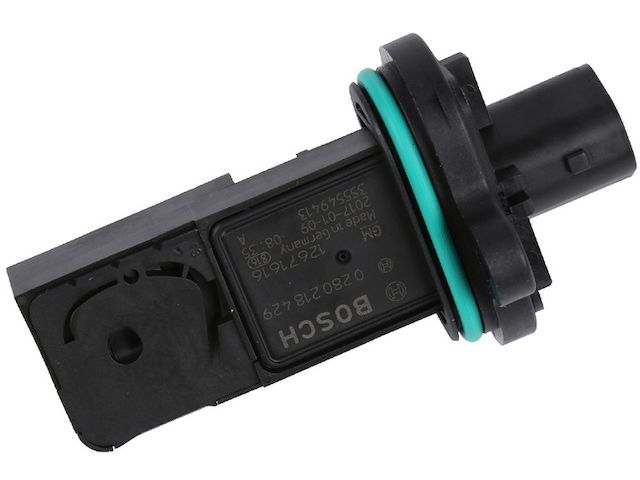
OEM price range: $120-$250 (Labor) - Mass Airflow (MAF) Sensor
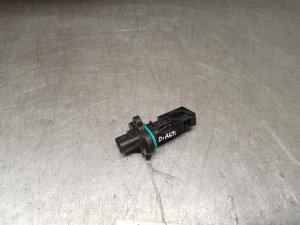
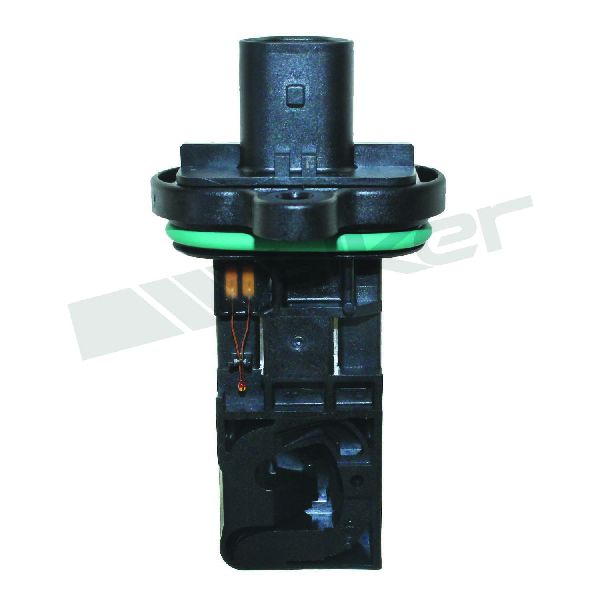
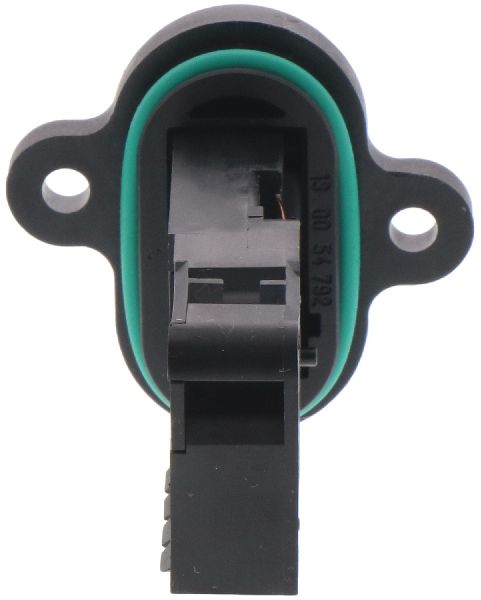
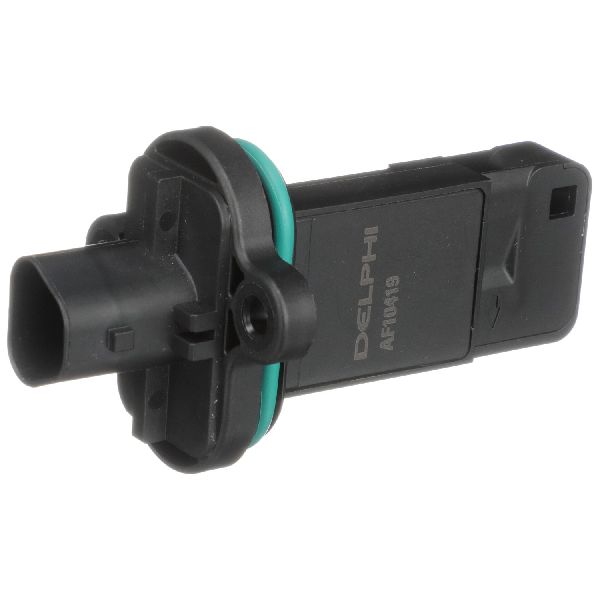
(OEM #213-4677)— If the software update does not resolve the issue, the next most likely cause is a failed sensor. The IAT is integrated into the MAF sensor on this engine.
Trusted brands: ACDelco (GM Original Equipment), Delphi, Denso
OEM price range: $100-$180
Aftermarket price range: $60-$120
Technical Service Bulletins (TSBs) & Recalls
- PIC5708E: States that a Check Engine Lamp on with DTC P0111 set requires an Engine Control Module (ECM) software update. It specifically advises against replacing the MAF/IAT sensor or ECM for this code. This addresses an overly sensitive software calibration, especially in hot weather.
Platform-Specific Known Issues
- A GM Technical Service Bulletin (TSB), #PIC5708E, was issued specifically for the 2011-2015 Volt (and other vehicles) with the 1.4L engine, instructing technicians to update the ECM calibration to resolve a false P0111 code before replacing any parts.
Mechanic-Grade Diagnostic Values
- IAT Sensor Resistance — expected: Approx. 3400 Ω at 70°F (21°C), 1800 Ω at 100°F (38°C), 450 Ω at 160°F (71°C).. Failure: Readings are infinite (open circuit), near zero (short circuit), or do not change with temperature.
- MAF/IAT Sensor Connector Voltage (Key On, Engine Off) — expected: 5V reference on one pin, Ground (0V) on another pin.. Failure: Reference voltage is missing or significantly lower than 5V, or ground circuit shows voltage.
- Mass Air Flow (MAF) Sensor Live Data (Scan Tool) — expected: At wide-open throttle (WOT), the reading in grams/second (g/s) should be roughly 40-50 times the engine displacement. For the 1.4L engine, this is 56-70 g/s.. Failure: Readings are significantly below the expected range at WOT, indicating a dirty or failing sensor.
Scan Tool Commands That Help
- GDS2 (Global Diagnostic System 2): Diagnostic Data Display — To simultaneously monitor the Intake Air Temp, Engine Coolant Temp, and Ambient Air Temp on a cold soak. This is the primary method to confirm the irrational sensor reading that triggers P0111 before suspecting a software issue.
- SPS (Service Programming System): ECU Programming/Update — This is the function used with GM's TIS-2-Web service to perform the software re-flash that is the ultimate fix for the P0111 code as per TSB PIC5708E.
Wiring & Ground Locations
- K20 Engine Control Module Connector X1 — On the Engine Control Module (ECM).. This is where the MAF/IAT sensor circuit terminates. Pin 3 is the signal, Pin 16 is the 5V reference, and Pin 13 is the low reference (ground). These are the pins to test for continuity or voltage issues originating from the ECM.
- G100 Ground Stud — On the engine block/frame, left side of the engine compartment.. TSB 18-NA-114 warns that the engine wiring harness can chafe against this ground stud, causing a variety of DTCs depending on which wire is damaged. While not specific to P0111, an intermittent short or open in the IAT circuit could be caused by this chafing.
- X112 Electrical Connector — Engine harness, located on the left side of the engine.. TSB 18-NA-114 also points to potential harness damage approximately 3 inches from this connector, which could impact the IAT sensor wiring that runs through it.
Model Year Variations Within This Range
- 2011-2015: The high-voltage battery capacity increased over the generation: 16.0 kWh for 2011-2012, 16.5 kWh for 2013-2014, and 17.1 kWh for 2015. This does not affect the P0111 diagnosis, which is related to the 1.4L gasoline engine's control system.
Diagnostic Flowchart
Other Known Issues on This Vehicle
Issues unrelated to this code that are worth knowing about as an owner of this generation:
- Stator Bearing Failure 🔴 High — A known issue on Gen 1 Volts. Failure can occur at various mileages, often signaled by a grinding or whining noise when the gas engine is running.
- Shift to Park Message 🟠 Medium — Common across many GM vehicles of this era. The car fails to detect it is in Park, preventing it from shutting off. Can lead to a dead 12V battery. (Ref: TSB #19-NA-206 (and subsequent revisions) provides a fix involving a new microswitch and/or jumper harness.)
- Battery Energy Control Module (BECM) Failure 🔴 High — More prevalent on Gen 2 Volts, but can affect Gen 1. Can cause a no-start, no-charge condition, or sudden loss of power. (Ref: TSB #18-NA-261 addresses BECM failures. GM also issued an extended warranty (N232432680) for some model years, extending coverage to 15 years/150,000 miles.)
- PCV System / Cam Cover Failure 🟠 Medium — The PCV valve/diaphragm is integrated into the camshaft cover and can fail, causing oil consumption, blue exhaust smoke, and codes like P0171. (Ref: TSB #PIP5197 (and its many revisions) details diagnostic procedures for PCV-related issues on the 1.4L LUV engine.)
- Battery Coolant Level Sensor Failure 🟡 Low — The sensor in the battery coolant reservoir can fail, giving a false "Service High Voltage Charging System" message even when the coolant level is correct. Requires reservoir replacement.
Used vs. New Parts: Buying Guide for This Vehicle
When a used part is the smart pick: A used MAF/IAT sensor from a reputable salvage yard is a reasonable choice ONLY after you have confirmed the ECM software has been updated per TSB PIC5708E and the code persists. Since the sensor is not the primary failure point, a used OEM part is often a better value than a new, cheap aftermarket part.
Donor-vehicle mileage cap: roughly under 80000 miles for the part to have meaningful remaining life.
What to inspect on the donor part:
- Inspect connector pins for any green or white corrosion.
- Ensure the plastic housing is free of cracks.
- Look through the sensor bore to ensure the sensing wires are intact and not covered in oil or debris.
- If possible, get a part from a vehicle that was not in a front-end collision.
OEM-only on this vehicle (don't cheap out):
- Engine Control Module (ECM) Software Update
Aftermarket brands forum-validated for this vehicle:
- ACDelco (Original Equipment)
- Delphi
- Denso
Brands owners have reported issues with on this vehicle:
- Unbranded, 'white-box' sensors from major online marketplaces are a gamble and may have poor calibration, potentially causing performance issues even if they clear the code.
Real Owner Stories
Aggregated from forums and TSBs cited above. Mileages and costs reflect what owners reported in those sources.
2013 Chevrolet Volt 1.4L PHEV
Symptoms: Check engine light with P0111 code occurring in hot Florida weather (around 32C/90F or higher). The owner noted the cooling fans were running very loudly.
What fixed it: Dealer performed an ECM software reflash per TSB PIC5708E to correct the software logic issue.
Source hint: Reddit r/volt - "Check engine light with P0111 code"
2013 Chevrolet Volt 1.4L PHEV
Symptoms: Check engine light appeared and was cleared twice in one week.
What fixed it: A dealer software reflash is identified as the correct fix for this known common issue.
Source hint: gm-volt.com forum thread cited in owner_reports
Related OBD-II Codes
Frequently Asked Questions
Does TSB #PIC5708E apply to my 2011-2015 Chevrolet Volt?
Why are my cooling fans running so loudly while the car is charging?
Should I replace the MAF sensor if I have a P0111 code on my Volt?
Where is the Intake Air Temperature (IAT) sensor located on the 1.4L LUV engine?
Can a faulty PCV system cause codes on my Volt's 1.4L engine?
Is there an extended warranty for battery components on the Gen 1 Volt?
Helpful Videos
![How to Fix P0111 Engine Code in 3 Minutes [2 DIY Methods / Only $7.46]](https://img.youtube.com/vi/ACGyoMBT4K4/mqdefault.jpg)
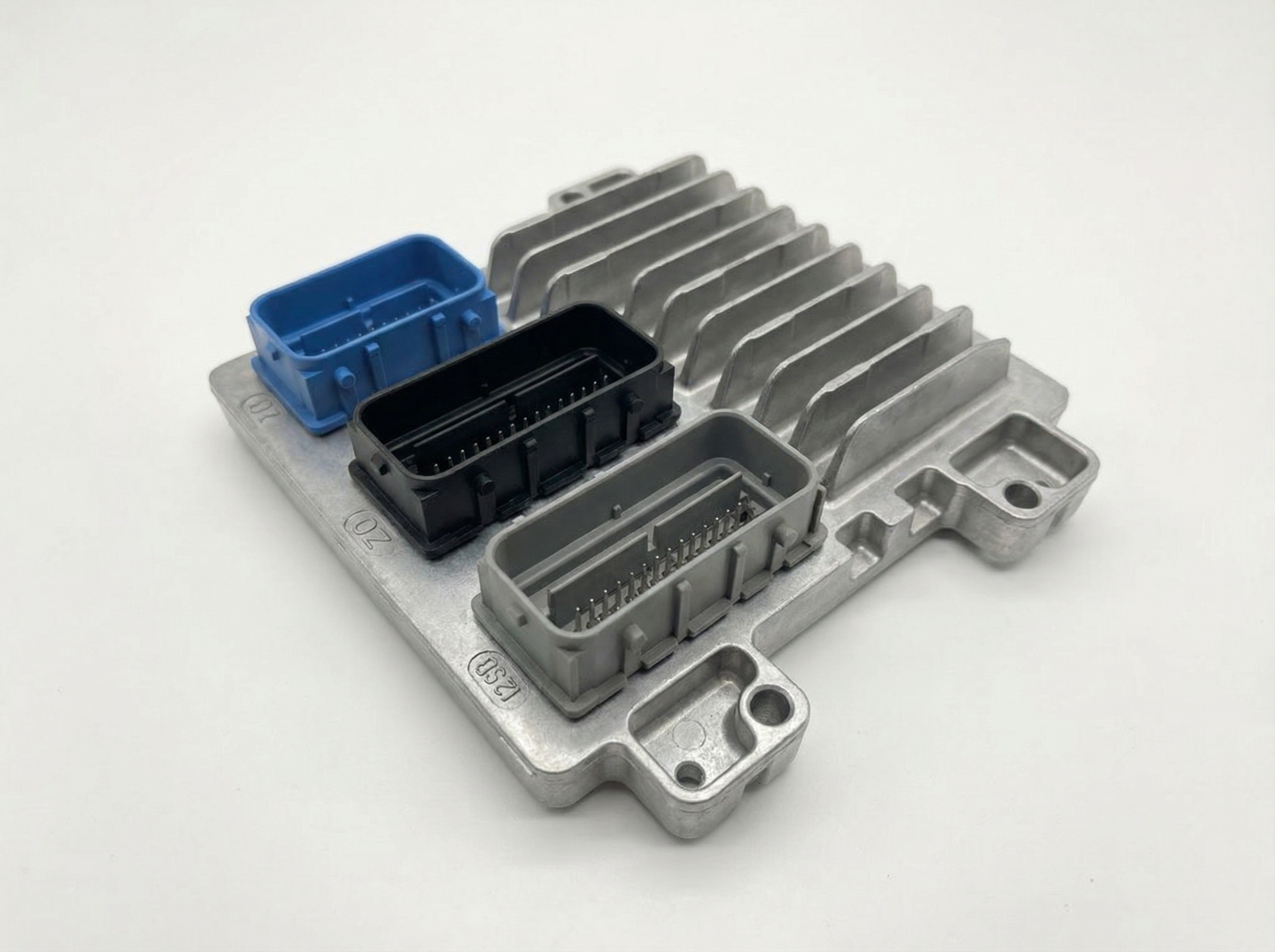
Used OEM Parts in Stock


New Aftermarket Parts Available


The information in this article is provided for general reference and educational purposes only. Vehicle specifications, procedures, and part compatibility can vary by production date, trim level, and region. Always consult your vehicle's factory service manual and verify part numbers before purchasing or performing repairs. Safety-critical components such as airbags, seat belts, and braking systems should be installed by a qualified professional.
- Chevrolet Volt:
- 🎬 Helpful Videos
- 🛍️ Shop This Part
- What's Unique About the 2011-2015 Chevrolet Volt
- Symptoms You May Notice
- Most Likely Causes
- Diagnosis Steps
- Parts You'll Likely Need
- Technical Service Bulletins (TSBs) & Recalls
- Platform-Specific Known Issues
- Mechanic-Grade Diagnostic Values
- Scan Tool Commands That Help
- Wiring & Ground Locations
- Model Year Variations Within This Range
- Diagnostic Flowchart
- Other Known Issues on This Vehicle
- Used vs. New Parts: Buying Guide for This Vehicle
- Real Owner Stories
- 2013 Chevrolet Volt 1.4L PHEV
- 2013 Chevrolet Volt 1.4L PHEV
- Related OBD-II Codes
- Frequently Asked Questions
- 🎟️ Get 5% Off