

P0111 on 2011-2013 Chevrolet Volt: IAT Performance, Loud Fans, and Required ECM Update (TSB PIC5708E)
On a 2011-2013 Chevrolet Volt, code P0111 is most often caused by a software glitch in the Engine Control Module (ECM), not a faulty part. This is especially common in hot weather (around 90°F/32°C) and often causes the radiator fans to run excessively loud. The official fix, per GM Technical Service Bulletin PIC5708E, is a one-time software update performed by a dealer. Do not replace the MAF/IAT sensor before verifying the software status.
- For a 2011-2013 Chevy Volt, P0111 is almost always a software problem, not a bad part.
- Before buying any parts, contact a Chevy dealer with your VIN to check if TSB #PIC5708E has been performed.
- The fix is an ECM software update that must be done by a professional with GM-specific tools.
- Do not replace the MAF/IAT sensor (ACDelco 12671616) unless the software update has already been done and the sensor has been tested and confirmed faulty.
- A primary symptom, besides the check engine light, is excessively loud cooling fans in hot weather.
What's Unique About the 2011-2013 Chevrolet VOLT
Unlike most vehicles where P0111 points to a faulty sensor or wiring, the 2011-2013 Volt has a well-documented software issue. General Motors issued Technical Service Bulletin (TSB) PIC5708 and its subsequent revisions (C, D, E), explicitly stating that the ECM software was too sensitive and could set a false P0111 code. The bulletin specifically advises technicians *not* to replace the sensor or ECM, but to perform a software update instead. This is a known pattern of failure discussed extensively by owners.
Diagnostic Flowchart
Tap your situation to follow the diagnostic path that matches what you're seeing on this vehicle.
Symptoms You May Notice
- Check Engine Light is on
- Cooling fans running excessively loud or hard, especially in hot weather or during charging.
- Reduced A/C performance in some cases.
- Reduced fuel economy in some cases.
- Replacing the Intake Air Temperature (IAT) or Mass Airflow (MAF) sensor without first checking if the required ECM software update (TSB PIC5708E) has been performed. Many owners have had dealers attempt to replace sensors when the true fix was the software update, requiring the owner to show the service advisor the TSB document.
Most Likely Causes
- Outdated Engine Control Module (ECM) Software 🔴 High Probability The original factory software calibration was too sensitive and incorrectly flagged the IAT sensor's normal operation as a fault, particularly in ambient temperatures around 90°F (32°C) or higher. The ECM logic was not programmed to handle the high temperature readings correctly.
How to confirm: Contact a Chevrolet dealership with your vehicle's VIN and ask if TSB #PIC5708E (or its later revisions like PIC5708D/E) is open for your vehicle. If they are unsure, providing them the TSB document number can help.
Typical fix: A technician will update the ECM with the latest calibration using GM's Tis-2-Web service. The TSB explicitly states not to replace parts for this issue. Out of warranty, this service typically costs between $120 and $250.
Est. part cost: $0 - Faulty Intake Air Temperature (IAT) Sensor ⚪ Low Probability While less common on this model due to the software issue, the sensor can still fail like on any other vehicle. The IAT sensor is integrated into the Mass Airflow (MAF) sensor assembly on the Volt's 1.4L LUU engine.
How to confirm: With the engine cold (after sitting overnight), use a scan tool to compare the IAT reading to the ambient air temperature and engine coolant temp. They should be within a few degrees of each other. If the IAT reading is significantly different (e.g., reading -40°F on a warm day), the sensor is likely faulty. This should only be performed *after* confirming the TSB software update has been completed.
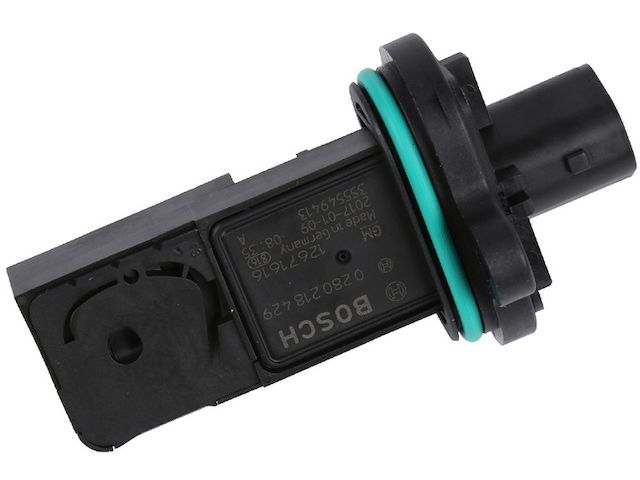
Typical fix: Replace the entire Mass Airflow (MAF) sensor assembly, which contains the IAT sensor. The OEM part is ACDelco 12671616.
Est. part cost: $80-$150
Rare But Worth Checking
- Damaged Wiring or Connector: A visual inspection of the MAF/IAT sensor connector and its wiring harness for corrosion, loose pins, or physical damage is always a good step if the software has been updated and the sensor itself tests good. The TSB itself mentions to verify the connector is fully seated.
Diagnosis Steps
- Read the code with an OBD-II scanner to confirm P0111 is present.
- CRITICAL FIRST STEP: Contact a Chevrolet dealership with your VIN. Inquire about Technical Service Bulletin #PIC5708E and ask if the ECM software update has been performed on your vehicle. This is the most important step.
- If the TSB is open or its status is unknown, schedule an appointment to have the ECM reprogrammed. This is the most likely fix.
- If the TSB has already been completed, proceed with physical diagnosis.
- With the engine cold after sitting for several hours, use a scan tool to view live data. Compare the Intake Air Temperature (IAT) reading with the Engine Coolant Temperature (ECT) and Ambient Air Temperature readings. All three should be within 2-3 degrees of each other.
- If the IAT reading is skewed significantly (e.g., stuck at -40°F or 257°F), inspect the MAF/IAT sensor connector for corrosion, damage, or loose pins.
- If the wiring is intact and the reading is still incorrect, the MAF/IAT sensor assembly (ACDelco 12671616) is the likely culprit and should be replaced.
Parts You'll Likely Need
- Mass Airflow (MAF) Sensor
(OEM #ACDelco 12671616)— This part is only needed if the primary software fix (TSB PIC5708E) has already been performed and the sensor is confirmed to be faulty. The IAT sensor is integrated into this assembly.
Trusted brands: ACDelco (OEM), Delphi, Bosch
OEM price range: $100-$160
Aftermarket price range: $60-$110
Technical Service Bulletins (TSBs) & Recalls
- PIC5708E: The final version of the bulletin, dated Jan 8, 2013. States that for a Check Engine Lamp with DTC P0111, the Engine Control Module needs to be updated with the latest calibrations. It specifically advises against replacing the sensor or ECM.
- PIC5708D (Dec 2012): An earlier revision that also advised against parts replacement and told dealers to wait for a software solution.
- PIC5708C (Sep 2012): An even earlier version that instructed dealers to check the MAF connector and clear the code, noting that engineering was working on a permanent fix.
Platform-Specific Known Issues
- A known software issue covered by TSB #PIC5708E causes the ECM to falsely trigger code P0111, especially in hot weather. The bulletin explicitly warns technicians not to replace the MAF/IAT sensor or ECM for this condition, but to update the software.
- Owners frequently report that dealership service advisors are unaware of this TSB and will recommend an unnecessary and expensive sensor replacement. Owners often have to print out the TSB and bring it to the dealer.
Mechanic-Grade Diagnostic Values
- IAT Sensor Resistance (testing the sensor itself) — expected: Resistance should correlate to ambient temperature. Example values for a typical GM sensor are: 7,500 Ohms at 40°F (4.4°C), 3,400 Ohms at 70°F (21°C), 1,800 Ohms at 100°F (38°C).. Failure: An extremely high resistance (over 100,000 Ohms) indicates an open circuit, while a very low resistance at cold temperatures indicates a short. A reading that doesn't change when temperature changes also indicates a fault.
- IAT Sensor Signal Wire Voltage (at the connector, key on, engine off) — expected: Approximately 5.0V reference from the ECM with the sensor unplugged. When plugged in, the voltage will drop based on temperature (e.g., 1.5V to 3.5V).. Failure: 0V may indicate a wiring short to ground or an issue within the ECM. Voltage that doesn't change when the sensor is heated (with a hairdryer, for example) points to a faulty sensor or wiring issue.
Scan Tool Commands That Help
- GM SPS (Service Programming System): Replace and Program ECU — This is the specific function required to perform the TSB fix. It loads the updated calibration file into the Engine Control Module (ECM) to correct the sensitive logic that causes the false P0111 code. This is accessible via an ACDelco TDS subscription.
- GM GDS2 (Global Diagnostic System 2): Module Diagnostics / Data Display — Used to view live data from the IAT, ECT, and Ambient Temp sensors simultaneously to check for irrational readings, as described in the diagnostic steps. It is also used to clear DTCs after a repair.
Wiring & Ground Locations
- Engine Ground Strap — Located above the air conditioning compressor on the engine block.. A poor engine ground can cause floating or incorrect reference voltages for various sensors, including the IAT/MAF sensor, leading to erroneous readings and codes like P0111.
Real Owner Repair Stories
- Reddit r/volt user lgeeko (2013 Chevrolet Volt) — Check Engine Light with P0111, occurring in hot Florida weather. Cooling fans running excessively loud.
❌ Tried (didn't work) The dealership initially recommended replacing the sensors.
✅ What actually fixed it The owner showed the service advisor the GM TSB (PIC5708 series), and the dealership then performed the ECM software reprogram, which resolved the issue. - VXdiagshop.com blog post (Chevrolet Volt (year not specified, but applies to this generation)) — Needed to program a replacement ECM.
✅ What actually fixed it The user successfully programmed the ECM using a VXDiag VCX Nano (a J2534 passthru device) and a $40 24-month ACDelco TIS2Web subscription for the Service Programming System (SPS). This demonstrates the exact tools and cost for an advanced DIYer to perform the software update required by the P0111 TSB.
OEM Part Supersession History
ACDelco 12671616→N/A— No supersession information found. This part number appears to be current for the 2011-2015 Volt.
Model Year Variations Within This Range
- 2011-2013: An early version of the TSB (PIC5708D) provided different instructions based on model year and an RPO code. It instructed dealers to immediately update 2011-2012 models without RPO YK8, but for 2012-2013 models with RPO YK8, it stated that the updated calibration was not yet available and would be released in Q1 2013. This indicates a slight variation in the software rollout, though the final fix (an ECM update) was the same for all affected vehicles.
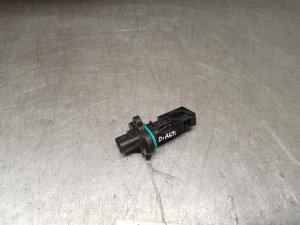
Used OEM Parts in Stock
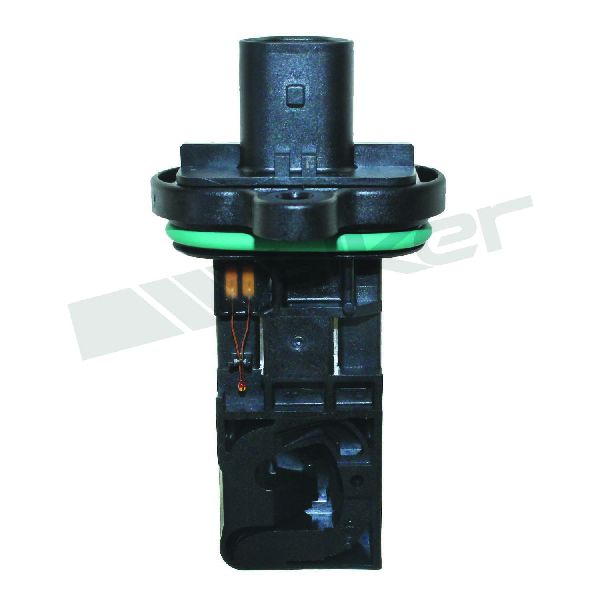
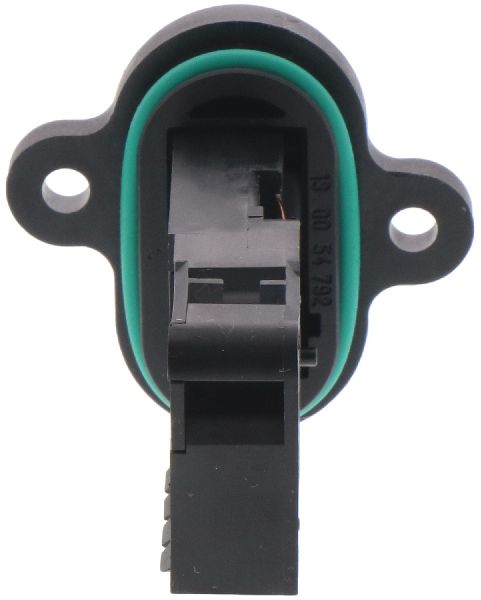
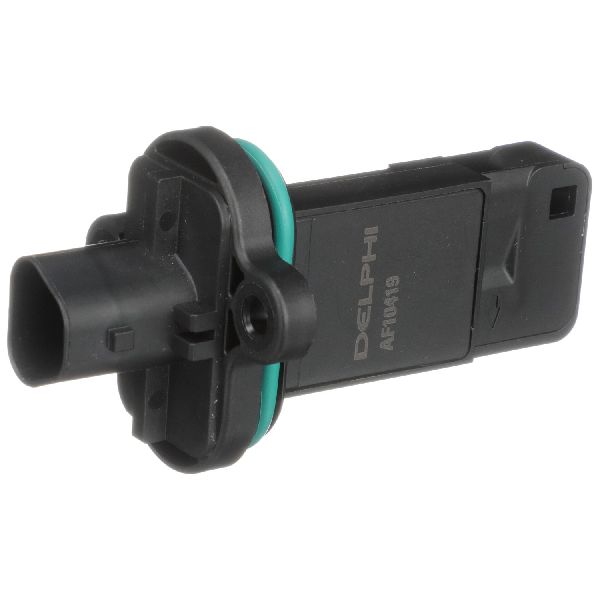
New Aftermarket Parts Available


The information in this article is provided for general reference and educational purposes only. Vehicle specifications, procedures, and part compatibility can vary by production date, trim level, and region. Always consult your vehicle's factory service manual and verify part numbers before purchasing or performing repairs. Safety-critical components such as airbags, seat belts, and braking systems should be installed by a qualified professional.
- Chevrolet VOLT:
- 🛍️ Shop This Part
- What's Unique About the 2011-2013 Chevrolet VOLT
- Diagnostic Flowchart
- Symptoms You May Notice
- Most Likely Causes
- Rare But Worth Checking
- Diagnosis Steps
- Parts You'll Likely Need
- Technical Service Bulletins (TSBs) & Recalls
- Platform-Specific Known Issues
- Mechanic-Grade Diagnostic Values
- Scan Tool Commands That Help
- Wiring & Ground Locations
- Real Owner Repair Stories
- OEM Part Supersession History
- Model Year Variations Within This Range
- 🎟️ Get 5% Off