

P0108 on 2011-2012 Chrysler 300C 5.7L HEMI: Causes and Fixes for MAP Sensor Circuit High
On a 2011-2012 Chrysler 300C with the 5.7L HEMI engine, code P0108 is most often caused by a failed Manifold Absolute Pressure (MAP) sensor. This causes the sensor to send a constant high voltage signal (above 4.5V) to the computer, resulting in a rich fuel mixture, rough idle, and poor performance. Replacing the sensor is the most common fix. Expect to pay $35-$60 for an aftermarket part or $70-$100 for an OEM Mopar sensor.
- P0108 on a 2011-2012 300C 5.7L HEMI almost always points to a problem with the MAP sensor or its circuit.
- The most likely fix is replacing the MAP sensor itself. It's an affordable part (Mopar P/N 68199324AB) and a very easy DIY job.
- When removing the old sensor, remember to twist it about 90 degrees counter-clockwise before pulling it out to avoid breaking it in the intake manifold.
- A Chrysler TSB for this code exists but was for the 3.6L V6 engine; a software update is not the expected fix for the 5.7L V8.
- Always check the wiring and connector for damage and test for 5V reference and ground before buying a new sensor to avoid misdiagnosis.
What's Unique About the 2011-2012 Chrysler 300C
While this code is common across many vehicles, the 2011-2012 Chrysler 300 platform has a specific nuance. Chrysler issued a Technical Service Bulletin (TSB #18-031-12 REV. A) to fix a P0108 code with a PCM software update. However, this TSB was specifically for models equipped with the 3.6L V6 engine. For the 300C with its 5.7L HEMI V8, the cause is overwhelmingly a traditional hardware failure, such as the MAP sensor itself or its wiring, rather than a software glitch. Forum discussions among 5.7L owners confirm that part replacement, not a PCM flash, is the standard solution.
Diagnostic Flowchart
Tap your situation to follow the diagnostic path that matches what you're seeing on this vehicle.
Symptoms You May Notice
- Check Engine Light is on
- Rough or unstable idle
- Poor acceleration and engine hesitation
- Increased fuel consumption
- Engine stalling, especially when coming to a stop
- Black smoke from the exhaust due to a rich fuel condition
- In some platform mates, the Electronic Throttle Control (ETC) or 'lightning bolt' light may also illuminate.
- Replacing the MAP sensor when the actual problem is a wiring short. It's crucial to test the circuit before replacing parts.
- Assuming a vacuum leak is the cause. While vacuum leaks cause many engine problems, they typically trigger a P0106 (Range/Performance) or lean condition codes, not a P0108 (Circuit High) code.
- Confusing the MAP sensor with the Mass Air Flow (MAF) sensor. The 5.7L HEMI in this vehicle does not use a MAF sensor. 🎬 See this overview of the P0108 code for Chrysler vehicles
Most Likely Causes
- Faulty MAP Sensor 🔴 High Probability The MAP sensor is a very common failure point on the 5.7L HEMI platform. Over time, the internal electronics fail or the sensing element becomes contaminated, causing it to send a constant high voltage signal regardless of actual manifold pressure.
How to confirm: With the key on and engine off, use a scan tool to check the MAP sensor voltage. It should be close to 5 volts. When the engine is started, the voltage should drop to 1-2 volts at idle. If the voltage remains high (stuck near 4.5V or higher) even with the engine running, the sensor has likely failed internally.
Typical fix: Replace the MAP sensor. It is located on the front of the intake manifold, just behind the throttle body. It is secured by a twist-lock mechanism, not bolts. Disconnect the electrical connector, twist the sensor about 90 degrees counter-clockwise, and pull it straight out.
Est. part cost: $35-$100 - Wiring or Connector Issue 🟡 Medium Probability The engine cover and tight packaging can sometimes lead to chafed or brittle wires over time. The connector's locking tab can also become brittle and break, leading to a poor connection. Corrosion inside the connector can also bridge the 5V reference and signal pins, causing a constant high reading.
How to confirm: Visually inspect the MAP sensor's wiring harness and connector for damage, corrosion, or looseness. Check for a short between the signal wire and the 5-volt reference wire. With the sensor unplugged and key on, use a multimeter to confirm you have ~5 volts 🎬 Watch: How to test and replace a faulty MAP sensor at the reference wire and a good ground on the ground wire.
Typical fix: Repair the damaged section of wiring or replace the connector pigtail if the lock is broken or terminals are corroded. A replacement 3-pin connector pigtail is available from Holley (part #570-240) and other brands.
Est. part cost: $10-$30 - PCM Software Glitch ⚪ Low Probability A TSB was issued for this exact problem, but it was specified for the 3.6L V6 engine, not the 5.7L V8. It's an unlikely cause for the 300C HEMI, but not impossible if other codes are present.
How to confirm: A Chrysler dealership or a qualified shop with a wiTECH scan tool can check if the PCM has the latest software version. This should only be considered after ruling out the sensor and wiring.
Typical fix: Reprogram the Powertrain Control Module (PCM) with updated software.
Est. part cost: $0-$200
Rare But Worth Checking
- Clogged Catalytic Converter: A severely restricted exhaust can cause an actual increase in manifold pressure, pushing the MAP sensor's reading to its upper limit. This would usually be accompanied by a severe loss of power, especially at higher RPMs, and potentially other exhaust-related codes.
- Faulty Powertrain Control Module (PCM): In rare cases, the PCM itself can have an internal fault in the sensor's input circuit. This is a last resort and should only be considered after all other possibilities, including wiring, have been exhaustively tested and ruled out.
Diagnosis Steps
- Read the code with an OBD-II scanner. Confirm P0108 is the primary code and check for any others.
- Use the scanner's live data function to observe the MAP sensor voltage with the Key On, Engine Off (KOEO). A reading stuck near 5 volts points to a circuit high issue.
- Start the engine and observe the live data. The MAP voltage should drop to between 1.0V and 2.0V at idle. If it remains high, the sensor or its circuit is faulty.
- Visually inspect the MAP sensor connector and wiring harness for any signs of damage, corrosion, or loose connections. Ensure the connector is fully seated and the locking tab is engaged.
- Disconnect the MAP sensor. Using a multimeter, check the connector for a 5-volt reference signal and a good ground. If power and ground are good, the issue is almost certainly the sensor itself.
- If power or ground is missing, trace the wiring back to the PCM to find the open or short in the circuit. Key ground points for the engine bay include G101 and G102.
- Before replacing, confirm the correct part number. The Mopar part is 68199324AB, which supersedes older numbers.
- Replace the MAP sensor if it is determined to be faulty. The sensor on the 5.7L HEMI is removed with a quarter-turn twist, not by pulling straight out or removing bolts. 🎬 Watch: How to replace the MAP sensor on a Chrysler 300
- After replacement, clear the codes with the scanner and perform a test drive to ensure the check engine light does not return.
Parts You'll Likely Need
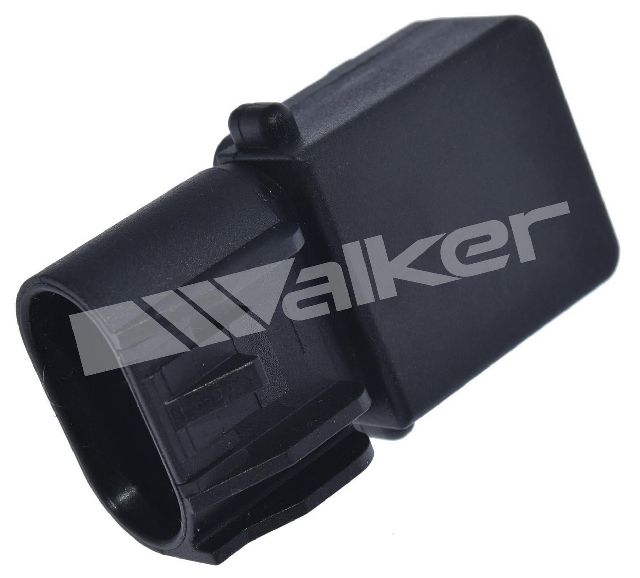
- Manifold Absolute Pressure (MAP) Sensor
(OEM #68199324AB)— This is the most common component to fail and directly cause a P0108 code. It is an affordable part and a very straightforward replacement that requires no special tools.
Trusted brands: Mopar (OEM), Bosch, Delphi, Standard Motor Products (SMP), NGK/NTK
OEM price range: $70-$92
Aftermarket price range: $35-$60
Technical Service Bulletins (TSBs) & Recalls
- 18-031-12 REV. A: Flash: MIL Illumination P0108 - Manifold Absolute Pressure Sensor Circuit High. (Applies only to 3.6L V6 models).
Platform-Specific Known Issues
- A Technical Service Bulletin (TSB #18-031-12 REV. A) was issued by Chrysler for the P0108 code on 2011-2012 models, recommending a PCM software update. However, the bulletin explicitly states it applies to vehicles with the 3.6L V6 engine, not the 5.7L HEMI V8 found in the 300C.
- The MAP sensor on the 5.7L HEMI is a twist-lock style. Attempting to pry it out or unbolt it will damage the sensor or the intake manifold. It must be rotated ~90 degrees to release the locking tabs.
Mechanic-Grade Diagnostic Values
- MAP Sensor Signal Voltage (Key On, Engine Off) — expected: ~4.5V to 5.0V. Failure: A reading significantly lower than this with the key on and engine off may indicate a different fault (like P0107), but for P0108, this high reading is expected before startup.
- MAP Sensor Signal Voltage (Engine at Idle) — expected: 1.0V to 2.0V. Failure: If the voltage remains high (above 4.5V) after starting the engine, it confirms a 'Circuit High' fault condition.
- MAP Sensor 5V Reference Wire (at connector, unplugged) — expected: ~5.0V. Failure: If voltage is missing, the problem is in the wiring or the PCM, not the sensor itself.
- MAP Sensor Ground Wire Continuity (at connector, unplugged) — expected: Less than 0.5 Ohms to chassis ground.. Failure: A high resistance or open loop reading indicates a bad ground wire, which can cause incorrect sensor readings.
Wiring & Ground Locations
- MAP Sensor Connector — On the front of the intake manifold, behind the throttle body.. This 3-pin connector provides power, ground, and the signal path for the sensor. Corrosion, damage, or a broken locking tab can directly cause a P0108 code.
- G101 — Located on the right front of the engine compartment.. This is a primary engine compartment ground point. A loose or corroded connection here could potentially affect sensor ground circuits.
- G102 — Located on the right rear of the engine compartment.. This is another key ground point in the engine bay that provides a ground path for various engine components and sensors.
- Powertrain Control Module (PCM) — Located at the right rear of the engine compartment.. This is the source of the 5V reference and the destination for the MAP sensor signal. All wiring for the sensor terminates here.
OEM Part Supersession History
5033310AC, 5149091AA, 68199324AA→68199324AB— Standard part evolution for improved reliability or manufacturing changes.
Helpful Videos
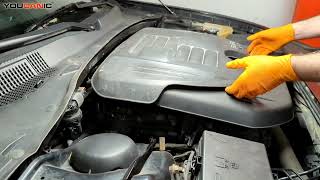
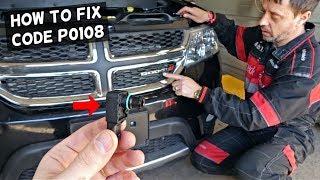

We Have This Part in Stock

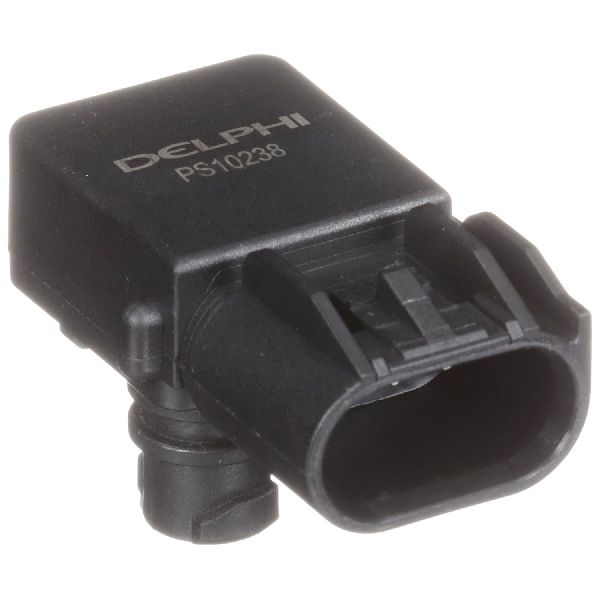
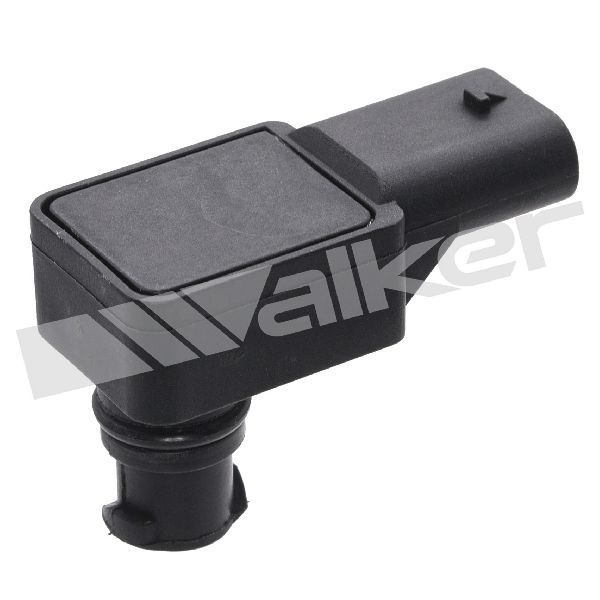

The information in this article is provided for general reference and educational purposes only. Vehicle specifications, procedures, and part compatibility can vary by production date, trim level, and region. Always consult your vehicle's factory service manual and verify part numbers before purchasing or performing repairs. Safety-critical components such as airbags, seat belts, and braking systems should be installed by a qualified professional.
- Chrysler 300C:
- 🎬 Helpful Videos
- 🛍️ Shop This Part
- What's Unique About the 2011-2012 Chrysler 300C
- Diagnostic Flowchart
- Symptoms You May Notice
- Most Likely Causes
- Rare But Worth Checking
- Diagnosis Steps
- Parts You'll Likely Need
- Technical Service Bulletins (TSBs) & Recalls
- Platform-Specific Known Issues
- Mechanic-Grade Diagnostic Values
- Wiring & Ground Locations
- OEM Part Supersession History
- 🎟️ Get 5% Off