

P0108 on 2011-2014 Chrysler 200: MAP Sensor Circuit High Causes and Fixes
Code P0108 on a 2011-2014 Chrysler 200 most often means the Manifold Absolute Pressure (MAP) sensor has failed. However, multiple Technical Service Bulletins (TSBs) indicate that a Powertrain Control Module (PCM) software update is a common fix. Always check for available software updates before replacing parts. A new MAP sensor costs between $26 and $93 and is often a simple DIY replacement.
- For a P0108 code on a 2011-2014 Chrysler 200, your first step should be to check with a dealer if a PCM software update is available, as this is a common, documented fix.
- If software is up to date, the most likely cause is a failed MAP sensor, which is a relatively inexpensive and easy part to replace for a DIYer.
- Always inspect the sensor's wiring, connector, and all intake vacuum hoses for damage or leaks before buying a new sensor.
- Driving with this code can lead to poor performance, stalling, and bad fuel economy, and may cause more expensive damage to the catalytic converter over time.
What's Unique About the 2011-2014 Chrysler 200
For the 2011-2014 Chrysler 200, a P0108 code isn't always a straightforward case of a bad sensor. Chrysler has issued multiple Technical Service Bulletins (TSBs) indicating that the code can be triggered by software glitches in the Powertrain Control Module (PCM). [⭐ MANUFACTURER TSB — highest authority, ⭐ MANUFACTURER TSB — highest authority, ⭐ MANUFACTURER TSB — highest authority] These bulletins, especially for 2011 and 2012 models, call for a software update as a specific remedy. Furthermore, the 3.6L Pentastar V6 in 2011-2013 models is infamous for a left cylinder head defect that causes misfires (P0300, P0302, P0304, P0306). Since TSB #1810216 lists P0108 alongside misfire codes, it's crucial to consider that while the MAP sensor or software might be the direct cause of P0108, it could be occurring in a vehicle that also has this serious underlying engine problem. [⭐ MANUFACTURER TSB — highest authority]
Diagnostic Flowchart
Tap your situation to follow the diagnostic path that matches what you're seeing on this vehicle.
Symptoms You May Notice
- Check Engine Light is on
- Rough or erratic idle
- Poor acceleration or hesitation
- Increased fuel consumption
- Engine stalling, especially when coming to a stop
- Black smoke from the exhaust or a strong fuel smell
- Hard starting
- Replacing the MAP sensor when the actual problem is a needed PCM software update.
- Replacing the MAP sensor when the cause is a simple vacuum leak from a cracked hose.
- On 3.6L models, focusing only on the P0108 code and ignoring accompanying misfire codes (e.g., P0306) that could point to the more serious cylinder head failure.
Most Likely Causes
- Faulty Manifold Absolute Pressure (MAP) Sensor 🔴 High Probability The MAP sensor is an electronic component that can fail over time due to heat cycles and internal shorts, causing it to send a constant high voltage signal. An owner complaint for a 2011 model specifically mentions a dealer diagnosing a bad MAP sensor for a P0108 code, confirming this as a common real-world failure. [OWNER COMPLAINT]
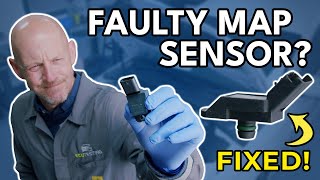
How to confirm: With the key on and engine off, use a scan tool to check if the MAP sensor reading is close to the current barometric pressure (BARO) reading; they should be nearly identical. With the engine running at idle, the reading should drop significantly (to a low voltage/low pressure reading). A sensor that is stuck high (near 5 volts) regardless of engine state is faulty. 🎬 Watch: A simple guide to diagnosing MAP sensor codes.
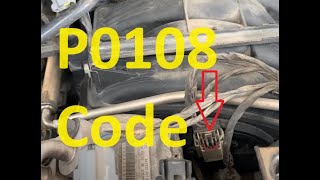
Typical fix: Replace the MAP sensor. On the 2.4L engine, it's on the front left side of the intake manifold. On the 3.6L V6, it's on top of the upper intake manifold under the engine cover, held in by a simple twist-lock mechanism. 🎬 Watch: How to remove the 3.6L MAP sensor.
Est. part cost: $26-$93 - Outdated Powertrain Control Module (PCM) Software 🔴 High Probability Chrysler released multiple TSBs (#18-085-15, #18-050-16 REV. A, #1810216) for 2011, 2012, and 2013 models that list P0108 as a code that can be resolved with a PCM software update. This indicates a known issue with how the original software interprets sensor data, especially during certain electrical or communication events. [⭐ MANUFACTURER TSB — highest authority, ⭐ MANUFACTURER TSB — highest authority, ⭐ MANUFACTURER TSB — highest authority]
How to confirm: A Chrysler dealership or a properly equipped independent shop can check for and perform available software updates using a wiTECH diagnostic tool.
Typical fix: Reprogram the PCM with the latest available software. This is a dealer-level service.
Est. part cost: $0 (if under warranty) - $150 - Wiring or Connector Issue 🟡 Medium Probability Wires in the engine bay are exposed to heat and vibration, which can lead to chafing or broken connections over time. A short circuit between the signal wire and the 5-volt reference wire is a common cause for a 'Circuit High' code.
How to confirm: Inspect the MAP sensor's electrical connector for corrosion, bent pins, or a loose fit. Check the wiring harness for any signs of damage, chafing, or melting. Use a multimeter to test for a 5-volt reference and a good ground at the connector. Check the signal wire for any voltage with the sensor unplugged; it should be near zero.
Typical fix: Repair the damaged wiring or replace the sensor connector pigtail.
Est. part cost: $15-$40 - Vacuum Leak 🟡 Medium Probability Rubber and plastic vacuum hoses can become brittle and crack with age, creating unmetered air leaks that disrupt the manifold pressure.
How to confirm: Visually inspect all vacuum hoses connected to the intake manifold for cracks, brittleness, or loose connections. A smoke test is the most effective method to find leaks that are not easily visible.
Typical fix: Replace the cracked or leaking vacuum hose or intake manifold gasket.
Est. part cost: $5-$50
Rare But Worth Checking
- Clogged Catalytic Converter: A severely restricted exhaust can cause pressure to back up into the intake manifold, leading to an abnormally high pressure reading that can trigger a P0108 code. This is usually accompanied by a significant loss of power, a rotten egg smell, and potentially other exhaust-related codes.
- Faulty Powertrain Control Module (PCM): In rare instances, the PCM itself may have an internal fault in the sensor input circuit. This should only be considered after all other possibilities, including software updates, have been exhaustively ruled out.
Diagnosis Steps
- Scan the PCM for any other stored trouble codes. Pay close attention to misfire (P030x) or communication (U-series) codes.
- Check for applicable TSBs, specifically #18-085-15, #18-050-16 REV. A, and #1810216. If your vehicle falls within the scope of a TSB, performing the PCM software update should be the first step.
- Visually inspect the MAP sensor, its electrical connector, and the surrounding wiring for any signs of damage, corrosion, or loose connections.
- Inspect all vacuum lines connected to the intake manifold for cracks, loose fittings, or signs of deterioration.
- Using a scan tool with the Key On, Engine Off (KOEO), compare the MAP sensor reading to the Barometric Pressure (BARO) reading. They should be within 0.5 PSI of each other. If they differ significantly, the MAP sensor is likely faulty.
- Start the engine. At idle, the MAP sensor voltage should drop significantly (typically to 1.0-1.8 volts), indicating engine vacuum. If the voltage remains high (near 5 volts), the sensor is likely faulty, its vacuum port is clogged, or there is a major vacuum leak.
- If the sensor signal appears incorrect, use a multimeter to confirm there is a 5-volt reference and a good ground at the sensor connector.
- If the sensor and wiring test good, perform a smoke test to check for hard-to-find vacuum leaks.
- If no vacuum leaks are found and the 3.6L engine has persistent misfire codes, a cylinder leak-down test may be necessary to check for the known cylinder head issue.
Parts You'll Likely Need
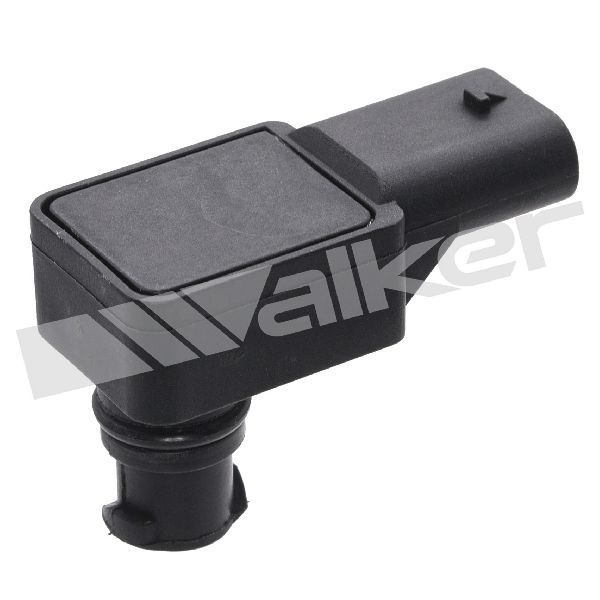
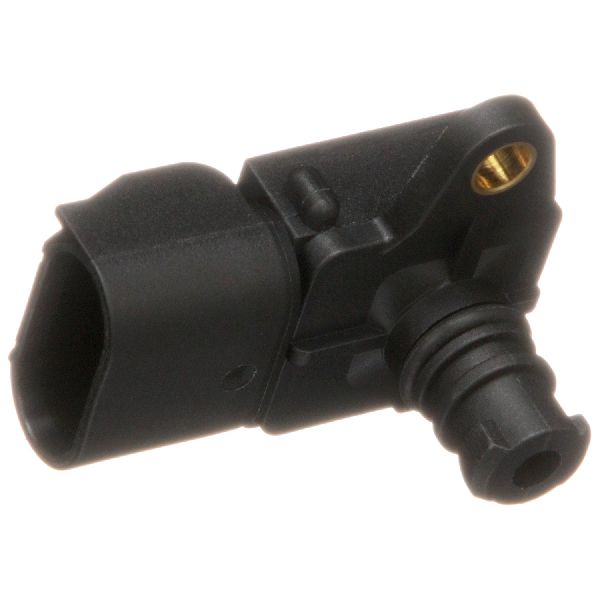
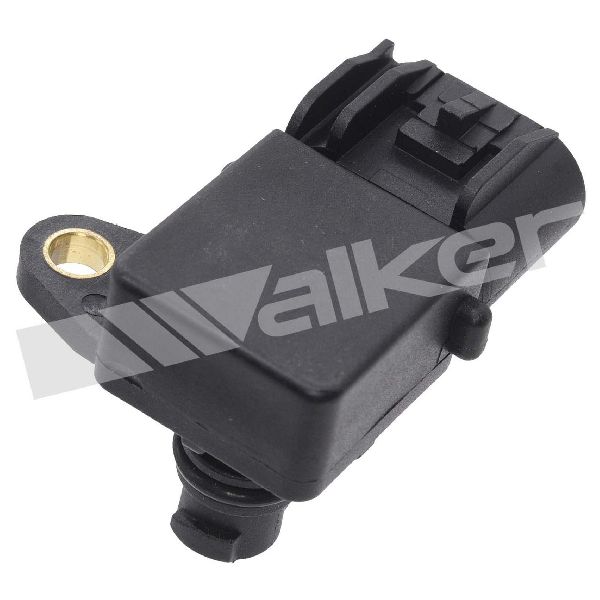
- Manifold Absolute Pressure (MAP) Sensor
(OEM #5149174AB)— This is the most common hardware component to fail, sending an incorrect high voltage signal to the PCM. This part number is used across a wide variety of Chrysler, Dodge, and Jeep vehicles with the 3.6L engine, making it readily available.
Trusted brands: Mopar, Delphi, Standard Motor Products, Crown Automotive
OEM price range: $58-$93
Aftermarket price range: $26-$61
Related Codes That Often Appear With This One
- P0300-P0306 — A bad MAP sensor signal leads to incorrect fuel mixture, which can cause random or cylinder-specific misfires. TSB #1810216 specifically links P0108 with misfire codes, which on the 3.6L engine could also be a symptom of the known cylinder head defect. [⭐ MANUFACTURER TSB — highest authority]
- U0140 — This code for lost communication with the Body Control Module (BCM) is listed alongside P0108 in TSBs #18-050-16 REV. A and #18-085-15, suggesting a broader software or module communication issue that can be fixed with a PCM flash. [⭐ MANUFACTURER TSB — highest authority, ⭐ MANUFACTURER TSB — highest authority]
- P0456 — An EVAP system small leak code is also mentioned in TSB #18-050-16 REV. A, indicating it can be part of a set of issues resolved by a software update. [⭐ MANUFACTURER TSB — highest authority]
- P0128 — This code for "Coolant Thermostat Temperature Below Regulating Temperature" can sometimes appear alongside other sensor codes. While not directly linked in the TSBs, forum discussions mention seeing these codes together, potentially indicating a broader issue with sensor readings or a pending software update that addresses multiple parameters.
Technical Service Bulletins (TSBs) & Recalls
- 18-050-16 REV. A: Notes P0108 for 2012 models and includes a fix within a PCM software update.
- 1810216: Lists P0108 among several codes on 2012 models that are addressed by a software update.
- 18-085-15: Cites P0108 for 2011 models as a condition that can be corrected by a PCM software update.
Platform-Specific Known Issues
- A PCM software update is a documented fix for P0108 on 2011-2013 models, as cited in TSBs #18-085-15, #18-050-16 REV. A, and #1810216. [⭐ MANUFACTURER TSB — highest authority, ⭐ MANUFACTURER TSB — highest authority, ⭐ MANUFACTURER TSB — highest authority]
- An owner of a 2011 model reported a P0108 code that was diagnosed by a dealer as a bad MAP sensor, confirming this is a common real-world failure. [OWNER COMPLAINT]
Mechanic-Grade Diagnostic Values
- MAP Sensor 5-Volt Reference Wire — expected: 4.5V - 5.0V DC with key on, engine off.. Failure: Voltage is significantly lower than 4.5V or is 0V, indicating a PCM or wiring issue.
- MAP Sensor Ground Circuit Resistance — expected: < 1.0 Ohm to chassis ground.. Failure: Resistance is greater than 1.0 Ohm, indicating a poor ground connection which can skew sensor readings.
- MAP Sensor Signal Voltage (Key On, Engine Off) — expected: ~4.5V - 5.0V, should be close to BARO reading.. Failure: Voltage is low or 0V, suggesting a sensor or wiring fault.
- MAP Sensor Signal Voltage (Engine Idling) — expected: ~1.0V - 1.8V.. Failure: Voltage remains high (near 5V) and does not drop when the engine starts, indicating a faulty sensor, clogged port, or major vacuum leak.
Scan Tool Commands That Help
- wiTECH: View PCM Live Data (MAP Sensor Voltage, Barometric Pressure) — This is the primary function used for diagnosis. It allows a technician to compare the MAP sensor's reported voltage and pressure against the BARO reading with the key on and engine off, and to watch the sensor's response as the engine starts and runs. An unresponsive or stuck-high reading is a clear indicator of a fault.
- wiTECH: PCM Reprogramming/Flash — This function is used to apply software updates as specified in TSBs #18-085-15, #18-050-16 REV. A, and #1810216. If the vehicle's software is outdated, this is the prescribed fix for a P0108 code on applicable model years. [⭐ MANUFACTURER TSB — highest authority, ⭐ MANUFACTURER TSB — highest authority, ⭐ MANUFACTURER TSB — highest authority]
Wiring & Ground Locations
- MAP Sensor Connector (3.6L V6) — On top of the upper intake manifold, under the engine cover. It is a 3-wire connector with a red locking tab.. This is the primary connection point to inspect for corrosion, damage, or a loose fit. A bad connection here will directly cause a P0108 code.
- MAP Sensor Connector (2.4L I4) — On the front left side of the intake manifold.. This is the primary connection point for the 4-cylinder engine. It should be inspected for damage or corrosion.
- G21a — Located at the left rear of the engine compartment.. This is a primary ground point for the engine harness. A corroded or loose G21a ground can cause floating or incorrect readings from various engine sensors, including the MAP sensor, potentially triggering a P0108 code.
- MAP Sensor Pinout (Typical Chrysler) — At the sensor connector.. For manual testing with a multimeter: Pin 1 is typically the Sensor Ground, Pin 2 is the MAP Signal wire, and Pin 3 is the 5V Supply. (Note: Wire colors can vary by year and engine, always verify with a vehicle-specific diagram if possible.)
Real Owner Repair Stories
- Online video tutorial/repair guide (Vehicle with P0108, general case) — Check Engine Light, rough running.
❌ Tried (didn't work) Checking for vacuum leaks., Testing the MAP sensor.
✅ What actually fixed it The throttle body was found to be extremely dirty. Cleaning the throttle body butterfly plate and intake passage resolved the incorrect pressure readings and cleared the P0108 code. - NHTSA Owner Complaint (2011 Chrysler 200) — Engine issues, Check Engine Light with code P0108.
❌ Tried (didn't work) Initial dealer visit where they could not find a problem.
✅ What actually fixed it On a subsequent visit, the dealer diagnosed and replaced a bad MAP sensor, which resolved the issue. [OWNER COMPLAINT]
OEM Part Supersession History
5149174AA→5149174AB— Standard part revision for improved reliability or manufacturing process change.5149174AB→68371847AB— Further part revision and consolidation across newer platforms.
Heads up: 68371847AB is the current, backward-compatible OEM replacement for 5149174AB.
Model Year Variations Within This Range
- 2012 only: TSB #18-050-16 REV. A specifically calls out P0108 as a code that can be fixed with a PCM software update for the 2012 model year in particular, when seen with other communication codes. [⭐ MANUFACTURER TSB — highest authority]
- 2011-2013: TSBs #18-085-15 and #1810216 cover a broader range of early models for software updates that address P0108 among a list of other potential codes. [⭐ MANUFACTURER TSB — highest authority, ⭐ MANUFACTURER TSB — highest authority]
Helpful Videos
We Have This Part in Stock


The information in this article is provided for general reference and educational purposes only. Vehicle specifications, procedures, and part compatibility can vary by production date, trim level, and region. Always consult your vehicle's factory service manual and verify part numbers before purchasing or performing repairs. Safety-critical components such as airbags, seat belts, and braking systems should be installed by a qualified professional.
- Chrysler 200:
- 🎬 Helpful Videos
- 🛍️ Shop This Part
- What's Unique About the 2011-2014 Chrysler 200
- Diagnostic Flowchart
- Symptoms You May Notice
- Most Likely Causes
- Rare But Worth Checking
- Diagnosis Steps
- Parts You'll Likely Need
- Related Codes That Often Appear With This One
- Technical Service Bulletins (TSBs) & Recalls
- Platform-Specific Known Issues
- Mechanic-Grade Diagnostic Values
- Scan Tool Commands That Help
- Wiring & Ground Locations
- Real Owner Repair Stories
- OEM Part Supersession History
- Model Year Variations Within This Range
- 🎟️ Get 5% Off