

P0106 on 2020-2021 Ram 1500: MAP Sensor Performance Causes and Fixes
On a 2020-2021 Ram 1500, code P0106 is most often caused by a faulty Manifold Absolute Pressure (MAP) sensor or a required software update from the dealer. The TSBs confirm a software reflash can fix this and other related electrical codes, particularly on the 3.0L EcoDiesel engine. For the 5.7L Hemi, a faulty sensor is a more common primary cause.
- Before buying any parts, check with a Ram dealer for software updates related to TSBs #1802821 and #1800821, as this is a common and documented fix.
- If a software update doesn't apply or fix the issue, the most likely cause is a faulty MAP sensor.
- Always inspect for simple issues first, such as cracked vacuum hoses or a loose electrical connector at the sensor.
- Symptoms like a rough idle, poor fuel economy, and hesitation are common with this code.
What's Unique About the 2020-2021 Ram 1500
For the 2020-2021 Ram 1500, particularly models equipped with the 3.0L EcoDiesel engine, this code is specifically mentioned in multiple Technical Service Bulletins (TSBs) issued by Ram. [⭐ MANUFACTURER TSB — highest authority] Bulletin #1802821 (2021 ELECTRICAL SYSTEM, dated 2021-03-13), [⭐ MANUFACTURER TSB — highest authority] Bulletin #1800821 (2020 ELECTRICAL SYSTEM, dated 2021-05-14) These bulletins link P0106 to other seemingly unrelated electrical issues, like the radio resetting at idle, and indicate that a PCM software update is often the required fix. [⭐ MANUFACTURER TSB — highest authority] Bulletin #1802821 (2021 ELECTRICAL SYSTEM, dated 2021-03-13) This suggests the problem is frequently a software calibration issue rather than a simple hardware failure, a key difference from how this code might be treated on other vehicles. On the 5.7L Hemi, while software issues can occur, a faulty sensor or vacuum leak remains a very common cause.
Diagnostic Flowchart
Tap your situation to follow the diagnostic path that matches what you're seeing on this vehicle.
Symptoms You May Notice
- Check Engine Light is on.
- Rough or unsteady idle.
- Hesitation or poor acceleration.
- Reduced fuel economy.
- Engine stalling, especially at stops.
- Black smoke from the exhaust.
- Radio may reset during engine idle (specifically noted in TSB for 3.0L EcoDiesel). [⭐ MANUFACTURER TSB — highest authority] Bulletin #1802821 (2021 ELECTRICAL SYSTEM, dated 2021-03-13)
- Electronic Throttle Control (ETC) light may also illuminate. [⭐ MANUFACTURER TSB — highest authority] Bulletin #1802821 (2021 ELECTRICAL SYSTEM, dated 2021-03-13)
- Replacing the throttle body or throttle position sensor. The code relates to the MAP sensor's performance *in relation to* other sensors, but the fault is rarely the throttle assembly itself.
- Immediately replacing the MAP sensor on an EcoDiesel without checking for TSBs. The software update is a very common fix and should be the first step. [⭐ MANUFACTURER TSB — highest authority] Bulletin #1802821 (2021 ELECTRICAL SYSTEM, dated 2021-03-13), [⭐ MANUFACTURER TSB — highest authority] Bulletin #1800821 (2020 ELECTRICAL SYSTEM, dated 2021-05-14)
- Using cheap, non-OEM MAP sensors. Owners on forums frequently report that low-quality aftermarket sensors either don't work correctly or fail quickly, leading to a repeat of the P0106 code.
Most Likely Causes
- Powertrain Control Module (PCM) Software Update Needed 🔴 High Probability Manufacturer TSBs #1802821 and #1800821 directly link P0106 to software performance on the 3.0L EcoDiesel and list it alongside other codes fixed by a PCM reflash. [⭐ MANUFACTURER TSB — highest authority] Bulletin #1802821 (2021 ELECTRICAL SYSTEM, dated 2021-03-13), [⭐ MANUFACTURER TSB — highest authority] Bulletin #1800821 (2020 ELECTRICAL SYSTEM, dated 2021-05-14) This indicates the original software calibration can be overly sensitive.
How to confirm: Check with a Ram dealership to see if your vehicle's VIN has an open campaign or is eligible for the software updates mentioned in the TSBs. This is the most important first step for EcoDiesel models.
Typical fix: A Ram dealer must perform a PCM software update using their proprietary wiTECH scan tool. The process involves connecting a battery charger to maintain stable voltage (13.2-13.5V) during the flash. [⭐ MANUFACTURER TSB — highest authority] Bulletin #1802821 (2021 ELECTRICAL SYSTEM, dated 2021-03-13), [⭐ MANUFACTURER TSB — highest authority] Bulletin #1800821 (2020 ELECTRICAL SYSTEM, dated 2021-05-14)
Est. part cost: $0-$250 - Faulty Manifold Absolute Pressure (MAP) Sensor 🔴 High Probability The MAP sensor is a critical input for fuel calculations on engines like the Hemi that do not use a Mass Airflow (MAF) sensor. On EcoDiesel engines, the sensor can become contaminated with soot and oil, leading to failure. Owners report that cheap aftermarket sensors can cause more problems than they solve.
How to confirm: With the engine off, use a scan tool to compare the MAP sensor reading to the Barometric Pressure (BARO) reading; they should be nearly identical. Visually inspect the sensor for oil or soot contamination. Test the sensor's voltage output (should be 1-4.5V depending on load) while applying vacuum with a hand pump. 🎬 Watch: A step-by-step guide on how to test a MAP sensor.
Typical fix: Replace the MAP sensor. On the 5.7L HEMI, it's at the rear of the intake manifold near the firewall. 🎬 Watch: See how to replace the MAP sensor on a Hemi. On the 3.0L EcoDiesel, it is located on the intake manifold and can be difficult to access.
Est. part cost: $40-$90 - Vacuum Leak 🟡 Medium Probability Vacuum hoses can crack, become brittle, or disconnect over time due to heat and vibration in the engine bay. A loose or improperly seated MAP sensor O-ring can also create a vacuum leak.
How to confirm: Visually inspect all vacuum hoses connected to the intake manifold for cracks or damage. Listen for a hissing sound at idle. A smoke machine test is the most effective way to find small, hard-to-see leaks. Ensure the MAP sensor itself is seated tightly.
Typical fix: Replace the cracked or disconnected vacuum hose. Reseat or replace the MAP sensor O-ring.
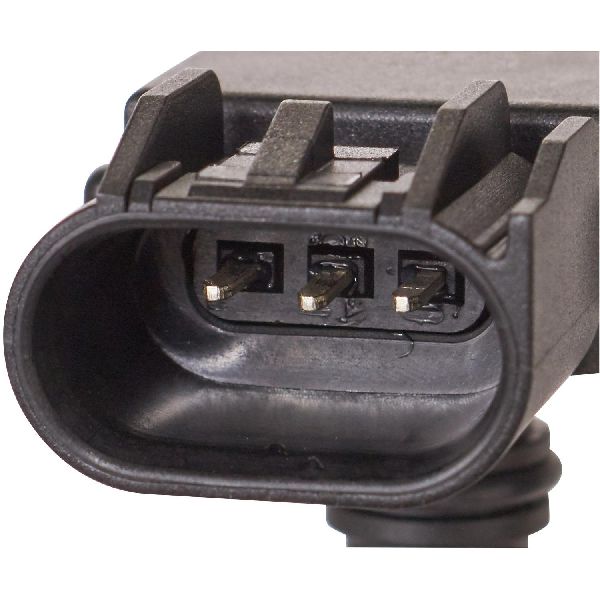
Est. part cost: $5-$30 - Wiring or Connector Issue ⚪ Low Probability The wiring harness to the MAP sensor can be damaged by engine heat, vibration, or improper servicing. The connector pins can also become corroded or loose.
How to confirm: Visually inspect the MAP sensor's electrical connector and wiring for any signs of corrosion, looseness, or damage. Check for a stable 5-volt reference and good ground at the connector with a multimeter. Wiggle the harness while monitoring sensor data on a scan tool to see if the reading fluctuates.
Typical fix: Repair the damaged wiring or clean/replace the connector.
Est. part cost: $10-$50
Rare But Worth Checking
- Restricted Exhaust or Intake: A clogged catalytic converter or Diesel Particulate Filter (DPF) can create backpressure that affects manifold pressure readings. Similarly, a severely clogged engine air filter can restrict airflow and trigger the code. These issues are usually accompanied by other codes and a significant loss of power.
- Faulty Turbocharger Speed Sensor (on EcoDiesel models): On some diesel platforms, a failing turbo speed sensor can send corrupt data on a shared communication line, causing the PCM to incorrectly flag the MAP sensor's performance. This has been noted by owners as a potential cause when a new MAP sensor doesn't fix the issue.
Diagnosis Steps
- Check for TSBs: This is the most critical first step. Contact a Ram dealer with your VIN to see if TSB #1802821 (for 2021 models) or #1800821 (for 2020 models) applies to your truck, especially if you have the 3.0L EcoDiesel. A software update may be the entire fix. [⭐ MANUFACTURER TSB — highest authority] Bulletin #1802821 (2021 ELECTRICAL SYSTEM, dated 2021-03-13), [⭐ MANUFACTURER TSB — highest authority] Bulletin #1800821 (2020 ELECTRICAL SYSTEM, dated 2021-05-14)
- Scan for Other Codes: Use an OBD-II scanner to check for other codes that could provide context, such as those listed in the TSBs or related to turbo/exhaust systems.
- Visual Inspection: Inspect the MAP sensor, its connector, and the surrounding wiring for any obvious damage, corrosion, or loose connections. Check for oil or soot contamination on the sensor tip.
- Inspect for Vacuum Leaks: Carefully check all vacuum lines connected to the intake manifold for cracks, brittleness, or disconnections. A smoke machine is the most reliable method for finding elusive leaks.
- Check Sensor Data (KOEO): With a scan tool (Key On, Engine Off), compare the MAP sensor reading to the BARO reading. They should be very close (within 0.5 psi). If they differ significantly, the MAP sensor is likely faulty.
- Check Sensor Data (Engine Running): Start the engine and observe the MAP reading at idle (should be low voltage/pressure) and while snapping the throttle (should rise quickly and smoothly). Erratic or non-responsive readings point to a bad sensor or wiring issue.
- Test the Sensor Circuit: If readings are suspect, disconnect the sensor and use a multimeter to check for a 5V reference signal and a good ground connection in the wiring harness.
- Consider Professional Diagnosis: If the sensor, wiring, and vacuum system all check out, the issue is very likely internal to the PCM's software, requiring a dealer visit for the reflash, or a more complex mechanical issue.
Parts You'll Likely Need
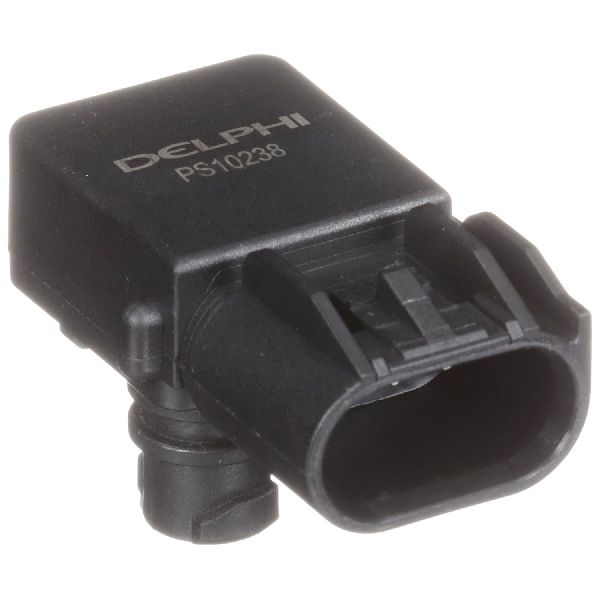
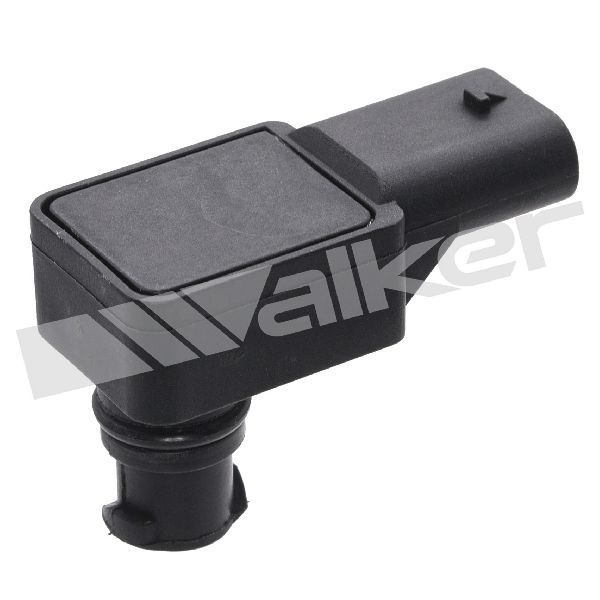
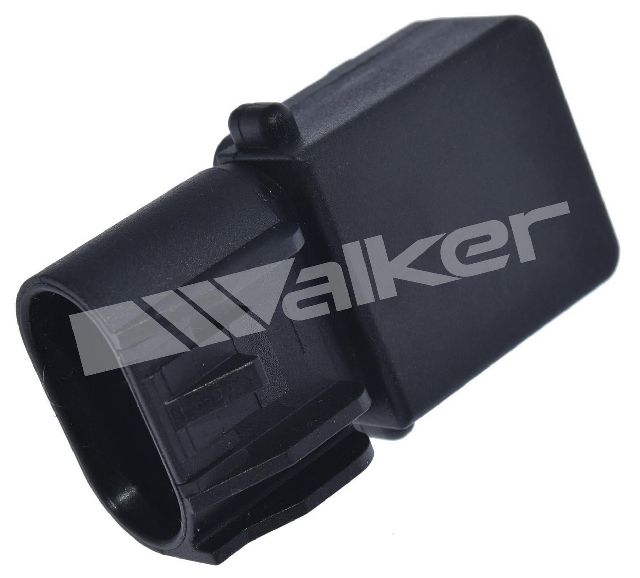
- Manifold Absolute Pressure (MAP) Sensor
(OEM #68271094AB)— This is the most common hardware failure for this code, especially on the 5.7L Hemi. It directly measures the pressure the PCM is flagging as irrational. This part number supersedes 68271094AA.
Trusted brands: Mopar, Bosch, Standard Motor Products
OEM price range: $50-$90
Related Codes That Often Appear With This One
- P200A-00 — Intake Manifold Runner Performance - Bank 1. This code is cited in TSB #1802821 and #1800821 alongside P0106, indicating a related software or electrical issue on the 3.0L EcoDiesel. [⭐ MANUFACTURER TSB — highest authority] Bulletin #1802821 (2021 ELECTRICAL SYSTEM, dated 2021-03-13), [⭐ MANUFACTURER TSB — highest authority] Bulletin #1800821 (2020 ELECTRICAL SYSTEM, dated 2021-05-14)
- P200B-00 — Intake Manifold Runner Performance - Bank 2. Also cited in TSB #1802821 and #1800821 with P0106 for the 3.0L EcoDiesel. [⭐ MANUFACTURER TSB — highest authority] Bulletin #1802821 (2021 ELECTRICAL SYSTEM, dated 2021-03-13), [⭐ MANUFACTURER TSB — highest authority] Bulletin #1800821 (2020 ELECTRICAL SYSTEM, dated 2021-05-14)
- P065A-00 — Generator System Performance. This code is mentioned in TSB #1800821 and #1802821, suggesting the P0106 may be part of a broader electrical system issue on the 3.0L EcoDiesel addressed by a software update. [⭐ MANUFACTURER TSB — highest authority] Bulletin #1802821 (2021 ELECTRICAL SYSTEM, dated 2021-03-13), [⭐ MANUFACTURER TSB — highest authority] Bulletin #1800821 (2020 ELECTRICAL SYSTEM, dated 2021-05-14)
- P00AF-00 — Turbocharger Boost Control Module 'A' Performance. Also listed in TSB #1802821, pointing to a comprehensive software calibration update for the EcoDiesel engine's air management system. [⭐ MANUFACTURER TSB — highest authority] Bulletin #1802821 (2021 ELECTRICAL SYSTEM, dated 2021-03-13)
Technical Service Bulletins (TSBs) & Recalls
- Bulletin #1802821: For 2021 Ram 1500 3.0L EcoDiesel, mentions P0106-00 - Manifold Absolute Pressure Sensor Performance and links it to radio resets, ETC lamp, and intake runner performance codes, all fixed by a PCM software update.
- Bulletin #1800821: For 2020 Ram 1500 3.0L EcoDiesel, lists P0106-00 as part of a series of issues addressed by improved PCM software.
Platform-Specific Known Issues
- TSB #1802821 (for 2021 3.0L EcoDiesel) notes that P0106 may occur along with the radio resetting at idle, pointing to a software calibration issue that a dealer must fix.
- TSB #1800821 (for 2020 3.0L EcoDiesel) also lists P0106 as a code that can be resolved with an improved software flash from the manufacturer.
- On the 5.7L Hemi, which does not use a MAF sensor, the MAP sensor is a more critical component for fuel calculations, making any performance deviation more noticeable.
Mechanic-Grade Diagnostic Values
- MAP Sensor 5V Reference — expected: ~5.0 Volts. Failure: Voltage is significantly lower than 5.0V or is absent, indicating a wiring or PCM issue.
- MAP Sensor Ground Circuit — expected: Less than 100 millivolts (0.1V). Failure: Voltage is higher than 0.1V, indicating a poor ground connection.
- MAP Sensor Signal Voltage (Key On, Engine Off) — expected: ~4.5 - 5.0 Volts (should correlate with Barometric pressure). Failure: Voltage is significantly different from the BARO sensor reading or is stuck high/low.
- MAP Sensor Signal Voltage (Engine at Idle) — expected: 1.0 - 2.0 Volts. Failure: Voltage is too high at idle (e.g., above 2.5V), suggesting a vacuum leak or faulty sensor.
- MAP Sensor Signal Voltage (Snapping Throttle) — expected: Should rise smoothly and quickly to above 3.5 - 4.5 Volts. Failure: Voltage is slow to respond, erratic, or does not increase significantly with throttle input.
Scan Tool Commands That Help
- wiTECH (Dealer Tool): PCM Reprogramming/Flash — This is the required fix for P0106 on many 2020-2021 3.0L EcoDiesel models, as specified in TSBs #1802821 and #1800821. It updates the PCM software to correct over-sensitive diagnostic parameters.
- Generic OBD-II Scanner: Idle Re-learn Procedure — After a battery replacement or disconnection, the PCM may lose its learned idle values. A suggested procedure is to start the vehicle and let it idle undisturbed for 10 minutes for the computer to re-learn idle position, which can help if P0106 appeared after a power loss.
Wiring & Ground Locations
- (K1) MAP Signal Circuit — Wire running from the MAP sensor connector to the Powertrain Control Module (PCM), often to connector C2.. This is the wire that carries the variable voltage signal. High resistance or a short on this wire will directly cause incorrect readings and trigger P0106.
- (F856) 5-Volt Supply Circuit — Wire running from the PCM (Connector C2) to the MAP sensor connector.. This wire provides the stable reference voltage the sensor needs to operate. A loss or fluctuation in this voltage will make the sensor's output signal unreliable.
- (K900) Sensor Ground Circuit — Wire providing the ground path for the sensor, running from the MAP sensor connector back to the PCM (Connector C2).. A poor ground connection can cause a voltage offset, leading to skewed sensor readings and triggering the code.
Real Owner Repair Stories
- Go-Parts analysis of YouTube/Forum data (Ram with 6.7L Cummins (behavior applicable to modern diesels like the 3.0L EcoDiesel)) — P0106 code, even after replacing the MAP sensor.
❌ Tried (didn't work) Replacing the MAP sensor
✅ What actually fixed it The actual problem was a faulty turbo speed sensor. The PCM saw zero RPM from the turbo but high pressure from the MAP sensor, an illogical combination that caused it to flag the MAP sensor's performance. Replacing the turbo speed sensor resolved the P0106 code. - General Diesel Engines Forum User (2013 Ram 5500 with 6.7L Cummins (behavior applicable to modern diesels)) — Low power, P0106 for MAP sensor performance, P2580 for turbo speed sensor.
❌ Tried (didn't work) Initial diagnosis focused on the MAP sensor.
✅ What actually fixed it The root cause was a faulty inlet pressure/temperature sensor located in the clean air side of the airbox. Replacing this sensor restored proper boost pressure and resolved the performance issues and the P0106 code. - Reddit user r/MechanicAdvice (Vehicle unspecified, but common pattern) — P0106 code appeared after the vehicle's battery died. Hard idling and stalling.
❌ Tried (didn't work) Clearing the code repeatedly.
✅ What actually fixed it The user noted the hard idle eventually stopped as the car seemed to re-learn its idle. The suggested fix was to perform a throttle body cleaning and a formal idle re-learn procedure (letting the car idle for 10 minutes without touching the accelerator) to resolve the issue.
"I Checked Everything" — The Actual Cause
- In several documented cases on Ram diesel trucks, a smoke test for vacuum leaks came back clean, yet the P0106 code persisted. The actual cause was found to be conflicting data from another sensor. One instance was a faulty turbo speed sensor, which made the PCM believe the MAP sensor's boost reading was irrational. Another instance was a failed inlet air pressure/temperature sensor, which was the true source of the bad data, causing P0106 as a secondary, misleading code.
When the Usual Fixes Don't Work
- While replacing the MAP sensor is a common fix for P0106, particularly on the 5.7L Hemi, there is significant evidence from diesel truck owners that this is often not the correct solution. In multiple documented cases, owners replaced the MAP sensor (sometimes multiple times with both aftermarket and OEM parts) with no resolution. The actual fix was frequently a different, related sensor, such as the turbo speed sensor or an inlet air pressure sensor, which was providing conflicting data to the PCM. This highlights that for diesel engines, P0106 can be a secondary code, and a broader diagnostic approach focusing on software (TSBs) and related sensor data is more effective than immediately replacing the MAP sensor.
OEM Part Supersession History
68271094AA→68271094AB— Standard part revision by the manufacturer.
Heads up: None. The new part number is a direct replacement for the old one.
Model Year Variations Within This Range
- 2020 vs 2021 (3.0L EcoDiesel): Different Technical Service Bulletins apply for the software-related fix. TSB #1800821 is for 2020 models, while TSB #1802821 is for 2021 models. Both address P0106 with a PCM software update. [⭐ MANUFACTURER TSB — highest authority] Bulletin #1802821 (2021 ELECTRICAL SYSTEM, dated 2021-03-13), [⭐ MANUFACTURER TSB — highest authority] Bulletin #1800821 (2020 ELECTRICAL SYSTEM, dated 2021-05-14)
Helpful Videos

We Have This Part in Stock


The information in this article is provided for general reference and educational purposes only. Vehicle specifications, procedures, and part compatibility can vary by production date, trim level, and region. Always consult your vehicle's factory service manual and verify part numbers before purchasing or performing repairs. Safety-critical components such as airbags, seat belts, and braking systems should be installed by a qualified professional.
- Ram 1500:
- 🎬 Helpful Videos
- 🛍️ Shop This Part
- What's Unique About the 2020-2021 Ram 1500
- Diagnostic Flowchart
- Symptoms You May Notice
- Most Likely Causes
- Rare But Worth Checking
- Diagnosis Steps
- Parts You'll Likely Need
- Related Codes That Often Appear With This One
- Technical Service Bulletins (TSBs) & Recalls
- Platform-Specific Known Issues
- Mechanic-Grade Diagnostic Values
- Scan Tool Commands That Help
- Wiring & Ground Locations
- Real Owner Repair Stories
- "I Checked Everything" — The Actual Cause
- When the Usual Fixes Don't Work
- OEM Part Supersession History
- Model Year Variations Within This Range
- 🎟️ Get 5% Off