

P0106 on 2012-2018 Ford Focus 2.0L: MAP Sensor, Intake Leak Causes and Fixes
On a 2012-2018 Focus with code P0106, the problem is most often a cracked plastic intake manifold or a faulty MAP sensor contaminated by oil. A manifold repair can cost $300-$600, while a new MAP sensor is typically $40-$120 and is an easier DIY fix.
- P0106 on a 2012-2018 Focus is most often caused by a physical hardware failure: a cracked intake manifold (45% chance) or a bad MAP sensor (30% chance).
- Always perform a smoke test to check for vacuum leaks from the intake manifold before replacing any sensors. This is the most common and most expensive potential repair.
- A key symptom specific to the Focus is the "Hill Start Assist Not Available" warning appearing along with the Check Engine Light and stalling. [NHTSA ODI #11597495]
- The MAP sensor can often be contaminated with oil due to the PCV system design. Inspecting and cleaning it is a good, low-cost first step if no vacuum leaks are found.
What's Unique About the 2012-2018 Ford Focus
The 2.0L Ti-VCT engine in the third-generation Focus has two specific design characteristics that make it prone to code P0106. First, the plastic intake manifold is a very common failure point, developing hairline cracks that cause vacuum leaks, particularly around the throttle body flange and runner ports after 60,000-80,000 miles. Second, the MAP sensor is mounted directly on the intake manifold in a spot that exposes it to both high heat from the nearby exhaust and oil vapor from the PCV system, which lacks an effective oil separator. This oil coats the sensor's delicate diaphragm, causing incorrect readings.
Symptoms You May Notice
- Engine stalling unexpectedly, especially at low speeds or when coming to a stop. [NHTSA ODI #11597495]
- Check Engine Light is on
- "Hill Start Assist Not Available" message on the dashboard. [NHTSA ODI #11597495]
- Rough or erratic idle.
- Hesitation or stumbling during acceleration.
- Reduced engine power or 'limp mode'.
- Poor fuel economy.
- Black smoke from the exhaust, indicating a rich fuel mixture.
- Replacing the Mass Airflow (MAF) sensor. This engine uses both a MAF and a MAP sensor, and P0106 specifically points to the MAP sensor circuit.
- Replacing the throttle body. While a dirty throttle body can cause idle issues, it's not a primary cause of a P0106 range/performance code.
- Replacing the EVAP Purge Valve. While a faulty purge valve is extremely common on this car and causes stalling (often with code P1450), it does not typically cause P0106.
Most Likely Causes
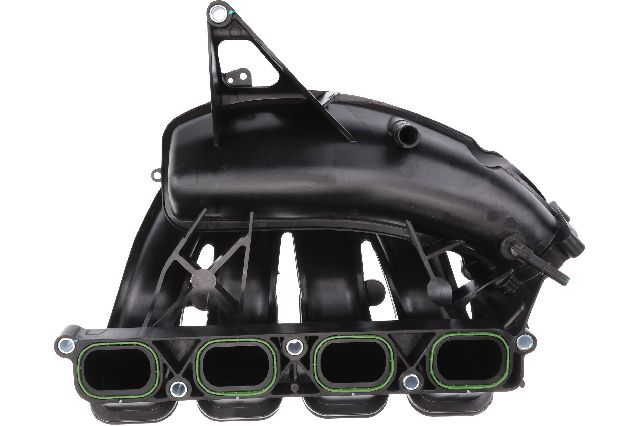
- Cracked Intake Manifold or Leaking Gaskets 🔴 High Probability The 2012-2018 Focus uses a plastic intake manifold that is known to develop hairline cracks over time due to heat cycling and vibration, causing unmetered air to enter the engine. This is the leading cause of P0106 on this platform, with some repair data suggesting it accounts for nearly 45% of cases. Gaskets also harden and fail, creating leaks at the cylinder head mating surface.
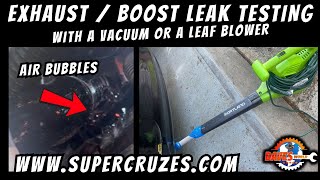
How to confirm: Perform a smoke test on the intake system. Smoke will visibly escape from any cracks in the manifold body or from a failed gasket seam. A less precise but common DIY method involves spraying brake cleaner or a flammable fluid around the manifold with the engine running; a change in engine RPM indicates a leak. Cracks are often found near the throttle body mounting flange.
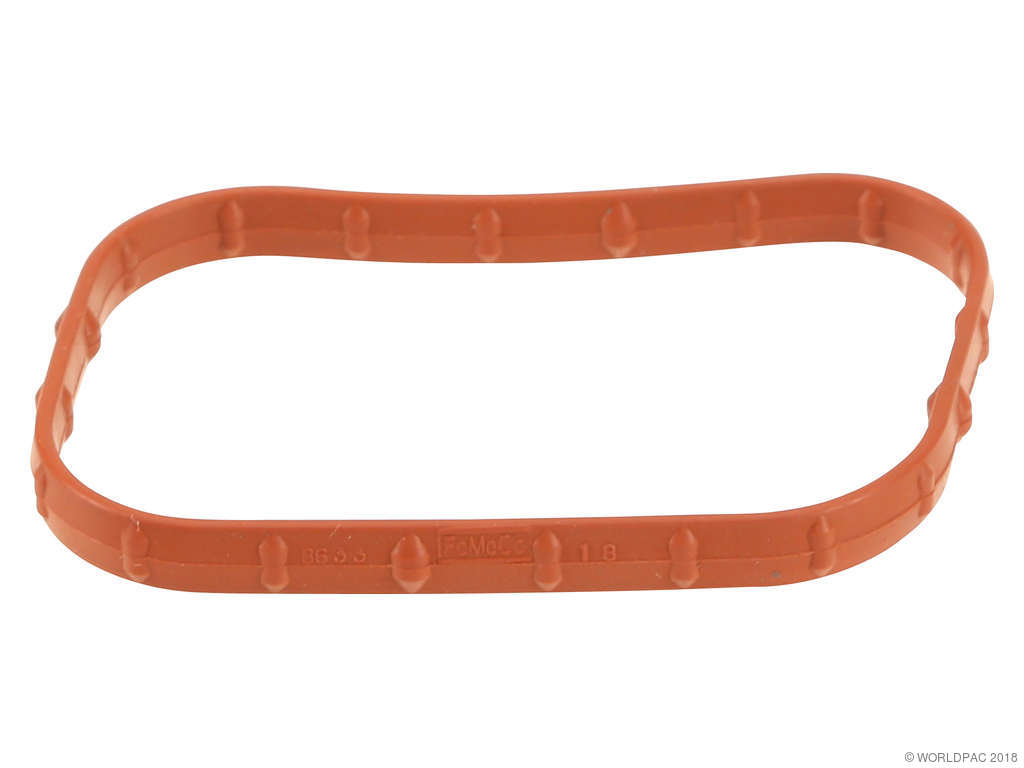
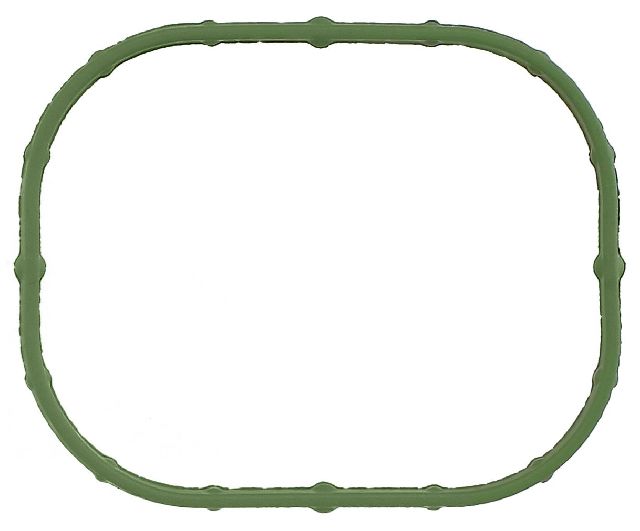
Typical fix: Replace the entire intake manifold assembly and gaskets. It is highly recommended to use new gaskets and not reuse the old ones.
Est. part cost: $150-$300 - Faulty or Contaminated MAP Sensor 🔴 High Probability The MAP sensor is mounted where it's exposed to high heat and oil vapor from the PCV system, which lacks an effective oil separator. This oil coats the sensor's delicate diaphragm, causing incorrect readings. Heat can also cause internal electronic failure. This accounts for about 30% of P0106 issues.
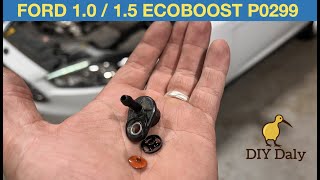
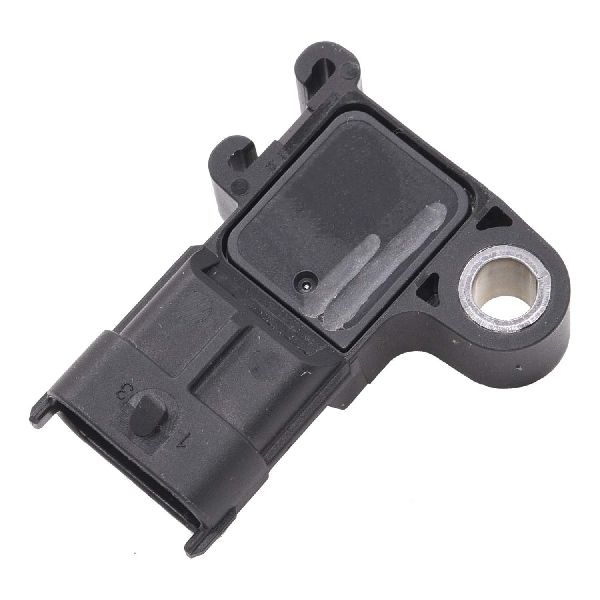
How to confirm: Remove the sensor from the intake manifold (it's on the front, held by one Torx screw) and inspect its tip for oil residue. With a scan tool, monitor the MAP sensor reading (PID) with the key on, engine off; it should read close to barometric pressure (approx. 101 kPa at sea level). At idle, it should be stable around 28-32 kPa. If it's erratic, stuck, or out of range, the sensor is likely bad.
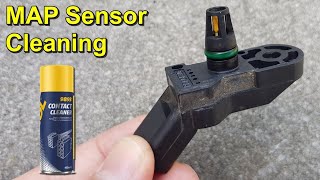
Typical fix: First, try cleaning the sensor gently with dedicated Mass Airflow (MAF) sensor cleaner and let it dry completely. Do not touch the internal element. If cleaning does not resolve the code, replacement is necessary. Many owners report that replacement is the only permanent fix.
Est. part cost: $40-$120 - Wiring Harness or Grounding Issue 🟡 Medium Probability The MAP sensor wiring runs along the engine and can be susceptible to corrosion or damage. More commonly, the main engine ground point, located on the chassis near the battery, can rust, causing high resistance and erratic sensor signals. A Ford safety recall (14S17) for faulty wiring splices on some 2013-2014 Focus models highlights the platform's vulnerability to wiring problems, although it doesn't specifically name P0106.
How to confirm: Inspect the MAP sensor connector and wiring for damage. Locate the main ground strap from the engine harness to the chassis (typically a black cable bolted to the painted frame rail near the battery box or under the airbox), remove the bolt, and clean the terminal and mounting surface with a wire brush or sandpaper until shiny.
Typical fix: Clean and secure the ground connection. If a wire is damaged, it will need to be repaired or the harness section replaced.
Est. part cost: $1-$20
Rare But Worth Checking
- External Contamination on Engine Sensors: A rare but documented case exists where grease from a failing front axle was flung onto various engine sensors, causing a cluster of codes including P0106. This highlights the need for a basic visual inspection of the engine bay for any unusual contamination. [NHTSA ODI #11035325]
- Clogged Catalytic Converter: A severely restricted exhaust can increase backpressure, which indirectly affects the intake manifold pressure readings and can trigger a P0106 code. This is usually accompanied by a severe loss of power and other exhaust-related codes.
- Faulty Powertrain Control Module (PCM): This is extremely rare and should only be considered after all other possibilities (sensor, wiring, vacuum leaks) have been exhaustively ruled out by a professional.
Diagnosis Steps
- Read all codes: Use an OBD-II scanner to confirm P0106 and check for any other codes like P0171 or P0172, which can provide clues.
- Visual Inspection: Check the engine bay for obvious issues like disconnected vacuum hoses, unusual contamination, or wiring damage.
- Inspect for Vacuum Leaks: The most common cause is a cracked intake manifold. Perform a smoke test on the intake system to check for leaks from the manifold body, gaskets, or any vacuum hoses. Pay close attention to the area around the throttle body and where the manifold meets the cylinder head.
- Inspect and Test the MAP Sensor: Locate the MAP sensor on the front of the intake manifold. Disconnect it and inspect the sensor port for oil contamination. With a scan tool, view live data for the MAP sensor. Key on, engine off should be ~101 kPa. At idle, it should be stable between 28-32 kPa. Rev the engine; the reading should change smoothly. If it's stuck, erratic, or doesn't change, the sensor is likely faulty.
- Check the Ground Connection: Locate the main engine-to-chassis ground strap near the battery. Disconnect it (usually a 10mm bolt), clean the contact points on the terminal and chassis to bare metal, and re-secure it tightly.
- Inspect Wiring: Visually inspect the wiring harness leading to the MAP sensor for any signs of melting, chafing, or corrosion on the connector pins. Check for good pin tension in the connector.
- If all else fails, consider rare causes like a clogged exhaust or seek professional help to test the PCM.
Parts You'll Likely Need
- Manifold Absolute Pressure (MAP) Sensor
(OEM #BV6Z-9F479-A)— This sensor is a common failure item due to contamination from the PCV system and high heat exposure. Aftermarket sensors are reported to fail quickly, with many owners recommending the OEM Motorcraft part for longevity.
Trusted brands: Motorcraft (OEM), Bosch, NGK/NTK, Standard Motor Products
OEM price range: $70-$120
Aftermarket price range: $40-$80 - Intake Manifold
(OEM #CM5Z-9424-A)— The original plastic manifold is the most common cause of P0106 on this vehicle due to its tendency to crack and create vacuum leaks. This is the corrected part number for the 2.0L NA engine.
Trusted brands: Motorcraft (OEM), Dorman
OEM price range: $250-$350
Aftermarket price range: $150-$250
Related Codes That Often Appear With This One
- P0171 — System Too Lean. This often appears with P0106 if a vacuum leak (like a cracked intake manifold) is the root cause, as unmetered air is entering the engine.
- P0172 — System Too Rich. This can occur if the MAP sensor is faulty and incorrectly telling the PCM that the engine is under a higher load than it actually is, causing an over-fueling condition.
Technical Service Bulletins (TSBs) & Recalls
- TSB 18-2345: Addresses potential intake manifold issues on 2012-2015 Focus models, which is a primary cause of P0106.
Platform-Specific Known Issues
- A 2016 Ford Focus owner filed a complaint with the NHTSA after their vehicle stalled while accelerating into traffic. The dashboard displayed code P0106 and a message that the 'hill start assist wasn't going to work'. [NHTSA ODI #11597495]
- Ford issued Technical Service Bulletin (TSB) 13-8-1 for some 2012-2013 Focus models experiencing stalling or idle issues, which sometimes involved a PCM recalibration. While not directly for P0106, it addresses related symptoms.
- A thread on FocusFanatics.com titled "P
Mechanic-Grade Diagnostic Values
- MAP Sensor Reference Voltage — expected: 5V (or 4.8V-5.2V). Failure: Voltage is significantly lower than 4.8V or is absent, indicating a wiring or PCM issue.
- MAP Sensor Signal Voltage (Key On, Engine Off) — expected: ~4.5V at sea level. Failure: Voltage is significantly different from the expected barometric pressure reading.
- MAP Sensor Signal Voltage (Engine Idling) — expected: 1.0V to 1.5V. Failure: A higher voltage can indicate a vacuum leak, while a lower voltage may suggest other engine problems.
- MAP Sensor Ground Circuit Resistance — expected: < 0.5 Ohms. Failure: Resistance greater than 1.0 Ohm points to a corroded or poor ground connection.
- MAP Sensor Pressure (Scan Tool, Idle) — expected: 28-32 kPa. Failure: Pressure is significantly higher or lower, or is erratic.
Scan Tool Commands That Help
- Ford IDS / FDRS: KOEO and KOER Self-Tests — To have the PCM run a full diagnostic check on all sensors and systems with the engine off (KOEO) and running (KOER). This can help differentiate between a hard fault and an intermittent one.
Wiring & Ground Locations
- Main Engine/Chassis Ground — Bolted to the chassis underneath the air filter box, in front of the battery.. This is a shared ground point for multiple sensors. Corrosion here causes high resistance, leading to unstable and incorrect voltage readings from the MAP sensor, triggering P0106.
- MAP Sensor Connector — A 3-pin connector (Ford part #HC3Z-14S411-A) on the MAP sensor, which is mounted on the front of the intake manifold.. The connector can loosen from engine vibration, causing an intermittent loss of signal. The pins for 5V reference, signal, and ground can also corrode.
Real Owner Repair Stories
- Reddit user post (Ford Focus, year not specified) — P0106 code appeared immediately after the battery died and was replaced. The car was idling incredibly hard and stalling.
❌ Tried (didn't work) Replacing the MAP sensor
✅ What actually fixed it A throttle body cleaning followed by an idle relearn procedure. The procedure involved disconnecting the battery, cleaning the throttle body, reconnecting everything, and letting the car idle for 10 minutes without touching the accelerator for the computer to learn the new idle position.
OEM Part Supersession History
CM5Z-9424-A→CM5Z-9424-D— Part update or revision by the manufacturer.
Heads up: Note: These part numbers are listed for the 1.0L EcoBoost engine, not the 2.0L Ti-VCT. While the P/N is for a different engine, it shows a pattern of Ford updating intake manifolds for this Focus generation.
Diagnostic Flowchart
Other Known Issues on This Vehicle
Issues unrelated to this code that are worth knowing about as an owner of this generation:
- DPS6 'PowerShift' Dual-Clutch Transmission Failure 🔴 High — Extremely common on 2012-2016 models. Causes shuddering, hesitation, and outright failure of clutches or the Transmission Control Module (TCM). (Ref: Multiple class-action lawsuits and extended warranty programs (e.g., 14M01, 14M02) exist.)
- EVAP Canister Purge Valve Failure (P1450) 🟠 Medium — Very common across all years. The valve sticks open, causing stalling after refueling, rough idle, and potential fuel tank deformation. (Ref: Ford Safety Recall 18S32 / NHTSA 18V735)
- Passenger-Side Hydraulic Engine Mount Collapse 🟠 Medium — Common after 50,000 miles. The fluid-filled mount leaks and collapses, causing severe vibration at idle and under load, often mistaken for a misfire.
- Electric Power Steering (EPAS) Rack Failure 🔴 High — Common failure, especially after 60,000 miles. Results in a sudden loss of power steering assist with a 'Power Steering Assist Fault' message. (Ref: Common DTC is U3000:49. Requires full rack replacement and programming.)
Used vs. New Parts: Buying Guide for This Vehicle
When a used part is the smart pick: A used intake manifold from a junkyard can be a cost-effective option, especially if it comes from a low-mileage, rear-ended donor vehicle, as the manifold itself is not a high-wear item but fails due to material defect (cracking).
Donor-vehicle mileage cap: roughly under 70000 miles for the part to have meaningful remaining life.
What to inspect on the donor part:
- Check the donor vehicle's mileage; lower is always better.
- Thoroughly inspect the plastic manifold for any hairline cracks, especially around the throttle body mount and runner flanges.
- Ensure all mounting points and hose connections are intact and not broken.
- If possible, verify the donor car did not have a front-end fire or overheat, which could compromise the plastic.
OEM-only on this vehicle (don't cheap out):
- Manifold Absolute Pressure (MAP) Sensor
Aftermarket brands forum-validated for this vehicle:
- Dorman (for Intake Manifold)
Brands owners have reported issues with on this vehicle:
- Unbranded, no-name MAP sensors from online marketplaces are frequently reported to fail prematurely. It is strongly recommended to use the OEM Motorcraft sensor for reliability.
Real Owner Stories
Aggregated from forums and TSBs cited above. Mileages and costs reflect what owners reported in those sources.
2016 Ford Focus 2.0L Ti-VCT
Symptoms: The vehicle stalled while accelerating into traffic. The dashboard displayed a 'hill start assist wasn't going to work' message and the scanner showed code P0106.
What fixed it: Not specified in report, though P0106 was the confirmed fault code.
Source hint: NHTSA ODI #11597495
2012-2013 Ford Focus 2.0L
Symptoms: Stalling or idle issues.
What fixed it: PCM recalibration as per Technical Service Bulletin instructions.
Source hint: TSB 13-8-1
Ford Focus 2.0L Ti-VCT
Symptoms: P0106 and P0172 codes present; engine running issues.
What fixed it: Replacement of a faulty MAP sensor that was prone to oil contamination.
Source hint: Focus Fanatics - P0106 and P0172
Related OBD-II Codes
Frequently Asked Questions
Does TSB 18-2345 apply to my 2014 Ford Focus with code P0106?
My dashboard says 'Hill Start Assist Not Available' but my scanner shows P0106. Are they related?
Can I just clean the MAP sensor on my 2.0L Ti-VCT engine instead of replacing it?
Is there a recall for the wiring issues causing P0106 on the 2013 Focus?
Why does my Focus stall at stoplights when P0106 is present?
Could my stalling and P0106 be related to the PowerShift transmission issues?
Helpful Videos
Used OEM Parts in Stock


New Aftermarket Parts Available


The information in this article is provided for general reference and educational purposes only. Vehicle specifications, procedures, and part compatibility can vary by production date, trim level, and region. Always consult your vehicle's factory service manual and verify part numbers before purchasing or performing repairs. Safety-critical components such as airbags, seat belts, and braking systems should be installed by a qualified professional.
- Ford Focus:
- 🎬 Helpful Videos
- 🛍️ Shop This Part
- What's Unique About the 2012-2018 Ford Focus
- Symptoms You May Notice
- Most Likely Causes
- Rare But Worth Checking
- Diagnosis Steps
- Parts You'll Likely Need
- Related Codes That Often Appear With This One
- Technical Service Bulletins (TSBs) & Recalls
- Platform-Specific Known Issues
- Mechanic-Grade Diagnostic Values
- Scan Tool Commands That Help
- Wiring & Ground Locations
- Real Owner Repair Stories
- OEM Part Supersession History
- Diagnostic Flowchart
- Other Known Issues on This Vehicle
- Used vs. New Parts: Buying Guide for This Vehicle
- Real Owner Stories
- 2016 Ford Focus 2.0L Ti-VCT
- 2012-2013 Ford Focus 2.0L
- Ford Focus 2.0L Ti-VCT
- Related OBD-II Codes
- Frequently Asked Questions
- 🎟️ Get 5% Off