

P0106 on 2005-2009 Chevrolet TrailBlazer: MAP Sensor, VVT Solenoid, and Fixes
P0106 on a TrailBlazer often points to a faulty Manifold Absolute Pressure (MAP) sensor, which is an easy, sub-$60 DIY fix. However, it can also be triggered by a failing camshaft actuator solenoid, especially if you also have a rough idle and codes P0014 or P0017. A dirty throttle body is another very common culprit that should be checked before replacing parts.
- P0106 on a TrailBlazer means the MAP sensor signal is out of its expected range.
- Before replacing the MAP sensor, check for other codes. If you have P0014 or P0017, the Camshaft Actuator Solenoid is the more likely culprit.
- The MAP sensor itself is a very common failure and is an easy, inexpensive DIY replacement located on the intake manifold.
- A simple vacuum leak or a dirty throttle body can also trigger this code and should be checked.
- Always clear the codes and test drive the vehicle after a repair to ensure the problem is solved.
What's Unique About the 2005-2009 Chevrolet TRAILBLAZER
On the TrailBlazer's common 4.2L inline-6 engine, the P0106 code has a well-documented link to the variable valve timing (VVT) system. A specific GM Technical Service Bulletin (TSB) notes that a rough idle caused by a malfunctioning camshaft actuator solenoid can create erratic manifold pressure, which the ECM misinterprets as a MAP sensor fault. Owners often mistakenly replace the MAP sensor when the actual root cause is a dirty or failing VVT solenoid. The screens on the original solenoid design were prone to tearing or getting clogged with sludge, a problem addressed by updated OEM parts which include reinforced screens.
Diagnostic Flowchart
Tap your situation to follow the diagnostic path that matches what you're seeing on this vehicle.
Symptoms You May Notice
- Check Engine Light is on
- Rough or unstable idle
- Poor acceleration or engine hesitation
- Decreased fuel economy
- Engine stalling, especially when coming to a stop
- Black smoke from the exhaust
- Stalling when A/C or Defrost is turned on
- Replacing the MAP sensor when the true cause is the Camshaft Actuator Solenoid. The TSB for this platform specifically calls out that a rough idle from a VVT system fault can set a P0106. Always investigate VVT-related codes (P0014, P0017) first if they are present.
- Replacing the MAP sensor when the true cause is a heavily carboned-up throttle body. Cleaning the throttle body is a cheap and very common fix that should be attempted before buying new parts.
Most Likely Causes
- Faulty Manifold Absolute Pressure (MAP) Sensor 🔴 High Probability The MAP sensor is a common failure point on many vehicles of this era. It's a relatively simple electronic component that can fail with age and heat cycles.
How to confirm: With the key on and engine off (KOEO), use a scan tool to check if the MAP sensor reading (in kPa or Hg) is close to the BARO (barometric pressure) reading. The MAP sensor voltage should be around 4.5 volts. At idle, the voltage should drop significantly to around 1.0-1.5 volts. If the reading is stuck or doesn't change with engine RPM, the sensor is likely bad. You can also test the three wires at the connector: one should have 5V reference, one should be ground (<0.1V), and the third is the signal.
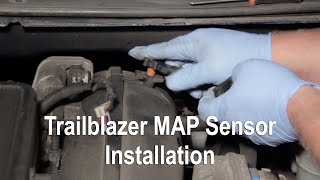
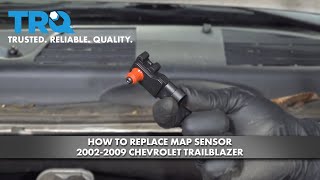
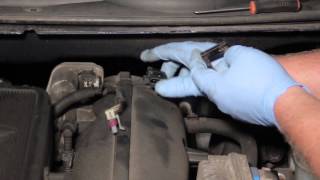
Typical fix: Replace the MAP sensor. On the 4.2L I6, it's located on the driver's side of the intake manifold and held by a single bolt or clip, making for a very quick replacement. 🎬 Watch: Step-by-step guide to replacing the MAP sensor.
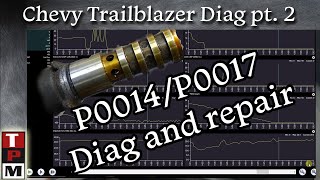
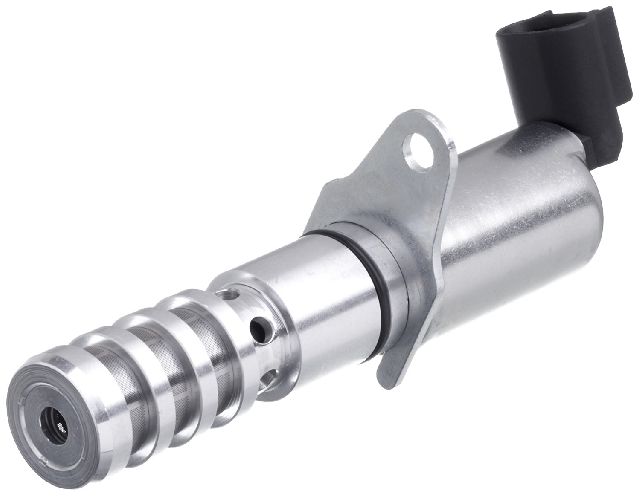
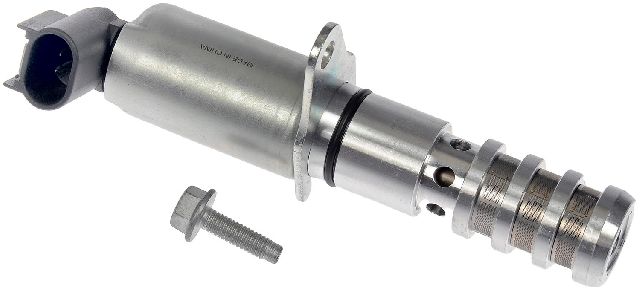
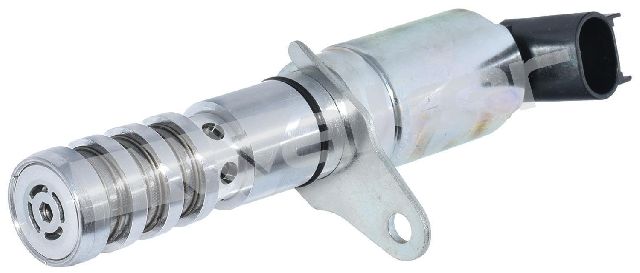
Est. part cost: $25-$60 - Dirty or Failing Camshaft Actuator Solenoid (VVT Solenoid) 🟡 Medium Probability As documented in GM TSB #PIP3694F, debris from infrequent oil changes can clog or tear the fine mesh screens on the solenoid, or the solenoid itself can fail electronically. This causes incorrect camshaft timing, leading to a rough idle that creates erratic manifold pressure, triggering P0106. This is especially likely if P0106 is accompanied by P0014 or P0017.
How to confirm: Inspect the camshaft actuator solenoid for clogged, torn, or missing screens. Use a capable scan tool to command the solenoid on and off and observe the engine's response and camshaft angle data. Oil in the electrical connector is a definitive sign of failure.
Typical fix: Remove and clean the solenoid and its screens. If cleaning doesn't work, the screens are damaged, or the solenoid fails diagnostic tests, it must be replaced. On the 4.2L engine, the power steering pump must be unbolted (three 13mm bolts) and moved aside to gain clearance to remove the solenoid.
Est. part cost: $40-$90 - Dirty Throttle Body 🟡 Medium Probability Carbon and oil residue from the PCV system builds up around the throttle plate, restricting airflow at idle. The ECM compensates by opening the throttle slightly, but this can cause unstable idle and erratic manifold pressure readings. The issue is very common after a battery has been disconnected, as the ECM's learned idle trim values are lost.
How to confirm: Remove the air intake tube and visually inspect the throttle body bore and plate for a thick ring of black carbon deposits. 🎬 See this walkthrough on how to clean your throttle body.
Typical fix: Clean the throttle body using a dedicated throttle body cleaner and a soft brush or rag. Do not spray cleaner directly into the electronic components. After cleaning, an idle relearn procedure may be necessary: start the vehicle and let it idle for 10 minutes without touching the accelerator.
Est. part cost: $5-$15 (for cleaner) - Vacuum Leak ⚪ Low Probability Hoses and gaskets become brittle with age and can crack, creating unmetered air leaks into the intake manifold. This throws off the pressure reading.
How to confirm: Visually inspect all vacuum hoses connected to the intake manifold for cracks or disconnections. A smoke test is the most effective way to find hard-to-see leaks.
Typical fix: Replace the cracked vacuum hose or leaking gasket.
Est. part cost: $5-$50
Rare But Worth Checking
- Damaged Wiring or Connector to MAP Sensor: The wiring to the MAP sensor can become damaged from engine heat and vibration, causing an intermittent signal. Check the connector for a secure fit and the wires for any signs of fraying or breaks.
- Worn Crankshaft Thrust Bearing: A very rare but severe issue mentioned in TSBs. Excessive crankshaft end play (beyond the spec of 0.040-0.220 mm) can cause timing variations that lead to P0106, P0014, and P0017. This is a major engine repair requiring removal of the oil pan to inspect.
- Water Intrusion in Kick Panel Harness Connector: Per TSB 07-06-04-019E/F, water leaks from the A-pillar or windshield can get into the main IP-to-body harness connector in the driver's side kick panel. This can cause corrosion and cross-circuit shorts, leading to various sensor codes, including potentially P0106.
Diagnosis Steps
- Read all stored trouble codes with an OBD-II scanner. Note if P0014 or P0017 are present with P0106.
- If P0014 or P0017 are present, prioritize diagnosing the Camshaft Actuator Solenoid per TSB #PIP3694F. Check oil level and condition first. Remove the solenoid (requires moving the power steering pump on the 4.2L), inspect its screens for debris/damage, and clean or replace it as needed.
- If only P0106 is present, inspect and clean the throttle body first, as it is a common cause and low-cost procedure. Check for heavy carbon buildup. After cleaning, perform an idle relearn by letting the engine idle for 10 minutes.
- If the code persists, inspect the MAP sensor. With the key on and engine off, check the MAP sensor voltage on your scan tool. It should be ~4.5V and match the barometric pressure reading.
- Start the engine. The MAP sensor reading should drop to 1.0-1.5V at idle. If the reading is stuck high or does not change when you rev the engine, the sensor is likely faulty.
- Inspect all vacuum lines connected to the intake manifold for obvious cracks, disconnections, or brittleness.
- Check the MAP sensor's electrical connector and wiring for damage or corrosion.
- If all else fails, perform a smoke test to find any hidden vacuum leaks or investigate rare causes like harness water intrusion or crankshaft end play.
Parts You'll Likely Need
- Manifold Absolute Pressure (MAP) Sensor
(OEM #12623671)— This is a common direct cause for a P0106 code when no other codes are present. It's a sensor that frequently fails due to age and heat.
Trusted brands: ACDelco, Delphi, Standard Motor Products, Walker
OEM price range: $45-$115
Aftermarket price range: $25-$60 - Camshaft Position Actuator Solenoid (VVT Solenoid)
(OEM #12615873)— This is a primary cause of P0106 on the 4.2L engine, especially when accompanied by a rough idle and codes P0014/P0017, as noted in GM TSBs.
Trusted brands: ACDelco, Dorman
OEM price range: $50-$90
Aftermarket price range: $30-$60
Related Codes That Often Appear With This One
- P0014 — This code ('B' Camshaft Position - Timing Over-Advanced) directly points to a problem with the exhaust camshaft timing, often caused by the same VVT solenoid that can trigger P0106.
- P0017 — This code (Crankshaft Position - Camshaft Position Correlation) also indicates a timing issue. The TSB #PIP3694F explicitly links P0017, P0014, and P0106 together as symptoms of a potential camshaft actuator solenoid issue.
Technical Service Bulletins (TSBs) & Recalls
- PIP3694F: Notes that a rough idle may cause a P0106 to store alongside P0014 and/or P0017, and advises inspecting the camshaft actuator solenoid screens.
- 07-06-04-019E/F: Cites water intrusion in the driver's side kick panel harness connector (IP to Body) as a cause for various electrical issues and sensor codes due to corrosion.
Platform-Specific Known Issues
- Technical Service Bulletin #PIP3694F directly links P0106 to rough idle conditions caused by a malfunctioning Camshaft Actuator Solenoid, particularly when codes P0014 or P0017 are also stored.
- On the 4.2L I6 engine, access to the Camshaft Actuator Solenoid requires unbolting and temporarily moving the power steering pump.
- A heavily carbon-fouled throttle body is a very frequent cause of P0106 on this platform, sometimes causing unique symptoms like stalling only when the A/C
Mechanic-Grade Diagnostic Values
- MAP Sensor 5V Reference Wire Voltage (KOEO) — expected: 4.5 - 5.0 Volts DC. Failure: Voltage significantly lower than 4.5V or 0V indicates a wiring or PCM issue.
- MAP Sensor Ground Wire Test (KOEO) — expected: ~12 Volts DC. Failure: 0V indicates an open in the ground circuit.
- MAP Sensor Signal Wire Voltage (KOEO) — expected: ~4.5 Volts DC (at sea level, matches BARO). Failure: Voltage is stuck low or does not match BARO reading.
- MAP Sensor Signal Wire Voltage (Engine at Idle) — expected: 1.0 - 1.5 Volts DC. Failure: Voltage is stuck high (near 4.5V) or does not drop when the engine is running.
- Camshaft Actuator Solenoid (VVT) Resistance — expected: 8 - 13 Ohms. Failure: Readings are erratic, outside the specified range, or show an open/shorted circuit.
- Throttle Position Sensor Angle at Idle — expected: 6% - 10%. Failure: A significantly higher reading, such as 22%, indicates the ECM is compensating for a carbon-restricted throttle body, which can trigger a false P0106.
Scan Tool Commands That Help
- Tech2 / GDS2 or equivalent bidirectional scanner: Graphing Live Data (MAP, TPS, RPM) — Used to observe the relationship between MAP sensor voltage, throttle position, and engine RPM. For P0106, the PCM expects to see MAP voltage decrease as the throttle closes (and RPMs are at idle). A mismatch can indicate a dirty throttle body or a faulty sensor.
- Tech2 / GDS2 or equivalent bidirectional scanner: Camshaft Position Actuator Solenoid Control — This command allows the technician to manually activate and deactivate the VVT solenoid. It is used to verify the solenoid is mechanically and electrically functional when codes P0014 or P0017 are present alongside P0106.
- Snap-on or similar with diagnostic tips: Code Tips / Troubleshooter — Some aftermarket scanners include experience-based diagnostic tips. For P0106 on this platform, the Snap-on troubleshooter specifically notes that 'excessive carbon buildup on the throttle body and plate may cause the DTC to set', guiding technicians away from unnecessarily replacing the MAP sensor.
Wiring & Ground Locations
- MAP Sensor Connector (4.2L) — On the MAP sensor, located on the driver's side of the intake manifold.. Provides pinout for testing. Pin A: ORG/BLK (Low Reference/Ground). Pin B: LT GRN (Signal to PCM). Pin C: GRY (5V Reference from PCM).
- PCM Connector C2 (Blue/Green) — The Powertrain Control Module is located on the driver's side of the engine bay, near the fuse box.. The MAP sensor signal wire (LT GRN) terminates at Pin 37 of the C2 connector on 2006 models. This is a key test point for checking signal continuity back to the PCM.
- G201 / SP201 — In the passenger side footwell, behind the right kick panel/side of the center console.. This is a major splice pack and ground for many interior components, including the Data Link Connector (DLC). A poor connection here can cause communication issues with scan tools and other bizarre electrical problems.
- G103 — On the cowl in the left rear of the engine compartment, above the brake booster.. This ground serves the Body Control Module (BCM) and the DLC. A bad ground here can interfere with diagnostics and module communication.
- Engine Block Ground (near starter) — Forward of the starter motor on the engine block.. A known GM issue exists where the ground bolt (P/N 11517862) can bottom out in the block before properly securing the ground terminals. This can cause a weak ground for the entire engine management system, leading to erratic sensor behavior.
Real Owner Repair Stories
- Reddit user in r/MechanicAdvice (Chevrolet Trailblazer, year not specified) — P0106 code, incredibly hard idle, and stalling immediately after the vehicle's battery died and was replaced.
❌ Tried (didn't work) Replacing the MAP sensor
✅ What actually fixed it The problem was resolved by thoroughly cleaning the throttle body with throttle body cleaner and then performing an idle relearn procedure. The procedure involved disconnecting the battery during cleaning, reconnecting it, and then starting the vehicle and letting it idle for 10 minutes without touching the accelerator pedal. This allowed the computer to relearn the idle position with the clean throttle body.
"I Checked Everything" — The Actual Cause
- A very common scenario for P0106 on the TrailBlazer is a dirty throttle body, not a vacuum leak. A smoke test will show no leaks, and the MAP sensor itself will test good. The root cause is carbon buildup restricting the 'minimum idle speed' airflow. The PCM compensates by opening the throttle plate more than expected at idle (e.g., 20-22% instead of 6-10%). The PCM sees a high throttle angle but a low (high vacuum) MAP sensor reading, which it interprets as an irrational signal, setting the P0106 code. The fix is not finding a leak, but cleaning the throttle body.
OEM Part Supersession History
12568078, 12576768, 12597025, 12602516→12615873— Updated design to improve durability and prevent screen failure on the Camshaft Actuator Solenoid.
Model Year Variations Within This Range
- 2006-2007: The Throttle Actuator Control (TAC) system wiring diagram for 2006-2007 models is different from the one used on 2002-2005 models. While the P0106 diagnosis often focuses on the MAP sensor itself, issues with the electronic throttle body or its wiring can be a factor, and technicians must use the correct year-specific diagram.
Helpful Videos
We Have This Part in Stock


The information in this article is provided for general reference and educational purposes only. Vehicle specifications, procedures, and part compatibility can vary by production date, trim level, and region. Always consult your vehicle's factory service manual and verify part numbers before purchasing or performing repairs. Safety-critical components such as airbags, seat belts, and braking systems should be installed by a qualified professional.
- Chevrolet TRAILBLAZER:
- 🎬 Helpful Videos
- 🛍️ Shop This Part
- What's Unique About the 2005-2009 Chevrolet TRAILBLAZER
- Diagnostic Flowchart
- Symptoms You May Notice
- Most Likely Causes
- Rare But Worth Checking
- Diagnosis Steps
- Parts You'll Likely Need
- Related Codes That Often Appear With This One
- Technical Service Bulletins (TSBs) & Recalls
- Platform-Specific Known Issues
- Mechanic-Grade Diagnostic Values
- Scan Tool Commands That Help
- Wiring & Ground Locations
- Real Owner Repair Stories
- "I Checked Everything" — The Actual Cause
- OEM Part Supersession History
- Model Year Variations Within This Range
- 🎟️ Get 5% Off