

P0106 on 2013-2017 Chevrolet Malibu: MAP Sensor & Intake Manifold Guide
On 2013-2015 Malibus with the 2.5L engine, P0106 is most often caused by loose intake manifold bolts creating a vacuum leak. Before buying a MAP sensor, check if the manifold is loose. Tightening these bolts to the correct torque (12 Nm or 108 in-lbs) is often the only fix needed, as confirmed by GM Technical Service Bulletin PIP5529B.
- For a 2013-2015 Malibu 2.5L, your first step for a P0106 code should always be to check if the intake manifold is loose. This is a free check that can save you from buying parts you don't need.
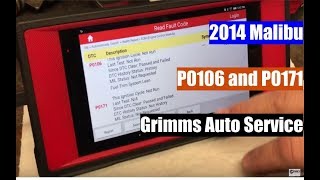
- This code is often paired with P0171 (System Too Lean), strongly suggesting a vacuum leak is the root cause.
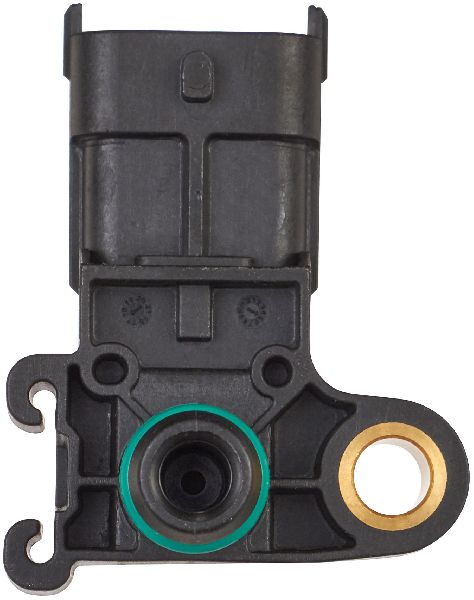
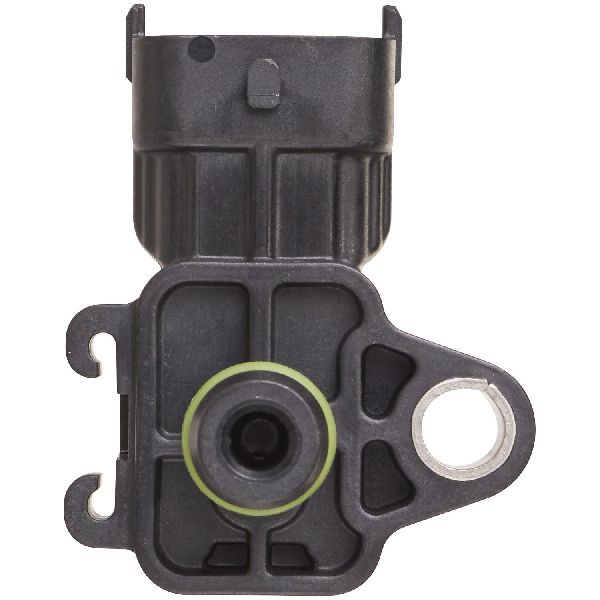
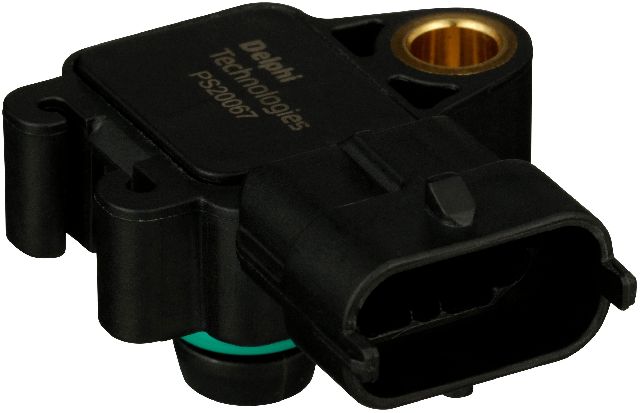
- If the manifold is tight, the next most likely cause is a failed MAP sensor (ACDelco part #12644228).
- Driving with this code can lead to stalling and poor engine performance, so it should be addressed promptly.
What's Unique About the 2013-2017 Chevrolet MALIBU

For the 8th generation Malibu (2013-2015) with the 2.5L LCV engine, this code has a very specific and common cause that is often misdiagnosed. The bolts securing the plastic intake manifold to the engine block are known to loosen over time due to thermal cycles and vibration. This creates a significant vacuum leak, which the ECM interprets as a MAP sensor problem. Many owners and technicians have fixed code P0106 simply by tightening these bolts to the specified torque of 12 Nm (108 in-lbs), avoiding the cost of a new sensor entirely. 🎬 Watch: How to fix P0106 by tightening loose intake bolts. GM acknowledged this issue in TSB PIP5529B, which instructs technicians to check for and tighten loose intake manifold bolts before performing other diagnostics.
Diagnostic Flowchart

Tap your situation to follow the diagnostic path that matches what you're seeing on this vehicle.
Generation note: This range covers the end of the 8th generation (2013-2015, plus the 2016 'Limited' model) and the start of the 9th generation (2016-2017). The most documented issue for P0106—loose intake manifold bolts—primarily affects the 8th generation with the 2.5L LCV engine. For the 9th generation's turbocharged 1.5L and 2.0L engines, P0106 can be associated with leaks in the charge air cooler piping or wiring harness chafing issues as noted in TSB 17-NA-181.
Symptoms You May Notice

- Check Engine Light is on
- Rough or unstable idle
- Hesitation or lack of power during acceleration
- Engine stalling, especially when coming to a stop
- Decreased fuel economy
- Black smoke from the exhaust in some cases
- "Service Stabilitrak" message may appear on the dash during stalling events
- Replacing the MAP sensor on a 2013-2015 Malibu 2.5L without first checking for loose intake manifold bolts.
Most Likely Causes
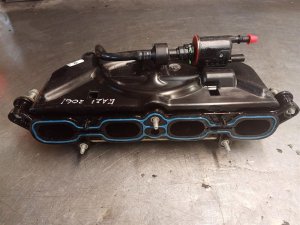
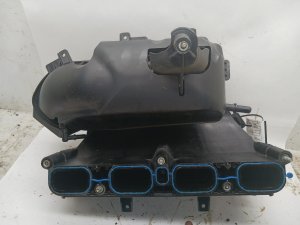
- Loose Intake Manifold Bolts 🔴 High Probability This is a well-documented issue specifically on the 2013-2015 Malibu with the 2.5L LCV engine, and is also seen on platform mates with the same engine. The bolts can back out over time, creating a vacuum leak at the manifold gasket. GM TSB PIP5529B directly addresses this fix.
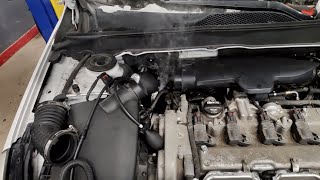
How to confirm: With the engine off, physically grab the intake manifold and try to wiggle it. If there is any movement, the bolts are loose. A smoke test will definitively show smoke billowing from the gasket area if a leak is present.
Typical fix: Tighten the intake manifold mounting bolts in sequence to the manufacturer's specified torque of 12 Nm (108 in-lbs or ~9 ft-lbs). TSB PIP5529B recommends removing one bolt at a time, applying medium strength threadlocker, and then reinstalling and torquing to spec. The gasket usually does not need to be replaced.
Est. part cost: $0 - $40 - Faulty Manifold Absolute Pressure (MAP) Sensor 🟡 Medium Probability The sensor can fail from age, heat exposure, or internal electronic faults. However, it is often replaced unnecessarily when the true cause is a vacuum leak.
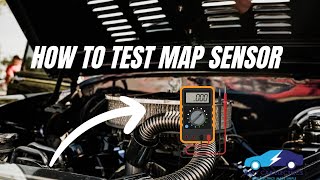
How to confirm: After confirming the intake manifold is secure, test the sensor. With the key on and engine off, the MAP sensor reading on a scan tool should match the BARO (barometric pressure) reading. You can also test the voltage signal with a multimeter while applying vacuum with a hand pump; the voltage should drop smoothly from around 4.7V with no vacuum to 1.2V at 20 in. Hg.
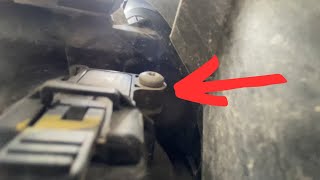
Typical fix: Replace the MAP sensor. On the 2.5L engine, it is located on the back of the intake manifold, often near the throttle body, and may require a T-25 Torx bit for removal.
Est. part cost: $30 - $80 - Vacuum Leak (Other) ⚪ Low Probability
How to confirm: Perform a smoke test to check for leaks from cracked vacuum hoses (like PCV lines), a leaking brake booster hose, or a damaged air intake duct between the air filter and throttle body.
Typical fix: Replace the cracked or broken hose or gasket that is causing the leak.
Est. part cost: $10 - $50 - Damaged Wiring or Connector ⚪ Low Probability The provided TSBs PIP5529A and PIP5529B mention electrical system diagnostics for a cluster of codes including P0106, suggesting wiring issues can be a factor. A separate TSB (17-NA-181) for 2016-2017 models points to a wiring harness that can chafe against a coolant hose clamp, potentially damaging the MAP sensor circuit.
How to confirm: Visually inspect the MAP sensor connector and wiring harness for corrosion, damage, or loose pins. Check for a stable 5-volt reference signal and a good ground at the connector with a multimeter.
Typical fix: Repair the damaged wire or replace the connector pigtail.
Est. part cost: $15 - $30
Rare But Worth Checking
- Clogged Catalytic Converter: A severely restricted exhaust can cause abnormal pressure readings in the intake manifold. This will usually be accompanied by other codes (like P0420) and a major loss of engine power. One owner reported fixing P0106 on a 2.4L Malibu by using a catalytic converter cleaner additive after replacing multiple other parts.
- Faulty Powertrain Control Module (PCM): This is extremely rare. The PCM should only be considered after all other possible causes, including sensors, wiring, and mechanical issues, have been ruled out.
- Internal Engine Mechanical Problems: Very rare, but issues like incorrect valve timing or poor compression can affect manifold vacuum and potentially trigger a P0106 code. This would be accompanied by more severe running problems.
Diagnosis Steps
- Read the code with an OBD-II scanner and check for any other accompanying codes, especially P0171 and P0068.
- FOR 2013-2015 2.5L MODELS: With the engine off, physically check if the intake manifold is loose by trying to move it by hand. If it moves, this is your primary suspect.
- If loose, tighten the intake manifold mounting bolts to 12 Nm (108 in-lbs). Per TSB PIP5529B, for a more robust fix, remove one bolt at a time, apply medium-strength threadlocker, and then torque. Clear codes and test drive.
- If the manifold is tight, visually inspect all vacuum hoses and the air intake duct for obvious cracks, disconnections, or damage.
- Inspect the MAP sensor's electrical connector for corrosion, damage, or loose pins. Ensure it is seated properly.
- With a scan tool (key on, engine off), compare the MAP sensor reading to the Barometric Pressure (BARO) reading. They should be nearly identical.
- If available, use a smoke machine to test the intake system for hard-to-find vacuum leaks.
- If no leaks are found, test the MAP sensor itself. Using a multimeter, verify the 5-volt reference and ground circuits at the connector. Test the signal wire while applying vacuum with a hand pump to see if the voltage changes correctly and smoothly.
- If the sensor fails the test, replace the MAP sensor.
Parts You'll Likely Need
- Manifold Absolute Pressure (MAP) Sensor
(OEM #12644228)— This is the sensor that reports the pressure reading. It is the second most likely failure point after checking for a loose intake manifold. Note: While this part number fits many GM applications, always verify with VIN for your specific engine. This part number is superseded by 12711681.
Trusted brands: ACDelco, Bosch, Delphi
OEM price range: $50-$80
Aftermarket price range: $30-$60 - Intake Manifold Gasket
(OEM #12655276 (replaces 12634693))— If the intake manifold bolts were loose for a long time, the gasket may have been damaged and could require replacement to ensure a proper seal, even after tightening. However, TSB PIP5529B states replacement is often not necessary.
Trusted brands: Fel-Pro, Mahle, ACDelco
OEM price range: $25-$40
Aftermarket price range: $15-$30
Related Codes That Often Appear With This One
- P0171 — System Too Lean. This code is often triggered alongside P0106 because a vacuum leak (from a loose manifold or cracked hose) allows unmetered air into the engine, creating a lean air-fuel mixture.
- P0068 — MAP/MAF - Throttle Position Correlation. This code indicates a conflict between the MAP sensor, MAF sensor, and throttle position sensor, which is directly related to the fault condition of P0106. The TSBs also group these codes together.
- P1101 — Intake Air Flow System Performance. This code can be set by the same vacuum leaks that cause P0106, as the unmetered air creates a discrepancy between the MAF sensor and the engine's actual airflow.
Technical Service Bulletins (TSBs) & Recalls
- PIP5529B / PIP5529A: These bulletins list P0106 among a large group of other DTCs. The key instruction is to inspect for loose intake manifold bolts if standard diagnostics don't find a cause. The bulletin provides a specific labor operation code (4086138) for torquing the bolts and recommends using threadlocker for a lasting repair.
- Recall 12292: While not for P0106 directly, this recall for 2013 2.5L models addressed mis-routed knock sensor harnesses, showing that wiring issues in the vicinity of the intake manifold were a known factory concern.
- 17-NA-181: For 2016-2017 models, this bulletin identifies a potential for the engine wiring harness to chafe against a coolant hose clamp, which can damage wires for various sensors, including the MAP sensor, causing codes like P0106.
Platform-Specific Known Issues
- On 2013-2015 models with the 2.5L engine, loose intake manifold bolts are a very common cause of P0106 and the associated P0171 code. The fix is often as simple as re-torquing the bolts to 12 Nm (108 in-lbs).
- TSB PIP5529B explicitly directs technicians to check for loose intake manifold bolts on 2013-2017 Malibus with LCV, LKW, and LTG engines when a combination of codes including P0106 is present.
Mechanic-Grade Diagnostic Values
- MAP Sensor 5V Reference Wire — expected: ~5.0 Volts DC. Failure: Voltage significantly lower than 5.0V or 0V indicates a wiring or ECM issue.
- MAP Sensor Ground Wire (at sensor connector) — expected: Less than 100 millivolts (0.1V). Failure: Higher voltage indicates a poor ground connection, which can skew sensor readings.
- MAP Sensor Signal Wire (Key On, Engine Off) — expected: ~4.5 - 4.7 Volts DC (at sea level). Failure: Voltage that is stuck low or does not match this approximate value suggests a sensor or wiring fault.
- MAP Sensor Signal Wire (Engine Idling, 2.5L Non-Turbo) — expected: 1.0 - 1.5 Volts DC. Failure: Voltage that is stuck high (closer to 4.5V) or doesn't respond to throttle changes indicates a problem.
- Long Term Fuel Trim (LTFT) with vacuum leak — expected: Normal is +/- 5%. A known bad vehicle with a P0171/P0106 had LTFT at +39.8%.. Failure: Extremely high positive fuel trims confirm the ECM is compensating for a massive unmetered air leak.
Scan Tool Commands That Help
- GDS2 / Professional Scan Tool: Graphing MAP Sensor Data vs. Throttle Position — Use this to watch for slow sensor response time during a snap throttle test. A healthy sensor's voltage should rise and fall instantly with throttle application and release. A slow rise time can indicate contamination or a blockage.
Wiring & Ground Locations
- MAP Sensor Connector (3-pin) — On the MAP sensor, which is mounted to the intake manifold, often near the throttle body.. This is the primary point for electrical testing. Typical pinout is Pin A: Ground, Pin B: Signal, Pin C: 5V Reference.
- Engine Harness Chafe Point (2016-2017) — The engine harness may chafe against the heater inlet hose clamp, engine coolant air bleed hose clamp, or upper radiator inlet coolant hose clamp.. TSB 17-NA-181 identifies this as a potential cause for P0106 and other electrical DTCs on 9th generation Malibus due to damaged wiring.
Real Owner Repair Stories
- GM Forum user Hassan1981 (2013 Chevy Malibu 2.4L Ecotec) — Hesitation, rough idle, stalling, "Service ESP" message, codes P0106 and P2227.
❌ Tried (didn't work) Replaced MAP sensor, Replaced intake manifold gaskets, Replaced throttle body gasket, Replaced air filter, Replaced MAF sensor, Replaced spark plugs
✅ What actually fixed it The final cause was a clogged catalytic converter and dirty O2 sensors. Adding three canisters of a CAT/O2 cleaner additive to a full tank of fuel and driving on the highway resolved the issue. - YouTube user 'P0106 Chevrolet Malibu 2013 2015 Solved' (2013-2015 Chevy Malibu) — P0106 code, potential for other codes to be triggered.
❌ Tried (didn't work) Replacing the MAP sensor first.
✅ What actually fixed it The intake manifold was physically loose. Tightening the three 10mm bolts holding the intake manifold to the engine resolved the problem without needing to replace the MAP sensor.
OEM Part Supersession History
12644228→12711681— Standard part lifecycle update by the manufacturer.
Heads up: The new part number (12711681) is the direct replacement and should be fully compatible.
Model Year Variations Within This Range
- 2013-2016 (8th Gen): The primary cause for P0106 is overwhelmingly loose intake manifold bolts on the 2.5L LCV engine.
- 2016-2017 (9th Gen): While vacuum leaks can still occur, these models with 1.5L/2.0L turbo engines are also susceptible to wiring harness chafing against coolant hose clamps (per TSB 17-NA-181) and potentially disconnected charge air cooler tubes (per TSB 22-NA-224 on later models).
Helpful Videos

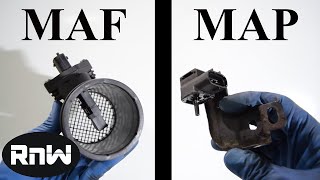

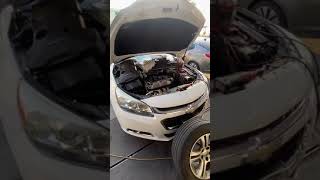
Used OEM Parts in Stock

New Aftermarket Parts Available


The information in this article is provided for general reference and educational purposes only. Vehicle specifications, procedures, and part compatibility can vary by production date, trim level, and region. Always consult your vehicle's factory service manual and verify part numbers before purchasing or performing repairs. Safety-critical components such as airbags, seat belts, and braking systems should be installed by a qualified professional.
- Chevrolet MALIBU:
- 🎬 Helpful Videos
- 🛍️ Shop This Part
- What's Unique About the 2013-2017 Chevrolet MALIBU
- Diagnostic Flowchart
- Symptoms You May Notice
- Most Likely Causes
- Rare But Worth Checking
- Diagnosis Steps
- Parts You'll Likely Need
- Related Codes That Often Appear With This One
- Technical Service Bulletins (TSBs) & Recalls
- Platform-Specific Known Issues
- Mechanic-Grade Diagnostic Values
- Scan Tool Commands That Help
- Wiring & Ground Locations
- Real Owner Repair Stories
- OEM Part Supersession History
- Model Year Variations Within This Range
- 🎟️ Get 5% Off