

P0106 on 2014-2019 Cadillac CTS: MAP Sensor, Vacuum Leaks, and Valve Spring Issues
P0106 on a 2014-2019 Cadillac CTS most often points to a faulty Manifold Absolute Pressure (MAP) sensor. However, a critical GM Technical Service Bulletin (TSB) also links this code to a broken valve spring, a much more serious mechanical issue. Always diagnose thoroughly before replacing parts, as vacuum leaks and dirty throttle bodies are also common culprits.
- P0106 on a 2014-2019 CTS means the MAP sensor signal is out of its expected range.
- The most common fix is replacing the MAP sensor, which is an affordable and DIY-friendly job.
- Always check for vacuum leaks first, as a cracked hose can easily trigger this code.
- Be aware of GM Technical Service Bulletin #PIP5423B, which links P0106 with P0506 to a potentially broken valve spring, a much more serious issue.
- Do not drive extensively with this code, as it can cause poor performance, stalling, and potentially lead to engine damage if a mechanical fault is the cause.
What's Unique About the 2014-2019 Cadillac CTS
For the third-generation Cadillac CTS, the P0106 code is not just a simple sensor issue. While a failing MAP sensor is a common cause, General Motors has issued specific Technical Service Bulletins (TSBs) that connect this code to more severe underlying mechanical problems. Specifically, TSB #PIP5423B points to the possibility of a broken valve spring, which can cause erratic manifold pressure and trigger the P0106 code, often alongside P0506 (Idle Air Control System RPM Lower Than Expected). This TSB applies to a wide range of GM engines, including the 6.2L LT4 found in the CTS-V. This makes a proper diagnosis more critical than on other vehicles where P0106 is almost always just a bad sensor.
Diagnostic Flowchart
Tap your situation to follow the diagnostic path that matches what you're seeing on this vehicle.
Symptoms You May Notice
- Check Engine Light is on
- Rough or unstable idle
- Engine stalling, especially when coming to a stop
- Hesitation or stumbling during acceleration
- Poor fuel economy
- Black smoke from the exhaust
- Pronounced tapping or ticking noise from the engine, especially as RPMs increase, which could indicate a broken valve spring
- Replacing the throttle body when the issue is a simple vacuum leak or a dirty MAP sensor port.
- Replacing the MAP sensor without checking for the more serious mechanical issue of a broken valve spring, as noted in TSB #PIP5423B.
- Replacing the MAP sensor when the actual cause is a very dirty throttle body causing an irrational reading.
Most Likely Causes
- Faulty Manifold Absolute Pressure (MAP) Sensor 🔴 High Probability The MAP sensor is a common failure point on many modern engines. It's a sensitive electronic component that operates in a harsh environment and can fail over time. GM also issued TSB #20-NA-043 noting that icing can occur on the sensor in freezing weather, causing a temporary P0106 code.
How to confirm: With a scan tool, observe the live MAP sensor data with the key on, engine off. It should read close to the barometric pressure. Start the engine; the reading should drop significantly at idle (high vacuum) and rise with throttle input. If the reading is stuck, zero, or doesn't change logically, the sensor is likely bad.
Typical fix: Replace the MAP sensor. It is typically located on the intake manifold and held by a single bolt. GM service information warns against cleaning the sensor with chemicals; replacement is the recommended repair.
Est. part cost: $25-$80 - Vacuum Leak 🟡 Medium Probability Hoses (especially PCV lines), intake manifold gaskets, and other seals can become brittle and crack over time due to heat and age, leading to unmetered air entering the intake manifold and disrupting pressure readings.
How to confirm: Perform a visual inspection of all vacuum lines connected to the intake manifold for cracks or loose connections. A smoke test is the most effective method, where a smoke machine fills the intake system with visible smoke, revealing any leaks.
Typical fix: Replace the cracked hose or faulty gasket that is causing the leak.
Est. part cost: $10-$50 - Broken Valve Spring ⚪ Low Probability GM TSB #PIP5423B specifically calls out this issue for multiple model years and engines (including the 6.2L LT4) where a broken valve spring can cause P0106 and P0506. This is a known, though not common, mechanical failure point that directly impacts manifold vacuum.
How to confirm: A steady misfire (P0300, P030x) and a tapping/ticking sound from the top of the engine are strong indicators. A cylinder compression or leak-down test will show a problem in the affected cylinder. The definitive way to confirm is to remove the valve covers and visually inspect the valve springs for breakage.
Typical fix: Replace the broken valve spring. This is a labor-intensive job that often requires specialized tools to perform without removing the cylinder head.
Est. part cost: $20-$100 for the spring, but labor is significant.
Rare But Worth Checking
- Dirty Throttle Body: The direct injection engines in the CTS (LTG, LFX/LGX) are prone to carbon buildup. Excessive carbon on the throttle body plate can restrict airflow at idle. The ECU compensates by opening the throttle plate more than expected, creating a mismatch between the throttle position and the MAP sensor reading, which can falsely trigger a P0106 code.
- Carbon Buildup on Intake Valves: A known issue with direct injection engines. Heavy carbon deposits on the intake valves can disrupt airflow into the cylinders, affecting manifold pressure and potentially causing a P0106 code. GM has issued bulletins about using top-tier fuels and decarbonizing services to address this.
- Clogged Catalytic Converter: A severely clogged catalytic converter can create excessive backpressure in the exhaust, which can affect the pressure readings in the intake manifold and potentially trigger a P0106 code. This is usually accompanied by other codes (like P0420) and a significant loss of power.
- Wiring Harness Damage: The wiring to the MAP sensor can become damaged or corroded, leading to an erratic signal. Inspect the harness for any visible chafing or loose connections, especially near the sensor connector and where the harness might rub against engine components.
- Faulty Powertrain Control Module (PCM): While extremely rare, the PCM itself can fail and cause this code. This should only be considered after all other possibilities, including sensors, wiring, and mechanical issues, have been exhaustively ruled out.
Diagnosis Steps
- Read the Codes: Use an OBD-II scanner to confirm P0106 and check for any other accompanying codes (e.g., P0506, P0171, P0300). Note the freeze frame data.
- Inspect Live Data: With the scanner, monitor the MAP sensor voltage/pressure reading. With the Key On, Engine Off (KOEO), the reading should be close to the BARO (barometric pressure) value. Start the engine; the reading should drop sharply at idle (e.g., 1-1.5 volts or ~30-50 kPa).
- Visual & Auditory Inspection: Thoroughly inspect the engine bay. Look for any disconnected, cracked, or brittle vacuum hoses. Listen for hissing sounds indicating a leak. Also listen for any pronounced tapping or ticking noises from the valve cover area.
- Perform a Smoke Test: To definitively find vacuum leaks, use a smoke machine to pressurize the intake system with smoke. Smoke will exit from any leak points.
- Inspect the Throttle Body: Remove the intake ducting and inspect the throttle body and plate for heavy carbon buildup. If dirty, clean it carefully with a throttle body cleaner and a soft cloth.
- Test the MAP Sensor Circuit: If no leaks are found, disconnect the MAP sensor. Using a multimeter, check for a 5-volt reference signal and a good ground at the connector.
- Inspect for Mechanical Faults: If other codes like P0506 or P0300 are present, or a tapping noise is heard, suspect a mechanical issue. As per TSB #PIP5423B, this involves removing the valve covers to inspect the valve springs for breakage.
- Replace the MAP Sensor: If all wiring, vacuum, and mechanical checks pass, the MAP sensor itself is the most likely culprit. Replace it with a new, high-quality part.
Parts You'll Likely Need
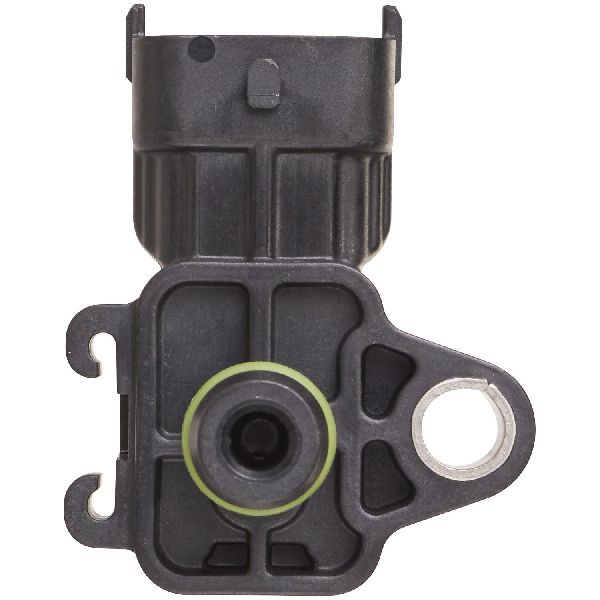
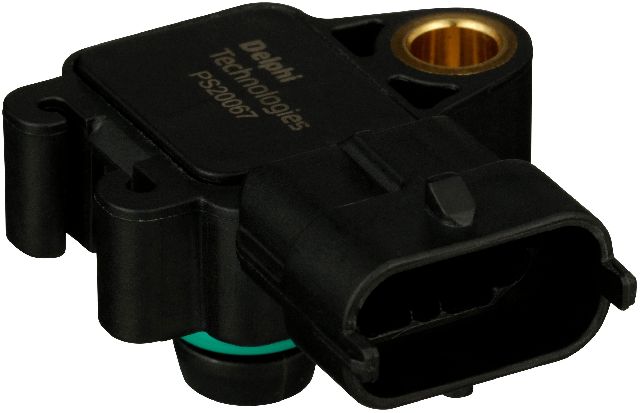
- Manifold Absolute Pressure (MAP) Sensor
(OEM #ACDelco 12644228 (Common for 2.0L LTG & 6.2L LT4), ACDelco 12614970 (Common for 3.6L LFX/LGX))— This is the most common cause of a P0106 code when no vacuum leaks are present. The sensor's internal components fail, providing incorrect readings to the ECU.
Trusted brands: ACDelco, Delphi
OEM price range: $45-$90
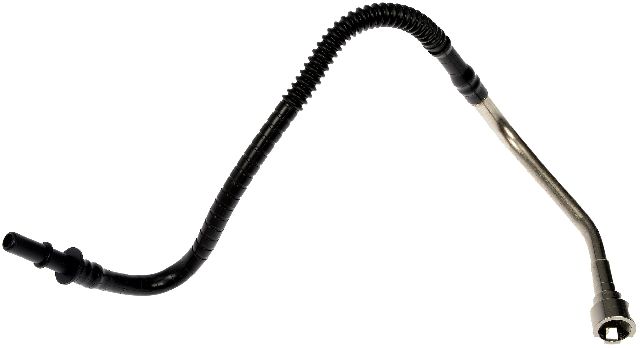
Aftermarket price range: $25-$50 - PCV Hose/Tube — The PCV system hoses are a very common source of vacuum leaks on GM engines. The rubber and plastic can crack from heat and age, causing unmetered air to enter the intake.
Trusted brands: ACDelco
Related Codes That Often Appear With This One
- P0506 — This code for "Idle Air Control System RPM Lower Than Expected" often appears with P0106. TSB #PIP5423B explicitly links these two codes to a potential broken valve spring, as the mechanical fault affects both manifold pressure and the engine's ability to maintain a stable idle.
- P0171/P0174 — These codes indicate a lean fuel condition. A vacuum leak is a common cause for both P0106 and lean codes, as unmetered air enters the engine, disrupting the air-fuel ratio.
- P0300 — A random misfire code can be triggered by the same root causes as P0106, such as a large vacuum leak or a significant mechanical issue like a broken valve spring which disrupts combustion.
Technical Service Bulletins (TSBs) & Recalls
- PIP5423B: Warns that DTCs P0106 and P0506 together can be caused by a broken valve spring on various GM engines, including the 6.2L LT4. The fix is to inspect and replace the spring.
- PIP5529B: A broad diagnostic bulletin for a combination of codes including P0106, P0068, P0101, and others, suggesting a complex underlying issue rather than a single component failure.
- 20-NA-043: Notes that in freezing temperatures, ice can form on the MAP sensor during extended drives, causing a temporary P0106 code that may disappear after the engine warms up. It warns against cleaning the sensor with chemicals.
Platform-Specific Known Issues
- TSB #PIP5423B indicates that on some models (including 2015-2019 CTS-V), a P0106 code accompanied by a P0506 code is a strong indicator of a broken valve spring, requiring mechanical inspection before replacing any sensors.
- TSB #20-NA-043 warns that P0106 can be set temporarily in freezing weather due to ice forming on the MAP sensor. The problem may resolve on its own after the engine warms up.
- The direct-injection nature of the LTG, LFX, and LGX engines makes them susceptible to carbon buildup on the intake valves and throttle body, which can alter airflow characteristics and falsely trigger a P0106 code.
Mechanic-Grade Diagnostic Values
- MAP Sensor 5V Reference — expected: ~5.0 Volts. Failure: Voltage is significantly lower than 5V or absent, indicating a wiring or PCM issue.
- MAP Sensor Ground Circuit — expected: Close to 0 Volts. Failure: Voltage is significantly above 0V, indicating a poor ground connection.
- MAP Sensor Signal (Key On, Engine Off) — expected: ~4.0 - 5.0 Volts (corresponds to barometric pressure). Failure: Voltage is low or does not match the expected value for the current altitude.
- MAP Sensor Signal (Engine at Idle) — expected: ~1.0 - 2.0 Volts (high vacuum). Failure: Voltage does not drop significantly after starting the engine, or remains high, indicating a sensor or vacuum issue.
- MAP Sensor Response to Vacuum — expected: Voltage should be 3.5-3.8V with 5 in. Hg of vacuum applied, and 2.5-3.1V with 10 in. Hg applied.. Failure: Voltage does not change linearly or falls outside the specified ranges when vacuum is applied.
Wiring & Ground Locations
- MAP Sensor Wiring — At the MAP sensor connector, typically on the intake manifold.. Knowing the wire functions is essential for testing the circuit. For many GM applications: Gray is the 5V reference from the PCM, Black is the ground, and Light Green is the signal wire back to the PCM.
- G101 / G110 / G112 — G101 is often on the lower front of the engine block. G110 and G112 are often on the rear of the left cylinder head. (Note: These locations are from slightly older GM models but are common grounding points for the engine and PCM).. The MAP sensor's operation is dependent on a stable ground provided by the PCM, which in turn relies on these main engine block and cylinder head grounds. A corroded or loose ground at these points can cause erratic sensor readings.
Real Owner Repair Stories
- Go-Parts.com repair summary for a related GM vehicle (2015-2021 GM SUV with 6.2L V8 (similar architecture to CTS-V's LT4)) — P0106 code, hard starting.
❌ Tried (didn't work) Initially diagnosed and replaced a broken exhaust valve spring on one cylinder.
✅ What actually fixed it After replacing the spring, the issue persisted. A subsequent smoke test revealed a massive leak from the intake manifold. It was discovered that hot exhaust gases from the broken spring had been forced back into the intake, melting the plastic runner for that cylinder. Replacing the entire intake manifold resolved the P0106 code and hard start.
"I Checked Everything" — The Actual Cause
- In a documented case involving a GM V8 with P0106, the root cause was a broken valve spring. However, simply replacing the spring did not fix the code. The actual fix required a second diagnosis via smoke test, which revealed the intake manifold itself had been melted by exhaust reversion from the broken spring, causing a massive vacuum leak that was not present before the initial failure.
OEM Part Supersession History
12644228 (For 2.0L LTG & 6.2L LT4)→12711681— Standard part evolution for improved reliability or manufacturing.12614970 (For 3.6L LFX/LGX)→19418807— Standard part evolution for improved reliability or manufacturing.
Model Year Variations Within This Range
- 2014-2015 vs 2016-2019 (3.6L V6 models): For the 2016 model year, the 3.6L V6 engine was updated from the LFX to the LGX. The LGX is a significantly redesigned 'clean-sheet' engine with a new block, redesigned cylinder heads, a larger bore, and the addition of Active Fuel Management (AFM) and auto start/stop technology. While they may share a MAP sensor part number, the underlying engine architecture is different, which could introduce different diagnostic considerations (e.g., issues related to the AFM system).
We Have This Part in Stock



The information in this article is provided for general reference and educational purposes only. Vehicle specifications, procedures, and part compatibility can vary by production date, trim level, and region. Always consult your vehicle's factory service manual and verify part numbers before purchasing or performing repairs. Safety-critical components such as airbags, seat belts, and braking systems should be installed by a qualified professional.
- Cadillac CTS:
- 🛍️ Shop This Part
- What's Unique About the 2014-2019 Cadillac CTS
- Diagnostic Flowchart
- Symptoms You May Notice
- Most Likely Causes
- Rare But Worth Checking
- Diagnosis Steps
- Parts You'll Likely Need
- Related Codes That Often Appear With This One
- Technical Service Bulletins (TSBs) & Recalls
- Platform-Specific Known Issues
- Mechanic-Grade Diagnostic Values
- Wiring & Ground Locations
- Real Owner Repair Stories
- "I Checked Everything" — The Actual Cause
- OEM Part Supersession History
- Model Year Variations Within This Range
- 🎟️ Get 5% Off