

P0101 on 2016-2024 Volvo XC90: MAF Sensor Range/Performance Causes and Fixes
On a 2016-2024 Volvo XC90, code P0101 is most often caused by an air leak in the intake system after the sensor, or a dirty MAF sensor. Specifically, check for cracked charge pipes between the turbo/supercharger, intercooler, and throttle body. Start by inspecting all intake hoses for cracks and cleaning the MAF sensor before considering replacement.
- Do not immediately buy a new MAF sensor. The most common cause for P0101 on this XC90 is an air leak.
- Start with the cheapest and easiest steps: inspect all intake hoses for cracks and clean the MAF sensor with dedicated cleaner.
- If you need to find a hidden air leak, a smoke test performed by a qualified shop is the fastest and most accurate method.
- The correct OEM part number for the MAF sensor is 31430000. Using an incorrect or cheap aftermarket sensor can cause further issues.
What's Unique About the 2016-2024 Volvo XC90

On the 2016-2024 Volvo XC90 with its turbocharged and often supercharged 'Drive-E' engines, the intake system is complex and under pressure. This makes it particularly susceptible to air leaks in the charge pipes between the turbo, intercooler, and throttle body. A known failure point is the gasket between the air tube and the supercharger, which can degrade and cause a leak. While a dirty MAF sensor is a common culprit on any vehicle, on this specific XC90, an air leak just after the sensor is an extremely common cause for P0101 and should be the first thing you investigate thoroughly.
🎬 Watch: This DIY guide shows how to fix a Volvo P0101 code.Symptoms You May Notice
- Check Engine Light is on
- Reduced engine power and poor acceleration
- Hesitation or sputtering during acceleration
- Rough or unstable idle
- Decreased fuel economy
- Vehicle may enter "limp-home mode" with severely restricted power
- Black smoke from the exhaust if the mixture becomes too rich
- Immediately replacing the MAF sensor without checking for air leaks. An expensive new sensor will not fix a P0101 code if the underlying cause is a simple cracked hose.
- Replacing the MAF sensor with a cheap, low-quality aftermarket part, which may be improperly calibrated and fail to resolve the issue or introduce new codes.
Most Likely Causes


- Air Leak in Intake System (Post-MAF) 🔴 High Probability The turbocharged and supercharged (T6/T8) engines use multiple pressurized intake pipes and hoses. Clamps can loosen or, more commonly, plastic or rubber pipes can crack over time, allowing metered air to escape. A specific weak point is the gasket for the supercharger intake tube. A crack in any charge pipe between the turbo, intercooler, and throttle body is a very common cause.
How to confirm: Visually inspect all intake hoses and clamps between the MAF sensor and the engine throttle body for cracks, damage, or looseness. Look for oil residue, which can indicate a boost leak. The most definitive method is to have a mechanic perform a smoke test, 🎬 Watch: A helpful breakdown of common P0101 causes and fixes. which will force smoke through the intake system and reveal the exact location of any leaks.
Typical fix: Tighten loose clamps or replace the cracked/damaged intake hose or gasket. In the case of the known supercharger inlet gasket leak, Volvo has an updated set of parts that must be installed together.
Est. part cost: $50-$250 for a replacement intake hose, potentially higher for multi-part assemblies. - Dirty or Contaminated MAF Sensor 🟡 Medium Probability Oil vapor from the PCV system or fine dust that gets past the air filter can accumulate on the sensor's delicate hot wire, insulating it and causing inaccurate readings. This can sometimes happen after a service where the air filter was changed, and debris was inadvertently dislodged.
How to confirm: Remove the MAF sensor and visually inspect the small wires inside. If they appear coated in grime or oil, they need cleaning.
Typical fix: Carefully clean the sensor wires using only a dedicated Mass Airflow Sensor cleaner spray. Do not touch the wires or use other chemicals like brake or carburetor cleaner. 🎬 See this quick video on how to safely clean your MAF sensor.
Est. part cost: $10-$15 for a can of MAF cleaner. - Faulty Mass Airflow (MAF) Sensor ⚪ Low Probability While electronic components can fail, it's less common than leaks or contamination. Owners often replace the MAF sensor only to find the problem persists because the root cause was a leak. This should only be considered after ruling out the other causes.
How to confirm: If there are no air leaks and cleaning the sensor does not resolve the code, the sensor itself has likely failed. A mechanic can confirm this by monitoring the sensor's live data on a diagnostic scanner. A healthy MAF on a similar Volvo engine should read around 3.5 g/s at idle.
Typical fix: Replace the MAF sensor. Using an OEM or OEM-supplier (e.g., Bosch) part is highly recommended, as aftermarket sensors can sometimes cause new issues.
Est. part cost: $350-$490 for OEM, $175-$250 for a quality aftermarket brand like Bosch. - Clogged or Dirty Engine Air Filter ⚪ Low Probability
How to confirm: Inspect the engine air filter. If it is visibly dirty, clogged with debris, or has not been changed in a long time, it is restricting airflow.
Typical fix: Replace the engine air filter.
Est. part cost: $25-$60
Rare But Worth Checking
- Dirty Throttle Body: A throttle body clogged with carbon can restrict airflow in a way that conflicts with MAF sensor readings, sometimes triggering a P0101 code. Cleaning it may be necessary if other steps fail.
- Wiring or Connector Issue: Damage to the MAF sensor's wiring harness or a corroded connector can disrupt the signal to the ECM. A visual inspection of the harness and pins is a quick check.
- Aftermarket Air Intake: Some aftermarket 'cold air' intakes can alter the airflow characteristics across the MAF sensor, causing it to read incorrectly and trigger a P0101 code.
Diagnosis Steps

- Read the Code: Use an OBD-II scanner to confirm P0101 is the primary code present. Note any other codes, such as P0171 or P0172.
- Inspect the Air Filter: Remove and check the engine air filter. If it's dirty or clogged, replace it.
- Inspect Intake Hoses: Carefully inspect all air ducts and hoses between the air filter box (where the MAF is located) and the engine's throttle body. Pay close attention to the plastic charge pipes, especially the corrugated sections and connection points. Look for cracks, soft spots, or signs of oil seepage. A common failure is the intake tube being pulled off the throttle body.
- Clean the MAF Sensor: Disconnect the battery. Unplug the MAF sensor connector. Remove the two screws holding it in place. Carefully spray the sensor's internal wires with dedicated MAF sensor cleaner. Let it dry completely before reinstalling.
- Clear Codes and Test Drive: Reconnect the battery and sensor. Clear the trouble codes with your scanner and perform a test drive to see if the code returns.
- Perform a Smoke Test: If the code returns, the next step is to find a potential air leak. A smoke test is the most effective method. This involves feeding pressurized smoke into the intake system to see where it escapes. This is often best performed by a professional shop.
- Check Wiring: Inspect the MAF sensor's electrical connector and wiring for any signs of damage, corrosion, or loose pins.
- Replace the MAF Sensor: If all previous steps have been completed and no leaks or wiring issues are found, the MAF sensor itself is the most likely culprit and should be replaced with a high-quality OEM or equivalent part.
Parts You'll Likely Need
- Mass Air Flow (MAF) Sensor
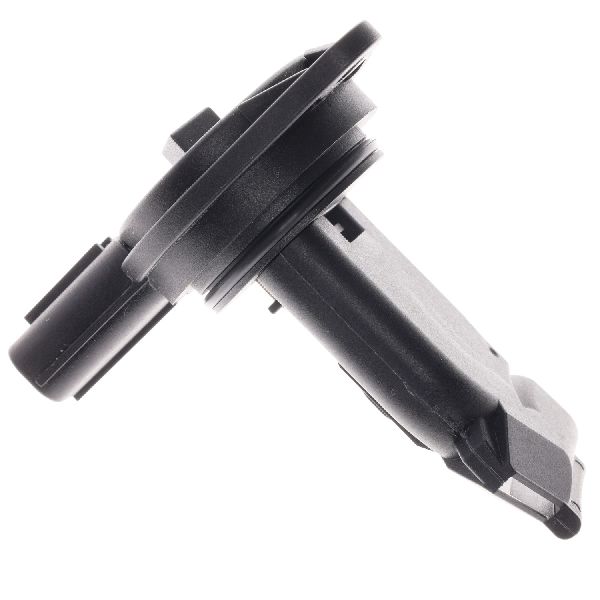
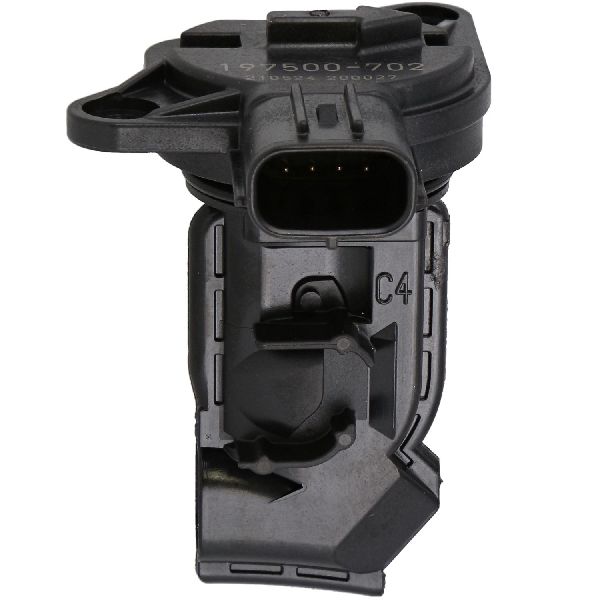
(OEM #32254574 (supercedes 31430000))— This is the part to replace if cleaning fails and no air leaks are found. It is the sensor responsible for generating the signal that triggers the code.
Trusted brands: Genuine Volvo, Bosch
OEM price range: $350-$490
Aftermarket price range: $175-$250 - Engine Air Intake Hose / Charge Pipe — A crack or split in an intake hose is a very common cause of unmetered air leaks that trigger P0101 on these turbocharged models.
Trusted brands: Genuine Volvo
OEM price range: $50-$250
Aftermarket price range: $30-$150 - Mass Air Flow Sensor Cleaner — A low-cost first step. Often, simply cleaning a dirty sensor is enough to fix the problem without replacing any parts.
Trusted brands: CRC, Liqui Moly
Aftermarket price range: $10-$15
Related Codes That Often Appear With This One
- P0171 — System Too Lean. This code often appears with P0101 if there is a vacuum leak, as unmetered air is entering the engine, creating a lean air/fuel mixture.
- P0172 — System Too Rich. This can sometimes appear if the MAF sensor is failing and incorrectly reporting low airflow, causing the ECM to inject too much fuel. It can also be triggered after an air filter change if the MAF sensor is disturbed or damaged.
Technical Service Bulletins (TSBs) & Recalls
- Volvo Technical Journal TJ 31391 - While not publicly available
Platform-Specific Known Issues
- Leaking Supercharger Inlet Gasket: On T6 and T8 'twin-charged' engines, the gasket between the air intake resonator pipe and the supercharger is a known failure point. A leak here will trigger a P0101 code. Volvo has released an updated parts kit to address this, which involves replacing the entire pipe assembly, not just the gasket.
Mechanic-Grade Diagnostic Values

- Mass Air Flow (MAF) Rate at Idle — expected: 2 to 7 grams/second (g/s) depending on engine load (AC on/off, etc.). A 2.5L Volvo engine was reported to have a healthy reading of 12-15 kg/hr (3.3-4.2 g/s).. Failure: A reading that is significantly higher, such as 28-30 kg/hr (7.8-8.3 g/s) at idle, can indicate a problem like a bad ground or faulty sensor, even if it seems to read correctly at higher RPMs.
- MAF Sensor Signal Voltage at Key-On, Engine-Off (KOEO) — expected: ~1.0V. Failure: A significantly different voltage may indicate a wiring or sensor issue. A reading of 1.09V was reported on a functional, though older, Volvo.
- MAF Sensor Signal Voltage at Idle — expected: ~1.3V. Failure: A much higher voltage, like 2.4V at idle, was reported on a vehicle with idle fluctuation issues, pointing towards a MAF or wiring problem.
Hidden / Shadow Codes Worth Checking
- ECM-135F: This is a Volvo-specific code for 'Mass Air Flow (MAF) Sensor - Signal too high'. It is the equivalent of the generic P0101 code and is viewable with a Volvo-specific scanner like VIDA. (see via Volvo VIDA diagnostic software or a compatible high-end professional scanner.)
Wiring & Ground Locations
- MAF Sensor Connector Pin 3 — On the MAF sensor electrical connector.. This is the ground pin from the ECM. A poor connection here or a bad ground elsewhere in the circuit can cause erroneously high MAF readings at idle, even if the sensor itself is good. In one documented case, resistance on this ground wire was the root cause of a P0101 that passed smoke tests.
Real Owner Repair Stories
- Volvo Forums user (2006 Volvo XC90 2.5T (Note: Older model, but demonstrates a critical diagnostic principle for P0101)) — P0101 code (Volvo code 1210 MAF flow too high), high MAF readings at idle (28-30 kg/hr), high long term fuel trims.
❌ Tried (didn't work) Replacing the MAF sensor with a new Bosch unit., Multiple smoke tests which found no leaks., Overhauling the PCV system., Cleaning the throttle body., Replacing intake, exhaust, and turbo gaskets., Cleaning and reseating the ECM and MAF connectors.
✅ What actually fixed it The ground wire for the MAF sensor (pin 3) had high resistance. The owner cut the original ground wire and spliced in a new wire directly to a chassis ground point. This immediately corrected the idle MAF reading to a normal 12-15 kg/hr and resolved the code. - YouTube video (Fun with Cars) (Volvo XC60 (similar SPA platform and Drive-E engine principles)) — P0101 code, engine stalling after hitting a large bump.
❌ Tried (didn't work) Inspecting battery cables.
✅ What actually fixed it The large air intake hose had been pulled completely off the throttle body by the jolt. Reattaching the hose and tightening the clamp resolved all symptoms and the code. This highlights the importance of physically checking all connections, as they can come loose suddenly. - Volvo Forums user (2019 Volvo XC90 T6) — P0101 code appeared after changing a very dirty air filter. Poor acceleration, rough shifting. Also saw P0172 (System Too Rich).
❌ Tried (didn't work) Cleaning the MAF sensor., Replacing the MAF with an aftermarket sensor from Autozone (this introduced more codes)., Replacing the aftermarket sensor with a new OEM Volvo MAF sensor.
✅ What actually fixed it The user was advised by the forum to perform a smoke test to check for a vacuum leak, as the symptoms (P0101 + P0172) and failed fixes strongly pointed to an unmetered air leak that occurred coincidentally with the air filter change. The final resolution was not posted, but the story is a valuable lesson in not trusting parts-swapping alone.
"I Checked Everything" — The Actual Cause
- In a documented case on a similar Volvo, the vehicle repeatedly passed smoke tests for intake leaks. The P0101 code with high idle MAF readings was ultimately caused by a high-resistance ground wire on the MAF sensor harness. The fix was to run a new ground wire from the sensor connector to the chassis, which is a crucial diagnostic step if a smoke test reveals no leaks.
OEM Part Supersession History
31430000→32254574— Standard part evolution, likely for improved reliability, manufacturing process, or minor calibration changes. Both are Genuine Volvo parts.
Heads up: The new part number 32254574 is the correct, current replacement for 31430000. When ordering, expect to receive the newer part number.
Diagnostic Flowchart
Other Known Issues on This Vehicle
Issues unrelated to this code that are worth knowing about as an owner of this generation:
- Excessive Oil Consumption (Piston Ring Failure) 🔴 High — Most common on early 2016-2017 Drive-E engines, but reported on later models as well. Typically becomes apparent between 50k-100k miles. (Ref: Volvo issued extended warranty programs (e.g., P10207) and Technical Journals (e.g., TJ 31216) to address this. The fix involves an oil consumption test followed by piston ring replacement, or in severe cases, a new engine.)
- Squealing Brakes 🟡 Low — Widespread issue, particularly on 2016-2018 models. Owners report persistent squealing noise at low speeds when not braking. (Ref: Volvo released multiple Technical Journals (e.g., TJ 33876, TJ 31007) with updated brake pads, rotors, and calipers to address the noise.)
- Parasitic Battery Drain / Electrical Glitches 🟠 Medium — Reported across various model years. Owners experience dead batteries after the car sits for a period, or various electrical system malfunctions like faulty sensors or infotainment glitches. (Ref: Multiple TSBs exist for software updates and specific component issues (e.g., TCAM unit - TJ 34480) that can cause these problems.)
- Air Suspension Failure 🟠 Medium — On models equipped with optional air suspension, compressors can fail or leaks can develop, causing the vehicle to sag or ride harshly. This is a common issue for many vehicles with air suspension as they age. (Ref: TSB CBR-2014 202402 addresses issues with the suspension not exhausting properly.)
- Warped Brake Rotors 🟠 Medium — Common complaint leading to vibrations or shuddering when braking. The heavy weight of the XC90 contributes to faster brake wear. (Ref: A Technical Journal (NHTSA ID 10254399) was issued for a vibration/shudder while braking, with the fix being to replace the front brake pads.)
Used vs. New Parts: Buying Guide for This Vehicle
When a used part is the smart pick: For structural intake components like charge pipes or the air filter housing, a used part from a reputable salvage yard is a reasonable choice. Inspect carefully for cracks, especially near mounting points and bends, before purchasing.
Donor-vehicle mileage cap: roughly under 80000 miles for the part to have meaningful remaining life.
What to inspect on the donor part:
- For intake hoses, ensure the rubber is still pliable and not brittle.
- Check for any signs of oil residue inside the pipe, which could indicate excessive blow-by from the donor vehicle.
- Ensure all mounting tabs and connector clips are intact and not broken.
OEM-only on this vehicle (don't cheap out):
- Mass Airflow (MAF) Sensor: Due to the sensitivity of Volvo's engine management system, it is highly recommended to use either a Genuine Volvo sensor or the OEM supplier, Bosch. Cheap, no-name aftermarket sensors are known to be poorly calibrated and often cause persistent or new issues.
Aftermarket brands forum-validated for this vehicle:
- Bosch: Bosch is the Original Equipment Manufacturer (OEM) for many Volvo sensors. A Bosch-branded MAF sensor is considered equivalent to the Genuine Volvo part and is a reliable choice.
Brands owners have reported issues with on this vehicle:
- Unbranded/Cheapo eBay/Amazon sensors: Forum users consistently report that cheap, unbranded MAF sensors are a gamble, often arriving dead-on-arrival or failing quickly.
- Delphi: While a major brand, at least one user on a Volvo forum reported a negative experience with a Delphi fuel pump, leading to a lack of confidence in the brand for critical sensors on these vehicles.
Real Owner Stories
Aggregated from forums and TSBs cited above. Mileages and costs reflect what owners reported in those sources.
2019 Volvo XC90 T6
Symptoms: The owner experienced poor acceleration and a Check Engine Light (MIL) immediately after changing the air filter. They attempted to clean the MAF and then replaced it with an aftermarket sensor, which caused a new P0172 rich code.
What fixed it: The forum recommended a smoke test to identify a vacuum leak, as replacing the MAF with an OEM part still did not resolve the performance issues.
Source hint: volvoforums.com - A 2019 XC90 T6 owner details their struggle with P0101 appearing after an air filter change. URL: https://www.volvoforums.com/forum/volvo-xc90-9/changed-air-filter-now-getting-mil-codes-111245/
2016-2024 Volvo XC90 (Drive-E)
Symptoms: The user reported a P0101 code and was looking for DIY diagnostic advice for potential intake leaks.
What fixed it: Inspecting all charge air hoses between the turbo, intercooler, and engine for soft spots or cracks, and performing a DIY leak test using brake cleaner to listen for changes in engine idle.
Source hint: reddit.com/r/Volvo - A user with P0101 is advised to inspect all charge air hoses. URL: https://www.reddit.com/r/Volvo/comments/17nryo2/people_of_volvo_i_need_some_help/
Related OBD-II Codes
Frequently Asked Questions
I have a T6 twin-charged engine; is there a specific leak point I should check for P0101?
Can I use any cleaning spray to fix the MAF sensor on my XC90?
What should a healthy MAF sensor read on a diagnostic scanner for this vehicle?
I just changed my air filter and now P0101 appeared. Did I break something?
Should I buy an aftermarket MAF sensor to save money on my 2016-2024 XC90?
Is there a specific technical guide for the oil consumption issues that sometimes accompany engine codes on early models?
Helpful Videos

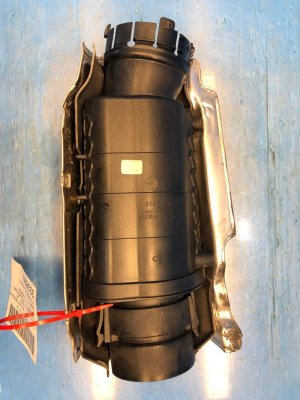
Used OEM Parts in Stock

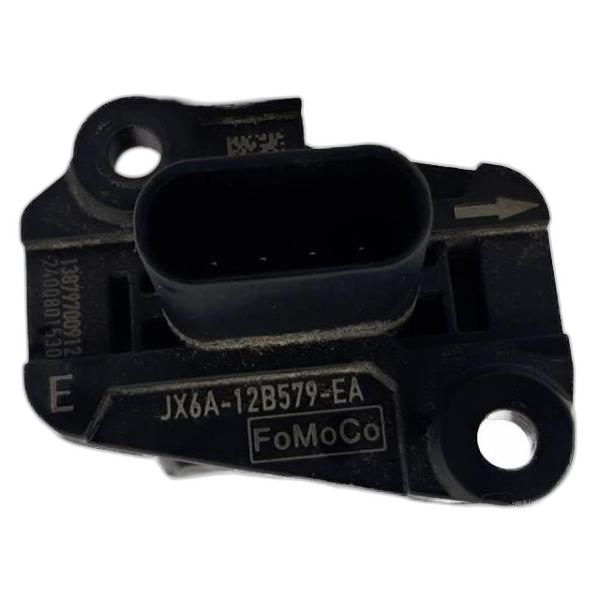
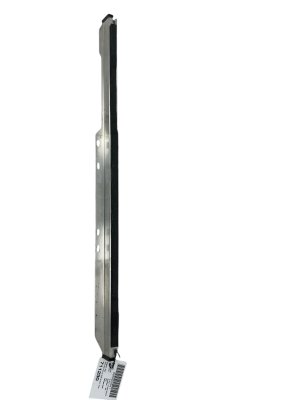


New Aftermarket Parts Available

The information in this article is provided for general reference and educational purposes only. Vehicle specifications, procedures, and part compatibility can vary by production date, trim level, and region. Always consult your vehicle's factory service manual and verify part numbers before purchasing or performing repairs. Safety-critical components such as airbags, seat belts, and braking systems should be installed by a qualified professional.
- Volvo XC90:
- 🎬 Helpful Videos
- 🛍️ Shop This Part
- What's Unique About the 2016-2024 Volvo XC90
- Symptoms You May Notice
- Most Likely Causes
- Rare But Worth Checking
- Diagnosis Steps
- Parts You'll Likely Need
- Related Codes That Often Appear With This One
- Technical Service Bulletins (TSBs) & Recalls
- Platform-Specific Known Issues
- Mechanic-Grade Diagnostic Values
- Hidden / Shadow Codes Worth Checking
- Wiring & Ground Locations
- Real Owner Repair Stories
- "I Checked Everything" — The Actual Cause
- OEM Part Supersession History
- Diagnostic Flowchart
- Other Known Issues on This Vehicle
- Used vs. New Parts: Buying Guide for This Vehicle
- Real Owner Stories
- 2019 Volvo XC90 T6
- 2016-2024 Volvo XC90 (Drive-E)
- Related OBD-II Codes
- Frequently Asked Questions
- 🎟️ Get 5% Off