

P0101 on 2016 Volkswagen Golf R: MAF, PCV, and Leak Fixes
On a 2016 VW Golf R, code P0101 is most often caused by an air leak from a failed PCV valve or a dirty/faulty Mass Airflow (MAF) sensor. A smoke test to find leaks is the best first step before replacing parts. The PCV valve costs about $150, while a new MAF sensor is around $150-$250. The issue is common across other VW/Audi models with the same engine, like the GTI and Audi S3.
- For a 2016 Golf R, P0101 is most likely caused by a vacuum leak from a failed PCV valve, not a bad MAF sensor.
- Always perform a smoke test to check for air leaks before spending money on a new MAF sensor.
- If you hear a whistling sound from the engine or feel strong suction at the oil cap, the PCV valve is almost certainly the problem.
- If no leaks are found, the next step is to clean the MAF sensor with a dedicated cleaner. Only replace it if cleaning fails to fix the issue.
- This code is often paired with P0299 (Underboost), which strongly points to a leak in the turbo's charge pipe system.
What's Unique About the 2016-2016 Volkswagen GOLF R
The 2016 Golf R uses the EA888 Gen 3 engine. On this specific platform, P0101 is very frequently caused by unmetered air entering the system *after* the MAF sensor, rather than a bad sensor itself. The most common culprit is a failed diaphragm in the PCV (Positive Crankcase Ventilation) valve, a well-documented issue across the entire EA888 engine family. This creates a significant vacuum leak. Boost leaks from charge pipes are also common, which is why P0101 is often seen with underboost code P0299 on this car. A VW Technical Tip explicitly advises pressure testing the charge air system for leaks when P0101 appears.
Diagnostic Flowchart
Tap your situation to follow the diagnostic path that matches what you're seeing on this vehicle.
Symptoms You May Notice
- Check Engine Light (MIL) is on
- Reduced engine power and acceleration
- Rough or unstable idle, sometimes hunting for idle speed
- Hesitation or surging during acceleration
- Noticeably worse fuel economy
- Black smoke from the exhaust, indicating a rich fuel mixture
- Vehicle may enter a low-power "limp mode"
- Audible whistling or sucking sound from the engine bay at idle, pointing to a PCV or vacuum leak
- Oil seepage around the oil filler cap or timing covers due to improper crankcase pressure
- Replacing the MAF sensor without first checking for vacuum or boost leaks. On the Golf R, an air leak from the PCV system is a more probable cause than a failed sensor.
Most Likely Causes
- Failed PCV Valve / Oil Separator 🔴 High Probability The diaphragm inside the PCV valve assembly is a known weak point on the EA888 Gen 3 engine and is a leading cause of P0101. It tears, creating a significant unmetered vacuum leak. Many owners and technicians consider it a maintenance item to be replaced every 60,000-80,000 miles.
How to confirm: With the engine idling, try to remove the oil filler cap. If there is strong suction holding it down, or if the engine stumbles or dies, the PCV diaphragm has likely failed. A loud whistling/sucking sound from the PCV assembly itself is also a clear indicator. A smoke test will definitively confirm the leak, often showing smoke exiting the PCV assembly or the oil cap area.
Typical fix: Replace the entire PCV valve and oil separator assembly. It is a single unit held on by seven T30 bolts. While the diaphragm can be replaced separately for a lower cost, the complete assembly contains other non-serviceable valves that can also fail.
Est. part cost: $120-$180 - Dirty or Faulty Mass Airflow (MAF) Sensor 🟡 Medium Probability Oil vapors from a failing PCV system or residue from aftermarket oiled air filters can contaminate the sensor's delicate hot wire, causing inaccurate readings. The sensor can also fail electronically.
How to confirm: Remove the sensor and spray the internal wires generously with dedicated MAF sensor cleaner—do not touch the wires. If cleaning doesn't help, monitor the MAF reading (g/s) with a scan tool. At a fully warmed-up idle, it should be stable and roughly equal to 1.7-1.9 g/s per liter of engine displacement (e.g., ~3.4-3.8 g/s for a 2.0L engine). The reading should increase smoothly and linearly with RPM, not jump erratically. A 'snap test' (quickly revving the engine) should show a sharp spike in g/s readings; a lazy response indicates a bad sensor.
Typical fix: First, attempt to clean the sensor. If the problem persists, replace the MAF sensor.
Est. part cost: $150-$250 - Vacuum or Boost Leak 🟡 Medium Probability Leaks can occur in the various hoses and connections in the intake and turbocharger system. Common failure points include the turbo inlet pipe, intercooler connections, and other charge pipes which can crack or have their clamps loosen over time.
How to confirm: A smoke test is the most effective method. Pressurize the intake system with smoke (after the MAF sensor) and look for smoke escaping from any hoses, gaskets, or the intercooler. Pay close attention to the charge pipes connected to the turbo and throttle body.
Typical fix: Tighten the loose clamp or replace the cracked/broken hose or gasket.
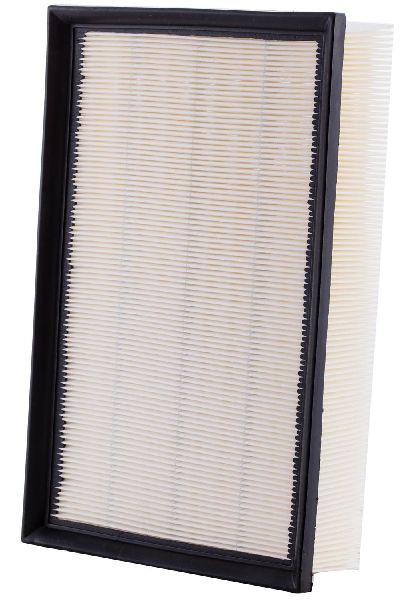
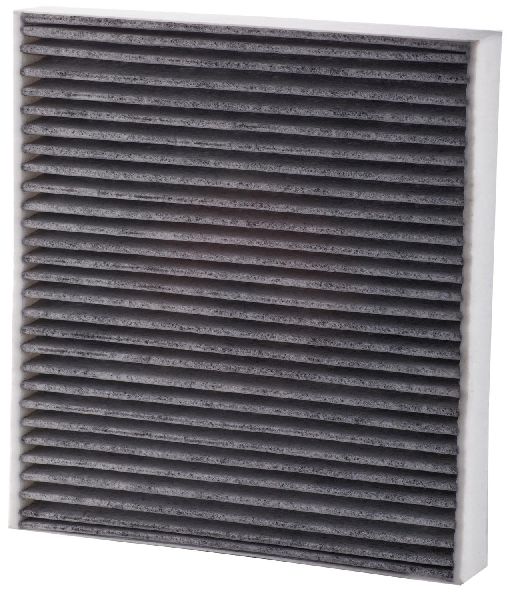
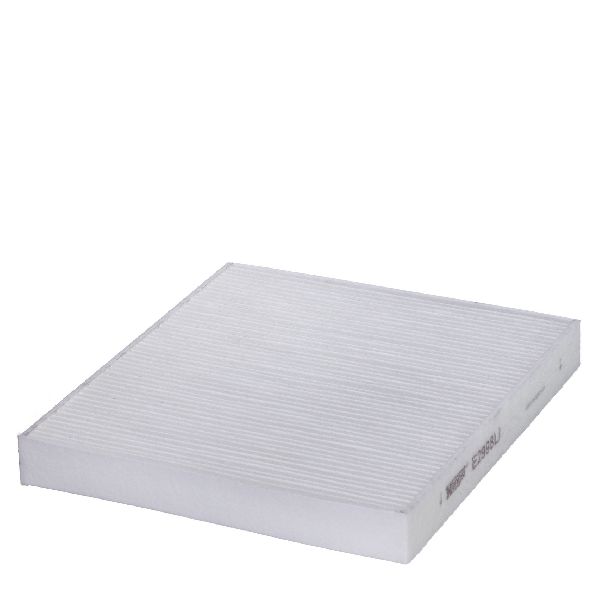
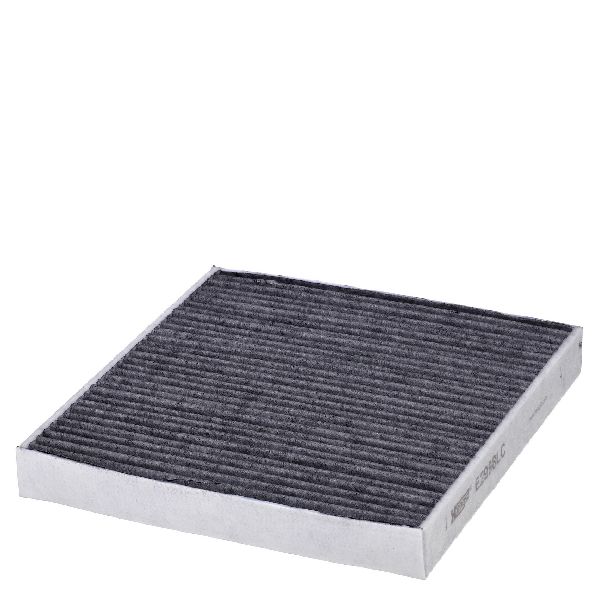
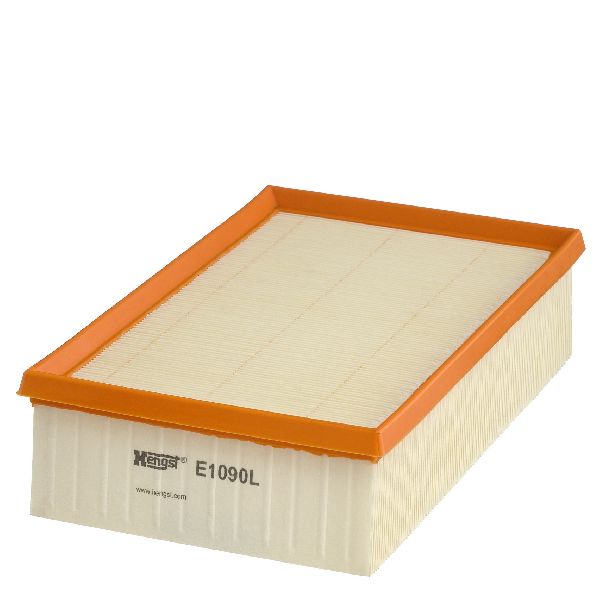
Est. part cost: $20-$100 - Dirty Engine Air Filter ⚪ Low Probability Not platform-specific, but a simple and often overlooked cause. A severely clogged filter restricts airflow, causing the MAF to report lower-than-expected values.
How to confirm: Visually inspect the engine air filter. If it is visibly clogged with dirt and debris, it is restricting airflow and can cause the P0101 code.
Typical fix: Replace the engine air filter.
Est. part cost: $20-$50
Rare But Worth Checking
- Aftermarket Air Intake: Some aftermarket 'cold air' intakes can cause air turbulence across the MAF sensor, leading to incorrect readings and a P0101 code, especially on tuned vehicles. A honeycomb air straightener screen installed in the intake tube before the sensor is a common and effective fix for this issue.
- Wiring or Connector Issue: A damaged wire or corroded pin in the MAF sensor's electrical connector can cause an implausible signal. VW TSB 24-16-04 specifically mentions corrosion at the MAF connector terminals as a cause for P0101 on some 2016 models. Wiggling the harness while monitoring live data can help identify intermittent connection problems.
- Clogged Catalytic Converter: A severely restricted exhaust can create backpressure that skews MAF sensor readings. This is usually accompanied by a more significant loss of power at high RPMs and other exhaust-related codes like P0420.
Diagnosis Steps
- Scan for other fault codes. If P0299, P2177, or P0507 are present, this strongly suggests a vacuum/boost leak is the root cause.
- Perform a quick PCV valve check: With the engine idling, check for strong suction at the oil filler cap or listen for a distinct whistling noise from the PCV assembly.
- Visually inspect the engine air filter and replace if dirty.
- Visually inspect all accessible intake hoses and clamps between the airbox and the throttle body for obvious cracks or loose connections.
- If no obvious leaks are found, perform a smoke test on the intake and charge air system to pinpoint any hidden leaks. This is the most reliable diagnostic step.
- If no leaks are found, remove the MAF sensor and clean it with dedicated MAF sensor cleaner. Do not touch the internal wires. Let it dry completely before reinstalling.
- If the code persists, use a scan tool to monitor the MAF sensor's readings in grams per second (g/s). The reading should be stable at idle (3.4-3.8 g/s) and increase smoothly with engine RPM. If it's erratic, unresponsive, or lags behind RPM changes, the sensor has likely failed.
- Inspect the MAF sensor wiring and connector for any damage, corrosion, or loose pins, as noted in TSB 24-16-04.
Parts You'll Likely Need
- PCV Valve / Oil Separator Assembly
(OEM #06K103495AR (or newer revisions like 06K103495BL, 06K103495BK))— This is the most common failure point on the EA888 Gen 3 engine that causes a P0101 code due to a significant vacuum leak. Always check for the latest OEM revision as VW has updated this part multiple times.
Trusted brands: Volkswagen (OEM), INA, Febi Bilstein
OEM price range: $140-$200
Aftermarket price range: $70-$150 - Mass Air Flow (MAF) Sensor
(OEM #06J906461D)— If cleaning the sensor doesn't work and no vacuum leaks are present, the sensor itself has likely failed electronically.
Trusted brands: Bosch (OEM supplier), Hitachi, Continental/VDO
OEM price range: $200-$275
Aftermarket price range: $100-$180 - Engine Air Filter
(OEM #5QM129620)— A clogged air filter can restrict airflow, leading to lower-than-expected MAF readings and potentially triggering a P0101 code.
Related Codes That Often Appear With This One
- P0299 — Turbocharger/Supercharger Underboost. This code frequently appears with P0101 on the Golf R because a boost leak (e.g., a cracked charge pipe or failed PCV) causes both unmetered air to be lost and the turbo to not reach its target pressure.
- P0100 — Mass or Volume Air Flow Circuit Malfunction. This is a related MAF code, and VW TSBs mention P0101 and/or P0100 appearing for the same underlying issues, such as wiring problems or leaks.
- P2177 — System Too Lean Off Idle. A vacuum leak from a failed PCV valve is a classic cause for this code, as it allows unmetered air into the engine, creating a lean condition that the ECU tries to correct.
- P0507 — Idle Control System RPM Higher Than Expected. A large vacuum leak from the PCV system will cause the engine to suck in extra air, leading to a high and unstable idle.
Technical Service Bulletins (TSBs) & Recalls
- VIN-4-A-PIN AUGU - Lists 'MIL-ON P0101 AND OR P0100' as a known issue for the 2016 model year.
- TSB 24-16-04 - Mentions that P0100 and/or P0101 can be caused by corrosion at the mass air flow connector terminals on some 2016 models.
Platform-Specific Known Issues
- PCV Diaphragm Failure: The rubber diaphragm inside the oil separator is the single most common cause of P0101 on this platform. It is known to tear, creating a large vacuum leak. Many owners on forums like golfmk7.com treat it as a wear item.
- Aftermarket Intake Turbulence: Users on Reddit and various forums report that installing an aftermarket cold air intake can cause P0101 due to turbulent air hitting the MAF sensor. A popular, proven solution is to install a honeycomb air straightener screen inside the intake tube, just before the MAF sensor housing.
- Official VW Technical Service Bulletins (TSBs): TSB VIN-4-A-PIN AUGU acknowledges 'MIL-ON P0101 AND OR P0100' as a known issue for the 2016 model year. Additionally, TSB 24-16-04 (for some 2016 models) points to potential corrosion at the MAF sensor connector terminals as a specific cause.
Mechanic-Grade Diagnostic Values
- Mass Airflow (g/s) at warm idle (VCDS Measuring Blocks) — expected: 3.4 g/s to 3.8 g/s for a 2.0L engine.. Failure: Readings are significantly lower, higher, or fluctuate erratically at a steady idle.
- Mass Airflow (g/s) at 2500 RPM (Scan Tool PID) — expected: Approximately 15 to 25 g/s, depending on load.. Failure: Reading does not increase smoothly with RPM or is significantly outside the expected range.
- MAF Sensor Signal Wire Voltage (back-probed at connector) — expected: Around 0.9V at idle, increasing smoothly up to ~3.8V at wide-open throttle.. Failure: Voltage is erratic, does not respond to RPM changes, or is stuck at a fixed value.
- MAF Sensor Power Supply Pin Voltage (Key On, Engine Off) — expected: 10V to 12V (Battery Voltage).. Failure: No voltage indicates a wiring or ECU power supply issue.
- MAF Sensor 5V Reference Pin Voltage (Key On, Engine Off) — expected: 4.5V to 5V.. Failure: No or incorrect voltage points to a wiring or ECU fault.
Scan Tool Commands That Help
- VCDS (Ross-Tech): Measuring Blocks - Group 003 — To log MAF sensor specified vs. actual airflow (in g/s) while driving. This is used to check if the sensor's readings are plausible across the RPM range. A large deviation (over 18%) between specified and actual values can indicate a fault.
- VCDS (Ross-Tech): Acceleration Measurement — This function, accessible from the Measuring Blocks screen when speed is displayed, can help visualize the engine's performance and how MAF readings correspond to acceleration, which can reveal sensor lag or flat spots.
Wiring & Ground Locations
- MAF Sensor Connector (G70) — On the intake tube, immediately following the air filter box.. This is the primary connection for the sensor. Corrosion or loose pins here will directly cause P0101. The 5-pin connector provides power, ground, and signal lines that must all be intact.
- Engine Block Ground Strap — Typically located on the driver's side of the engine bay, connecting the engine block or transmission to the chassis frame rail.. A corroded or loose main engine ground can cause erratic behavior in multiple sensors, including the MAF, as the ECU relies on this for a stable ground reference. Ross-Tech specifically lists corroded ground spots as a possible cause for P0101.
Real Owner Repair Stories
- Reddit user 'BlasphemousBunny' on r/GolfGTI (2012 VW GTI (Mk6, similar EA888 engine)) — P0101 code, noticeable torque dip from 4k-5k RPM after major service (intake manifold, water pump, injectors, carbon cleaning).
❌ Tried (didn't work) Initial diagnosis pointed towards a sensor or electrical issue.
✅ What actually fixed it A loose hose clamp on the charge pipe between the throttle body and the intercooler was found and tightened. - Reddit user on r/GolfGTI (VW GTI with MAPerformance aftermarket intake) — P0101 and P2177 (System Too Lean Off Idle) codes appeared after installing the intake.
❌ Tried (didn't work) Cleaning the MAF sensor with CRC cleaner.
✅ What actually fixed it The aftermarket intake was causing turbulent air, giving inaccurate MAF readings. Installing a honeycomb aluminum 'air straightener' mesh in the intake tube just before the MAF sensor resolved the codes. - Golfmk6.com user 'Gkivoo' (APR Stage 2 VW GTI (Mk6)) — P0101 code, stuttering, hesitation, unusual exhaust popping after a clutch install and a (negative) boost leak test.
❌ Tried (didn't work) Cleaning the original MAF sensor., Replacing the MAF sensor with a new one from the dealership.
✅ What actually fixed it The user unplugged the MAF sensor and the car ran fine, which often points to a bad sensor. However, since a new sensor didn't fix it, this behavior strongly indicated a large unmetered air leak that the ECU could compensate for in its default fueling map (when the MAF is unplugged), but not with the faulty live data. The final fix was not posted in the thread, but the evidence points away from the sensor itself.
"I Checked Everything" — The Actual Cause
- In cases involving aftermarket intakes, a smoke test may come back clean because there are no 'leaks', but the P0101 is caused by air *turbulence* across the MAF sensor, not unmetered air. The fix is often an air straightener screen, not sealing a leak.
OEM Part Supersession History
06K103495AC, 06K103495AH, 06K103495Q→06K103495AP, 06K103495AR, 06K103495BK, 06K103495BL— Multiple revisions by VW to improve the durability of the internal diaphragm and valve assembly to prevent premature failure and leaks.
Heads up: While all are physically interchangeable, it is critical to use the latest available revision (e.g., BL) to get the most durable version of the part. Using an older revision will likely lead to the same failure recurring.
Helpful Videos

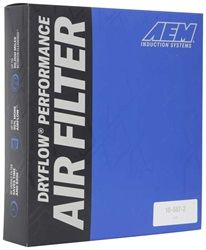
We Have This Part in Stock

The information in this article is provided for general reference and educational purposes only. Vehicle specifications, procedures, and part compatibility can vary by production date, trim level, and region. Always consult your vehicle's factory service manual and verify part numbers before purchasing or performing repairs. Safety-critical components such as airbags, seat belts, and braking systems should be installed by a qualified professional.
- Volkswagen GOLF R:
- 🎬 Helpful Videos
- 🛍️ Shop This Part
- What's Unique About the 2016-2016 Volkswagen GOLF R
- Diagnostic Flowchart
- Symptoms You May Notice
- Most Likely Causes
- Rare But Worth Checking
- Diagnosis Steps
- Parts You'll Likely Need
- Related Codes That Often Appear With This One
- Technical Service Bulletins (TSBs) & Recalls
- Platform-Specific Known Issues
- Mechanic-Grade Diagnostic Values
- Scan Tool Commands That Help
- Wiring & Ground Locations
- Real Owner Repair Stories
- "I Checked Everything" — The Actual Cause
- OEM Part Supersession History
- 🎟️ Get 5% Off