

P0101 on 2016-2017 Subaru Crosstrek: MAF Sensor Causes and Fixes
On a 2016-2017 Crosstrek, code P0101 is most often caused by a dirty Mass Airflow (MAF) sensor. Cleaning it with a dedicated MAF sensor cleaner for about $15 is the first and most common fix. If that fails, inspect for cracks in the intake hose. As a last resort, replacing the sensor with a Denso (OEM) unit costs around $130-$180 and is a very easy DIY job.
- Start by spending $15 to clean the MAF sensor; this fixes the problem more than half the time.
- If cleaning the MAF doesn't work, the next most likely culprit is a cracked rubber air intake hose between the air filter and the throttle body.
- If you replace the sensor, use the OEM Denso part to avoid compatibility issues.
- Always clear the code with a scanner after performing a repair and test drive to confirm the fix.
What's Unique About the 2016-2017 Subaru Crosstrek
For the first-generation Subaru Crosstrek with the FB20B engine, the P0101 code is a very common and straightforward issue, almost always pointing to the MAF sensor itself or a simple vacuum leak. The 2.0L FB20 engine's MAF sensor is known to be sensitive to dirt and debris. While there are no specific recalls for this code, owners should be aware that symptoms like rough idle and lack of power can also be linked to carbon buildup on the intake valves, a known issue on some direct-injection engines, though less documented for this specific port-injected FB20B.
Symptoms You May Notice
- Check Engine Light is on
- Rough or unstable idle
- Engine hesitation or stumbling during acceleration
- Reduced engine power and sluggish performance
- Poor fuel economy
- Engine stalling, especially when coming to a stop
- Black smoke from the exhaust, indicating a rich fuel mixture
- Replacing oxygen (O2) sensors. While O2 sensors are part of the fuel system, P0101 specifically points to an issue with the initial air measurement, not the post-combustion exhaust reading. A bad O2 sensor will typically set its own specific codes.
- Replacing the throttle body. Unless there are specific throttle-related codes (like P2101), the MAF sensor and intake tract should be the primary focus.
Most Likely Causes
- Dirty or Contaminated MAF Sensor 🔴 High Probability The sensor's hot wire is sensitive and can be easily contaminated by dust, oil, or other debris from the intake system. Oiled aftermarket air filters are a common source of contamination.
How to confirm: Visually inspect the sensor's wire elements after removing it from the intake tube. If they appear dirty or coated, this is the likely cause. The sensor is located on the air intake box and is easy to access.
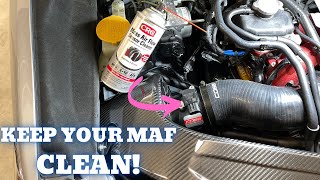
Typical fix: Remove the sensor (held by two Phillips screws) and clean it thoroughly with a dedicated Mass Airflow Sensor cleaner spray. 🎬 Watch: A quick guide on how to clean your Subaru MAF sensor. Do not use brake or carburetor cleaner, as they can damage the sensor's sensitive components. This often restores function immediately.
Est. part cost: $10-$20 for cleaner spray - Vacuum Leak 🟡 Medium Probability The rubber and plastic components of the intake system, particularly the main intake hose between the air filter box and the throttle body, can become brittle and crack over time. This allows 'unmetered' air to enter the engine after the MAF sensor, confusing the ECU.
How to confirm: Visually inspect the air intake duct for any cracks or loose connections. Listen for a hissing sound at idle. A common professional method is to use a smoke machine to feed smoke into the intake system; where smoke escapes, there is a leak.
Typical fix: Replace the cracked intake hose or secure any loose clamps. This is a common failure point.
Est. part cost: $40-$100 for an intake hose - Failed MAF Sensor 🟡 Medium Probability
How to confirm: If cleaning the sensor and confirming there are no vacuum leaks does not resolve the code (even after clearing it with a scanner), the sensor's internal electronics have likely failed. This can be confirmed by monitoring sensor data (grams/second of airflow) with an advanced scan tool to see if the readings are logical and change with RPM.
Typical fix: Replace the MAF sensor. The job is very simple, requiring only the removal of two screws and an electrical connector.
Est. part cost: $130-$300 - Clogged Engine Air Filter ⚪ Low Probability
How to confirm: Remove and inspect the engine air filter. If it is visibly dirty and clogged with debris, it is restricting airflow and can cause the MAF sensor to give out-of-range readings.
Typical fix: Replace the engine air filter. This is a basic maintenance item that should be checked first.
Est. part cost: $20-$40
Rare But Worth Checking
- Clogged Catalytic Converter: A restricted exhaust can create backpressure that throws off airflow readings. This is usually accompanied by other codes and a more severe loss of power, especially at high RPMs, and a 'rotten egg' smell.
- Wiring or Connector Issue: A damaged wire or corroded pins on the MAF sensor connector can interrupt the signal. Wiggle the connector with the engine running to see if the idle changes. Check for a blown fuse related to the sensor circuit.
- Faulty Throttle Body: A very dirty or malfunctioning throttle body can restrict airflow in a way that conflicts with MAF sensor readings, 🎬 Watch: How to clean the throttle body and MAF on a Crosstrek. potentially triggering a P0101 code.
Diagnosis Steps
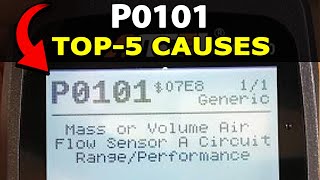
- Read the codes with an OBD-II scanner and confirm P0101 is present. 🎬 See this breakdown of common causes and fixes for the P0101 code. Note any other codes, especially P0171 (System Too Lean).
- Visually inspect the entire air intake system from the air filter box to the throttle body. Pay close attention to the flexible rubber intake hose for cracks, which are common.
- Remove and inspect the engine air filter. Replace if it is dirty or clogged.
- Carefully remove the MAF sensor (held by two Phillips head screws). Visually inspect the internal wires for dirt or debris.
- Thoroughly spray the sensor elements with a dedicated MAF sensor cleaner. Let it air dry completely for at least 15 minutes before reinstalling. Do NOT touch the sensor wires or use other types of cleaners.
- Clear the trouble codes with the scanner and perform a test drive, including varied speeds and idle periods, to see if the code returns.
- If the code reappears, the next step is to check for vacuum leaks more thoroughly. A smoke test is the most effective method.
- If no vacuum leaks are found and cleaning did not work, the MAF sensor itself has likely failed and should be replaced. Using an OEM Denso part is highly recommended.
- As a final check, inspect the wiring and connector for the MAF sensor for any damage or corrosion.
Parts You'll Likely Need
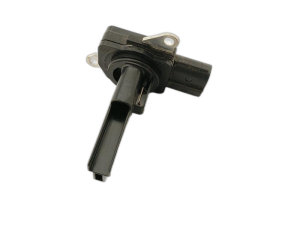
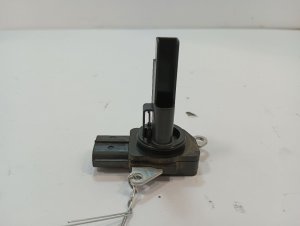
- Mass Air Flow (MAF) Sensor
(OEM #22680AA380)— This sensor is the primary cause of P0101. If cleaning doesn't fix the issue, replacement is the definitive solution.
Trusted brands: Denso (OEM Supplier), Subaru (Genuine), Delphi, NGK
OEM price range: $210-$300
Aftermarket price range: $65-$180 - Mass Air Flow Sensor Cleaner — Often, the sensor is just dirty, not broken. This inexpensive spray is the first and most important diagnostic and repair step.
Trusted brands: CRC, Liqui Moly, WD-40 Specialist
Aftermarket price range: $10-$20 - Engine Air Intake Hose
(OEM #14462AA530)— This rubber hose between the airbox and throttle body is a frequent failure point, developing cracks that cause vacuum leaks and trigger P0101.
Trusted brands: Subaru (Genuine)
OEM price range: $40-$80
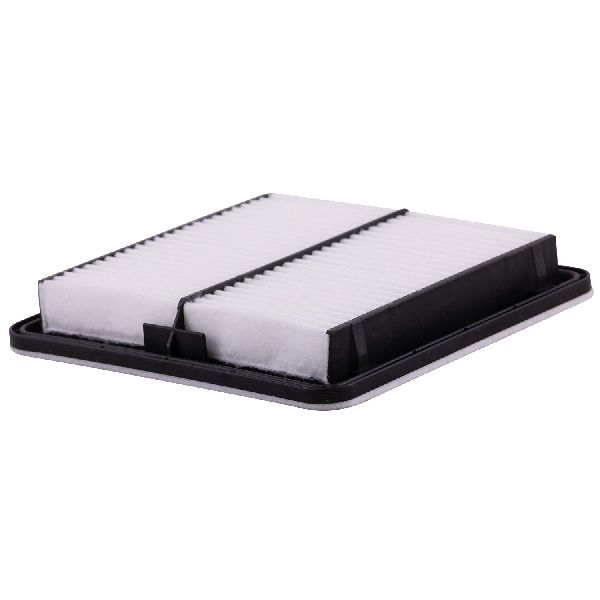
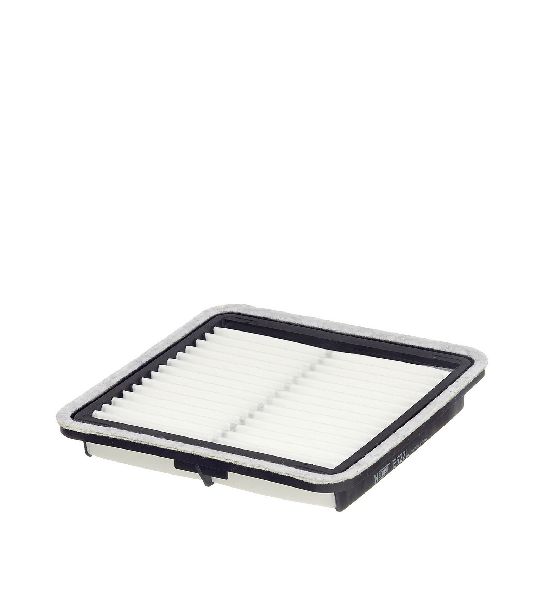
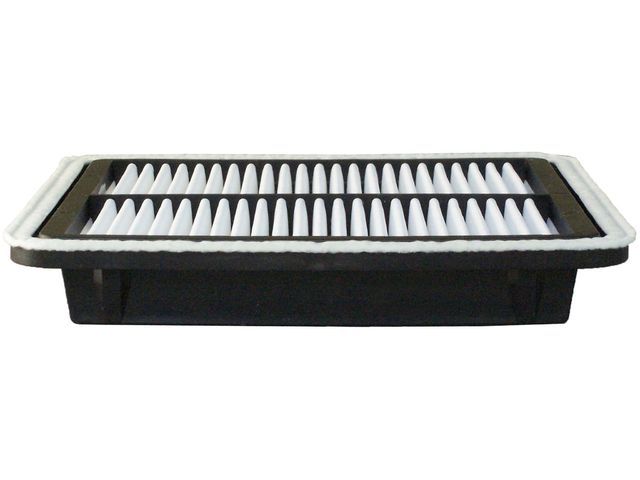
Aftermarket price range: $30-$60 - Engine Air Filter
(OEM #16546AA12A)— A clogged air filter can restrict airflow and trigger this code. It's a routine maintenance item that should be checked early in the diagnosis.
Trusted brands: Subaru (OEM), Denso, Wix, Purolator
OEM price range: $25-$40
Aftermarket price range: $15-$30
Related Codes That Often Appear With This One
- P0171 — System Too Lean. A common companion code. If the MAF sensor under-reports airflow (e.g., due to a vacuum leak after the sensor), the ECU will not inject enough fuel, leading to a lean condition.
Technical Service Bulletins (TSBs) & Recalls
- Subaru TSB 09-78-21: "Cleaning Procedure for Carbon Deposit Removal..." - While not directly for P0101, it addresses overlapping symptoms like rough idle, black smoke, and lack of power that can be caused by carbon buildup on intake valves, which can affect airflow.
- Subaru TSB 11-174-17R: This TSB provides a software update for the Engine Control Module (ECM) to address several issues, including a potential for a dead battery after repeated short trips. While not a direct fix for P0101, ensuring the ECM software is up-to-date is good practice as it can affect overall engine management and charging logic.
Platform-Specific Known Issues
- Owner Experience: Cleaning Fixed P0101: A YouTube video demonstrates the process of cleaning the MAF sensor, throttle body, and replacing spark plugs on a Crosstrek XV. The owner paid a shop for the service, which successfully resolved their issues.
- Forum Discussion on Reddit: In a Reddit thread on r/MechanicAdvice, users confirmed that a P0101 code on a Subaru often points to the MAF sensor and that driving is generally okay in the short term, though a fix is needed.
Mechanic-Grade Diagnostic Values
- Mass Airflow (g/s) at Idle — expected: Approximately 1.8-2.5 g/s for a 2.0L engine at normal operating temperature with no accessories on. Should be close to the engine's displacement in liters.. Failure: A reading that is significantly higher (e.g., >4 g/s) or lower (e.g., <1.5 g/s) at idle, or readings that do not increase smoothly as RPMs rise.
- MAF Sensor Voltage at Idle — expected: Approximately 0.5V - 0.9V with the engine at idle and fully warmed up.. Failure: Voltage is stuck at 0V or 5V, or does not increase smoothly and proportionally with engine RPM up to ~4.5V at wide-open throttle.
Scan Tool Commands That Help
- Subaru Select Monitor (SSM): Current Data Display & Save — To monitor and graph live data parameters like 'Mass Air Flow', 'Throttle Opening Angle', and 'Engine Speed' simultaneously. This helps verify if the MAF reading correlates correctly with throttle input and RPM, which is the core logic check for P0101.
Wiring & Ground Locations
- MAF Sensor Connector (B3) — On the air intake tube, immediately following the air filter box.. This 5-pin connector provides power, ground, and signal lines for both the MAF and integrated Intake Air Temperature (IAT) sensor. Corrosion or damage to any pin can cause a P0101. iWire lists this as 'Mass Air Flow (MAF) Plug B'.
- Main Engine Ground — A large ground strap that bolts from the chassis to the top of the engine block, often sharing a bolt with the starter motor.. A poor main engine ground can create electrical noise and voltage offsets, causing erratic readings from sensitive sensors like the MAF, even if the sensor's dedicated ground wire is intact. This is often overlooked.
Real Owner Repair Stories
- Reddit user in r/Nissan (2014 Nissan Sentra (similar MAF/PCV system logic)) — Persistent P0101 code, stalling/low idle issues.
❌ Tried (didn't work) Replacing the MAF sensor with a cheap aftermarket part ($25 from RockAuto).
✅ What actually fixed it The user was advised by others that the actual fix often involves replacing a faulty PCV valve and ensuring an OEM or high-quality (e.g., Delphi) MAF sensor is used, as cheap aftermarket sensors are notoriously unreliable and often do not fix the code. In some cases, an ECM software update was also required per a TSB. - YouTube video comment section (Nissan Altima with P0101) — Recurring P0101 code for years, stalling, and idling issues.
❌ Tried (didn't work) Replacing the MAF sensor multiple times over nine years.
✅ What actually fixed it The owner discovered the root cause was a faulty PCV valve. Replacing the inexpensive ($8) PCV valve finally resolved the long-standing P0101 issue that was previously misdiagnosed as a repeated MAF sensor failure.
"I Checked Everything" — The Actual Cause
- In some cases reported on forums, a smoke test of the main intake tract will show no leaks, but the P0101 code (often with P0171) persists. The actual cause was found to be a small crack or split in the PCV hose. This allows unmetered air to enter the intake manifold, but since the PCV system is often not directly pressurized during a standard intake smoke test, the leak is missed.
OEM Part Supersession History
22680AA38A→22680AA380— Standard part revision/update by Subaru.
Heads up: The parts are interchangeable. The OEM supplier is Denso, and the Denso part number is often listed as 197400-5111 on the sensor body itself.
Model Year Variations Within This Range
- 2016-2017: The 2016 and 2017 model year Crosstreks are mechanically almost identical, sharing the same FB20B engine, transmission, and MAF sensor part number. The 2016 model received a minor facelift, but this did not affect the components related to a P0101 diagnosis.
Diagnostic Flowchart
Other Known Issues on This Vehicle
Issues unrelated to this code that are worth knowing about as an owner of this generation:
- Excessive Oil Consumption 🟠 Medium — More common in earlier FB20 engines (pre-2015), but can still occur. Owners report adding 1-2 quarts between oil changes. Caused by piston ring design intended to reduce friction. (Ref: Subaru addressed this with a class-action lawsuit settlement and extended warranties for some earlier model years.)
- CVT Transmission Problems 🔴 High — A well-documented issue across many Subaru models of this era. Symptoms include shuddering, hesitation from a stop, and whining noises. Failure can be costly. (Ref: Subaru extended the CVT warranty to 10 years / 100,000 miles for many affected vehicles, including the 2016-2017 Crosstrek.)
- Ignition Key Stuck / Park Position Switch Failure 🟡 Low — A frequently reported problem where a faulty switch in the gear selector mechanism prevents the key from being removed from the ignition when in Park. (Ref: TSB #16-112-18R addresses this issue with a redesigned shifter mechanism.)
- Battery Draining Prematurely 🟡 Low — Some owners experience dead batteries, particularly after repeated short trips, due to the ECM's charging logic. (Ref: TSB 11-174-17R provides an ECM software update to optimize charging logic and resolve this.)
- Failing Wheel Bearings 🟠 Medium — Premature wheel bearing failure, causing a humming or grinding noise that changes with speed, is a known issue.
Used vs. New Parts: Buying Guide for This Vehicle
When a used part is the smart pick: A used OEM Engine Air Intake Hose (14462AA530) is a good candidate if it is thoroughly inspected for cracks, especially in the accordion sections. Structural plastic parts from the airbox are also generally safe to buy used.
Donor-vehicle mileage cap: roughly under 60000 miles for the part to have meaningful remaining life.
What to inspect on the donor part:
- For an intake hose, ensure the rubber is still pliable and has no visible dry rot or cracking.
- For a MAF sensor, only consider a used part if it is explicitly marked 'Denso' or has the Subaru logo. Check that the sensor elements inside are physically intact and not coated in oil.
- Verify the donor vehicle was not in a front-end collision that could have damaged the sensor or its wiring.
OEM-only on this vehicle (don't cheap out):
- Mass Air Flow (MAF) Sensor. Forum and mechanic consensus is overwhelming: cheap, unbranded aftermarket MAF sensors for Subarus are highly likely to be defective out of the box or fail prematurely, causing the P0101 code to return.
Aftermarket brands forum-validated for this vehicle:
- Denso (This is the Original Equipment Manufacturer for Subaru).
Brands owners have reported issues with on this vehicle:
- Unbranded sensors from online marketplaces like eBay or Amazon are frequently reported as non-functional.
Real Owner Stories
Aggregated from forums and TSBs cited above. Mileages and costs reflect what owners reported in those sources.
2016 Subaru Crosstrek XV FB20B
Symptoms: Rough idle, black smoke, and lack of power.
What fixed it: A shop performed a cleaning of the MAF sensor and throttle body, and replaced the spark plugs.
Source hint: vehicle_specific_issues: Owner Experience: Cleaning Fixed P0101
2016 Subaru Crosstrek FB20B
Symptoms: High idle rpm on startup, rough acceleration, and error codes.
What fixed it: The owner performed a function test by unplugging the MAF sensor cable while the engine was running to check for stalling.
Source hint: owner_reports: r/carproblems
2017 Subaru Crosstrek FB20B
Symptoms: P0101 code persists even after the MAF sensor was changed.
What fixed it: The owner sought further diagnostic steps on Reddit after a sensor replacement failed to clear the code.
Source hint: forum_citations: Reddit - r/MechanicAdvice - 'Changed the MAF sensor, car is still giving me P0101. What's next?'
Related OBD-II Codes
Frequently Asked Questions
Can I use any cleaner to fix the P0101 code on my 2016-2017 Subaru Crosstrek's MAF sensor?
Is there a TSB for the battery draining issues on my 2017 Crosstrek that might be related to engine management?
My Crosstrek has a rough idle and black smoke; could this be something other than the MAF sensor?
Where is the MAF sensor located on the 2016-2017 Crosstrek for inspection?
Could an aftermarket air filter be causing the P0101 code on my Subaru?
Is it safe to drive my Crosstrek with a P0101 code active?
Helpful Videos

Used OEM Parts in Stock
New Aftermarket Parts Available

The information in this article is provided for general reference and educational purposes only. Vehicle specifications, procedures, and part compatibility can vary by production date, trim level, and region. Always consult your vehicle's factory service manual and verify part numbers before purchasing or performing repairs. Safety-critical components such as airbags, seat belts, and braking systems should be installed by a qualified professional.
- Subaru Crosstrek:
- 🎬 Helpful Videos
- 🛍️ Shop This Part
- What's Unique About the 2016-2017 Subaru Crosstrek
- Symptoms You May Notice
- Most Likely Causes
- Rare But Worth Checking
- Diagnosis Steps
- Parts You'll Likely Need
- Related Codes That Often Appear With This One
- Technical Service Bulletins (TSBs) & Recalls
- Platform-Specific Known Issues
- Mechanic-Grade Diagnostic Values
- Scan Tool Commands That Help
- Wiring & Ground Locations
- Real Owner Repair Stories
- "I Checked Everything" — The Actual Cause
- OEM Part Supersession History
- Model Year Variations Within This Range
- Diagnostic Flowchart
- Other Known Issues on This Vehicle
- Used vs. New Parts: Buying Guide for This Vehicle
- Real Owner Stories
- 2016 Subaru Crosstrek XV FB20B
- 2016 Subaru Crosstrek FB20B
- 2017 Subaru Crosstrek FB20B
- Related OBD-II Codes
- Frequently Asked Questions
- 🎟️ Get 5% Off