

P0101 on 2015-2017 Nissan JUKE: MAF Sensor, ECM Reprogram, and Fixes
On a 2015-2017 Nissan JUKE, code P0101 often points to an ECM software issue that requires a dealer reprogram, as noted in TSBs. Before replacing parts, clean the MAF sensor and thoroughly inspect all intake and turbo charge pipes for leaks. An ECM reprogram, which addresses how the computer interprets sensor data, may be the ultimate fix if physical components are sound.
- For a 2015-2017 JUKE, P0101 is very often a software issue. Ask a dealer to check for ECM updates before buying parts.
- The easiest and cheapest first step is to clean the MAF sensor with dedicated cleaner spray.
- Thoroughly inspect the intake hose between the air filter and the turbo for any cracks or loose clamps, as this is a common failure point.
- If other codes like P0087, P0448, or P2008 are present, it strongly suggests the ECM reprogram is the required fix.
What's Unique About the 2015-2017 Nissan JUKE

For this specific generation of Nissan JUKE, the P0101 code is frequently caused by a software calibration error in the Engine Control Module (ECM). Nissan issued multiple Technical Service Bulletins (TSBs) advising that an ECM reprogram—not a part replacement—is the correct fix in many cases. The TSB clarifies that the reprogram doesn't fix a physical fault but rather updates how the ECM software stores and interprets the signal, making it less prone to flagging minor, transient deviations. This is a crucial distinction from other vehicles where a dirty or failed MAF sensor is almost always the primary culprit. Furthermore, 2015-2017 non-RS models use the 'V2' version of the MR16DDT engine, which has significant differences from the earlier 'V1' engine, including an integrated turbo/manifold, an EGR system, and a higher compression ratio, all of which can influence airflow diagnostics.
Diagnostic Flowchart
Tap your situation to follow the diagnostic path that matches what you're seeing on this vehicle.
Symptoms You May Notice
- Check Engine Light is on
- Poor or reduced engine performance
- Vehicle cutting out or stalling, especially at idle.
- Bad gas mileage.
- Hesitation or stumbling during acceleration.
- Rough or unstable idle.
- Black smoke from the exhaust.
- Vehicle enters "limp-home mode" with reduced power.
- Replacing the MAF sensor when the actual problem is an ECM software calibration error that requires a reprogram.
- Replacing the MAF sensor when the issue is a hidden crack in an intake hose or a loose clamp.
- Replacing the oxygen sensors, as they may give strange readings as a result of the incorrect air-fuel mixture caused by the P0101 fault.
Most Likely Causes

- Engine Control Module (ECM) Software Calibration Error 🔴 High Probability Nissan issued TSBs #NTB19-045b and #P9328_P9343_P934 specifically for this issue on 2015-2017 JUKEs, indicating the factory ECM calibration may improperly store this code. The bulletin states the reprogram is to update how the permanent DTC is stored and erased, not to fix a physical part.
How to confirm: A Nissan dealer or a qualified shop with a J2534 pass-thru device can check the current ECM software version against the latest available version referenced in the TSBs. This is not a recall and is typically a paid service (around 1 hour of labor).
Typical fix: Reprogramming the ECM with updated software. The TSB explicitly states to perform standard diagnostics for the code *first* and then apply the reprogram.
Est. part cost: $0 (software only) - Dirty or Contaminated Mass Airflow (MAF) Sensor 🔴 High Probability This is a universal cause for P0101. Oil from aftermarket air filters, dust, and other debris can contaminate the sensor's delicate wire, causing inaccurate readings. Cleaning the sensor resolves a high percentage of P0101 cases across all Nissan models.
How to confirm: Visually inspect the sensor element after removing it from the intake tube. If the small wires inside appear dirty or coated, they need cleaning.
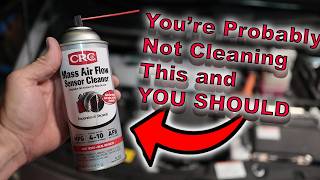
Typical fix: Clean the sensor with a dedicated MAF sensor cleaner spray. 🎬 Watch: How to clean a Nissan MAF sensor to clear P0101. Do not touch the wires. If cleaning doesn't work, the sensor may need to be replaced.
Est. part cost: $10-$15 for cleaner spray - Vacuum Leak in the Air Intake System 🟡 Medium Probability The turbocharged engine has numerous intake hoses, charge pipes, and clamps. A crack, split, or loose connection in the intake boot or turbo piping after the MAF sensor allows unmetered air to enter the engine, confusing the ECM. The flexible accordion-style hoses are common failure points.
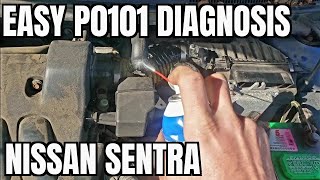
How to confirm: Visually inspect all intake ducting for cracks or loose clamps. A smoke test is the most effective way to find hidden leaks. You can also carefully spray carburetor cleaner around suspected leak points while the engine is idling; a change in idle RPM indicates a leak. 🎬 Watch: How to diagnose wiring issues and air leaks on a Nissan.
Typical fix: Tighten loose clamps or replace the cracked intake hose.
Est. part cost: $20-$100 for a new hose - Clogged or Dirty Engine Air Filter ⚪ Low Probability A severely restricted air filter can reduce airflow enough to cause the MAF sensor readings to be lower than expected. This is often the first and easiest thing to check.
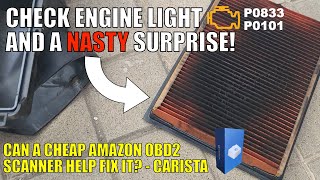
How to confirm: Remove and inspect the air filter. If it is visibly dirty or clogged, it should be replaced. 🎬 See this walkthrough for replacing the air filter and cleaning the sensor.
Typical fix: Replace the engine air filter.
Est. part cost: $15-$40
Rare But Worth Checking
- Faulty MAF Sensor: While possible, the sensor itself failing is less common than it being dirty or an ECM software issue. Always clean the sensor and check for TSBs before replacing it. Many owners report that aftermarket sensors do not work well and that an OEM Hitachi sensor is required.
- Clogged Catalytic Converter: A restricted exhaust can create backpressure that affects airflow readings. This usually triggers other codes, like P0420, but can contribute to P0101. A technician on a forum noted this as a confirmed, though rare, cause on a similar Nissan engine.
- Wiring or Connector Issue: Damaged wires or a corroded connector for the MAF sensor can disrupt the signal to the ECM. Check for bent pins, corrosion, or breaks in the wiring harness near the sensor.
- Dirty Throttle Body: A dirty throttle body can cause erratic idle and airflow issues that may contribute to a P0101 code. Cleaning it is often recommended as part of a comprehensive repair, and an 'Idle Air Volume Relearn' procedure is required afterward.
Diagnosis Steps

- Check for Technical Service Bulletins (TSBs). Given the known issues, this should be the first step. Inquire with a Nissan dealer about TSBs #NTB19-045b and #P9328_P9343_P934.
- Inspect the engine air filter and replace it if it's dirty.
- Carefully inspect the entire air intake system, including the flexible boot and all turbocharger charge pipes, for any cracks, tears, or loose connections.
- Unplug and remove the MAF sensor. It is located on the air intake tube right after the air filter box and is typically held by two screws.
- Visually inspect the MAF sensor's internal wires. If they look dirty, clean them using only dedicated MAF sensor cleaner spray. Do not touch the wires and allow it to dry completely before reinstalling.
- Reinstall the sensor, clear the code, and drive the vehicle to see if the code returns.
- If the code persists, use a scan tool to monitor the MAF sensor's live data (in grams per second or volts). At idle, the reading should be stable (around 2-4 g/s or 0.6-0.9V for this engine) and increase smoothly as you rev the engine. Erratic readings suggest a faulty sensor or wiring issue.
- If readings are erratic or do not change with RPM, and the sensor is clean, check the sensor's wiring harness and connector for damage or corrosion.
- Perform a smoke test to definitively rule out any hard-to-see vacuum leaks in the intake system.
- If all physical parts and wiring check out, the issue is very likely the ECM software. Contact a Nissan dealership or a qualified repair shop to perform the ECM reprogram as specified in the TSBs.
Parts You'll Likely Need
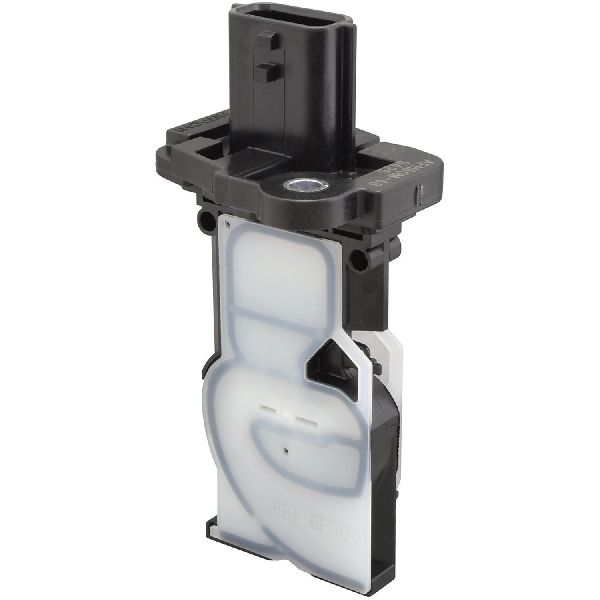
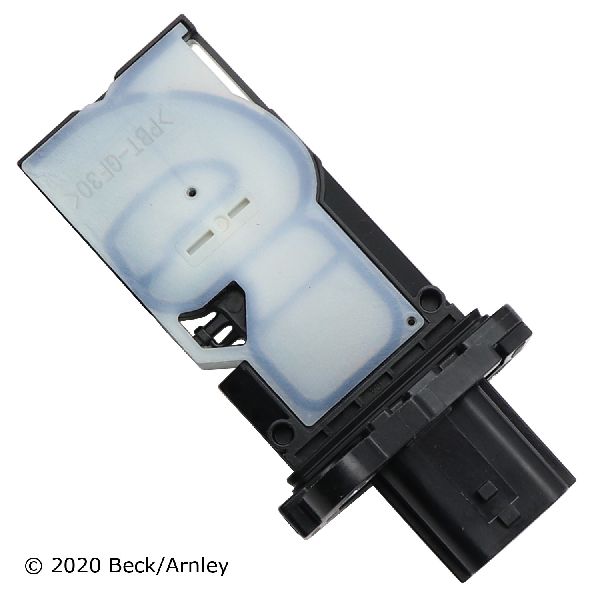
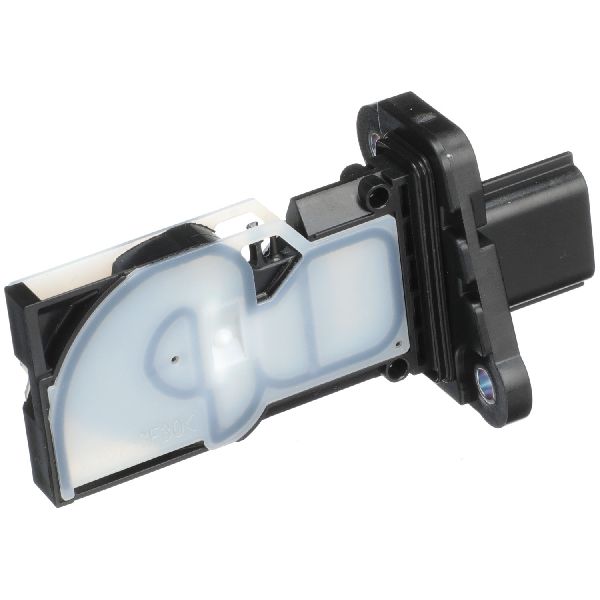
- Mass Airflow (MAF) Sensor
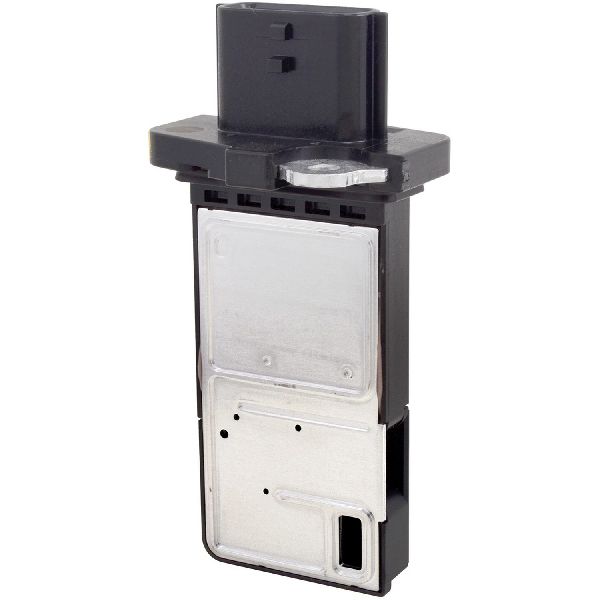
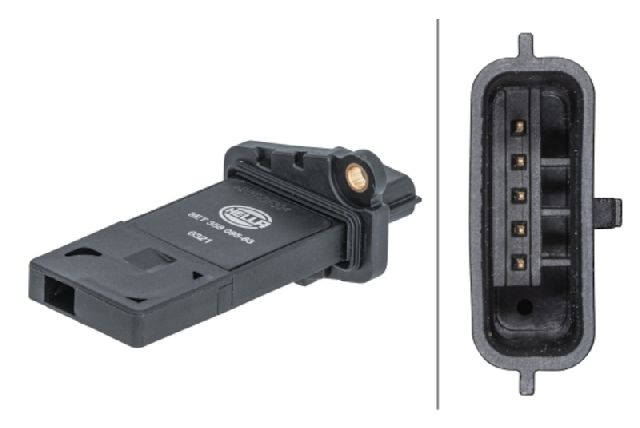
(OEM #22680-1MB0A)— This part is replaced if cleaning does not resolve the issue and an ECM reprogram is not the cause. It is the primary sensor responsible for the code. Using the OEM Hitachi brand is strongly recommended as aftermarket versions often cause persistent issues.
Trusted brands: Hitachi (OEM), Bosch, Denso, Delphi
OEM price range: $210-$260
Aftermarket price range: $70-$150 - MAF Sensor Cleaner — Often, the sensor is just dirty and does not need to be replaced. This is the first and most cost-effective repair step.
Trusted brands: CRC, Liqui Moly, WD-40 Specialist
Aftermarket price range: $10-$15 - Engine Air Intake Hose — The flexible rubber hoses in the intake system can crack with age and heat, causing unmetered air leaks that trigger P0101.
Trusted brands: Genuine Nissan, Aftermarket equivalents
OEM price range: $50-$120
Aftermarket price range: $20-$60
Related Codes That Often Appear With This One
- P0087 — Fuel Rail/System Pressure - Too Low. This code is mentioned alongside P0101 in TSBs #NTB19-045b and #P9328_P9343_P934, indicating a shared root cause in the ECM software.
- P0448 — EVAP System Vent Control Circuit Shorted. Also mentioned in the same TSBs, pointing to a multi-code scenario solvable by an ECM reprogram.
- P2008 — Intake Manifold Runner Control Circuit/Open. Also listed in the TSBs as being related to the ECM calibration issue.
Technical Service Bulletins (TSBs) & Recalls

- NTB19-045b: "MIL ON WITH DTC P0087, P0101, P0448, OR P2008, VEHICLES REGISTERED OUTSIDE OF CALIFORNIA". This TSB confirms the multi-code issue and points to an ECM reprogram as the fix after physical diagnosis.
- P9328_P9343_P934: Mentions reprogramming the ECM for permanent DTCs P0448, P0101, P2008, or P0087 due to calibration errors, specifically for vehicles in California.
- NTB19-045a: An earlier, superseded version of the bulletin regarding the MIL being on with the same set of DTCs.
Platform-Specific Known Issues
- A known ECM calibration issue can cause P0101 to be stored incorrectly. Nissan addressed this in TSB #NTB19-045b and #P9328_P9343_P934, with the solution being an ECM reprogram.
- An owner complaint (NHTSA ODI #11096588) for a 2015 model reported performance cut-outs and bad gas mileage with code P0101, where replacing the air filter did not solve the problem, pointing toward a sensor or software issue.
Mechanic-Grade Diagnostic Values
- MAF Sensor Live Data (Scan Tool) — expected: 2 to 7 g/s at idle, rising to 15 to 25 g/s at 2500 RPM. The 1.6L engine should be at the lower end of this range at idle (approx. 2-4 g/s).. Failure: Readings are stuck, erratic, or rise too slowly with RPM.
- MAF Sensor Signal Voltage (Multimeter) — expected: Approximately 1.0V - 1.5V at idle. Voltage should increase smoothly and proportionally with engine RPM.. Failure: Voltage is stuck, spikes erratically, or does not respond to RPM changes.
- MAF Sensor Voltage (Key On, Engine Off) — expected: Approximately 0.2V - 0.3V.. Failure: 0V or significantly higher voltage.
Scan Tool Commands That Help
- Nissan CONSULT or capable aftermarket scanner (e.g., Autel): Idle Air Volume Learning — This procedure is mandatory after cleaning the throttle body, replacing the throttle body, or replacing the ECM. It is also highly recommended after replacing the MAF sensor. Failure to perform this relearn can result in an unstable or high idle, which can indirectly contribute to the P0101 code returning as the ECM struggles to correlate airflow with the unexpected idle speed.
Wiring & Ground Locations
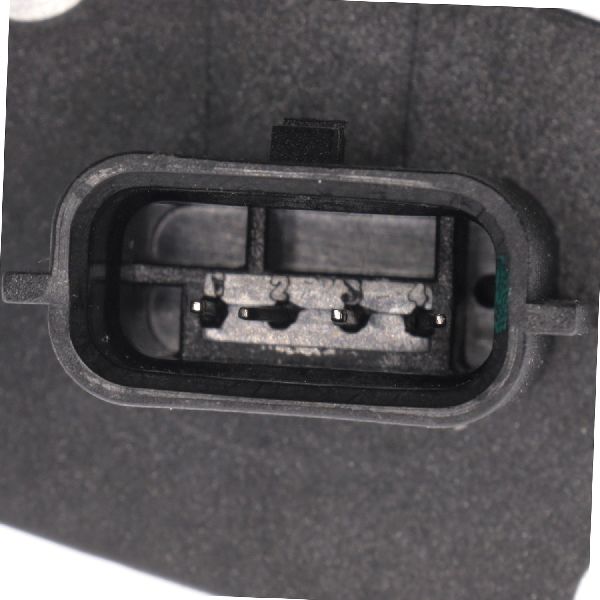
- MAF Sensor Connector — On the MAF sensor, which is situated in the intake tube immediately following the air filter box.. The 5-pin connector provides power, ground, and signal return to the ECM. A loose connection, corroded pins, or damaged wires at this connector will directly cause a P0101 code.
- Engine Grounds (F6, F9) — A 2011 Juke wiring diagram shows primary engine grounds at the top front (F6) and top rear (F9) of the engine compartment. Another common ground runs from the top of the engine to the chassis behind a headlight.. The MAF sensor relies on a clean and solid ground connection to provide an accurate signal. A corroded or loose engine ground can introduce electrical noise or voltage offsets, causing the ECM to receive an out-of-range signal and trigger P0101.
Real Owner Repair Stories
- Reddit user in r/Nissan (Nissan vehicle (model not specified, but common Nissan issue)) — Persistent P0101 code after standard fixes.
❌ Tried (didn't work) Cleaning the throttle body, Replacing the MAF sensor
✅ What actually fixed it Replacing a 3-year-old, weak battery. The user learned that a dying battery can cause the MAF sensor to not communicate properly with the ECM, leading to the code. - YouTube video by 'Tim The Garage Guy' (2011 Nissan Juke 1.6L Turbo) — Persistent P0101 code.
❌ Tried (didn't work) Replacing the MAF sensor, Checking intake system and wiring
✅ What actually fixed it The next diagnostic step, recommended by another mechanic, was to replace the PCV valve. A faulty PCV valve can cause an unmetered air leak into the crankcase, which affects the air/fuel mixture and can trigger P0101. - Reddit user in r/Nissan (2014 Nissan Sentra (similar era electronics)) — P0101 code at 48,000 miles.
❌ Tried (didn't work) Replacing the MAF sensor (initially)
✅ What actually fixed it The final solution was a combination of three steps referenced in a TSB for that model: 1) Replace the PCV valve, 2) Clean the throttle body, and 3) Get the ECM software updated by the dealer. This highlights the multi-faceted nature of the fix on some Nissans.
"I Checked Everything" — The Actual Cause
- In several owner-reported cases, the root cause of P0101 was not a vacuum leak in the main intake tract that a smoke test would typically find. One confirmed fix was a weak battery causing incorrect sensor voltage readings. Another common culprit is a faulty PCV valve, which creates an unmetered air leak through the crankcase ventilation system that can be missed during a standard intake smoke test.
Model Year Variations Within This Range
- 2015-2017 (non-Nismo RS models): These models use the 'V2' version of the MR16DDT engine. Compared to the 'V1' engine in 2011-2014 Jukes, the V2 has key differences: a higher 10.5:1 compression ratio, an integrated turbocharger/exhaust manifold, an EGR system, and two MAP sensors instead of one. The presence of an EGR system adds a potential variable that could affect airflow and trigger a P0101 code, a factor not present in earlier models.
Helpful Videos


Used OEM Parts in Stock


New Aftermarket Parts Available

The information in this article is provided for general reference and educational purposes only. Vehicle specifications, procedures, and part compatibility can vary by production date, trim level, and region. Always consult your vehicle's factory service manual and verify part numbers before purchasing or performing repairs. Safety-critical components such as airbags, seat belts, and braking systems should be installed by a qualified professional.
- Nissan JUKE:
- 🎬 Helpful Videos
- 🛍️ Shop This Part
- What's Unique About the 2015-2017 Nissan JUKE
- Diagnostic Flowchart
- Symptoms You May Notice
- Most Likely Causes
- Rare But Worth Checking
- Diagnosis Steps
- Parts You'll Likely Need
- Related Codes That Often Appear With This One
- Technical Service Bulletins (TSBs) & Recalls
- Platform-Specific Known Issues
- Mechanic-Grade Diagnostic Values
- Scan Tool Commands That Help
- Wiring & Ground Locations
- Real Owner Repair Stories
- "I Checked Everything" — The Actual Cause
- Model Year Variations Within This Range
- 🎟️ Get 5% Off