

P0101 on 2009-2013 Mazda 3: MAF Sensor Range/Performance Causes and Fixes
For a 2009-2013 Mazda 3, code P0101 is most often caused by a dirty Mass Airflow (MAF) sensor or a cracked intake air hose. Start by cleaning the MAF sensor with dedicated cleaner (~$15). If that doesn't work, inspect the flexible intake hose for cracks, which is a common failure point. If the sensor needs replacement, use an OEM or Denso part to avoid issues.
- Always start by cleaning the MAF sensor with dedicated MAF cleaner; it's the cheapest and most common fix.
- Thoroughly inspect the flexible air intake hose for cracks, especially in the accordion ribs. This is a very common failure on this car.
- If you have a 2012 or 2013 model, confirm if you have the Skyactiv engine, as it uses a different MAF sensor part number.
- If you must replace the MAF sensor, using an OEM or reputable brand like Denso is recommended to avoid further issues.
What's Unique About the 2009-2013 Mazda 3

On the second-generation Mazda 3, the P0101 code is frequently a straightforward issue. The two most common culprits are simple: a dirty MAF sensor element, which can be cleaned, or a cracked flexible air intake hose between the air filter box and the engine. This intake hose is known to develop cracks in its accordion-like ribs, creating a vacuum leak that the MAF sensor cannot account for. While the sensor itself can fail, these two issues should always be checked first before spending money on a new part. Some owners report that only an OEM or high-quality Denso replacement MAF sensor will work correctly, with aftermarket sensors sometimes failing quickly or being faulty out of the box.
Generation note: This guide covers the second-generation Mazda 3 (model code BL), produced from 2009 to 2013. Note that the 2009 model year was a transition, so some early 2009 cars may be the first generation (BK). Additionally, the 2.0L Skyactiv engine was introduced in 2012, and it uses a different MAF sensor than the standard 2.0L and 2.5L MZR engines used from 2009-2013. Sourcing the correct MAF for the early Skyactiv models can be difficult through non-dealer part stores.
Symptoms You May Notice
- Check Engine Light is on
- Engine hesitates or jerks during acceleration
- Rough or unstable idle
- Engine stalls shortly after starting or when stopped
- Noticeable loss of engine power
- Decreased fuel economy
- Black smoke from the exhaust (in some cases)
- Replacing the MAF sensor without first checking for a much cheaper and common vacuum leak from a cracked intake hose.
- Replacing oxygen (O2) sensors, as they can also be affected by the incorrect air/fuel mixture caused by the P0101 fault.
Most Likely Causes


- Dirty Mass Airflow (MAF) Sensor 🔴 High Probability The sensor's delicate wires are exposed to the incoming air and can become contaminated with dirt, dust, and oil vapor over time, skewing its readings.
How to confirm: Remove the sensor (typically held by two screws) and visually inspect the small wires inside. Even if it looks clean, cleaning it is the recommended first step.
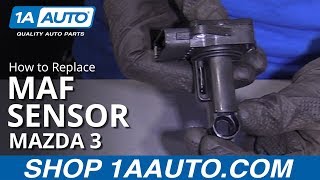
Typical fix: Carefully spray the sensor's wires with a dedicated Mass Airflow Sensor Cleaner. Do not touch the wires or use other chemicals like brake or carb cleaner. Let it dry completely before reinstalling. 🎬 Watch: How to properly clean your MAF sensor
Est. part cost: $10-$20 for MAF cleaner spray - Cracked or Loose Intake Air Hose 🔴 High Probability The flexible, ribbed rubber hose between the air filter housing and the throttle body is a known failure point. Heat and age cause cracks to form in the accordion section, allowing unmetered air to enter the engine after the MAF sensor.
How to confirm: With the engine off, carefully inspect the entire intake hose. Squeeze and flex the ribbed sections, as cracks often hide in the valleys and may not be visible otherwise. A smoke test is the most definitive way to find a leak.
Typical fix: Replace the cracked intake air hose. Temporary repairs with tape are not recommended for a long-term solution.
Est. part cost: $40-$100 for an aftermarket hose - Faulty Mass Airflow (MAF) Sensor 🟡 Medium Probability Electronic components can fail with age. If cleaning the sensor and confirming there are no vacuum leaks doesn't resolve the code, the sensor itself has likely failed internally. Several owner reports confirm that using cheap aftermarket sensors can lead to the code returning quickly, and that OEM or Denso sensors are recommended.
How to confirm: After performing other checks, use a scan tool to monitor the MAF sensor's live data. A faulty sensor may show erratic readings or report high airflow when the engine is off. For example, a bad sensor on a Skyactiv model was reported to read 40-50 g/s with the key on and engine off, while a new, good sensor read 4-5 g/s in the same condition.
Typical fix: Replace the MAF sensor. It is highly recommended to use an OEM part or a high-quality equivalent from brands like Denso, as some aftermarket sensors have been reported to cause other issues or fail prematurely.
Est. part cost: $120-$280 - Dirty Throttle Body ⚪ Low Probability Carbon and grime can build up around the throttle plate, causing it to stick or not close properly. This can disrupt airflow at idle and low speeds, which the PCM may interpret as a MAF sensor problem. One owner on Reddit confirmed that after replacing the MAF sensor twice, cleaning the throttle body ultimately fixed their P0101 issue. 🎬 See this step-by-step guide for cleaning the throttle body
How to confirm: Remove the intake hose from the throttle body and inspect the inside and the throttle plate for black carbon buildup.
Typical fix: Clean the throttle body bore and plate with a dedicated throttle body cleaner and a soft cloth. Be careful not to damage any coatings or the electronic components.
Est. part cost: $10-$15 for throttle body cleaner
Rare But Worth Checking
- Clogged Catalytic Converter: A severely restricted exhaust can create backpressure that throws off the engine's entire airflow dynamic, potentially triggering a P0101 code. This is usually accompanied by a severe loss of power, especially at higher RPMs.
- Wiring or Connector Issue: Check the MAF sensor's electrical connector for corrosion, bent pins, or loose wires. Wiggling the connector while the engine is running might cause a change in idle if there's a poor connection. A bad ground wire to the MAF plug is a known issue on first-generation models that can also affect the second generation.
- Intake Manifold Carbon Buildup (Skyactiv-D): On Skyactiv diesel engines (not common in the US), severe carbon buildup in the intake manifold can restrict airflow to certain cylinders, causing a P0101 code even though the MAF sensor itself is fine.
Diagnosis Steps
- Read the Code: Use an OBD-II scanner to confirm P0101 is the primary code. Note any other codes present, especially P0171 or P0172.
- Inspect the Air Filter: Check the engine air filter. A severely clogged filter can restrict airflow and should be replaced.
- Inspect the Intake Hose: Thoroughly inspect the rubber intake hose between the air filter box and the throttle body. Flex the ribbed sections to check for hidden cracks. This is a very common failure point.
- Clean the MAF Sensor: Disconnect the MAF sensor connector. Remove the two screws holding the sensor in place. Carefully spray the internal wires with dedicated MAF sensor cleaner. Do not touch the wires. Allow it to air dry completely before reinstalling.
- Clear Code and Test Drive: After cleaning, reinstall the sensor, clear the code with your scanner, and drive the vehicle to see if the code returns.
- Check for Vacuum Leaks: If the code returns, perform a more thorough check for vacuum leaks. A smoke test is the most effective method.
- Inspect Wiring: Check the MAF sensor connector and wiring for any signs of damage, corrosion, or looseness.
- Test or Replace MAF Sensor: If all other steps fail, the MAF sensor itself is likely faulty. Monitor live data if possible to confirm. Replace with an OEM or high-quality Denso part.
Parts You'll Likely Need
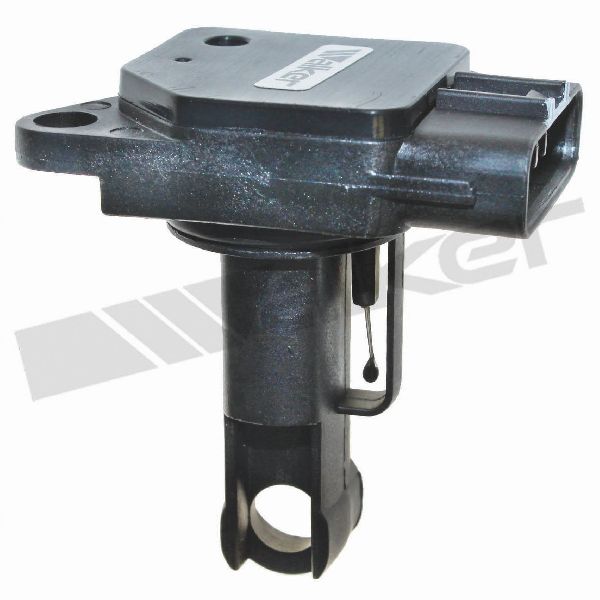
- Mass Airflow (MAF) Sensor
(OEM #PE01-13-215 (for 2.0L Skyactiv), ZL01-13-215 / L321-13-215 (for 2.0L/2.5L MZR))— This sensor is the primary component related to the code and may fail if cleaning doesn't resolve the issue. Owners strongly recommend OEM or Denso to avoid repeat failures.
Trusted brands: Mazda (OEM), Denso
OEM price range: $200-$285
Aftermarket price range: $80-$180 - Engine Air Intake Hose
(OEM #LF8J-13-20X (for 2.0L/2.5L MZR engines))— This hose is a very common failure point, developing cracks that cause vacuum leaks and trigger the P0101 code.
Trusted brands: Dorman, Mazda (OEM)
OEM price range: $70-$90
Aftermarket price range: $40-$100 - Mass Airflow Sensor Cleaner — This is the first and cheapest step in diagnosis. A dirty sensor is a very common cause of P0101.
Trusted brands: CRC, WD-40
Aftermarket price range: $10-$20
Related Codes That Often Appear With This One
- P0171 — System Too Lean. This code often appears with P0101 if there is a vacuum leak (cracked intake hose), as unmetered air is entering the engine, creating a lean condition. It can also appear if a faulty aftermarket MAF sensor is used.
- P0172 — System Too Rich. This can occur if the MAF sensor is faulty and incorrectly telling the PCM there is more air than there actually is, causing the PCM to inject too much fuel.
Technical Service Bulletins (TSBs) & Recalls
- TSB 01-007/14: Squeak noise from exhaust system on 2009-2013 Mazda6 2.5L, may be relevant to Mazda3 with same engine.
- TSB 01-012/15: Squeak no
- Bulletin #SA-060-17: Notes that some Mazda3 vehicles may experience a Check Engine Light with DTC P0101 and/or P061B after PCM reprogramming using specific IDS software versions.
- Bulletin #SA386: A manufacturer service bulletin notes that the check engine light with DTCs P0101 and P061B may illuminate after PCM reprogramming due to a mislogic detection in the PCM calibration.
- Bulletin #01-011-13-2766: Describes how some vehicles may exhibit a MIL illumination with DTC P0101:00 (MAF Sensor Circuit Range/Performance Problem) stored in memory.
Mechanic-Grade Diagnostic Values

- MAF Sensor Voltage (Key On, Engine Off) — expected: Less than 0.69V. Failure: If the MAF PID voltage is equal to or more than 0.69V after waiting 30 seconds with the key on, the sensor is likely faulty.
- MAF Sensor Voltage at Idle (MZR Engines) — expected: 0.8V - 1.2V. Failure: A reading significantly below this range, such as 0.3V, indicates a faulty sensor.
- MAF Sensor Live Data (g/s) at Idle (2.0L Engine) — expected: Approximately 2.0 g/s once the engine is warm.. Failure: Readings that are erratic, stuck, or do not correspond to engine RPM changes.
- Intake Air Temperature (IAT) Sensor Resistance — expected: 2.5 - 2.7 kΩ at 20°C (68°F) or 0.6 - 0.7 kΩ at 60°C (140°F). Failure: Readings significantly outside these ranges suggest a fault in the IAT portion of the MAF sensor assembly.
Scan Tool Commands That Help
- Mazda M-MDS: Check PID 'MAF' voltage — This is a specific Mazda procedure to test the MAF sensor with the Key On, Engine Off. After turning the ignition on, wait 30 seconds and check the MAF voltage. If it's at or above the maximum static voltage (0.69V for 2012-2013 models), the sensor should be replaced.
Wiring & Ground Locations
- Main Engine Ground — A main lug bolted onto the aluminum intake manifold bracket, next to the right-hand (passenger-side) engine mount.. This point provides a direct ground path for the engine sensors to the cylinder head and subframe. A poor connection here can cause unstable sensor readings, including from the MAF sensor.
- Transmission Grounds — One ground on the harness on top of the transmission, and two on the front of the transmission case (one large, one small).. These grounds are critical for the powertrain control system. On Mazdaspeed models, which share a similar platform, extending these grounds directly to the battery negative terminal is a common modification to improve electrical stability.
- MAF Sensor Connector Pinout (5-pin) — On the MAF sensor itself.. Knowing the pin functions allows for multimeter testing. Pin A is battery voltage (~12-14V), Pin C is the MAF signal wire to the PCM, and Pins D & E are for the integrated Intake Air Temperature sensor.
Real Owner Repair Stories
- AliExpress Review (2012 Mazda 3 Sport, 118,000 miles) — Drop in fuel efficiency (28 mpg from 32 mpg), hesitation when accelerating from a stop, engine stutter, Check Engine Light with code P0102 (MAF Circuit Low).
❌ Tried (didn't work) Inspected intake hose for cracks (none found), Cleaned MAF electrical connector
✅ What actually fixed it The owner tested the original sensor and found its voltage at idle was 0.3V, far below the expected 0.8-1.2V range. Replacing the faulty sensor with an OEM-equivalent ZL01-13-215 part and resetting the ECU resolved all symptoms and the code did not return. - Reddit user post (2012 Altima 2.5L (Similar MAF issue)) — P0101 code returned repeatedly.
❌ Tried (didn't work) Replacing engine air filter, Cleaning the original MAF sensor, Replacing the MAF sensor with a cheap one from Amazon, Cleaning the new cheap MAF sensor
✅ What actually fixed it The user was advised by others that the only reliable fix was to use a genuine OEM part, as aftermarket sensors for this code are notoriously unreliable. - NHTSA ODI #10978705 — An owner reported that their vehicle experienced bucking and the check engine light illuminated with P0101 and P061B problems present, even though the MAF sensor appeared fine.
- NHTSA ODI #10378620 — While driving, an owner reported the engine lost power and a handheld OBD-II check showed code P0101.
OEM Part Supersession History
ZL01-13-215→L321-13-215 (for some applications)— Standard part evolution and supplier changes.
Heads up: ZL01-13-215 is specified for the 2.0L and 2.5L MZR non-Skyactiv engines. It is not compatible with the Skyactiv engines.PE01-13-215→N/A— This is the specific part for 2.0L Skyactiv engines introduced in 2012.
Heads up: This sensor is for Skyactiv engines only and is not interchangeable with ZL01-13-215. It is also used across a wide range of newer Mazda models. It has many cross-reference numbers including E5T62271 and 1525A031.
Model Year Variations Within This Range
- 2012-2013: The introduction of the 2.0L Skyactiv-G engine in 2012 brought a different MAF sensor (part number PE01-13-215) compared to the MZR 2.0L/2.5L engines (ZL01-13-215). The diagnostic procedure from Mazda also specifies a slightly different max static voltage for 2012-2013 models (0.69V) vs. older models.
Diagnostic Flowchart
Other Known Issues on This Vehicle
Issues unrelated to this code that are worth knowing about as an owner of this generation:
- Melting / Sticky Dashboard 🟠 Medium — Very common on 2010 models, especially in hot, humid climates. Less frequent but still occurs on other years. Can cause dangerous windshield glare. (Ref: Mazda issued a warranty extension program (SSP 97) for 2010 models, covering replacement for 10 years with no mileage limit. Another TSB (SSP A3) covers 2010-2013 models for warping near the info display.)
- Prematurely Failing Passenger Side Engine Mount 🔴 High — A very common failure point across all engines for this generation. The hydraulic mount (No. 4 mount) fails, causing excessive vibration at idle and while accelerating. (Ref: TSB 01-012/15 addresses a squeak noise from this mount and provides a repair procedure. TSB 01-017/19 addresses vibration at idle and provides modified service parts.)
- Automatic Transmission (AT) Warning Light / Shifting Issues 🟠 Medium — Affects vehicles with the automatic transmission, particularly Skyactiv models. Can cause warning lights and store various transmission-related DTCs. (Ref: A comprehensive TSB (superseding many previous versions, like 05-001/21) addresses issues like DTCs P0842, P0847, P0780, etc., caused by contamination in oil pressure switches. The fix often involves a TCM reprogram or switch replacement.)
- Clutch Failure (Manual Transmission) 🟠 Medium — A number of owners, particularly of 2010 and 2011 models, have reported premature clutch failure.
- Corrosion on Rear Fenders and Sills 🟡 Low — While better than the first generation, the second-gen Mazda 3 can still develop rust on the rear wheel arches and chassis components.
Used vs. New Parts: Buying Guide for This Vehicle
When a used part is the smart pick: A used OEM MAF sensor from a low-mileage donor vehicle can be a cost-effective alternative to a new OEM part, especially when compared to notoriously unreliable new aftermarket sensors. A used intake air hose is also a viable option if it is thoroughly inspected for cracks and is still flexible.
Donor-vehicle mileage cap: roughly under 60000 miles for the part to have meaningful remaining life.
What to inspect on the donor part:
- For a MAF sensor, ensure the donor vehicle was not in a front-end collision.
- Check the connector pins for any corrosion or damage.
- For an intake hose, squeeze and flex the ribbed sections firmly to ensure there are no hidden cracks or brittleness.
- Verify the part number on the used sensor matches your original part exactly (e.g., PE01 vs ZL01).
OEM-only on this vehicle (don't cheap out):
- Mass Airflow (MAF) Sensor
Aftermarket brands forum-validated for this vehicle:
- Denso (often the OEM supplier)
- Delphi
Brands owners have reported issues with on this vehicle:
- Unbranded, 'white-box' sensors from online marketplaces are frequently reported as faulty out of the box or failing shortly after installation.
Real Owner Stories
Aggregated from forums and TSBs cited above. Mileages and costs reflect what owners reported in those sources.
2013 Mazda 3 2.0L Skyactiv
Symptoms: Engine stalling and P0101 code present. Observed live data showing 40-50 g/s airflow with the key on but the engine off.
What fixed it: Replacing the MAF sensor with a new unit (noting that dealer parts are often necessary for correct calibration).
Source hint: Reddit - r/mazda3: '2013 Mazda stalling with P0101 code...'
2011 Mazda 3
Symptoms: P0101 code returned just one month after replacing the sensor with an aftermarket Duralast part.
What fixed it: Replacing the aftermarket sensor with an OEM Mazda MAF sensor (Part No. L321-13-215).
Source hint: Reddit - r/mazda3: '2011 P0101 code - USE OE MAF'
2009 Mazda 3
Symptoms: P0101 code not clearing even after replacing the MAF sensor multiple times.
What fixed it: Cleaning a dirty throttle body to remove carbon buildup.
Source hint: Reddit - r/mazda3: 'P0101 Code not clearing'
2009-2013 Mazda 3 (CorkSport Intake)
Symptoms: P0101 code appearing immediately after the installation of an aftermarket intake system.
What fixed it: Tightening loose clamps and reconnecting hoses to fix a vacuum leak downstream from the MAF sensor.
Source hint: Mazdas247.com: 'Intake Installation and P0101 Code'
Related OBD-II Codes
Frequently Asked Questions
I have a 2011 Mazda 3 and the P0101 code keeps coming back even after I replaced the sensor. Should I use a specific brand?
My 2013 Mazda 3 with the Skyactiv engine is stalling. How can I tell if the MAF sensor is actually bad using a scan tool?
Is there a common physical part on the 2009-2013 Mazda 3 that causes P0101 besides the sensor itself?
I've cleaned the MAF and checked for leaks on my 2009 Mazda 3, but P0101 won't clear. What else should I check?
Does the engine mount issue on this generation of Mazda 3 relate to intake codes?
Helpful Videos
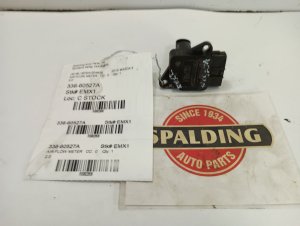
Used OEM Parts in Stock


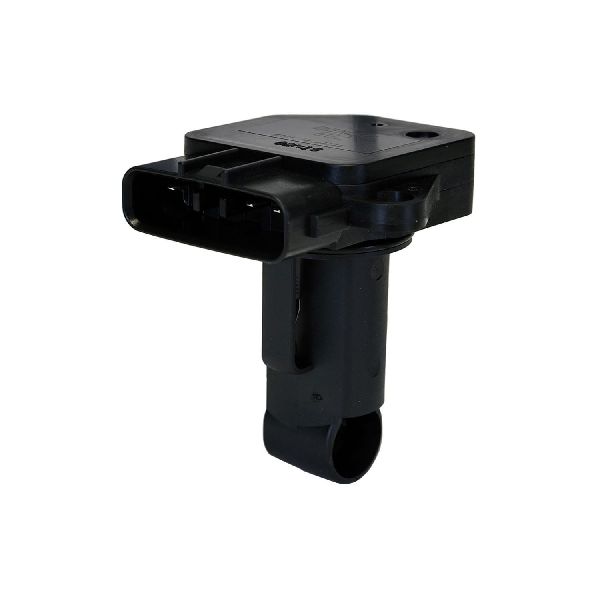
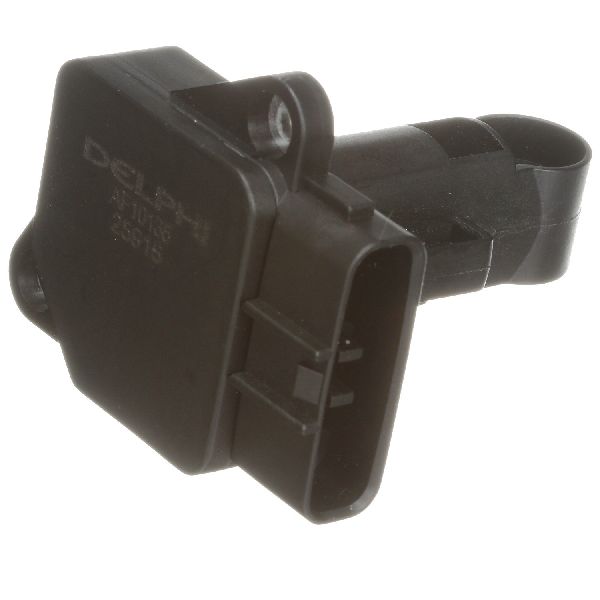
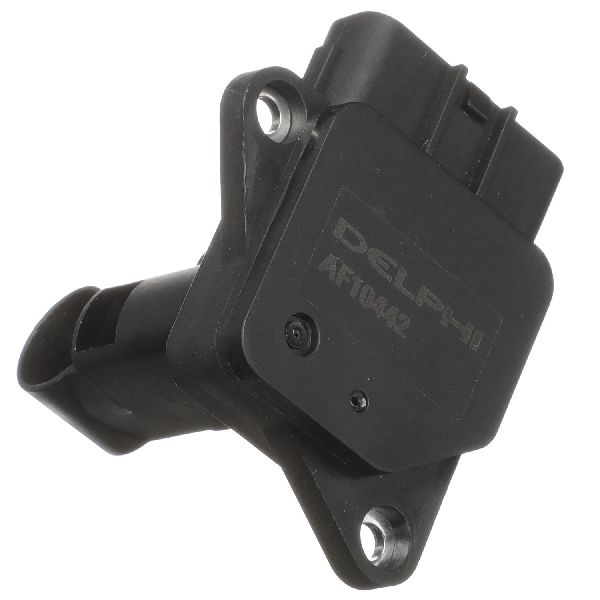
New Aftermarket Parts Available



The information in this article is provided for general reference and educational purposes only. Vehicle specifications, procedures, and part compatibility can vary by production date, trim level, and region. Always consult your vehicle's factory service manual and verify part numbers before purchasing or performing repairs. Safety-critical components such as airbags, seat belts, and braking systems should be installed by a qualified professional.
- Mazda 3:
- 🎬 Helpful Videos
- 🛍️ Shop This Part
- What's Unique About the 2009-2013 Mazda 3
- Symptoms You May Notice
- Most Likely Causes
- Rare But Worth Checking
- Diagnosis Steps
- Parts You'll Likely Need
- Related Codes That Often Appear With This One
- Technical Service Bulletins (TSBs) & Recalls
- Mechanic-Grade Diagnostic Values
- Scan Tool Commands That Help
- Wiring & Ground Locations
- Real Owner Repair Stories
- OEM Part Supersession History
- Model Year Variations Within This Range
- Diagnostic Flowchart
- Other Known Issues on This Vehicle
- Used vs. New Parts: Buying Guide for This Vehicle
- Real Owner Stories
- 2013 Mazda 3 2.0L Skyactiv
- 2011 Mazda 3
- 2009 Mazda 3
- 2009-2013 Mazda 3 (CorkSport Intake)
- Related OBD-II Codes
- Frequently Asked Questions
- 🎟️ Get 5% Off