

P0101 on 2007-2011 GMC Savana: MAF Sensor Causes and Fixes
On a 2007-2011 GMC Savana, code P0101 is most often caused by a dirty Mass Airflow (MAF) sensor. Cleaning the sensor with a dedicated cleaner is the most common and cheapest fix. If that fails, check for vacuum leaks and inspect the throttle body before replacing the sensor. Using a quality OEM or aftermarket sensor is recommended as cheap parts can cause issues.
- Start with the cheapest and easiest fix: clean the MAF sensor with a dedicated cleaner.
- Always check the air filter; a clogged filter can cause this code.
- If cleaning the MAF sensor doesn't work, your next step is to check for vacuum leaks, especially cracked hoses or a bad intake manifold gasket.
- Only replace the MAF sensor after you have ruled out a dirty sensor and vacuum leaks.
- This is a very DIY-friendly repair, with the most common fix (cleaning) costing less than $20 and taking under 30 minutes.
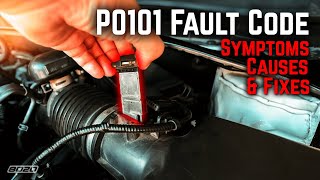
What's Unique About the 2007-2011 Gmc SAVANA 🎬 Watch: A quick overview of what the P0101 code means.
For GMC and Chevrolet trucks and vans like the Savana and its twin, the Express, the P0101 code has a few common culprits. Due to their nature as work vehicles, they often accumulate high mileage and operate in dusty conditions, making a dirty MAF sensor a very frequent cause. Contamination from aftermarket oiled air filters is a known issue that can foul the sensor's hot wire. Additionally, vacuum leaks from aging rubber hoses and intake manifold gaskets are common. A notable, though less frequent, cause specific to some GM vehicles is a clogged catalytic converter, which can create backpressure that confuses the MAF sensor readings.
Diagnostic Flowchart
Tap your situation to follow the diagnostic path that matches what you're seeing on this vehicle.
Symptoms You May Notice
- Check Engine Light is on
- Rough or unstable idle
- Engine hesitation or stumbling on acceleration
- Reduced engine power
- Poor fuel economy
- Stalling at stops
- Black smoke from the exhaust (less common)
- Whistling or hissing sounds from the engine bay, indicating a vacuum leak.
- Replacing the MAF sensor without first trying to clean it.
- Replacing oxygen sensors when the root cause is a vacuum leak or MAF issue.
- Replacing the MAF sensor when the actual cause is a faulty ignition relay. TSB PIP5729 notes this can be a cause for P0101 on some GM models, leading to unnecessary MAF replacement.
Most Likely Causes
- Dirty Mass Airflow (MAF) Sensor 🔴 High Probability The MAF sensor's hot wire element is delicate and easily contaminated by dust, oil, and debris. This is especially common on work vans used in dirty environments. The use of aftermarket oiled air filters is a frequent source of contamination, as the oil can aerosolize and coat the sensor wire.
How to confirm: Visually inspect the MAF sensor wires. If they appear dirty or coated, they need cleaning. The sensor is located on the air intake tube, right after the air filter box.
Typical fix: Remove the sensor and clean it carefully using only dedicated MAF sensor cleaner. Do not touch the delicate wires or use other chemicals like brake cleaner. Allow it to air dry completely before reinstalling.
Est. part cost: $10-$20 for MAF sensor cleaner. - Vacuum Leak 🟡 Medium Probability The plastic and rubber components of the intake system, particularly the intake manifold gaskets on the V8 engines, can become brittle and crack over time, allowing unmetered air to enter the engine after the MAF sensor. This is common on work vans that experience many heat cycles.
How to confirm: Listen for a hissing or whistling sound from the engine bay at idle, which may change with RPM. A common diagnostic method is to use a smoke machine to introduce smoke into the intake system and watch for where it escapes. Alternatively, one can carefully spray carburetor cleaner around potential leak areas (intake manifold gaskets, vacuum hoses) and listen for a change in engine idle.
Typical fix: Identify and replace the cracked hose, leaking gasket, or faulty component. The intake manifold gasket is a common failure point.
Est. part cost: $5-$150 depending on the source of the leak. - Faulty Mass Airflow (MAF) Sensor ⚪ Low Probability While less common than being dirty, the sensor's internal electronics can fail over time, providing readings that are out of range or not responding correctly to changes in airflow. Some owners report that even after cleaning, only a replacement sensor solved the issue.
How to confirm: If cleaning the sensor and confirming there are no vacuum leaks does not resolve the code, the sensor itself is likely faulty. A scan tool can be used to monitor live MAF data (g/s or Hz) to see if the readings are erratic, unresponsive, or do not increase smoothly with RPM.
Typical fix: Replace the MAF sensor. It is highly recommended to use an OEM or high-quality aftermarket brand like ACDelco or Delphi, as some owners report that cheap, unbranded sensors can be defective out of the box or cause other codes.
Est. part cost: $70-$200 for the sensor.
Rare But Worth Checking
- Clogged Catalytic Converter: On some GM vehicles, a restricted exhaust can create excessive backpressure, which affects the engine's ability to draw in air and can skew MAF sensor readings. This would typically be accompanied by a severe lack of power, especially under load, and possibly other codes like P0420.
- Dirty or Clogged Air Filter: A severely clogged air filter can restrict airflow enough to cause the MAF sensor readings to be lower than expected. Always check the air filter first as it's simple and part of routine maintenance.
- Wiring or Connector Issue: A damaged wire or loose/corroded connection at the MAF sensor harness can cause the signal to be intermittent or lost. Forum users suggest specific checks for battery voltage at the pink wire and ground integrity at the black/white wire.
- Dirty Throttle Body: A throttle body caked with carbon and oil residue can disrupt smooth airflow into the intake manifold, especially at idle and low speeds. This disruption can contribute to the PCM seeing an unexpected MAF reading. Cleaning the throttle body is often done at the same time as cleaning the MAF sensor.
- Obstruction/Flash in Air Filter Housing: Though documented in a TSB for newer GM trucks (PIP5446), the principle can apply here. Excessive plastic casting flash from the manufacturing process inside the air filter housing, near the MAF sensor, can create turbulence and disrupt the airflow, leading to a P0101 code.
Diagnosis Steps
- Check for other stored trouble codes that could provide more context, especially P0171/P0174 (lean codes) or P0420 (catalyst code).
- Inspect the air filter and replace it if it is dirty.
- Carefully inspect the entire air intake system between the MAF sensor and the engine for any cracks, loose clamps, or disconnected hoses.
- Listen for hissing sounds at idle that would indicate a vacuum leak.
- Remove the MAF sensor. It is located on the air intake tube just after the air filter housing.
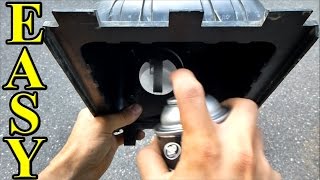
- Visually inspect the sensor's wires. If they look dirty, clean them using only dedicated MAF sensor cleaner. Spray the wires generously and let the sensor air dry completely. Do not touch the wires.
- While the intake tube is off, inspect the throttle body for carbon buildup and clean it with throttle body cleaner if necessary.
- Inspect the inside of the air filter housing for any plastic flashing or obstructions that could disrupt airflow into the sensor.
- Reinstall the clean, dry sensor and clear the trouble code. Drive the vehicle to see if the code returns.
- If the code returns, perform more thorough diagnostics. Check the MAF sensor connector for power and ground. Using a multimeter, verify battery voltage at the pink wire and check for good ground (<0.5 ohms) on the black/white wire.
- Test for vacuum leaks more thoroughly using a smoke machine or by carefully spraying starter fluid around potential leak points while monitoring engine RPM changes.
- If no vacuum leaks are found, the wiring is good, and cleaning did not work, the MAF sensor is likely faulty and should be replaced with a quality part.
Parts You'll Likely Need
- Mass Airflow (MAF) Sensor
(OEM #Varies by engine. Common numbers include ACDelco 213-4221, 213-3553; GM 15926193, 12574383.)— This is the primary component related to the code. It is often replaced if cleaning doesn't solve the issue.
Trusted brands: ACDelco, Delphi, Bosch
OEM price range: $140-$320
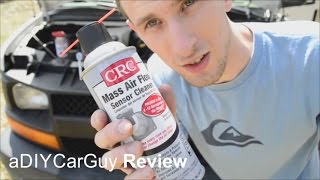
Aftermarket price range: $70-$180 - MAF Sensor Cleaner — Often, the sensor is just dirty and cleaning it is the only fix required. This is the first and most cost-effective step.
Trusted brands: CRC, Liqui Moly
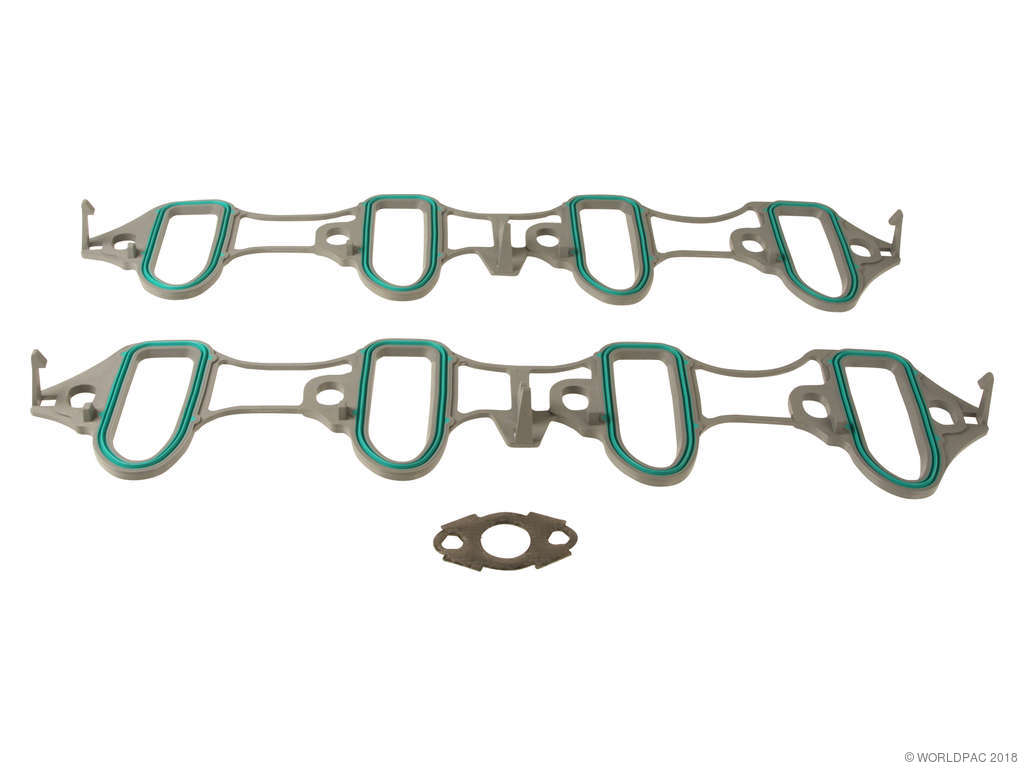
Aftermarket price range: $10-$20 - Intake Manifold Gasket Set — If a vacuum leak is the cause, a failed intake manifold gasket is a common culprit on the higher-mileage V8 engines found in the Savana.
Trusted brands: Fel-Pro, ACDelco
OEM price range: $50-$100
Aftermarket price range: $20-$60
Related Codes That Often Appear With This One
- P0171 — System Too Lean (Bank 1) - A vacuum leak or a dirty/faulty MAF sensor causing the PCM to under-report airflow will result in a lean condition, triggering both codes.
- P0174 — System Too Lean (Bank 2) - Same reason as P0171, but for the opposite cylinder bank on the V8 engines common in the Savana.
Technical Service Bulletins (TSBs) & Recalls
- PIP4932D: A general bulletin for technicians encountering code P0101, advising them to follow standard service diagnostics.
- PIP5446: While for newer GM trucks, it identifies a potential cause relevant to all models: casting flash in the air filter housing near the MAF sensor causing airflow turbulence and a P0101 code.
- PIP5729: Notes that on some GM vehicles, a P0101 code can be triggered by a faulty ignition relay, and warns against replacing the MAF sensor before checking the relay.
Platform-Specific Known Issues
- The TSB #PIP4932D mentions that for a P0101 code, technicians should follow standard diagnostic procedures as outlined in the service information for any set DTCs.
Mechanic-Grade Diagnostic Values
- MAF Sensor Signal (Frequency) — expected: At idle (approx. 680 RPM), ~3.2 KHz. At 1500 RPM, ~4.2 KHz. At 2500 RPM, ~5.2 KHz. The frequency should increase smoothly with engine RPM.. Failure: The Hertz (Hz) value stays stuck at one number or does not change smoothly as you rev the engine.
- MAF Sensor Power Supply Voltage — expected: Battery voltage (typically 12V+) at the pink wire of the sensor connector with the key on.. Failure: Significantly less than battery voltage or no voltage indicates a wiring or fuse issue.
- MAF Sensor Ground Circuit Resistance — expected: Less than 0.5 ohms between the black/white wire on the sensor connector and the battery negative terminal.. Failure: Resistance greater than 0.5 ohms indicates a poor ground connection, which could be at the G102 ground point or within the harness.
Scan Tool Commands That Help
- Generic OBD-II Scanner / Manual Procedure: ECU/Fuel Trim Reset (Relearn Procedure) — After cleaning or replacing the MAF sensor, the ECU's learned fuel trims should be reset. This can be done by disconnecting the negative battery terminal for 15-30 minutes. Afterward, a drive cycle involving idle, city, and highway driving helps the ECU relearn the new sensor's values.
Wiring & Ground Locations
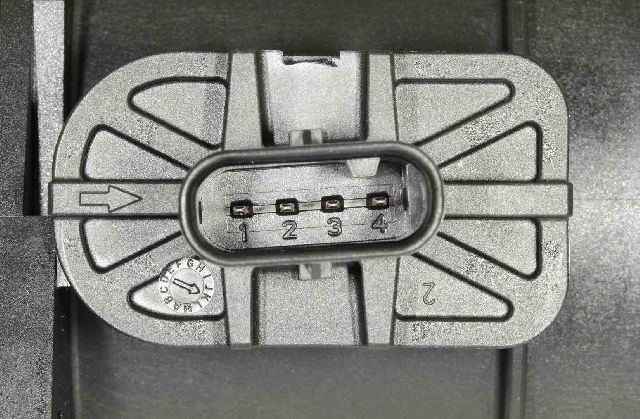
- MAF Sensor Connector — On the MAF sensor itself, located in the air intake tube between the air filter box and the throttle body.. This connector provides power, ground, and signal path. The pink wire should have battery voltage, and the black/white wire is the ground.
- G102 — Located at the rear of the right cylinder head.. This is the grounding point for the MAF sensor's black/white wire. A loose or corroded connection here will cause a high resistance in the ground circuit, leading to incorrect sensor readings and a P0101 code.
- G103 — Located at the left rear of the engine on the cylinder head.. While G102 is the primary ground for the MAF, ensuring all major engine grounds like G103 are clean and tight is critical for stable sensor operation. Poor engine grounding can introduce electrical noise that affects sensitive sensor signals.
Real Owner Repair Stories
- DuramaxDiesels.com forum user (GMC Savana/Chevy Express with Duramax Diesel (LMM)) — P0101 code, check engine light, and brief periods of reduced engine power.
❌ Tried (didn't work) Clearing the code multiple times., Replacing the MAF sensor.
✅ What actually fixed it The user had been running a K&N oiled air filter for 60,000 miles. The oil from the filter contaminated the new MAF sensor. The final resolution suggested by other mechanics was to replace the oiled filter with a stock paper-style air filter and thoroughly clean the MAF sensor again.
Model Year Variations Within This Range
- 2007-2009: The 4.8L V8 was the LY2 engine. The 5.3L V8 (LM7) was available, and a 4-speed automatic was common.
- 2010-2011: The 4.8L V8 was updated to the L20 Flex-fuel capable engine. The 6.0L V8 was paired with a more robust 6-speed 6L90 automatic transmission. A new, more powerful 6.6L Duramax diesel (LGH) was introduced in 2011. These changes in engine and transmission controllers (ECU/TCM) can affect diagnostic parameters.
Helpful Videos

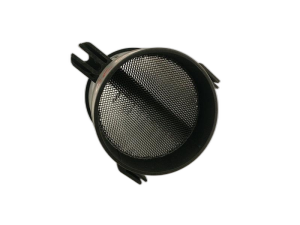
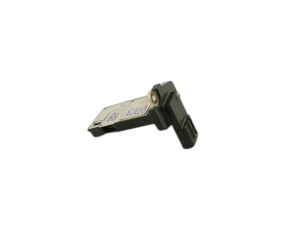
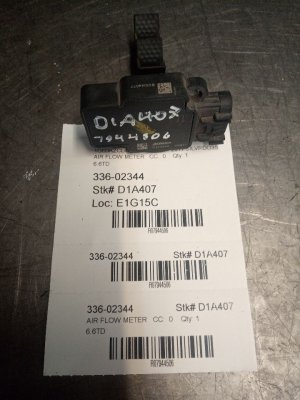
Used OEM Parts in Stock



New Aftermarket Parts Available

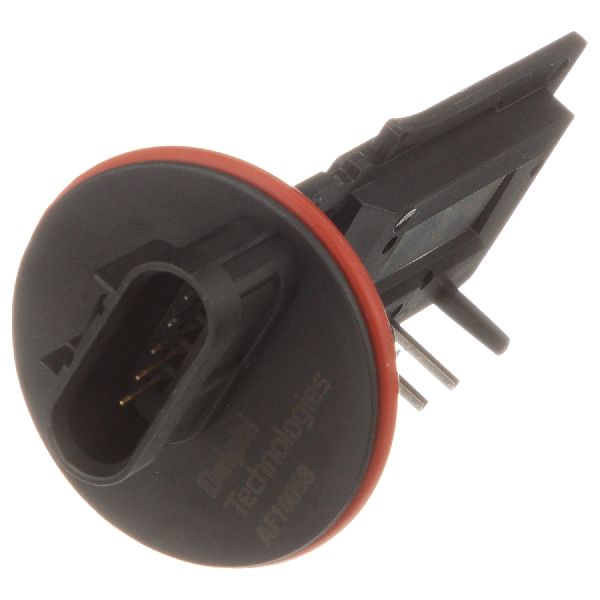

The information in this article is provided for general reference and educational purposes only. Vehicle specifications, procedures, and part compatibility can vary by production date, trim level, and region. Always consult your vehicle's factory service manual and verify part numbers before purchasing or performing repairs. Safety-critical components such as airbags, seat belts, and braking systems should be installed by a qualified professional.
- Gmc SAVANA:
- 🎬 Helpful Videos
- 🛍️ Shop This Part
- What's Unique About the 2007-2011 Gmc SAVANA
- Diagnostic Flowchart
- Symptoms You May Notice
- Most Likely Causes
- Rare But Worth Checking
- Diagnosis Steps
- Parts You'll Likely Need
- Related Codes That Often Appear With This One
- Technical Service Bulletins (TSBs) & Recalls
- Platform-Specific Known Issues
- Mechanic-Grade Diagnostic Values
- Scan Tool Commands That Help
- Wiring & Ground Locations
- Real Owner Repair Stories
- Model Year Variations Within This Range
- 🎟️ Get 5% Off