

P0101 on 2015-2023 Ford Mustang 5.0L: MAF Sensor Causes and Fixes
On a 2015-2023 Mustang GT, P0101 is most often caused by an aftermarket cold air intake without the required tune or a dirty MAF sensor from an over-oiled filter. Start by cleaning the MAF sensor with a dedicated cleaner (~$15) and ensuring your intake has the correct PCM tune. If the intake is stock and the MAF is clean, check for vacuum leaks before replacing the sensor.
- If you have an aftermarket cold air intake, your first step should be to verify if it requires a specific PCM tune. This is the #1 cause of P0101 on these Mustangs.
- Before buying a new MAF sensor, always try cleaning the existing one with dedicated MAF sensor cleaner spray. It's a cheap and very common fix.
- Thoroughly inspect the intake tube and all connected hoses for cracks or loose clamps, as unmetered air from a vacuum leak is another primary cause.
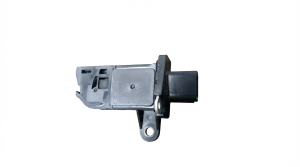
- The OEM MAF sensor for all 2015-2023 5.0L Mustangs is Ford part number 8V2Z-12B579-A (Motorcraft AFLS-195).
What's Unique About the 2015-2023 Ford Mustang
The S550 Mustang, particularly with the 5.0L Coyote V8, is one of the most commonly modified cars on the road. Unlike many vehicles where P0101 points to a simple part failure, on this platform, it is overwhelmingly linked to aftermarket cold air intakes (CAIs). Many CAIs for this engine have larger diameter tubing that requires a specific PCM tune to recalibrate the sensor's readings; installing one without the tune is a near-guaranteed way to trigger this code. Furthermore, the frequent use of reusable oiled air filters often leads to MAF sensor contamination when they are over-oiled. In some cases, even with a 'no-tune-required' intake, airflow turbulence from aftermarket grilles can cause erratic MAF readings and stalling.
Generation note: The 2015-2023 year range covers the entire S550 generation. However, there was a significant engine update in 2018. The 2015-2017 models have the 'Gen 2' Coyote, while 2018-2023 models have the 'Gen 3' Coyote with dual injection. While the causes of P0101 are the same, be aware that aftermarket cold air intakes are often specific to either the 2015-2017 or 2018+ models due to slight differences in sensor placement and tuning.
Symptoms You May Notice
- Check Engine Light is on
- Rough or unstable idle
- Engine hesitation or stumbling during acceleration
- Reduced engine power and sluggish performance
- Poor fuel economy
- Black smoke from the exhaust in some cases
- Stalling when coming to a stop
- Replacing the MAF sensor immediately without first cleaning it or checking for vacuum leaks and tune-related issues. The sensor itself is often not the root cause of the problem; it is simply reporting the effects of another issue.
Most Likely Causes
- Aftermarket Cold Air Intake (CAI) without a proper tune 🔴 High Probability The S550 Mustang is extremely popular to modify. Many high-flow CAIs (e.g., PMAS, JLT) change the diameter of the intake tube where the MAF sensor sits, which requires a corresponding software tune to correct the airflow readings. Installing the intake without the tune causes the sensor's readings to be out of the expected range. Even some 'no-tune-required' intakes can cause issues if paired with other mods like aftermarket grilles that create air turbulence ahead of the sensor.
How to confirm: Check if the vehicle has an aftermarket CAI. If so, verify from the manufacturer (e.g., JLT, PMAS, Roush, Steeda) if a tune is required. If a tune is required and not installed, this is the likely cause. If a 'no-tune' intake is installed, check forums for known issues with that specific brand.
Typical fix: Install the required PCM tune from a reputable tuning company (e.g., Lund Racing, Palm Beach Dyno) using a handheld tuner device, or revert to the stock air intake system.
Est. part cost: $400-$800 for a tuner and tune - Dirty or contaminated MAF sensor 🔴 High Probability This is often a direct result of using an aftermarket oiled air filter (e.g., K&N, Airaid). If the filter is over-oiled after cleaning, the excess oil can get sucked into the intake and coat the delicate hot-wire element of the MAF sensor, insulating it and causing incorrect readings. This is a widely discussed problem in the Mustang community. 🎬 See how aftermarket filters often cause this specific code. Water ingress from heavy rain, especially with aftermarket hoods, can also contaminate the sensor.
How to confirm: Remove the MAF sensor (held by two T20 Torx screws) and visually inspect the small wires inside the sensor housing. If they appear coated in oil or grime, the sensor is contaminated. A user on the Mustang6G forum confirmed that after his sensor was soaked with water, cleaning it with dedicated cleaner and letting it dry resolved the issue without needing replacement.
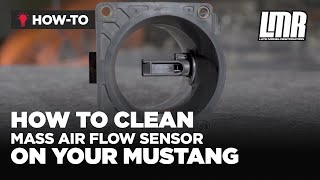
Typical fix: Clean the sensor using a dedicated Mass Airflow Sensor cleaner spray. Do not use brake or carb cleaner, as they can damage the sensor. Do not touch the wires. Allow it to dry completely for 20-30 minutes before reinstalling.
Est. part cost: $10-$15 for MAF cleaner spray - Vacuum leak 🟡 Medium Probability The complex intake system has numerous connection points. Leaks can occur at the intake tube clamps, PCV hose connections, intake manifold gaskets, or injector O-rings, allowing 'unmetered' air to enter the engine after the MAF sensor. A loose or cracked brake booster hose is another potential spot.
How to confirm: Listen for a hissing sound at idle. Visually inspect all intake ducting and vacuum hoses for cracks or loose connections. A common DIY method is to spray carb cleaner near suspected leak points with the engine running and listen for a change in idle RPM, but this is a fire hazard. The most reliable method is to have a smoke test performed, which forces smoke into the intake to reveal the source of any leaks.
Typical fix: Replace the cracked hose, tighten the loose clamp, or replace the failed gasket (e.g., intake manifold gasket).
Est. part cost: $5-$150 depending on the source of the leak - Dirty or clogged engine air filter ⚪ Low Probability
How to confirm: Visually inspect the engine air filter. If it is visibly dirty, clogged with debris, or has not been changed in a long time, it can restrict airflow and trigger the code.
Typical fix: Replace the engine air filter.
Est. part cost: $20-$50 - Faulty MAF sensor ⚪ Low Probability
How to confirm: If cleaning the sensor, verifying the tune, and confirming there are no vacuum leaks does not resolve the code, the sensor itself may have failed electronically. This can be confirmed by monitoring the sensor's output (in g/s) with a scan tool. For a 5.0L Coyote, a healthy reading at normal operating temperature and a stable 600-700 RPM idle should be approximately 4.5-6.0 g/s. An erratic or non-responsive reading indicates a bad sensor.
Typical fix: Replace the MAF sensor. Use an OEM Motorcraft part for best results. 🎬 Follow this step-by-step tutorial to replace your MAF sensor.
Est. part cost: $120-$220 for an OEM sensor
Rare But Worth Checking
- Wiring or connector issue: Check the wiring harness and connector going to the MAF sensor for any visible damage, corrosion on the pins, or loose connections. Wiggling the connector while the engine is running may reveal an intermittent fault.
- Restricted exhaust: A severely clogged catalytic converter can cause excessive backpressure, affecting the engine's ability to draw in air and potentially skewing the MAF sensor's expected readings. This will usually be accompanied by other codes (like P0420/P0430) and a noticeable loss of high-RPM power.
Diagnosis Steps
- Read Codes: Use an OBD-II scanner to confirm P0101 and check for any other codes. P0171/P0174 strongly suggest a vacuum leak or under-reporting MAF.
- Check for Aftermarket Intake: Identify if a cold air intake is installed. If so, confirm with the manufacturer if a tune is required. If you don't have the correct tune, this is the most likely problem.
- Inspect Air Filter: Check the engine air filter. If it's dirty, replace it. If it's an oiled filter, check for signs of over-oiling on the filter and in the intake tube.
- Inspect Intake System: Visually inspect the entire air intake tract from the filter to the throttle body. Look for loose clamps, disconnected hoses, or cracks in the plastic/rubber tubing.
- Clean the MAF Sensor: Disconnect the battery. Unplug the MAF sensor and remove the two T20 Torx screws. Carefully spray the sensor's internal wires with dedicated MAF sensor cleaner. Do not touch the wires or use other chemicals. Let it air dry completely for 20-30 minutes before reinstalling.
- Check for Vacuum Leaks: With the engine running, listen for hissing noises around the intake manifold and vacuum hoses. For a definitive diagnosis, perform a smoke test to find hard-to-see leaks. Pay attention to PCV lines and intake manifold gaskets.
- Monitor Live Data: If the code persists, use a scan tool to monitor the MAF sensor reading in grams per second (g/s). At a stable, warm idle, it should read approximately 4.5-6.0 g/s. The reading should increase smoothly with RPM. A jumpy, stuck, or unresponsive reading points to a failed sensor or wiring issue.
- Test Wiring: If the sensor's live data is erratic or absent, check the sensor's connector for power, ground, and signal integrity using a multimeter. Check for corrosion or loose pins.
- Replace MAF Sensor: If all other steps fail to resolve the issue, the sensor has likely failed and should be replaced. It is highly recommended to use a genuine Motorcraft replacement part.
Parts You'll Likely Need
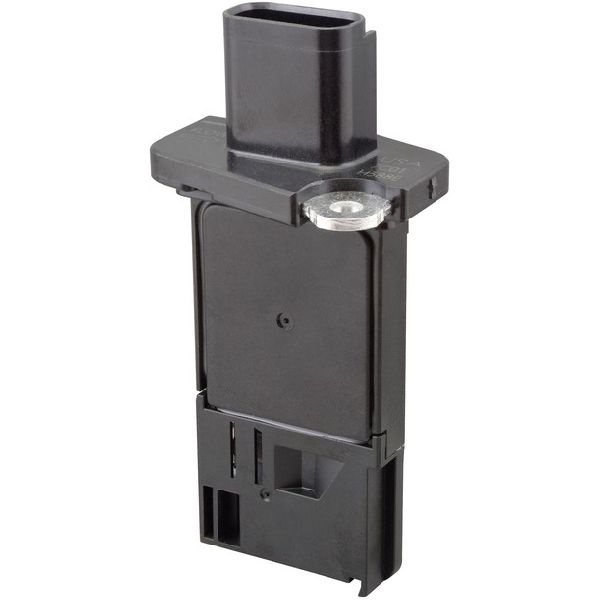
- Mass Airflow (MAF) Sensor
(OEM #FR3Z-12B579-A (Motorcraft AFLS-195))— This is the part that is replaced if cleaning it and checking for other issues does not resolve the code. This part number fits 2015-2023 Mustang GT and GT350/500 models. - Mass Airflow Sensor Cleaner — This is the first and most crucial step in diagnosis, as a contaminated sensor is the most common cause. Cleaning is cheap and often solves the problem.
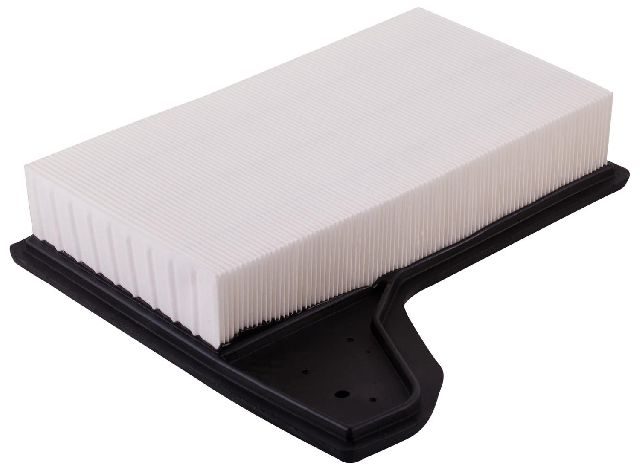
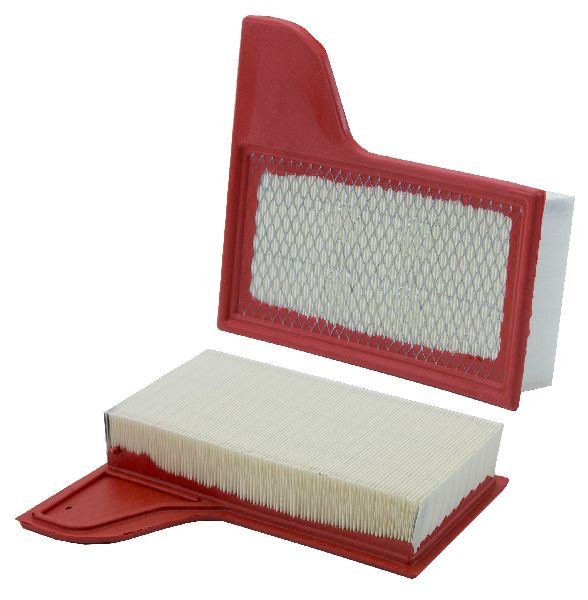
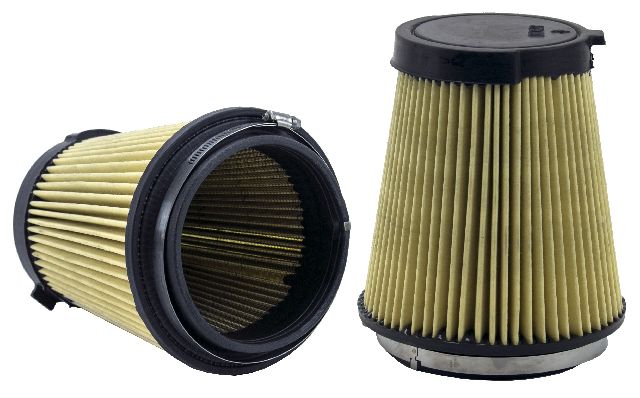
- Engine Air Filter
(OEM #FA1883 (Motorcraft))— A clogged air filter can restrict airflow and cause a P0101. It's a basic maintenance item that should be checked early in the diagnostic process.
Related Codes That Often Appear With This One
- P0171 — System Too Lean (Bank 1) - Often appears with P0101 when there is a vacuum leak allowing unmetered air in, or when a dirty MAF sensor under-reports airflow, causing the PCM to not inject enough fuel.
- P0174 — System Too Lean (Bank 2) - The companion code to P0171 for the second cylinder bank, triggered for the same reasons.
- P0172/P0175 — System Too Rich (Bank 1/2) - Can appear if the MAF sensor is heavily contaminated and severely under-reporting airflow, causing the PCM to over-inject fuel relative to the actual (higher) airflow.
Technical Service Bulletins (TSBs) & Recalls
- TSB 18-2256: Supersedes 18-2166 for 2015-2017 Mustangs, addressing poor A/C performance from a leaking evaporator core.
- Customer Satisfaction Program 18B32: For 2018-2019 Mustangs, addresses potential throttle body failure due to a misinstalled spring.
Mechanic-Grade Diagnostic Values
- MAF Sensor Live Data (PID: MAF) — expected: 4.5 - 6.0 g/s at warm idle (600-700 RPM). Failure: Readings are erratic, jumpy, or do not increase smoothly with RPM.
- MAF Sensor Signal Voltage — expected: Approximately 0.6-0.7 volts at Key-On-Engine-Off (KOEO). Voltage should increase smoothly with RPM, typically around 1.10V at 20 MPH and 1.70V at 40 MPH.. Failure: Voltage is 0 or 5V, or does not respond to changes in airflow.
- Long Term Fuel Trim (PIDs: LONGFT1, LONGFT2) — expected: Between -10% and +10%. Ideally close to 0%.. Failure: High positive values (e.g., > +15%) suggest the PCM is adding fuel to compensate for unmetered air (vacuum leak) or a MAF that is under-reporting airflow.
Hidden / Shadow Codes Worth Checking
- Mode 6, Test ID $53: While not a direct P0101 sub-code, this test monitors misfire counts per cylinder. A P0101 condition causing a lean or rich mixture can lead to misfires. Reviewing this data on a Ford-capable scanner can help see which cylinders are affected before a P030x code is set. (see via A scan tool with Mode 6 capabilities, such as FORScan or high-end professional scanners. The data may be presented under 'Test Results' or a similar menu.)
Scan Tool Commands That Help
- Ford IDS / FORScan: MAF PID Live Data Monitoring (MAF g/s, MAF_V) — This is the primary function for diagnosing P0101. It allows you to watch the sensor's reported airflow in grams/second and its voltage in real-time. Graphing this data while performing slow throttle sweeps can reveal dropouts, erratic behavior, or a lazy sensor that doesn't respond quickly to airflow changes.
- Ford IDS / FORScan: Wiggle Test — While monitoring the MAF live data, physically wiggle the sensor connector and its associated wiring harness. If the live data readings jump or drop out, it indicates a wiring or connector pin-fitment issue.
Wiring & Ground Locations
- MAF Sensor Connector — On the air intake tube, between the air filter box and the throttle body.. This is the primary connection point for the sensor. Corrosion, bent pins, or a loose connection here will directly cause a P0101. The typical 6-pin connector pinout for a Coyote MAF is: Pin 1 (VT-GN) - IAT Signal, Pin 2 (YE-GY) - Signal Return/Ground, Pin 3 (BU-OG) - MAF Signal, Pin 4 (Not Used), Pin 5 (YE-RD) - VPWR (Voltage Power), Pin 6 (GY-VT) - Not Used.
- G104 — In the engine bay, on the driver's side, near the battery.. This ground point serves the Data Link Connector (DLC). While not a direct cause of P0101, a poor ground here can cause communication issues with scan tools, making diagnosis difficult.
- Engine Block to Chassis Ground — A braided strap typically running from the engine block (often near the alternator or starter) to the vehicle's frame/chassis.. A poor main engine ground can introduce electrical noise and voltage fluctuations that can affect sensitive sensors like the MAF, leading to erratic readings.
Real Owner Repair Stories
- Mustang6G Forum User (2016 Ford Mustang GT) — P0101 code, stalling, rough idle after installing an aftermarket grille.
❌ Tried (didn't work) Replacing the MAF sensor, Cleaning the MAF sensor, Checking for vacuum leaks
✅ What actually fixed it The issue was traced to airflow turbulence created by the new, more open aftermarket grille. The turbulence was disrupting the air as it entered the 'no-tune' cold air intake, causing erratic readings. Reinstalling the stock OEM grille resolved the P0101 code and drivability issues. - Mustang6G Forum User (2015 Ford Mustang GT w/ Roush Phase 1 Supercharger) — P0101 and P0102 codes, car running extremely rich, stalling.
❌ Tried (didn't work) Cleaning the MAF sensor, Verifying the tune was correct
✅ What actually fixed it The MAF sensor wiring harness had been damaged. The wires were rubbing against the A/C compressor pulley, eventually shorting out. Repairing the damaged wires and properly securing the harness away from the pulley fixed the issue.
"I Checked Everything" — The Actual Cause
- In some documented cases on Mustang forums, a P0101 code accompanied by lean codes (P0171/P0174) persisted even after a smoke test showed no vacuum leaks. The eventual cause was found to be a faulty MAF sensor that was under-reporting airflow, but not enough to fail its own internal logic completely. The PCM, seeing less air than was actually present, commanded less fuel, leading to the lean condition. Replacing the MAF sensor resolved all codes.
OEM Part Supersession History
FR3Z-12B579-A→FR3Z-12B579-A (current as of early 2026)— This is the original and still current part number for the S550 generation.
Heads up: The Motorcraft part number is AFLS195. While the sensor looks physically similar to those from other Ford models, the calibration is specific to the Coyote engine and intake design. Using a sensor from another vehicle, even if it fits, will likely cause P0101.
Model Year Variations Within This Range
- 2015-2017 vs 2018-2023: The core MAF sensor (Motorcraft AFLS195) is the same for all 2015-2023 5.0L models. However, the intake systems and PCM calibrations are different between the Gen 2 (15-17) and Gen 3 (18-23) Coyote engines. Aftermarket cold air intakes and the required tunes are NOT interchangeable between these two groups. An intake for a 2016 GT will not work correctly on a 2019 GT, and vice-versa, which is a common source of P0101 for owners who buy used parts.
Diagnostic Flowchart
Other Known Issues on This Vehicle
Issues unrelated to this code that are worth knowing about as an owner of this generation:
- Engine "BBQ Tick" or "Typewriter Tick" 🟡 Low — Common across all S550 Coyote engines (Gen 2 & Gen 3). It's an intermittent ticking noise often heard at idle or low RPM when the engine is warm. Many owners report it appearing after an oil change. Ford and the owner community generally consider it a harmless characteristic of the high-pressure fuel injection and valvetrain systems. (Ref: Ford has issued TSBs for similar noises on other engines, and while no specific TSB completely resolves the Coyote tick, some address related symptoms like rough idle or misfires.)
- A/C Evaporator Core Leak 🔴 High — A very common failure on 2015+ Mustangs, leading to loss of A/C performance. The evaporator core inside the dashboard develops leaks. Repair is extremely labor-intensive (8-14 hours) as it requires full dashboard removal. (Ref: TSB 18-2166 and its successor TSB 18-2256 were issued for 2015-2017 models, providing a procedure to replace the core. The issue is widely reported to persist on 2018+ models as well.)
- MT-82 Manual Transmission Issues 🟠 Medium — Affects models with the 6-speed manual transmission. Complaints range from notchiness and high-effort shifting to grinding gears and premature failure. The experience varies significantly from car to car.
- Throttle Body Failures 🟠 Medium — Some owners report a ticking noise that is diagnosed as a faulty throttle body, which can also lead to reduced engine power and warning lights. (Ref: Ford issued Customer Satisfaction Program 18B32 for some 2018-2019 models due to a misinstalled torsion spring in the throttle body, providing a free replacement.)
Used vs. New Parts: Buying Guide for This Vehicle
When a used part is the smart pick: A used OEM airbox or intake tube is a perfectly acceptable and cost-effective fix if you are reverting from a problematic aftermarket intake. These are durable plastic parts with no electronic components.
Donor-vehicle mileage cap: roughly under 80000 miles for the part to have meaningful remaining life.
What to inspect on the donor part:
- For a used MAF sensor, inspect the connector pins for corrosion or damage.
- Ask the seller if the donor car had any modifications, especially an oiled air filter.
- For a used airbox/tube, check for any cracks, especially around the clamp areas and sensor mounting boss.
OEM-only on this vehicle (don't cheap out):
- Mass Airflow (MAF) Sensor: Due to specific calibration, it is highly recommended to use a new, genuine Motorcraft sensor (AFLS195). Used sensors are a gamble, and cheap aftermarket clones are a very common cause of persistent P0101 codes.
Aftermarket brands forum-validated for this vehicle:
- For MAF Sensors: Delphi is a reputable OEM supplier with positive feedback.
- For Calibrated MAF/Intake Kits: PMAS and SCT are well-regarded in the Mustang community, but they MUST be paired with the correct tune.
Brands owners have reported issues with on this vehicle:
- Unbranded, no-name MAF sensors from online marketplaces. These often have incorrect calibration curves and are a frequent source of unresolved P0101 issues.
Real Owner Stories
Aggregated from forums and TSBs cited above. Mileages and costs reflect what owners reported in those sources.
2015-2023 Ford Mustang 5.0L V8
Symptoms: Stalling issues and airflow errors after installing an aftermarket grille and intake combination.
What fixed it: The owner traced the issue to airflow turbulence hitting the MAF sensor caused by the specific grille/intake combination.
Source hint: Mustang6G.com thread titled 'maf-stalling-question-help.115454/'
2019 Ford Mustang 5.0L V8
Symptoms: MAF sensor was soaked with water, causing performance issues.
What fixed it: Cleaned the sensor with dedicated MAF cleaner and allowed it to dry completely; replacement was not required.
Source hint: Mustang6G.com thread titled 'maf-sensor-contaminated-replace.128408/'
Related OBD-II Codes
Frequently Asked Questions
I just installed a PMAS cold air intake on my S550 Mustang and now I have a P0101 code. What happened?
Can an aftermarket grille cause a P0101 code on my 2015-2023 Mustang?
Should I replace my MAF sensor if it got wet during a heavy rainstorm?
Is there a TSB for the throttle body on my 2018 Mustang?
I use a K&N oiled filter; why is my Mustang throwing a MAF code?
What is a normal MAF reading for a Coyote 5.0L at idle?
Helpful Videos

Used OEM Parts in Stock
New Aftermarket Parts Available


The information in this article is provided for general reference and educational purposes only. Vehicle specifications, procedures, and part compatibility can vary by production date, trim level, and region. Always consult your vehicle's factory service manual and verify part numbers before purchasing or performing repairs. Safety-critical components such as airbags, seat belts, and braking systems should be installed by a qualified professional.
- Ford Mustang:
- 🎬 Helpful Videos
- 🛍️ Shop This Part
- What's Unique About the 2015-2023 Ford Mustang
- Symptoms You May Notice
- Most Likely Causes
- Rare But Worth Checking
- Diagnosis Steps
- Parts You'll Likely Need
- Related Codes That Often Appear With This One
- Technical Service Bulletins (TSBs) & Recalls
- Mechanic-Grade Diagnostic Values
- Hidden / Shadow Codes Worth Checking
- Scan Tool Commands That Help
- Wiring & Ground Locations
- Real Owner Repair Stories
- "I Checked Everything" — The Actual Cause
- OEM Part Supersession History
- Model Year Variations Within This Range
- Diagnostic Flowchart
- Other Known Issues on This Vehicle
- Used vs. New Parts: Buying Guide for This Vehicle
- Real Owner Stories
- 2015-2023 Ford Mustang 5.0L V8
- 2019 Ford Mustang 5.0L V8
- Related OBD-II Codes
- Frequently Asked Questions
- 🎟️ Get 5% Off