

P0089 on 2018-2023 GMC Terrain: Fuel Pressure Regulator Performance Causes and Fixes
On 2018-2023 GMC Terrains with the 1.5L engine, code P0089 is most often caused by a failing high-pressure fuel pump (HPFP) or an ECM software glitch. A dealer ECM reprogram may be required per TSB N252524760. More commonly, the HPFP (ACDelco HPM1010) fails, a known issue detailed in TSB PIP6003E and the subject of a class-action lawsuit. This repair can cost between $900 and $2,500 at a shop.
- Code P0089 on a 2018-2023 GMC Terrain is a serious issue that can cause dangerous engine stalling and should be addressed immediately.
- Before replacing any parts, have a dealer check if your vehicle needs an ECM software update as specified in TSB #N252524760.
- The most common mechanical cause is a failing high-pressure fuel pump, a known issue for this vehicle.
- Diagnosis requires a professional scan tool to monitor live fuel pressure data; this is not a simple DIY fix.
- Always replace the high-pressure fuel line if the fuel pump is replaced, as it is a one-time-use part.
What's Unique About the 2018-2023 Gmc TERRAIN

For this generation of GMC Terrain and its platform-mate, the Chevy Equinox, code P0089 is frequently linked to specific, documented issues. GM has issued technical service bulletins (TSBs) acknowledging the cause can be a software calibration error (TSB #N252524760) or, more often, a mechanical failure of the high-pressure fuel pump (TSB PIP6003E). This makes it critical to check for TSBs, as a simple reprogram can sometimes be the fix. An ongoing class-action lawsuit alleges widespread premature failures of both the in-tank low-pressure pump and the engine-mounted high-pressure pump in 2020-2024 models, claiming the issue is broader than GM's limited recall (N222372310) for the in-tank pump.
Diagnostic Flowchart

Tap your situation to follow the diagnostic path that matches what you're seeing on this vehicle.
Symptoms You May Notice
- Check Engine Light is on
- Engine stalling, sometimes while driving in traffic or coming to a stop
- Reduced engine power or "limp mode"
- Hesitation, stumbling, or bucking during acceleration
- Rough or unstable idle, sometimes described as 'loping' or 'lunging'
- Long crank time or no-start condition
- Noticeable fuel smell
- Whining or buzzing sound from the fuel pump area
- Replacing the high-pressure fuel pump when only an ECM reprogram is needed.
- Replacing the fuel rail pressure sensor when the fuel pump is the actual cause of the low pressure.
- Replacing only the fuel pump when debris has already contaminated and damaged the fuel injectors, leading to a repeat failure.
Most Likely Causes

- Failing High-Pressure Fuel Pump (HPFP) 🔴 High Probability TSB PIP6003E and numerous owner complaints point to a known issue with the HPFP. Internal wear can reduce its ability to build pressure and can also send metallic debris downstream, contaminating fuel injectors. A class-action lawsuit also targets this component for premature failure. GM also released Service Update N242450160 for 2023-2024 models for an inoperative HPFP.
How to confirm: A technician will monitor commanded vs. actual fuel rail pressure with a scan tool. If actual pressure cannot keep up with commanded pressure, especially under load, the pump is the primary suspect. The definitive diagnostic path is outlined in TSB PIP6003E, which involves testing injectors first before condemning the pump. The pump's internal solenoid should have a resistance of 9-11 Ohms.
Typical fix: Replacement of the high-pressure fuel pump and the one-time-use high-pressure fuel line. The catalytic converter should also be inspected for damage from a potential over-fueling condition.
Est. part cost: $400-$800 - Engine Control Module (ECM) Software Calibration Issue 🟡 Medium Probability Manufacturer TSB #N252524760 explicitly states that P0089, P228C, and/or P00C6 can be set due to a software error and directs dealers to reprogram the ECM as the sole fix.
How to confirm: A GM dealer or a shop with GM diagnostic software (GDS2) can check the current software calibration version against the latest available version in the GM system.
Typical fix: Reprogramming the Engine Control Module with updated software.
Est. part cost: $0 (if under warranty) or $100-$250 (dealer labor) - Leaking or Contaminated Fuel Injectors ⚪ Low Probability Debris from a failing high-pressure fuel pump can travel downstream and lodge in the fuel injectors, causing them to leak or become restricted. An injector that sticks open can cause over-fueling and damage the catalytic converter.
How to confirm: GM specifies an AFIT (Active Fuel Injector Test) using the CH-47976 special tool to check for leaks and flow rate imbalances. The test is performed on both a cold and hot engine.
Typical fix: Replacement of any fuel injectors that fail the AFIT test. It is recommended to replace them as a set if contamination is suspected.
Est. part cost: $150-$300 per injector - Faulty Fuel Rail Pressure Sensor ⚪ Low Probability
How to confirm: If fuel pressure readings on a scan tool are erratic, stuck at one value, or clearly implausible while the engine is running, the sensor may be at fault. TSB 20-NA-197 also notes that corrosion in the sensor's electrical connector can cause this code.
Typical fix: Replacement of the fuel rail pressure sensor or repair of the connector wiring.
Est. part cost: $50-$150
Rare But Worth Checking
- Failing In-Tank Low-Pressure Fuel Pump: A restriction or failure in the low-pressure side of the system can starve the high-pressure pump, causing it to underperform and trigger P0089. This is also a subject of GM recall N222372310 and class-action lawsuits.
- Stretched Timing Chain: On the 1.5L engine, the high-pressure fuel pump is driven by a three-lobed cam on the intake camshaft. If the timing chain is stretched or has jumped a tooth, it can affect the pump's timing and ability to generate pressure, sometimes triggering P0089 along with timing codes like P0016/P0017. 🎬 See how a stretched timing chain can trigger fuel codes.
- Wiring Issues: A damaged wire or poor connection at the fuel pump, pressure sensor, or ECM can cause incorrect readings or loss of control, triggering the code.
Diagnosis Steps
- Check for Technical Service Bulletins (TSBs) for your vehicle's VIN. Specifically look for TSB #N252524760 (ECM reprogram) and PIP6003E (pump/injector diagnosis).
- Connect a professional scan tool to read all stored DTCs and view freeze frame data to see the conditions when the code was set.
- Monitor live data for 'Commanded Fuel Rail Pressure' and 'Actual Fuel Rail Pressure'. Compare the two values at idle, during light acceleration, and under heavy load. A significant and consistent lag in actual pressure points to a mechanical issue.
- If pressure readings are erratic, stuck, or implausible, inspect the fuel rail pressure sensor and its wiring harness for damage or corrosion as per TSB 20-NA-197.
- Follow the diagnostic steps in TSB PIP6003E, which prioritizes injector testing before pump replacement.
- Perform a cold engine AFIT test using the GM CH-47976 tool. If injectors fail, replace them.
- Perform a hot engine AFIT test. If injectors fail, replace them. If injectors pass both tests, the TSB directs replacement of the high-pressure fuel pump.
- After repairs, inspect the catalytic converter for signs of damage from over-fueling, which can happen with a leaking injector.
Parts You'll Likely Need

- High-Pressure Fuel Pump
(OEM #ACDelco HPM1010 (GM 12679199, 12694382))— This is the most common mechanical failure for P0089 on this vehicle, as documented by GM's own service bulletins and a class-action lawsuit.
Trusted brands: ACDelco, Bosch, Delphi
OEM price range: $450-$800
Aftermarket price range: $160-$350 - Fuel Rail Pressure Sensor
(OEM #ACDelco 213-4583 (GM 12643929))— While less common, a faulty sensor can send incorrect data to the ECM. TSB 20-NA-197 also points to connector corrosion as a possible cause.
Trusted brands: ACDelco, Bosch
OEM price range: $80-$150
Aftermarket price range: $40-$90 - High-Pressure Fuel Pipe
(OEM #ACDelco 12688668)— This is a one-time-use part that must be replaced anytime the high-pressure fuel system is opened, such as when replacing the pump, to ensure a proper seal.
Trusted brands: ACDelco (GM Genuine)
OEM price range: $40-$70
Aftermarket price range: $30-$50 - Fuel Injector
(OEM #ACDelco 217-4740 (GM 12669384))— Can become contaminated by debris from a failing HPFP or fail on their own, causing pressure regulation issues.
Related Codes That Often Appear With This One
- P228C — This code means "Fuel Pressure Regulator 1 Exceeded Control Limits - Pressure Too Low" and is almost always set with P0089, as both point to insufficient fuel pressure. It is cited in both TSB #N252524760 and TSB PIP6003E.
- P00C6 — This code for "Fuel Rail Pressure Too Low - Engine Cranking" also points directly to a lack of fuel pressure and is mentioned alongside P0089 in official GM service bulletins.
- P0191 — Indicates "Fuel Rail Pressure Sensor Circuit Range/Performance," suggesting the sensor's readings are abnormal, which can be a cause or a symptom of the pressure issue. It is also mentioned in the fuel pump class-action lawsuit.
- P2C1F — A newer code added to TSB PIP6003E, described as a "fuel system related fault." Its presence alongside the others reinforces the diagnosis of a high-pressure fuel system issue.
Technical Service Bulletins (TSBs) & Recalls
- Bulletin #N252524760: Recommends reprogramming the Engine Control Module for DTCs P228C, P0089, and/or P006C.
- Bulletin #PIP6003E: The latest version of this preliminary bulletin. It addresses a potential stall/no-start condition with codes P0089, P00C6, P228C, and P2C1F on 2023-2024 models, pointing to the high-pressure fuel pump and/or injectors. It provides a specific diagnostic flow.
- Bulletin #20-NA-197: Addresses a range of fuel pressure codes, including P0089, that may be caused by corrosion in the fuel pressure sensor electrical connector.
Platform-Specific Known Issues
- TSB #N252524760: Notes that P0089, P228C, and/or P006C can be caused by a software issue, with the fix being an ECM reprogram.
- TSB #PIP6003E: The most current bulletin for this issue. It addresses a stall/no-start with codes P0089, P00C6, P228C, and P2C1F on 2023-2024 models, providing a specific diagnostic path involving cold and hot AFIT injector tests before replacing the HPFP.
- Class Action Lawsuit (2020-2024 models): Alleges widespread premature failure of fuel pumps (both in-tank and high-pressure) causing stalling. Claims the problem is more extensive than the limited recall GM issued.
- Owner Complaint ODI #11722113: A 2023 Terrain stalled while driving with codes P0089, P00C6, and P228C. The fix was reprogramming the ECM per a bulletin, confirming the software issue.
- Owner Complaint ODI #11726152: A 2023 Terrain owner reported codes P228C and P0089 and was told it was a fuel pump issue, highlighting the common mechanical failure point.
Mechanic-Grade Diagnostic Values
- Low-Pressure Fuel System Pressure (Engine Off) — expected: 345-690 kPa (50-100 psi). Failure: Pressure below this range indicates a weak in-tank pump or restriction; pressure above indicates a regulator issue.
- Low-Pressure Fuel System Pressure (Idling) — expected: 300-400 kPa (43-58 psi). Failure: Pressure outside this range at idle suggests a problem with the in-tank pump or its control module.
- High-Pressure Fuel Pump Solenoid Resistance — expected: 9-11 Ohms at 77°F (25°C). Failure: Resistance outside this range indicates a faulty pump solenoid, requiring pump replacement.
- High-Pressure Fuel System (2018-2022 LYX Engine) — expected: Operates at 20 MPa (approx. 2900 PSI). Failure: Inability to reach or maintain commanded pressure near this level points to a system fault.
- High-Pressure Fuel System (2023+ LSD Engine) — expected: Operates at 35 MPa (approx. 5076 PSI). Failure: Inability to reach or maintain commanded pressure near this level points to a system fault.
Hidden / Shadow Codes Worth Checking
- P2C1F: A generic "fuel system related fault" referenced in TSB PIP6003E. Its presence alongside P0089, P228C, and P00C6 strongly reinforces the diagnosis of a high-pressure fuel pump or injector issue. (see via A professional scan tool like the GM GDS2.)
Scan Tool Commands That Help
- GDS2: Fuel Pump Enable — Used with the engine off to command the in-tank low-pressure fuel pump to run, allowing a technician to test its maximum pressure output against specifications.
- GDS2 with CH-47976 tool: AFIT (Active Fuel Injector Test) — This is a critical diagnostic step per TSB PIP6003E to test for leaking or malfunctioning fuel injectors. It is performed on both a cold and hot engine before condemning the high-pressure fuel pump.
- GDS2: Fuel Rail Pressure Relief Valve Reset — This procedure may be required after replacing fuel system components to ensure the system is properly reset.
Wiring & Ground Locations
- FSCM Pin 13 — At the Fuel System Control Module (FSCM) connector, Dark Green/White wire.. This is the control signal from the ECM that commands the fuel pump on. A loss of this signal would result in a no-start or stall. A technician can check for a 12V signal here when the key is turned on.
- ECM Black Connector Pin 50 — At the Engine Control Module (ECM), Dark Green/White wire.. If there is no 12V signal at the FSCM (Pin 13), this is the next place to check. Power here but not at the FSCM indicates a wiring break between the two modules.
Real Owner Repair Stories
- GMTNation forum member (2011 GMC Terrain 2.4L with 106k miles) — Sudden very rough running, Stabilitrack and reduced engine power messages.
❌ Tried (didn't work) Initial diagnosis was confusing due to multiple codes.
✅ What actually fixed it The vehicle threw fuel pressure codes P0089/P228D along with timing codes P0016/P0017. Another user identified that because the high-pressure fuel pump is driven by the camshaft, the combination of codes strongly suggested the root cause was a stretched timing chain, a known issue on that engine. - ScannerDanner Forum member (2012 GMC Terrain 2.4L with 167k miles) — Engine would lope/lunge when idling in gear after 10-15 minutes of driving. Eventually set 'Reduced Power' warning.
❌ Tried (didn't work) Driving in neutral at stops to avoid the symptom.
✅ What actually fixed it The issue was unresolved in the thread, but the diagnosis path provided is highly valuable. The final codes were P0089 and P228D (pressure too high). Freeze frame data confirmed extremely high fuel rail pressure. The recommended next step was to use a scan tool to graph desired vs. actual fuel rail pressure and also monitor camshaft timing PIDs to see if a timing issue was causing the pump to be overdriven.
OEM Part Supersession History
Unknown→25207068 (HPFP), 12708907 (Fuel Feed Pipe)— GM released Service Update N242450160 for an inoperative high-pressure fuel pump condition.
Heads up: This part update is specifically mentioned for 2023-2024 models with the LSD engine and may not be backward compatible with 2018-2022 LYX engines.
Model Year Variations Within This Range
- 2018-2022: These models use the 1.5L LYX engine, which has a high-pressure fuel system designed to operate at 20 MPa (approx. 2900 PSI).
- 2023-2024: These models use the updated 1.5L LSD engine, which features a higher-pressure fuel system operating at 35 MPa (approx. 5076 PSI). This change in operating pressure means diagnostic values and parts like the HPFP may differ from earlier years. GM issued a specific service update (N242450160) for the HPFP on these later models.
Helpful Videos
Used OEM Parts in Stock

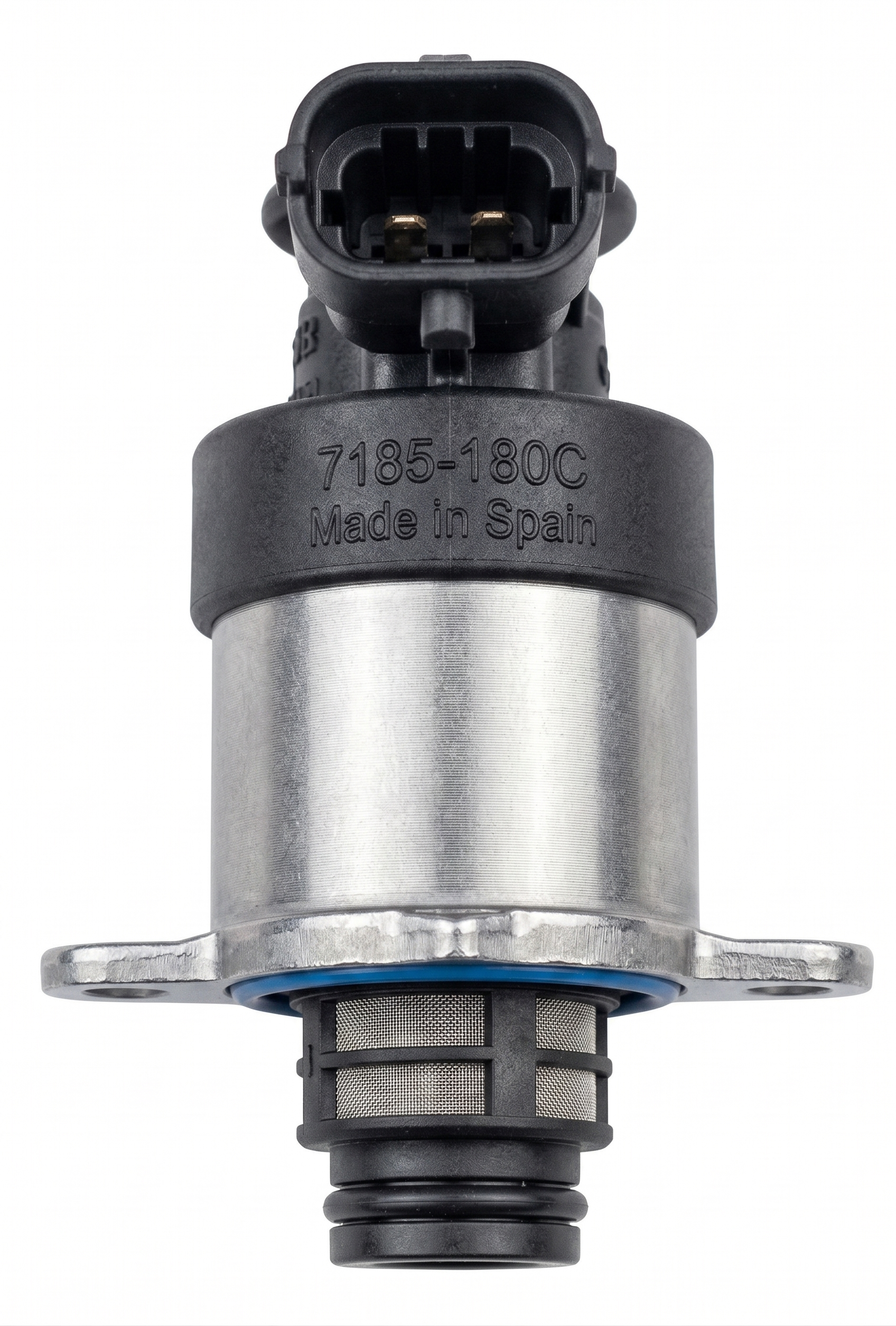
New Aftermarket Parts Available

The information in this article is provided for general reference and educational purposes only. Vehicle specifications, procedures, and part compatibility can vary by production date, trim level, and region. Always consult your vehicle's factory service manual and verify part numbers before purchasing or performing repairs. Safety-critical components such as airbags, seat belts, and braking systems should be installed by a qualified professional.
- Gmc TERRAIN:
- 🎬 Helpful Videos
- 🛍️ Shop This Part
- What's Unique About the 2018-2023 Gmc TERRAIN
- Diagnostic Flowchart
- Symptoms You May Notice
- Most Likely Causes
- Rare But Worth Checking
- Diagnosis Steps
- Parts You'll Likely Need
- Related Codes That Often Appear With This One
- Technical Service Bulletins (TSBs) & Recalls
- Platform-Specific Known Issues
- Mechanic-Grade Diagnostic Values
- Hidden / Shadow Codes Worth Checking
- Scan Tool Commands That Help
- Wiring & Ground Locations
- Real Owner Repair Stories
- OEM Part Supersession History
- Model Year Variations Within This Range
- 🎟️ Get 5% Off