

P0089 on 2010-2017 GMC Terrain: Fuel Pressure Regulator Performance Causes and Fixes
On a 2010-2017 GMC Terrain with the 2.4L engine, code P0089 almost always points to a failing high-pressure fuel pump (HPFP). This issue is often accompanied by code P228D and can be linked to underlying timing chain or oil consumption problems. Expect to pay $150-$300 for an aftermarket HPFP and $300+ for an OEM part. A DIY replacement is possible, but diagnosis is complex and often requires professional tools.
- P0089 on a 2.4L GMC Terrain is a serious code that points to a problem with the high-pressure fuel system.
- The most common cause is a failed high-pressure fuel pump (HPFP), often accompanied by code P228D.
- Before replacing any fuel parts, check for timing-related codes (like P0016) and listen for timing chain rattle, as this is a common root cause.
- Check your engine oil. A strong smell of gas is a definitive sign that the HPFP is leaking internally and must be replaced immediately.
- Due to the high pressures involved, this repair is best left to professionals or experienced DIYers with the correct tools and safety procedures.
What's Unique About the 2010-2017 Gmc TERRAIN

The 2.4L Ecotec engine in the GMC Terrain uses a high-pressure fuel pump (HPFP) that is mechanically driven by a special three-lobed section on the intake camshaft. This design directly links fuel pressure regulation to engine timing. Because these engines are known for timing chain stretch and high oil consumption, a seemingly unrelated engine oil or timing issue can directly cause fuel pressure codes like P0089. A loose or jumped timing chain will alter the mechanical operation of the HPFP, leading to fuel pressure errors even if the pump itself is not faulty. This is a critical distinction from traditional port-injected systems where the fuel pump is typically electric and in the fuel tank.
Diagnostic Flowchart

Tap your situation to follow the diagnostic path that matches what you're seeing on this vehicle.
Symptoms You May Notice

- Check Engine Light is on
- "Reduced Engine Power" message on the dash
- Engine stalling, especially at idle or in traffic
- Hesitation or lack of power during acceleration
- Rough or unstable idle
- Long crank time or hard starting
- Vehicle jerking or lunging at stops
- Strong smell of gasoline in the engine oil
- Rattling noise from the engine on startup, indicating a possible timing chain issue
- Excessive oil consumption may be a related symptom
- Replacing only the fuel pressure sensor without verifying pump performance.
- Replacing camshaft position sensors or VVT solenoids when the root cause is a mechanical timing chain issue.
- Replacing the HPFP when the underlying cause is a stretched timing chain, leading to a repeat failure or no fix.
Most Likely Causes

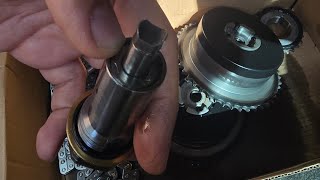
- Failing High-Pressure Fuel Pump (HPFP) 🔴 High Probability The HPFP is a well-documented failure point on the 2.4L Ecotec engine. Internal wear or seal failure prevents it from building or holding the commanded pressure, or causes it to leak fuel into the crankcase. This is the most common cause when P0089 and P228D appear together. 🎬 Watch how one technician resolved these specific codes.
How to confirm: Use a scan tool to monitor 'Desired Fuel Rail Pressure' vs. 'Actual Fuel Rail Pressure'. If the actual pressure consistently fails to meet the desired pressure, the pump is likely faulty. If actual pressure is stuck extremely high (e.g., over 2000 PSI at idle), it also points to a failed regulator in the pump. Also, check the engine oil on the dipstick for a strong gasoline smell; this is a definitive sign the pump's internal seals have failed and it is leaking fuel into the crankcase.
Typical fix: Replace the high-pressure fuel pump, the one-time-use fuel line, and the tappet/lifter that sits between the pump and camshaft. An oil change is mandatory if fuel has contaminated the oil.
Est. part cost: $150-$450 - Stretched or Failed Timing Chain System 🟡 Medium Probability The 2.4L Ecotec engine is notorious for premature timing chain wear, often exacerbated by low oil levels from high oil consumption. Since the HPFP is driven by the intake camshaft, incorrect cam timing directly affects the pump's operation, causing fuel pressure codes even if the pump is mechanically sound. A failed tensioner is often the root cause.
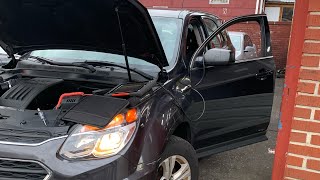
How to confirm: Listen for a rattling noise from the engine on startup. Check for related timing codes like P0016 or P0017. A mechanic can verify chain stretch by removing the valve cover and inspecting the tensioner's position or by observing cam/crank correlation with a scan tool. In one documented case, a technician found P0089/P228D codes were caused by a recently replaced, but failed, aftermarket timing chain tensioner. 🎬 See how timing issues and pump failure can happen together.
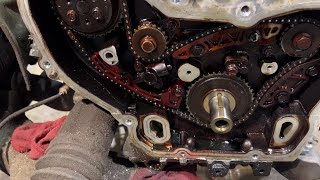
Typical fix: Replace the timing chain, guides, and tensioner. It is also recommended to replace the balance shaft chain and water pump at the same time, as they are driven by the timing system. This is a labor-intensive job, often costing over $1,500. 🎬 Watch this step-by-step timing chain replacement walkthrough.
Est. part cost: $200-$500 for a kit - Faulty Fuel Rail Pressure Sensor ⚪ Low Probability
How to confirm: If the scan tool shows erratic or nonsensical fuel pressure readings (e.g., extremely high pressure like 2252 PSI at idle, or readings that don't change), the sensor itself may be faulty. One owner on a forum replaced the sensor first, but it did not fix the issue, as the root cause was the HPFP. This part is often replaced unnecessarily.
Typical fix: Replace the fuel rail pressure sensor. This often requires removing the intake manifold for access.
Est. part cost: $50-$150 - Incorrect Camshaft or Actuator (After a Repair) ⚪ Low Probability As noted in TSB #PIP5203C, if the engine or intake camshaft has been replaced, installing the wrong model year part (e.g., a 2011 cam in a 2010 engine) will cause P0089 and P228D. This is due to differences in the actuator design and its locating notch on the camshaft, which throws off the HPFP timing.
How to confirm: This is primarily a concern after a major engine repair. A mechanic must verify the part numbers on the installed camshaft and actuator match the vehicle's specific year by removing the cam cover. For example, a 2011 engine uses two black sprockets with the same part number, while a 2010 uses one gray and one black sprocket with different part numbers.
Typical fix: Install the correct intake camshaft and/or actuator sprocket for the vehicle's model year.
Est. part cost: $150-$400
Rare But Worth Checking
- Worn Camshaft Lobe: The specific three-lobed section on the intake camshaft that drives the HPFP can wear down, especially if the engine has suffered from oil starvation or contamination. This prevents the pump from stroking fully, reducing its output. This would typically be diagnosed when replacing the HPFP by inspecting the old pump's tappet and the cam lobes.
- Failing In-Tank Low-Pressure Fuel Pump: If the low-pressure pump in the tank cannot supply adequate fuel (typically 43-58 PSI at idle) to the HPFP, the high-pressure side will be starved, triggering the code. This is less common than HPFP failure but should be checked as part of a thorough diagnosis.
- Blocked PCV Orifice: A blocked PCV orifice inside the intake manifold is a known issue on the 2.4L Ecotec. While it doesn't directly cause P0089, it increases crankcase pressure, which can contribute to oil consumption and other engine problems. Many DIYers recommend cleaning this orifice while the intake is off for other repairs like the HPFP.
Diagnosis Steps
- Check for other stored DTCs. Codes like P228D, P0016, or P0172 provide critical diagnostic clues.
- Using a capable scan tool, monitor both 'Desired Fuel Rail Pressure' and 'Actual Fuel Rail Pressure' at idle, during a cold start, and while driving under load.
- If actual pressure is significantly lower than desired, suspect the HPFP or a supply issue from the in-tank pump.
- If actual pressure is significantly higher than desired (e.g., over 2000 PSI at idle), suspect a faulty fuel pressure sensor or a stuck regulator within the pump.
- Check the engine oil on the dipstick for a strong smell of gasoline. If present, this is a strong indicator the HPFP has failed and is leaking into the crankcase. The pump must be replaced and the oil must be changed.
- If timing codes (P0016/P0017) are present, investigate the timing chain system for wear, stretch, or tensioner failure before replacing any fuel system components.
Parts You'll Likely Need
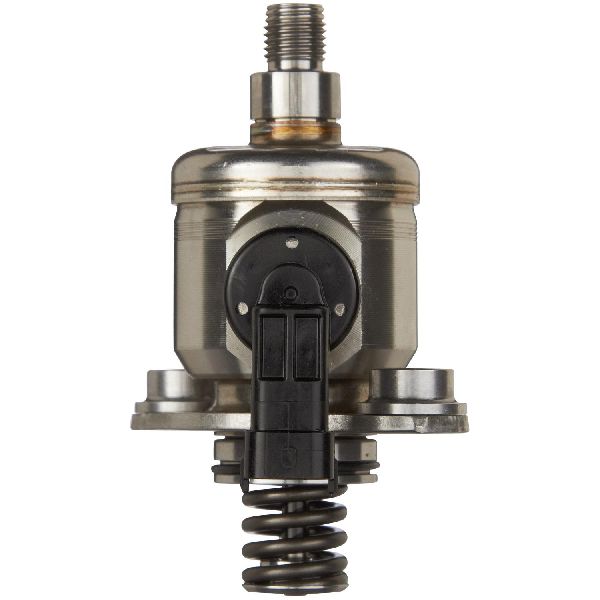
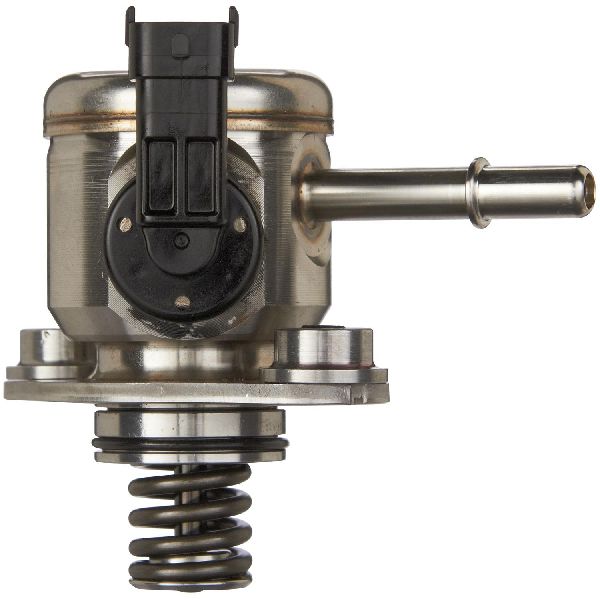
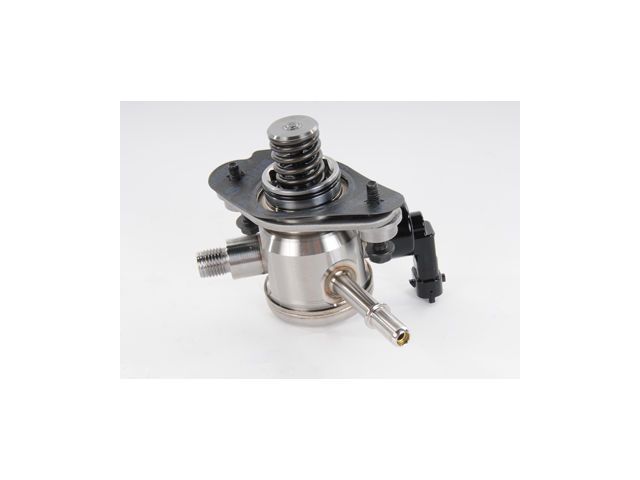
- High-Pressure Fuel Pump
(OEM #12677329)— This is the most frequent point of failure for code P0089 on this vehicle. Internal wear or seal failure leads to incorrect fuel pressure and/or fuel leaking into the engine oil.
Trusted brands: ACDelco (HPM1005), Bosch
OEM price range: $300-$450
Aftermarket price range: $150-$300 - High-Pressure Fuel Line
(OEM #12634491)— The metal fuel line connecting the HPFP to the fuel rail is a one-time-use, torque-to-yield part and must be replaced whenever it is removed to prevent dangerous high-pressure fuel leaks.
Trusted brands: ACDelco, GM Genuine
OEM price range: $30-$60
Aftermarket price range: $20-$40 - Timing Chain Kit — If timing-related codes like P0016 are present, a stretched timing chain is the likely root cause of the fuel pressure issue. A complete kit including chains, guides, and tensioners is required.
Trusted brands: ACDelco, Cloyes
OEM price range: $350-$500
Aftermarket price range: $200-$350 - Fuel Rail Pressure Sensor
(OEM #12635273)— Replaced if diagnosis points to a sensor failure (erratic readings), but it is often misdiagnosed. The OEM part number may supersede to newer versions like 12635273.
Trusted brands: ACDelco, Standard Motor Products
OEM price range: $75-$130
Aftermarket price range: $45-$90
Related Codes That Often Appear With This One
- P228D — This code for 'Fuel Pressure Regulator 1 Control Performance - High Pressure' is a direct companion to P0089 and is mentioned in TSBs and owner complaints. They almost always appear together, indicating a problem in the high-pressure fuel system where pressure exceeds the commanded value.
- P0016 / P0017 — 'Crankshaft Position - Camshaft Position Correlation'. These codes indicate a timing issue. Since the HPFP is driven by the intake cam, a timing problem is a direct and common cause of the fuel pressure fault. Seeing these codes alongside P0089 strongly suggests the timing chain system is the root cause.
- P0172 — 'System Too Rich'. A common failure mode for the HPFP is leaking fuel internally into the crankcase. This excess fuel contaminates the oil, gets drawn into the intake via the PCV system, and can cause a rich running condition.
- P00C6 — 'Fuel Rail Pressure Too Low - Engine Cranking'. This code may appear with P0089, indicating the HPFP is unable to build sufficient pressure even during startup.
Technical Service Bulletins (TSBs) & Recalls
- PIP5203C: Warns that codes P0089 and P228D can be caused by an incorrect intake camshaft or actuator being installed during a repair, leading to excessively high fuel pressure.
Platform-Specific Known Issues
- High Oil Consumption: Many 2.4L Ecotec engines in this year range suffer from excessive oil consumption. Low oil levels accelerate wear on timing components, which can lead to timing chain stretch and trigger code P0089. An owner complaint (NHTSA ODI #11203242) directly links excessive oil consumption with code P0089.
- Timing Chain Stretch: As a consequence of design and potential oiling issues, the timing chains are a well-documented weak point. A loose chain affects camshaft timing, which directly impacts the mechanically-driven high-pressure fuel pump.
- Incorrect Service Parts: TSB #PIP5203C warns that if an engine or camshaft replacement was performed, using parts from a different model year (e.g., 2011 parts on a 2010 vehicle) can cause high fuel pressure and set codes P0089 and P228D.
Mechanic-Grade Diagnostic Values
- Low-Pressure Fuel System (In-Tank Pump) — expected: 345-690 kPa (50-100 psi) with pump commanded ON, engine off.. Failure: Pressure below this range indicates a weak in-tank pump or restriction. Pressure above this range could indicate a faulty primary fuel tank module.
- Low-Pressure Fuel System (In-Tank Pump) at Idle — expected: 300-400 kPa (43-58 psi) at normal operating temperature.. Failure: Readings outside this range suggest a problem with the fuel pump flow control module or the pump itself.
- High-Pressure Fuel System (HPFP) at Idle — expected: Desired and Actual pressure should be closely matched, typically around 450-500 PSI.. Failure: Actual pressure significantly higher (e.g., 2000-2500 PSI) or significantly lower than desired pressure points to a faulty HPFP or related timing issue.
- High-Pressure Fuel Pump Actuator Solenoid Resistance — expected: ~10.1 ohms. Failure: A reading significantly different from this indicates a potential electrical fault in the pump's internal solenoid.
Scan Tool Commands That Help

- GDS2 / Professional Scan Tool: Fuel Pump Enable ON/OFF — Used with a mechanical gauge to test the low-pressure fuel pump's ability to build and hold pressure with the engine off.
- GDS2 / Professional Scan Tool: High Pressure Fuel Pump Output Test — Allows a technician to command different fuel pressures and observe if the HPFP and sensor respond correctly. This helps isolate a faulty pump from a sensor or timing issue.
- GDS2 / Professional Scan Tool: Live Data: Desired vs. Actual Fuel Rail Pressure — This is the primary diagnostic screen. It should be monitored at idle and under load to see if the actual pressure is failing to meet the commanded pressure, which is the core condition for setting P0089.
Wiring & Ground Locations
- G112 — For the 2.4L engine, this ground is located at the lower left front of the engine.. This is a primary engine ground. A poor connection here can affect the Engine Control Module (ECM) and various sensors, including those in the fuel system.
- Fuel Rail Pressure Sensor Connector — On the fuel rail, under the intake manifold.. The sensor has three wires: a 5V reference, a low reference (ground), and a signal wire that returns to the ECM. A fault in this wiring can mimic a sensor or pump failure.
- Engine Management Fuses — In the underhood fuse block.. Fuses #20, #21, #37, #38, #42, and #46 are all related to the engine management and fuel injection systems. A blown fuse here should be investigated before replacing parts.
Real Owner Repair Stories
- G Auto Repair YouTube Channel (2015 Chevrolet Equinox 2.4L) — P0089 and P228D, randomly acting up, especially when the engine reached around 215 degrees. No timing codes were present.
❌ Tried (didn't work) The video implies that many people throw high-pressure pumps and camshaft sensors at this problem without fixing it.
✅ What actually fixed it The vehicle had a recent timing job done with cheap, aftermarket parts. The main timing chain tensioner had come apart, causing a loss of oil pressure that affected cam phasing and, consequently, the HPFP operation. Replacing all timing components with new OEM parts resolved the fuel pressure codes. - ScannerDanner Forum user 'GerryM' (2011 Chevy Equinox 2.4L AWD) — Intermittent P0089 and P228D, only at idle and in gear after about 30 minutes of driving. Engine had a new timing chain and VVT solenoids recently installed.
❌ Tried (didn't work) The new timing chain and VVT solenoids did not fix the issue. Bidirectional scan tool tests of the HPFP and cam actuators showed they responded flawlessly.
✅ What actually fixed it The problem was a defective, brand-new (aftermarket) intake cam phaser that was installed during the timing chain job. Replacing it with a new AC Delco phaser fixed the problem. - Chevy Equinox forum user 'Experiment01' (2015 Chevrolet Equinox, 140,000 miles) — P0016, P0017, and a fuel pressure code (P0089/P228D implied). Reduced power warning light was on.
❌ Tried (didn't work) The user noted other forum members had replaced fuel pumps without success when timing codes were also present.
✅ What actually fixed it The user performed a complete timing job, replacing all timing chains, guides, the oiler, both phasers, and the tensioner. After the repair, all codes, including the fuel pressure codes, were resolved.
OEM Part Supersession History
12608371, 12633115, 12633423, 12639694→12641847— Standard part evolution and revision by the manufacturer to improve reliability.
Heads up: While many aftermarket pumps are available, some technicians strongly advise using only the OEM GM/ACDelco pump (12641847) to avoid immediate or premature failure.N/A→N/A— N/A
Heads up: Per TSB PIP5203C, the intake camshaft and actuator sprockets for 2010 and 2011 models are not interchangeable. A 2010 engine uses a gray intake actuator, while a 2011 uses a black one. Installing the wrong year part will cause P0089 and P228D.
Model Year Variations Within This Range
- 2010 vs. 2011: The intake camshaft actuator sprockets are different. 2010 models use a gray intake sprocket with a unique part number, while 2011 models use a black sprocket that shares a part number with the exhaust side. Swapping these parts between years will cause immediate P0089/P228D codes and high fuel pressure at idle.
Helpful Videos
We Have This Part in Stock


The information in this article is provided for general reference and educational purposes only. Vehicle specifications, procedures, and part compatibility can vary by production date, trim level, and region. Always consult your vehicle's factory service manual and verify part numbers before purchasing or performing repairs. Safety-critical components such as airbags, seat belts, and braking systems should be installed by a qualified professional.
- Gmc TERRAIN:
- 🎬 Helpful Videos
- 🛍️ Shop This Part
- What's Unique About the 2010-2017 Gmc TERRAIN
- Diagnostic Flowchart
- Symptoms You May Notice
- Most Likely Causes
- Rare But Worth Checking
- Diagnosis Steps
- Parts You'll Likely Need
- Related Codes That Often Appear With This One
- Technical Service Bulletins (TSBs) & Recalls
- Platform-Specific Known Issues
- Mechanic-Grade Diagnostic Values
- Scan Tool Commands That Help
- Wiring & Ground Locations
- Real Owner Repair Stories
- OEM Part Supersession History
- Model Year Variations Within This Range
- 🎟️ Get 5% Off