

P0088 on 2015-2018 Chevrolet Express: Fuel Pressure Too High Causes & Fixes
P0088 on a 2015-2018 Chevy Express indicates fuel pressure is too high. This is often caused by a faulty high-pressure fuel pump or a bad fuel rail pressure sensor. Multiple GM service bulletins point to fuel system contamination as a root cause, which can be a complex and expensive repair requiring inspection of the entire fuel system.
- P0088 means the fuel pressure is too high, which is a serious issue that should be addressed promptly.
- On the 2015-2018 Express, this code is strongly linked to fuel system contamination, as documented in official GM service bulletins.
- The most common parts to fail are the high-pressure fuel pump and the fuel rail pressure sensor.
- Diagnosis should always start by verifying the actual fuel pressure with a mechanical gauge to avoid misdiagnosing a bad sensor.
- Due to the high pressures involved and the potential for a complex, contamination-related repair, professional service is highly recommended.
What's Unique About the 2015-2018 Chevrolet EXPRESS

For this generation of Chevrolet Express vans with gasoline direct injection (GDI) engines, General Motors has issued multiple Technical Service Bulletins (TSBs) related to code P0088. These bulletins (PIP5151F, 16-NA-102, PIP4949E) strongly link this code to fuel system contamination. [TSB #PIP5151F, #16-NA-102, #PIP4949E] Debris, rust, or even incorrect fluids like DEF can cause the high-pressure fuel pump or its internal regulator to fail, leading to the over-pressure condition. [TSB #PIP5151F, #16-NA-102] This makes diagnosis more involved than simply replacing a sensor, as the entire fuel system may need to be inspected for contamination, a procedure detailed in TSB 16-NA-102.
Diagnostic Flowchart

Tap your situation to follow the diagnostic path that matches what you're seeing on this vehicle.
Symptoms You May Notice
- Check Engine Light is on
- Hard starting or no-start condition [TSB #PIP5151F, #16-NA-102, #PIP4949E]
- Rough running or rough idle [TSB #PIP5151F]
- Reduced engine power or vehicle entering 'limp mode'
- Poor fuel economy
- Black smoke from the exhaust
- Rattling or ticking noise from the engine bay, specifically from the high-pressure fuel pump. 🎬 See this walkthrough for replacing the high-pressure fuel pump.
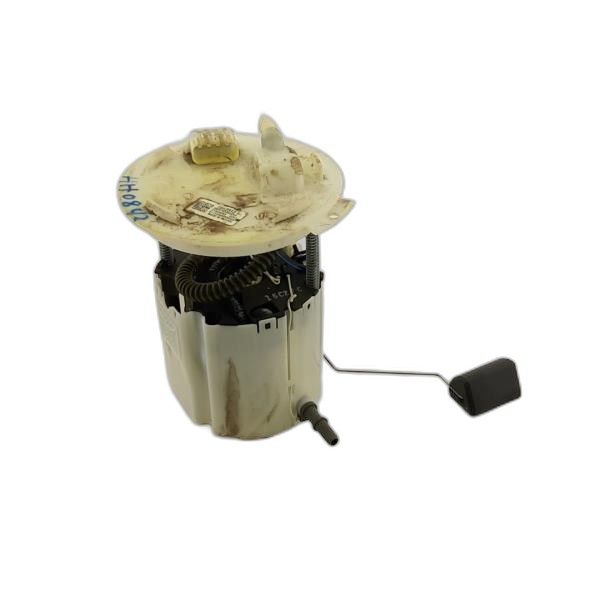
- Replacing the in-tank low-pressure fuel pump when the issue is with the engine-mounted high-pressure fuel system.
- Replacing the fuel pressure sensor without first verifying if the pressure is actually high with a mechanical gauge or by testing the sensor's signal voltage.
Most Likely Causes

- Faulty High-Pressure Fuel Pump 🔴 High Probability The TSBs for the Express van specifically mention fuel system contamination causing component failure. The internal pressure regulator in the pump can fail or stick due to debris, causing excessive pressure. [TSB #PIP5151F, #16-NA-102] The pump itself can also fail internally, shedding metal particles into the system.
How to confirm: A technician will use a scan tool to monitor desired vs. actual fuel rail pressure. 🎬 Watch: How to perform dynamic fuel system testing on GM GDI engines. If actual pressure is consistently and uncontrollably high, and the sensor is verified to be working, the pump is the likely culprit. TSB 16-NA-102 instructs technicians to inspect the pump's pressure regulator for magnetic debris as a key diagnostic step.
Typical fix: Replacement of the high-pressure fuel pump. If contamination is found, the entire fuel system may need to be cleaned or replaced per TSB #PIP5151F and #16-NA-102.
Est. part cost: $200-$450 - Faulty Fuel Rail Pressure Sensor 🟡 Medium Probability
How to confirm: Compare the scan tool's pressure reading with a reading from a mechanical fuel pressure gauge. If the mechanical gauge shows normal pressure but the scan tool shows high pressure, the sensor is likely faulty. A technician can also back-probe the sensor's signal wire with a multimeter; a good sensor's voltage should fluctuate with engine load, while a bad sensor might be stuck at a high voltage (e.g., ~4.8V).
Typical fix: Replacement of the fuel rail pressure sensor.
Est. part cost: $50-$150 - Fuel System Contamination 🟡 Medium Probability This is a heavily documented issue for this vehicle, cited in three separate GM Technical Service Bulletins (TSBs). Debris, rust, or water can enter the system and cause mechanical parts like the fuel pump's regulator to fail. [TSB #PIP5151F, #16-NA-102, #PIP4949E] One owner of a similar high-pressure system reported finding rusty metal bits in the fuel filter after getting a P0088 code.
How to confirm: A fuel sample must be taken and inspected for debris or contamination. This is a key step in the diagnostic process outlined in TSB #16-NA-102, which involves checking the fuel pressure regulators for metal particles.
Typical fix: If contamination is found, the fix is extensive and may require replacing the fuel tank, fuel lines, high-pressure pump, and fuel injectors to prevent repeat failure. [TSB #PIP5151F, #16-NA-102]
Est. part cost: $1000-$4000+ - Restricted Fuel Return Line ⚪ Low Probability
How to confirm: Visually inspect the fuel lines running from the engine back to the tank for any kinks, damage, or blockages. This is less common on modern returnless systems but can still be a factor.
Typical fix: Repair or replace the damaged section of the fuel line.
Est. part cost: $20-$100
Rare But Worth Checking
- Wiring Issues: A short circuit in the fuel pressure sensor's wiring harness can cause it to send a false high-voltage signal to the ECM, tricking it into thinking the pressure is too high. TSB 20-NA-197 specifically notes that corrosion or damage at the fuel pressure sensor electrical connector can cause this and other fuel-related codes. Rodent damage to harnesses on top of the engine is also a known issue.
- ECM/PCM Fault: In very rare cases, the engine control module itself can fail or have software glitches that cause it to misinterpret sensor readings.
Diagnosis Steps
- Connect an OBD-II scanner and confirm P0088 is present. Check for other related codes like P0087, P0191, or P128E.
- View live data on the scanner. Observe the 'Fuel Rail Pressure' and 'Desired Fuel Rail Pressure' PIDs. Note if the actual pressure is significantly higher than the desired pressure.
- Perform a visual inspection of the fuel rail, high-pressure pump, and fuel lines for any signs of leaks, damage, or kinked lines.
- Connect a mechanical fuel pressure gauge to the fuel rail's service port to verify the electronic sensor's reading. If the gauge shows normal pressure while the scanner shows high pressure, the sensor is the primary suspect.
- If the mechanical gauge confirms high pressure, the issue is mechanical. The next step, following GM's TSBs, is to inspect the fuel system for contamination.
- Following the procedure in TSB 16-NA-102, carefully remove the high-pressure fuel pump and inspect its fuel pressure regulator screen for magnetic metal debris. Also inspect the fuel rail pressure sensor for debris.
- If significant debris is found, the entire fuel system must be cleaned and affected components replaced to prevent a repeat failure.
- If no contamination is found, further testing of the high-pressure fuel pump and its control circuit is necessary to determine if the pump itself has failed internally.
- Inspect the fuel pressure sensor wiring connector for any signs of corrosion or damage as outlined in TSB 20-NA-197. Also inspect the harness on top of the engine for potential rodent damage.
Parts You'll Likely Need

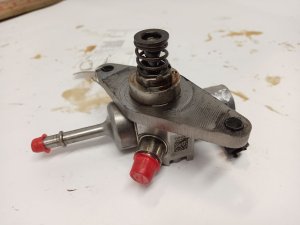
- High-Pressure Fuel Pump
(OEM #HPM1006)— This pump's internal regulator is a common failure point, especially when fuel contamination is present, leading directly to the over-pressure condition of P0088. It is designed as a direct-fit OEM replacement.
Trusted brands: ACDelco (GM Genuine Part), Bosch, Standard Motor Products
OEM price range: $220-$350
Aftermarket price range: $150-$280 - Fuel Rail Pressure Sensor
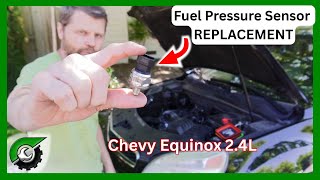
(OEM #12679093)— This sensor can fail and send incorrect high-pressure readings to the computer, falsely triggering the P0088 code. 🎬 Watch: Step-by-step guide to replacing the fuel rail pressure sensor. It can also be damaged by debris in the fuel.
Trusted brands: ACDelco, Delphi, NTK
OEM price range: $70-$120
Aftermarket price range: $40-$80
Related Codes That Often Appear With This One
- P0087 — Fuel Rail/System Pressure - Too Low. This code can appear alongside P0088 if the fuel pressure is fluctuating erratically due to a failing pump or regulator. The TSBs cite them together. [TSB #PIP5151F, #16-NA-102, #PIP4949E]
- P0191 — Fuel Rail Pressure Sensor Circuit Range/Performance. This code points more directly to a problem with the sensor or its circuit and is often seen with pressure-related codes like P0088. The TSBs also cite them together. [TSB #PIP5151F, #16-NA-102, #PIP4949E]
- P128E — This is a GM-specific code also related to the fuel system. The TSBs for the Express van list it alongside P0088, indicating they share a common cause. [TSB #PIP5151F, #16-NA-102, #PIP4949E]
- P228D — Fuel Pressure Regulator 1 Control Performance - High Pressure. This code is more specific to the regulator's performance and can be a precursor or companion to the general P0088 code.
Technical Service Bulletins (TSBs) & Recalls
- PIP5151F: Mentions P0088 in relation to hard/no start, rough running, and fuel pressure issues, pointing to fuel system contamination from sources like water, rust, or improper fluids.
- 16-NA-102: Provides a specific procedure to inspect for and correct fuel system contamination causing P0088, including checking the high-pressure pump regulator for debris.
- PIP4949E: Links P0088 with hard start/no start conditions and directs technicians to follow standard service information diagnostics for the code.
- 20-NA-197: Notes that corrosion at the fuel pressure sensor connector can cause various fuel-related codes, including P0088.
Platform-Specific Known Issues
- Fuel System Contamination: Multiple Technical Service Bulletins (PIP5151F, 16-NA-102, PIP4949E) issued by GM for the 2015-2018 Express specifically warn that debris in the fuel system can cause DTCs P0087, P0088, P0191, and P128E. TSB 16-NA-102 details a specific diagnostic path: if a P0088 code leads to replacing the high-pressure pump, the technician must first inspect the pump's pressure regulator for magnetic debris. If found, an extensive cleaning of the entire fuel system is required, including the tank, lines, and replacement of multiple components.
Mechanic-Grade Diagnostic Values
- Fuel Rail Pressure Sensor (FRPS) Signal Voltage — expected: 0.5V to 4.5V, fluctuating with engine load and pressure demand.. Failure: A constant reading of 5.0V or higher suggests a short to power or a bad ground in the sensor circuit.
- Low-Side Fuel Pressure (Key On, Pump Commanded ON) — expected: 345-690 kPa (50-100 psi). Failure: Pressure outside this range indicates an issue with the in-tank pump or its supply, which can affect the high-pressure pump's operation.
- Fuel Rail Pressure Sensor Installation Torque — expected: 24 ft-lbs (for Gen V LT engines, a common spec for this type of tapered-seat sensor). Failure: Improper torque can lead to leaks or damage to the sensor or fuel rail.
Scan Tool Commands That Help
- GDS2 or equivalent professional scanner: Fuel Pump ON/OFF Command — Used with a mechanical gauge to test the low-pressure fuel pump's ability to build and hold pressure without the engine running.
- GDS2 or equivalent professional scanner: Live Data Graphing: 'Desired Fuel Rail Pressure' vs. 'Actual Fuel Rail Pressure' — This is the primary method for diagnosing P0088. It visually shows if the actual pressure is significantly exceeding the pressure commanded by the ECM under various engine loads.
Wiring & Ground Locations
- Engine Control Module (ECM) Connector X1 — On the Engine Control Module, which is typically located in the engine bay.. This 56-pin connector contains the wiring for the fuel pressure sensor. A poor connection or corrosion at the specific pins for the sensor's 5V reference, signal, or ground can cause incorrect readings and trigger P0088.
- Engine Top Wiring Harness — On top of the engine, often under a plastic engine cover.. This area is a known spot for rodent damage. Mice can chew through the wiring for the fuel pressure sensor, causing a short circuit that sends a false high-voltage signal to the ECM, triggering P0088.
- Main Engine Ground Strap — Typically a braided metal strap connecting the engine block to the vehicle's chassis/frame.. A poor or corroded main engine ground can cause unstable voltage across the entire engine management system. This can lead to erratic behavior from sensors and modules, and in some cases, cause alternators to overcharge, potentially affecting fuel pump operation and sensor readings.
Real Owner Repair Stories
- Ross-Tech Forums user (2007 Audi A4 (GDI engine with similar P0088 code)) — P0088 code present, actual rail pressure reading over 130 bar when only 50 bar was requested.
❌ Tried (didn't work) A new (but cheap, aftermarket) high-pressure fuel pump had been installed., New low-side fuel pressure sensor., New fuel filter.
✅ What actually fixed it The 'new' cheap aftermarket high-pressure fuel pump was faulty out of the box. Replacing it with a known-good, OEM-quality (Hitachi) pump resolved the high-pressure issue completely. - Reddit user in r/Duramax (Duramax LMM (Diesel with high-pressure common rail)) — P0088 code, engine in limp mode, rough running.
❌ Tried (didn't work) Replacing the fuel filter.
✅ What actually fixed it The user found rusty metal bits in the fuel filter, indicating system contamination. After replacing the filter, the code remained. The issue was resolved after adding injector cleaner to the fuel and letting the engine idle for about 30 minutes, at which point the pressure suddenly dropped to normal, suggesting a piece of debris had passed through the system.
"I Checked Everything" — The Actual Cause
- In a case involving a modified Duramax diesel (which shares high-pressure principles with GDI), a P0088 code was set only during deceleration. Standard tests on the high-pressure pump and sensor showed no faults. The root cause was an aftermarket low-pressure 'lift' pump that was supplying too much fuel pressure to the inlet of the high-pressure pump. The high-pressure pump's regulator couldn't bleed off the excess pressure fast enough during low-demand (deceleration) events. The fix was to mechanically adjust the aftermarket lift pump to reduce its output pressure by about 5 PSI.
OEM Part Supersession History
Varies (e.g., 4-pin analog sensor)→Varies (e.g., 3-pin digital sensor)— GM has a history of updating sensor technology for better accuracy, for example moving from analog to digital sensors.
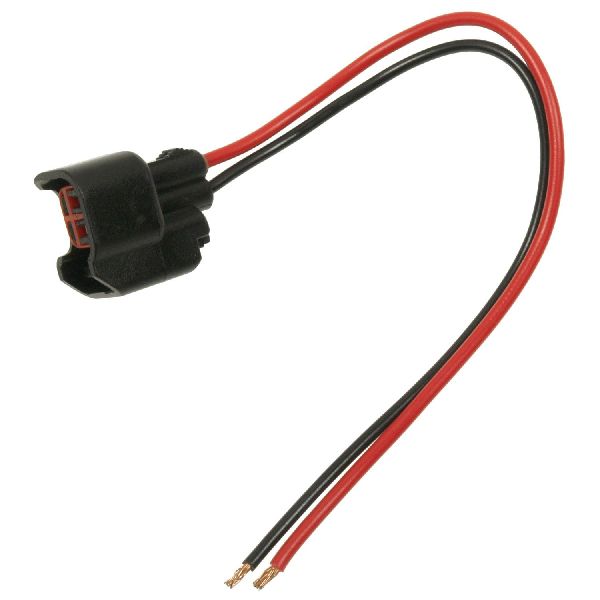
Heads up: The sensor connector and the engine harness must match. A 3-pin sensor requires a 3-pin harness and a controller programmed for a digital signal. You cannot simply splice a new sensor into an old harness; it will not work. Always verify the pin count on the existing sensor before ordering a replacement.
Model Year Variations Within This Range
- 2015-2018: The Express was available with both the gasoline/Flex-Fuel L96 engine and the CNG/LPG LC8 engine. The LC8 is based on the L96 but has a completely different fuel system with hardened components to handle gaseous fuels. A P0088 code on an LC8-equipped van would require diagnosing the CNG/LPG regulators and system, not the gasoline direct injection components.
- 2015-2018: The L96 engine is E85 Flex Fuel compatible. This requires all fuel system components, including the high-pressure pump and injectors, to be made of E85-compliant materials. Using parts from a non-flex-fuel vehicle could lead to premature failure due to material degradation from ethanol, potentially causing contamination that triggers P0088.
Helpful Videos



Used OEM Parts in Stock




New Aftermarket Parts Available


The information in this article is provided for general reference and educational purposes only. Vehicle specifications, procedures, and part compatibility can vary by production date, trim level, and region. Always consult your vehicle's factory service manual and verify part numbers before purchasing or performing repairs. Safety-critical components such as airbags, seat belts, and braking systems should be installed by a qualified professional.
- Chevrolet EXPRESS:
- 🎬 Helpful Videos
- 🛍️ Shop This Part
- What's Unique About the 2015-2018 Chevrolet EXPRESS
- Diagnostic Flowchart
- Symptoms You May Notice
- Most Likely Causes
- Rare But Worth Checking
- Diagnosis Steps
- Parts You'll Likely Need
- Related Codes That Often Appear With This One
- Technical Service Bulletins (TSBs) & Recalls
- Platform-Specific Known Issues
- Mechanic-Grade Diagnostic Values
- Scan Tool Commands That Help
- Wiring & Ground Locations
- Real Owner Repair Stories
- "I Checked Everything" — The Actual Cause
- OEM Part Supersession History
- Model Year Variations Within This Range
- 🎟️ Get 5% Off