

P0087 on 2018-2020 Lexus NX300: Low Fuel Pressure Causes and Fixes
Code P0087 on a 2018-2020 Lexus NX300 is most often caused by a failing low-pressure in-tank fuel pump, which was subject to a major safety recall (NHTSA 20V682000). If the recall has been performed, the next most likely cause is the engine-mounted high-pressure fuel pump (HPFP), a known failure point on the 8AR-FTS engine. Always check for open recalls on your vehicle's VIN first before paying for repairs.
- First, check if your vehicle has an open safety recall for the low-pressure fuel pump (NHTSA 20V682000). This is a free repair and the most likely fix.
- P0087 indicates low pressure in the high-pressure fuel system, which can cause stalling, hesitation, and a loss of power.
- If the recall is not applicable or has been completed, the next most common failure is the engine-mounted High-Pressure Fuel Pump (HPFP).
- Diagnosis requires a scan tool to read live fuel pressure data to determine if the low-pressure or high-pressure side is failing.
- This is a serious issue that should be addressed promptly to avoid unsafe driving conditions and potential engine damage.
What's Unique About the 2018-2020 Lexus NX300

The 2018-2020 NX300 uses the 8AR-FTS engine, which features a sophisticated dual injection system (D-4ST) with both port and direct injectors. While P0087 flags a problem on the high-pressure direct injection side, the issue is very often caused by the failure of the *low-pressure* in-tank pump starving the high-pressure pump. This specific low-pressure pump, made by Denso, was part of a massive safety recall (NHTSA Campaign 20V682000) because its plastic impeller could deform and cause the pump to stop working, leading to a stall.
Diagnostic Flowchart
Tap your situation to follow the diagnostic path that matches what you're seeing on this vehicle.
Symptoms You May Notice
- Check Engine Light is on
- Engine hesitation or sputtering, especially during acceleration or above ~2,500 RPM.
- Significant loss of engine power, sometimes described as 'limp mode'.
- Engine stalling, sometimes while driving at speed.
- Difficulty starting the engine or a long crank time.
- Rough or inconsistent idle.
- Whining or humming noise from the fuel tank area, indicating a strained low-pressure pump.
- Replacing the High-Pressure Fuel Pump (HPFP) when the recalled Low-Pressure Fuel Pump (LPFP) is the actual cause.
- Replacing oxygen sensors due to accompanying lean codes (P0171/P0174) without addressing the root fuel pressure problem first.
Most Likely Causes

- Defective Low-Pressure In-Tank Fuel Pump 🔴 High Probability 2018-2019 models were included in a major safety recall (NHTSA Campaign 20V682000, Lexus recall 20LA01) for a faulty Denso-made low-pressure fuel pump. The impeller inside the pump was made of a resin that could absorb fuel, swell, and interfere with the pump housing, causing it to seize and stop operating.
How to confirm: Check the vehicle's VIN for open recalls on the Lexus or NHTSA website. A dealership can confirm recall status and perform the repair for free if it's open. If the recall was done, diagnosis would require a fuel pressure test on the low-pressure line; pressure should be stable and above ~60 PSI (420 kPa).
Typical fix: Replacement of the in-tank fuel pump assembly. This is covered by the manufacturer if the recall is active for the specific vehicle.
Est. part cost: $0 if covered by recall - Failed High-Pressure Fuel Pump (HPFP) 🟡 Medium Probability The HPFP is a known failure point on the 8AR-FTS engine family, separate from the low-pressure pump recall. It is mechanically driven by a lobe on the camshaft. Forum discussions among owners of NX, IS, and GS models with this engine confirm this as a common repair after the LPFP has been ruled out.
How to confirm: Use a scan tool to monitor desired vs. actual high-pressure fuel rail readings. A healthy system should show pressures climbing to several thousand PSI (e.g., 4 to 13 MPa). If the low-pressure supply is steady but the high-pressure reading is extremely low (e.g., stuck at 200 kPa when the target is 40,000 kPa) and does not increase with RPM, the HPFP has failed.
Typical fix: Replacement of the engine-mounted high-pressure fuel pump.
Est. part cost: $400-$800 - Clogged Fuel Filter ⚪ Low Probability
How to confirm: The primary fuel filter is typically integrated into the in-tank fuel pump module. It is replaced as part of the assembly. If the low-pressure pump is being replaced under the recall or otherwise, the filter is replaced with it.
Typical fix: Replacement of the in-tank fuel pump assembly.
Est. part cost: $250-$500
Rare But Worth Checking
- Failed Fuel Rail Pressure Sensor: While less common than pump failure, a faulty sensor can send incorrect low-pressure readings to the ECM, triggering the P0087 code even if pressure is adequate.
- Wiring Issue: Damaged wiring or a poor connection to the low-pressure pump, high-pressure pump, or pressure sensor can interrupt the signal or power supply, causing the code.
- Failed Fuel Pump Control Module: The fuel pump control module regulates the voltage to the low-pressure fuel pump. A failure in this module can starve the pump of power, mimicking a pump failure. The module for the NX300 is located in the left-hand inner quarter panel area.
Diagnosis Steps
- Check your VIN on the NHTSA or Lexus recall website to see if your vehicle is affected by the low-pressure fuel pump recall (NHTSA Campaign 20V682000). Address this first, as the repair is free.
- Connect an OBD-II scanner (preferably Toyota Techstream) and confirm P0087 is present. Note any other codes, such as P0171 (System Too Lean).
- Use the scanner's live data function to monitor 'Fuel Pressure' (high-pressure rail) and 'Fuel Pump (Low) Target Speed'.
- Observe the high-pressure reading. At idle, it should be stable. Under acceleration, it should rise significantly. A failure is indicated if the 'Actual' pressure is drastically different from the 'Desired' pressure. For example, seeing an actual pressure of ~200 kPa when the target is 40,000 kPa (40 MPa) points directly to a high-pressure side failure.
- If possible, manually test the low-pressure fuel line pressure. It should be stable and measure approximately 60 PSI (420 kPa) or higher to adequately supply the HPFP.
- If low-pressure is stable and within spec, but high-pressure drops under load or is stuck at a very low reading, the High-Pressure Fuel Pump (HPFP) is the primary suspect.
- If low-pressure readings are low or erratic, the in-tank fuel pump or a clogged filter is the likely cause.
- Inspect wiring and connectors for the fuel pumps and pressure sensor for any visible damage or corrosion.
Parts You'll Likely Need

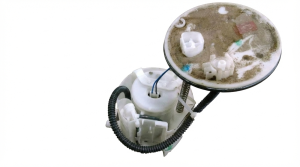
- Low-Pressure Fuel Pump Assembly
(OEM #23221-36030 (pump only), 23220-36011 (assembly w/ filter))— This is the most common failure point, largely due to the widespread safety recall for the Denso-made pump in 2018-2019 models.
Trusted brands: Denso (OEM), Aisin
OEM price range: $350-$500
Aftermarket price range: $200-$350 - High-Pressure Fuel Pump
(OEM #23101-36080 (superseded by 23101-36090))— This is the second most likely cause if the low-pressure pump has been replaced or ruled out. It's a known issue on the 8AR-FTS engine, confirmed by owner experiences.
Trusted brands: Bosch, Denso (OEM)
OEM price range: $600-$800
Aftermarket price range: $400-$600
Related Codes That Often Appear With This One
- P0171 — System Too Lean (Bank 1). This code often appears with P0087 because low fuel pressure leads to an insufficient amount of fuel in the air-fuel mixture. TSB L-SB-0005-23 specifically notes this combination.
- P0174 — System Too Lean (Bank 2). While the NX300 has an inline-4 engine (one bank), this code is listed in TSB L-SB-0005-23 as potentially appearing alongside P0087 in the broader Lexus vehicle family that includes V6 engines.
Technical Service Bulletins (TSBs) & Recalls

- LSB000523: MIL ON condition with DTCs P0087, P0171, and/or P0174.
- NHTSA Campaign 20V682000 (Lexus recall 20LA01): Safety recall for a failing low-pressure fuel pump that can cause an engine stall.
Platform-Specific Known Issues
- NHTSA Campaign 20V682000: This safety recall affects 2018-2019 Lexus NX300 models for a defective low-pressure in-tank fuel pump that can fail and cause the engine to stall while driving. Always verify if this recall is open for your vehicle before paying for any repairs.
- Manufacturer TSB L-SB-0005-23: This bulletin was issued for multiple Lexus models, including the 2018-2020 NX300, to help technicians diagnose a MIL ON condition with P0087, often accompanied by lean codes P0171/P0174, pointing to a fuel pump issue.
Mechanic-Grade Diagnostic Values
- Low-pressure in-tank fuel pump resistance — expected: 0.2 to 3.0 Ω at 20°C (68°F). Failure: Resistance outside of this range indicates a likely fault in the pump motor.
- High-pressure fuel system target pressure — expected: 4 to 13 MPa (580 to 1885 psi). Failure: Actual pressure that is significantly and consistently below the target pressure indicates a fault.
- Low-pressure fuel pump current draw — expected: 6-8 amperes (normal operation). Failure: Current draw dropping to 3-4 amperes can indicate a failing pump with internal wear.
- Fuel rail pressure sensor voltage (general) — expected: 0.5 V at low pressure, 4.5 V at full pressure. Failure: A constant low voltage that does not change with engine demand may indicate a faulty sensor.
Hidden / Shadow Codes Worth Checking
- P008700: This is the manufacturer-specific format for the generic P0087 code, often including extra digits for more detailed fault information. (see via Toyota Techstream or other advanced J2534 compatible diagnostic scanners.)
- P125D71: Fuel Flow Control Valve Performance Actuator Stuck. This code points to a pressure discharge valve on the fuel pump assembly and can produce the same symptoms as P0087. (see via Toyota Techstream or other advanced diagnostic scanner.)
Scan Tool Commands That Help

- Techstream: Active Test: Control the Fuel Pump / Speed — To manually activate the low-pressure fuel pump with the engine off to verify its operation and listen for audible cues, or to test the Fuel Pump Control Module's response.
- Techstream: Active Test: Control the Target Fuel Pressure — To command a higher or lower fuel pressure (-12.5% to +25%) and observe if the actual pressure reading responds accordingly. This tests the responsiveness of the entire high-pressure regulation system, including the HPFP and its control solenoid.
- Techstream: ECU Flash Reprogramming — Used to apply an updated calibration file to the ECM. This is a potential fix on some models where faulty software logic can falsely trigger P0087.
Wiring & Ground Locations
- Fuel Pump Control Module — Mounted on the left-hand (driver's side) inner quarter panel.. This module powers the low-pressure fuel pump. A failure of the module or its wiring/ground connection will cut power to the pump, causing low fuel pressure and triggering P0087.
- Fuel Pump Ground — A common chassis grounding point for rear components is a seat-back anchor bolt in the rear cabin area.. A poor or corroded ground for the fuel pump or its control module can cause intermittent or low voltage, leading to reduced pump performance and low pressure.
Real Owner Repair Stories
- ClubLexus user Gohanburne (2008 Lexus IS F (V8, but uses a similar D-4S dual fuel pump system)) — Car started jerking on the main road, threw P0087. Idles fine, but jerks and loses power when trying to accelerate above ~2,500 RPM.
❌ Tried (didn't work) Replacing the low-pressure in-tank fuel pump with an aftermarket AEM unit.
✅ What actually fixed it The passenger side High-Pressure Fuel Pump (HPFP) had been previously installed without its gasket. This caused the camshaft lobe to destroy the pump's follower, preventing it from actuating. Replacing the damaged HPFP and follower resolved the code.
When the Usual Fixes Don't Work
- While the most common causes are a failed low-pressure or high-pressure fuel pump, the code can be triggered by an installation error. In one documented case on a similar engine, a P0087 code was ultimately traced to a high-pressure fuel pump that was installed without its gasket. This led to the destruction of the cam follower that drives the pump, which was the true point of failure, not the pump itself. This highlights the need to inspect all related mechanical components during diagnosis, not just the pump assembly.
OEM Part Supersession History
23101-36080→23101-36090— Standard part revision by the manufacturer for improvement or to consolidate inventory.
Model Year Variations Within This Range
- 2018-2019: These model years were subject to NHTSA safety campaign 20V682000 for a defective low-pressure fuel pump. The 2020 model was not included in this specific recall, though similar failures can still occur.
- 2019 vs. 2020: There are no significant changes to the engine, fuel system, or powertrain between the 2019 and 2020 models that would affect the diagnosis of P0087. Changes were primarily related to infotainment and the addition of Lexus Safety System+ 2.0 features.
Used OEM Parts in Stock

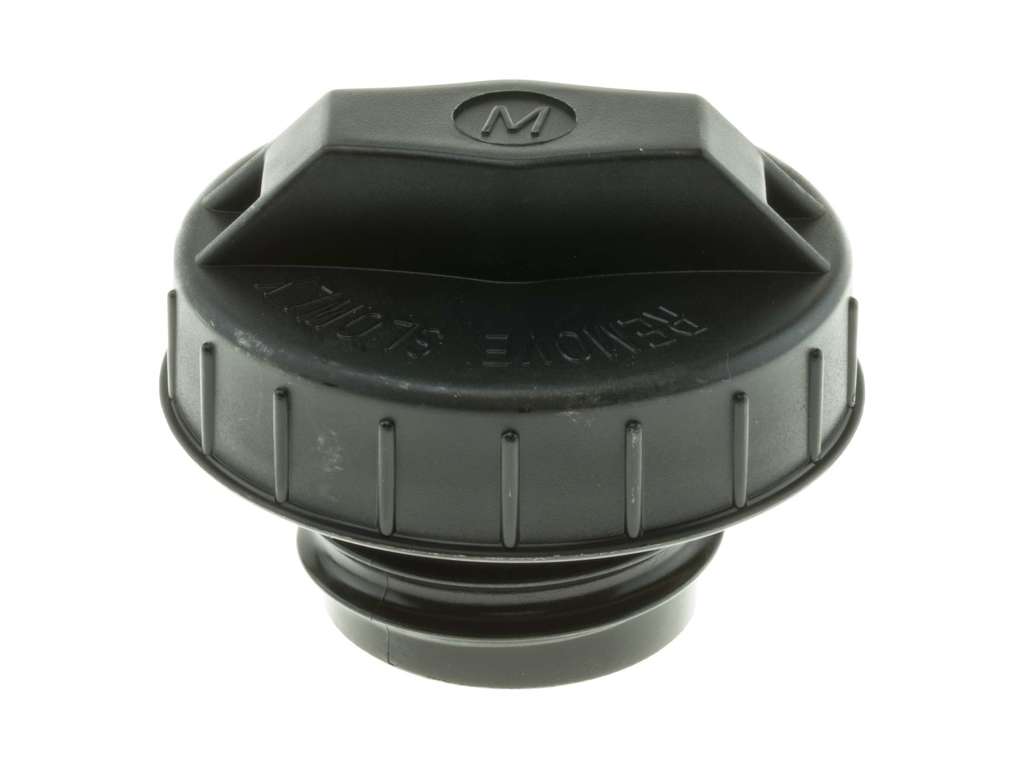
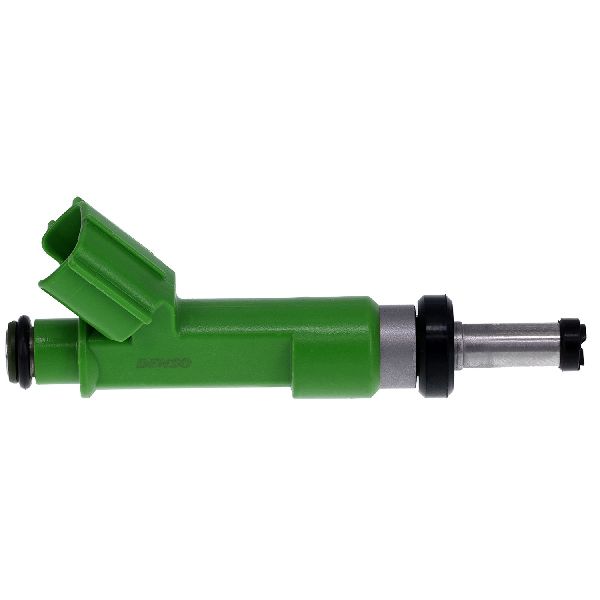
New Aftermarket Parts Available


The information in this article is provided for general reference and educational purposes only. Vehicle specifications, procedures, and part compatibility can vary by production date, trim level, and region. Always consult your vehicle's factory service manual and verify part numbers before purchasing or performing repairs. Safety-critical components such as airbags, seat belts, and braking systems should be installed by a qualified professional.
- Lexus NX300:
- 🛍️ Shop This Part
- What's Unique About the 2018-2020 Lexus NX300
- Diagnostic Flowchart
- Symptoms You May Notice
- Most Likely Causes
- Rare But Worth Checking
- Diagnosis Steps
- Parts You'll Likely Need
- Related Codes That Often Appear With This One
- Technical Service Bulletins (TSBs) & Recalls
- Platform-Specific Known Issues
- Mechanic-Grade Diagnostic Values
- Hidden / Shadow Codes Worth Checking
- Scan Tool Commands That Help
- Wiring & Ground Locations
- Real Owner Repair Stories
- When the Usual Fixes Don't Work
- OEM Part Supersession History
- Model Year Variations Within This Range
- 🎟️ Get 5% Off