

P0068 on 2014-2018 GMC Yukon: MAP/MAF Throttle Position Correlation Causes & Fixes
Code P0068 on a 2014-2018 GMC Yukon most often indicates a dirty throttle body causing a mismatch between airflow sensors. A thorough cleaning of the throttle body and MAF sensor, followed by an idle relearn procedure, is the most common fix and can often be done by a DIYer for under $20.
- P0068 on a 2014-2018 Yukon is a sensor correlation code, not necessarily a failed sensor.
- The most probable cause is a dirty throttle body, which is a common maintenance item on these engines.
- Always start with the simplest and cheapest fix: inspect for vacuum leaks and clean the throttle body and MAF sensor before buying any parts.
- Driving with this code can lead to sudden 'Reduced Engine Power' mode, so it should be addressed promptly.
What's Unique About the 2014-2018 Gmc YUKON
On this generation of GMC Yukon, especially those with higher mileage, the P0068 code is frequently linked to carbon and oil buildup on the throttle body blade and bore. This buildup, often from the PCV system, restricts airflow at idle. The ECM adapts by opening the throttle plate more over time, but if the buildup is cleaned or the ECM is reset without a proper idle relearn procedure, the correlation fails and triggers the code. A GM Technical Service Bulletin (PIP4578B) specifically mentions this code in relation to idle surges and reduced power mode on high-mileage vehicles, pointing towards a known issue with the throttle system.
Diagnostic Flowchart
Tap your situation to follow the diagnostic path that matches what you're seeing on this vehicle.
Generation note: The 2014-2018 range covers two generations: the 2014 model is the last year of the third generation (GMT900), while 2015-2018 models are part of the fourth generation (K2XX). However, the causes and fixes for P0068, primarily related to the EcoTec3 V8 engines' intake and sensor systems, are consistent across these years. The cited TSB also covers model years starting from 2014.
Symptoms You May Notice
- Check Engine Light is on
- Rough or unstable idle.
- Engine may hesitate or stumble on acceleration.
- Reduced Engine Power warning message displayed
- Engine may stall when coming to a stop.
- Hissing or whistling noise from the engine bay, indicating a vacuum leak.
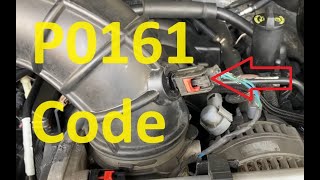
- Difficulty starting the engine. 🎬 Watch: Understanding the P0068 code and its common fixes
- Replacing the MAP or MAF sensor without first inspecting and cleaning the throttle body.
- Replacing the entire throttle body assembly when only a cleaning and idle relearn was necessary.
- Forgetting to perform the throttle body idle relearn procedure after cleaning or replacement, causing the code to return immediately.
Most Likely Causes
- Dirty Throttle Body 🔴 High Probability The PCV (Positive Crankcase Ventilation) system can route oil vapors into the intake, which bake onto the throttle body over time, restricting airflow. This is a very common issue on GM trucks and is the primary subject of TSB PIP4578B.
How to confirm: Visually inspect the throttle plate and bore for a thick, black layer of carbon buildup after removing the main intake tube. The buildup is often most significant on the backside of the throttle plate.
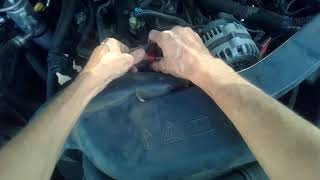
Typical fix: Remove the throttle body and clean it thoroughly with a dedicated throttle body cleaner and a soft cloth or brush. Do not use harsh tools or carb cleaner. 🎬 See this walkthrough on cleaning your GMC Vortec throttle body A throttle body idle relearn procedure is required after cleaning.
Est. part cost: $10-$20 for cleaner and a new gasket. - Vacuum Leak 🟡 Medium Probability Plastic and rubber components in the engine bay can become brittle over time with heat cycles. Common leak points on these trucks include the PCV tube, intake manifold gaskets, and the brake booster hose.
How to confirm: Perform a smoke test to find the source of unmetered air entering the engine. Alternatively, with the engine running, carefully spray short bursts of carburetor cleaner around suspected leak areas; a change in engine RPM indicates a leak has been found. A loose oil filler cap can also cause a significant vacuum leak.
Typical fix: Replace the cracked hose, leaking gasket, or faulty component. Ensure the oil cap is tight. PCV hoses are a frequent culprit.
Est. part cost: $5-$150 depending on the source of the leak. - Faulty Manifold Absolute Pressure (MAP) Sensor ⚪ Low Probability
How to confirm: Use a scan tool to monitor MAP sensor voltage with the key on, engine off, and compare it to a barometer reading. The reading should be around 4.5-5.0 volts. With the engine running at idle, it should drop to around 1.0-1.5 volts. Compare readings to a known good sensor if possible.
Typical fix: Replace the MAP sensor. It is typically located on top of the intake manifold for easy access.
Est. part cost: $30-$80 - Dirty or Faulty Mass Airflow (MAF) Sensor ⚪ Low Probability
How to confirm: Inspect the sensor's hot wires for contamination. Use a scan tool to monitor airflow (g/s) at idle and see if it is within the expected range for your engine (typically 4-7 g/s for a V8 at warm idle).
Typical fix: First, try cleaning the sensor with a dedicated MAF sensor cleaner. Do not touch the sensor wires. If the problem persists, replace the sensor.
Est. part cost: $15 for cleaner, $70-$150 for a new sensor.
Rare But Worth Checking
- Damaged Wiring or Connectors: Check the wiring harnesses to the MAP, MAF, and throttle body for any signs of fraying, corrosion, or loose pins, especially if other work has recently been done in the engine bay.
- Faulty Powertrain Control Module (PCM): This is extremely rare and should only be considered after all other possibilities, including sensors, wiring, and vacuum leaks, have been exhaustively ruled out.
- Improperly Installed Air Intake: If any aftermarket parts like a cold air intake have been installed, or if the factory intake tube is not properly seated and clamped, it can cause unmetered air to enter and trigger P0068.
Diagnosis Steps
- Check for other stored trouble codes that could provide more clues.
- Inspect the entire air intake system for loose clamps, cracked hoses, or disconnected lines between the air filter box and the throttle body.
- Check for obvious vacuum leaks, including the PCV hoses, brake booster line, and intake manifold gaskets. Ensure the engine oil cap is tight.
- Remove the intake duct from the throttle body and inspect for heavy carbon buildup. If dirty, remove and clean the throttle body.
- Inspect and clean the Mass Airflow (MAF) sensor using a dedicated cleaner.
- Using a scan tool, monitor the live data for the MAP, MAF, and Throttle Position sensors to see if any readings are erratic or out of specification.
- If a sensor is suspected, test its circuit for proper voltage and ground before replacing the part.
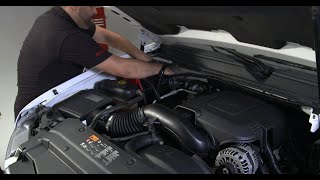
- After any cleaning or replacement of the throttle body, perform an Idle Learn Reset procedure. This can be done with a capable scan tool (like a Tech 2/GDS) or a manual procedure which typically involves idling the engine for 3 minutes, turning it off for 1 minute, and idling for another 3 minutes. 🎬 Watch: How to perform the GM electronic throttle relearn procedure
Parts You'll Likely Need
- Throttle Body Cleaner — This is the most common fix. Cleaning carbon buildup restores proper airflow and sensor correlation.
Trusted brands: CRC, ACDelco
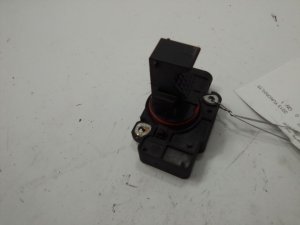
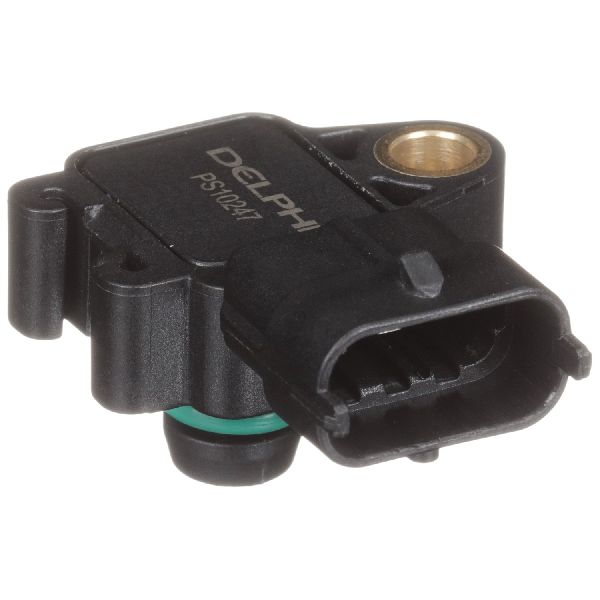
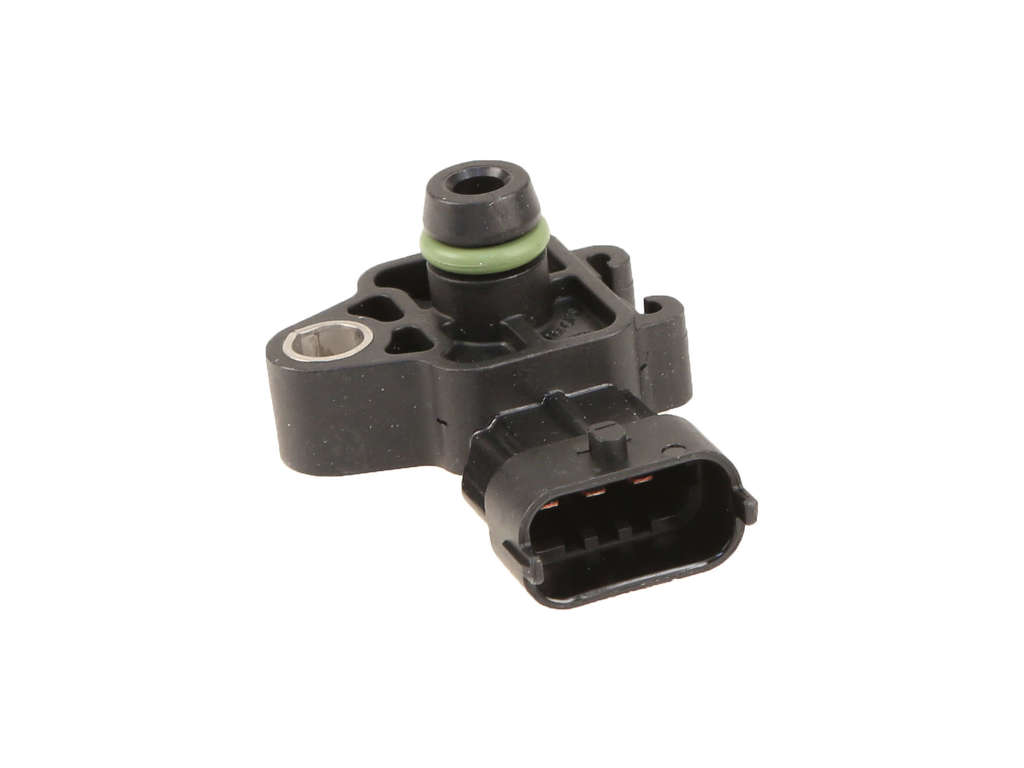
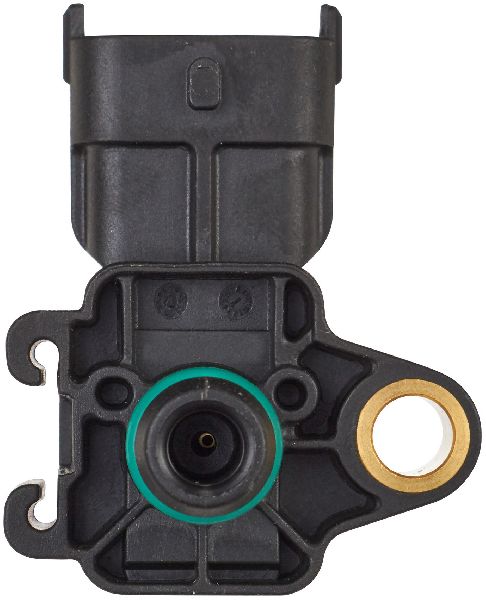
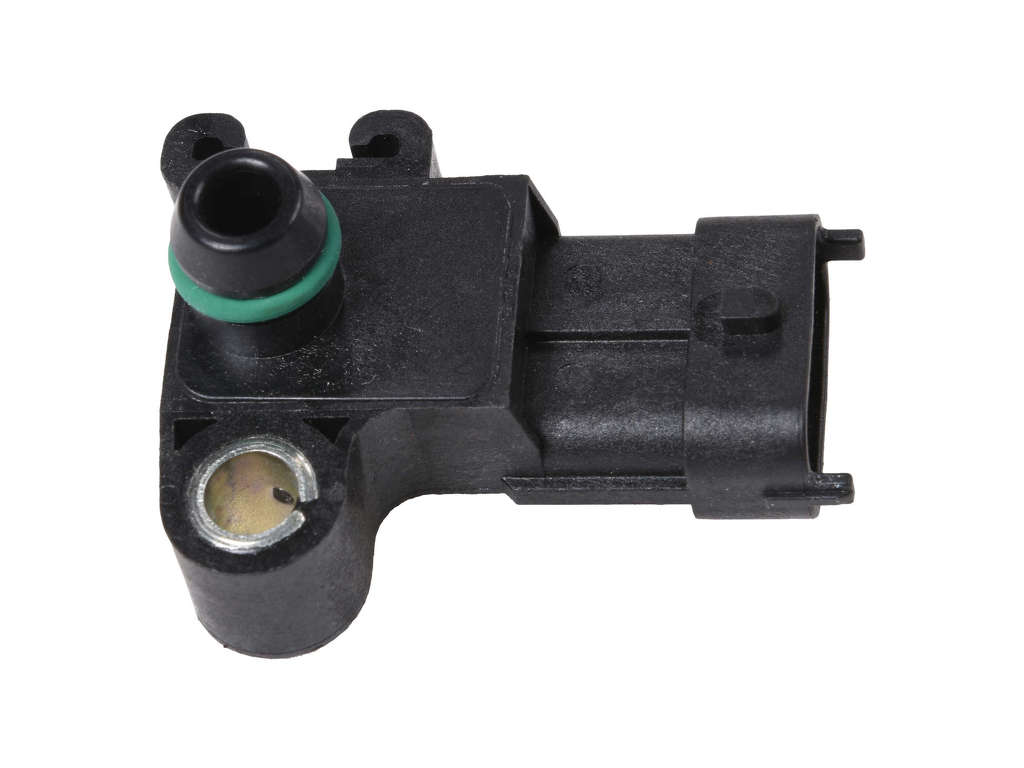
Aftermarket price range: $10-$15 - Manifold Absolute Pressure (MAP) Sensor
(OEM #12644228)— If the sensor itself fails, it will provide incorrect data to the ECM, triggering the code. This part number is widely used across many GM vehicles.
Trusted brands: ACDelco, Bosch, Standard Motor Products
OEM price range: $50-$90
Aftermarket price range: $30-$60 - Mass Airflow (MAF) Sensor
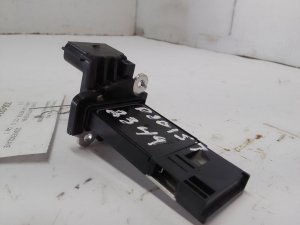
(OEM #19330122)— A contaminated or failed MAF sensor provides incorrect airflow data, leading to a correlation fault.
Trusted brands: ACDelco, Delphi
OEM price range: $120-$180
Aftermarket price range: $70-$120 - Throttle Body Gasket — It is best practice to replace the throttle body gasket any time the throttle body is removed for cleaning to prevent a vacuum leak.
Trusted brands: ACDelco, Fel-Pro
OEM price range: $10-$25
Aftermarket price range: $5-$15
Related Codes That Often Appear With This One
- P0121 — Throttle/Pedal Position Sensor/Switch 'A' Circuit Range/Performance. This code is often seen with P0068 as it directly relates to the throttle position, which is one of the key data points in the P0068 correlation check.
- P2176 — Throttle Actuator Control System - Idle Position Not Learned. This often appears after a battery disconnect or throttle body service if the idle relearn procedure is not completed.
- P0507 — Idle Control System RPM Higher than Expected. A vacuum leak or a dirty throttle body that has been cleaned without a relearn can cause this code alongside P0068.
- P2279 — Intake Air System Leak. This code directly points to a vacuum leak, which is a primary cause of P0068.
Technical Service Bulletins (TSBs) & Recalls
- PIP4578B: Addresses idle surge, reduced engine power mode, and DTCs P0068, P0121, P1516, P2101, P2119, and/or P2176 on high mileage vehicles.
Platform-Specific Known Issues
- A Technical Service Bulletin (TSB #PIP4578B) was issued for 2014 models (and others) that experience idle surge, reduced engine power, and DTCs including P0068, particularly on high-mileage vehicles, reinforcing the commonality of this issue.
- The TSB explicitly states that as carbon builds up, the ECM learns to compensate. If the throttle body is cleaned or the PCM is reprogrammed without performing an 'idle learn reset', the old compensation values will cause incorrect throttle angle and trigger codes.
Mechanic-Grade Diagnostic Values
- MAF Sensor Reading at Warm Idle (Scan Tool) — expected: Approximately 5.3 to 6.2 grams/second (g/s), closely matching the engine displacement in liters.. Failure: Readings consistently below 4-5 g/s may indicate a vacuum leak or a faulty/dirty sensor.
- MAP Sensor Voltage (Key On, Engine Off) — expected: 4.5 - 5.0 volts, reflecting atmospheric pressure.. Failure: Voltage significantly outside this range suggests a sensor or wiring fault.
- MAP Sensor Voltage (Engine at Idle) — expected: 1.0 - 1.5 volts, reflecting high manifold vacuum.. Failure: Higher voltage at idle can indicate a vacuum leak.
- Throttle Position Sensor (TPS) Voltage at Closed Throttle — expected: ~0.2 - 0.8 volts.. Failure: Voltage outside this range indicates a miscalibrated or faulty sensor.
- Throttle Position Sensor (TPS) Voltage at Wide Open Throttle (WOT) — expected: ~4.0 - 4.5 volts.. Failure: Failure to reach this voltage or erratic readings during throttle movement indicates a faulty sensor.
- Throttle Angle at Warm Idle (Scan Tool) — expected: 8% - 14%.. Failure: A throttle angle below 8% at idle suggests unmetered air is entering the intake manifold from a source like a vacuum leak.
Scan Tool Commands That Help
- GDS2 / Tech 2 (or equivalent high-level scanner): Idle Learn Reset / Throttle Learn Reset — This function must be used after cleaning or replacing the throttle body, or after disconnecting the battery. It resets the learned idle airflow compensation values in the ECM. Failing to perform this reset is a primary cause for the P0068 code to appear after service, as noted in TSB PIP4578B.
Wiring & Ground Locations
- G103 — On the front of the passenger side (right side) cylinder head.. This is a primary engine ground. A loose or corroded connection here can cause erratic behavior and incorrect readings from engine-mounted sensors like the MAP and TPS.
- G104 — On the rear of the driver side (left side) cylinder head.. This is another critical engine ground. A poor connection can affect sensor data integrity, leading to correlation codes like P0068.
- MAP Sensor Connector — On the MAP sensor, located on top of the intake manifold.. The connector provides the 5V reference, ground, and signal return for the MAP sensor. The pins are: Pin 1 (Signal), Pin 2 (Ground), Pin 3 (5V Reference). Checking for 5V at Pin 3 and good ground at Pin 2 is a key diagnostic step.
Real Owner Repair Stories
- gm-trucks.com forum user (2015 Chevrolet Silverado 5.3L (mechanically similar to Yukon)) — Check engine light with code P0068.
❌ Tried (didn't work) Replacing the MAF sensor, Replacing the MAP sensor
✅ What actually fixed it The user finally resolved the code by removing and thoroughly cleaning the throttle body, which had significant carbon buildup. After cleaning and reinstalling, the code did not return.
OEM Part Supersession History
12644228→12711681— Standard part evolution and consolidation by GM.
Heads up: The new part number (12711681) is the direct, backward-compatible replacement for the original. Using other similar-looking part numbers like 12591290 is not recommended as their calibration may be different.
Model Year Variations Within This Range
- 2014 vs 2015-2018: The 2014 model is the final year of the GMT900 platform, while the 2015-2018 models are on the K2XX platform. While the engines and general causes of P0068 are the same, the physical locations of some grounds and harness routing may differ slightly. For example, GMT900 ground locations are well-documented as G103 (front passenger head) and G104 (rear driver head), which are largely consistent with the K2XX platform.
Helpful Videos

Used OEM Parts in Stock



New Aftermarket Parts Available


The information in this article is provided for general reference and educational purposes only. Vehicle specifications, procedures, and part compatibility can vary by production date, trim level, and region. Always consult your vehicle's factory service manual and verify part numbers before purchasing or performing repairs. Safety-critical components such as airbags, seat belts, and braking systems should be installed by a qualified professional.
- Gmc YUKON:
- 🎬 Helpful Videos
- 🛍️ Shop This Part
- What's Unique About the 2014-2018 Gmc YUKON
- Diagnostic Flowchart
- Symptoms You May Notice
- Most Likely Causes
- Rare But Worth Checking
- Diagnosis Steps
- Parts You'll Likely Need
- Related Codes That Often Appear With This One
- Technical Service Bulletins (TSBs) & Recalls
- Platform-Specific Known Issues
- Mechanic-Grade Diagnostic Values
- Scan Tool Commands That Help
- Wiring & Ground Locations
- Real Owner Repair Stories
- OEM Part Supersession History
- Model Year Variations Within This Range
- 🎟️ Get 5% Off