

P0068 on 2014-2018 Chevrolet Suburban 5.3L: MAP/MAF & Throttle Correlation Fixes
Code P0068 on a 2014-2018 Suburban is most often caused by a dirty or failing throttle body or a contaminated Mass Airflow (MAF) sensor. Start by cleaning the MAF sensor and the throttle body bore, as carbon buildup is a very common issue. If that doesn't work, check for vacuum leaks. Replacement of the throttle body assembly is the next likely fix if cleaning and leak checks fail.
- P0068 indicates a conflict between your engine's key airflow sensors.
- The most common fix is cleaning the Mass Airflow (MAF) sensor and the throttle body. Always use dedicated MAF sensor cleaner.
- If cleaning doesn't work, replacing the entire throttle body assembly is the next most likely solution.
- The vehicle can unexpectedly enter 'Reduced Engine Power' mode, making it unsafe to drive in certain situations.
- After cleaning or replacing the throttle body, a 'relearn' procedure is required for the computer to adapt to the new/clean part.
What's Unique About the 2014-2018 Chevrolet SUBURBAN

On this generation of Suburban with the 5.3L V8 (L83 EcoTec3 for 2015-2018 models), the P0068 code is frequently linked to carbon buildup in the electronic throttle body. This is a well-documented issue on high-mileage GM V8s, as noted in TSB #PIP4578B. The direct-injection nature of the 2015+ L83 engine can contribute to intake carbon, making throttle body cleaning a primary diagnostic step. While sensor issues are common on many cars, the throttle body assembly itself is a very high-probability culprit here, often leading to 'Reduced Engine Power' mode. Additionally, these trucks can be prone to specific wiring harness chafing issues near the generator or control arm that can mimic sensor failures, as detailed in TSB #21-NA-149.
Diagnostic Flowchart
Tap your situation to follow the diagnostic path that matches what you're seeing on this vehicle.
Generation note: This range covers two generations. The 2014 model is the final year of the 10th generation (GMT900 platform), while 2015-2018 models are the 11th generation (K2XX platform) with the newer L83 EcoTec3 direct-injection engine. While causes are similar, some part numbers for sensors and the throttle body differ between these generations. The K2XX platform is shared with the Chevrolet Tahoe, GMC Yukon/Yukon XL, and Cadillac Escalade.
Symptoms You May Notice
- Check Engine Light is on
- Engine running rough, especially at idle
- Vehicle enters 'Reduced Engine Power' mode
- Hesitation or stumbling during acceleration
- Poor fuel economy
- Engine may stall when coming to a stop
- Unstable or surging idle speed.
- Replacing only the MAP or MAF sensor without first cleaning the throttle body.
- Replacing the accelerator pedal position (APP) sensor, which is a separate component from the throttle body's integrated throttle position sensor (TPS).
- Replacing spark plugs or ignition coils when the root cause is a vacuum leak or incorrect sensor reading.
Most Likely Causes

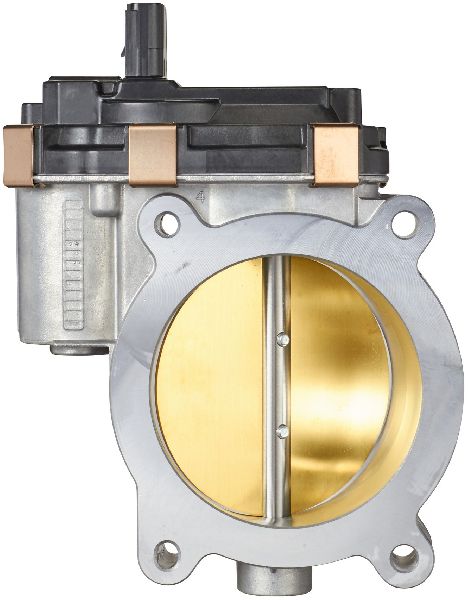
- Dirty or Failed Throttle Body 🔴 High Probability Carbon and oil vapor from the PCV system can build up around the throttle plate, causing it to stick or move slowly. This is a known issue on GM trucks, as referenced in TSB #PIP4578B, especially on high mileage vehicles. As carbon accumulates, the ECM learns to open the throttle plate more to maintain idle speed, but a sudden cleaning or reset can cause idle issues until a relearn is performed.
How to confirm: Remove the air intake tube from the throttle body and visually inspect the throttle bore and plate for a black, sticky film. With the engine off, check for related throttle codes (P2101, P1516, etc.) using a scan tool. A significant buildup is a strong indicator.
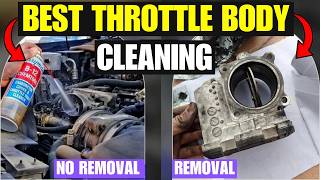
Typical fix: First, attempt to clean the throttle body bore and plate with a dedicated throttle body cleaner and a soft cloth. If cleaning doesn't resolve the issue, the entire throttle body assembly 🎬 See how to clean the throttle body with or without removal. (which includes the integrated throttle position sensor) must be replaced. A throttle relearn procedure is required after cleaning or replacement.
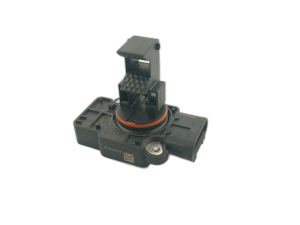
Est. part cost: $150-$300 - Dirty or Faulty Mass Airflow (MAF) Sensor 🔴 High Probability The MAF sensor's delicate wires can become contaminated by dirt, debris, or oil from aftermarket air filters, causing inaccurate airflow readings that conflict with the throttle position.
How to confirm: Unplug the MAF sensor. If the engine runs noticeably better, the sensor is likely faulty. Visually inspect the sensor wires (located inside the housing) for contamination. You can also monitor MAF readings with an OBD-II scanner; they should increase smoothly with engine RPM.
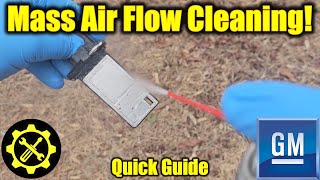
Typical fix: Clean the sensor using only dedicated MAF sensor cleaner; do not touch the sensor wires. If cleaning does not work, replace the sensor. It is located in the air intake tube just after the air filter box. 🎬 Watch: Step-by-step guide to cleaning your MAF sensor.
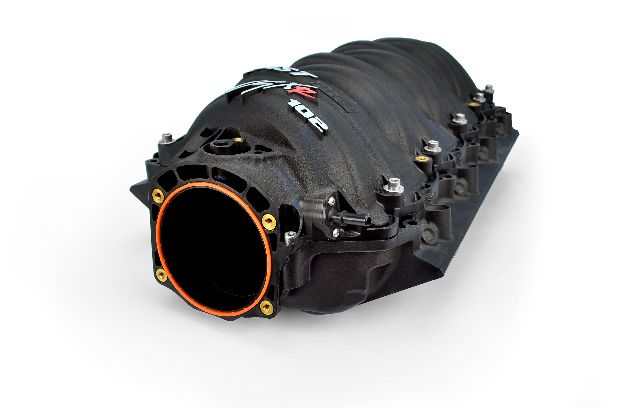
Est. part cost: $80-$160 - Vacuum Leak 🟡 Medium Probability Common leak points on these engines include a cracked intake manifold, deteriorated intake manifold gaskets, or a leaking PCV hose or brake booster line. For 2015+ L83 engines, the PCV valve is integrated into the driver-side valve cover and a failed internal diaphragm can create a large, hard-to-diagnose vacuum leak. Unmetered air entering the engine downstream of the MAF sensor will cause a discrepancy with throttle position readings.
How to confirm: Listen for a hissing sound from the engine bay at idle. A professional mechanic will use a smoke machine to feed smoke into the intake system and watch for where it escapes. You can also carefully spray short bursts of brake cleaner or a propane torch (unlit) around suspected leak areas; a change in engine idle indicates a leak.
Typical fix: Replace the leaking hose, gasket, or component. Intake manifold gasket replacement is a more involved job but a common failure point on GM V8s. If the PCV diaphragm in the valve cover has failed on a 2015+ model, the entire valve cover must be replaced.
Est. part cost: $10-$300 - Faulty Manifold Absolute Pressure (MAP) Sensor ⚪ Low Probability While less common than MAF or throttle body issues, the MAP sensor can fail electronically or become clogged, sending incorrect data to the PCM.
How to confirm: Test the sensor's voltage output with a multimeter or monitor its readings on a scan tool. With the key on and engine off, voltage should be around 4.5-5 volts, dropping to around 1 volt at idle. Compare readings to a known good vehicle or specifications.
Typical fix: Replace the MAP sensor. It is typically mounted directly on the intake manifold, often near the back.
Est. part cost: $40-$70
Rare But Worth Checking
- Chafed Engine Wiring Harness: GM issued TSB #21-NA-149 which identifies specific locations where the engine harness can rub against other components and short out. Common chafe points for these trucks include the harness routing over the generator (alternator), near the ECM/TCM bracket in the driver's side wheel well, and against the driver-side upper control arm. This can cause a wide variety of intermittent codes, including P0068, and can be difficult to diagnose without a thorough visual inspection of the harness.
Diagnosis Steps

- Scan for Codes: Use an OBD-II scanner to confirm P0068 and check for any other related codes (e.g., P0121, P2101, P0101). Note all codes present.
- Inspect Air Intake System: Check the entire air intake path from the air filter to the throttle body for any cracks, loose clamps, or disconnected hoses. Ensure the air filter is clean.
- Clean the MAF Sensor: Disconnect the battery. Unplug and remove the MAF sensor from the intake tube. Spray it liberally with dedicated MAF sensor cleaner and let it dry completely before reinstalling. Do not touch the sensor wires.
- Inspect and Clean the Throttle Body: Remove the intake boot from the throttle body. Inspect for heavy carbon buildup. If dirty, clean the throttle plate and bore using throttle body cleaner and a soft rag. Do not force the throttle plate open manually on an electronic throttle body; have a helper turn the key to 'ON' (engine off) and press the gas pedal to open the plate for cleaning.
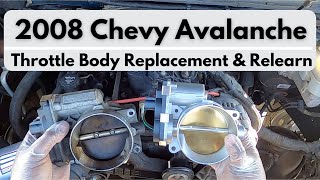
- Perform Throttle Relearn: After cleaning or replacing the throttle body, a relearn procedure is necessary. A simple method is to start the engine and let it idle in Park for 3 minutes, turn the engine off for 60 seconds, and then restart and idle for another 3 minutes. However, using a bidirectional scan tool to perform the 'Idle Learn Reset' is the most reliable method.
- Check for Vacuum Leaks: With the engine running, listen for hissing noises. A smoke test is the most effective way to find leaks from gaskets or hoses. Alternatively, carefully spray carb cleaner around the intake manifold gaskets and vacuum hoses; any change in idle RPM indicates a leak.
- Inspect Wiring: Carefully inspect the engine wiring harness for the MAF, MAP, and throttle body sensors. Pay close attention to the areas mentioned in TSB #21-NA-149, such as the harness routing over the generator and near the driver's side upper control arm and shock tower.
- Test Sensors: If the code persists, use a scan tool with live data to monitor the voltage and readings from the MAP, MAF, and TPS sensors to identify any that are not responding correctly to changes in engine load and RPM.
- Replace Suspect Parts: If a sensor provides incorrect data or a throttle body fails to respond correctly after cleaning, replacement is the next step. Torque new throttle body bolts to 89 inch-pounds.
Parts You'll Likely Need
- Throttle Body Assembly
(OEM #12670839, 12617792 (2015+ K2XX), 217-3151 (2014 GMT900)) - MAF Sensor Cleaner
- Throttle Body Cleaner
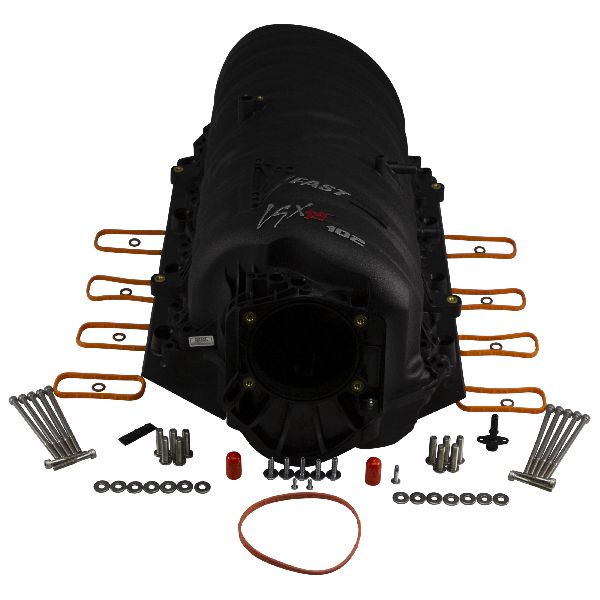
- Intake Manifold Gasket Set
(OEM #12632900 (ACDelco))
Related Codes That Often Appear With This One
- P0121 — Throttle/Pedal Position Sensor/Switch 'A' Circuit Performance. This code is often seen with P0068 and points directly to a problem with the throttle body or its sensor, often due to carbon buildup.
- P2101 — Throttle Actuator Control Motor Circuit Range/Performance. This indicates a problem with the motor that opens and closes the throttle plate, reinforcing the likelihood of a faulty throttle body.
- P1516 — Throttle Actuator Control (TAC) Module Throttle Actuator Position Performance. This is a GM-specific code that points to a discrepancy between the commanded and actual throttle position, often triggered alongside P0068.
- P0101 — Mass Air Flow (MAF) Circuit Range/Performance. This code indicates a problem specifically with the MAF sensor's readings, which can be a direct cause of the P0068 correlation fault.
- P0106 — Manifold Absolute Pressure (MAP)/Barometric Pressure Circuit Range/Performance. This often appears with P0068 when a vacuum leak or faulty MAP sensor is the root cause.
Technical Service Bulletins (TSBs) & Recalls
- PIP4578B: Explicitly mentions P0068 in relation to idle surge and reduced engine power on high-mileage V8 vehicles due to carbon buildup in the throttle body. Recommends cleaning the throttle body and performing an idle learn reset.
- 21-NA-149: Details multiple locations where the engine wiring harness can chafe against engine or chassis components, causing shorts that can trigger various DTCs, including correlation codes like P0068.
Platform-Specific Known Issues
- Throttle Body Carbon Buildup: The most prevalent issue for this code on the 5.3L engine is significant carbon buildup inside the throttle body bore and on the throttle plate. This physically restricts airflow at idle and low speeds, causing the actual airflow (measured by the MAF/MAP) to deviate from what the PCM expects for the given throttle angle (measured by the TPS). TSB PIP4578B directly addresses this.
- Engine Harness Chafing: As detailed in TSB 21-NA-149, the engine harness on K2XX trucks is known to rub through its insulation at several key points, including near the alternator, the driver's side upper control arm, and the ECM bracket. A short in the wiring for the TPS, MAP, or MAF sensor can cause erratic signals and trigger a P0068 code, often intermittently.
Mechanic-Grade Diagnostic Values
- Mass Airflow (MAF) Sensor Reading at Warm Idle — expected: ~5.3 grams/second (g/s). Failure: A reading significantly lower than 5.3 g/s can indicate a vacuum leak or dirty sensor. A reading that doesn't increase with RPM suggests a failed sensor.
- Throttle Position Sensor (TPS) Voltage — expected: Approx. 0.5V at closed throttle, sweeping smoothly to ~4.5V at wide-open throttle.. Failure: Voltage that is erratic, has dropouts, spikes, or does not change when the throttle plate moves.
- Manifold Absolute Pressure (MAP) Sensor Voltage — expected: 4.5V - 5.0V with Key On, Engine Off (KOEO). Drops to ~1.0V - 1.5V at warm idle.. Failure: Voltage does not match KOEO expectation or does not drop to the correct range at idle.
- Throttle Body Bolt Torque — expected: 89 inch-pounds. Failure: Incorrect torque can lead to a vacuum leak at the throttle body gasket or damage to the throttle body housing.
Scan Tool Commands That Help
- GDS2 (GM Dealer Scan Tool): Idle Learn Reset — This function must be used after cleaning or replacing the throttle body. It is found under 'Engine Control Module' -> 'Hot Function' or a similar menu. It resets the learned idle airflow values in the ECM, preventing high idle or stalling that can occur when the computer still tries to compensate for carbon buildup that is no longer there.
Wiring & Ground Locations

- G103 — On the front of the passenger-side cylinder head. This is a primary engine ground point.. A poor connection at G103 can cause erratic voltage and signal issues for multiple engine sensors controlled by the ECM, potentially leading to correlation codes like P0068. This ground is critical for stable sensor operation.
- G104 — On the rear of the driver's-side cylinder head. A ground strap often connects from here to the firewall.. Similar to G103, this is a main engine-to-chassis ground. Corrosion or a loose connection here can create a floating ground, causing unpredictable behavior from the throttle body, MAP, and MAF sensors.
- MAP Sensor Connector (2015+) — Atop the intake manifold, near the rear. It is a 3-pin connector.. Knowing the pinout (Pin A: Ground, Pin B: Signal, Pin C: 5V Reference) allows for direct testing of the sensor's circuit without having to probe wires further down the harness.
Real Owner Repair Stories
- Reddit user, r/AskMechanics (2014 Suburban) — P0106 (MAP Performance), rich exhaust smell, trouble starting, and random loss of throttle ('limp mode').
❌ Tried (didn't work) Replaced the MAP sensor., Replaced the MAF sensor., Checked fuses.
✅ What actually fixed it The consensus from experienced mechanics was that the issue was not the sensors themselves but a vacuum leak. The primary suspects recommended for inspection were the intake manifold gaskets and PCV hoses, which are known failure points on the 5.3L engine and directly cause the sensor correlation issues seen in P0068 and related codes. The diagnostic path should have been a smoke test before replacing parts.
"I Checked Everything" — The Actual Cause
- A cracked air filter housing or a poorly sealed air intake tube *after* the MAF sensor can introduce unmetered air, causing a P0068 code. This type of leak will not be found with a standard smoke test that pressurizes the system from the throttle body, as the leak is upstream of the test point.
- On 2015+ L83 engines, the PCV orifice and diaphragm are integrated into the driver-side valve cover. If the internal diaphragm fails, it creates a significant vacuum leak. Since the leak is internal to the crankcase ventilation system, it can sometimes be missed during a smoke test if not performed correctly, yet it will cause lean conditions and sensor correlation codes.
OEM Part Supersession History
12617792, 12678224, 12713775, 12713796, 12729500→12740725— Standard part evolution for design improvements and consolidation.
Heads up: This part number is for the K2XX platform (2015-2018) and is NOT compatible with the 2014 GMT900 platform, which uses a different throttle body.
Model Year Variations Within This Range
- 2014 (GMT900): Uses an older generation 5.3L engine (LC9). The throttle body is a different part number than the 2015+ models. The PCV system uses external, replaceable hoses and a separate PCV valve. The MAP sensor is typically located on the top-front of the intake manifold.
- 2015-2018 (K2XX): Uses the 5.3L L83 EcoTec3 direct-injection engine. The throttle body is part #12740725 (or its predecessors). The PCV system is integrated into the driver-side valve cover and is not serviced separately. The MAP sensor is located at the top-rear of the intake manifold. These models are also susceptible to unique issues like casting flash in the airbox (TSB #PIP5446A) and broken valve springs causing MAP sensor codes.
Helpful Videos

Used OEM Parts in Stock



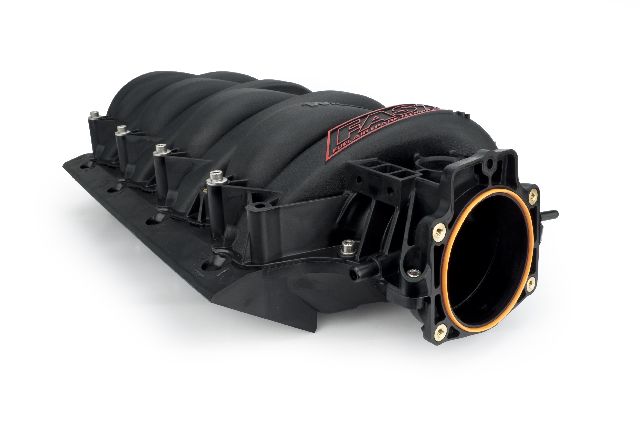
New Aftermarket Parts Available

The information in this article is provided for general reference and educational purposes only. Vehicle specifications, procedures, and part compatibility can vary by production date, trim level, and region. Always consult your vehicle's factory service manual and verify part numbers before purchasing or performing repairs. Safety-critical components such as airbags, seat belts, and braking systems should be installed by a qualified professional.
- Chevrolet SUBURBAN:
- 🎬 Helpful Videos
- 🛍️ Shop This Part
- What's Unique About the 2014-2018 Chevrolet SUBURBAN
- Diagnostic Flowchart
- Symptoms You May Notice
- Most Likely Causes
- Rare But Worth Checking
- Diagnosis Steps
- Parts You'll Likely Need
- Related Codes That Often Appear With This One
- Technical Service Bulletins (TSBs) & Recalls
- Platform-Specific Known Issues
- Mechanic-Grade Diagnostic Values
- Scan Tool Commands That Help
- Wiring & Ground Locations
- Real Owner Repair Stories
- "I Checked Everything" — The Actual Cause
- OEM Part Supersession History
- Model Year Variations Within This Range
- 🎟️ Get 5% Off