

P0068 on 2014-2018 Chevy Silverado 3500: MAP/MAF Throttle Correlation Fixes
P0068 on your Silverado often means the engine's computer sees a conflict between airflow sensors and the throttle's position. The most common cause is a dirty throttle body, which can trigger 'Reduced Engine Power' mode. Cleaning the throttle body is a highly effective first step and may resolve the issue without replacing parts. An idle relearn procedure is often required after cleaning.
- P0068 on a 2014-2018 Silverado 3500 is a serious code that will likely put the truck into 'Reduced Engine Power' mode.
- The most probable cause is a dirty throttle body. Start your diagnosis by inspecting and cleaning it.
- Check for vacuum leaks, especially cracked hoses in the PCV system or the main intake boot, as this is another common cause.
- Do not immediately replace expensive sensors (MAP, MAF) without first cleaning the throttle body and checking for leaks.
- This is a common DIY repair. Cleaning the throttle body requires basic tools and about an hour of time.
What's Unique About the 2014-2018 Chevrolet SILVERADO 3500
On this generation of Silverado, the P0068 code is frequently linked to the 'Reduced Engine Power' warning, a safety feature that severely limits acceleration to prevent engine damage. As noted in GM Technical Service Bulletin #PIP4578B, throttle body issues are a known problem on high-mileage GM trucks, leading to this code and symptoms like an idle surge. Owners often find that carbon buildup (coking) inside the throttle body is the root cause, impeding airflow and causing the sensor correlation fault. The TSB explicitly states that after cleaning, an 'idle learn reset' must be performed with a scan tool to prevent the PCM from overcompensating for the now-removed carbon buildup.
Diagnostic Flowchart
Tap your situation to follow the diagnostic path that matches what you're seeing on this vehicle.
Symptoms You May Notice
- Check Engine Light is on
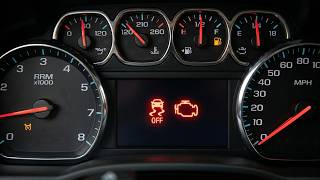
- "Reduced Engine Power" message displayed on the dash
- Rough or unstable idle
- Poor or sluggish acceleration
- Hesitation when pressing the gas pedal
- Engine may stall occasionally
- Increased fuel consumption
- Replacing the MAP or MAF sensor when the root cause is a dirty throttle body or a vacuum leak.
- Replacing the accelerator pedal position sensor (APPS). While APPS failure can cause 'Reduced Engine Power', it typically sets different codes (like P2135) and is less likely to cause a P0068 correlation fault.
- Forgetting to perform the 'Idle Learn Reset' after cleaning the throttle body, causing the code to return.
Most Likely Causes
- Dirty or Clogged Throttle Body 🔴 High Probability Carbon and oil vapor from the PCV system can build up inside the throttle body over time, restricting airflow and causing the throttle plate to stick. This is a well-documented issue on GM trucks, as referenced in TSB #PIP4578B. This buildup prevents the throttle plate from closing to its intended position, causing the PCM to see a mismatch between expected and actual airflow.
How to confirm: Remove the air intake hose from the throttle body and visually inspect for a layer of black, greasy carbon buildup around the throttle plate and bore.
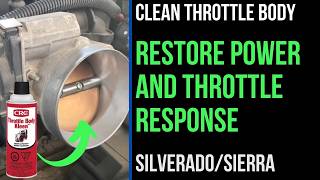
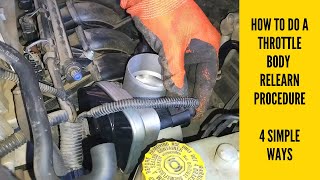
Typical fix: Clean the throttle body thoroughly with a dedicated throttle body cleaner and a soft brush or rag. 🎬 Watch this simple guide on cleaning your Silverado throttle body. After cleaning, an 'Idle Learn Reset' procedure must be performed with a scan tool, as specified in TSB #PIP4578B, 🎬 Watch: Four ways to perform the necessary idle relearn procedure. to recalibrate the PCM. In severe cases or if the electronics are faulty, the entire throttle body assembly must be replaced.
Est. part cost: $10-$20 for cleaner, $150-$350 for a new throttle body assembly. - Vacuum Leak 🟡 Medium Probability Hoses made of plastic and rubber can become brittle and crack over time due to engine heat and age. Common failure points include the PCV hose, brake booster line, and intake manifold gaskets. Unmetered air entering the intake manifold downstream of the MAF sensor will cause the MAP sensor readings to be higher than expected for a given throttle position, triggering the code.
How to confirm: Visually inspect all vacuum lines and the intake air tube for cracks or loose connections. A common DIY method is to spray carburetor cleaner near suspected leak points with the engine running; a change in engine idle indicates a leak. A professional smoke test is the most effective way to pinpoint hard-to-find leaks.
Typical fix: Replace the cracked or broken vacuum hose, intake boot, or gasket.
Est. part cost: $10-$150 depending on the hose or gasket. - Faulty Manifold Absolute Pressure (MAP) Sensor ⚪ Low Probability On 6.6L Duramax engines, the MAP sensor is prone to getting clogged with soot from the EGR system, which can cause incorrect readings without the sensor itself being electrically faulty.
How to confirm: Use a scan tool to monitor the MAP sensor voltage with the key on, engine off. It should correlate with local barometric pressure (typically 4.5-5.0 volts). With the engine running at idle, the voltage should drop to around 1.0-1.5 volts. On Duramax engines, remove and visually inspect the sensor for soot buildup.
Typical fix: For Duramax, cleaning the soot off the sensor may restore function. If the sensor fails electrical tests, replace it.
Est. part cost: $40-$100 - Faulty Mass Airflow (MAF) Sensor ⚪ Low Probability Contamination from dirt or over-oiled aftermarket air filters can skew the sensor's readings, causing it to report less airflow than is actually entering the engine.
How to confirm: Inspect the sensor for dirt or debris. A scan tool can monitor the airflow reading in grams/second to see if it responds correctly and smoothly to changes in RPM.
Typical fix: Clean the MAF sensor first with a dedicated MAF sensor cleaner. Do not touch the sensor wires. If the problem persists, replace the sensor.
Est. part cost: $15 for cleaner, $80-$200 for a new sensor.
Rare But Worth Checking
- Damaged Wiring or Poor Ground Connection: A loose or corroded ground wire for the engine sensors or PCM can cause erratic signals, mimicking a sensor failure. This can be intermittent and triggered by bumps in the road. Chafing of the engine harness on brackets or other components has been noted in other GM TSBs as a potential cause for various sensor codes.
- Faulty Powertrain Control Module (PCM): This is extremely rare. All other possibilities, including sensors, wiring, and physical air leaks or blockages, should be exhausted before considering PCM replacement, as it is expensive and requires programming.
Diagnosis Steps
- Read all stored fault codes with an OBD-II scanner. Note any other codes that appear with P0068, as they can help pinpoint the issue.
- Visually inspect the entire air intake system from the air filter to the throttle body for any loose clamps, cracked hoses, or disconnected lines.
- Remove the intake duct from the throttle body and inspect the throttle bore and plate for heavy carbon buildup.
- If dirty, clean the throttle body thoroughly using a dedicated cleaner and a soft cloth. Manually move the plate to clean all surfaces.
- After cleaning the throttle body, perform an 'Idle Learn Reset' using a capable scan tool as per TSB #PIP4578B.
- Inspect and clean the MAF sensor using a specialized MAF sensor cleaner. Do not touch the sensor wires.
- If the issue persists, use a scan tool to monitor live data for the MAP sensor (Volts), MAF sensor (g/s), and Throttle Position (%). Check for any readings that are erratic or do not respond to throttle input.
- With the Key On, Engine Off (KOEO), MAP sensor voltage should be high (approx. 4.5V). At idle, it should be low (approx. 1.0-1.5V). TPS voltage should sweep smoothly from ~0.5V at closed throttle to ~4.5V at wide-open throttle.
- Perform a smoke test to definitively check for vacuum leaks in the intake manifold, gaskets, and vacuum lines.
- If a sensor is suspected, test its wiring for proper voltage, ground, and signal before replacing the part.
Parts You'll Likely Need
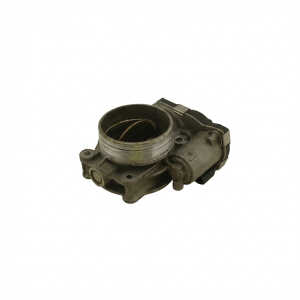
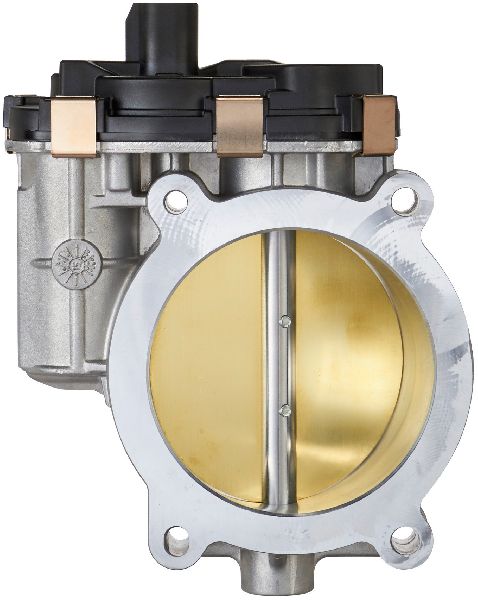
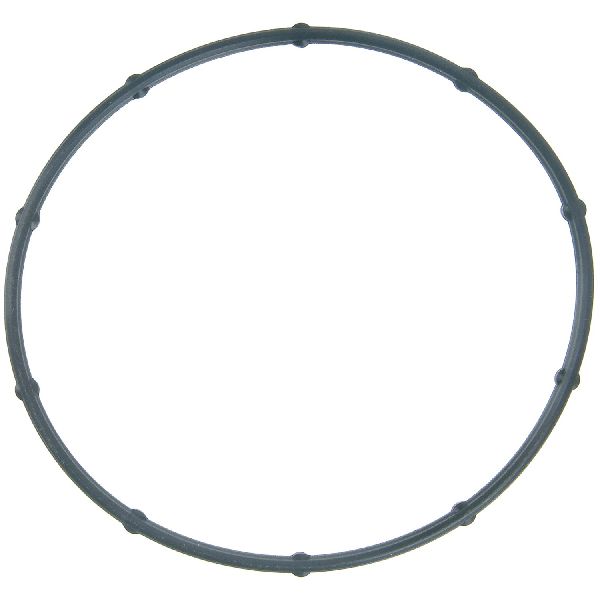
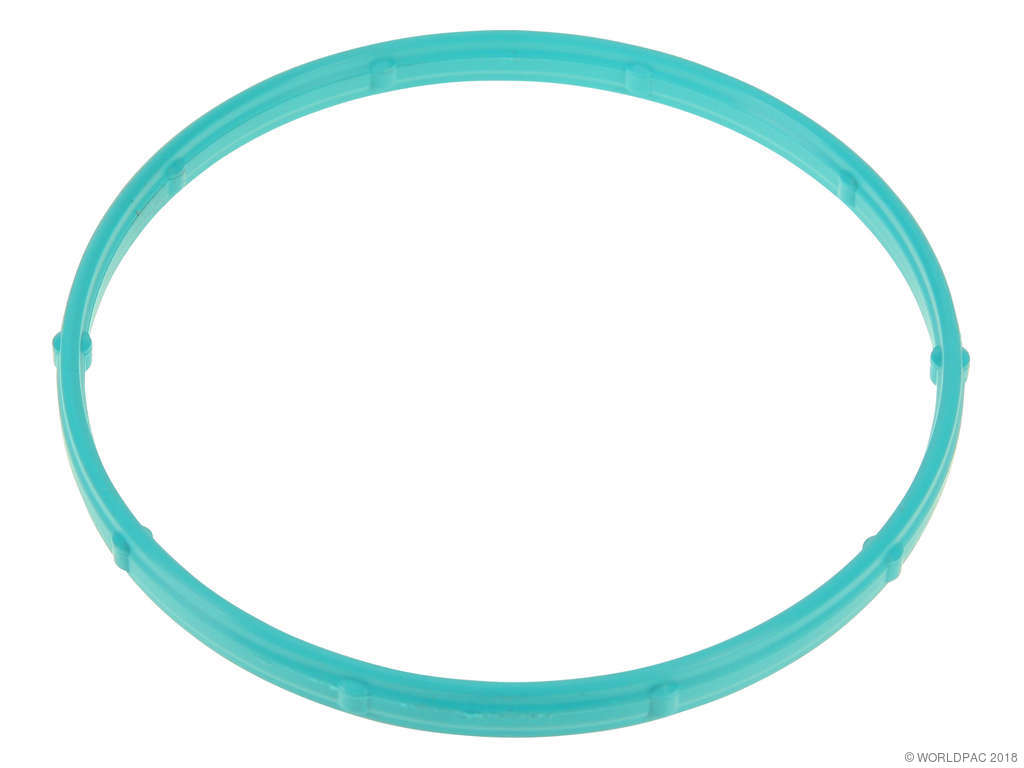
- Throttle Body Assembly (6.0L V8 Gas)
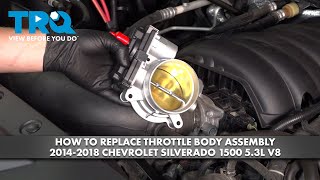
(OEM #12676296)— This is the most common failure point. Carbon buildup can impede its function, and sometimes the integrated electronic sensors fail, requiring replacement of the whole unit. 🎬 See this walkthrough on how to replace the throttle body assembly.
Trusted brands: ACDelco (OEM), Bosch
OEM price range: $200-$350
Aftermarket price range: $150-$250 - Throttle Body Assembly (6.6L V8 Duramax)
(OEM #12634263)— While less common to fail than on the gas engine, the Duramax throttle body (often called a throttle valve) can still have electronic failures or become excessively coked with soot.
Trusted brands: ACDelco (OEM)
OEM price range: $250-$400
Aftermarket price range: $180-$300 - Throttle Body Cleaner — Often, a simple cleaning is all that is needed to fix the sticking throttle plate and restore correct airflow correlation.
Trusted brands: CRC, Berryman
Aftermarket price range: $10-$20
Related Codes That Often Appear With This One
- P0121 — Throttle/Pedal Position Sensor/Switch 'A' Circuit Performance Problem
- P1516 — Throttle Actuator Control (TAC) Module Throttle Actuator Position Performance
- P2101 — Control Throttle Actuator Control Motor Circuit Range/Performance
- P2119 — Throttle Actuator Control Throttle Body Range/Performance
- P2176 — Throttle Actuator Control System - Idle Position Not Learned
Technical Service Bulletins (TSBs) & Recalls
- Bulletin #PIP4578B: Addresses idle surge, reduced engine power, and DTCs P0068, P0121, P1516, P2101, P2119, and/or P2176 on high mileage GM V8 vehicles. Recommends cleaning the throttle body and performing an idle learn reset.
Platform-Specific Known Issues
- Technical Service Bulletin #PIP4578B was issued for these vehicles, specifically mentioning that DTC P0068, along with idle surge and reduced engine power, can occur on high-mileage vehicles due to issues with the throttle body. The bulletin emphasizes the need to perform an 'Idle Learn Reset' with a scan tool after cleaning the throttle body to complete the repair.
Mechanic-Grade Diagnostic Values
- Throttle Position Sensor (TPS) Voltage — expected: Should sweep smoothly from ~0.5V at closed throttle to ~4.5V at wide-open throttle.. Failure: Readings that are jumpy, non-linear, or do not start near 0.5V when closed.
- Manifold Absolute Pressure (MAP) Sensor Voltage (Engine at operating temp) — expected: Greater than 0.8V and less than 4.0V.. Failure: Voltage outside of the expected range. A reading below 0.06V or above 4.89V indicates a hard fault.
- Mass Airflow (MAF) Sensor Reading (6.6L Duramax at idle) — expected: Approximately 37-41 g/s. Readings can vary based on intake modifications.. Failure: Significantly lower readings (e.g., below 35 g/s) can indicate a laggy or sluggish condition. Very high readings (e.g., 70-80 g/s) are incorrect for idle.
- Mass Airflow (MAF) Sensor Reading (Gas engine at idle) — expected: 2 to 7 g/s.. Failure: Readings outside this range at idle suggest a sensor or leak issue.
- Mass Airflow (MAF) Sensor Reading (Gas engine at 2500 RPM) — expected: 15 to 25 g/s.. Failure: A non-linear or slow response when raising RPM from idle indicates a problem.
Scan Tool Commands That Help
- GDS2 / Professional Scan Tool: Idle Learn Reset / Throttle Learn — This is mandatory after cleaning or replacing the throttle body. It allows the PCM to relearn the new closed-throttle position without the previous carbon buildup.
- Graphing Scan Tool: Graph MAF Sensor (g/s) vs. Engine Speed (RPM) — To verify the MAF sensor is responding smoothly and linearly to changes in engine speed. The graph should show a steady, gradual rise as RPMs increase, without any dropouts or spikes.
OEM Part Supersession History
12634263→19420702— Standard part update by the manufacturer.22951817→23324767— Standard part update by the manufacturer.
Heads up: Applies to L5P Duramax engines starting in 2017.
Helpful Videos

Used OEM Parts in Stock


New Aftermarket Parts Available


The information in this article is provided for general reference and educational purposes only. Vehicle specifications, procedures, and part compatibility can vary by production date, trim level, and region. Always consult your vehicle's factory service manual and verify part numbers before purchasing or performing repairs. Safety-critical components such as airbags, seat belts, and braking systems should be installed by a qualified professional.
- Chevrolet SILVERADO 3500:
- 🎬 Helpful Videos
- 🛍️ Shop This Part
- What's Unique About the 2014-2018 Chevrolet SILVERADO 3500
- Diagnostic Flowchart
- Symptoms You May Notice
- Most Likely Causes
- Rare But Worth Checking
- Diagnosis Steps
- Parts You'll Likely Need
- Related Codes That Often Appear With This One
- Technical Service Bulletins (TSBs) & Recalls
- Platform-Specific Known Issues
- Mechanic-Grade Diagnostic Values
- Scan Tool Commands That Help
- OEM Part Supersession History
- 🎟️ Get 5% Off