

P0068 on 2013-2017 Chevrolet Malibu: Causes and Fixes for MAP/MAF Correlation Errors
On a 2013-2017 Malibu, code P0068 usually points to a vacuum leak, a dirty throttle body, or a faulty MAP sensor. A very common and vehicle-specific cause is loose intake manifold bolts, as noted in GM TSB #PIP5529B. Start by checking for cracked hoses, cleaning the throttle body, and verifying intake manifold bolt torque before replacing any sensors.
- P0068 means the engine's computer is getting conflicting information about airflow from its sensors.
- The most likely causes on your Malibu are inexpensive to fix: vacuum leaks or a dirty throttle body.
- Always start with a visual inspection and cleaning before you spend money on new sensors.
- Be aware of the TSBs for this model, which suggest the issue could be part of a larger electrical problem if multiple, seemingly unrelated codes are present.
What's Unique About the 2013-2017 Chevrolet MALIBU

The 2013-2017 Malibu spans two different generations, but the causes for P0068 are consistent across both. A key point for this vehicle is the issuance of Technical Service Bulletins (TSBs) #PIP5529A and #PIP5529B, which group P0068 with a wide array of other sensor codes. The TSB specifically identifies that if standard diagnostics don't find a cause, the intake manifold bolts are likely loose, creating a vacuum leak. The official fix is to remove, apply threadlocker to, and re-torque the bolts. This makes checking the intake manifold bolts a critical and platform-specific diagnostic step.
Diagnostic Flowchart

Tap your situation to follow the diagnostic path that matches what you're seeing on this vehicle.
Generation note: This range covers the end of the 8th generation (2013-2015, primarily with the 2.5L LCV engine) and the beginning of the 9th generation (2016-2017, with 1.5T LFV and 2.0T LTG engines). While engine options differ, the primary causes for P0068 (vacuum leaks, dirty throttle body, sensor issues) are common. Notably, TSB #PIP5529B regarding loose intake manifold bolts applies to all common engines (LCV, LKW, LTG) in this date range. The MAP sensor is located on the intake manifold on all these engines, but its exact position varies.
Symptoms You May Notice
- Rough or unstable idle, sometimes fluctuating more when stationary.
- Hesitation or sluggish acceleration, feeling like a lag before the engine responds.
- Reduced engine power, sometimes entering 'limp mode'.
- Engine stalling, especially when coming to a stop or during light throttle application.
- Check Engine Light is on.
- Increased fuel consumption.
- Replacing the MAP or MAF sensor when the actual problem is a vacuum leak, a dirty throttle body, or loose intake manifold bolts. Always perform a thorough inspection for leaks (especially checking intake bolt torque per TSB #PIP5529B) and clean the throttle body before buying new parts.
Most Likely Causes

- Loose Intake Manifold Bolts Very High Probability As identified in GM TSB #PIP5529B, the intake manifold bolts on these engines can loosen over time, creating a significant vacuum leak. This is a known issue across multiple GM models sharing these engines.
How to confirm: Following the procedure in TSB #PIP5529B, check the torque on the intake manifold bolts. If they are loose, this is the likely cause. A smoke test will also confirm a leak in this area.
Typical fix: Per the TSB, remove one bolt at a time, apply medium strength threadlocker, and reinstall, torquing to the proper specification in the correct sequence. The intake gasket usually does not need to be replaced unless it's damaged.
Est. part cost: $5-$15 for threadlocker - Vacuum Leak (Other) 🔴 High Probability Hoses and gaskets can become brittle and crack over time due to heat and age. A cracked valve cover, which can happen on these engines, can also introduce unmetered air and cause this code.
How to confirm: Visually inspect all vacuum lines, the PCV system, and the air intake tube for cracks or loose connections. A smoke test is the most effective method to find elusive leaks. Inspect the valve cover for cracks or signs of oil leakage, which can indicate a sealing problem.
Typical fix: Replace the cracked hose, faulty gasket, or damaged valve cover.
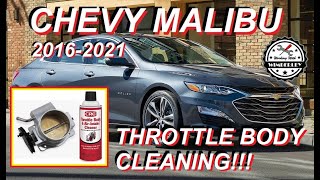
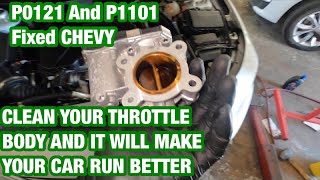
Est. part cost: $10-$150 - Dirty Throttle Body 🔴 High Probability Carbon and oil vapor from the PCV (Positive Crankcase Ventilation) system can build up on the throttle plate, restricting airflow and causing incorrect readings at low throttle angles.
How to confirm: Remove the air intake hose from the throttle body and inspect the throttle plate and bore for a black, greasy buildup.
Typical fix: Clean the throttle body thoroughly with a dedicated throttle body cleaner and a soft cloth. A throttle relearn procedure is often necessary afterward.
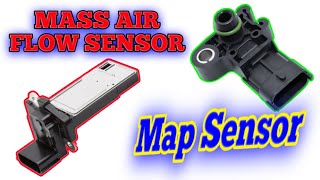
Est. part cost: $10-$15 for cleaner - Faulty Manifold Absolute Pressure (MAP) Sensor 🟡 Medium Probability Sensors can fail electronically over time or become contaminated by oil or carbon deposits, leading to incorrect pressure readings.
How to confirm: With a scan tool, monitor the MAP sensor reading. With the key on, engine off, it should read near atmospheric pressure (around 4.5-5.0 volts). At idle, it should drop to a low voltage (around 1.0-1.5 volts for non-turbo, 2.0-2.5 for turbo). Any erratic readings or values outside this range suggest a faulty sensor.
Typical fix: Replace the MAP sensor. The OEM part for many of these vehicles is ACDelco #12644228.
Est. part cost: $30-$80 - Faulty Mass Airflow (MAF) Sensor ⚪ Low Probability The MAF sensor's delicate wires can get dirty or fail, leading to incorrect airflow measurements. This is less common than MAP sensor issues on these models.
How to confirm: Inspect the sensor for dirt or debris. It can be cleaned with a dedicated MAF sensor cleaner. If cleaning doesn't work, testing its voltage output against specifications with a scan tool or multimeter is required.
Typical fix: Clean the MAF sensor. If the problem persists, replace the sensor.
Est. part cost: $60-$150
Rare But Worth Checking
- Wiring or Connector Issue: The TSBs for this vehicle group P0068 with other codes, suggesting electrical issues can be a root cause. Check the wiring harnesses for the MAP, MAF, and TPS for any signs of damage, corrosion, or loose connections.
- Cracked Valve Cover: On some GM Ecotec engines, the plastic valve cover can develop cracks or the integrated PCV check valve can fail. This creates an unmetered air leak (a vacuum leak) that can be difficult to diagnose but will directly cause a P0068 code.
- Faulty Powertrain Control Module (PCM): This is very rare. The PCM should only be considered after all other possibilities, including the specific TSB for loose intake bolts, have been thoroughly ruled out.
Diagnosis Steps
- Scan the vehicle for P0068 and any other stored codes. Note any related codes like P0101, P0106, or P0171, as they are often linked per TSB #PIP5529B.
- Crucial Step for this Platform: Inspect the intake manifold bolts to ensure they are torqued to specification. If loose, this is a highly probable cause.
- Visually inspect the entire air intake system from the air filter to the throttle body for loose clamps, cracked hoses, or disconnected lines.
- Inspect all vacuum hoses connected to the intake manifold for cracks or disconnections. Pay close attention to the valve cover and PCV system.
- Remove the air intake duct and inspect the throttle body for carbon buildup. Clean it if it's dirty.
- If you have access to a smoke machine, perform a smoke test on the intake system to find any hard-to-see vacuum leaks.
- Inspect the electrical connectors for the MAP, MAF, and Throttle Position sensors for corrosion or damage.
- Using a scan tool, observe live data. Check MAP voltage (should be ~4.5V KOEO, ~1.0-1.5V at idle for non-turbo) and TPS voltage (should sweep smoothly from ~0.5V to ~4.5V).
- If a sensor is suspected, test its voltage and ground circuits before replacing it. The MAP sensor should have a 5-volt reference, a good ground (near 0 volts), and a signal wire.
- If the throttle body was cleaned or replaced, perform a Throttle Body Relearn procedure.
Parts You'll Likely Need
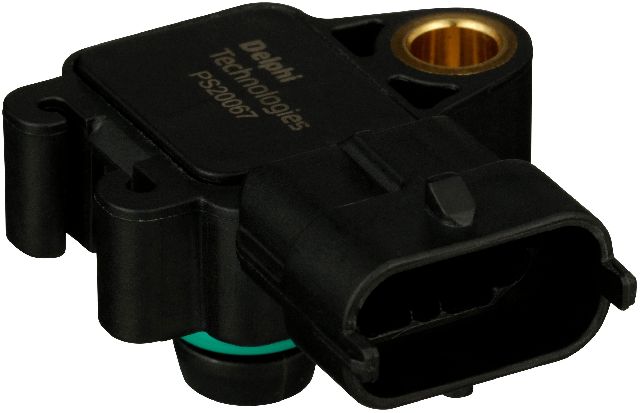
- Manifold Absolute Pressure (MAP) Sensor
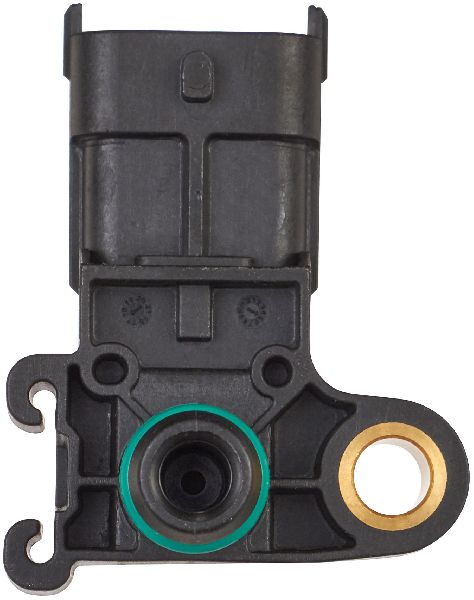
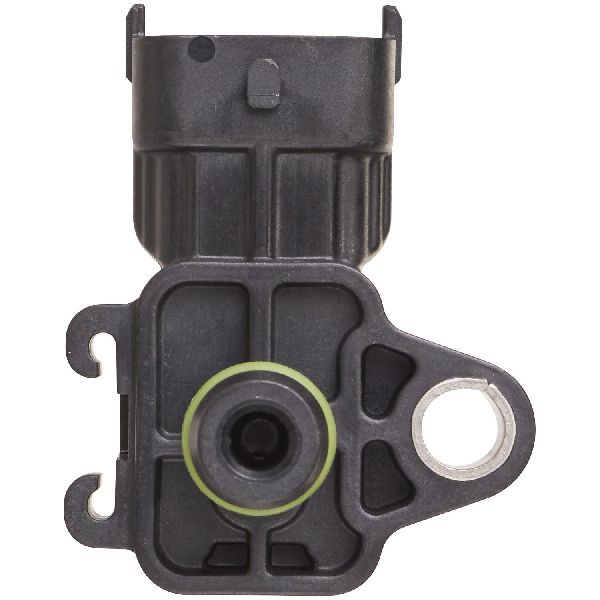
(OEM #ACDelco 12644228 (Fits many 2.0L/2.5L models))— This sensor is a common failure point that directly causes the P0068 code by providing incorrect pressure readings to the ECM.
Trusted brands: ACDelco, Delphi, Bosch
OEM price range: $50-$90
Aftermarket price range: $30-$80 - Throttle Body Assembly
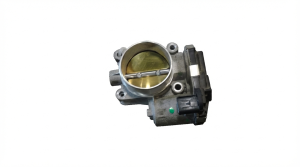
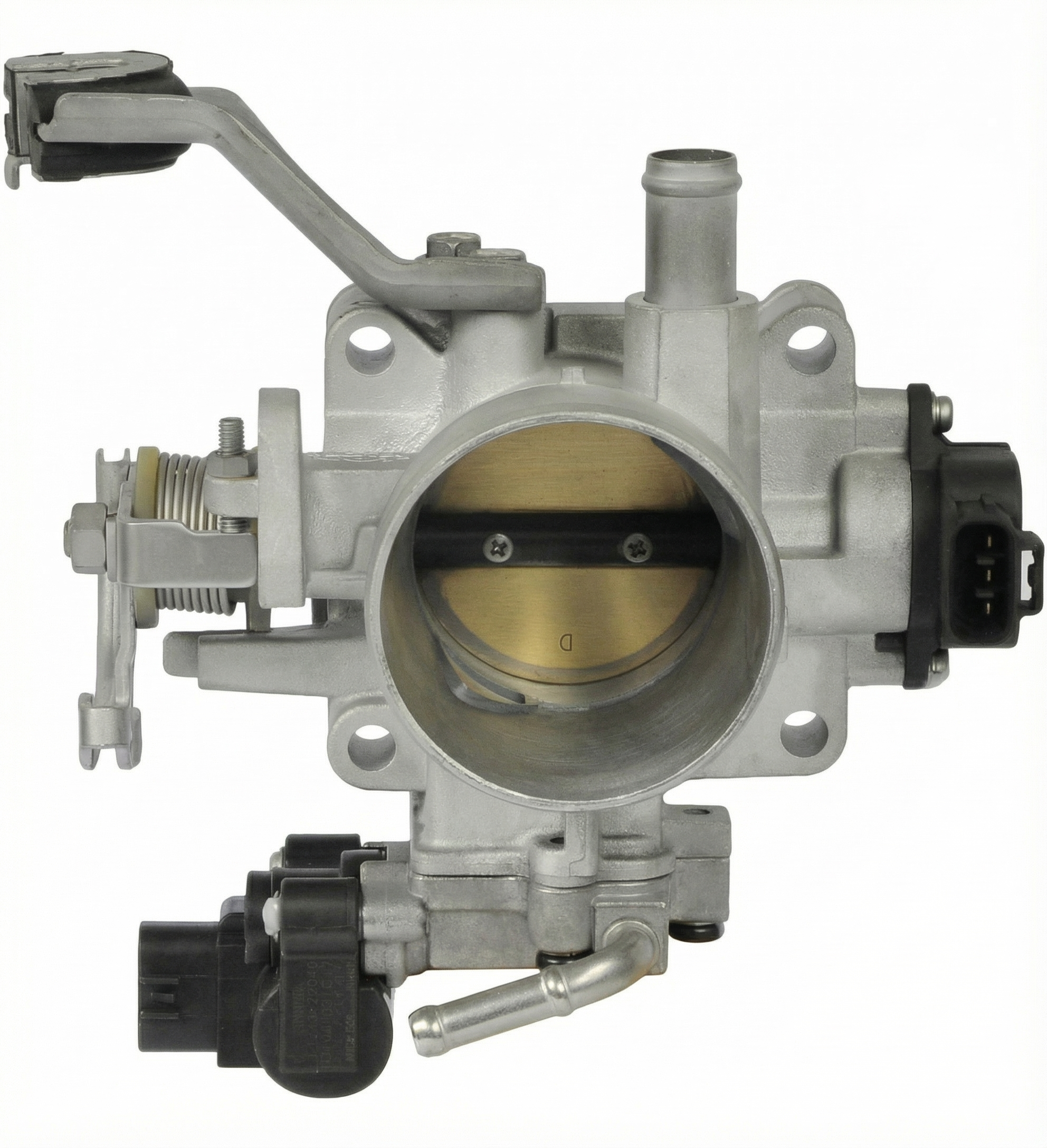
(OEM #ACDelco 12670839 (Fits many 2.5L models))— While often just needing a cleaning, if the integrated Throttle Position Sensor (TPS) has failed, the entire throttle body assembly usually needs to be replaced.
Trusted brands: ACDelco, Hitachi
OEM price range: $150-$250
Aftermarket price range: $100-$180
Related Codes That Often Appear With This One
- P0101 — This code specifically indicates a problem with the MAF sensor's performance, which is a primary input for the P0068 calculation. It is listed alongside P0068 in TSB #PIP5529B.
- P0106 — This code points to a performance/range problem with the MAP sensor circuit, another key input for the P0068 correlation check. It is also listed in TSB #PIP5529B.
- P0171 — This indicates a 'System Too Lean' condition, which is a common result of a vacuum leak allowing unmetered air into the engine—a primary cause of P0068, especially the loose intake manifold bolts mentioned in TSB #PIP5529B.
- P0506 — This code for 'Idle Air Control System RPM Lower Than Expected' can be triggered by the same vacuum leaks or throttle body issues that cause P0068. It is also listed in TSB #PIP5529B.
Technical Service Bulletins (TSBs) & Recalls
- Bulletin #PIP5529B: The most critical TSB for this issue. It advises that for a combination of codes including P0068, P0101, P0106, and P0171, the cause may be loose intake manifold bolts. The fix is to re-torque the bolts with threadlocker. [⭐ MANUFACTURER TSB — highest authority]
- Bulletin #PIP5529A: An earlier version of the same bulletin, also citing P0068 and pointing towards loose intake manifold bolts as the potential cause. [⭐ MANUFACTURER TSB — highest authority]
Platform-Specific Known Issues
- TSB for Loose Intake Manifold Bolts: GM issued Technical Service Bulletins #PIP5529B and #PIP5529A for 2013-2017 Malibus. These bulletins state that if P0068 is present with other codes and no obvious cause is found, the technician should inspect the intake manifold bolts for being loose. The official correction is to remove, apply threadlocker, and re-torque the bolts to specification, which often resolves the issue without replacing the gasket.
- Cracked Valve Cover / PCV Failure: The plastic valve covers on the Ecotec engines can develop hairline cracks or the integrated PCV check valve can fail. This creates a vacuum leak that allows unmetered air into the intake system, directly causing the sensor correlation issue of P0068. This should be inspected if other vacuum leak sources are not found.
Mechanic-Grade Diagnostic Values
- MAP Sensor Voltage (Key On, Engine Off) — expected: ~4.5 - 5.0 Volts. Failure: Voltage significantly lower or higher indicates a sensor or wiring issue.
- MAP Sensor Voltage (Engine Idling, Non-Turbo) — expected: ~1.0 - 1.5 Volts. Failure: Higher voltage at idle suggests a vacuum leak or a faulty sensor not detecting engine vacuum.
- MAP Sensor Voltage (Engine Idling, Turbocharged) — expected: ~2.0 - 2.5 Volts. Failure: Values outside this range at idle can indicate sensor or system faults.
- Throttle Position Sensor (TPS) Voltage — expected: Smooth sweep from ~0.5V (closed throttle) to ~4.5V (wide-open throttle).. Failure: Any spikes, drops, or dead spots during the sweep indicate a failing TPS.
- MAP Sensor Ground Circuit Voltage — expected: Near 0 Volts (e.g., under 0.030V). Failure: Any significant voltage indicates a bad ground connection, which will skew the sensor's signal reading.
- MAP/TPS Sensor Reference Voltage — expected: Steady 5.0 Volts. Failure: Voltage outside this range points to a problem with the PCM or the wiring.
Scan Tool Commands That Help
- GDS2 / Professional Scan Tool: Idle Learn / Throttle Relearn — This function must be used after cleaning or replacing the throttle body. It resets the learned idle position in the ECM. Failure to do so can cause idle issues and may even re-trigger P0068.
- Manual Procedure (No Scan Tool): Throttle Body Idle Relearn — If a scan tool is unavailable after cleaning the throttle body, a manual procedure can be performed. It typically involves letting the engine idle for 3 minutes, turning it off for 60 seconds, and idling for another 3 minutes. A drive cycle may also be required.
Wiring & Ground Locations
- G103 — Located at the left rear of the engine compartment on the cowl, above the brake booster.. This is a major ground point that serves the Body Control Module (BCM), Instrument Panel Cluster (IPC), and Data Link Connector (DLC). A poor connection here can cause a wide range of electrical issues, including erratic sensor data that could contribute to a P0068 code.
- MAP Sensor Connector — Directly on the MAP sensor, which is mounted on the intake manifold. It is a 3-pin oval connector.. The three pins are for the 5V reference, ground, and signal return to the ECM. Corrosion or damage to this specific connector is a direct cause of faulty MAP readings.
- MAF Sensor Connector (9th Gen) — On the MAF sensor, located in the air intake tube after the air filter box. The 2016+ models may use an 8-pin connector.. A loose or corroded connector here will disrupt the airflow signal to the ECM, directly impacting the correlation check that triggers P0068.
Real Owner Repair Stories
- GM-Trucks Forum user (Vehicle with a similar GM 1.4L Turbo engine, which shares design principles with Malibu engines.) — Check engine light with codes P1101 and P0068.
❌ Tried (didn't work) Initial diagnosis pointed towards common vacuum leaks or sensor issues.
✅ What actually fixed it The root cause was a failed internal back pressure valve within the PCV system, integrated into the valve cover. This created an unmetered air leak that a smoke test might not easily find. The fix was to replace the entire valve cover assembly.
"I Checked Everything" — The Actual Cause
- A common scenario on modern GM engines (including those in the Malibu) is a failed PCV check valve integrated into the valve cover. A standard smoke test may not reveal this leak because the failure is internal to the crankcase ventilation system. The symptom is unmetered air entering the intake manifold, causing a lean condition and triggering P0068. The throttle angle at idle will be lower than the specified 8-14% because the ECM is closing the throttle to compensate for the extra air. The solution is to replace the valve cover.
OEM Part Supersession History
12644228 (MAP Sensor)→12711681— Standard part evolution for improved reliability or manufacturing process changes.
Heads up: The new part number 12711681 is the direct, backward-compatible replacement for 12644228. No incompatibility issues are noted.
Model Year Variations Within This Range
- 2013-2015 (8th Gen): Primarily equipped with the 2.5L LCV engine. The MAP sensor and throttle body are readily accessible on the front/top of the intake manifold.
- 2016-2017 (9th Gen): Primarily equipped with 1.5L LFV and 2.0L LTG turbocharged engines. The MAP sensor is still on the intake manifold but may be located on the rear or underside, requiring removal of other components for access. The MAF sensor on these models is a more complex 8-pin unit.
Helpful Videos

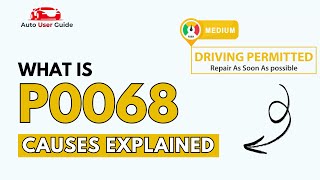
Used OEM Parts in Stock
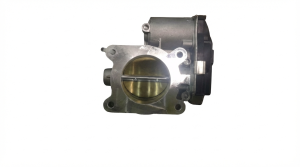
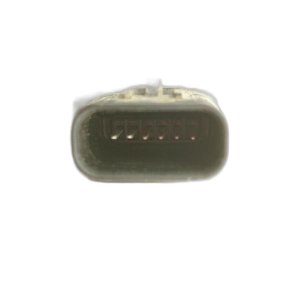

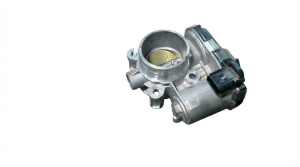
New Aftermarket Parts Available


The information in this article is provided for general reference and educational purposes only. Vehicle specifications, procedures, and part compatibility can vary by production date, trim level, and region. Always consult your vehicle's factory service manual and verify part numbers before purchasing or performing repairs. Safety-critical components such as airbags, seat belts, and braking systems should be installed by a qualified professional.
- Chevrolet MALIBU:
- 🎬 Helpful Videos
- 🛍️ Shop This Part
- What's Unique About the 2013-2017 Chevrolet MALIBU
- Diagnostic Flowchart
- Symptoms You May Notice
- Most Likely Causes
- Rare But Worth Checking
- Diagnosis Steps
- Parts You'll Likely Need
- Related Codes That Often Appear With This One
- Technical Service Bulletins (TSBs) & Recalls
- Platform-Specific Known Issues
- Mechanic-Grade Diagnostic Values
- Scan Tool Commands That Help
- Wiring & Ground Locations
- Real Owner Repair Stories
- "I Checked Everything" — The Actual Cause
- OEM Part Supersession History
- Model Year Variations Within This Range
- 🎟️ Get 5% Off