

P0062 on 2014-2016 Jaguar F-TYPE: Heater Circuit Causes and Fixes
P0062 on a 2014-2016 Jaguar F-TYPE indicates a fault in the heater circuit of the rearmost oxygen sensor on the driver's side (Bank 2, Sensor 3). The most common fix is replacing the sensor itself, which is a known failure point. A crucial step is to also have a dealer perform a software update mentioned in Technical Service Bulletin JTB-00392-NAS-3 to prevent the code from returning, even with a new sensor.
- P0062 points to a bad heater in the rearmost oxygen sensor on the driver's side exhaust.
- The most likely fix is replacing the sensor itself, which is a common failure item on the F-TYPE.
- A Jaguar dealer should perform a PCM software update as specified in TSB JTB-00392-NAS-3 to prevent the code from returning.
- This is a DIY-friendly repair for the mechanically inclined; the sensor is accessible from under the car.
- Driving with this code will not harm the engine but will cause an automatic failure on an emissions test.
What's Unique About the 2014-2016 Jaguar F-TYPE
The Jaguar F-TYPE uses a complex exhaust system with six oxygen sensors, three on each bank for its V6 and V8 engines. While O2 sensor heater failures are common on many cars, Jaguar issued Technical Service Bulletin JTB-00392-NAS-3 for this exact issue on 2014-2015 models. This bulletin explicitly states that a PCM software error can falsely trigger P0062 and other related codes. A software update is required to prevent future problems, even after replacing a faulty sensor. Owners on forums frequently report these downstream O2 sensors are a common failure item, sometimes failing within a few years of each other.
Diagnostic Flowchart
Tap your situation to follow the diagnostic path that matches what you're seeing on this vehicle.
Symptoms You May Notice
- Check Engine Light is on
- Automatic failure of a vehicle emissions test
- Slightly rougher idle for a few seconds on a cold start
- Some owners report a decrease in fuel economy after extended driving with the fault.
- Replacing the wrong oxygen sensor. The F-TYPE has six sensors; P0062 is specifically for Bank 2 (driver's side) Sensor 3 (rearmost, post-catalyst). Bank 1 is the passenger side.
- Forgetting the PCM software update. Per TSB JTB-00392-NAS-3, replacing the sensor without updating the software may lead to the code returning. The TSB is very clear that the update should be performed even after sensor replacement.
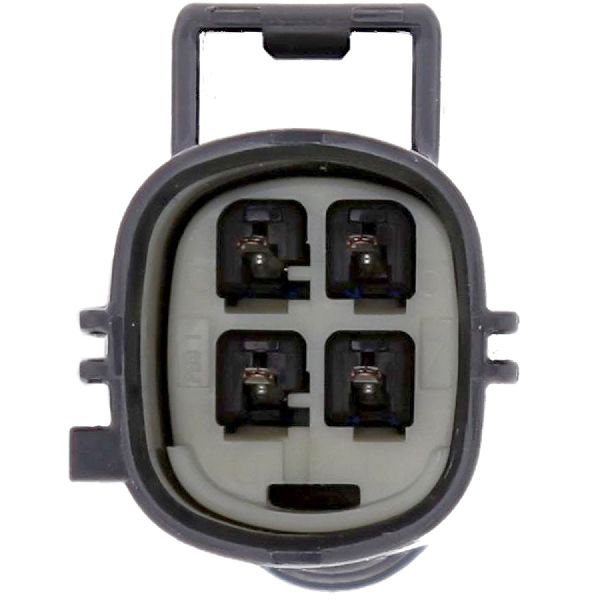
- Using a universal sensor. The left and right side post-cat sensors on the F-TYPE often have different connectors and are not interchangeable, even if the sensor body is the same. It is critical to use the correct part number for the specific location.
Most Likely Causes
- Faulty Bank 2, Sensor 3 Oxygen Sensor 🔴 High Probability Forum discussions and TSBs indicate these sensors fail frequently on the F-TYPE platform. The internal heater element, which has a Positive Temperature Coefficient (PTC) characteristic, simply burns out or its resistance goes out of spec over time.
How to confirm: Unplug the sensor and test the resistance across the two heater circuit pins (usually the two same-colored wires) with a multimeter. 🎬 Watch: How to troubleshoot and test the heater circuit. A reading of 'OL' (open circuit/infinite resistance) or a reading far outside the typical 4-15 ohm range when cold confirms a bad heater. A healthy sensor should have a resistance of around 9 ohms when cold.
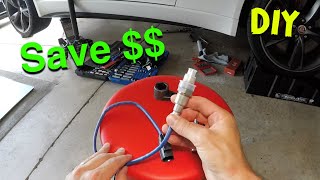
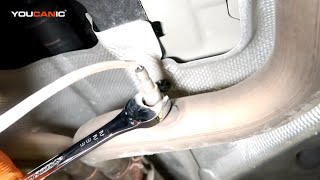
Typical fix: Replace the Bank 2, Sensor 3 oxygen sensor. This is the rearmost sensor on the driver's side (left side when sitting in the car), accessible from underneath without removing belly pans. 🎬 See this DIY walkthrough for replacing the sensor. A 22mm or 7/8" crow's foot or offset O2 sensor socket is required.
Est. part cost: $100-$350 - Outdated Powertrain Control Module (PCM) Software 🟡 Medium Probability Jaguar TSB #JTB-00392-NAS-3 explicitly identifies a software error as a potential cause for this code on 2014-2015 models with VINs K06417-K22184. The bulletin states the software fix 'will prevent any further concerns'.
How to confirm: Check with a Jaguar dealership to see if your vehicle's VIN has had the software update from TSB JTB-00392-NAS-3 applied. This can be checked against the vehicle's service history.
Typical fix: A Jaguar dealer must update the PCM software using their proprietary diagnostic tool (SDD). The TSB instructs technicians to replace the sensor if the code is active, and then perform the software update regardless. Some owners have been quoted around two hours of labor for software updates.
Est. part cost: $0-$400 - Damaged Wiring or Connector ⚪ Low Probability The wiring is located under the car and is exposed to heat, moisture, and road debris, which can lead to corrosion or physical damage over time. The connector for Sensor 3 is located up in the transmission tunnel and can be tricky to access.
How to confirm: Visually inspect the wiring harness and connector for the Bank 2, Sensor 3 O2 sensor. Look for any signs of melting, chafing, corrosion, or broken wires. With the ignition on, check for ~12V power and a good ground at the vehicle-side of the connector's heater circuit pins.
Typical fix: Repair the damaged section of wiring or clean/replace the connector terminals. Apply dielectric grease to protect the new connection.
Est. part cost: $5-$50
Rare But Worth Checking
- Blown Fuse: The O2 sensor heater circuit is protected by a fuse. While not a common failure, it's a quick and easy check. On some related Jaguar models, this is Fuse #14 (10 amp) in the right-hand engine bay fuse box, but consult your specific F-TYPE manual to be certain.
- Faulty Powertrain Control Module (PCM): This is the least likely cause. The internal driver circuit in the PCM that controls the sensor heater can fail, but all other possibilities, especially the sensor and software update, should be exhausted before condemning the PCM.
Diagnosis Steps
- Read the code with an OBD-II scanner to confirm P0062 is the active fault.
- Check with a Jaguar dealer if TSB #JTB-00392-NAS-3 (for 2014-15 models) or other service actions like #SSM72477 or #H231 have been performed on your vehicle. If not, plan for a software update.
- With the exhaust cold, safely raise the vehicle. Locate the Bank 2, Sensor 3 oxygen sensor. It's on the driver's side (left side) exhaust pipe, after the catalytic converter, near the connection to the mid-pipe. It is often accessible without removing underbody panels.
- Inspect the sensor's wiring and connector for any visible damage, melting, or corrosion.
- If the wiring looks good, unplug the sensor. Set a multimeter to Ohms (Ω). Test the resistance of the heater element on the sensor side of the connector (usually across the two wires of the same color). A reading of 'OL' (infinite) or significantly different from the 4-15 ohm range indicates a bad sensor.
- If the sensor resistance is within spec, check the vehicle-side connector. With the ignition on (engine off), verify there is ~12V power and a solid ground connection to the heater circuit pins.
- If power or ground is missing, check the related fuse (e.g., Fuse #14 in the engine bay fuse box on some models) and trace the wiring for a break.
- If the sensor is bad, replace it with the correct part number for Bank 2. If the sensor and wiring test good, the fault likely lies within the PCM, and the software update should be the next step.
Parts You'll Likely Need
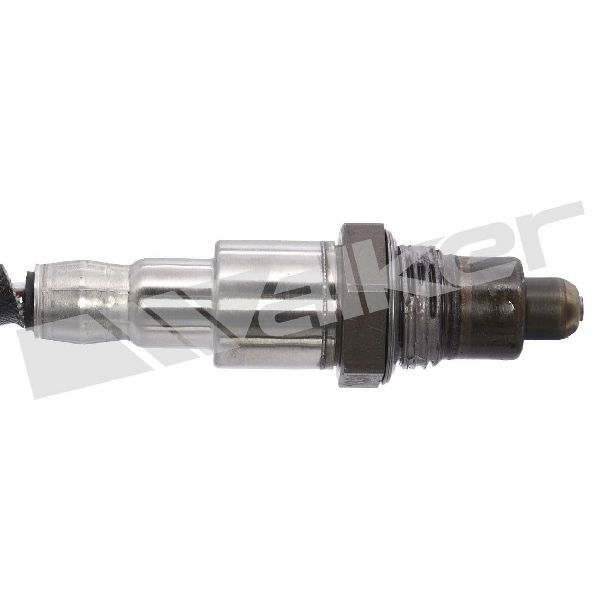
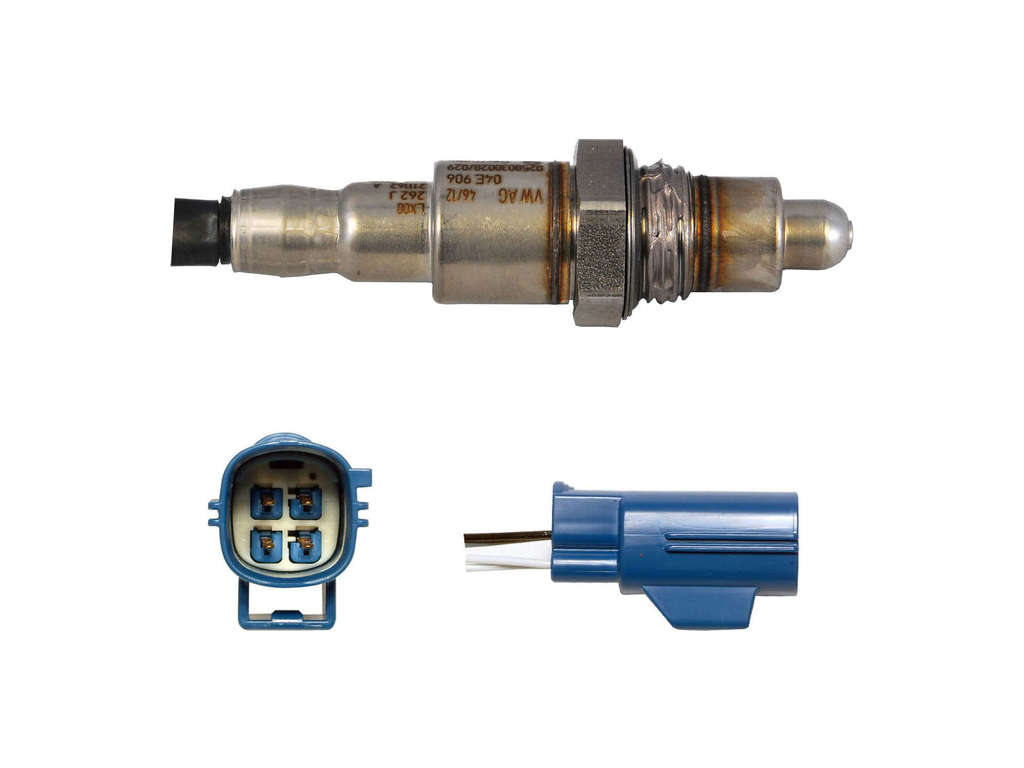
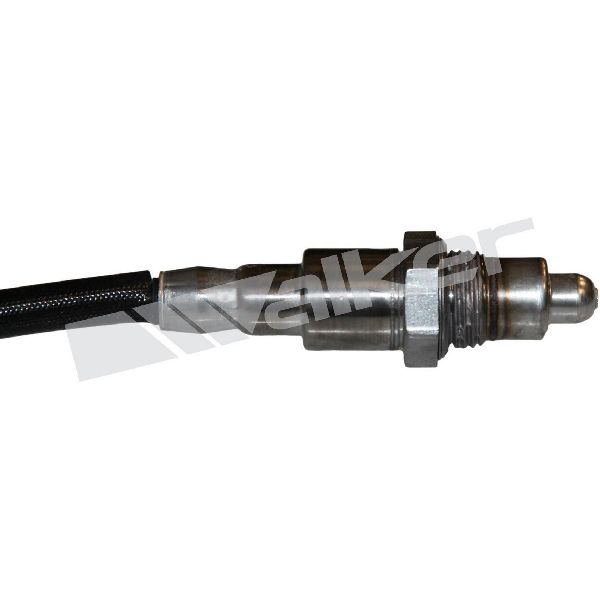
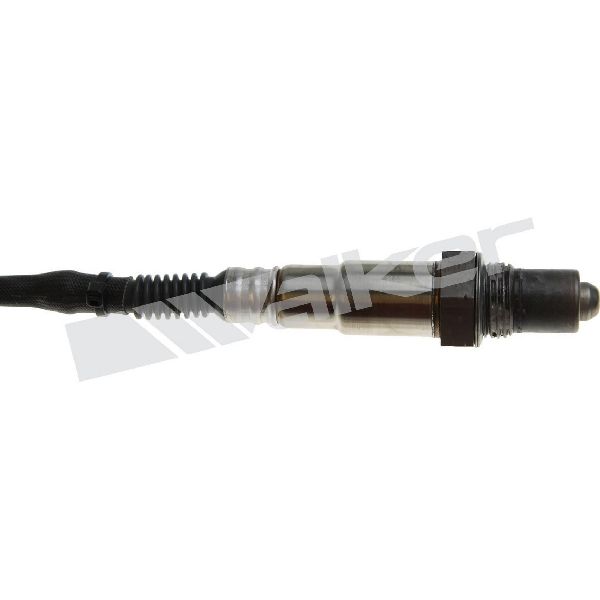
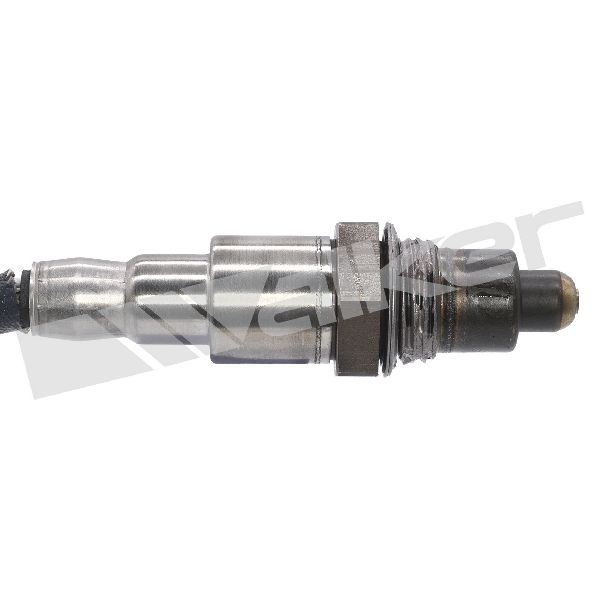
- Heated Oxygen Sensor (Bank 2, Sensor 3)
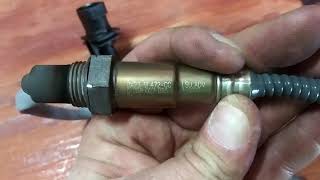
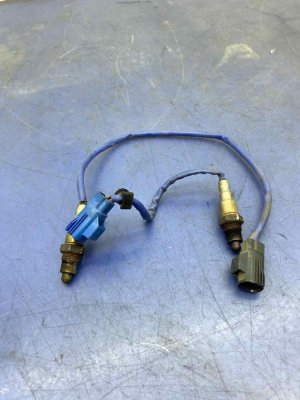
(OEM #T2R7732)— This is the most common failure component for code P0062. The internal heater element fails. Note that left (Bank 2) and right (Bank 1) side sensors have different connectors and part numbers, so ordering the correct one is critical.
Trusted brands: Jaguar (OEM), Bosch (Often the OEM supplier), Denso, NTK
OEM price range: $250-$375
Aftermarket price range: $80-$150
Related Codes That Often Appear With This One
- P0042 — This is the equivalent code for the other side of the vehicle (Bank 1, Sensor 3 Heater Control Circuit). It's common for these sensors to fail around the same time due to age and mileage, as reported by owners who have had to replace one and then the other within a short period.
- P0162 — This is a related code for 'O2 Sensor Circuit Malfunction (Bank 2 Sensor 3)'. While P0062 points specifically to the heater, a general circuit malfunction code can sometimes appear with it, as noted in TSB JTB-00392-NAS-3.
Technical Service Bulletins (TSBs) & Recalls
- JTB-00392-NAS-3: Engine MIL Illuminated With HO2S DTCs, caused by a software error. Affects 2014-2015 F-TYPEs.
- SSM72477: Lists P0062 as a potential code where no wiring fault is found, pointing to the sensor or software.
- H231NAS: A service action related to O2 sensor performance and PCM software updates, indicating ongoing software refinements for the O2 system.
Platform-Specific Known Issues
- TSB #JTB-00392-NAS-3: Affects 2014-2015 F-TYPE models (VIN K06417-K22184) with V6 or V8 engines. It notes that a software error can cause P0062 and a host of other O2 sensor codes. The fix is to update the PCM software and, if the code is present, replace the relevant sensor. The bulletin states, 'The new software will prevent any further concerns'.
- TSB #SSM72477: Also lists P0062 among many other O2 sensor codes for 2015-2016 models, suggesting a known issue where diagnosis may not find a fault with wiring, pointing towards the sensor or software as the root cause.
- Owner Experience: A user on JaguarForums.com with a P0042 code (the same issue on the opposite bank) noted they had previously fixed a P0062 by replacing the sensor a few years prior, highlighting that these sensors can fail independently over time.
Mechanic-Grade Diagnostic Values
- O2 Sensor Heater Element Resistance — expected: 4 to 15 Ohms when cold.. Failure: A reading of 0 Ohms (short circuit) or 'OL' / infinite resistance (open circuit) indicates a failed heater element.
- Voltage at Heater Circuit Power Pin (vehicle-side connector) — expected: ~12V (Battery Voltage) with ignition on, engine off.. Failure: 0V or significantly low voltage indicates a problem with the power supply, likely a fuse, relay, or wiring break.
- Voltage Drop on Heater Ground Circuit — expected: Less than 0.5V (500mV) when the circuit is active (engine running).. Failure: A reading higher than 0.5V indicates high resistance in the ground circuit, which could be a poor connection at the PCM or a faulty main engine ground strap.
Scan Tool Commands That Help
- Jaguar Land Rover SDD (Symptom Driven Diagnostics): Read DTCs / Fault Codes — To confirm the P0062 code and see any other related faults stored in the PCM. SDD provides more detailed descriptions than generic scanners.
- Jaguar Land Rover SDD (Symptom Driven Diagnostics): Recommendations / Guided Diagnostics — After reading DTCs, SDD suggests relevant TSBs and Pinpoint Tests based on the fault, guiding the technician to the most likely cause.
- Jaguar Land Rover SDD (Symptom Driven Diagnostics): Configure existing module (Powertrain Control Module) — This is the specific function used to perform the software update as mandated by TSB JTB-00392-NAS-3 to prevent the code from recurring.
- Jaguar Land Rover SDD (Symptom Driven Diagnostics): Live Data / Datalogger — After replacing a sensor, a technician can monitor the new sensor's voltage to ensure it is heating up and switching correctly, confirming a successful repair.
Wiring & Ground Locations
- Bank 2, Sensor 3 Connector — The electrical connector for the rearmost driver's side O2 sensor is located above the exhaust in the transmission tunnel area, accessible from underneath the vehicle.. This is the primary connector to test for power, ground, and sensor resistance. Its location makes it susceptible to heat and road debris, so it should be inspected for damage.
- Main Engine Ground Strap — Typically a braided metal strap connecting the engine block or transmission to the vehicle's chassis, often located on the lower right side of the engine bay near the starter.. A corroded or loose main engine ground can cause a variety of electrical issues, including erratic sensor readings and fault codes. While not a primary cause, a high-resistance ground can lead to incorrect voltage readings in the O2 sensor heater circuit.
- G3D138A — A designated ground point located under the passenger footwell.. This is an example of a specific chassis ground point identified in wiring diagrams. While not definitively for the O2 sensor heater, it illustrates the type of designated ground points that can be checked if a ground-side fault is suspected.
Real Owner Repair Stories
- JaguarForums.com user (2014 Jaguar XF 3.0 AWD (same AJ126 engine)) — Recurring P0062 Check Engine Light.
❌ Tried (didn't work) Clearing the code, which would return on startup.
✅ What actually fixed it Replacing the Bank 2, Sensor 3 oxygen sensor. The user noted the sensor was easily accessible without removing underbody panels. - JaguarForums.com user (Jaguar F-Type (year not specified)) — P0042 (Bank 1, Sensor 3 heater fault).
✅ What actually fixed it The user noted that they had previously fixed a P0062 code (Bank 2, Sensor 3) a few years prior by replacing that sensor, and now the other side had failed. This confirms the sensors are a common failure item and can fail independently over time. - Reddit user r/Jaguar (2019 Jaguar F-Type SVR) — P0062, failed downstream O2 sensor.
❌ Tried (didn't work) Considering a shop quote of $1,400 to replace both downstream sensors in a pair.
✅ What actually fixed it The community advised that replacing the sensors in pairs is not necessary as they are independent. The consensus was that the quote was too high and that the downstream sensors are the easiest to access for a DIY repair.
OEM Part Supersession History
T2R7732→T2R10753 (potential alternative/successor)— Part updates and revisions are common. Different part numbers are used for different vehicle configurations.
Heads up: Crucially, the Bank 1 (right) and Bank 2 (left) post-catalyst sensors are not interchangeable despite having a similar appearance. They use physically different, 'handed' electrical connectors. Ordering the wrong side will not work.
Model Year Variations Within This Range
- 2014-2015: Models in VIN range K06417-K22184 are subject to TSB JTB-00392-NAS-3, which requires a mandatory PCM software update to fix a potential software glitch that can falsely trigger P0062 and other O2 codes.
- 2016+: Oxygen sensor part numbers may differ for later models. For example, part T2R7732 is listed for models up to VIN K47964, indicating a potential part change for vehicles built after this point.
Helpful Videos


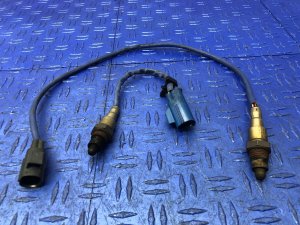
Used OEM Parts in Stock
New Aftermarket Parts Available

The information in this article is provided for general reference and educational purposes only. Vehicle specifications, procedures, and part compatibility can vary by production date, trim level, and region. Always consult your vehicle's factory service manual and verify part numbers before purchasing or performing repairs. Safety-critical components such as airbags, seat belts, and braking systems should be installed by a qualified professional.
- Jaguar F-TYPE:
- 🎬 Helpful Videos
- 🛍️ Shop This Part
- What's Unique About the 2014-2016 Jaguar F-TYPE
- Diagnostic Flowchart
- Symptoms You May Notice
- Most Likely Causes
- Rare But Worth Checking
- Diagnosis Steps
- Parts You'll Likely Need
- Related Codes That Often Appear With This One
- Technical Service Bulletins (TSBs) & Recalls
- Platform-Specific Known Issues
- Mechanic-Grade Diagnostic Values
- Scan Tool Commands That Help
- Wiring & Ground Locations
- Real Owner Repair Stories
- OEM Part Supersession History
- Model Year Variations Within This Range
- 🎟️ Get 5% Off