

P0055 on 2014-2016 Jaguar F-TYPE: O2 Sensor Heater Resistance Fixes
P0055 on a 2014-2016 Jaguar F-TYPE indicates a fault in the heater circuit of the rearmost oxygen sensor on the passenger side (Bank 1, Sensor 3). The most common fix is replacing the sensor itself. However, Jaguar has identified a related software bug, so a PCM software update after replacement may be necessary to prevent the code from returning. A DIY replacement with an aftermarket part can cost under $100, while dealer service can exceed $700.
- P0055 specifically points to the heater circuit in the rearmost oxygen sensor on the passenger-side exhaust.
- The most likely cause is a failed oxygen sensor, which is a common issue on these cars.
- This is a DIY-friendly repair for those with basic tools; access to the sensor is not overly difficult.
- When buying a replacement, ensure it is the correct one for the 'post-catalyst' or 'downstream' position, as connectors may differ from the other sensors.
- Driving with this code is not dangerous, but it should be fixed to restore fuel efficiency and pass emissions tests.
What's Unique About the 2014-2016 Jaguar F-TYPE
On the Jaguar F-TYPE's V6 and V8 engines, oxygen sensor faults are a well-documented, common issue. Jaguar issued Technical Service Bulletin JTB-00392-NAS-3, which groups P0055 with many other HO2S codes. Crucially, the TSB states the cause may be a software error in the Powertrain Control Module (PCM). The official repair procedure is to first replace the specific sensor that triggered the code and then perform a PCM software update. This indicates a known systemic issue where simply replacing the sensor might not be a permanent fix without the accompanying software patch.
Diagnostic Flowchart
Tap your situation to follow the diagnostic path that matches what you're seeing on this vehicle.
Symptoms You May Notice
- Check Engine Light is on
- Slightly increased fuel consumption
- Failure to pass an emissions inspection
- Possible rough idle on cold starts
- Smell of gasoline from the exhaust due to a rich fuel mixture
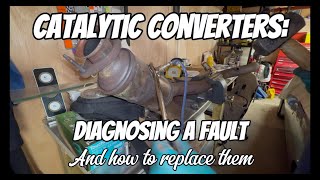
- Replacing the wrong oxygen sensor. The F-TYPE has six O2 sensors in total (three per bank). P0055 is specifically for Bank 1 (passenger side on LHD cars) and Sensor 3 (post-catalyst/rearmost). 🎬 Watch: How to diagnose and replace faulty catalytic converters.
- Replacing the sensor but not performing the PCM software update. If the root cause is the software glitch identified in TSB JTB-00392-NAS-3, the code may return on a new, perfectly good sensor.
Most Likely Causes
- Failed Bank 1, Sensor 3 Oxygen Sensor 🔴 High Probability As documented in multiple Jaguar TSBs (SSM72477, JTB-00392-NAS-3), these vehicles have a known tendency for oxygen sensor faults. The internal heater element is the most common failure point, burning out over time and causing an open or shorted circuit. Some sources estimate an 85% probability that the sensor itself is the cause.
How to confirm: Disconnect the sensor and measure the resistance across the two heater circuit pins (often the two same-colored wires) with a multimeter. An open circuit (infinite resistance or 'OL') or a short (very low/zero resistance) confirms the sensor has failed. A good sensor typically has a low resistance, often between 5 and 15 Ohms.
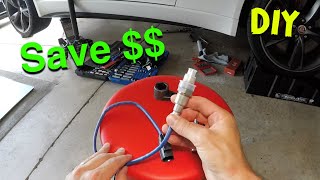
Typical fix: Replace the Bank 1, Sensor 3 oxygen sensor. 🎬 Watch: A helpful DIY guide for replacing your F-Type oxygen sensors. This is the rearmost sensor on the passenger side exhaust pipe. Following replacement, a PCM software update may be required as per TSB JTB-00392-NAS-3.
Est. part cost: $70 - $650 - Damaged Wiring or Connector 🟡 Medium Probability The sensor wiring runs underneath the car and is exposed to road debris, extreme exhaust heat, and moisture, which can cause corrosion on the connector pins or physical damage to the harness insulation over time.
How to confirm: Visually inspect the wiring harness and connector leading to the sensor for any signs of fraying, melting, corrosion, or broken pins. Perform a continuity test from the PCM connector to the sensor connector to check for breaks in the wire.
Typical fix: Repair the damaged section of the wiring harness or replace the connector pigtail.
Est. part cost: $15 - $50 - Blown Fuse ⚪ Low Probability A short circuit in the heater element of the O2 sensor can sometimes cause the corresponding fuse to blow as a protective measure.
How to confirm: Locate the engine compartment front fuse box. According to wiring diagrams, fuse F11, a 15A blue fuse, often protects the heated oxygen sensor circuits. Visually inspect the fuse or test it with a multimeter. Always verify the correct fuse location in your vehicle's owner's manual.
Typical fix: Replace the blown fuse. If the new fuse blows immediately, it confirms a persistent short circuit in the wiring or within the O2 sensor that must be addressed first.
Est. part cost: $1 - $5
Rare But Worth Checking
- Faulty Powertrain Control Module (PCM): This is extremely rare. Before condemning the PCM for a hardware failure, the sensor, wiring, and fuses must be exhaustively ruled out. More commonly, the PCM may require a software update as described in TSB JTB-00392-NAS-3 to correct a logic error related to this code. A true PCM driver failure would likely be accompanied by other, more erratic issues.
Diagnosis Steps
- Confirm the Code: Use an OBD-II scanner to confirm that P0055 is the active code.
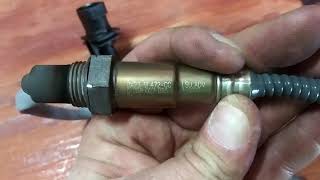
- Locate the Sensor: Safely raise the vehicle. Locate Bank 1, which is the passenger side on LHD vehicles (e.g., USA). Identify Sensor 3, which is the rearmost sensor on the exhaust pipe, after the catalytic converter. 🎬 See this walkthrough for locating and swapping the O2 sensor.
- Visual Inspection: Inspect the sensor's wiring harness and connector for any obvious signs of damage, such as melting, chafing, or corrosion on the pins.
- Check Fuses: In the engine compartment fuse box, locate and test fuse F11 (15A blue), which is designated for the O2 sensors. Confirm the location with your owner's manual.
- Test the Heater Circuit: Disconnect the sensor. Using a multimeter set to Ohms (Ω), measure the resistance between the two pins for the heater circuit on the sensor side. A reading of infinite resistance (OL) or zero resistance indicates a faulty heater element. A good sensor typically has a resistance between 5 and 15 Ohms.
- Test for Power: If the sensor's resistance is good, check the harness connector (vehicle side). With the ignition on (engine off), use a multimeter to verify there is battery voltage (~12V) at the heater power supply pin.
- Replace the Sensor: If the sensor's heater circuit test fails, replace the Bank 1, Sensor 3 oxygen sensor.
- Clear Code and Update Software: After replacement, clear the trouble code with the scanner. Perform a test drive. If the code returns, a PCM software update from a Jaguar dealer or specialist shop is likely required to apply the fix from TSB JTB-00392-NAS-3.
Parts You'll Likely Need
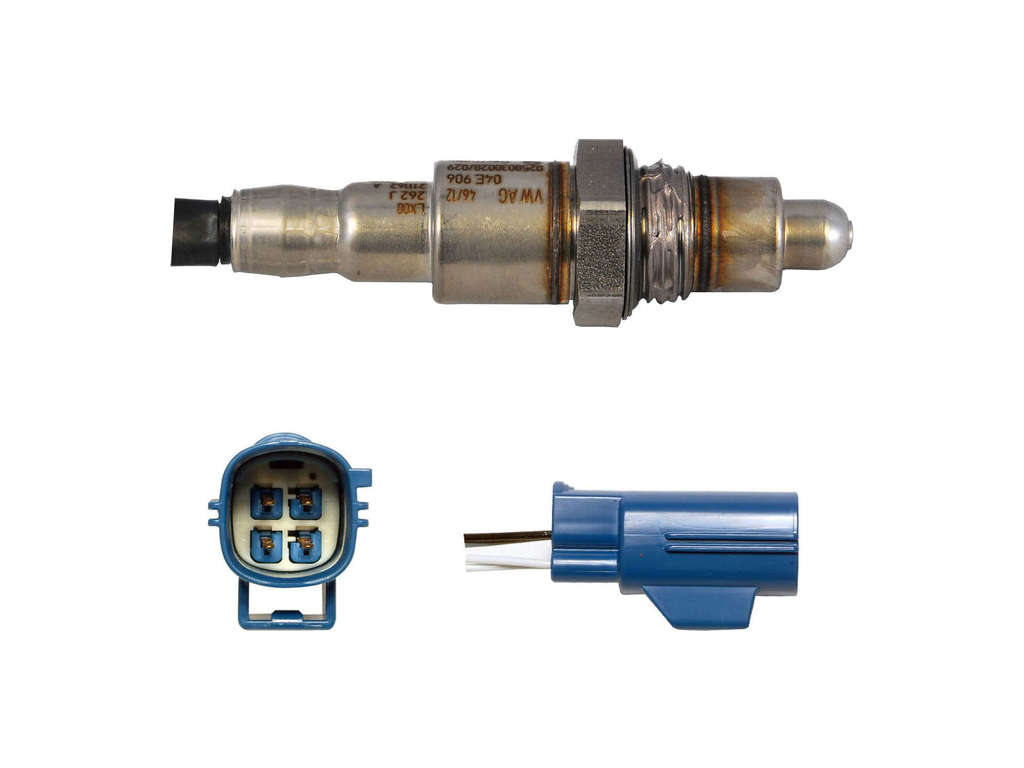
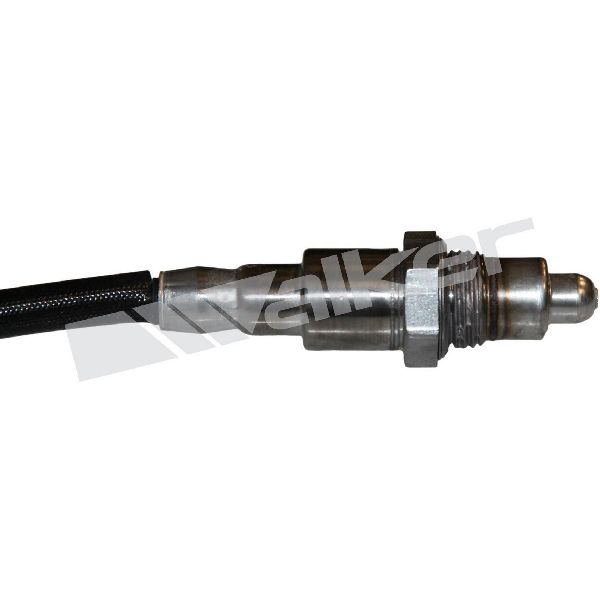
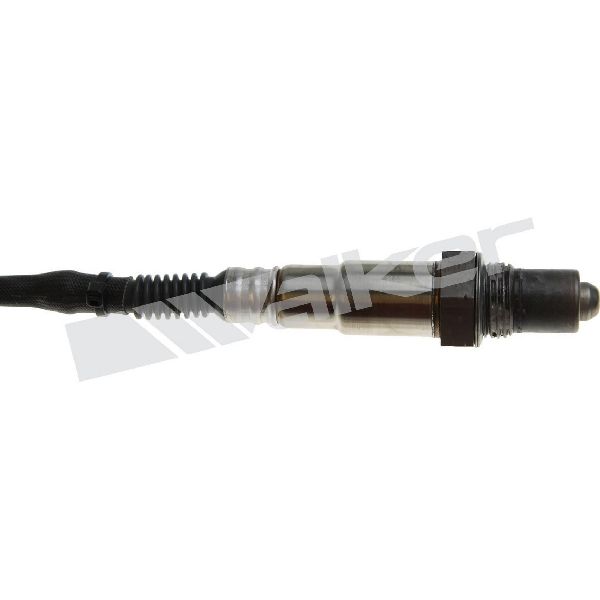
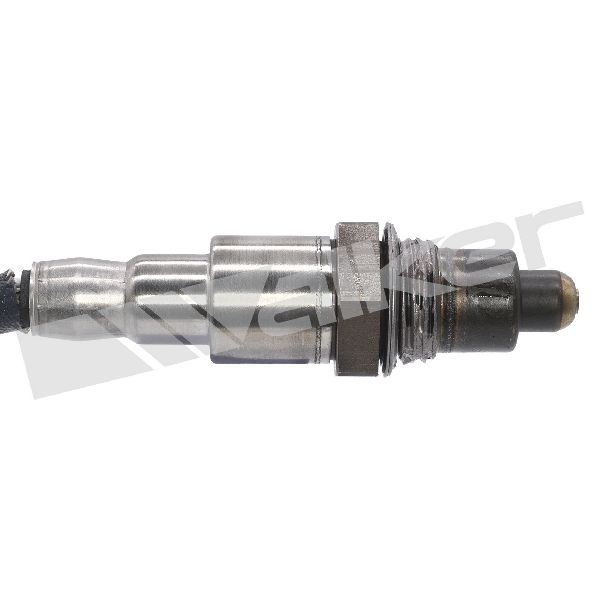
- Oxygen Sensor (Bank 1, Sensor 3)
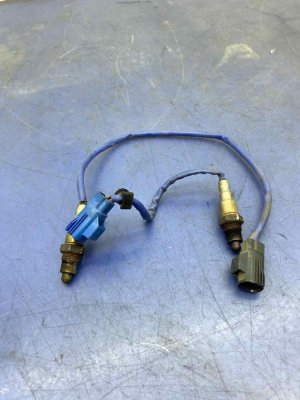
(OEM #C2D54165)— This is the component identified by the code P0055. Its internal heater element is the most common point of failure. One owner confirmed the original part was Bosch and a direct replacement from Bosch cost $76 versus over $300 from the dealer.
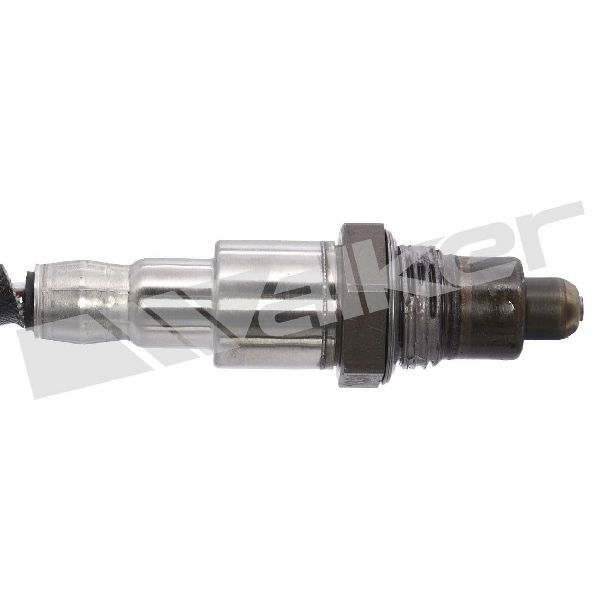
Trusted brands: Bosch (Often the OEM supplier), Denso, NGK/NTK, Walker
OEM price range: $200 - $650
Aftermarket price range: $70 - $150
Related Codes That Often Appear With This One
- P0142 — This code indicates a fault in the sensor circuit for Bank 1, Sensor 3. It often appears with P0055 because a failed heater element (P0055) can affect the sensor's overall circuit performance. A user on ftypeforums.com reported getting P0042 and P0142 together for a failed Bank 1, Sensor 3.
- P0042 — This is a similar heater control circuit code, but for Bank 1, Sensor 3. It can be triggered along with P0055 if the sensor failure is comprehensive.
- P0061 — This is the identical heater resistance fault code but for the opposite bank (Bank 2, Sensor 3). It is listed alongside P0055 in Jaguar's diagnostic documentation, indicating a similar failure mode can occur on the driver's side sensor.
- P0036 — This code points to a fault in the heater control circuit for Bank 1, Sensor 2 (the middle sensor). It is listed alongside P0055 in Jaguar's TSBs, suggesting a related pattern of failure across the post-catalyst sensors.
Technical Service Bulletins (TSBs) & Recalls
- SSM72477: A general service message that lists P0055 among a wide array of HO2S codes, indicating a known pattern of sensor faults across pre, mid, and post-catalyst positions.
- JTB-00392-NAS-3: The most critical TSB for this issue. It states that a software error can cause P0055 and other codes. The prescribed action is to replace the failed sensor(s) and then update the PCM software to prevent recurrence.
- JTB00392NAS1: An earlier version of the above TSB, also identifying P0055 as part of a group of codes potentially caused by a software issue requiring sensor replacement and a PCM update.
Platform-Specific Known Issues
- Jaguar TSB JTB-00392-NAS-3 specifically addresses a list of HO2S codes, including P0055, on the F-TYPE and its platform mates. The bulletin states the cause may be a 'post-catalyst heated oxygen sensor (HO2S) software error'. The official service instruction is to replace the specific sensor identified by the DTC and then update the Powertrain Control Module (PCM) software. This is a critical step, as failing to update the software may cause the fault code to return even with a new sensor. A dealer service record for a similar repair confirms this procedure: 'REPLACED 02 SENSOR, UPDATED PCM... AND CLEARED CODES'.
Mechanic-Grade Diagnostic Values
- O2 Sensor Heater Element Resistance (cold) — expected: Between 3 and 25 Ohms. A Bosch LSF4 sensor, often used in these applications, has a target cold resistance of around 9 Ohms.. Failure: A reading of 'OL' (Open Loop/infinite resistance) or near zero Ohms indicates a failed heater element.
- Voltage at Heater Circuit Harness Connector — expected: Approximately 12.6V (battery voltage) with the ignition on, engine off.. Failure: Significantly lower or no voltage suggests a problem with the fuse, relay, or wiring supplying power to the sensor, not the sensor itself.
Scan Tool Commands That Help
- Jaguar SDD (Symptom Driven Diagnostics) / Pathfinder: Datalogger or Live Data for HO2S Heater Circuit — After confirming the P0055 code, a technician can use the Jaguar-specific software to monitor the heater circuit's commanded state (On/Off) and the feedback voltage in real-time. This helps differentiate between a sensor that isn't responding and a PCM that isn't commanding the heater to turn on. The software is also required to perform the PCM update mentioned in TSB JTB-00392-NAS-3.
Wiring & Ground Locations
- Bank 1, Sensor 3 Connector — On the passenger side (Bank 1), Sensor 3 is the rearmost sensor in the exhaust pipe. Its electrical connector is typically located on a bracket attached to the transmission housing, often distinguished by a specific color (e.g., gray or black).. This is the primary point for electrical testing. You disconnect it to measure resistance on the sensor side and check for voltage/ground on the harness side.
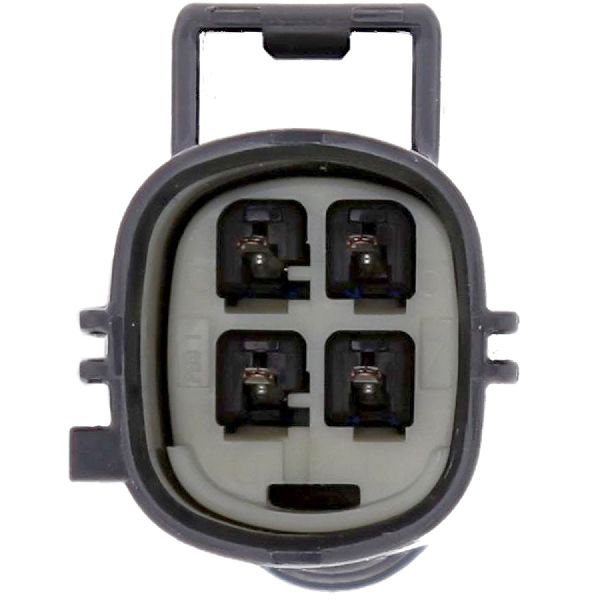
- Heater Circuit Wires — Within the 4-wire connector for the O2 sensor, the two wires for the heater circuit are typically the same color (e.g., two white wires or two black wires).. These are the specific pins that must be probed with a multimeter to test the heater element's resistance. Probing the wrong wires will test the sensor signal circuit, which is not what P0055 relates to.
- Fuse F11 - Engine Junction Box — Located in the fuse box in the engine compartment. It is typically a 15A blue fuse.. This fuse supplies power to the oxygen sensor heater circuits. If it's blown, none of the heaters will work, and multiple heater codes may be present. A blown fuse often indicates a short circuit in one of the sensors or its wiring.
Real Owner Repair Stories
- YouTube user 'Jaguar F Type Oxygen Sensor DIY Replacement!' (Jaguar F-TYPE V8) — Check Engine Light with a code for Bank 1, Sensor 2 (mid-pipe sensor in his case, but the diagnostic process is identical for Sensor 3).
❌ Tried (didn't work) The user went straight to diagnosis and replacement, no other failed attempts were mentioned.
✅ What actually fixed it The user identified the correct sensor (Bank 1, Sensor 2) and noted the extreme price difference between the Jaguar dealer part (~$300) and the OEM Bosch part (~$76). He replaced the sensor himself, which resolved the check engine light. The video clearly shows the location of all three sensors on Bank 1, identifying Sensor 3 as the rearmost one around the bend of the exhaust.
OEM Part Supersession History
C2D27350, C2D24757→C2D54165— Part number consolidation and potential minor revisions by the manufacturer. The function and fitment remain the same for the specified vehicle range.
Heads up: While multiple part numbers exist, C2D54165 is the latest revision for the Bank 1, Sensor 3 position on these models. It is crucial to verify fitment with a VIN, but this part is listed for the rear/lower position on the right side (Bank 1).
Helpful Videos
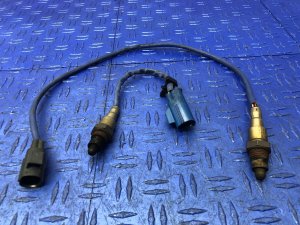
Used OEM Parts in Stock
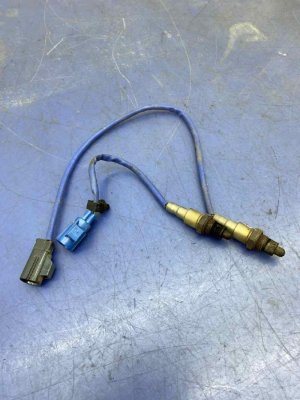
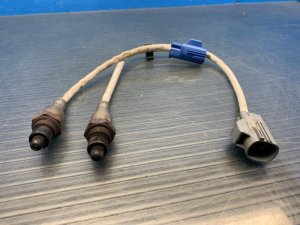
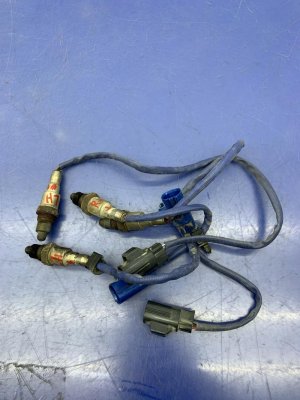
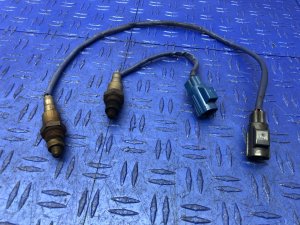
New Aftermarket Parts Available

The information in this article is provided for general reference and educational purposes only. Vehicle specifications, procedures, and part compatibility can vary by production date, trim level, and region. Always consult your vehicle's factory service manual and verify part numbers before purchasing or performing repairs. Safety-critical components such as airbags, seat belts, and braking systems should be installed by a qualified professional.
- Jaguar F-TYPE:
- 🎬 Helpful Videos
- 🛍️ Shop This Part
- What's Unique About the 2014-2016 Jaguar F-TYPE
- Diagnostic Flowchart
- Symptoms You May Notice
- Most Likely Causes
- Rare But Worth Checking
- Diagnosis Steps
- Parts You'll Likely Need
- Related Codes That Often Appear With This One
- Technical Service Bulletins (TSBs) & Recalls
- Platform-Specific Known Issues
- Mechanic-Grade Diagnostic Values
- Scan Tool Commands That Help
- Wiring & Ground Locations
- Real Owner Repair Stories
- OEM Part Supersession History
- 🎟️ Get 5% Off