

P0054 on 2013-2016 Jaguar XF: Causes and Fixes for O2 Sensor Heater Resistance
P0054 indicates a fault in the heater circuit of the Bank 1, Sensor 2 oxygen sensor (the downstream sensor on the passenger side). The most common fix is replacing the sensor itself. However, a Jaguar Technical Service Bulletin suggests a software update to the engine computer could be the real solution for V6 and V8 models, so this should be investigated before buying parts. Wiring damage near the hot exhaust is another common culprit.
- P0054 points to a problem with the heater in the downstream oxygen sensor on the passenger side.
- Before replacing the sensor, check for a blown fuse and meticulously inspect the wiring for any heat damage or corrosion, as this is a common failure point.
- Crucially, for V6/V8 models, ask a Jaguar dealer or specialist if your vehicle needs an ECM software update as specified in TSB JTB-00392-NAS-3, as this could be the actual fix.
- If the sensor does need replacement, it is a DIY-friendly job for those with basic tools, but be sure to verify the correct OEM part number (e.g., C2D54165 for the 3.0L V6) for your specific vehicle.
What's Unique About the 2013-2016 Jaguar XF
While a faulty oxygen sensor is a common cause for P0054 on any vehicle, Jaguar has issued Technical Service Bulletins (TSBs) for this specific issue on V6 and V8 models. Notably, TSB JTB-00392-NAS-3 indicates that for a list of codes including P0054, the correct fix may be a software update to the Engine Control Module (ECM), not a hardware replacement. The bulletin suggests a software error can incorrectly flag a resistance fault. This makes it crucial to rule out a software issue with a dealer or specialist before spending money on a new sensor that may not solve the problem.
Diagnostic Flowchart
Tap your situation to follow the diagnostic path that matches what you're seeing on this vehicle.
Generation note: This year range covers two generations of the Jaguar XF: the end of the first generation (X250, 2013-2015) and the start of the second (X260, 2016). While the meaning of the code and the TSBs apply to both, the specific oxygen sensor part numbers may differ between generations and engines. The TSB JTB-00392-NAS-3 specifically covers 2013-2015 XF models with the 3.0L V6 and 5.0L V8 engines.
Symptoms You May Notice
- Check Engine Light is on
- Potential for failing an emissions test
- Slightly increased fuel consumption, especially on short trips
- Brief rough idle or hesitation immediately after a cold start
- Possible rich fuel smell on startup
- Replacing the oxygen sensor when the actual fault is an outdated software calibration in the Engine Control Module (ECM). The code may return until the ECM is updated per TSB JTB-00392-NAS-3.
- Replacing the oxygen sensor when the fault is simply a damaged wire or connector leading to it. A thorough visual inspection of the harness is critical.
Most Likely Causes
- Faulty Bank 1, Sensor 2 Oxygen Sensor 🔴 High Probability The internal heater element in oxygen sensors is a common failure point across all makes and models due to constant, extreme heat cycles and exposure to exhaust contaminants. Some TSBs also note that thermal shock from water contacting the hot sensor can cause failure.
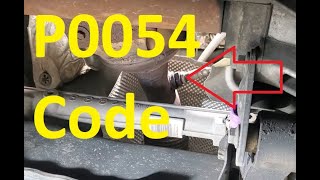
How to confirm: After confirming wiring and fuses are good, disconnect the sensor and measure the resistance across the two heater circuit pins (often the two same-colored wires) with a multimeter. A typical healthy sensor will have a resistance between 4-20 Ohms when cold. An infinite reading (open circuit) or near-zero reading (short circuit) confirms the sensor is bad. 🎬 Watch: A guide to diagnosing P0054 heater resistance faults.
Typical fix: Replace the Bank 1, Sensor 2 oxygen sensor.
Est. part cost: $70-$250 - Engine Control Module (ECM) Software Issue 🟡 Medium Probability Jaguar issued TSB #JTB-00392-NAS-3, which states that various HO2S codes, including P0054, may be falsely triggered by a software error on 2013-2015 V6 and V8 models.
How to confirm: A Jaguar dealership or a qualified independent shop with access to Jaguar's diagnostic software (like SDD or Pathfinder) can check the current software version against the version recommended in the TSB. This is the only way to confirm if the update is needed.
Typical fix: Reprogram or 'reflash' the ECM with the latest software version. The TSB notes that if other HO2S codes are present, the sensor may need to be replaced *before* the software update is performed.
Est. part cost: $0 (if under warranty/service action) or $150-$300 for a dealer reflash. - Damaged Wiring or Connector 🟡 Medium Probability The oxygen sensor wiring is routed near the hot exhaust system and under the vehicle, making it susceptible to melting, chafing, or physical damage from road debris. This is a very common point of failure.
How to confirm: Visually inspect the entire wiring harness and connector leading to the sensor for any signs of melting, breaks, corrosion, or unsecured routing. Perform a continuity test on the heater circuit wires from the ECM to the sensor connector to find hidden breaks.
Typical fix: Repair the damaged section of the wiring harness or clean/replace the connector. Ensure the repaired harness is properly secured away from the exhaust.
Est. part cost: $10-$50 - Blown Fuse for O2 Heater Circuit ⚪ Low Probability
How to confirm: Locate the fuse for the oxygen sensor heaters in the vehicle's fuse box (consult the owner's manual for location). Visually inspect the fuse or test it with a multimeter to see if it has blown.
Typical fix: Replace the blown fuse. If the new fuse blows immediately, it indicates a short circuit in the wiring that must be found and repaired.
Est. part cost: $1-$5
Rare But Worth Checking
- Faulty Powertrain Control Module (PCM): This is very rare. The internal driver circuit in the PCM that powers the heater can fail, but this should only be considered after all other possibilities (sensor, wiring, fuses, and software updates) have been exhaustively ruled out.
Diagnosis Steps
- Read the code with an OBD-II scanner to confirm P0054 is present.
- Contact a Jaguar dealer with your VIN to check for open service actions or determine if TSB JTB-00392-NAS-3 applies to your vehicle. This can save significant diagnostic time.
- Visually inspect the Bank 1, Sensor 2 oxygen sensor's wiring harness and connector. Look for any signs of melting, chafing, corrosion, or damage from road debris. Ensure it is secured away from the exhaust pipes.
- Locate and check the fuse for the O2 sensor heater circuit. Replace if blown.
- If the wiring and fuse are okay, disconnect the sensor. Use a multimeter to measure the resistance of the heater circuit on the sensor side. A reading outside the typical 4-20 Ohm range (e.g., open circuit or shorted) indicates a bad sensor.
- If the sensor resistance is within spec, check for 12V power and a good ground at the vehicle-side connector with the key on (engine off). Power should be present for a short time after key-on.
- If power or ground is missing, trace the wiring back to the PCM to find the break or short circuit.
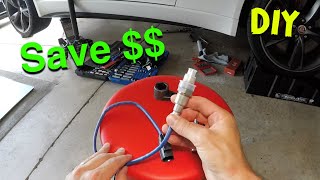
- If the sensor, wiring, and fuse all test good, the issue is almost certainly the ECM software calibration, requiring a reflash by a dealer 🎬 See this DIY walkthrough for replacing a Jaguar oxygen sensor. or specialist per the TSB.
Parts You'll Likely Need
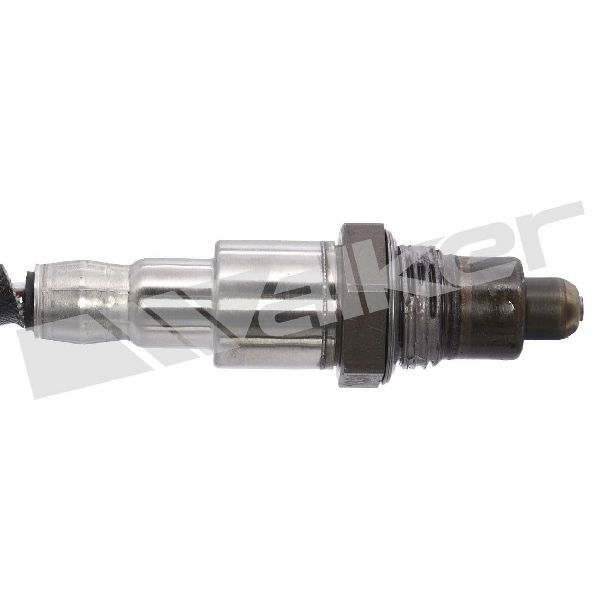
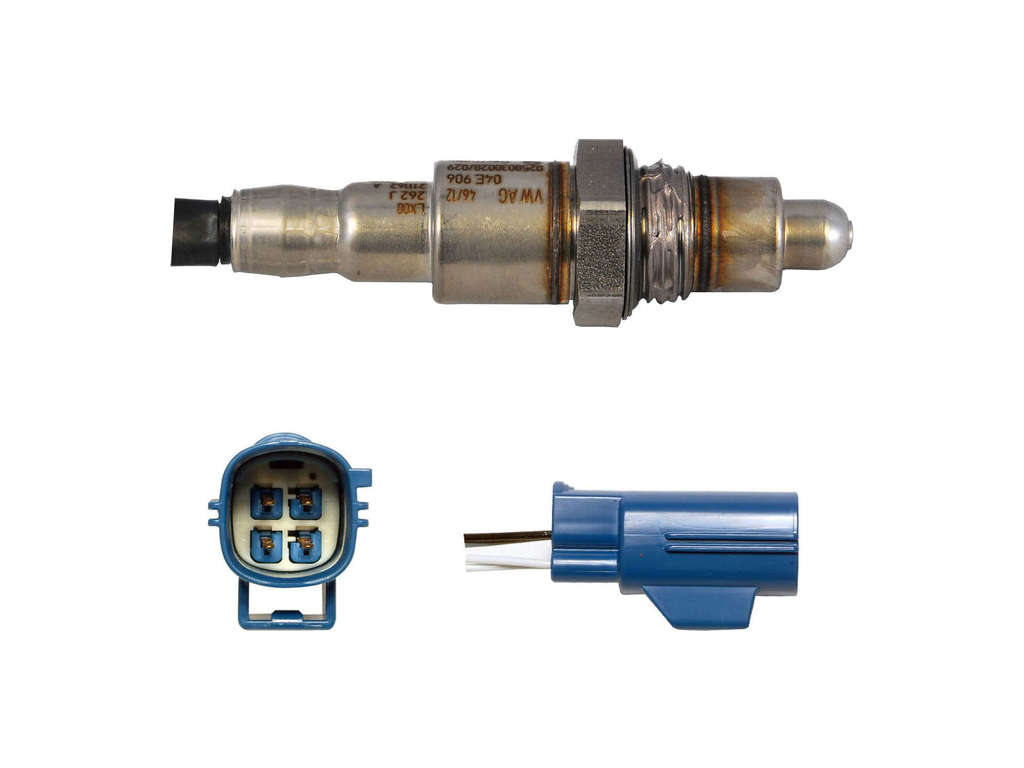
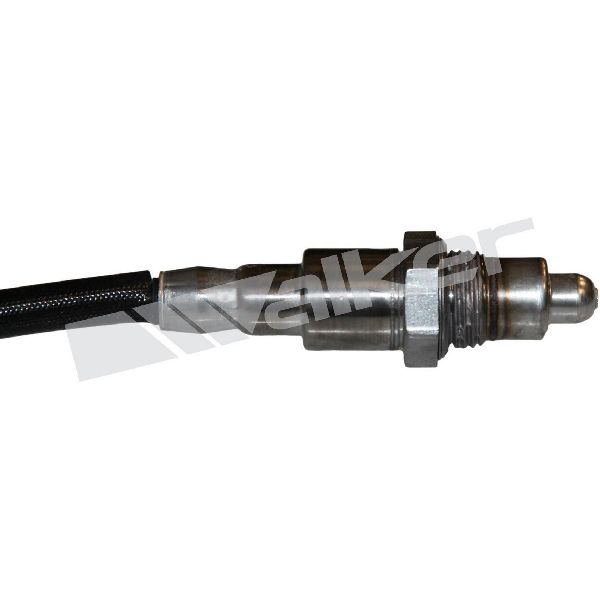
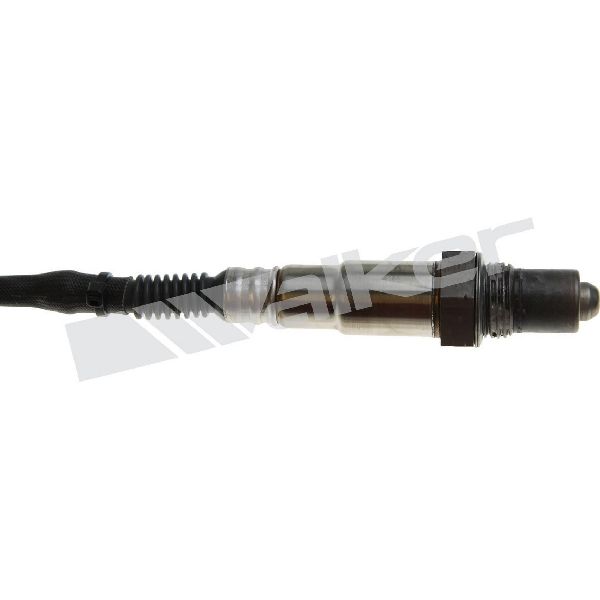
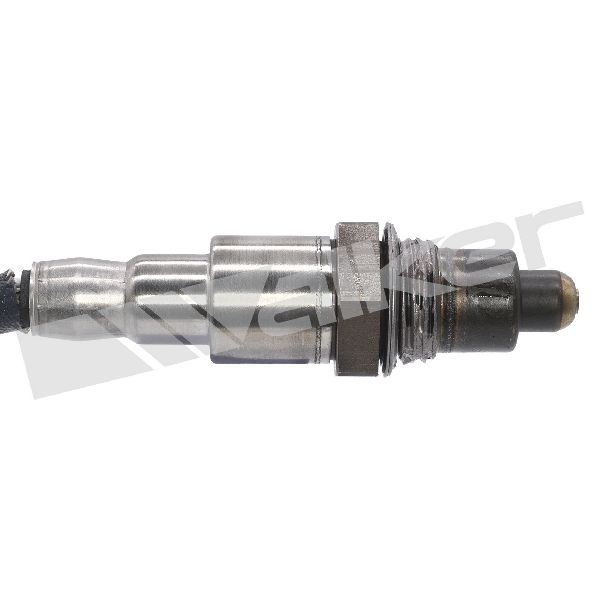
- Bank 1 Sensor 2 Oxygen Sensor
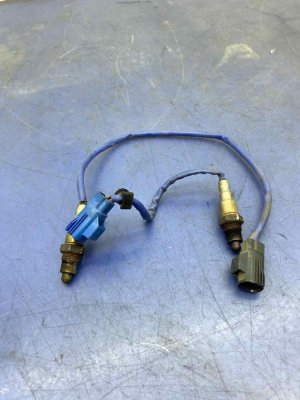
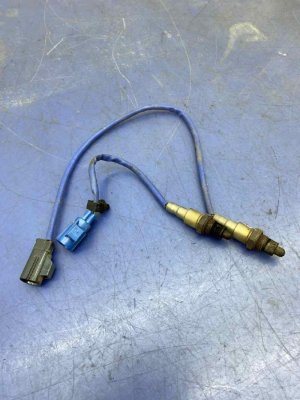
(OEM #C2D54165 (for 3.0L V6, supersedes C2D24757, C2D27350))— This is the most common hardware failure for code P0054. The internal heater element burns out, requiring the replacement of the entire sensor assembly. 🎬 Watch: How to replace an oxygen sensor on a Jaguar XF.
Trusted brands: Bosch (OEM supplier), Denso, NGK, Walker
OEM price range: $180-$300
Aftermarket price range: $60-$150
Technical Service Bulletins (TSBs) & Recalls
- JTB-00392-NAS-3: States that for 2013-2015 XF, XJ, and F-Type models with 3.0L or 5.0L engines, a list of HO2S codes including P0054 may be caused by a software error and fixed by a PCM update.
- SSM72477: A general service message from 2015 grouping P0054 with many other O2 sensor codes, noting an investigation into sensor faults on 2015-2016 models where no wiring fault is found. This preceded the software update TSB.
Platform-Specific Known Issues
- Jaguar issued Technical Service Bulletin JTB-00392-NAS-3, which applies to 2013-2015 models with the 3.0L V6 and 5.0L V8 engines. It notes that for a list of HO2S codes, including P0054, the solution may be to update the Engine Control Module (ECM) software because of a calibration error, rather than replacing any parts.
- A forum user on jaguarforums.com highlighted the significant confusion around part numbers for these sensors, with different suppliers listing different parts for left/right or using universal-fit components, making it crucial to verify the correct part for your specific VIN and engine.
Mechanic-Grade Diagnostic Values
- O2 Sensor Heater Element Resistance — expected: 4 to 20 Ohms when measured cold across the two heater circuit pins (often same-colored wires).. Failure: An infinite resistance (Open Loop/OL) or near-zero resistance (short circuit) reading indicates a failed heater element.
- Voltage Supply at Harness Connector — expected: 11V - 14V (battery voltage) with the ignition on, engine off, measured at the power supply pin of the vehicle-side harness connector.. Failure: Voltage below 9V or no voltage points to a problem with the fuse, relay, or power supply wiring.
- Engine Grounding Strap Voltage Drop — expected: Well under 0.5V (500mV) while cranking the engine.. Failure: A reading higher than 0.5V indicates a poor ground connection that needs to be cleaned or repaired.
Scan Tool Commands That Help
- Jaguar SDD (Symptom Driven Diagnostics): Unrelated Events / Recommendations — After an initial scan, the SDD software may not immediately link a DTC to your stated symptom. Checking 'Unrelated Events' can reveal underlying codes. The 'Recommendations' tab can also point to relevant TSBs, such as the software update for P0054, which might be missed otherwise.
- Jaguar SDD (Symptom Driven Diagnostics): Vehicle Reset — After performing a repair, such as replacing a sensor or updating software, a 'Vehicle Reset' should be performed to clear control module adaptations and ensure the system recognizes the new component or calibration correctly.
Wiring & Ground Locations
- G1D131 — A cluster of ground points on the right (passenger) side of the engine compartment.. The Bank 1 O2 sensor is on the right side of the vehicle. A poor or corroded ground connection at this specific cluster could cause a variety of electrical issues on this bank, including heater circuit faults like P0054.
- Main Engine Grounding Strap — Located directly under the starter on the right side lower frame of the car, connecting the frame to the engine/transmission.. While not specific to the O2 sensor circuit, a poor main engine ground can cause a host of electrical issues, including incorrect sensor readings and voltage drops. Performing a voltage drop test on this ground is a good practice when diagnosing any electrical fault.
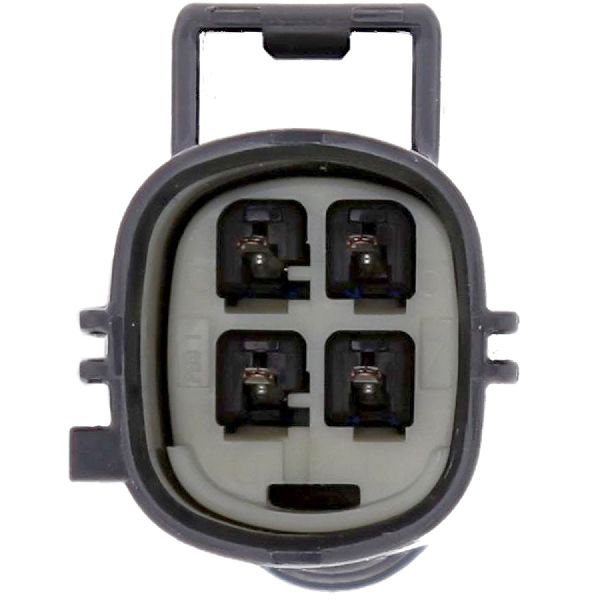
- O2 Sensor Heater Wires — Within the 4-wire sensor connector, the two wires for the heater circuit are typically the same color (e.g., two black wires or two white wires).. Correctly identifying these two wires is essential for performing a resistance test on the sensor's heater element. The other two mismatched wires are for the sensor signal and ground.
Real Owner Repair Stories
- JaguarForums.com user (Jaguar X-Type (similar O2 sensor system)) — Check Engine Light with code P0037 (HO2S Heater Control Circuit Low Bank 1 Sensor 2)
❌ Tried (didn't work) Multiple diagnostic attempts that did not resolve the issue.
✅ What actually fixed it The final fix was cleaning light corrosion off the fuse pins for the O2 sensor circuit. This highlights the system's sensitivity to minor voltage drops that can be caused by corrosion, even if the fuse itself is not blown.
Model Year Variations Within This Range
- 2013-2015: Models in this range with the 3.0L V6 or 5.0L V8 are specifically called out in TSB JTB-00392-NAS-3 as potentially needing an ECM software update to resolve P0054 and other related codes, whereas this is not the primary documented fix for the 2016+ models.
Helpful Videos

Used OEM Parts in Stock
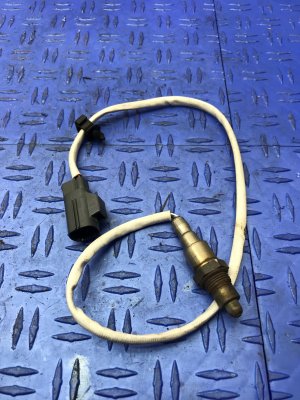
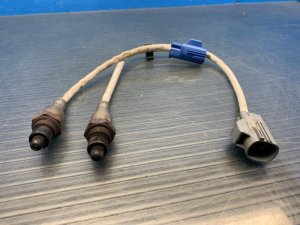
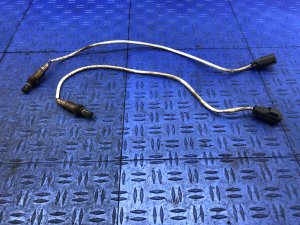
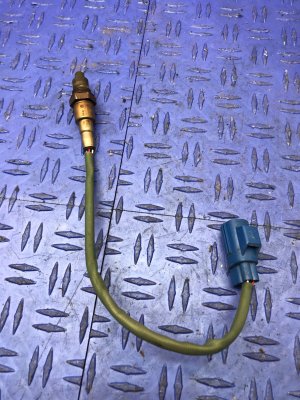
New Aftermarket Parts Available

The information in this article is provided for general reference and educational purposes only. Vehicle specifications, procedures, and part compatibility can vary by production date, trim level, and region. Always consult your vehicle's factory service manual and verify part numbers before purchasing or performing repairs. Safety-critical components such as airbags, seat belts, and braking systems should be installed by a qualified professional.
- Jaguar XF:
- 🎬 Helpful Videos
- 🛍️ Shop This Part
- What's Unique About the 2013-2016 Jaguar XF
- Diagnostic Flowchart
- Symptoms You May Notice
- Most Likely Causes
- Rare But Worth Checking
- Diagnosis Steps
- Parts You'll Likely Need
- Technical Service Bulletins (TSBs) & Recalls
- Platform-Specific Known Issues
- Mechanic-Grade Diagnostic Values
- Scan Tool Commands That Help
- Wiring & Ground Locations
- Real Owner Repair Stories
- Model Year Variations Within This Range
- 🎟️ Get 5% Off