

P0038 on 2013-2016 Jaguar XJ: HO2S Heater Control Circuit High (Bank 1 Sensor 2) Causes and Fixes
This code indicates a high voltage problem in the heater circuit of the downstream oxygen sensor on Bank 1. The most common cause is a failed oxygen sensor. Expect to pay between $70-$120 for an aftermarket sensor and $260-$490 for an OEM part. Replacement is a manageable DIY job for many owners.
- P0038 means the heater in your Bank 1, Sensor 2 (right side, after the catalytic converter) oxygen sensor has an electrical fault.
- The most likely fix is to replace the oxygen sensor itself, preferably with an OEM Denso or reputable Bosch part.
- Before buying parts, perform a quick visual inspection of the sensor's wiring to check for obvious melting or damage, as this is another common cause.
- This is a DIY-friendly repair for those comfortable working under the car. An O2 sensor socket is recommended.
- Be aware that Jaguar has issued software updates to address O2 sensor codes, so if a new sensor and good wiring don't fix the issue, a dealer visit for a PCM update may be necessary.
What's Unique About the 2013-2016 Jaguar XJ
On the 2013-2016 Jaguar XJ (X351 generation), this code is often a straightforward sensor failure. However, Jaguar has issued several Technical Service Bulletins (TSBs) that group P0038 with a wide range of other oxygen sensor codes. [SSM72477, JTB-00392-NAS-3, 33] This suggests that while a single sensor failure is most likely, there can be underlying wiring or software issues that affect the broader HO2S system. In some cases, a PCM software update is required to resolve sensor performance-related DTCs, as noted in service actions like H231. Owners should be aware that a simple sensor swap might not always be the final fix, though it is the most common one.
Diagnostic Flowchart
Tap your situation to follow the diagnostic path that matches what you're seeing on this vehicle.
Symptoms You May Notice
- Check Engine Light (Malfunction Indicator Lamp) is on.
- Decreased fuel economy, potentially by 5-10%.
- Possible rough idle, especially during the warm-up phase before the sensor reaches operating temperature.
- Failing a vehicle emissions test.
- In rare cases, a rich-running condition could lead to black exhaust smoke.
- Replacing the wrong oxygen sensor. Bank 1 is the side with cylinder #1 (the right/passenger side on a Jaguar V6/V8 in North America). Sensor 2 is the downstream sensor, located after the catalytic converter.
- Replacing the catalytic converter. While O2 sensor codes can be related to converter issues, P0038 specifically points to the sensor's heater circuit, not the converter's efficiency.
- Using a cheap, generic oxygen sensor. Owners and mechanics on forums frequently report that using non-OEM or low-quality sensors can lead to persistent codes or new issues. Sticking with Denso (OEM) or Bosch is a common recommendation.
Most Likely Causes
- Failed Bank 1, Sensor 2 Oxygen Sensor 🔴 High Probability Oxygen sensors are wear-and-tear items with a finite lifespan, typically around 75,000-100,000 miles. The internal heater element is often the first part to fail, either by burning out (open circuit) or shorting internally, which can cause the high voltage reading seen in P0038.
How to confirm: Disconnect the sensor and measure the resistance across the two heater circuit pins using a multimeter. A normal reading is typically between 2 and 40 ohms (check manufacturer specs). An infinite resistance reading (OL) indicates a broken heater element, while a reading of 0 ohms indicates a short. Both confirm the sensor has failed.
Typical fix: Replace the Bank 1, Sensor 2 (downstream, right side) oxygen sensor. It is highly recommended to use OEM (Denso is the original manufacturer for Jaguar) or high-quality aftermarket brands like Bosch or NTK to avoid compatibility issues.
Est. part cost: $70-$490 - Wiring or Connector Damage 🟡 Medium Probability The oxygen sensor wiring is routed near the hot exhaust system. Over time, the protective loom can become brittle, and wires can melt or chafe, causing a short circuit to power which results in a 'high voltage' reading. Water intrusion into the connector can also cause corrosion and short circuits.
How to confirm: Visually inspect the wiring harness leading to the sensor for any signs of melting, chafing, or corrosion on the connector pins. With the key on and engine off, use a multimeter to check for 12V power at the heater circuit pin in the connector. Also, check the ground circuit for integrity.
Typical fix: Repair the damaged section of the wiring harness using heat-shrink connectors and secure it away from the exhaust. Clean or replace the connector if corroded.
Est. part cost: $5-$50 - Blown Fuse or Faulty Relay ⚪ Low Probability
How to confirm: Locate the fuse for the oxygen sensor heater circuit in your vehicle's fuse box (often in the engine bay). Visually inspect the fuse to see if it is blown. On some Jaguar XJ models, this may be Fuse F38 (15A) in the Engine Junction Fuse Box. If a fuse is blown, it often indicates an underlying short circuit in the wiring or the sensor itself that must be addressed before replacing the fuse.
Typical fix: Replace the blown fuse after diagnosing and fixing the underlying short circuit.
Est. part cost: $1-$10
Rare But Worth Checking
- Powertrain Control Module (PCM) Fault: This is very uncommon. Before suspecting the PCM, all other possibilities, including the sensor and its entire circuit, must be exhaustively tested. A faulty PCM driver can send incorrect voltage to the heater circuit. Some Jaguar service actions point to PCM software updates as a fix for O2 sensor performance codes.
Diagnosis Steps
- Read the code with an OBD-II scanner to confirm P0038 is present.
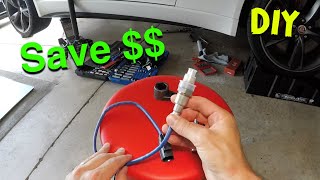
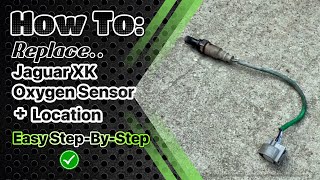
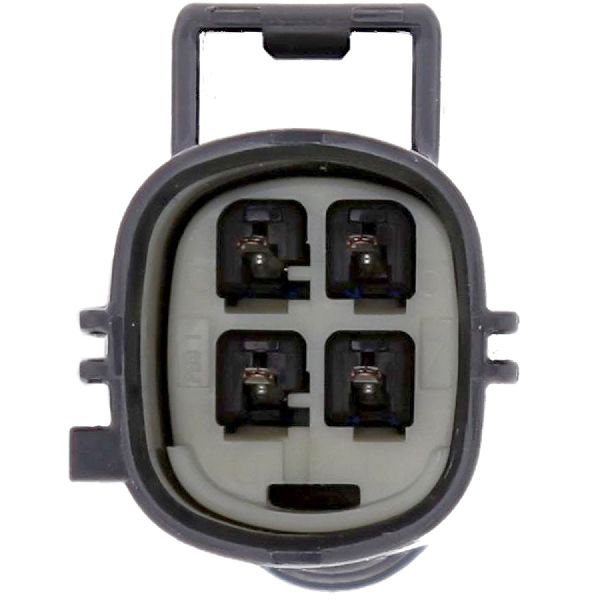
- Visually inspect the Bank 1, Sensor 2 (right side, post-catalyst) oxygen sensor and its wiring harness. Look for any signs of melting, frayed wires, or loose connections. The connectors are often gray or black; follow the correct one from the sensor. 🎬 See this video for help locating and swapping the sensors.
- Disconnect the sensor's electrical connector. Inspect for corrosion, moisture, or damaged pins.
- With the ignition on and engine off, use a multimeter to test for 12-volt power on the heater circuit supply wire at the connector.
- Check for a good ground on the heater circuit ground wire at the connector. A lack of proper ground can cause issues.
- If power and ground are present, test the resistance of the heater element within the oxygen sensor itself. A normal reading is typically between 2 and 40 ohms. A reading of infinite ohms (OL) means the circuit is open, and 0 ohms means it is shorted. In either case, the sensor must be replaced.
- If the sensor tests good but power is missing, check the associated fuse and relay for the O2 heater circuit. For the XJ, check Fuse F38 (15A) in the Engine Junction Box.
- If all tests pass and the code returns after clearing, check for any available PCM software updates by referencing TSBs like H231 or contacting a dealer.
- If all other possibilities are exhausted, a more advanced diagnosis of the PCM may be required.
Parts You'll Likely Need
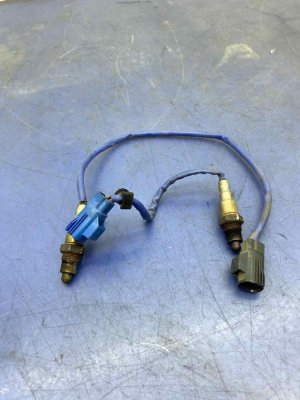
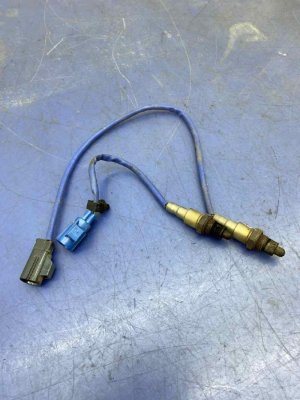
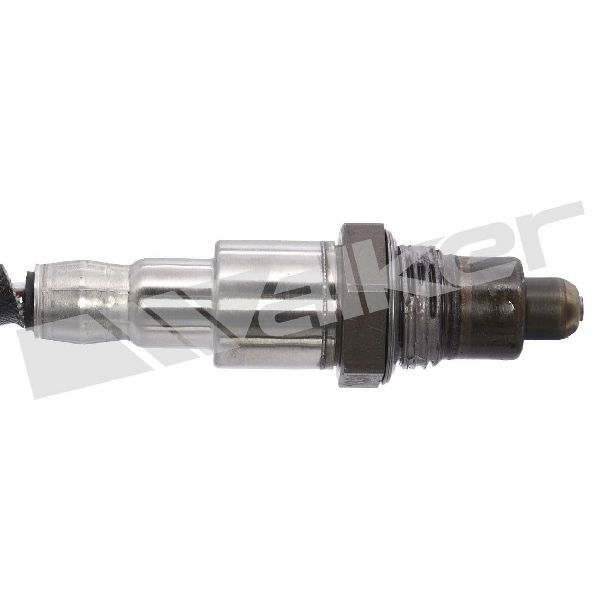
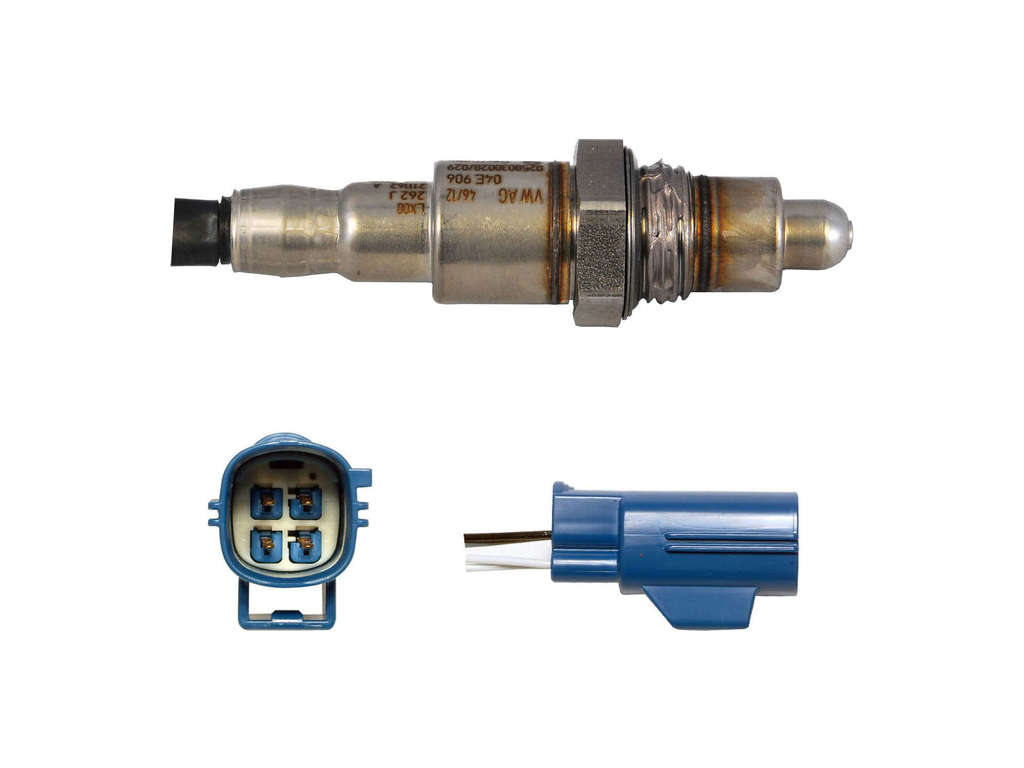
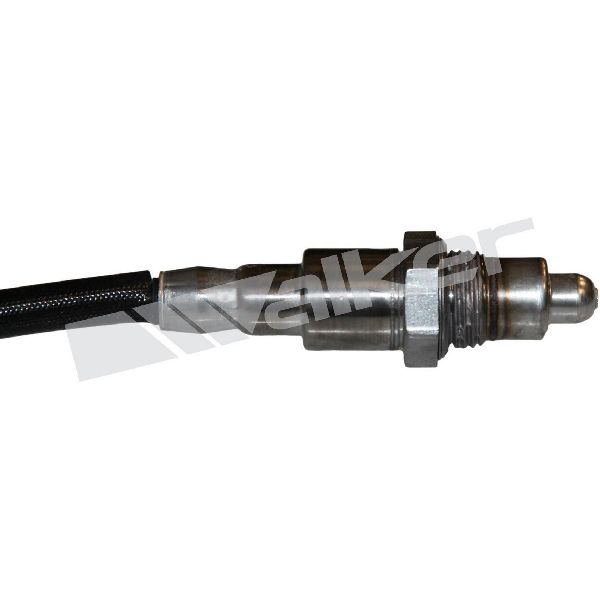
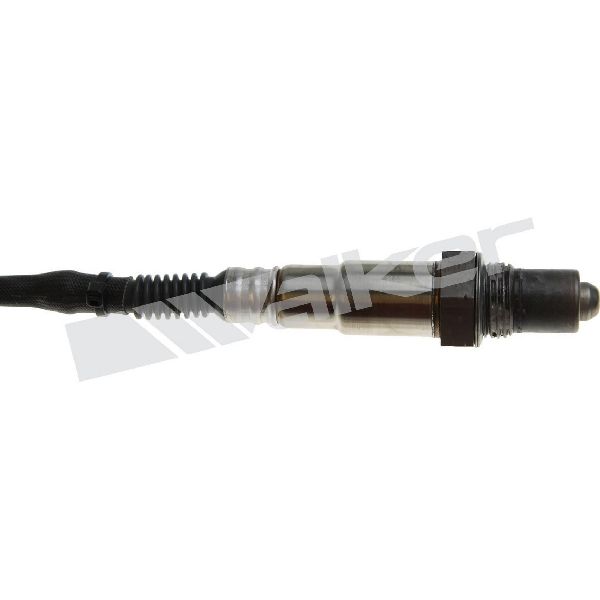
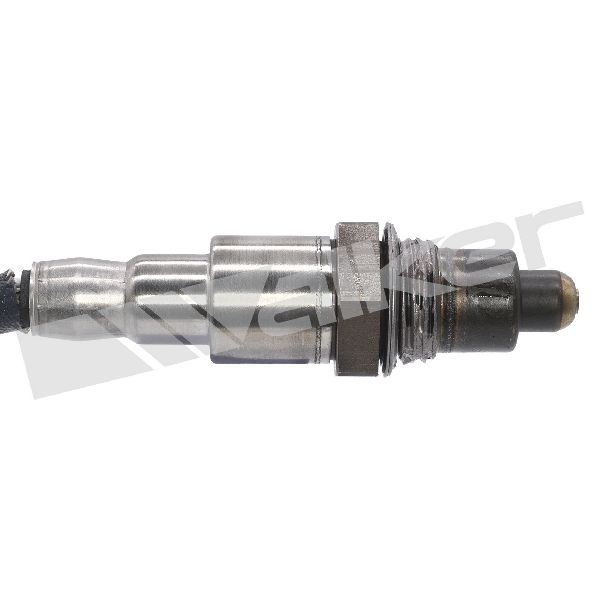
- Bank 1 Sensor 2 Oxygen Sensor (Downstream Right)
(OEM #C2D23703, T2R54607)— This is the component directly identified by the trouble code, and its internal heater element is the most common failure point.
Trusted brands: Denso (OEM), Bosch, NTK/NGK, Walker Products
OEM price range: $260-$490
Aftermarket price range: $70-$120
Technical Service Bulletins (TSBs) & Recalls
- SSM72477: Mentions P0038 in a list of faults related to pre, mid, or post catalyst heated oxygen sensors.
- JTB-00392-NAS-3: Groups P0038 with other DTCs relevant to mid-catalyst and post-catalyst heated oxygen sensors, recommending a PCM software update as part of the service instruction.
- JTB00392NAS1: Similar to the above, lists P0038 in the context of mid and post-catalyst HO2S codes.
- H231NAS: A service action for related platforms indicating that O2 sensor performance codes could be resolved with a PCM software update, with no parts required.
Platform-Specific Known Issues
- Jaguar has issued multiple Technical Service Bulletins (TSBs) including #SSM72477, #JTB-00392-NAS-3, and #JTB00392NAS1, which list P0038 among a large group of other heated oxygen sensor (HO2S) codes. This indicates a known pattern of faults within the exhaust sensor system on these vehicles.
- Service Action H231 was issued for some Jaguar vehicles, including the F-Type (which shares engines with the XJ), 🎬 Watch: This F-Type DIY shows the sensor replacement process. to address O2 sensor performance-related DTCs by updating the Powertrain Control Module (PCM) software. This suggests some instances of P0038 may be software-related rather than a hardware failure.
- On the 5.0L V8, there are three sensors per bank (six total): upstream, mid-catalyst, and downstream. P0038 refers specifically to the final downstream sensor (Sensor 2).
Mechanic-Grade Diagnostic Values
- O2 Sensor Heater Element Resistance — expected: Approximately 2.8 to 9.0 Ohms at 68°F (20°C). Some general sources state a wider range of 2-40 Ohms is acceptable.. Failure: A reading of infinite resistance (OL) indicates an open circuit (broken heater), and a reading near 0 Ohms indicates a short circuit. Both require sensor replacement.
- Heater Circuit Voltage at Connector — expected: Approximately 12 Volts with ignition on, engine off.. Failure: Significantly less than 12V or 0V points to a problem with the power supply, fuse, or wiring, not the sensor itself.
Hidden / Shadow Codes Worth Checking
- Mode $06 Data: Mode $06 provides raw data from onboard diagnostic monitor tests. For oxygen sensors, this can include test results for heater circuit resistance and response time. However, interpreting this data requires manufacturer-specific Test IDs (TID) and Component IDs (CID). (see via Advanced OBD-II scanners like Torque App or AutoEnginuity can display Mode $06 data. However, Jaguar has not widely published the definitions for these TIDs/CIDs, making them difficult for DIY users to interpret accurately.)
Scan Tool Commands That Help
- Jaguar SDD (Symptom Driven Diagnostics): Actuation Test / Datalogger for HO2S Heater — A technician can use the SDD software to command the O2 sensor heater on and off while monitoring the voltage and current draw in the datalogger. This can definitively test the PCM's control circuit and the sensor's response, helping to distinguish between a wiring fault, a sensor failure, or a PCM driver issue without extensive manual probing.
Wiring & Ground Locations
- Engine/Chassis Ground Points — On aluminum-bodied Jaguars like the X351, ground points are critical. Key locations to inspect for corrosion include studs behind the headlight assemblies and in the front wheel wells. A poor ground can introduce electrical noise and resistance, potentially affecting sensor readings.. While not the direct ground for the O2 sensor heater circuit, poor main chassis or engine grounds can cause floating voltages and unpredictable electrical behavior throughout the vehicle, sometimes leading to erroneous sensor fault codes.
- Bank 1 Sensor 2 Connector — Follow the wiring from the oxygen sensor located on the right (passenger side in NA) exhaust pipe, after the catalytic converter. The connector will be mounted to the vehicle's underbody or a nearby bracket.. This is the primary point for testing. The heater circuit wires are typically the two wires of the same color (e.g., two black or two white wires). Here you can test for 12V power, ground integrity, and the sensor's internal resistance.
Real Owner Repair Stories
- Go-Parts article citing a repair story for the related P0037 code (2013-2016 Jaguar XJ) — Check Engine Light with code P0037 (Heater Control Circuit Low), which shares the same component and diagnostic path as P0038.
❌ Tried (didn't work) Attempting to remove the sensor with a standard O2 sensor socket proved difficult due to extremely limited access.
✅ What actually fixed it The electrical wire was cut off the old sensor, allowing a box-end wrench to be fitted over the sensor body for removal. Replacing the Bank 1, Sensor 2 oxygen sensor successfully cleared the code.
OEM Part Supersession History
C2D23703→C2D54167, then T2R54607— Standard part updates and revisions by the manufacturer.
Heads up: These parts are direct replacements and should be compatible. Using the latest part number (T2R54607) is recommended.
Helpful Videos

Used OEM Parts in Stock
New Aftermarket Parts Available

The information in this article is provided for general reference and educational purposes only. Vehicle specifications, procedures, and part compatibility can vary by production date, trim level, and region. Always consult your vehicle's factory service manual and verify part numbers before purchasing or performing repairs. Safety-critical components such as airbags, seat belts, and braking systems should be installed by a qualified professional.
- Jaguar XJ:
- 🎬 Helpful Videos
- 🛍️ Shop This Part
- What's Unique About the 2013-2016 Jaguar XJ
- Diagnostic Flowchart
- Symptoms You May Notice
- Most Likely Causes
- Rare But Worth Checking
- Diagnosis Steps
- Parts You'll Likely Need
- Technical Service Bulletins (TSBs) & Recalls
- Platform-Specific Known Issues
- Mechanic-Grade Diagnostic Values
- Hidden / Shadow Codes Worth Checking
- Scan Tool Commands That Help
- Wiring & Ground Locations
- Real Owner Repair Stories
- OEM Part Supersession History
- 🎟️ Get 5% Off