

P0037 on 2014-2016 Jaguar F-TYPE: O2 Sensor Heater Circuit Low Causes and Fixes
This code points to a problem with the heater circuit in the oxygen sensor located after the catalytic converter on Bank 1 (passenger side in the US). The most common fix is replacing the Bank 1, Sensor 2 oxygen sensor, which costs about $70-$160 for an aftermarket part and is a straightforward DIY for those comfortable working under the car. Before replacing, check the associated fuse and inspect the wiring for any visible damage.
- P0037 specifically points to a fault in the heater circuit of the oxygen sensor located on the passenger side, after the catalytic converter.
- The most likely cause is a failed oxygen sensor, which is a known issue on this vehicle according to TSBs.
- Before buying a new sensor, perform a quick visual inspection of the wiring for obvious damage and check the related fuse.
- Replacing the sensor is a manageable DIY job for most, but may require a special 22mm O2 sensor socket and significant force to remove a seized sensor.
- Ensure you are purchasing the correct sensor; P0037 is for the downstream (post-cat) position.
- In some cases, a dealer software update for the PCM may be required to fully resolve the issue, per TSB JTB-00392-NAS-3.
What's Unique About the 2014-2016 Jaguar F-TYPE
On the Jaguar F-TYPE, the exhaust system features multiple oxygen sensors per bank, sometimes three per side (upstream, mid-catalyst, and post-catalyst). While P0037 specifically refers to the post-catalyst sensor's heater (Bank 1, Sensor 2), Jaguar has issued several Technical Service Bulletins (TSBs) that group this code with many other oxygen sensor-related faults. TSB JTB00392NAS3, for example, notes that a software error can cause these codes and recommends a PCM software update in addition to replacing the failed sensor. This indicates a known pattern of issues with the mid-catalyst and post-catalyst sensors on this platform, making sensor failure a more common occurrence than on some other vehicles.
Diagnostic Flowchart
Tap your situation to follow the diagnostic path that matches what you're seeing on this vehicle.
Symptoms You May Notice
- Check Engine Light is on.
- Vehicle will fail an emissions test.
- Potentially reduced fuel economy.
- Rough or irregular idle in some cases.
- Occasional black smoke from exhaust on startup.
- Replacing the wrong oxygen sensor. The F-TYPE has up to three sensors per side. P0037 is specifically for Bank 1 (passenger side US) Sensor 2 (post-catalyst). Some forum discussions for other Jaguar models have incorrectly identified Bank 1, leading to confusion.
Most Likely Causes
- Failed Bank 1, Sensor 2 Oxygen Sensor 🔴 High Probability The internal heater element within the oxygen sensor is a common failure point. Multiple TSBs (SSM72477, JTB-00392-NAS-3) for the F-TYPE list codes related to post-catalyst oxygen sensor heater circuits, suggesting a higher-than-average failure rate for these components. The heater element can simply burn out over time.
How to confirm: Using a multimeter set to Ohms, disconnect the sensor and measure the resistance across the two heater circuit pins (usually the two same-colored wires, often white or black). An open circuit (infinite resistance) confirms the heater element has burned out. A good sensor typically has a cold resistance between 10 and 25 Ohms.
Typical fix: Replace the Bank 1, Sensor 2 (downstream, passenger side) oxygen sensor. 🎬 Watch: A complete DIY guide to replacing F-TYPE oxygen sensors.
Est. part cost: $70-$180 - Damaged Wiring or Connector 🟡 Medium Probability Exhaust components generate extreme heat, which can make wiring harnesses brittle or cause them to melt if they come loose and touch the exhaust pipe. Forum users have noted the proximity of other components can sometimes crimp or damage the sensor wiring.
How to confirm: Visually inspect the wiring harness and connector leading to the Bank 1, Sensor 2 for any signs of melting, chafing, corrosion, or loose pins. Check for 12V power and a good ground at the connector with the key on.
Typical fix: Repair the damaged section of the wiring harness or clean/replace the connector.
Est. part cost: $10-$50 - Blown Fuse ⚪ Low Probability
How to confirm: The F-TYPE has multiple fuse boxes (in the engine bay, passenger footwell, and trunk). Check the owner's manual for the specific fuse related to 'Heated Oxygen Sensors' or 'Engine Management'. Visually inspect the fuse or test it for continuity with a multimeter.
Typical fix: Replace the blown fuse. If it blows again, a short circuit exists in the wiring that must be diagnosed.
Est. part cost: $1-$5
Rare But Worth Checking
- Faulty Powertrain Control Module (PCM) or Software: This is extremely rare. TSB JTB00392NAS3 indicates a software error can contribute to this code, and a dealer update may be required. However, a hardware failure of the PCM's sensor driver circuit is a last resort after all other possibilities are exhaustively ruled out.
Diagnosis Steps
- Confirm the code P0037 is present using an OBD-II scanner.
- Visually inspect the wiring harness and connector for the Bank 1, Sensor 2 oxygen sensor (passenger side, after the catalytic converter). 🎬 Watch: How to quickly locate Bank 1 Sensor 2. Look for any signs of melting, corrosion, or damage.
- Check the fuse associated with the oxygen sensor heater circuit in the engine bay or passenger compartment fuse boxes.
- If wiring and fuse are okay, disconnect the sensor. Use a multimeter to test for 12-volt power and ground at the vehicle-side connector (on the heater circuit wires) with the ignition on.
- With the sensor still disconnected, measure the resistance of the heater element across the corresponding pins on the sensor itself (usually two wires of the same color). A reading of infinite resistance (open loop) or a value outside the typical 10-25 Ohm range indicates the sensor's internal heater has failed and the sensor must be replaced. 🎬 See this video for a deep dive into fixing P0037.
- If resistance is within spec and wiring is good, the issue could be intermittent. TSB JTB00392NAS3 suggests a PCM software update may be required, which would need to be done by a dealer or specialist with JLR diagnostic tools.
- If all else fails, a faulty PCM driver is a very rare possibility.
Parts You'll Likely Need
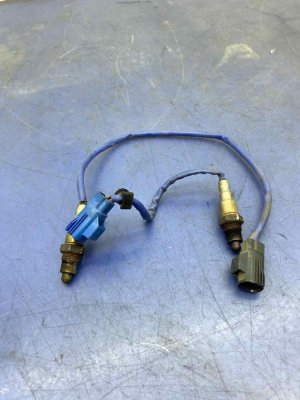
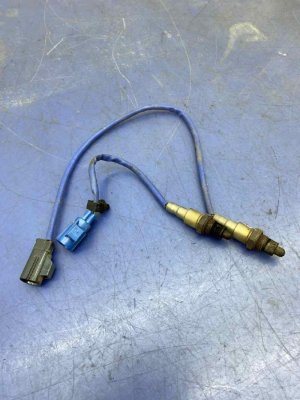
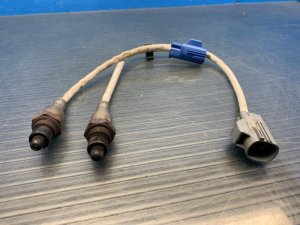
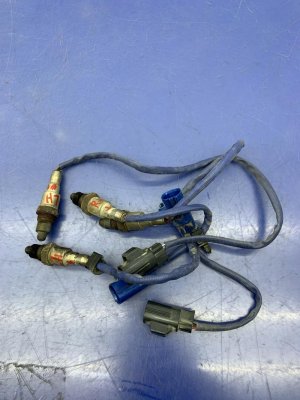
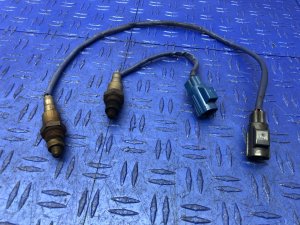
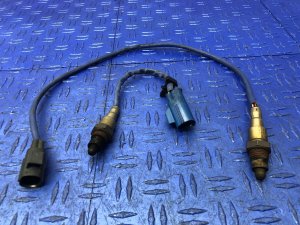
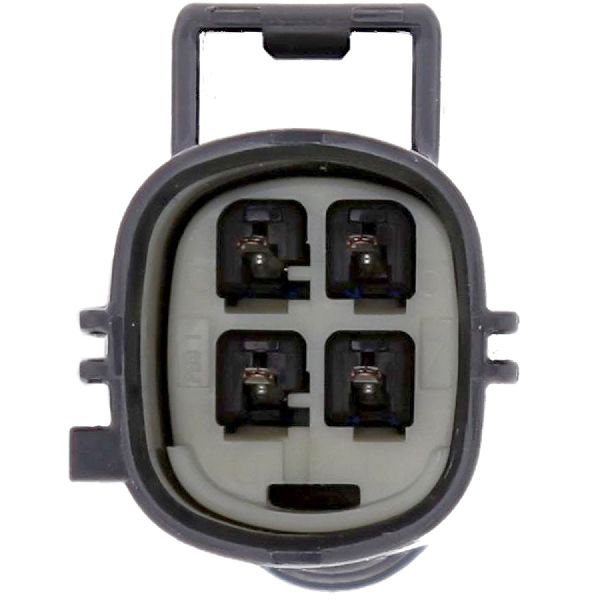
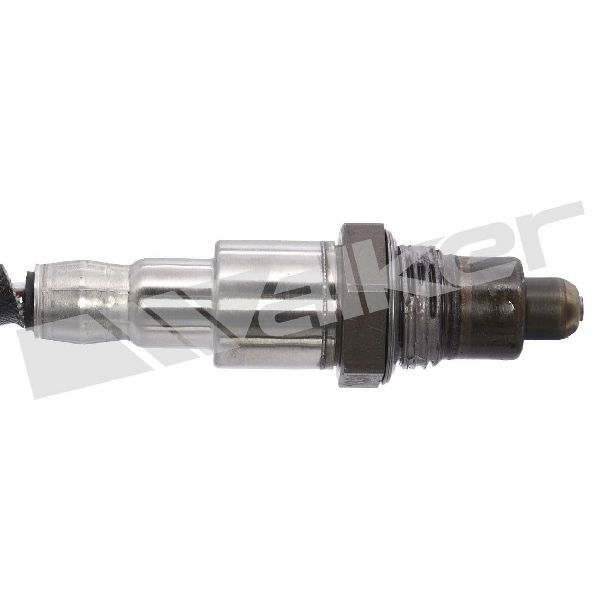
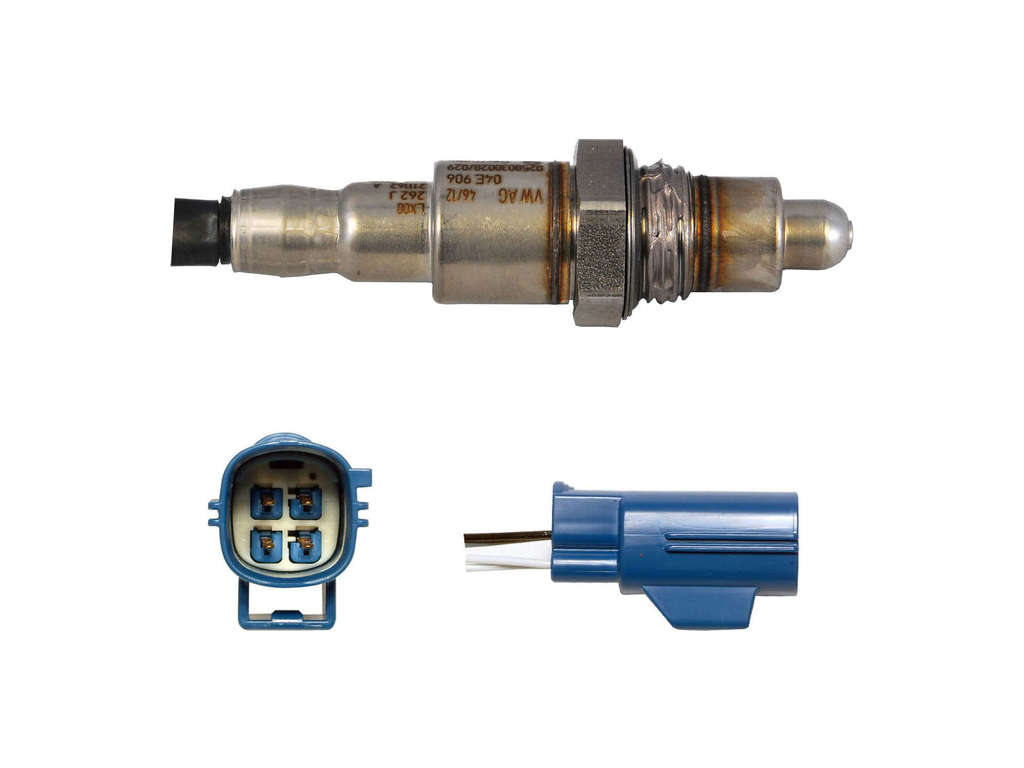
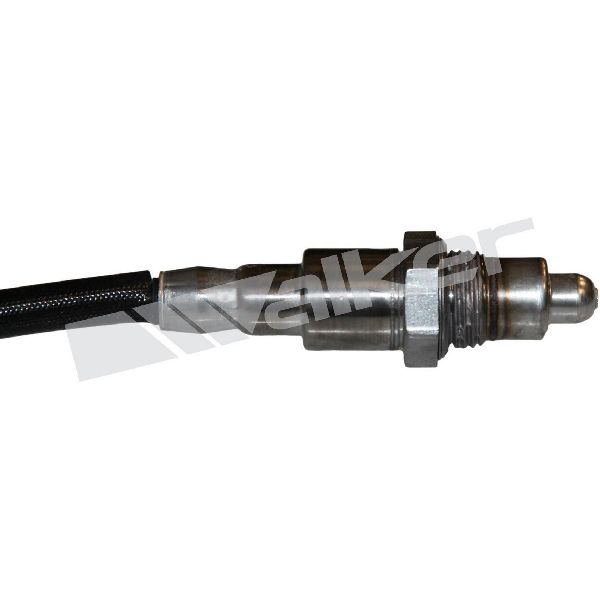
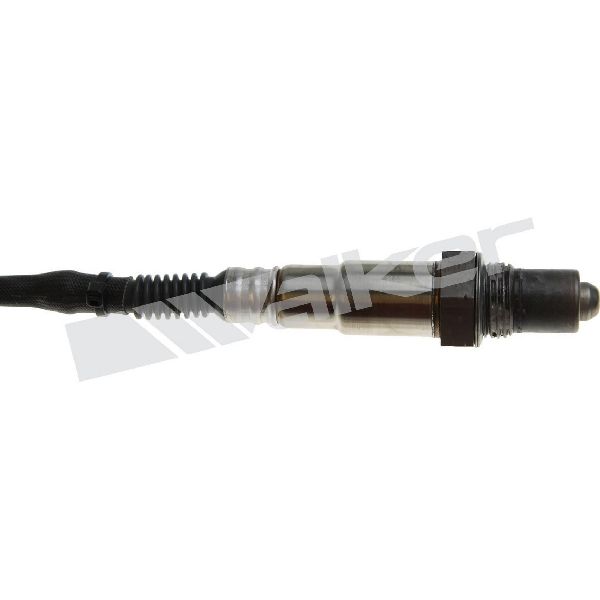
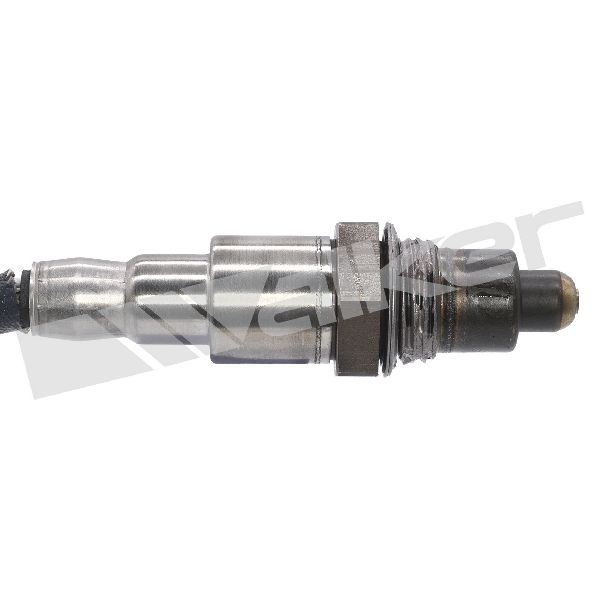
- Oxygen Sensor (Bank 1, Sensor 2)
(OEM #T2R54607)— The internal heater element of the sensor is the most common failure point for this code, as supported by manufacturer TSBs.
Trusted brands: Bosch, Denso, NGK/NTK
OEM price range: $250-$270
Aftermarket price range: $70-$160
Related Codes That Often Appear With This One
- P0036 — This is the generic code for the same heater circuit fault. P0037 is the more specific code indicating the circuit is low.
- P0141 — This code also relates to the Bank 1, Sensor 2 heater circuit performance, and is often listed in the same TSBs.
- P013E — This code indicates a delayed response from the same sensor (Bank 1, Sensor 2), suggesting the sensor is failing, which could be related to the heater not working correctly.
- P0057 — This is the equivalent code for the other bank (Bank 2, Sensor 2). If both appear, it could suggest a common issue like a shared fuse or power source.
Technical Service Bulletins (TSBs) & Recalls
- SSM72477: Mentions P0037 in a list of codes related to faults with post-catalyst heated oxygen sensors.
- JTB-00392-NAS-3: Groups P0037 with other DTCs relevant to mid-catalyst and post-catalyst heated oxygen sensors. Recommends replacing the sensor and updating PCM software.
- JTB00392NAS1: Also lists P0037 among codes for mid and post-catalyst HO2S issues.
Platform-Specific Known Issues
- Jaguar has issued multiple Technical Service Bulletins (including SSM72477, JTB-00392-NAS-3, and JTB00392NAS1) that group P0037 with a wide range of other diagnostic trouble codes related to mid-catalyst and post-catalyst heated oxygen sensors, indicating a known pattern of faults in this system for the 2014-2016 model years.
- TSB JTB00392NAS3 specifically mentions that a software error can be a cause, and the service instruction involves replacing the affected sensor(s) AND performing a PCM software update using JLR-specific diagnostic tools.
Mechanic-Grade Diagnostic Values
- O2 Sensor Heater Circuit Supply Voltage — expected: ~12V (battery voltage). Failure: A reading below 9V indicates a low-voltage condition that can trigger the code. No voltage indicates an open circuit or blown fuse.
- O2 Sensor Heater Element Resistance — expected: 10 - 25 Ohms (when cold). Failure: Infinite resistance (open circuit) or zero resistance (short circuit) indicates a failed heater element within the sensor.
- O2 Sensor Signal Voltage (for general health check, not heater circuit) — expected: Rapidly fluctuating between ~0.1V and ~0.9V on a warm, running engine.. Failure: A steady, unchanging voltage or slow response indicates a failing or fouled sensor.
Scan Tool Commands That Help
- JLR SDD (Symptom Driven Diagnostics): Datalogger - Oxygen Sensor Monitor — To monitor the live voltage output and heater status of the O2 sensors to confirm a fault. SDD can show detailed parameters not available on generic scanners.
- JLR SDD or equivalent professional scanner: Clear Adaptations (Fuel Trims) — After replacing a sensor or fixing a fault that affects the air/fuel mixture, it is advisable to reset the long-term fuel trim adaptations to allow the ECU to relearn values with the new, functional components.
- N/A - Manual Procedure: Jaguar Drive Cycle — After clearing codes, a specific drive cycle must be performed to allow the onboard diagnostic monitors (including the O2 sensor and heater monitors) to run and confirm the repair. For the O2 heater, this involves starting a warm engine and idling for at least 3 minutes.
Wiring & Ground Locations
- Right Post-Catalyst Heated Oxygen Sensor — Located on the right (passenger side in LHD) exhaust pipe, after the catalytic converter.. This is the specific sensor (Bank 1, Sensor 2) that code P0037 refers to.
- G1D132D — Ground point located on the right side of the rear engine compartment.. A poor ground at this location could potentially affect circuits related to engine management sensors on Bank 1.
- C1E121B — A connector within the engine performance wiring harness, located near the left rear of the engine compartment, connecting to the ECM.. This connector is part of the path between the oxygen sensors and the Engine Control Module. A fault here could interrupt the signal or heater power.
- OBD-II Port — Under the driver's side dashboard, to the left of the steering column, above the hood release.. This is the connection point for the OBD-II scanner used to read the P0037 code and monitor live data.
Real Owner Repair Stories
- JaguarForums user 'kelv' (Jaguar X-Type (different model, but same P0037 code and generic cause)) — P0037 error code present.
❌ Tried (didn't work) Initial diagnosis
✅ What actually fixed it Replacing the downstream oxygen sensor on Bank 1 fixed the code. The user noted the sensor was extremely seized and difficult to remove, requiring a custom-bent 22mm spanner to finally break it loose.
OEM Part Supersession History
C2D23703, C2D54167, DX239G444FD→T2R54607— Standard part evolution for improved reliability or manufacturing changes.
Heads up: No known incompatibilities; T2R54607 is the correct service replacement for the earlier parts on this vehicle.
Helpful Videos

Used OEM Parts in Stock
New Aftermarket Parts Available

The information in this article is provided for general reference and educational purposes only. Vehicle specifications, procedures, and part compatibility can vary by production date, trim level, and region. Always consult your vehicle's factory service manual and verify part numbers before purchasing or performing repairs. Safety-critical components such as airbags, seat belts, and braking systems should be installed by a qualified professional.
- Jaguar F-TYPE:
- 🎬 Helpful Videos
- 🛍️ Shop This Part
- What's Unique About the 2014-2016 Jaguar F-TYPE
- Diagnostic Flowchart
- Symptoms You May Notice
- Most Likely Causes
- Rare But Worth Checking
- Diagnosis Steps
- Parts You'll Likely Need
- Related Codes That Often Appear With This One
- Technical Service Bulletins (TSBs) & Recalls
- Platform-Specific Known Issues
- Mechanic-Grade Diagnostic Values
- Scan Tool Commands That Help
- Wiring & Ground Locations
- Real Owner Repair Stories
- OEM Part Supersession History
- 🎟️ Get 5% Off