

P0031 on 2011-2016 Kia Sportage 1.7L CRDI: Heater Circuit Low Causes and Fixes
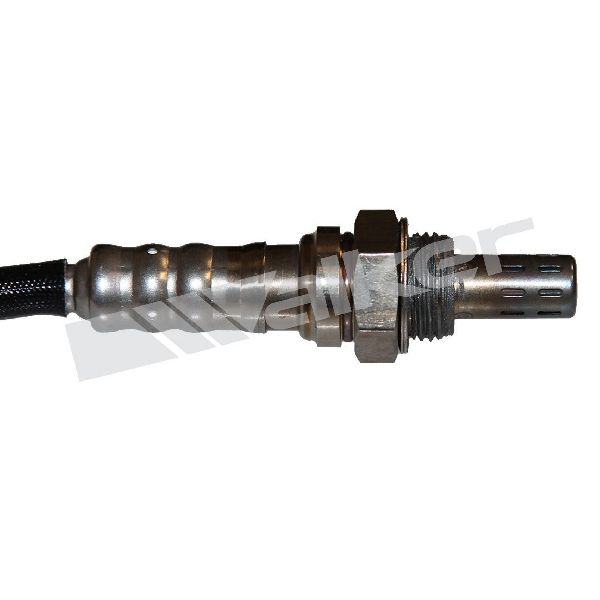
On a 2011-2016 Kia Sportage with the 1.7L CRDI diesel engine, code P0031 almost always means the internal heater in the upstream oxygen sensor (Bank 1, Sensor 1) has failed. The most common fix is to replace the sensor. Before buying parts, also check the relevant sensor fuse in the engine bay fuse box, which may be labeled 'SENSOR 1' or similar, and inspect the wiring harness for melting near the exhaust manifold.
- P0031 on your 1.7L CRDI Sportage almost always points to a failed heater inside the upstream oxygen sensor (Bank 1, Sensor 1).
- Before replacing the sensor, always check the sensor fuse and inspect the wiring for damage, especially for oil contamination in the connector which has been reported by other 1.7 CRDI owners.
What's Unique About the 2011-2016 Kia Sportage
The 2011-2016 Kia Sportage (SL generation) with the 1.7L CRDI engine (D4FD 'U2') is an inline-four, so it only has one bank of cylinders, simplifying diagnosis as there is only one "Bank 1". While this P0031 code is a straightforward electrical fault, the 1.7L CRDI engine can have other issues like DPF or EGR soot buildup that can sometimes foul sensors, though P0031 specifically points to an electrical failure in the heater circuit, not a contaminated sensor tip. The most common point of failure is simply the heater element inside the sensor burning out from thousands of heat cycles. A unique symptom reported by some 1.7 CRDI owners with this code is a slightly louder engine noise and fluctuating RPMs.
Symptoms You May Notice
- Check Engine Light is on
- Increased fuel consumption
- Rough or unstable idle, especially when the engine is cold
- Failing an emissions test
- Slightly louder engine noise or fluctuating RPMs
- Engine may run in open-loop mode for longer, delaying optimal fuel control
- Replacing the downstream (Sensor 2) oxygen sensor. P0031 specifically refers to the upstream sensor (Sensor 1) before the catalytic converter.
- Replacing the oxygen sensor without first checking the fuse and wiring. A simple blown fuse or melted wire could be the root cause.
- Assuming the code is related to DPF or EGR soot buildup. While common on the 1.7 CRDI, P0031 is an electrical circuit fault, not a sensor performance/contamination fault.
Most Likely Causes
- Failed Upstream Oxygen Sensor (Bank 1, Sensor 1) 🔴 High Probability The internal heater element is a common wear-and-tear item that burns out or shorts internally after many heat cycles in the harsh exhaust environment. This is the most frequent cause of P0031.
How to confirm: With the sensor disconnected, use a multimeter to measure the resistance between the two heater circuit pins on the sensor. A healthy sensor should have a resistance between 2.5 and 4.0 ohms at room temperature. An open circuit (infinite resistance) or a direct short (near zero ohms, often below 2 ohms) confirms the heater has failed.
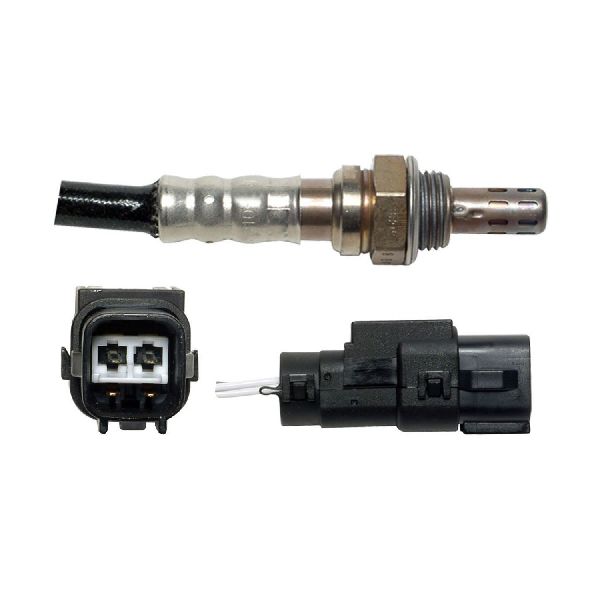
Typical fix: Replace the upstream oxygen sensor (Bank 1, Sensor 1). A special 22mm (or 7/8") slotted socket is highly recommended for removal and installation. The OEM part number for some applications is 39210-2A450, but always verify with your vehicle's VIN.
Est. part cost: $70-$250 - Blown Fuse 🟡 Medium Probability A short circuit within the failing oxygen sensor's heater element can cause the protective fuse to blow. If the fuse is blown, it will likely blow again until the shorted sensor is replaced.
How to confirm: Check the fuse labeled for the oxygen sensor in the engine compartment fuse box. On some Kia/Hyundai models, this is a 15A fuse that may be labeled 'SENSOR 1' or 'SENSOR 4'. Visually inspect the fuse or use a multimeter to check for continuity. Note: Some forum users have had difficulty locating a specific fuse for the O2 sensor on the 1.7 CRDI, suggesting it may be integrated differently on some versions.
Typical fix: Replace the blown fuse after replacing the faulty oxygen sensor. Do not just replace the fuse, as the underlying short in the sensor will cause it to blow again.
Est. part cost: $1-$5 - Damaged Wiring or Connector ⚪ Low Probability The sensor's wiring harness is routed near the hot exhaust, making it susceptible to melting, chafing, or becoming brittle and cracking over time. Plastic retaining clips can fail, allowing the harness to contact hot components. Oil leaks can also contaminate the connector, causing a short, a specific issue noted by a 1.7 CRDI owner.
How to confirm: Visually inspect the entire wiring harness from the oxygen sensor to the main engine harness. Look for any signs of melting, frayed wires, or corrosion in the connector pins. Check for oil contamination inside the connector itself.
Typical fix: Repair the damaged section of wiring or clean the connector terminals. If damage is severe, a new connector pigtail may be needed. Secure the harness away from heat sources with new clips or high-temperature zip ties.
Est. part cost: $10-$50
Rare But Worth Checking
- Faulty Powertrain Control Module (PCM): This is extremely rare. The PCM's internal driver for the heater circuit can fail. All other possibilities (sensor, fuse, wiring) must be exhaustively ruled out before considering a PCM issue.
Diagnosis Steps
- Scan the vehicle for codes and confirm P0031 is present. Note any other codes.
- Perform a thorough visual inspection of the Bank 1 Sensor 1 (upstream) oxygen sensor, its connector, and its wiring harness. Look for any signs of melting, chafing, or corrosion. Ensure the harness is properly secured away from the hot exhaust manifold.
- Locate and inspect the fuse for the oxygen sensor heater circuit in the engine bay fuse box (may be labeled 'SENSOR 1' or 'SENSOR 4' and is often a 15A fuse). Replace if blown.
- If the fuse is good, disconnect the oxygen sensor connector.
- Using a multimeter set to Ohms, measure the resistance across the two heater pins on the sensor itself (often the two wires of the same color). A reading between 2.5 and 4.0 Ohms is typical for this platform. Infinite resistance (OL) or near-zero resistance indicates a failed sensor that needs replacement.
- If sensor resistance is good, check for power at the harness connector. With the ignition on (engine off), use a multimeter to check for battery voltage (~12V) at the heater power supply wire.
- If there is no voltage, there is a break in the power wire between the fuse box and the sensor. If voltage is present, the issue may be on the ground control side, pointing towards a wiring issue back to the PCM or a rare PCM fault.
Parts You'll Likely Need
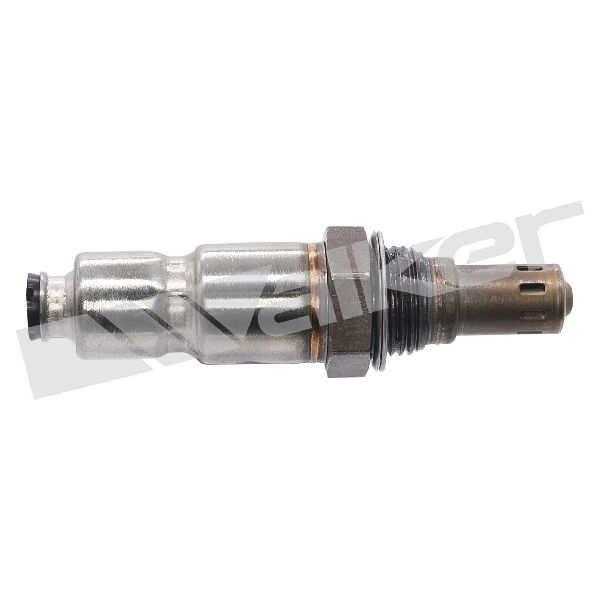
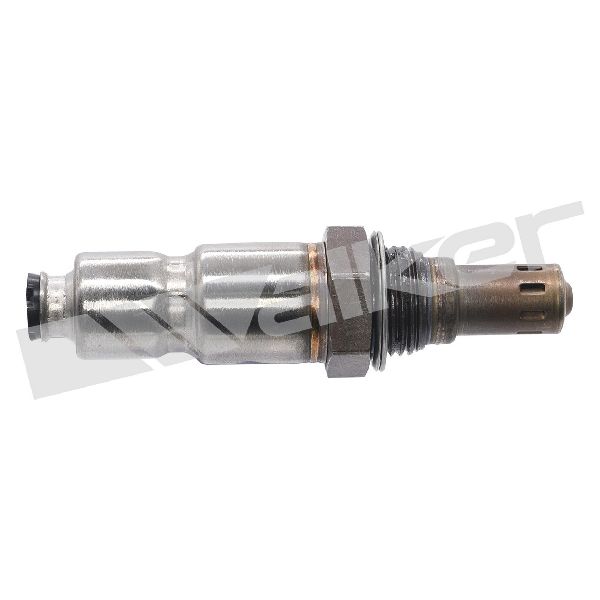
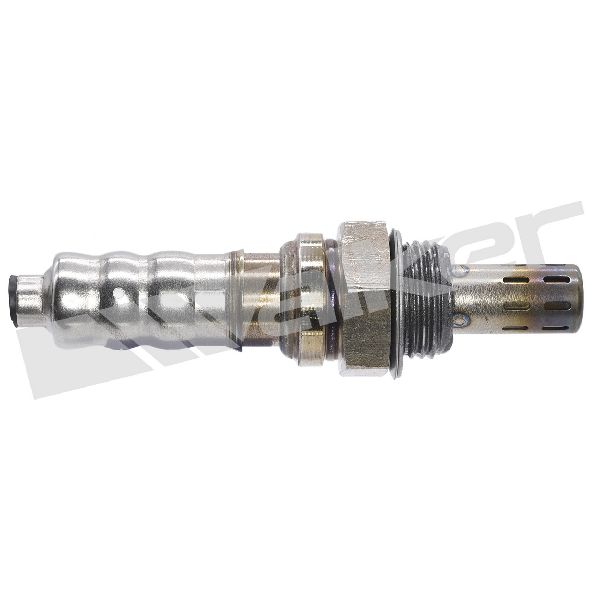
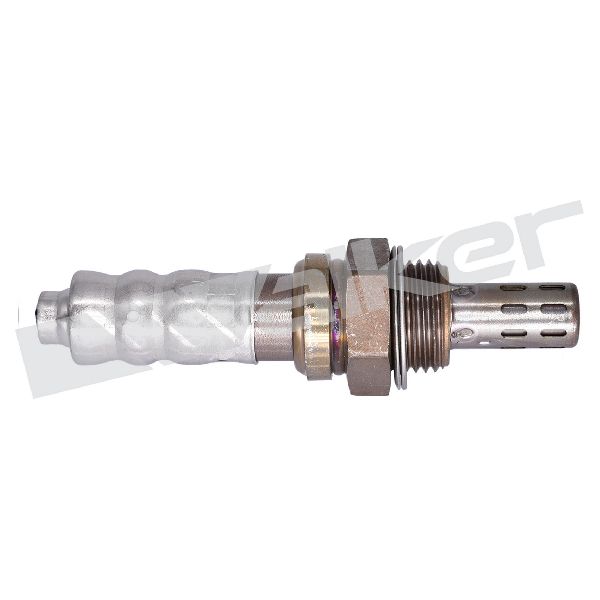
- Upstream Oxygen Sensor (Bank 1 Sensor 1)
(OEM #39210-2A450 (Verify with VIN))— This is the most common cause of P0031, as the internal heater element fails over time.
Trusted brands: Bosch, Denso, NGK/NTK
OEM price range: $150-$250
Aftermarket price range: $70-$150
Related Codes That Often Appear With This One
- P0030 — This is a general heater control circuit malfunction code for the same sensor and is often diagnosed using the same steps.
- P0032 — This code indicates a 'High' circuit condition for the same sensor's heater, pointing to a different type of electrical fault (like a short to power) within the same component.
- P0053 — This code specifically indicates that the O2 sensor heater resistance is out of range, which often appears alongside P0031 when the heater element is failing.
Platform-Specific Known Issues
- A forum member with a 1.7 CRDI reported finding oil inside the oxygen sensor electrical connector, which caused the short circuit and the P0031 code.
- Owners of the 1.7 CRDI engine have specifically reported louder engine operation and fluctuating RPMs as symptoms accompanying the P0031 code, which is less common on other platforms.
Mechanic-Grade Diagnostic Values
- Upstream O2 Sensor (B1S1) Heater Element Resistance — expected: 2.5 - 4.0 Ohms at room temperature (~21°C / 70°F).. Failure: A reading of infinity (Open Loop) or near-zero Ohms (short circuit) confirms a failed heater element.
- Heater Power Supply Pin Voltage (at harness connector) — expected: Battery voltage (~12V) with Key On, Engine Off (KOEO).. Failure: 0V or significantly low voltage points to a blown fuse, bad relay, or an open in the power wire from the fuse box.
- Heater Control Circuit Current Draw — expected: The ECM expects a specific current draw. A low current condition (e.g., less than 0.3 A) can trigger P0031.. Failure: Current below the manufacturer's specified minimum threshold indicates high resistance or an open circuit.
Scan Tool Commands That Help
- Kia GDS (Global Diagnostic System): Actuation Test for O2 Sensor Heater — After verifying wiring and fuses are good, this command allows a technician to manually activate the heater circuit. This can help confirm if the PCM driver is functioning and if the sensor responds to commands, isolating the fault between the PCM and the sensor itself.
- Kia GDS (Global Diagnostic System): Resetting Adaptive Values — After replacing the oxygen sensor, it is good practice to reset the engine's fuel trim adaptive values. This forces the ECM to relearn fuel strategies with the new, correctly functioning sensor, ensuring optimal performance and fuel economy.
Wiring & Ground Locations
- Upstream O2 Sensor Connector — A 4-pin connector, typically black, located at the rear of the engine, connecting the sensor pigtail to the main engine harness near the exhaust manifold.. This is the primary point for testing voltage, ground, and resistance. Pin 4 (often Red) is the 12V power supply from the fuse. Pin 3 (often White or Black) is the ground-side control wire from the PCM. The other two pins are for the sensor signal.
- Fuse 'SENSOR 1' or 'SENSOR 4' — Located in the main fuse/relay box in the engine compartment.. This 15A fuse provides the 12V power for the heater element. A shorted sensor will often blow this fuse, making it a critical first check.
Real Owner Repair Stories
- kia-forums.com user (2010 Kia Sportage 1.7 CRDI) — Check Engine Light with P0031, louder than normal engine operation, and fluctuating RPMs.
❌ Tried (didn't work) Initial diagnosis was confusing due to difficulty in locating a specific fuse for the O2 sensor.
✅ What actually fixed it The root cause was found to be engine oil that had contaminated the oxygen sensor's electrical connector, causing a short circuit. Cleaning the connector and addressing the source of the oil leak resolved the P0031 code.
Model Year Variations Within This Range
- 2011 onwards: All engines, including the 1.7L CRDI, received Kia's ISG (Idle Stop & Go) technology to improve fuel economy.
- 2014-2016: The Sportage received a facelift with a new 'tiger nose' grille, new alloy wheels, and interior updates. Trailer stability assist and a tyre pressure monitoring system (TPMS) became standard. The core 1.7L CRDI engine remained mechanically similar.
- 2015-2016: The diesel engines, including the 1.7L CRDI, were updated to be Euro 6 emissions compliant. This may involve different sensor calibrations or software, but the P0031 fault remains primarily related to the same hardware failure.
Diagnostic Flowchart
Other Known Issues on This Vehicle
Issues unrelated to this code that are worth knowing about as an owner of this generation:
- Diesel Particulate Filter (DPF) Clogging 🔴 High — Common on vehicles used primarily for short, urban trips where the DPF cannot complete its regeneration cycle. Can occur from 30,000 km onwards.
- EGR Valve Carbon Buildup 🟠 Medium — Also common on vehicles used in stop-start traffic, leading to rough idle, hesitation, and black smoke. Often occurs between 80,000 and 130,000 km.
- Manual Gearbox Synchromesh Wear 🟠 Medium — Weakness in the 6-speed manual gearbox synchromesh rings can cause crunching or difficulty shifting, particularly into 6th gear. Symptoms can appear between 60,000-120,000 km.
- Clutch Judder / Premature Wear 🟡 Low — Some owners report premature clutch wear or a juddering sensation when pulling away, especially on manual models. The 7-speed DCT (on later models) also had a TSB for judder. (Ref: TSB CHA068 (for later DCT models))
- Engine Wiring Harness Damage 🟡 Low — A forum user reported extensive damage to the main engine wiring harness, leading to persistent sensor errors (P0101, P0113). While not widespread, it highlights a potential for complex electrical issues.
Used vs. New Parts: Buying Guide for This Vehicle
When a used part is the smart pick: A used oxygen sensor is generally not recommended. It is a wear-and-tear component with a finite lifespan, and its remaining life is impossible to determine. The labor to install it is the same as for a new part, making a used sensor a poor value proposition. A used wiring harness connector pigtail from a junkyard is a viable option if only the connector is damaged.
Donor-vehicle mileage cap: roughly under 50000 miles for the part to have meaningful remaining life.
What to inspect on the donor part:
- For a connector pigtail, inspect for brittle plastic, corrosion on pins, or any signs of melting.
- Ensure the donor vehicle shows no signs of fire or major fluid leaks in the engine bay.
OEM-only on this vehicle (don't cheap out):
- While not strictly 'OEM-only', using a reputable OEM supplier is critical for oxygen sensors. Cheap, unbranded sensors are known to fail prematurely or have incorrect resistance values, causing the code to return.
Aftermarket brands forum-validated for this vehicle:
- NTK
- Bosch
- Denso
- Walker Products
Brands owners have reported issues with on this vehicle:
- Unbranded, no-name sensors sold on marketplaces are frequently cited in forums as being unreliable.
Real Owner Stories
Aggregated from forums and TSBs cited above. Mileages and costs reflect what owners reported in those sources.
2010 Kia Sportage 1.7 CRDI
Symptoms: Louder engine operation and fluctuating RPMs; P0031 code present.
What fixed it: Found oil inside the oxygen sensor electrical connector which caused a short circuit; cleaned the connector/replaced sensor.
Source hint: kia-forums.com: 'Bezpiecznik sondy lambdy KIA Sportage 3 1.7crdi 2010r.'
Related OBD-II Codes
Frequently Asked Questions
Where is the oxygen sensor fuse located on the 1.7 CRDI Sportage?
What is the correct resistance for a new Bank 1 Sensor 1 on my Kia Sportage 1.7L?
Can an oil leak cause the P0031 code on my Sportage?
What is the OEM part number for the upstream oxygen sensor on the 1.7 CRDI?
Is there a TSB for clutch judder on my Sportage while I'm fixing this O2 sensor?
Why does my 1.7 CRDI sound louder and have fluctuating RPMs with P0031?
Helpful Videos
We Have This Part in Stock

The information in this article is provided for general reference and educational purposes only. Vehicle specifications, procedures, and part compatibility can vary by production date, trim level, and region. Always consult your vehicle's factory service manual and verify part numbers before purchasing or performing repairs. Safety-critical components such as airbags, seat belts, and braking systems should be installed by a qualified professional.
- Kia Sportage:
- 🎬 Helpful Videos
- 🛍️ Shop This Part
- What's Unique About the 2011-2016 Kia Sportage
- Symptoms You May Notice
- Most Likely Causes
- Rare But Worth Checking
- Diagnosis Steps
- Parts You'll Likely Need
- Related Codes That Often Appear With This One
- Platform-Specific Known Issues
- Mechanic-Grade Diagnostic Values
- Scan Tool Commands That Help
- Wiring & Ground Locations
- Real Owner Repair Stories
- Model Year Variations Within This Range
- Diagnostic Flowchart
- Other Known Issues on This Vehicle
- Used vs. New Parts: Buying Guide for This Vehicle
- Real Owner Stories
- 2010 Kia Sportage 1.7 CRDI
- Related OBD-II Codes
- Frequently Asked Questions
- 🎟️ Get 5% Off