

P0030 on 2007-2009 Saturn Aura 3.6L V6: O2 Sensor Heater Circuit Causes and Fixes
On a 2007-2009 Saturn Aura with the 3.6L V6, code P0030 almost always means the heater element inside the Bank 1, Sensor 1 oxygen sensor has failed. This is the upstream sensor on the firewall side of the engine. Access is very difficult, but the part itself is relatively inexpensive, around $40-$80 for a quality aftermarket replacement. Before replacing, always check the 15A 'EMISS' fuse first.
- P0030 on this car points to a problem with the heater in the upstream O2 sensor on the firewall side of the engine.
- The most common fix is replacing the sensor, but always check the 'EMISS' fuse first.
- Access to this sensor is very difficult and may require removing the upper intake manifold.
- After replacing the sensor, a 'Heater Resistance Learn Reset' may be needed using a professional scan tool.
What's Unique About the 2007-2009 Saturn Aura
For the Saturn Aura with the 3.6L LY7 V6 engine, the key challenge with a P0030 code is the physical location of the sensor. Bank 1 is the cylinder bank at the rear of the engine bay, against the firewall. Accessing the upstream O2 sensor (Sensor 1) in this location is notoriously difficult and often requires removing the upper intake manifold to gain clearance, turning a simple part swap into a more advanced repair. This issue is shared with platform mates like the Chevy Malibu and Pontiac G6.
Symptoms You May Notice
- Check Engine Light is on
- Decreased fuel mileage
- Failing an emissions test
- Rough idle or poor performance during cold starts
- Replacing the wrong oxygen sensor. It is critical to correctly identify Bank 1 (rear, firewall side) and Sensor 1 (upstream, before the catalytic converter).
- Replacing the oxygen sensor when the actual fault is a simple blown fuse or a damaged wire.
Most Likely Causes
- Failed Oxygen Sensor Heater Element 🔴 High Probability The internal heating element is a common failure point on O2 sensors as they age due to constant, extreme temperature cycles. This is a normal wear-and-tear item.
How to confirm: After confirming the fuse and wiring are good, disconnect the sensor and test the resistance across the two heater circuit pins (usually the two same-colored wires) with a multimeter. 🎬 Watch: How to diagnose and test the O2 heater circuit. A healthy sensor will typically have a resistance between 2-30 ohms. An open circuit (infinite resistance) or a reading far out of spec indicates a failed heater.
Typical fix: Replace the Bank 1, Sensor 1 oxygen sensor.
Est. part cost: $40-$80 - Damaged Wiring or Connector 🟡 Medium Probability The wiring harness is routed in a high-heat area near the rear exhaust manifold, making it susceptible to melting, chafing, or becoming brittle over time. GM TSB 21-NA-149 addresses issues with engine wire harness chafing that can cause P0030.
How to confirm: Visually inspect the wiring harness leading to the O2 sensor for any signs of melting, fraying, or breaks. Check the electrical connector for corrosion, bent pins, or a loose connection.
Typical fix: Repair the damaged section of wiring or replace the connector pigtail.
Est. part cost: $15-$30 - Blown Fuse ⚪ Low Probability
How to confirm: Check the fuse for the O2 sensor heater circuit in the underhood fuse box. For a 2008 model, this is typically fuse #45, a 15A fuse, which may be labeled 'EMISS' or 'Post Cat O2 Sensor Heaters'. A blown fuse indicates a short circuit in the wiring or the sensor itself.
Typical fix: Replace the blown fuse. If the new fuse blows immediately, it confirms a persistent short circuit that must be located and repaired.
Est. part cost: $1-$5
Rare But Worth Checking
- Faulty Engine Control Module (ECM): This is very uncommon. The ECM's internal driver for the heater circuit can fail. This should only be considered after all other possibilities (sensor, wiring, fuse) have been exhaustively tested and ruled out.
Diagnosis Steps
- Confirm the code P0030 is present using an OBD-II scanner.
- Check the fuse. Locate the underhood fuse box and inspect the 15A fuse for the O2 sensor heaters (e.g., fuse #45, labeled 'EMISS' on a 2008 model). Replace if blown.
- If the fuse is good, locate the Bank 1, Sensor 1 O2 sensor on the rear exhaust manifold, near the firewall. 🎬 See this video to locate Bank 1 Sensor 1. Access may require removing the plastic engine cover.
- Inspect the wiring harness and connector for any obvious signs of heat damage, melting, chafing, or corrosion. Pay attention to areas where the harness may contact the engine or exhaust, as noted in TSB 21-NA-149.
- If the wiring looks okay, disconnect the sensor. With the ignition on (engine off), use a multimeter to check for 12V power on the power wire in the harness-side connector.
- If power is present, test the resistance of the heater circuit on the sensor itself. Probe the two heater pins (typically the two wires of the same color). A healthy sensor will have a resistance between 2-30 ohms. An infinite reading (OL) means the heater is burned out (open circuit).
- If the sensor tests good, but there is no power at the connector and the fuse is good, there is a break in the wiring between the fuse box and the sensor.
- If the sensor, fuse, and wiring all check out, the problem may be a rare fault in the ECM.
Parts You'll Likely Need
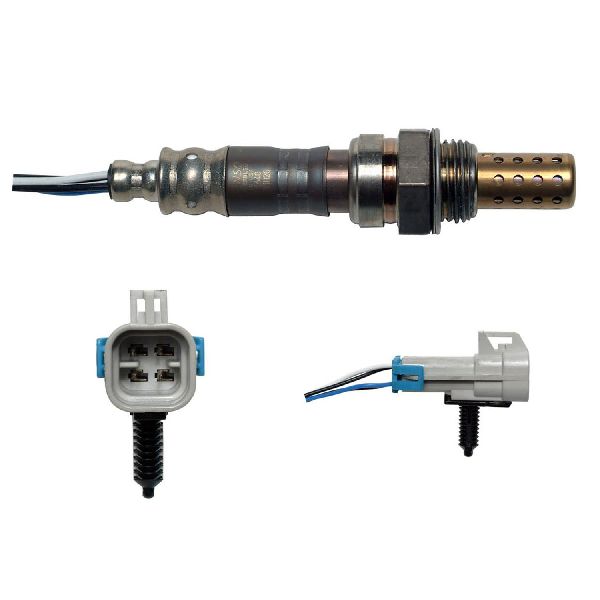
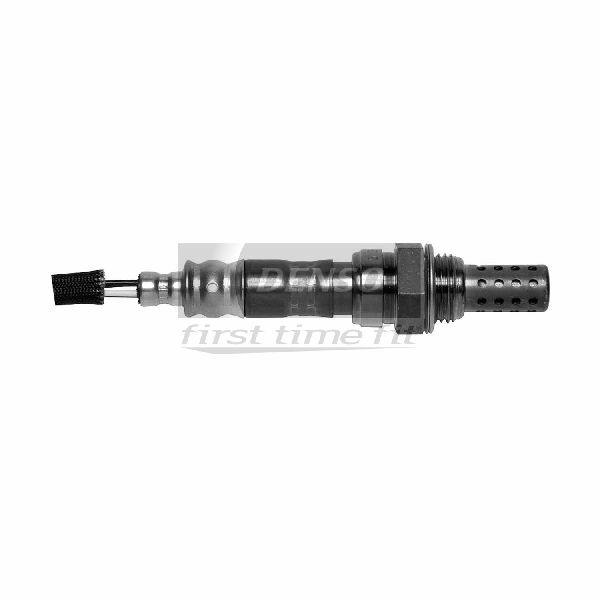
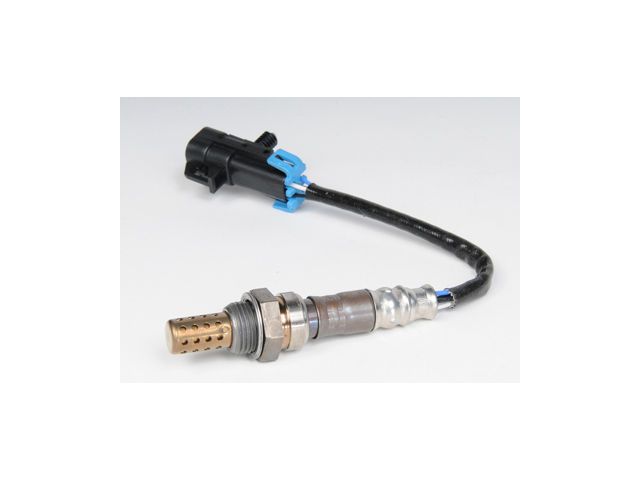
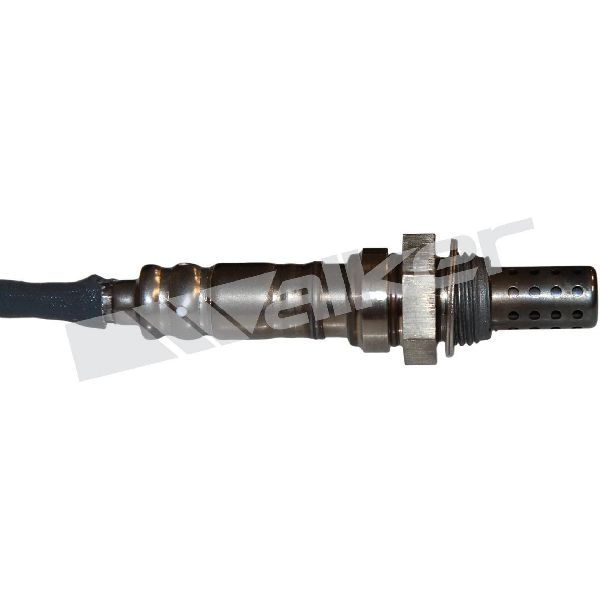
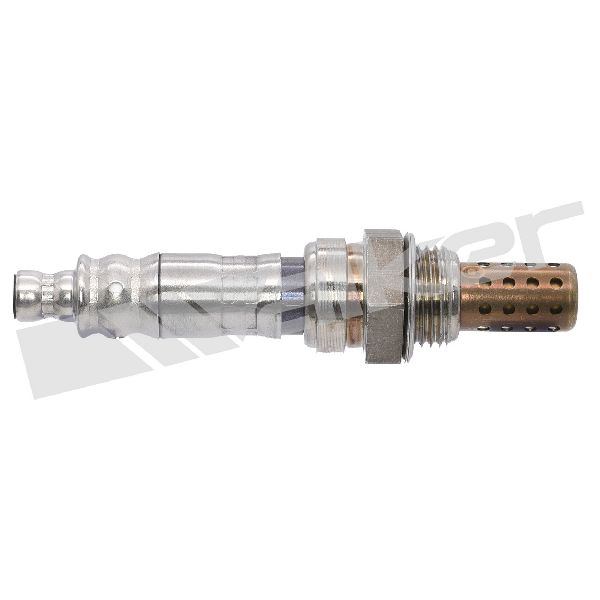
- Bank 1 Sensor 1 Oxygen Sensor
(OEM #ACDelco 213-4293 (GM 12609457))— This is the most frequent cause of P0030, as the internal heater element fails over time.
Trusted brands: ACDelco (OEM), Denso (234-4668), NGK/NTK, Bosch
OEM price range: $100-$150
Aftermarket price range: $40-$80
Related Codes That Often Appear With This One
- P0050 — This code is for the Bank 2, Sensor 1 heater circuit. If P0030 and P0050 appear together, it strongly points to a shared power source issue, like a single blown fuse that powers both sensor heaters.
- P0031 / P0032 — These are more specific versions of P0030, indicating a circuit 'low' (short to ground/open) or 'high' (short to power) condition, respectively. They all point to the same component and circuit.
Technical Service Bulletins (TSBs) & Recalls
- TSB 21-NA-149: Addresses a wide range of DTCs, including P0030, that can be caused by engine wire harness chafing on various GM models, highlighting the need to inspect the harness for damage.
Platform-Specific Known Issues
- The primary issue for this repair is the difficult access to the Bank 1 Sensor 1 O2 sensor, which is located on the rear of the engine against the firewall. Many repair procedures and owner experiences confirm that removing the upper intake manifold is necessary to gain sufficient clearance, which adds significant time and complexity to the job. 🎬 Watch: How to change the O2 sensor on this platform.
Mechanic-Grade Diagnostic Values
- O2 Sensor Heater Element Resistance — expected: 2-30 Ohms, with ~6 Ohms being common for a cold GM sensor.. Failure: Infinite resistance (OL) indicates an open circuit/failed heater.
- Heater Circuit Power Supply (at harness connector) — expected: 12 Volts (Battery Voltage) with Key On, Engine Off.. Failure: 0V or significantly less than battery voltage indicates a blown fuse or open in the power supply wire.
- Heater Circuit Wiring Resistance — expected: Less than 0.5 Ohms from the ECM connector to the sensor connector.. Failure: Resistance greater than 0.5 Ohms indicates corrosion or a partial break in the wire.
Scan Tool Commands That Help
- GM Tech 2 / Professional Scan Tool: HO2S Heater Resistance Learn Reset — This must be performed after replacing a heated oxygen sensor. The PCM learns the resistance of the old sensor's heater, and failing to reset this can cause the PCM to misinterpret the new sensor's cold resistance, potentially leading to premature failure or false codes.
- GM Tech 2 / Professional Scan Tool: Engine Output Controls > Front O2 Sensor Heater — This is a bidirectional test to command the heater circuit on and off. It helps verify if the ECM driver, wiring, and heater element are all capable of functioning when commanded, isolating the fault.
Wiring & Ground Locations
- G105 — On the 3.6L engine, this ground is located at the center rear of the engine.. This is a primary engine ground point. While not exclusively for the O2 sensor, a poor connection here can cause a variety of sensor and module communication issues, including erratic O2 sensor heater performance.
- Bank 1 Sensor 1 Connector — Attached to the upstream oxygen sensor located on the rear exhaust manifold, against the firewall.. This is where all electrical tests for the sensor are performed. The heater circuit consists of the two same-colored wires. One wire should have 12V+ (KOEO) from the EMISS fuse, and the other is the ground control wire (low ctrl) from the ECM.
Real Owner Repair Stories
- Go-Parts Repair Database (platform-mate vehicle) (2008 Saturn Vue 3.6L) — Check Engine Light with code P0030 that would return immediately after being cleared.
❌ Tried (didn't work) Clearing the code
✅ What actually fixed it Replacing the Bank 1, Sensor 1 (upstream, firewall side) oxygen sensor resolved the code. - YouTube Comment (2017 Chevrolet SS (different vehicle, same failure pattern)) — Check Engine Light with codes P0030, P0050, and P0443.
✅ What actually fixed it The root cause was a single blown fuse that powered the circuits for both O2 sensor heaters (P0030/P0050) and the EVAP purge valve (P0443). Replacing the fuse fixed all three codes.
OEM Part Supersession History
12612459→ACDelco 213-4229 / GM 12609457— Standard part lifecycle update by GM.
Heads up: Some vendors note that this replacement sensor may require 'programming' or a 'heater resistance learn reset' with a scan tool to function correctly and avoid setting false codes.
Helpful Videos

We Have This Part in Stock


The information in this article is provided for general reference and educational purposes only. Vehicle specifications, procedures, and part compatibility can vary by production date, trim level, and region. Always consult your vehicle's factory service manual and verify part numbers before purchasing or performing repairs. Safety-critical components such as airbags, seat belts, and braking systems should be installed by a qualified professional.
- Saturn Aura:
- 🎬 Helpful Videos
- 🛍️ Shop This Part
- What's Unique About the 2007-2009 Saturn Aura
- Symptoms You May Notice
- Most Likely Causes
- Rare But Worth Checking
- Diagnosis Steps
- Parts You'll Likely Need
- Related Codes That Often Appear With This One
- Technical Service Bulletins (TSBs) & Recalls
- Platform-Specific Known Issues
- Mechanic-Grade Diagnostic Values
- Scan Tool Commands That Help
- Wiring & Ground Locations
- Real Owner Repair Stories
- OEM Part Supersession History
- 🎟️ Get 5% Off